The Trump administration’s upcoming conference in Bahrain, scheduled for June 25-26, under the pretext of boosting the Palestinian economy, has put Jordan in an unenviable position. Forced to choose, Amman seems to have opted to follow Washington’s wishes over those of its overwhelmingly pro-Palestinian domestic audience.
Germany and the US in the Middle East and North Africa: from joint interests to conflicting strategies?
This conference report outlines interests uniting and dividing Germany (and Europe) and the United States. In addition, instruments to pursue the respective interests in light of an increasingly unsettled region will be examined. In general, it can be said that interests still align but are being pursued with increasingly different instruments.
Security Sector Change: Georgian and Jordanian Transitions
This piece is an edited transcript of a conversation between Khatia Dekanoidze and Omar Al Rafie hosted by Alex Walsh on the margins of the Conference on the Future of Arab Policing in Amman, Jordan in March 2019. The participants discuss the transformation of the police during Georgia’s political transition, the lessons that could be drawn from this experience that might be applicable to Jordan, and the role of Community Policing as a tool to engage the community and bring about positive change.
Monday Briefing: Regime offensive in Syria’s northwest grinds to a halt
In this week’s Monday Briefing, MEI experts Charles Lister, Paul Salem, and Mirette F. Mabrouk provide analysis on recent and upcoming events including military developments in Syria’s northwest, the confirmation of David Schenker as Assistant Secretary of State for Near Eastern Affairs, and the approval of amendments to laws regulating Egypt’s judiciary.
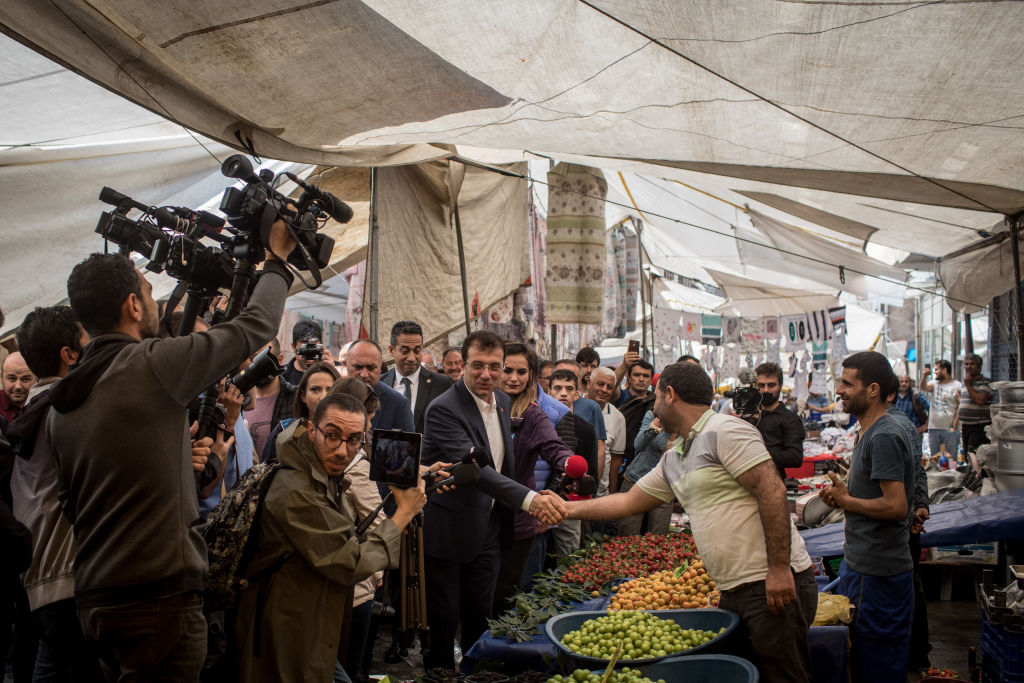
The recent European elections are the latest wake up call to the left. If it wants to counter rising radical right wing populism, it has to shift its agenda from questions of identity to politics centered on creating broad economic equality. Turkey’s left should draw a lesson from the European experience. Instead of fighting the cultural war against Islamists and Kurds, it should connect with the country’s “left behind” and adopt an agenda focused on addressing the country’s economic woes.
Saudi Arabia looks abroad to LNG and petrochemicals to hedge its bets
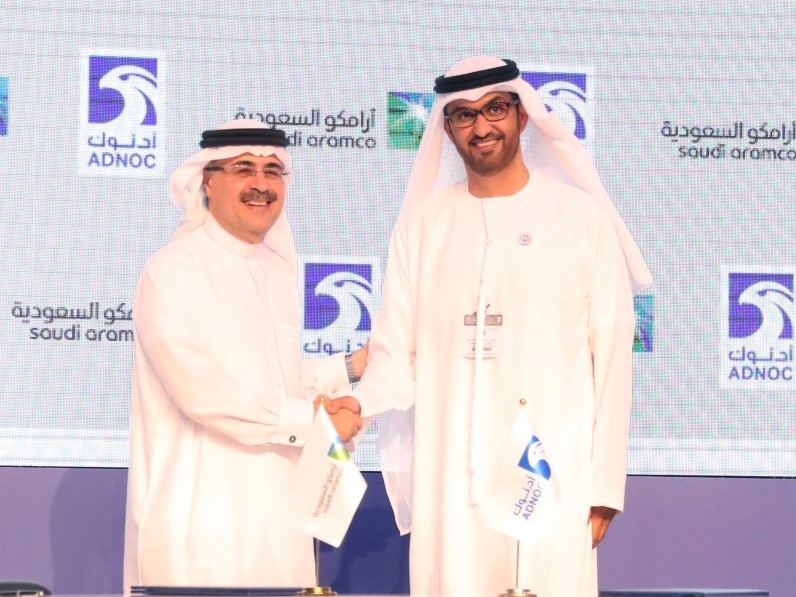
In late May, Saudi Aramco signed an agreement to buy 5 million tons per annum of liquefied natural gas (LNG) from San Diego-based Sempra Energy’s planned LNG terminal in Port Arthur, Texas. The deal exemplifies Saudi Aramco’s determination to boost the share of LNG and petrochemicals in its portfolio before its long-awaited public offering in 2021.
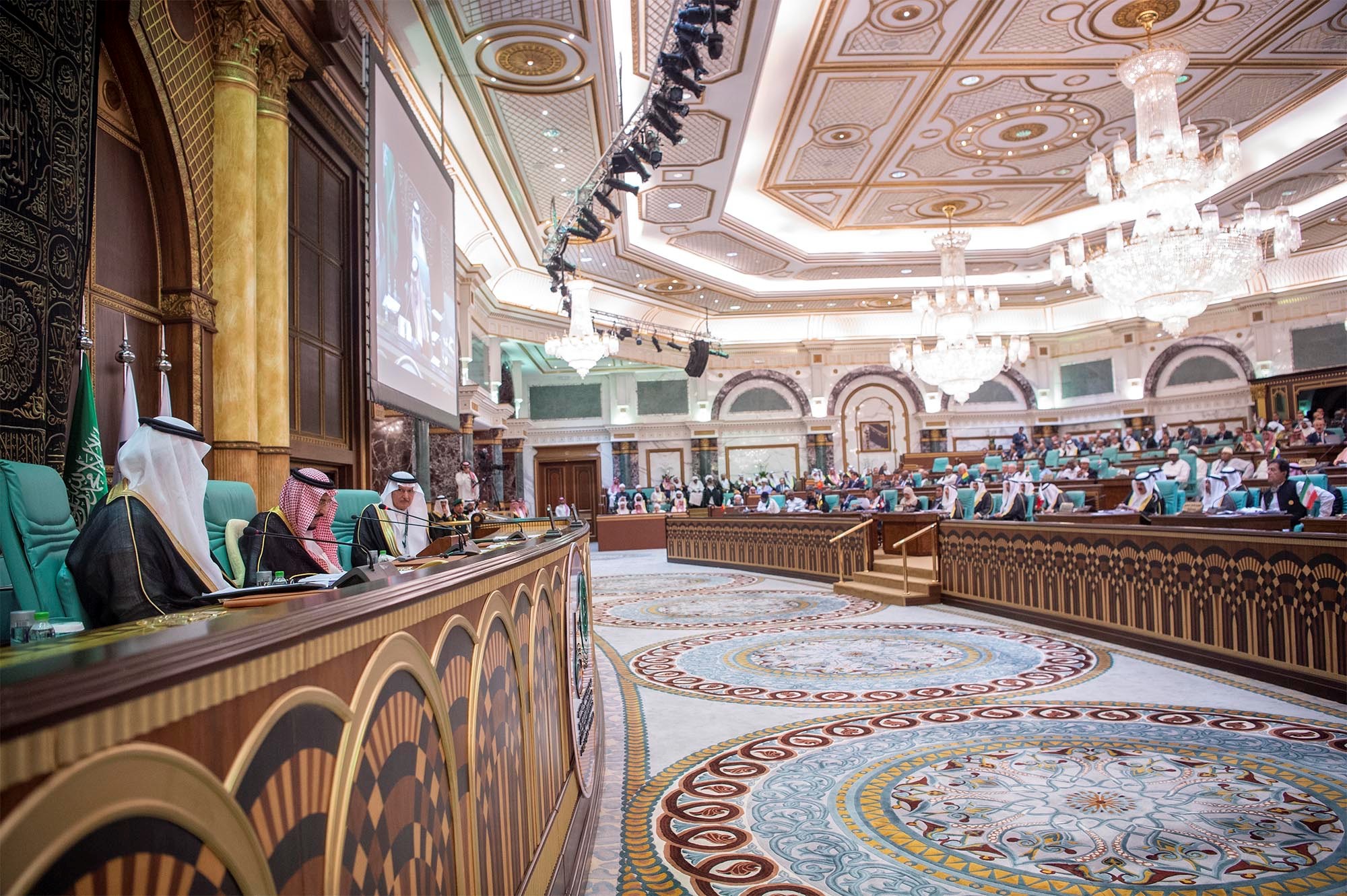
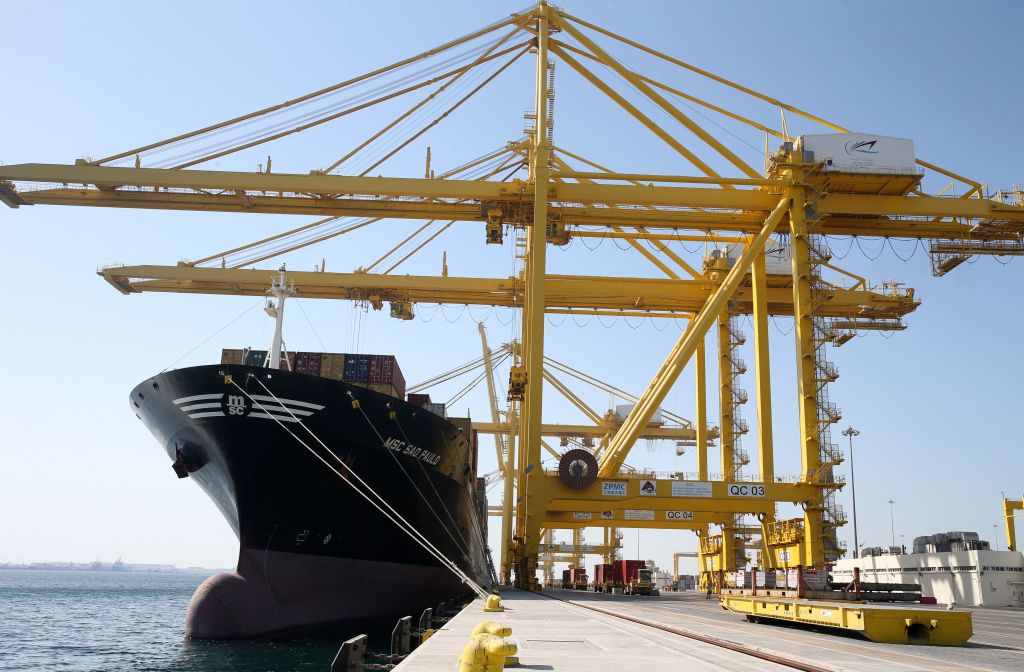
In this week’s Monday Briefing, MEI experts Birol Baskan, Eran Etzion, Alex Vatanka, and Marvin G. Weinbaum provide analysis on recent and upcoming events including recent regional summits in Mecca to discuss Iran and the Qatar crisis, Benjamin Netanyahu’s gambit to retain power in Israel, and escalating hostilities between the Pakistani military and the Pashtun Tahaffuz Movement.
What does Trump’s Golan proclamation mean for UNDOF?
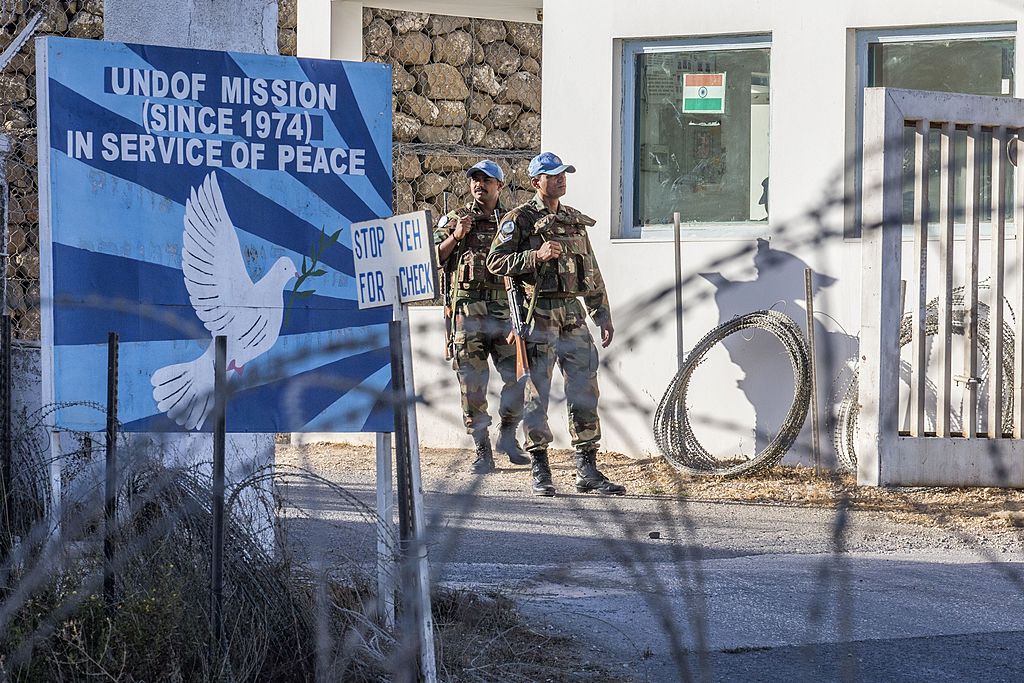
Sometime in June the UN Security Council will vote to approve another six-month renewal of the mandate of the 1000-strong UN Disengagement Observer Force (UNDOF) deployed in the Golan Heights. For more than four decades, the UN Security Council has unanimously renewed the mission’s mandate to maintain the ceasefire between Israel and Syria, but this will be the first time it has come up for a vote since President Donald Trump signed a proclamation recognizing Israeli sovereignty over the area of the Golan Heights on March 25th.
Is ISIS the real winner of Hifter’s Tripoli offensive?
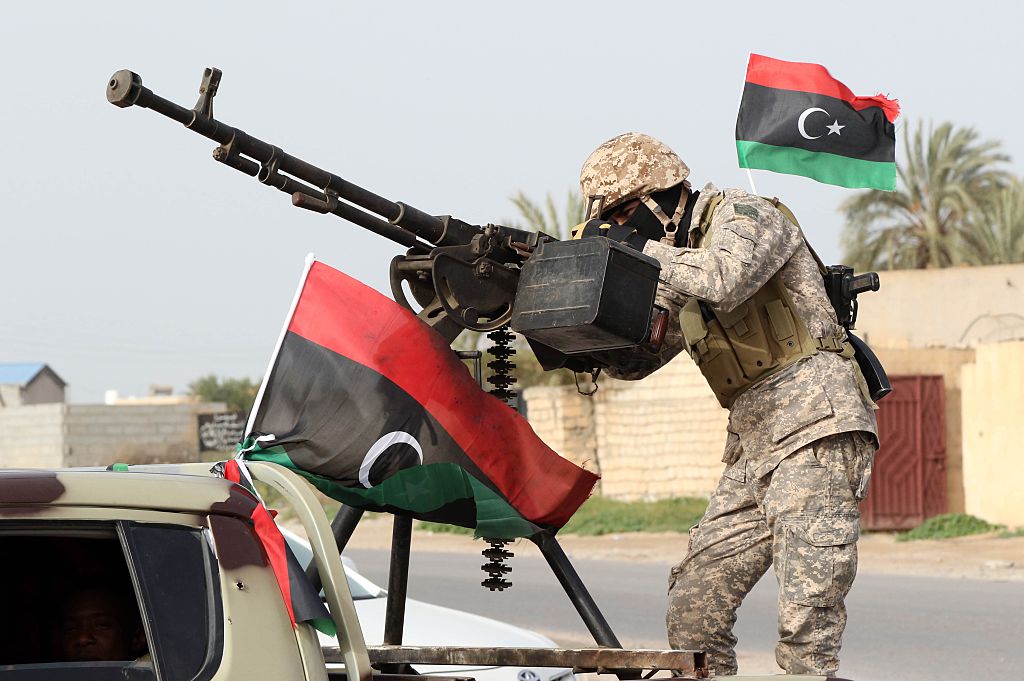
The launch of General Khalifa Hifter’s campaign to retake Tripoli in April has intensified Libya’s political upheaval and created the conditions for a potential resurgence of ISIS. The onset of the Libyan civil war in mid-2014 gave rise to a power vacuum that enabled the group to establish an initial presence in Libya, and while ISIS was eventually driven out at the end of 2016, the current political instability could give it an opportunity to regroup and re-establish itself — with major ramifications for the country and the broader region.
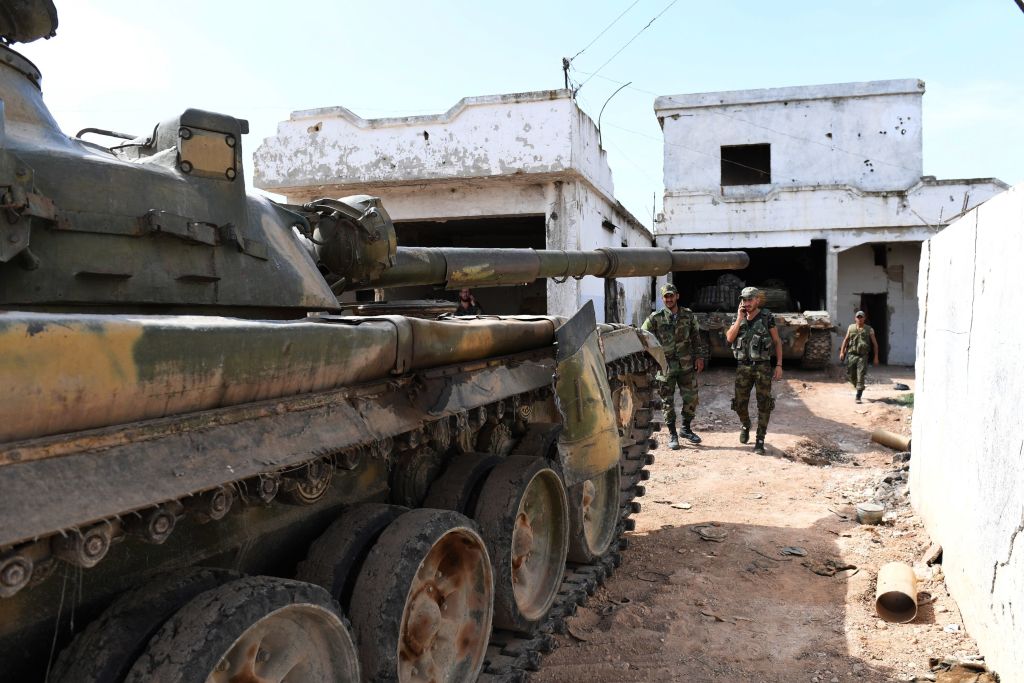
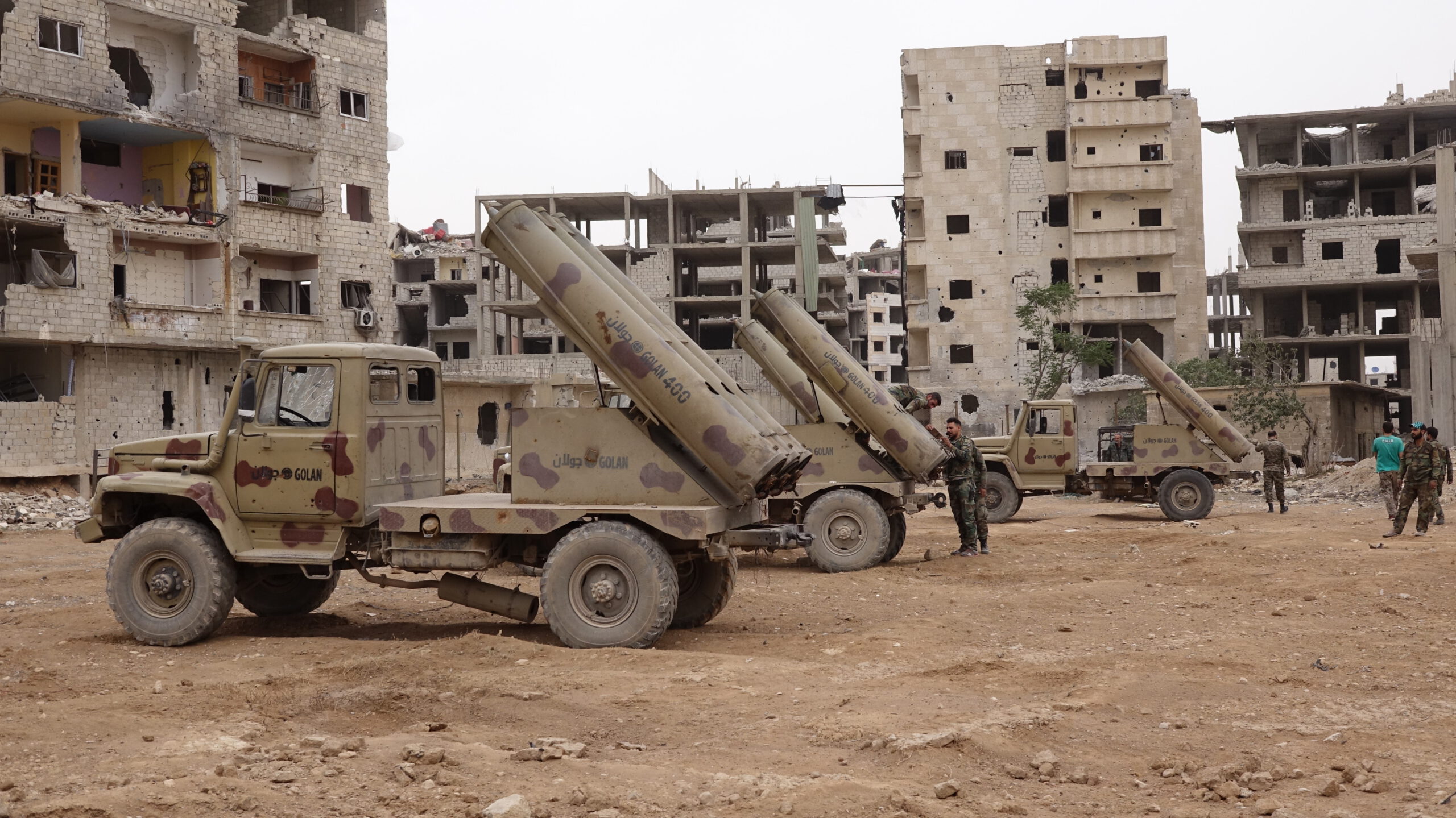
As fighting rages across the last opposition-held province of Idlib, the war in Syria has reached its brutal endgame. The Syrian army’s offensive, launched in early May, will not be quick, but rather marks the start of what will likely be a prolonged, violent, and ultimately costly campaign. If the first few weeks of the operation are anything to go by, resistance will be fierce — fiercer than initially expected — and as the world’s attention shifts toward Idlib, the stakes are now higher than ever.
Our current Arab World is suffering from a “future deficit,” in that ambitious dreams for an alternative and profoundly better future have been shoved aside in favor of the short-term goals of maintaining stability and security, and avoiding civil war or state collapse—all worthy, but not transformative long-term objectives in themselves.
Weekly Briefing: US-Iran tensions and the need for diplomacy
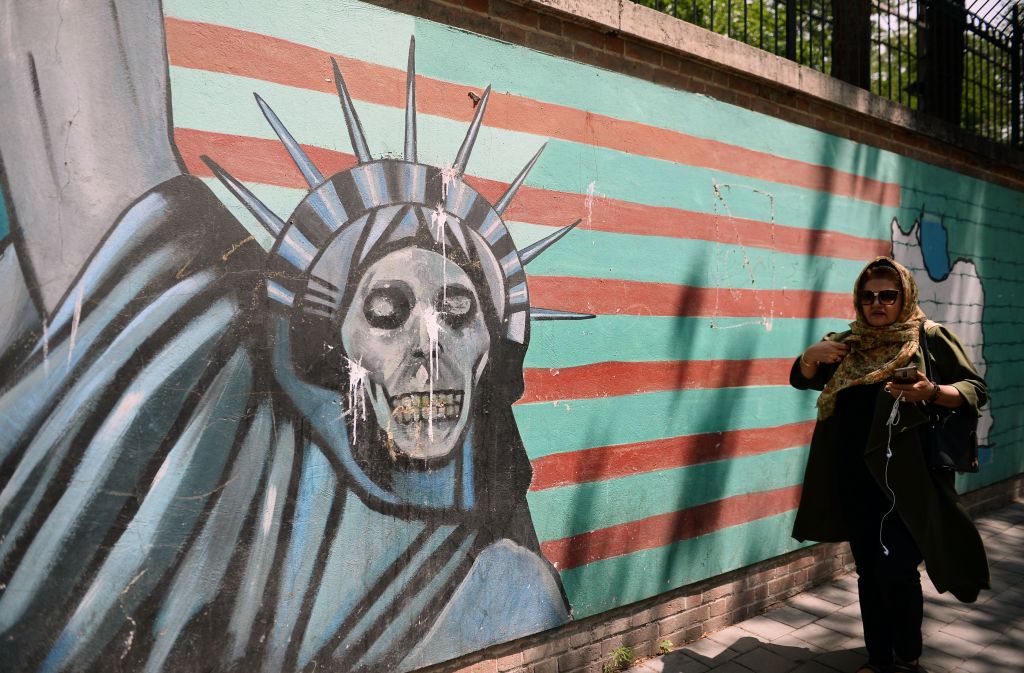
In this week’s Monday Briefing, contributors Nabil Fahmy, Guney Yildiz, Paul Scham, and Elizabeth Dent provide analysis on recent and upcoming events including the state of US-Iran tensions, Turkish-Russian disagreement on Idlib, Israeli Prime Minister Netanyahu’s apparent inability to meet the deadline to form a government, and Iraq’s proposal to take custody of captured ISIS fighters awaiting trial.
Europe’s Deep Reservoir of Goodwill in the Middle East: Lessons for Public Diplomacy
Political and economic transitions are seldom, if ever, compartmentalized processes, insulated from regional and global influences. On the contrary, they are often informed and shaped by exogenous forces and the policies of external actors, including states and international organizations. How can external actors develop interventions that are more likely to be well received and thus support transitions to democracy?
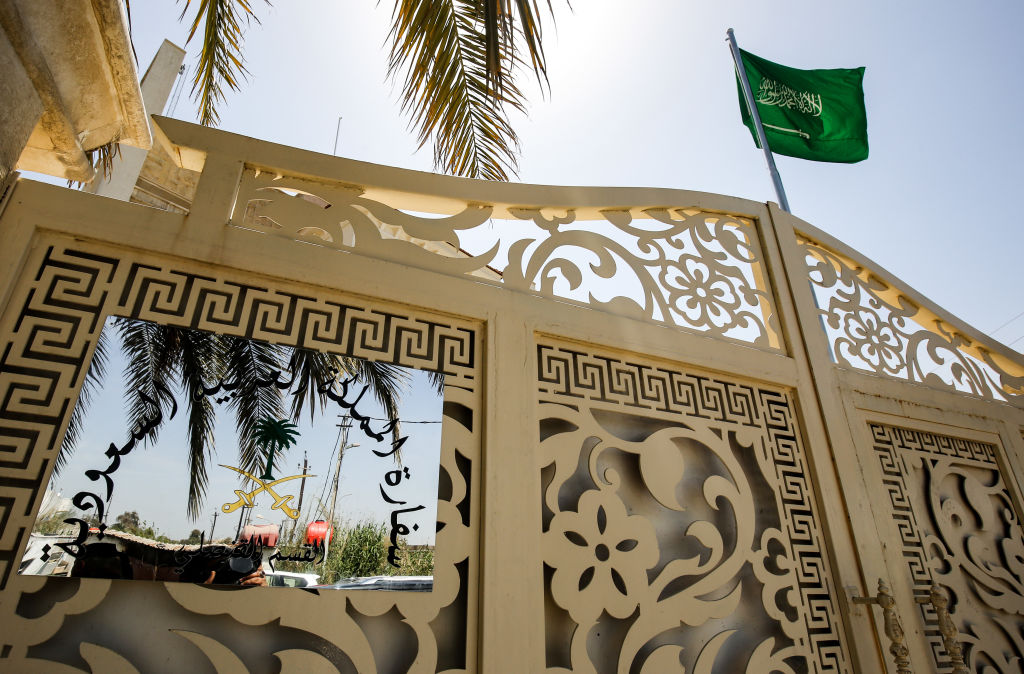
Over the past few months, an awkward courtship has been going on between Iraq and its two most polarizing neighbors, as Tehran and Riyadh attempt to convince Baghdad of the merits of their respective orbits. While both sides make compelling points, the fact is that Iraq is exceedingly happy to occupy the middle ground, geopolitically and economically, between the two regional powers.