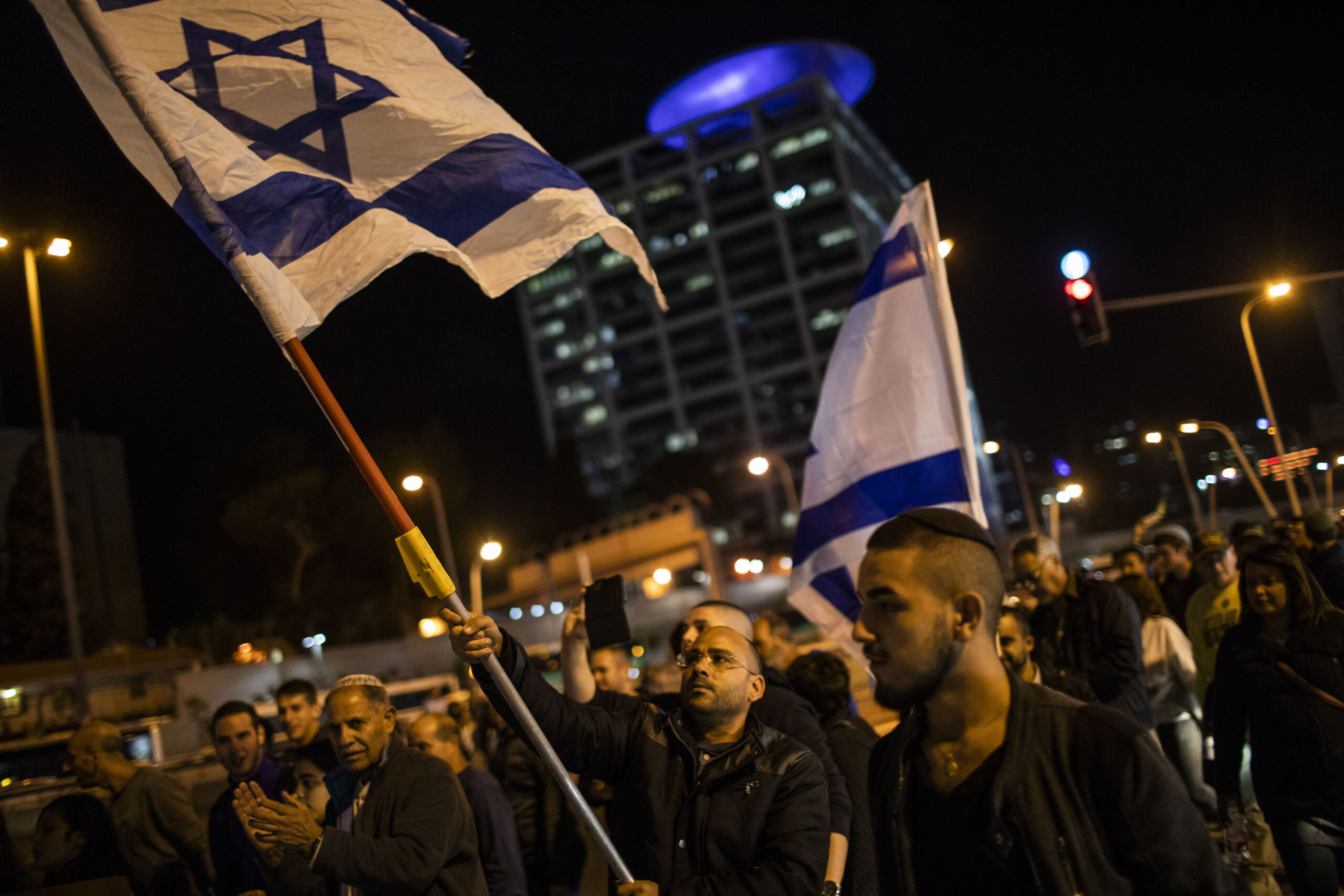
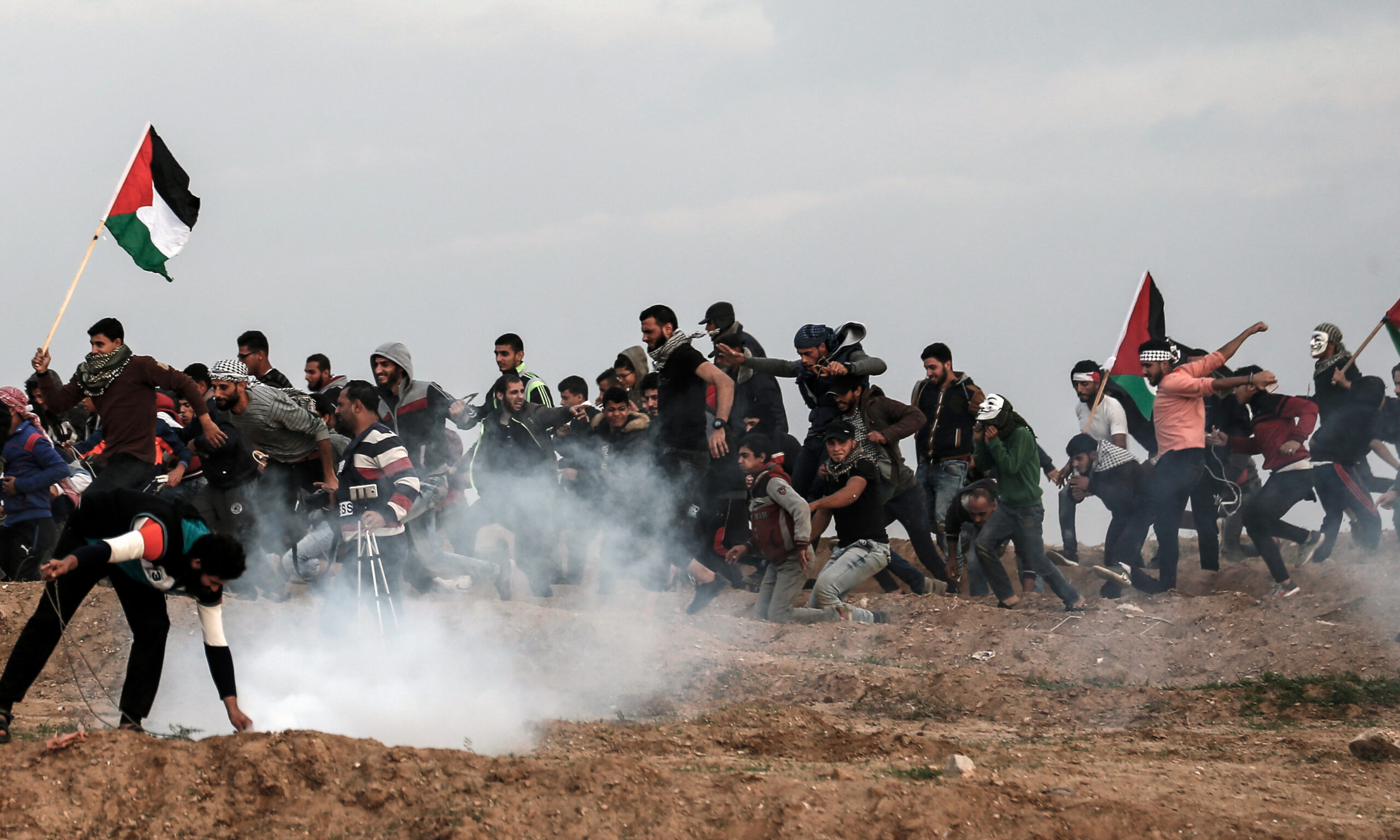
The Egyptian/Qatari initiative has afforded breathing room for Gaza, while Hamas and Prime Minister Netanyahu have demonstrated a determination to avoid war, for now.
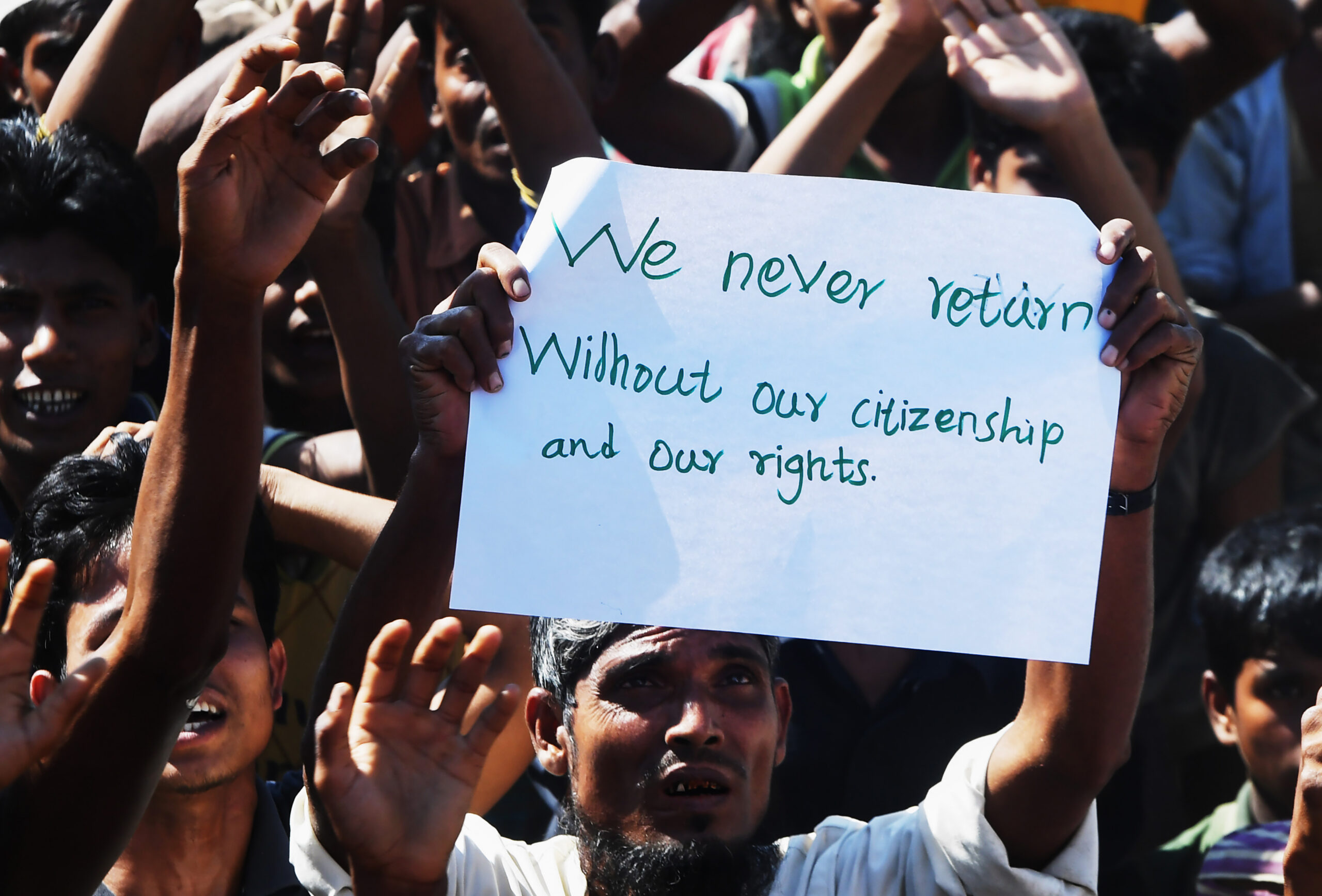
Ensuring the Safety of Rohingyas as a National Minority Inside Myanmar: Who? How?
Amid calls for international accountability, the government of Bangladesh has prioritized the repatriation of Rohingyas. In this article, the authors examine the pressures and motivations of the various players that favor repatriation. They argue that, given the current circumstances, it is inconceivable that any repatriation will be voluntary or sustainable.
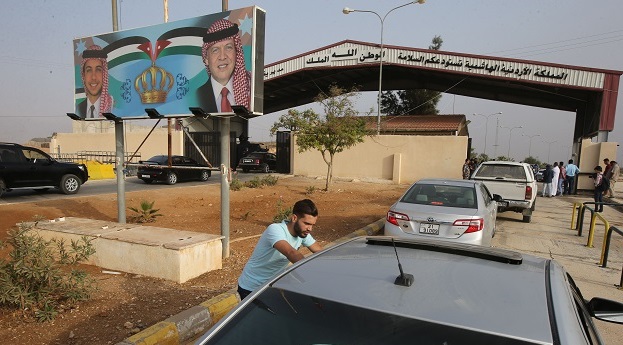
Border opportunities: Reviving the Jordan-Syria free trade zone
The reopening of the Naseeb-Jaber border crossing offers an opportunity to address the pressing political, economic, and humanitarian challenges confronting Jordan.
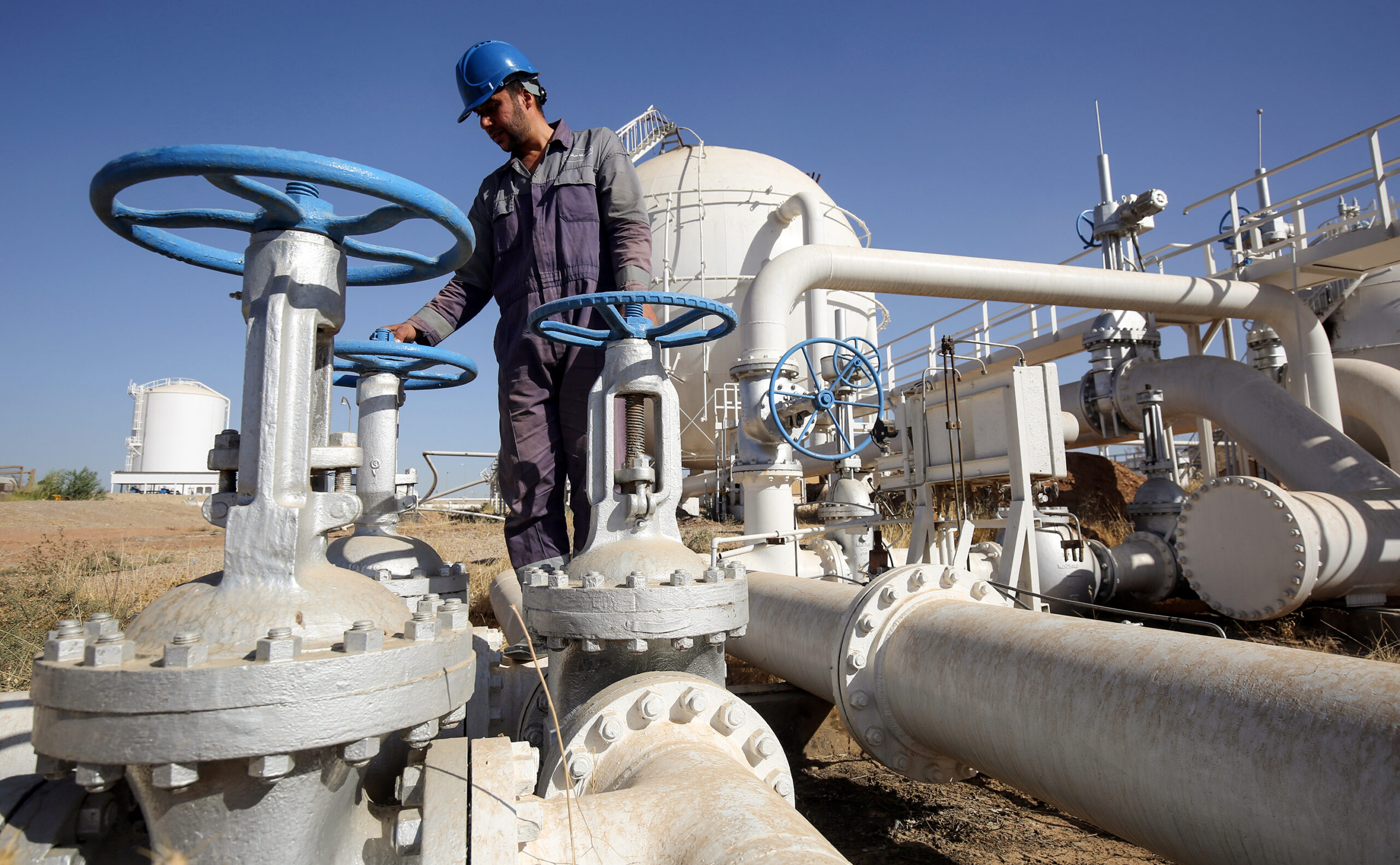
In this week’s Monday Briefing, MEI experts discuss recent and upcoming events including the Iraq-Kurdistan pipeline deal, how the YPG partnership affects US-Turkey ties, and the new Russia-Turkey gas pipeline.
Negotiations shepherded by Egypt appear to be making progress in establishing a new, more stable chapter in the ongoing conflict, but instability remains at the heart of the Gaza standoff.
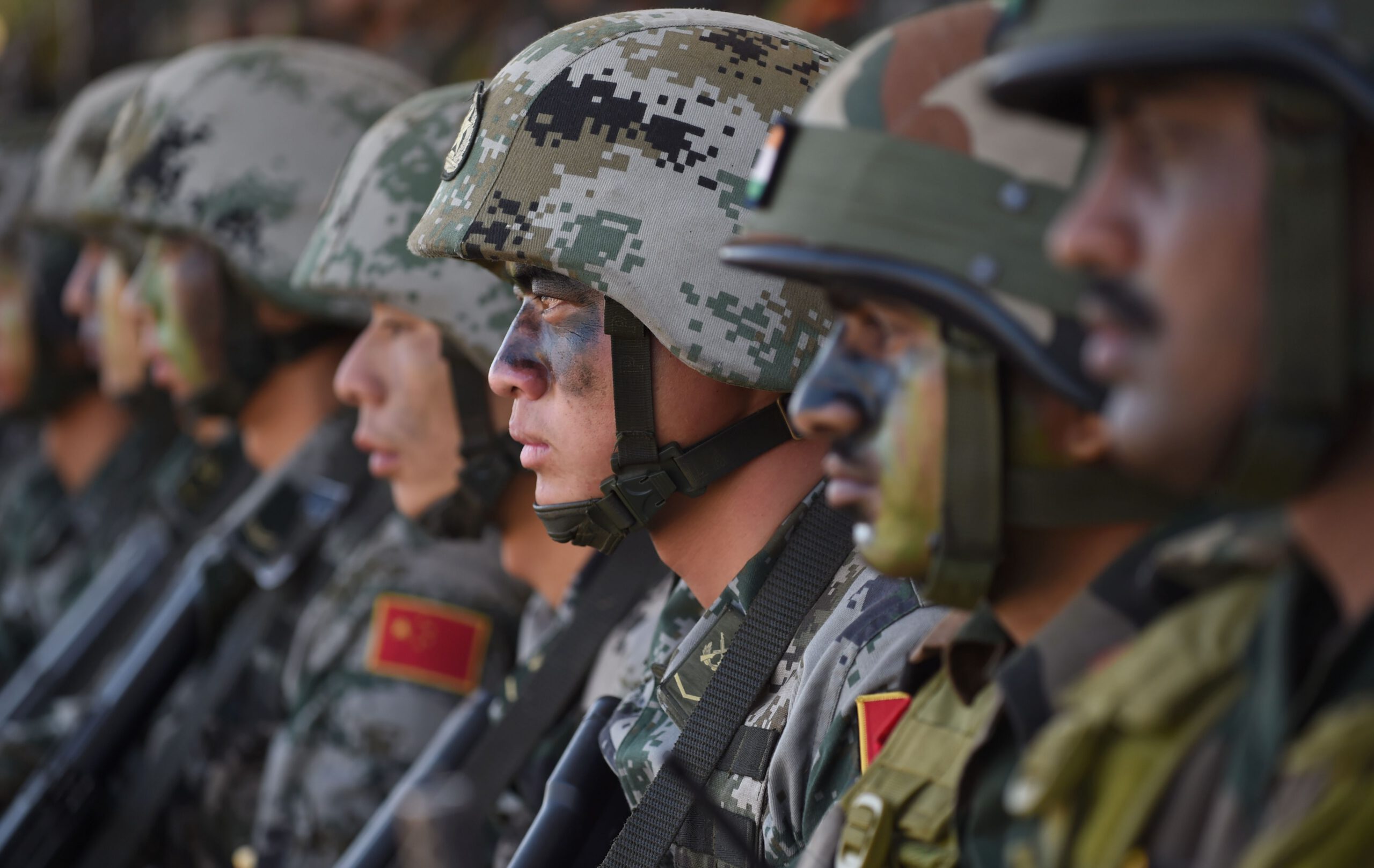
A new approach in Afghanistan: China and India take steps toward cooperation
While there have been promising recent signs of Indian-Chinese cooperation in Afghanistan, Beijing’s “all-weather” friendship with Islamabad and Pakistan’s concerns about Indian involvement in the country remain obstacles to closer ties.
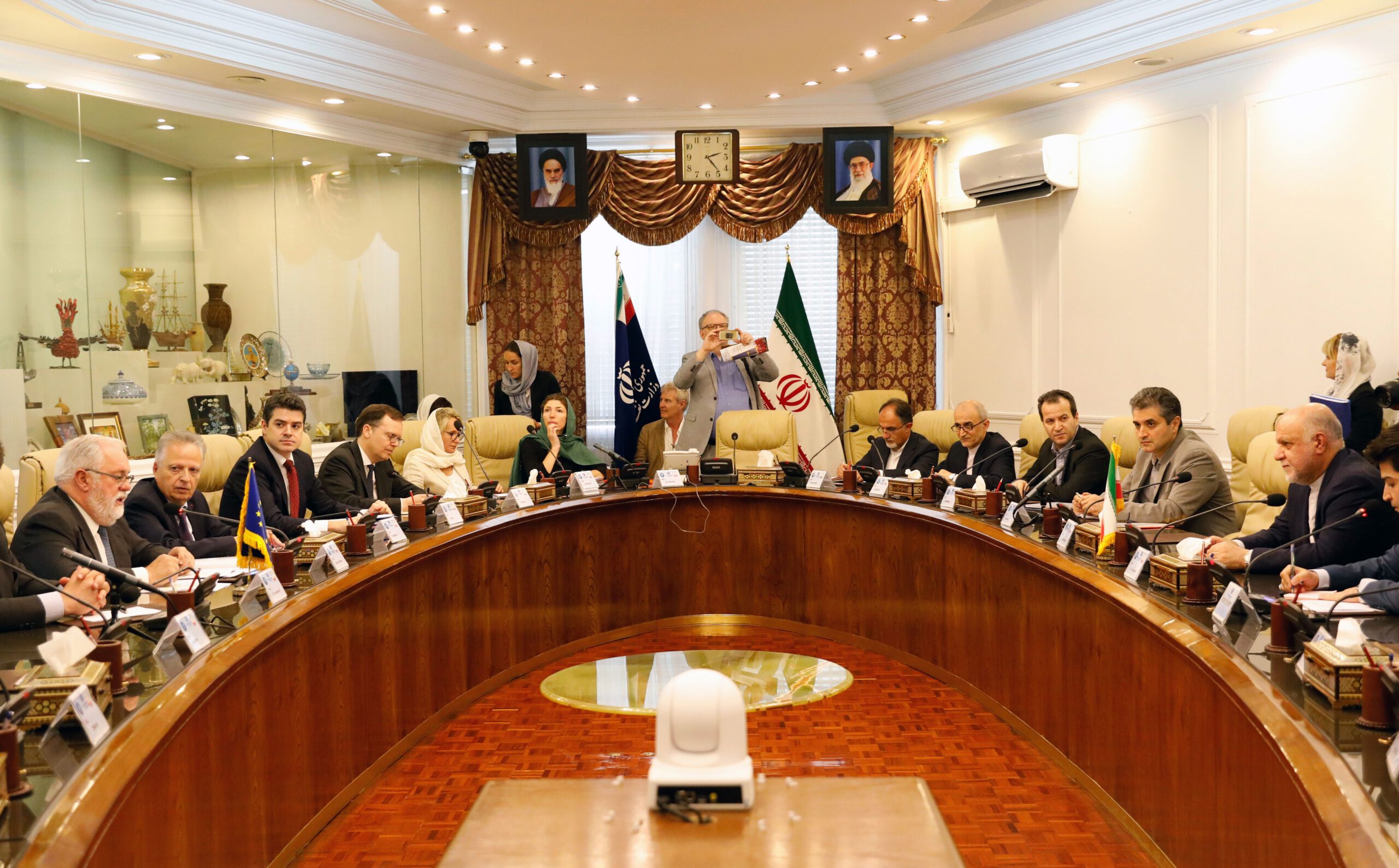
The American decision to reimpose sanctions may result in a new wave of tensions between the U.S. and EU as European companies have benefited significantly from growing trade with Iran.
In this week’s Monday Briefing, MEI experts discuss recent and upcoming events including the Gaza flare-up and its threat to Egyptian-led negotiations, Russian-hosted Afghan peace talks, the ground offensive in Hodeidah, and rapid escalation in northwestern Syria.
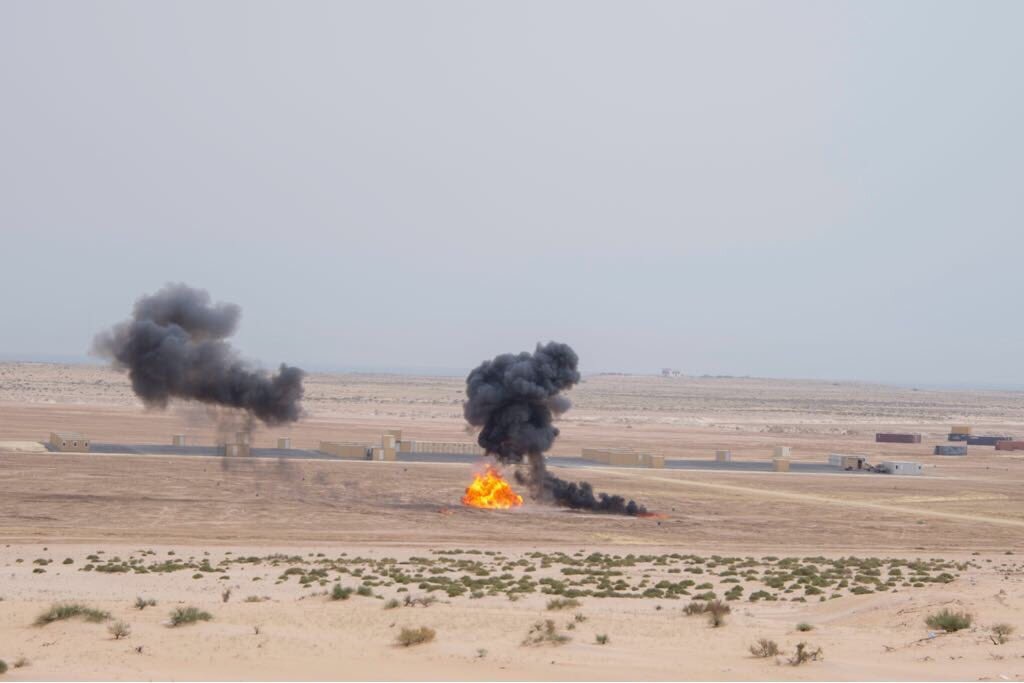
As naval, air, and ground units from Bahrain, Egypt, Jordan, Kuwait, Saudi Arabia, and the UAE conduct war games in western Egypt this month, many speculate that this could represent the birth of the so-called “Arab NATO.”
Economic Innovation, Inclusion, and Resilience: A Key to Growth
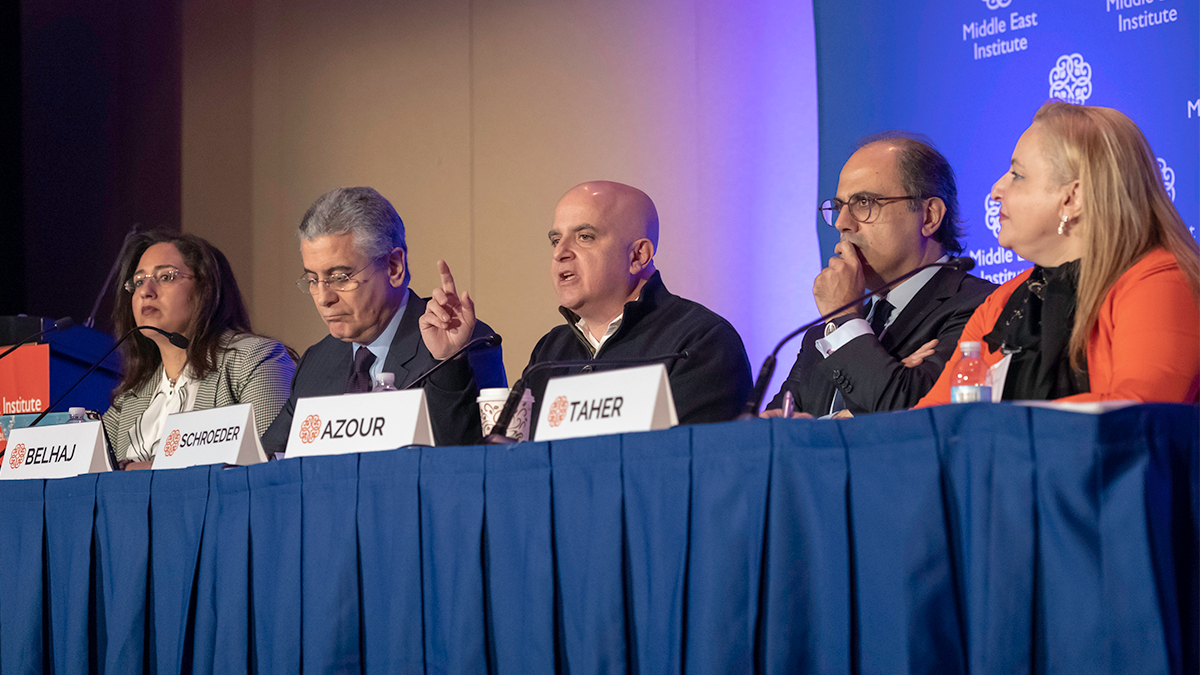
The below transcript is from the fourth panel of MEI’s 72nd Annual Conference, held on November 8, 2018 at the Marriott Wardman Park hotel in Washington, D.C.
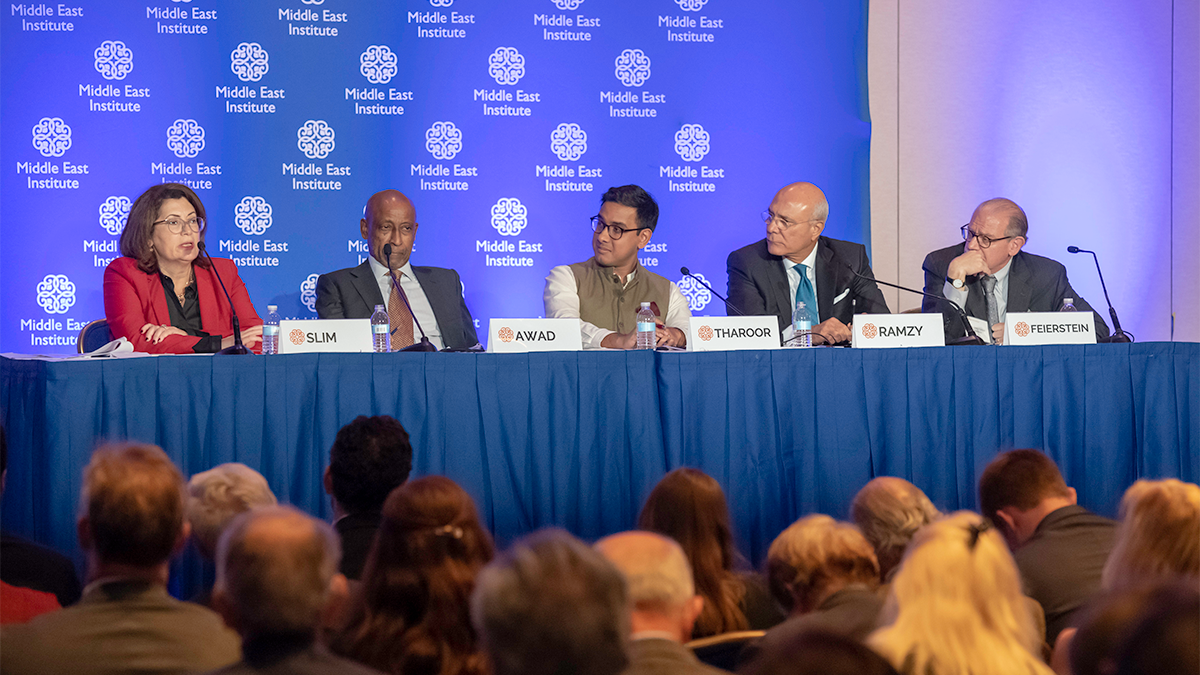
The below transcript is from the third panel of MEI’s 72nd Annual Conference, held on November 8, 2018 at the Marriott Wardman Park hotel in Washington, D.C.
The below transcript is from the second panel of MEI’s 72nd Annual Conference, held on November 8, 2018 at the Marriott Wardman Park hotel in Washington, D.C.
Panel Summary
As the region’s civil wars continue to destabilize economies and devastate the local populations, how can a political process be established to end these conflicts? What are the crucial steps to ending the civil wars that plague the region? What are the roles of governments and international actors in pursuing a solution?
U.S.-Middle East Policy: Between Politics, Human Rights, and National Security
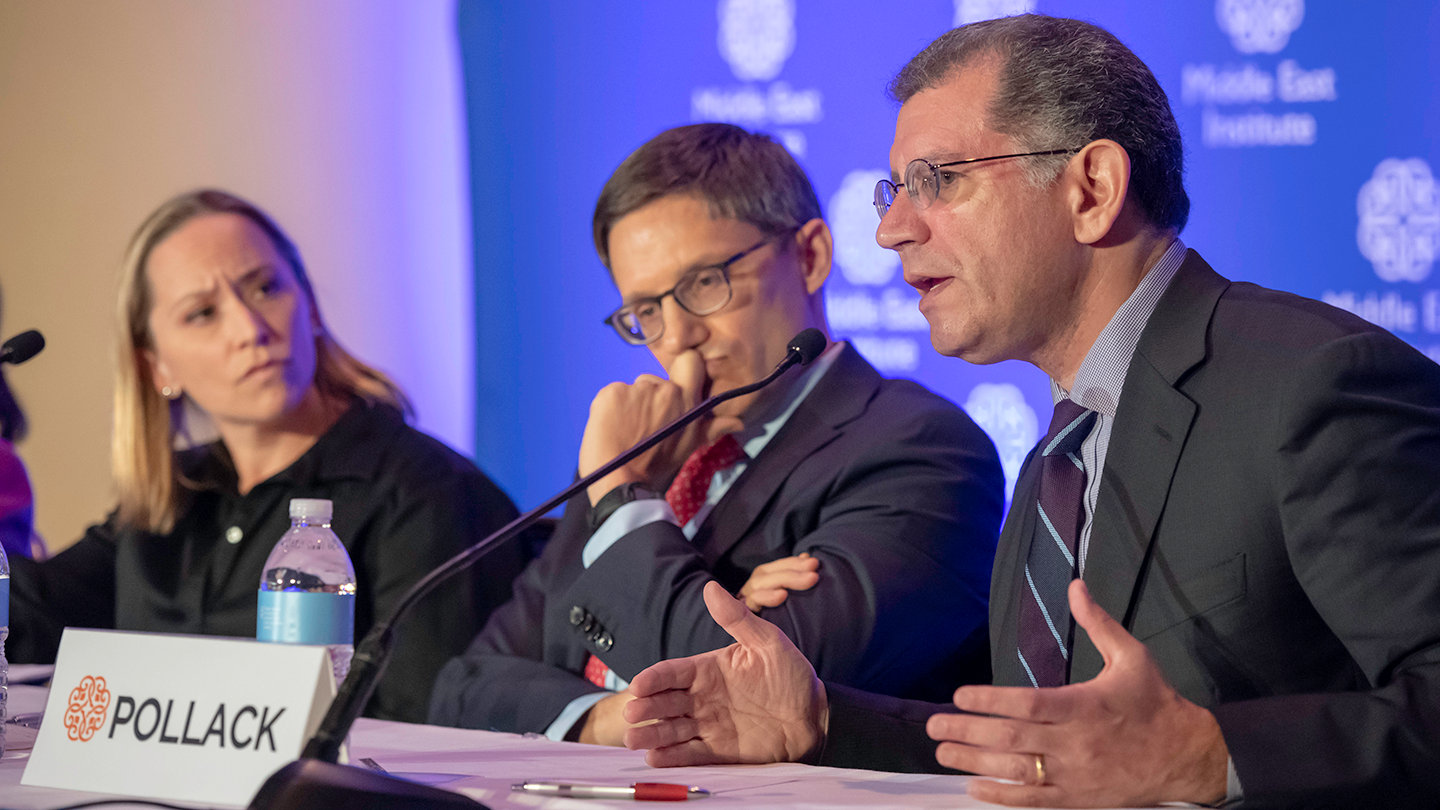
The below transcript is from the first panel of MEI’s 72nd Annual Conference, held on November 8, 2018 at the Marriott Wardman Park hotel in Washington, D.C.
Syria's war economy exacerbates divide between rich and poor
Now that armed conflict has ended in most provinces, the war is no longer an excuse for Syria’s growing wealth divide, and discontent is on the rise in government-controlled areas.
New Iran sanctions: U.S. goals, E.U. countermeasures, and Tehran’s reactions
On November 5, the Trump administration re-imposed the full scope of U.S. sanctions on Iran, nearly six months after it unilaterally withdrew from the 2015 nuclear accord, also known as the Joint Comprehensive Plan of Action (JCPOA). The stringent sanctions target Iran’s energy, shipping and banking sectors and make it difficult, if not impossible, for foreign companies to continue to do business with the Islamic Republic. The Treasury Department reinstated all sanctions removed under the JCPOA, and blacklisted 300 new entities and individuals, in what the Treasury called it the “largest ever single-day action targeting the Iranian regime.”