Anti-India Sentiments in South Asia: Terrorist Recruitment Narratives
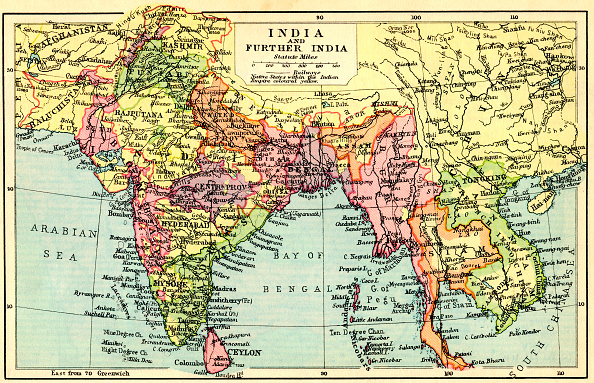
India’s strategic choices in South Asia have prompted it to interfere in the domestic affairs of some of its neighbors. As a result, India has become a part of domestic politics of most of its neighboring states where anti-India sentiment is often used to bolster the nationalist credentials of various political formations. Importantly, such sentiments have been leveraged by Jihadist groups — especially those operating in Pakistan and Bangladesh — to shore up support for themselves.
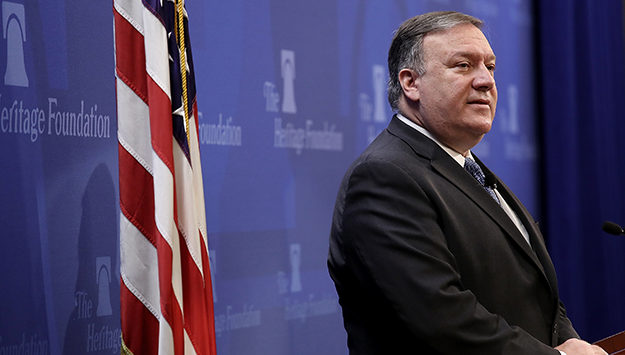
In this week’s Monday Briefing, MEI experts provide analysis on Secretary Pompeo’s speech on Iran, Erdogan’s decision to lift Turkey’s state of emergency, the cease-fire in Gaza, Iran’s continued threat in Syria, Trump’s tweets on Iran, and Vice President Dostum’s return to Afghanistan.
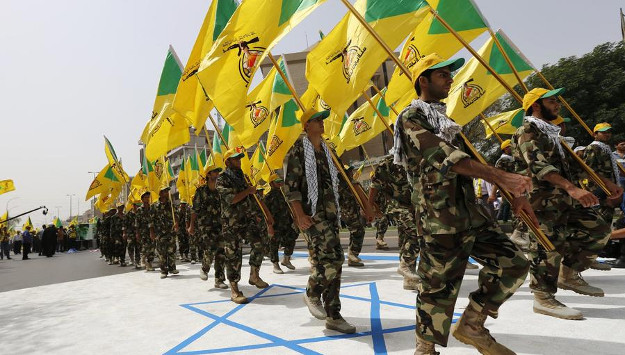
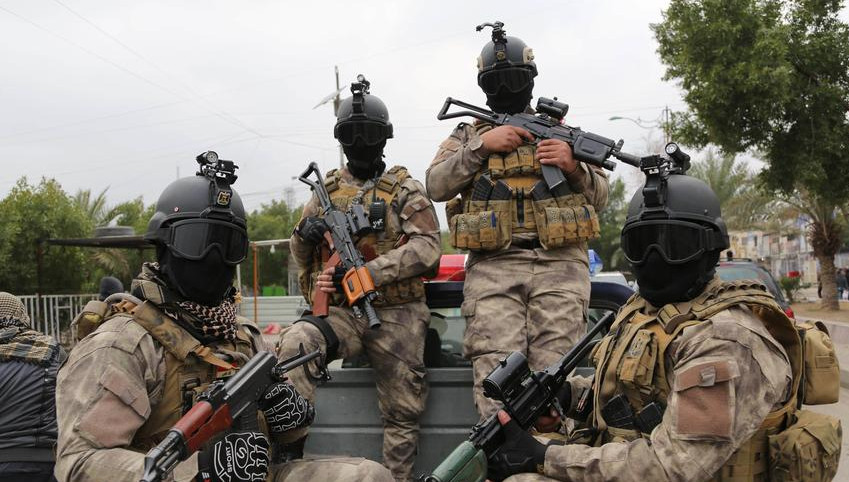
Iraqi Hezbollah threatens retaliation against U.S. if Israel attacks Iranian assets in Iraq
An Iranian-supported militia group in Iraq has threatened retaliation against the United States if Israel carries out any strikes against Iranian military personnel and assets inside Iraq,
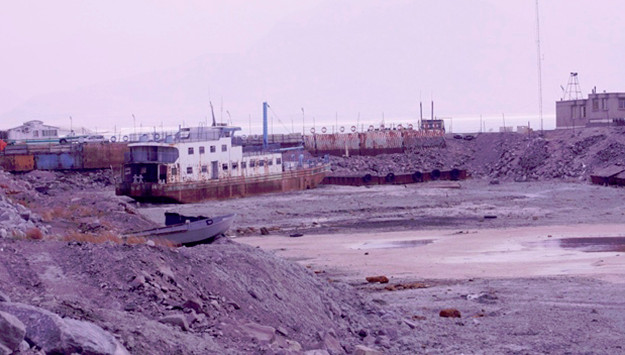
Tension between Iran and neighboring Afghanistan over water rights has reached new heights as declining rainfall, prolonged droughts, and mismanagement of water resources have severely affected agricultural production, food security and availability of drinking water in both countries. Tehran has warned of retaliatory actions if Kabul does not allow sufficient water into Iran’s water-stressed southeastern region, while Afghan officials accuse Iran’s Revolutionary Guards of aiding Taliban militants to sabotage dam projects in southern and western Afghanistan.
Iran and Pakistan agree to bolster defense ties and jointly produce military hardware
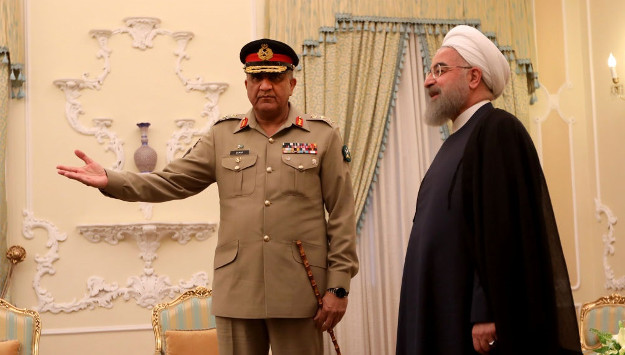
Iran and Pakistan have agreed to boost defense ties, enhance cooperation on border security and regional issues, and jointly manufacture military hardware, Iranian and Pakistan media reported. The agreements came during a high-level visit to Pakistan this week by an Iranian military delegation led by Chief of Staff of the Armed Forces Mohammad Hossein Bagheri.
The Sectarian Dimension of the Syrian Civil War and Lebanese-Syrian Relations
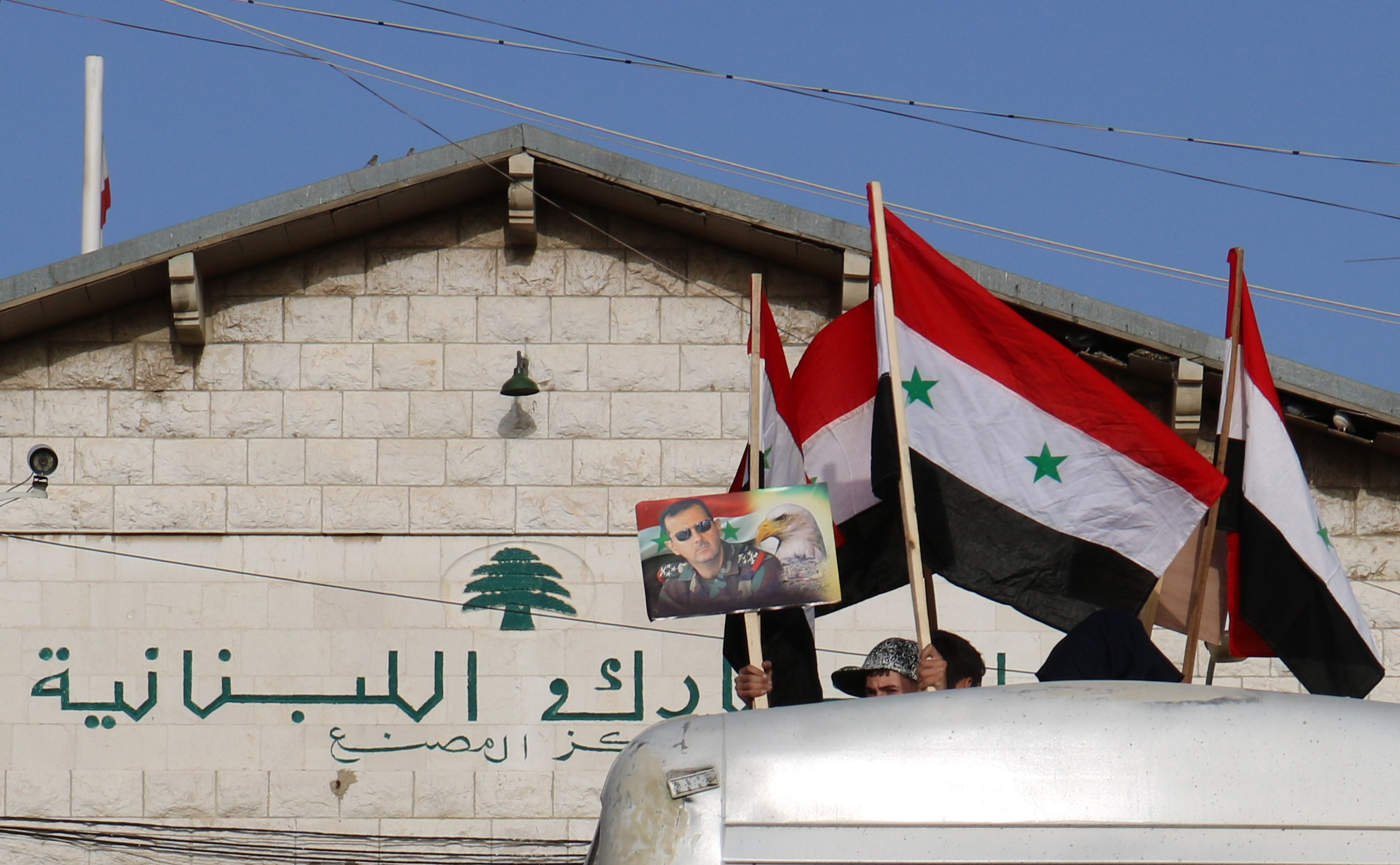
The eruption of conflict between the Syrian regime and the armed opposition exacerbated the political and sectarian divisions within the Lebanese government, causing it to sever relations with Damascus and dissociate itself from the war. Nevertheless, the Lebanese government eventually was forced to coordinate with the Assad regime in order to manage the refugee crisis and other spillover effects of the conflict. Beirut’s dealings with Damascus reflect the overarching aim of mitigating the impact of the war on the relations between the Lebanese Sunni and Shiite communities.
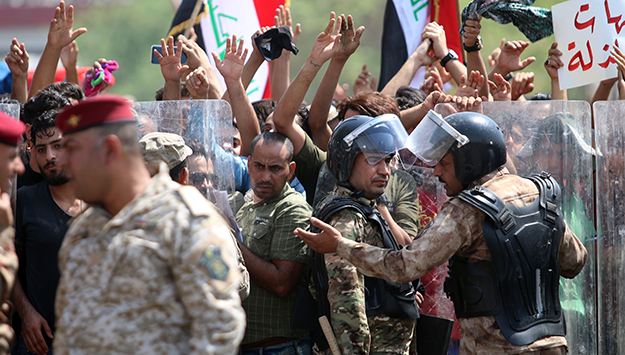
As protests roil Iraq, political elite seeks scapegoat
In this week’s Monday Briefing, MEI experts Randa Slim, Marvin G. Weinbaum, and Charles Lister provide analysis on recent and upcoming events including the ongoing protests in Iraq, the Sharifs’ return to Pakistan and their subsequent imprisonment, and pro-Assad forces’ westward push in Syria.
Sectarian-based conflicts — or at any rate, spasms of intercommunal violence characterized as such — are certainly not new. Nor is Iraq or, for that matter, the Middle East as a whole, the only locus of conflict depicted as being sectarian in nature, as the disturbing events in Burma/Myanmar, as well as in the Central African Repubic (CAR) and Nigeria clearly illustrate. With increasing frequency, media accounts of the civil war in Syria describe it in sectarian terms and report that the violence there has inflamed “sectarian tension” throughout the Gulf and beyond.
Even though energy production and exports are the lifeblood of all Arab states in the Gulf, the present crisis between Qatar on the one hand and Saudi Arabia, the United Arab Emirates, Bahrain, and Egypt on the other has had very little influence on the economics of oil and gas either internationally or within the region. However, the countries involved have a lot to gain from a resolution of the conflict, particularly if it leads to greater energy market integration.
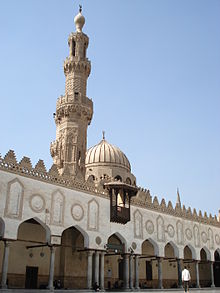
Embracing Moderation: Egypt’s al-Azhar and Indonesia’s Pesantren
Over the past 20 years, Indonesia — the world’s fourth most-populous country and the largest Muslim-majority nation — has evolved into a democracy based on tolerance and a moderate interpretation of Islam, and has emerged as one of Asia’s fastest-growing economies. This essay is part of a series on “Indonesia and the Middle East: Exploring Connections,” which examines the nature, scope, and implications of Indonesia’s ties with the MENA region.
In this week’s Monday Briefing, MEI experts Robert S. Ford, Gerald Feierstein, Marvin G. Weinbaum, and Bilal Y. Saab provide analysis on Iran’s efforts to stay in Syria, Pompeo’s upcoming trip to Abu Dhabi, the Pakistan Muslim League’s struggle in the upcoming National Assembly elections, and Qatar’s decision to renege on its Russian S-400 purchase.
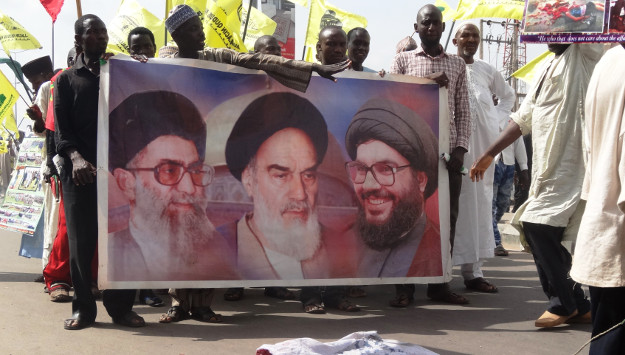
Hezbollah allegedly training Nigerian Shiites to expand influence in West Africa
While Hezbollah’s military expansion across the Middle East, particularly since the start of the Syrian conflict in 2011, has drawn a great deal of attention, the Lebanese organization’s efforts to increase its presence and influence in Africa has largely been overlooked. Nigeria is a case in point. Sources close to Hezbollah say the organization provides ideological and military training to Nigerian Shiites inside Lebanon.
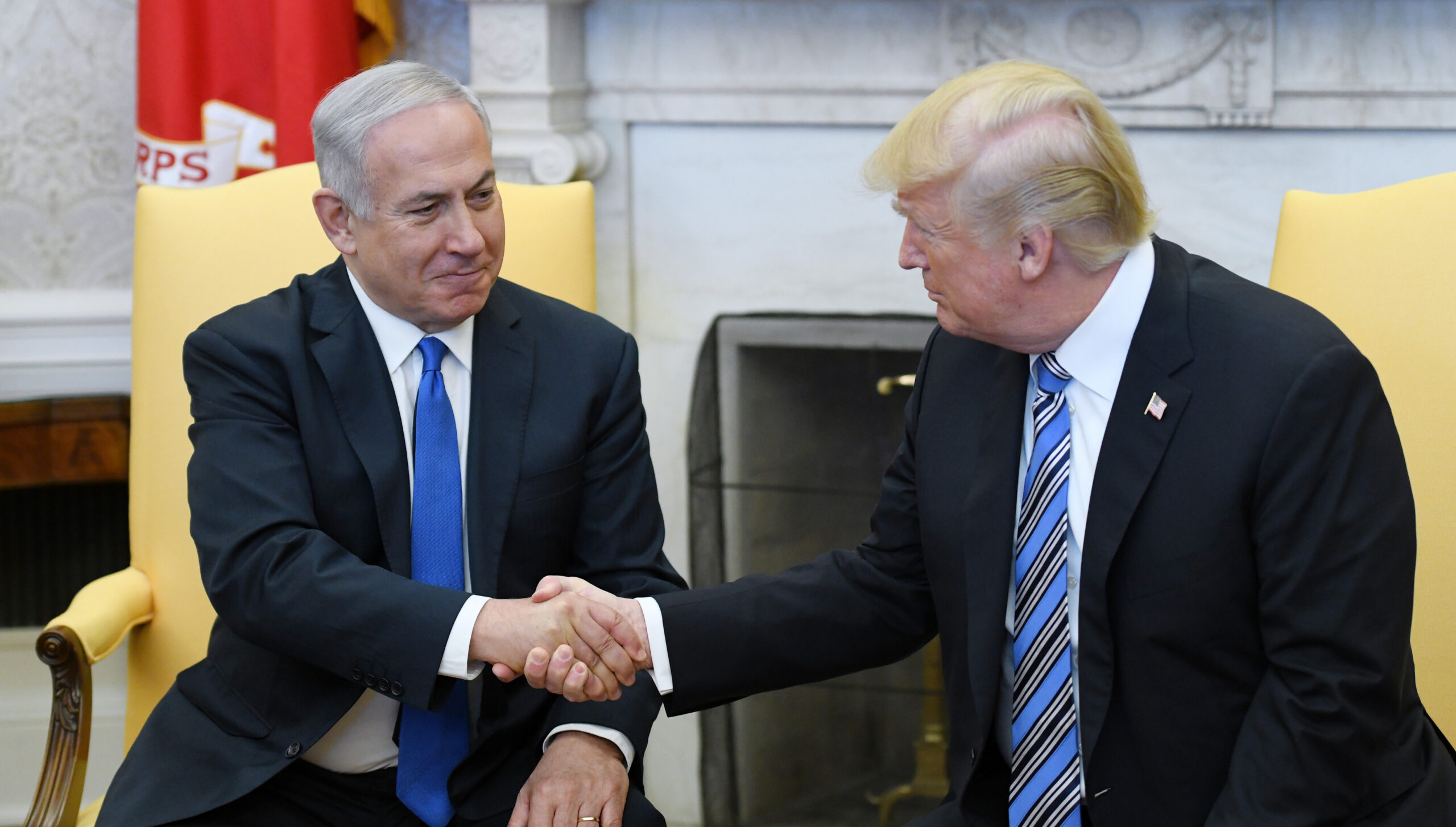
Netanyahu's ambition a test for US-Israel relations
After U.S. Vice President Mike Pence laid out the Trump administration’s agenda in a speech earlier this year before Israel’s parliament, the Knesset, one attendee asked, “was that the messiah or the vice president of the United States?”
In this week’s Monday Briefing, MEI experts Charles Lister, Alex Vatanka, Randa Slim, and Marvin G. Weinbaum provide analysis on the US’s silence amid the Assad regime’s expansion, the Iranian president’s trip to Europe, the uptick in violence after Iraq’s elections, and the upcoming Pakistani parliamentary elections.