
Limit Iran's missiles? Sure, but first come up with a plan
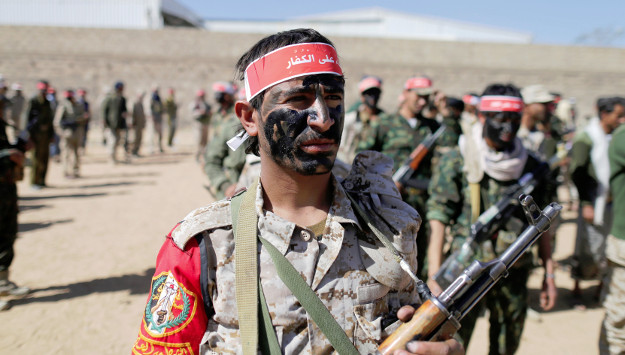
Critics of the Iran nuclear deal have consistently argued that one of its major flaws is that it didn’t address Tehran’s ballistic missile program. Imposing limits on those weapons of terror, opponents of the deal say, is a primary U.S. objective and should have been part of our negotiating strategy with the Iranians from the beginning.
Arab leaders call on Iran to stop destabilizing role in region
The UN Security Council should hold Iran responsible for disrupting regional and international security and providing ballistic missiles to the Houthi militants in Yemen to attack Saudi Arabia and other Gulf nations, the speaker of the Arab Parliament has said.
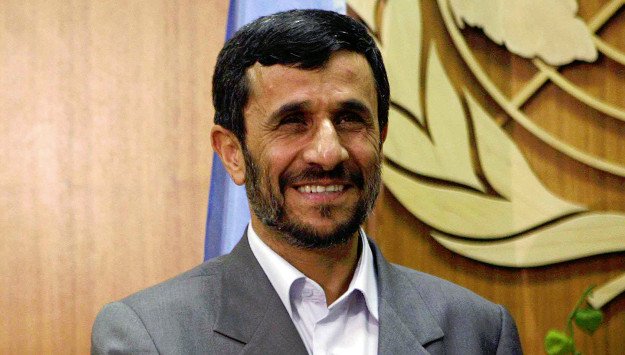
Ahmadinejad’s aide targets Judiciary and Quds Force in new open letter
In a scathing open letter published online, a close aide to Mahmoud Ahmadinejad has continued the public feud between the former president’s team and the country’s judicial and military institutions. In the letter addressed to the Judiciary, Hamid Baqaei, a former vice president who was recently arrested on embezzlement charges, questioned the fairness and transparency of the country’s judicial system. He also crossed a regime red line by raising questions about the country’s secretive Quds Force and its chief commander, Major General Qassem Soleimani.
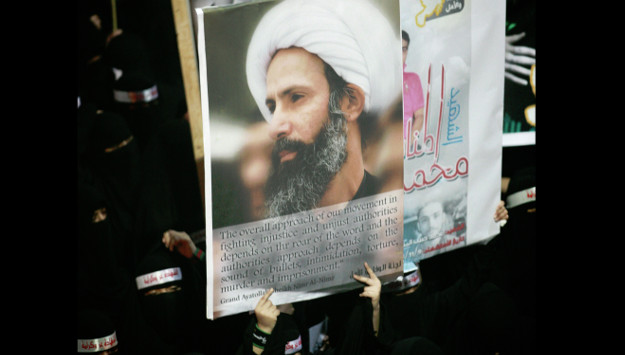
Saudi Arabia jails two on charges of working with Iran and Iraqi Hezbollah to attack Eastern Province
The Criminal Court of Riyadh today sentenced two Saudi citizens on charges of engaging in acts of terrorism and conspiring with Iran and its regional proxies to destabilize Saudi Arabia, the Arab press reported.
Domestic and International Considerations in China's “Halalification” (清真乏化)
This article explores Chinese eagerness to join and dominate the global Halal market via the Belt and Road Initiative (BRI). Secondly, it examines why the state selected the Hui Muslims of Ningxia, rather than the larger community of Uyghurs in Xinjiang, to lead Sino-Muslim world trade. This section introduces model minority theory to assess Chinese government policy. Third, the article assesses the potential conflict between the Chinese export strategy with growing domestic resentment toward increasingly visible Halal segregation.
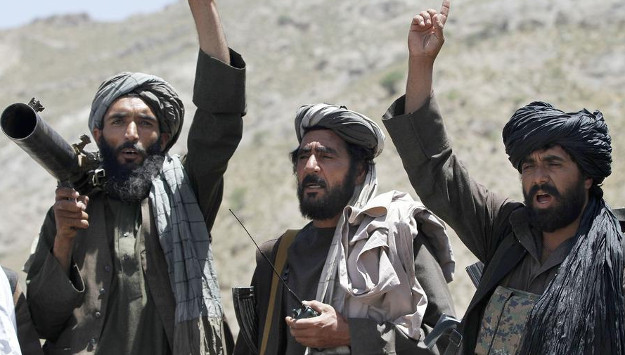
Ghani's olive branch to the Taliban
A rare prospect for peace has come into sight in Afghanistan in the wake of Afghan President Ashraf Ghani’s bold offer to the Taliban. In a sweeping proposal, and for perhaps the first since the U.S.-led invasion of Afghanistan in 2001, Ghani suggested a cease-fire, removal of sanctions, prisoner release, recognition of the Taliban as a political party, fresh elections and a constitutional review. Speaking at the Kabul Process, a two-day Western-backed peace conference, Ghani has demonstrated remarkable boldness and vision.
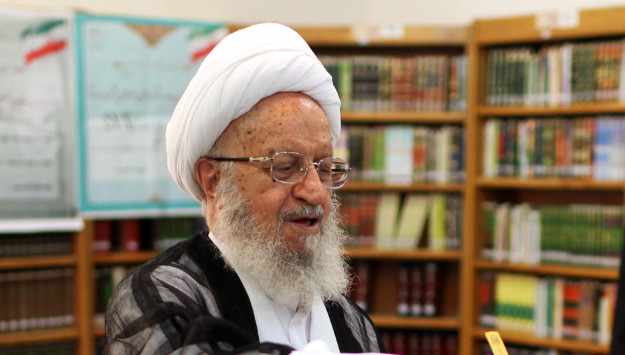
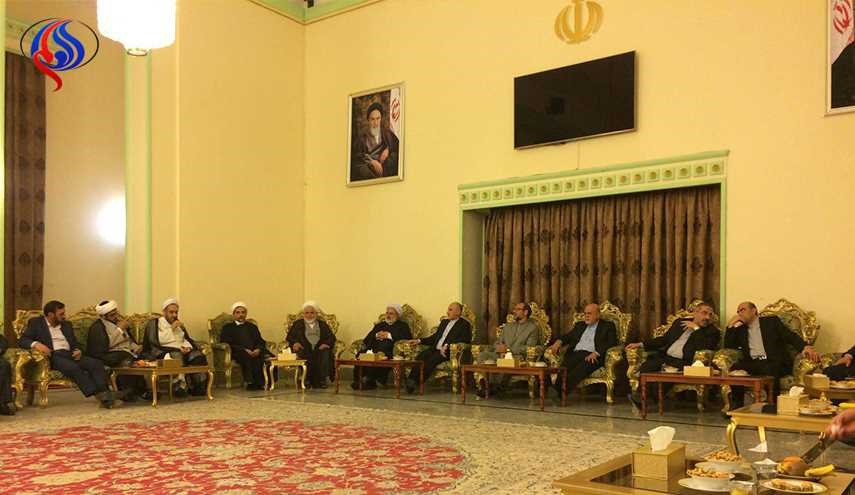
Iranian clerics in Qom feel insecure amid rising popular anger
Ayatollah Naser Makarem Shirazi, a prominent Iranian Shiite religious leader, has called on authorities to prevent “infiltrators” from entering Iran’s holy city of Qom, Radio Fardo reported today. Shirazi, who is based in Qom and had requested a “special budget” for the city a few months ago, said on Monday that the govenrment needs to pay more attention to Qom than any other city in the country.
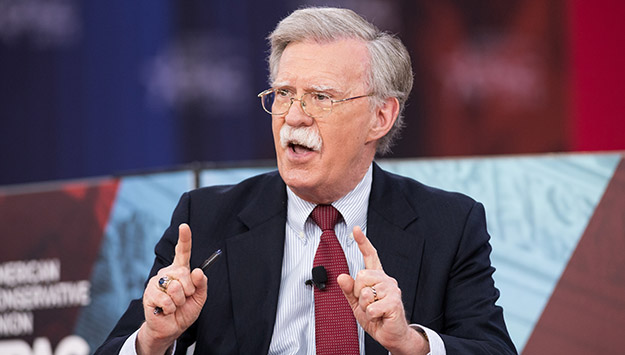
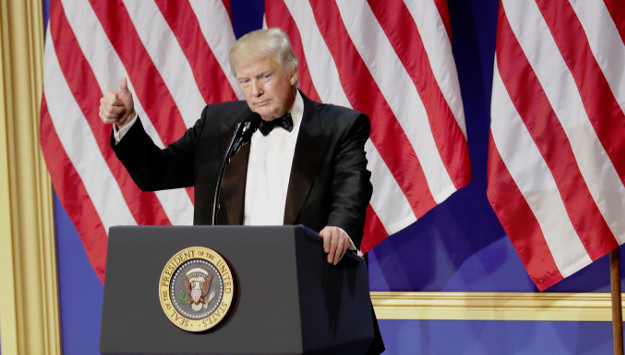
Monday Briefing: Bracing for Bolton
In this week’s Monday Briefing, MEI experts Paul Salem, Bilal Y. Saab, Gerald Feierstein, Gonul Tol, and Ibrahim al-Assil provide analysis on recent and upcoming events including the appointment of John Bolton to national security advisor, the Houthi missile attack on Riyadh, Egypt’s regressive referendum, the Yemeni war’s third anniversary, EU-Turkey diplomacy, and the worsening crisis in Ghouta.
Tehran fears loss of influence in post-ISIS Iraq
Mashregh News, a conservative Iranian outlet, quotes Mozahem al-Havit, a spokesman of the Arab Bedouins in Nineveh Governorate in Iraq, as saying that the United States has established its “largest” military base in Iraq and plans to install four mo