I.R.G.C. Beating The Drums of War against U.S. in Syria
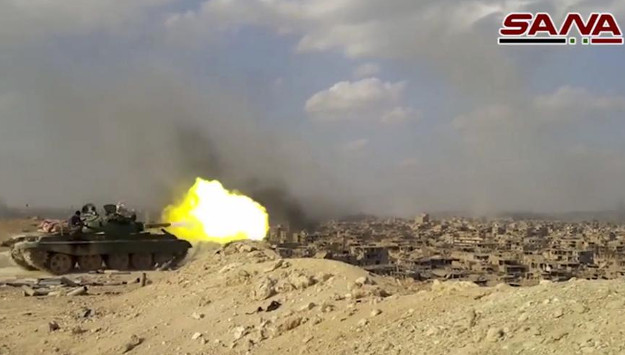
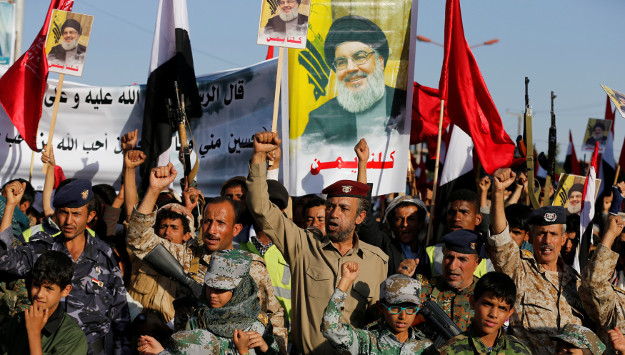
With ISIS on the brink of defeat, Tehran and Damascus say the next phase of the conflict in Syria is for the “resistance forces” to confront the U.S. military and its local allies, particularly the Syrian Democratic Force (S.D.F.). They have dialed up anti-American propaganda and warn that a “direct confrontation” with the U.S. will be necessary if Washington decides to keep its troops in Syria for the long haul.
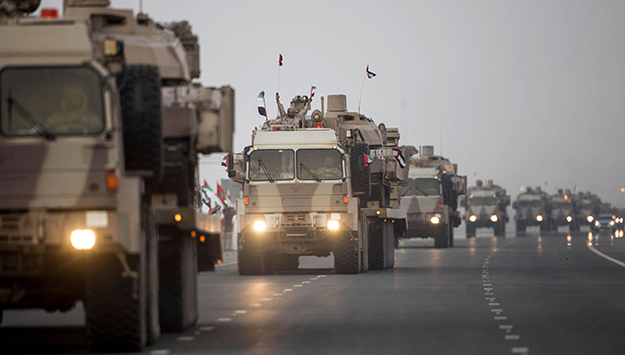
The war in Yemen is reshaping the armed forces of Arab Gulf states. It is the first time that Emirati and Saudi elite units are leading a war effort in their bid to counter Yemeni Houthi rebels and forces loyal to former President Ali Abdullah Saleh, as well as a counterterrorism campaign against jihadi groups, mainly Al-Qaeda in the Arabian Peninsula (AQAP).
Waves of Genocidal Terror against Rohingyas by Myanmar and the Resultant Exodus Since 1978
This essay aims to highlight the scope and rhythmic nature of Burma’s persecution of Rohingyas the devastating impact on the Rohingya population. First, it sets out to describe and help readers understand the evolving pretexts given by the successive Burmese governments and the methods of group destruction and resultant waves — five in total — of the outflow of Rohingyas in large number. Then it attempts to offer an interpretive framework within which this cycle of violence-exodus-lull is best understood.
Bahrain Claims Iran Plotted Pipeline Blast near Manama
The Bahraini government’s claim that Iran was directly involved in an oil pipeline explosion near the Bahraini capital of Manama is the latest sign of heightening tension in the Gulf region. Bahrain’s Interior Minister Sheikh Rashid bin Abdullah al-Khalifa said the blast was the latest example of a “terrorist act” under instructions from Tehran, the state-run Bahrain News Agency reported.
Khamenei’s Aide: We Hope Hariri Remains Lebanon’s Prime Minister
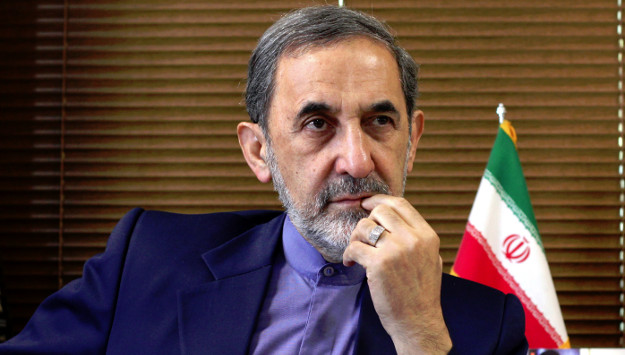
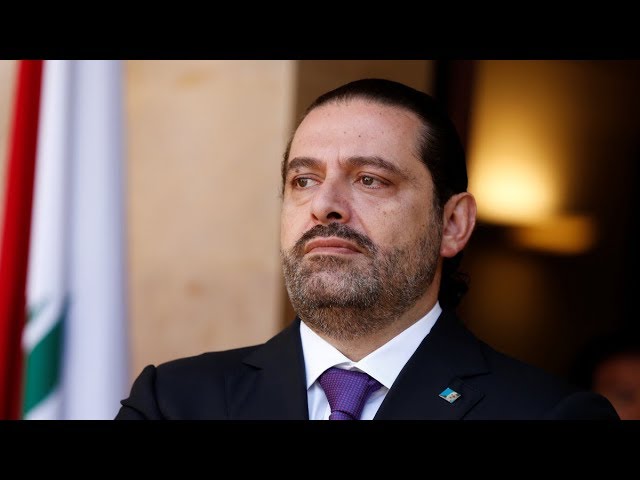
Ali Akbar Velayati, a top aide to Iranian Supreme Leader Ali Khamenei, said Tuesday that Tehran hopes Saad Hariri will return from Saudi Arabia and resume his position as Lebanon’s prime minister. “We support the unity between the March 8 and March 14 [alliances], which reached an agreement to form a government after a long time, and acted in unison to make Lebanon one of the region’s peaceful countries. This is the result of the understanding and logic of the [Lebanese] people and Islamic resistance.
Pakistan’s Army Chief: We’re Interested in Learning Experience of Basij from Iran
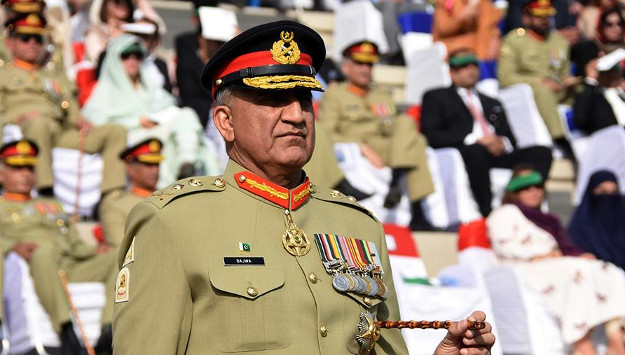
When the chief of the Pakistani Army visited Tehran last week, he told the commander of Iran’s Islamic Revolution Guards Corps (I.R.G.C.) that Pakistan is interested in learning from Iran’s experience of creating the Basij Organization and using “popular forces” to counter enemy threats, according to the Iran
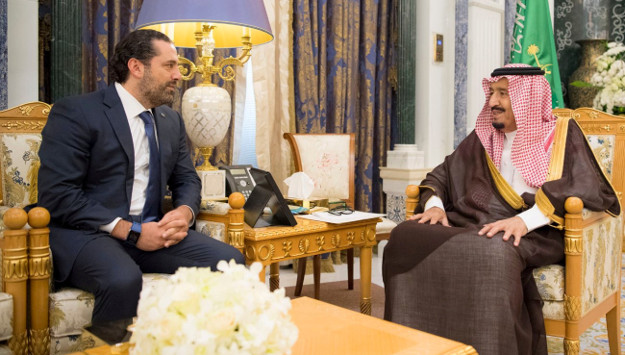
November 13, 2017 – The crisis between Saudi Arabia and Lebanon and the resignation of Prime Minister Saad Hariri appears to be largely about Yemen, says Paul Salem, Sr. Vice President for Policy Analysis, Research, and Programs at the Middle East Institute.
The Lebanon Crisis Pivots on Hezbollah’s Presence in Yemen | Monday Briefing
In this week’s Monday Briefing, contributors Paul Salem, Eran Etzion, Alex Vatanka, and Bilal Saab provide analysis on recent and upcoming events including the rising tension between Saudi Arabia and Lebanon over Hezbollah’s presence in Yemen, rumors that an Israeli attack on Lebanon is imminent, the Saudis’ latest attempt to round up collective action against Iran, and the new phase in the Saudi-Iran proxy war following the recent explosion of a pipeline in Bahrain.
It takes a certain level of political naiveté or blindness to continue to believe that Lebanese Prime Minister Saad Hariri resigned last week of his own volition.
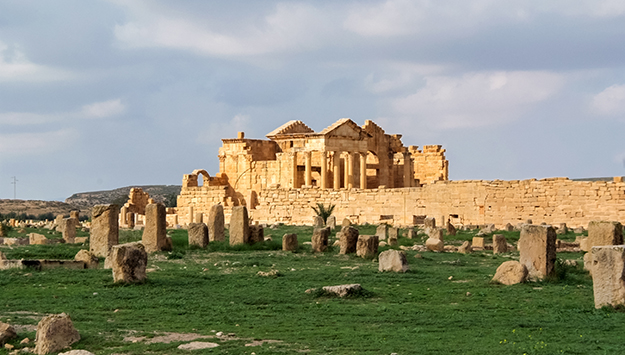
ISIS Eyes Tunisia’s Cultural Heritage as Militants Return
Looting and trafficking of antiquities in the Middle East and North Africa has reached unprecedented levels since the rise of ISIS. In a region with tens of thousands of archaeological sites, antiquities are as easily accessible as oil for terrorist groups controlling such archaeologically rich territory.
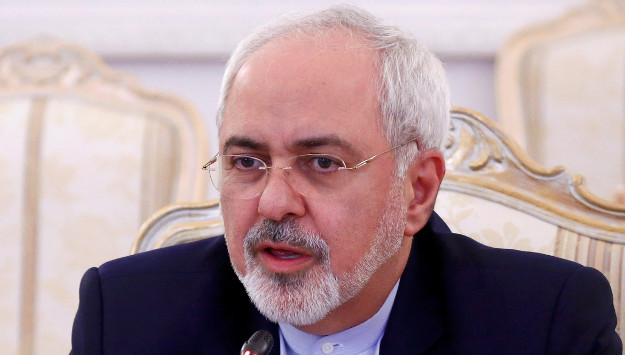
Iranian Foreign Minister Javad Zarif met with Tajikistan’s President Emomali Rahmon today in the capital city of Dushanbe to discuss ways to improve economic and trade relations between the two countries and coordinate their counterterrorism efforts in the region. The Iranian foreign minister arrived in Dushanbe on Wednesday and held meetings with his Tajik counterpart and participated in the inauguration ceremony of Iran’s new embassy building in the Tajik capital.
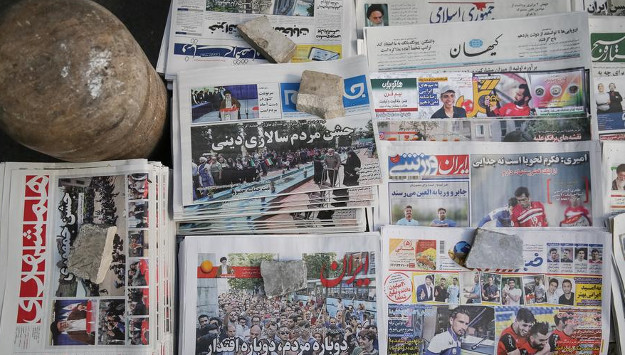
Yesterday’s edition of Jameeh-ye Farda, a reformist Iranian outlet, was published without an article written by its lead columnist Morteza Simiyari. The article, “Are We Hearing the Echo of the War? Russia, Instigator of War between Iran and Saudi Arabia,” was censored by the government, but it later surfaced on Gooya News, an independent news outlet in the Netherlands.