Iran: Consequences of Referendum Will be Dire for Iraq and Region
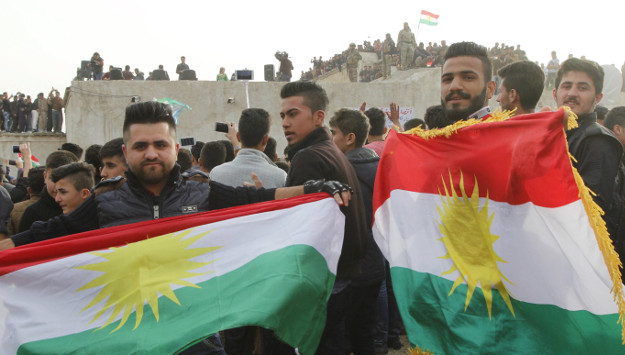
Secretary of Iran’s Expediency Council Mohsen Rezaei has warned that the consequences of the Iraqi Kurdistan’s plan to hold an independence referendum will be dire for Iraq and the broader region. “Disintegration of Iraq would mark the beginning of widespread insecurity not only in Iraq, but in the entire region… We oppose such a referendum and call on the Kurdish leaders to halt that plan,” he said at a press conference in Baghdad on Monday.
Iran and Russia Discuss Next Diplomatic and Military Steps about Syria
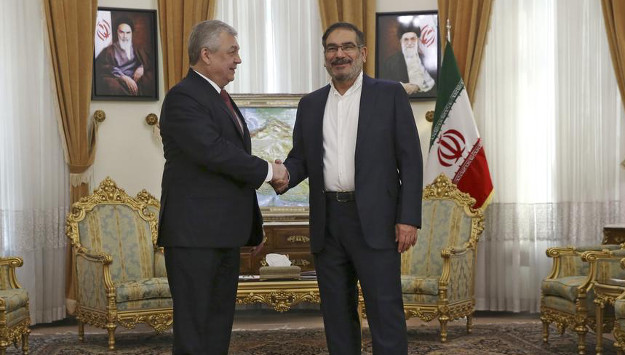
Russian President Vladimir Putin’s special envoy on Syria today met with Iranian officials in Tehran to assess the latest developments and coordinate the two countries’ military and diplomatic efforts regarding the Syrian war. According to Iranian media, Alexander Lavrentiev briefed Iranian officials on Moscow’s recent talks with other foreign powers regarding Syria ahead of the next Astana meeting.
MEI experts Paul Salem, Will Wechsler, Marvin Weinbaum, and Ahmad Majidyar discuss current issues in Afghanistan and Pakistan, and U.S. policy and strategic interests in the region.
Hezbollah-Islamic State Deal Divides Iraqi Leaders
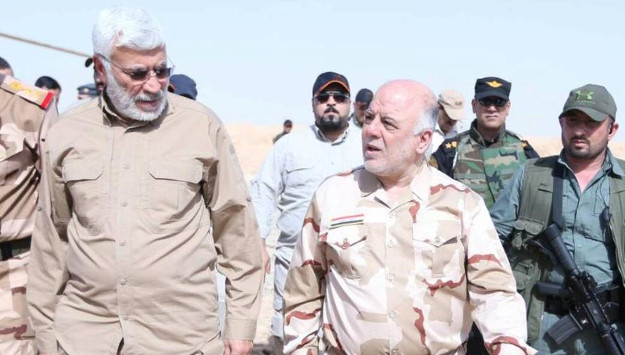
After Iraqi Prime Minister Haider al-Abadi criticized the latest Hezbollah and Syria-backed agreement to transfer Islamic State fighters from the Lebanese-Syrian border to eastern Syria near the Iraqi border, several Iraqi political and militia leaders close to Tehran voiced support for the deal and praised Hezbollah leader Hassan Nasrallah.
Iranian and Qatari Leaders Pledge to Expand Bilateral Ties
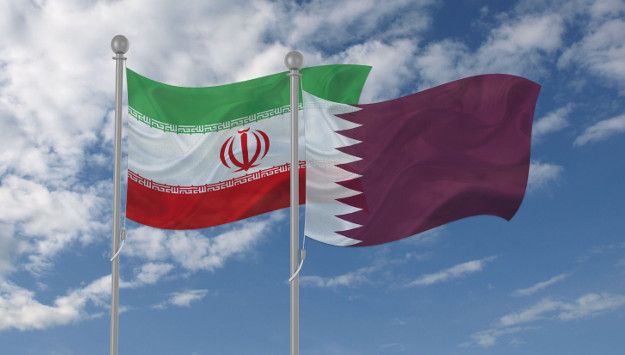
Iran opposes “unjust” sanctions against Qatar and is ready to expand its relations with the Arab country in all fields, President Hassan Rouhani said in a phone conversation with Qatari Emir Sheikh Tamim bin Hamad al-Thani on Thursday. “The Islamic Republic of Iran believes what was imposed on Qatar was unfair and that it fuels tension between regional countries. Iran will do all in its power to cooperate with and assist the Qatari people and government as well as to [promote] regional stability,” Rouhani added.
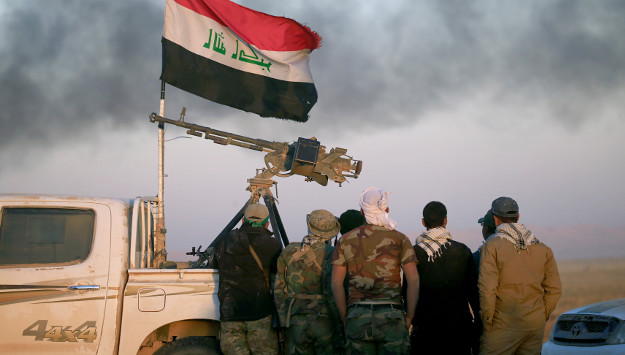
Iran-Backed Iraqi Paramilitary Forces Will Participate in Hawija Offensive
The spokesman of the Iraqi Popular Mobilization Forces (P.M.F.) has announced that the paramilitary forces will participate in the next major offensive against the Islamic State in Hawija city of Iraq’s Kirkuk Province. Ali al-Husseini said on Friday that the military operation will begin within a few days. There are about 2,000 Islamic State fighters in Hawija, Fars News Agency quotes a local official as saying. The P.M.F.
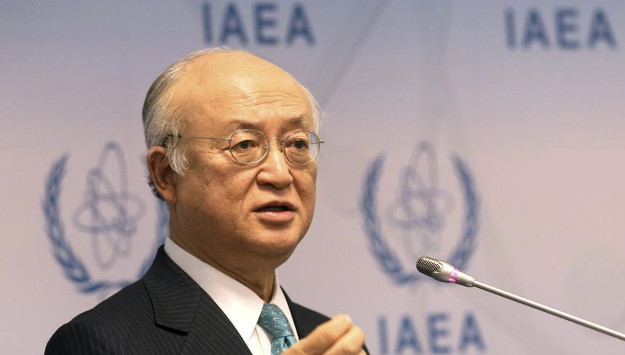
Iran praised the latest report by the International Atomic energy Agency (I.A.E.A.) on the country’s compliance with the nuclear agreement as “Iran’s victory and Washington’s defeat.” The state-run Islamic Republic News Agency said that the nuclear watchdog’s report was the latest sign that the White House has failed in its efforts to derail the
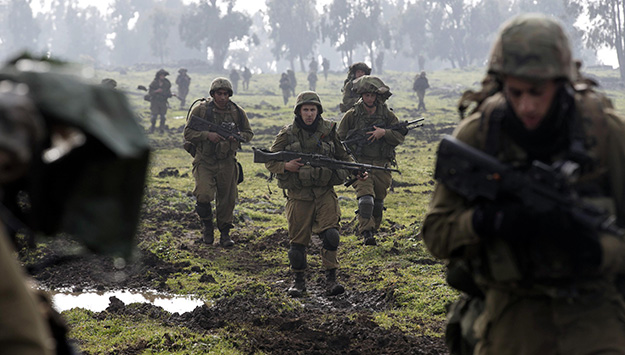
Israel has weathered the campaign to oust Bashar al-Assad far better than its neighbors. Unlike many others, Israel was never a true believer in the failed effort to topple the Assad regime, preferring an opportunistic rather than a principled strategy that aimed at keeping Israel out of harm’s way.
The challenges of postwar Syria, however, may prove more daunting. Israel must now deter any interest by Syria’s Arab and Iranian allies to deploy military forces in Syria against it.
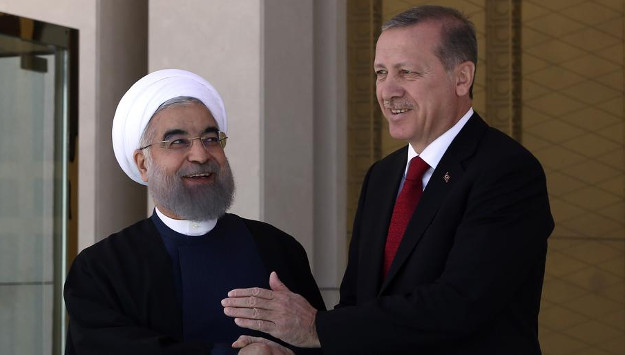
Rouhani and Erdogan Pledge to Boost Bilateral Ties, Cooperate on Regional Problems
Iran wants to cooperate more closely with Turkey to resolve regional problems, Iranian President Hassan Rouhani told his Turkish counterpart Recep Tayyip Erdogan in a telephone conversation earlier today. Rouhani offered his congratulations to Erdogan on the occasion of Eid al-Adha and stressed that he will do more during his second term in office to expand Tehran’s ties with Ankara in all fields.
Iran’s New Defense Minister: Support for “Resistance Front” Will Continue
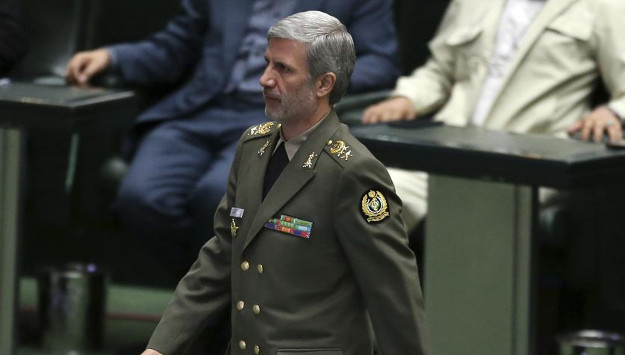
Iran’s new defense minister has said that the country will continue to support the “resistance front” by providing “advisory” assistance. In an interview with the Islamic Republic of Iran Broadcasting (I.R.I.B.), Brigadier General Amir Hatami also stressed the need for employing “defense diplomacy” to ensure Iran’s national security interests in the region. He claimed that Iran’s enemies are worried that the Islamic Republic has become a “role model for resistance” and supports resistance groups in the region.
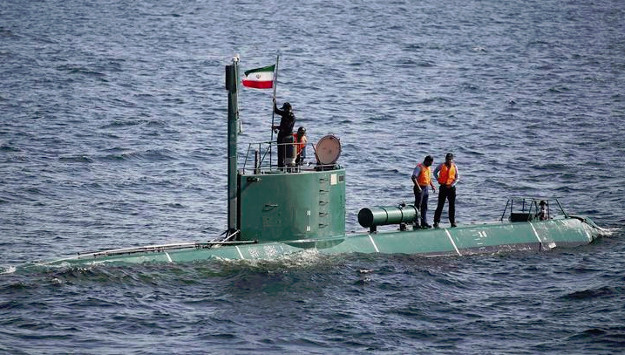
A new homegrown military submarine Fateh (Conqueror) is going through final tests and will soon join the Iranian naval forces, Defense Minister Brigadier General Amir Hatami has said. Speaking to reporters on Wednesday, the new Iranian defense minister added that the 527-ton Fateh submarine is a semi-heavy undersurface vessel. The submarine reportedly is equipped with an advanced sonic radar system which can identify enemy vessels and uses a missile defense system.
U.S. and Iran on a Collision Course in Syria, Again
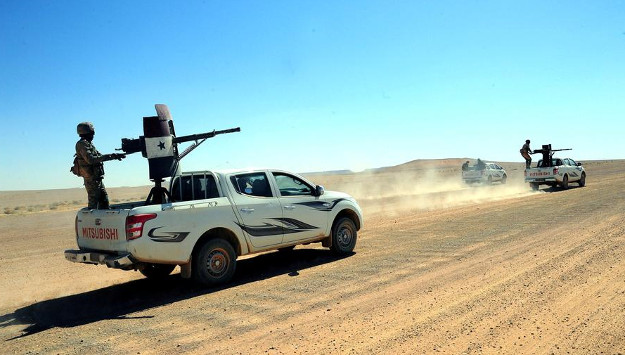
Iran and its allies are sending reinforcements near a de-confliction zone in southeastern Syria to pressure the U.S. military to withdraw from a strategic garrison near al-Tanf border crossing. Both Tehran and Damascus see the presence of U.S. troops training rebel forces in al-Tanf, as well as in northeastern Syria, as a serious threat. Iran also views the expulsion of the U.S.
Iran Expanding Influence in Syria, Despite Israeli Warnings
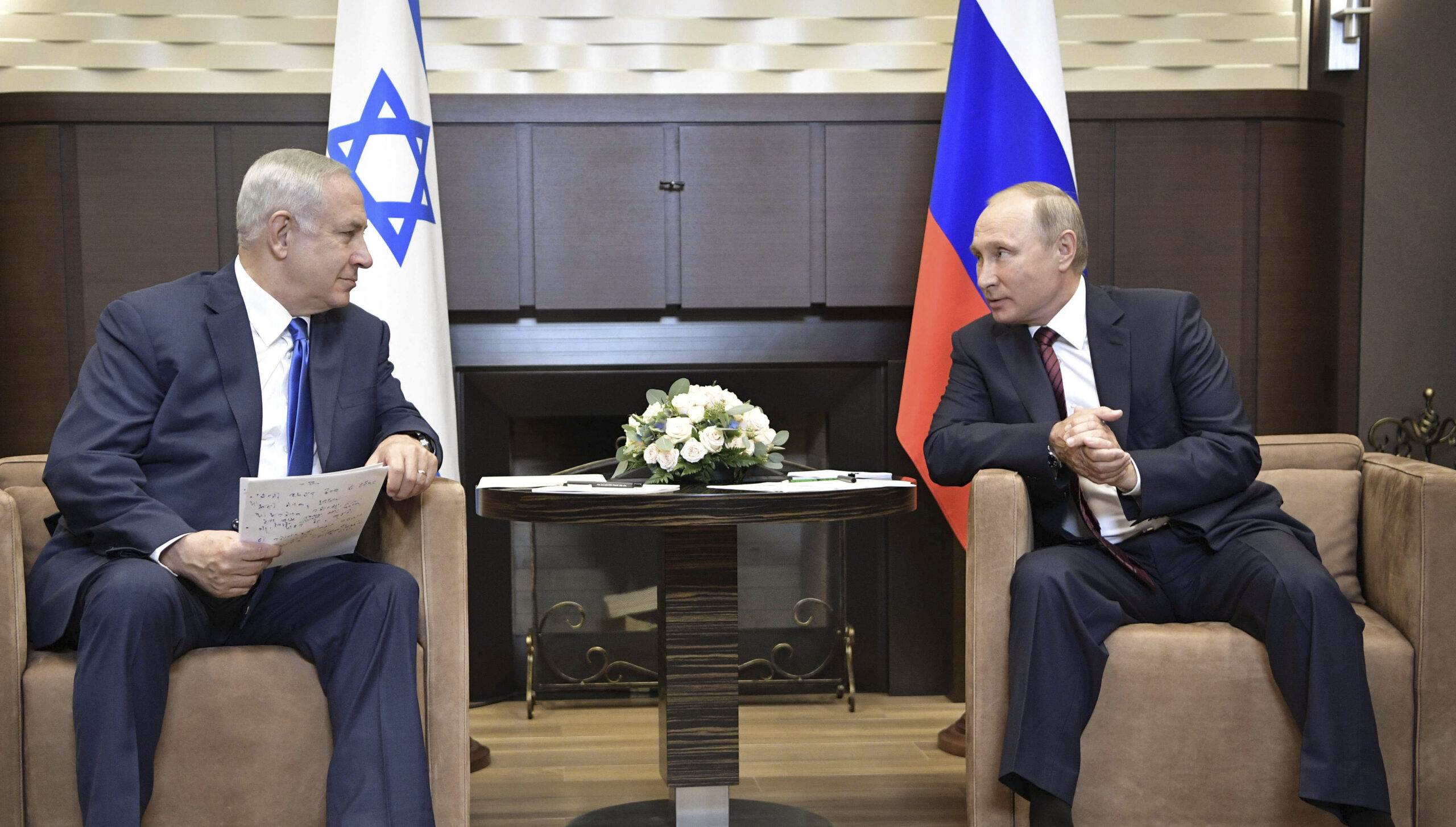
Even before Israeli Prime Minister Benjamin Netanyahu arrived at the Black Sea resort of Sochi last Wednesday for his sixth consultation in two years with Russian President Vladimir Putin, Moscow’s representative in Tel Aviv laid out a soothing if improbable vision of a Syria free of Iranian troops and Shiite militias.
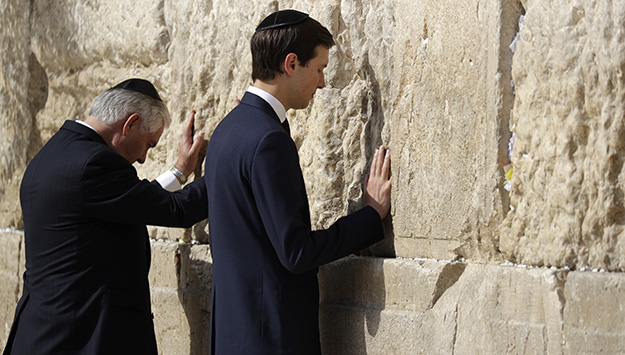
Jared Kushner was on a Middle East mission last week attempting to do what at least half a dozen U.S. emissaries and special presidential envoys have failed to do for more than two decades: putting the peace process on track toward concluding a final settlement between Israel and the Palestinians. But there was a marked change in the U.S. tone, as Kushner, accompanied by Special Envoy for International Negotiations Jason Greenblatt and Deputy N.S.A. Adviser Dina Powell, met with leaders of Saudi Arabia, Jordan and Egypt before heading to Israel and the West Bank.
This article focuses on the ideological threat that prompted those authoritarian regimes to play the sectarian card: the spread of Islamism. It argues that, at its core, the split in the Middle East is not a sectarian clash opposing Sunnis and Shiites — although after years of bloody conflict, many of the actors involved have come to see it that way. It is a geopolitical battle between, on the one side, states and groups aligned with the West and interested in preserving the regional status quo; and, on the other, states and groups characterized by their anti-Western rhetoric and eager to subvert that status quo. In some regards, it is a replay of the Arab Cold War — but extended to Iran, and with Islamism replacing Arab socialism as the subverting ideology.