Iran’s Judiciary Chief Calls for Setting up Special Courts to File Lawsuits against U.S.
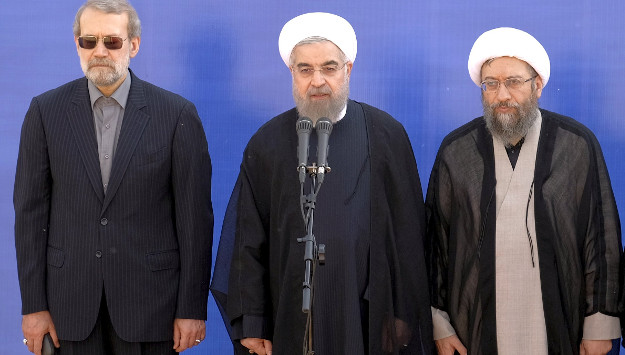
Iran’s Judiciary Chief Sadegh Larijani has called for the creation of special courts where individuals and government officials can file lawsuits against U.S. sanctions and “adventurous moves” in the region, the Iranian media reported. Speaking to Judiciary officials in Tehran, Larijani praised the Iranian Parliament for passing a bill to counter U.S. actions in the region in response to the latest U.S. sanctions on Iranian entities involved in the country’s missile program and support for terrorism.
Diplomatic Moves Signal Possible De-escalation of Regional Conflicts
Do a series of recent diplomatic moves by Saudi Arabia signal an opportunity for de-escalation of regional conflicts in Iraq, Syria, and Yemen? MEI scholars Gerald Feierstein, Randa Slim, and Charles Lister join Paul Salem to discuss the dynamics playing out between Riyadh and Tehran as the war against ISIS enters its final phase.
Iran and Turkey Discuss Ways to Cooperate in Syria and Iraq
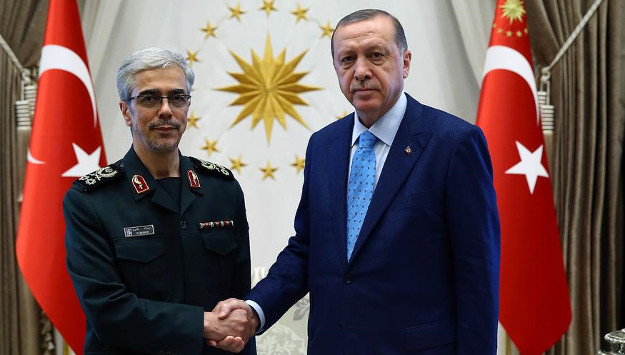
On Wednesday, the chief of the Iranian Armed Forces met with Turkish President Recep Tayyip Erdogan and Defense Minister Nurettin Canikli in Ankara to discuss ways
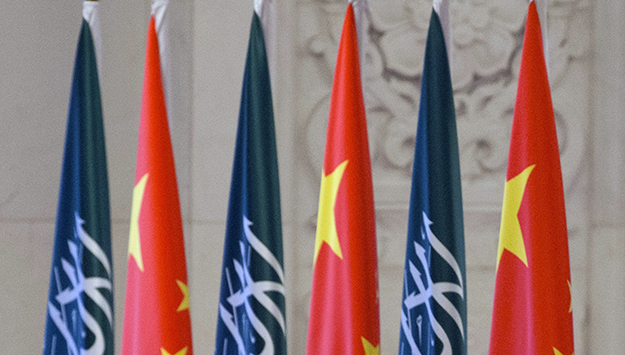
The Middle East is the Hub for China’s Modern Silk Road
For nearly 600 years, under the imperial tributary system of the Ming and Qing dynasties, foreign “barbarians” travelled to Beijing to kowtow to the emperor in order to trade with China. Reminiscent of those times, President Xi Jinping is recreating a modern version of the ancient imperial system, and it may result in a powerful challenge to U.S. interests in the Middle East and North Africa.

The Malaysian State Responds to IS: Force, Discourse, and Dilemma
This essay critically examines the Malaysian state’s responses to IS, which, while having proven relatively successful in maintaining public safety (as compared to Thailand, Indonesia, and the Philippines), have not slowed the pace of radicalization among the Malaysian populace. The essay highlights the operational dimension in the post-Internal Security Act (ISA) era, as well as the active discursive campaign to denounce, discredit and diminish IS. The essay then discusses the dilemma faced by self-proclaimed “Islamic” states such as Malaysia in countering Islamist militancy.
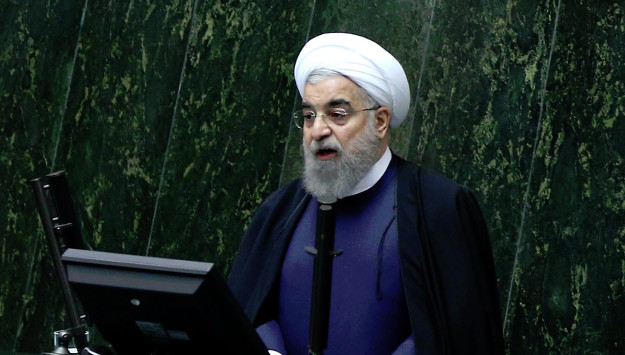
Rouhani to Trump: Iran Could Restart Nuclear Program within Hours
Iranian President Hassan Rouhani has warned that Tehran would restart the country’s nuclear program within hours if the U.S. government imposes additional sanctions on the Islamic Republic, the Iranian media reported. “America’s new statesmen should know that the failed experience of sanction and coercion brought their previous administrations to the negotiating table.
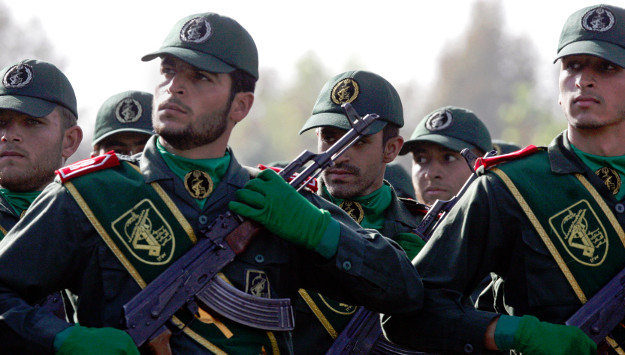
Iran Creates 10 Rapid Reaction Brigades to Fight Terrorism at Home
Iran has set up 10 new rapid reaction brigades and plans to create more units to bolster its counterterrorism efforts, President Hassan Rouhani’s defense minister nominee has told the country’s parliament. Introducing his plans for the Defense Ministry, Brigadier General Amir Hatami added that five of the new brigades have been established within the country’s Artesh (regular army), whereas the remainder consisted Islamic Revolution Guards Force (I.R.G.C.) Ground Force units.
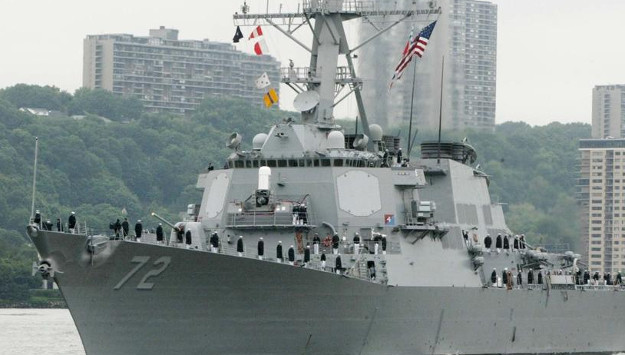
I.R.G.C. Rejects U.S. Claim of Unsafe Drone Flight, Says Drone Mission Will Continue in Gulf
The Islamic Revolution Guards Corps (I.R.G.C.) rejected U.S. claim that an Iranian drone came dangerously close to a U.S. aircraft carrier in the Persian Gulf, and stressed that it will continue its “routine” air patrol in the region despite U.S. warnings.
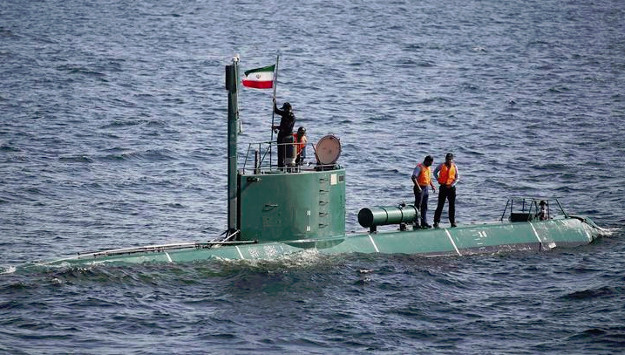
Iran Navy to Unveil New Vessels and Dispatch Fleets to Atlantic Ocean
The commander of the Iranian Navy announced today that the country will unveil new home-made vessels and a missile launching warship, Fars News Agency reported. “New equipment, including surface and subsurface vessels units, and other equipment made in the country will be unveiled in the Northern and Southern parts (waters) of the country,” Rear Admiral Sayyari said, addressing a ceremony in the Northern port city of Bandar Anzali.
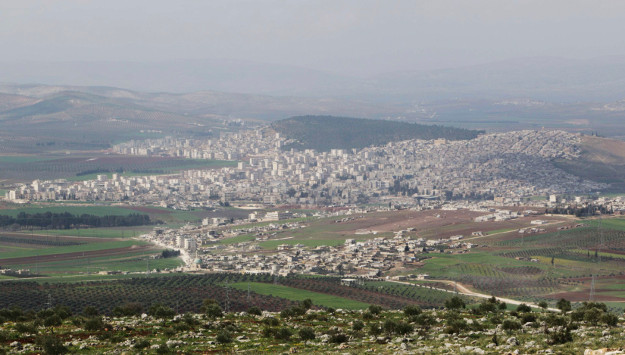
Monday Briefing | Is the Middle East Tilting toward De-Escalation?
In this week’s Monday Briefing, MEI experts Paul Salem, Gonul Tol, Alex Vatanka, and Jonathan M. Winer provide analysis on recent and upcoming events including Saudi Arabia’s diplomatic engagements in the region, Turkey’s consideration of military operations in northern Syria, Iranian President Rouhani’s centrist cabinet nominations, and Libyan leaders’ decision between greater cooperation or renewed confrontation.
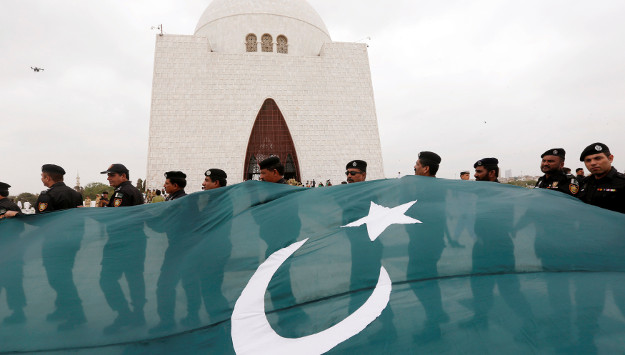
Will Pakistan Find Stability Following Its Latest Political Shake-up?
Read the full article in The National Interest.
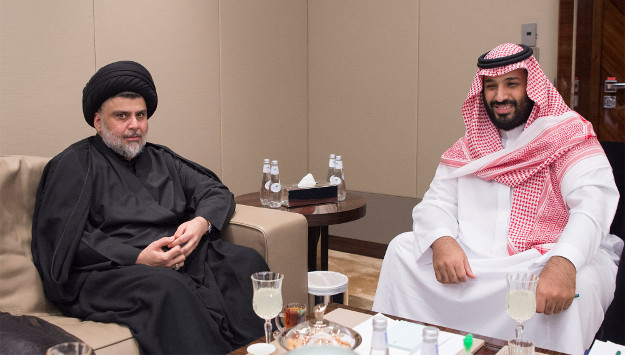
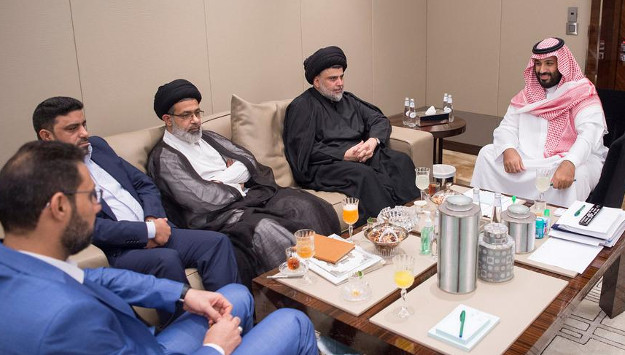
Tehran Sees Saudi Outreach to Iraqi Shiites as "New Project" to Roll Back Iran's Regional Influence
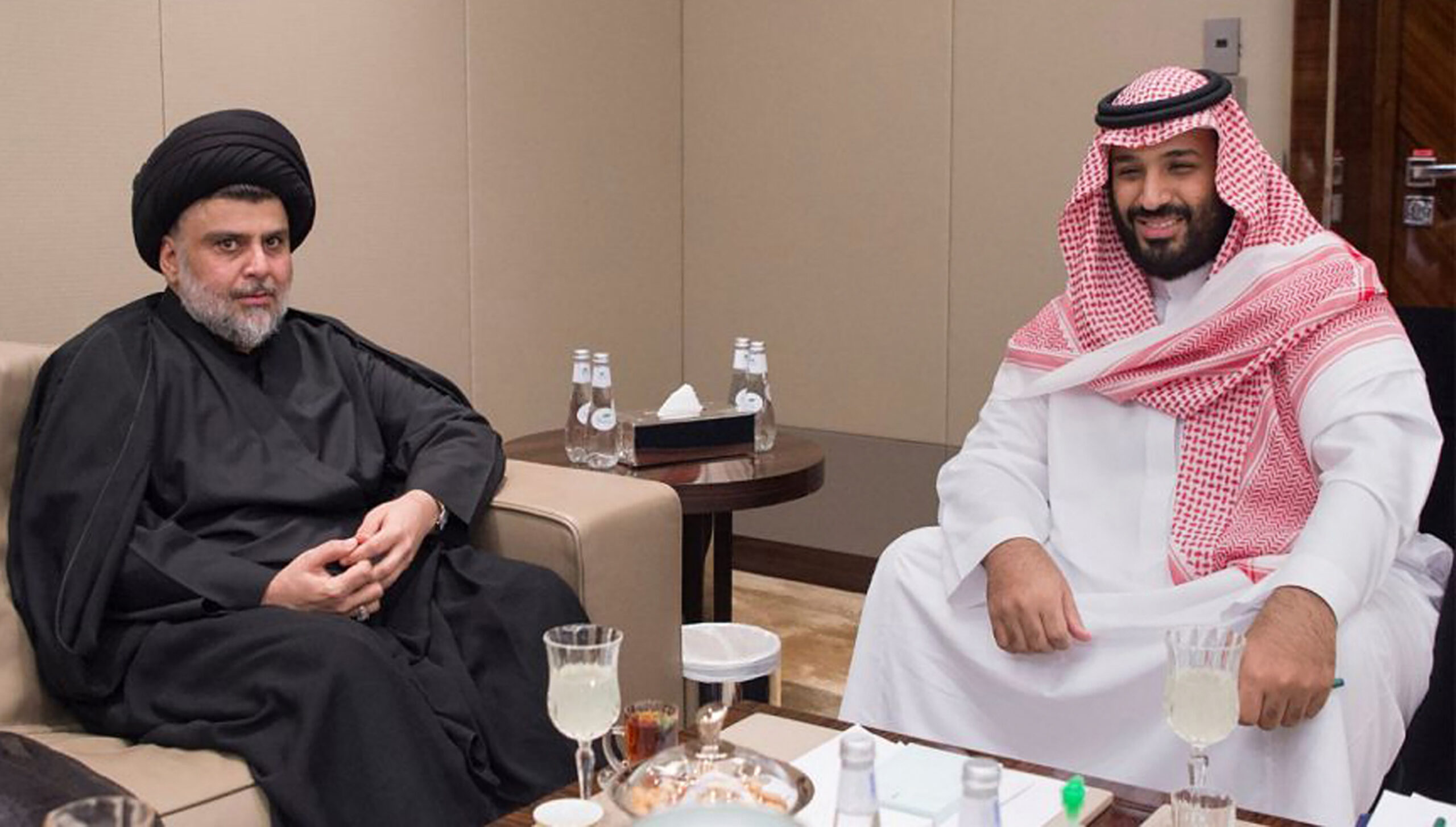
Iranian media outlets, analysts and politicians warn that Saudi Arabia and its regional allies are cultivating close ties with Muqtada al-Sadr and other Iraqi Shiite clerics and political leaders to roll back Iran’s influence in post-Islamic State Iraq and the broader region. While some suggest that Riyadh’s outreach to Iraqi Shiites is part of the kingdom’s efforts to defuse tension with Tehran, others see it as a plot to isolate Iran. At the center of this debate is al-Sadr, who recently visited Saudi Arabia and the United Arab Emirates and is scheduled to travel to Egypt soon.
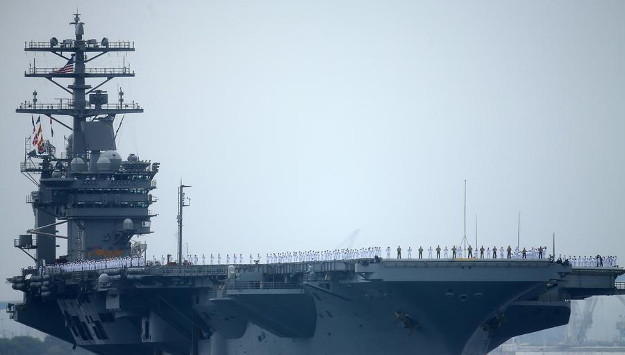
Iranian Drone Comes “Dangerously” Close to U.S. Aircraft Carrier in Persian Gulf
Iran sent another drone close to a U.S. Navy aircraft carried in the Persian Gulf on Sunday, the media reported today. Last week, an Iranian drone had an “unsafe” encounter with a U.S. Navy F-18 Hornet as it was landing aboard the U.S.S. Nimitz in the Persian Gulf. Navy Lt.