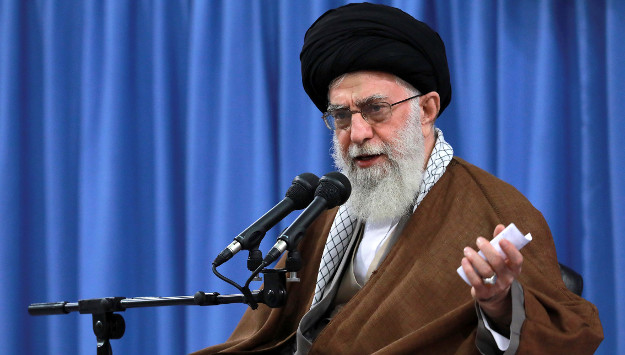
On November 2, Iran’s Supreme Leader Ali Khamenei warned that compromise with the United States would only aggravate the country’s problems. He accused Washington of continuing hostile policies against Tehran and not abiding by the terms of the 2015 nuclear agreement.
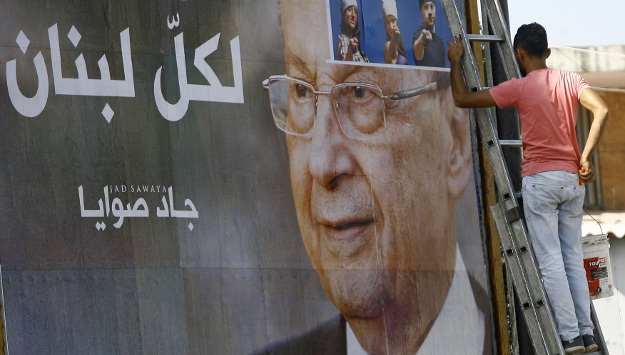
“Kullun haramiyyeh” — “they’re all thieves” — is the most common sentiment about Lebanon’s politics on the streets of Beirut. You’ll hear it from street vendors, waiters, students, teachers, architects, taxi drivers, doctors, Muslims, and Christians. It’s a view, in short, that unites this perpetually fragmented country.
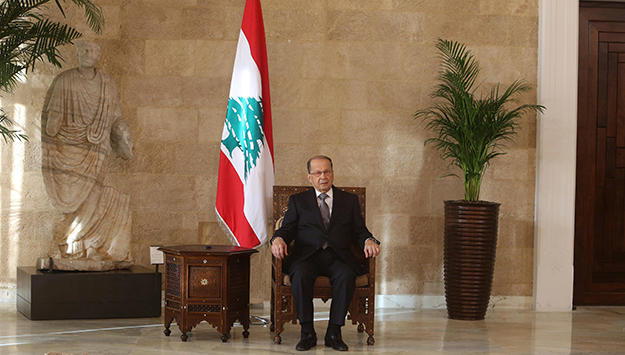
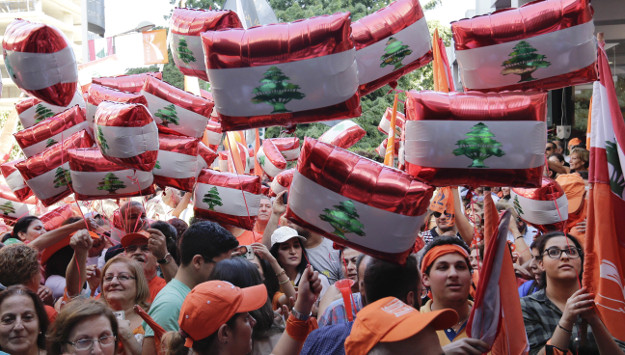
After a hiatus of two and a half years, Lebanon has a new president. The Lebanese parliament has elected Michel Aoun, a former army chief, as the country’s 17th president. Michel Aoun owes the presidency to three men: Samir Geagea, the leader of the Christian Lebanese forces, Saad Hariri, the former Sunni prime minister, and Hassan Nasrallah, the leader of the Shiite Hezbollah.
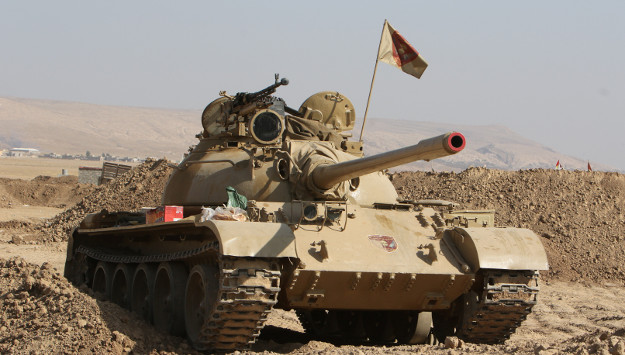
Monday Briefing: Shiite Militias to Join Mosul Battle
In this week’s Monday Briefing, MEI experts Randa Slim, Robert S. Ford, and David Mack provide analysis on recent and upcoming events including updates on the battles for Mosul and Aleppo, and the potential meeting of Libyan factions currently locked in a stalemate.
Note: This article was published by Foreign Affairs on October 29; On Monday, October 31, Michel Aoun was elected president. Read the full article on here.
October 28, 2016 – Vice President for Policy and Research Paul Salem discusses key points from his policy essay, “Navigating a Turbulent Middle East: Priorities for the Next President,” which was just published in the Fall 2016 issue of The Middle East Journal.
Against Ontologies of Hospitality: About Syrian Refugeehood in Northern Lebanon
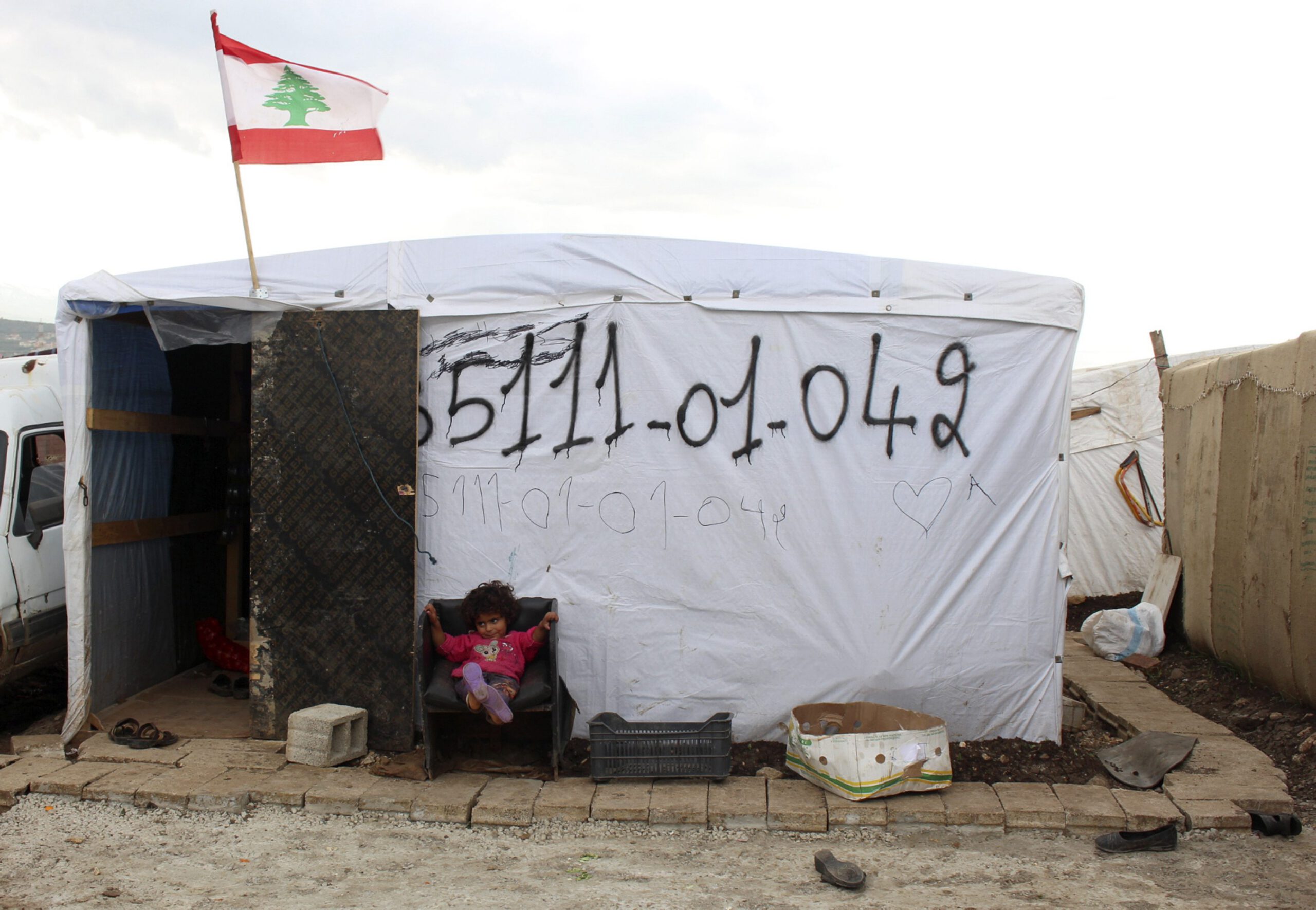
This essay explores the relationship between Syrian refugees and local Lebanese. In particular, it discusses the dominance of the discourse of ‘hospitality’ in the international media depiction of this relationship and in the humanitarian response informed by it. As this essay will show, these tendencies have resulted in the ‘hospitality’ discourse informing and reinforcing the international response to the Syrian refugee influx into and presence in Lebanon.
The most senior Shiite clerics in Iran met on October 27 with the leadership of the Supreme National Security Council (SNSC). The meeting included Ali Shamkhani, who is the Secretary General at the SNSC. According to reports, the top clerics are urging the SNSC officials to prevent deep political splits from emerging in the Iranian society.
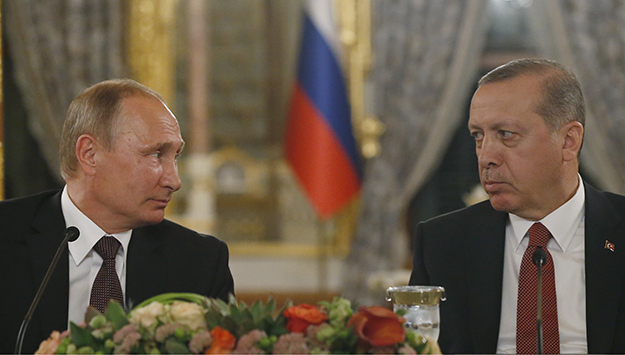
How Far Can the Turkey-Russia Rapprochement in Syria Go?
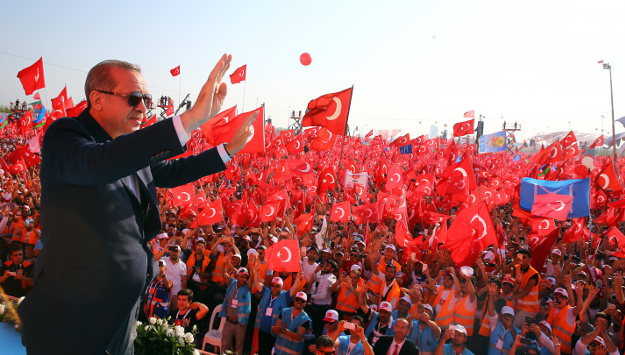
Tensions between Turkey and Russia are thawing, as both countries appear to be advancing reconciliation efforts. Beginning with Turkish President Recep Tayyip Erdogan’s apology to Russian President Vladimir Putin for downing a Russian jet last year, the nations have shown a political will to cultivate closer cooperation in Syria. But the question remains—how far can the rapprochement in Syria go?
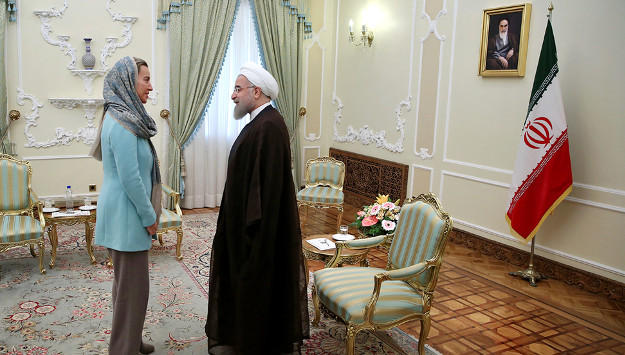
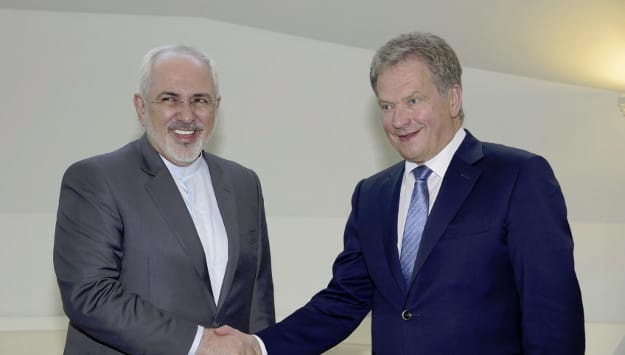
Pursuant to talks between Iran and the European Union to normalize relations, the president of Finland, Sauli Niinisto, was in Tehran on October 26. There, he was greeted by a number of Iranian officials who harshly attacked the policies of Western states in the Middle East.
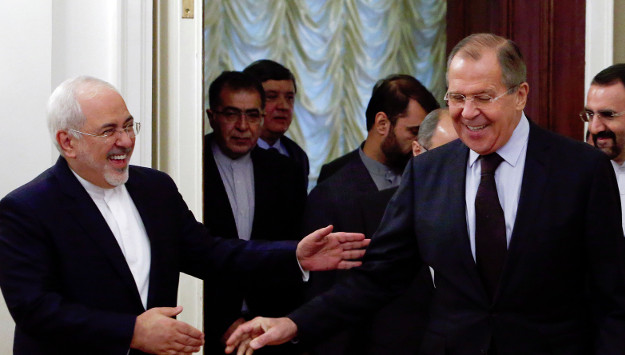
Iranian Foreign Minister Javad Zarif is due to be in Moscow on October 28. There, he will meet with his Russian and Syrian counterparts to assess the military campaign against the Syrian opposition.
The Next President: Security and Terrorism Challenges
October 24, 2016 – In this interview MEI Board Chairman Richard A. Clarke discusses the national security challenges that will face the next U.S. president, ranging from cybersecurity to countering violent extremism, with host Paul Salem.