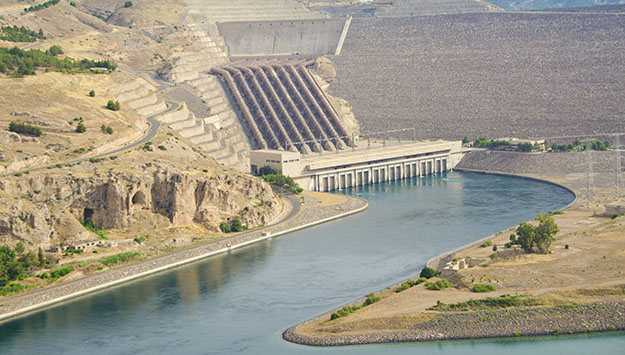
Facing Water Challenges in the Middle East
Regional Cooperation Series
This Policy Paper is part of the Middle East Institute’s Regional Cooperation Series. Throughout 2016, MEI will be releasing several policy papers by renowned scholars and experts exploring possibilities to foster regional cooperation across an array of sectors. The purpose is to highlight the myriad benefits and opportunities associated with regional cooperation, and the high costs of the continued business-as-usual model of competition and intense rivalry.
Summary

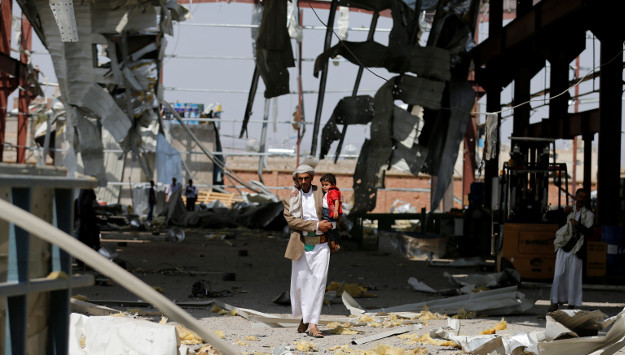
The War in Yemen: Political Impasse and Humanitarian Crisis
September 14, 2016 – Charles Schmitz, MEI scholar and professor of geography at Towson University, sits with Paul Salem to discuss the state of play in Yemen, where more than a year of war has led to thousands of civilian casualties and compounded a long-standing humanitarian crisis.
Saving Iraq’s Cultural Heritage
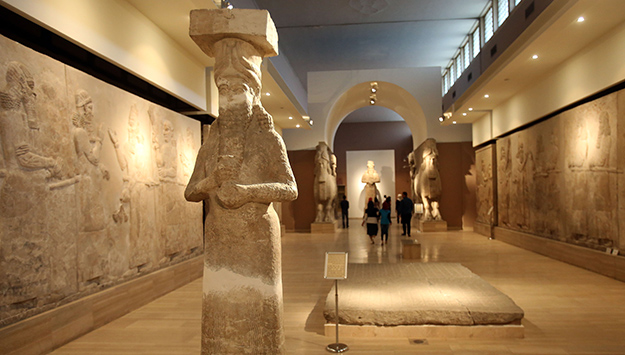
Ongoing conflict is robbing Iraq of both its future and its past by stripping the country of its tangible cultural heritage.[1] The Islamic State, as part of its strategy, is deliberately seeking to erase all aspects of Iraqi identity which compete with its own dogma. Iraq’s cultural heritage faces additional threats in the form of illicit looting, vandalism, government neglect, and political infighting.
Unregistered Women's Organizations in Turkey: Preliminary Insights
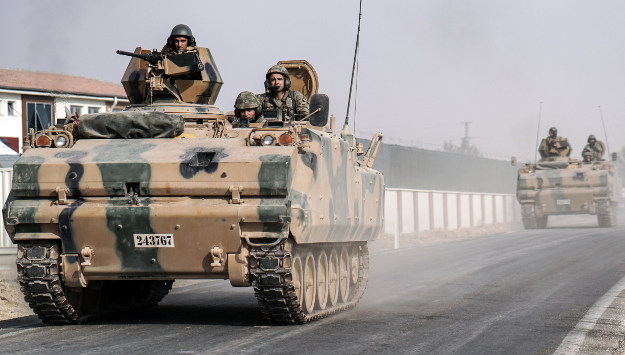
The omission of unregistered and informal organizations/groups means that the research and analysis of civil society to date has excluded a whole area of civil society organizations (CSOs). This essay discusses the findings from structured interviews with a small cohort of (mostly Kurdish) unregistered women’s organizations in Turkey regarding their sources of funding and their engagement with the political system.
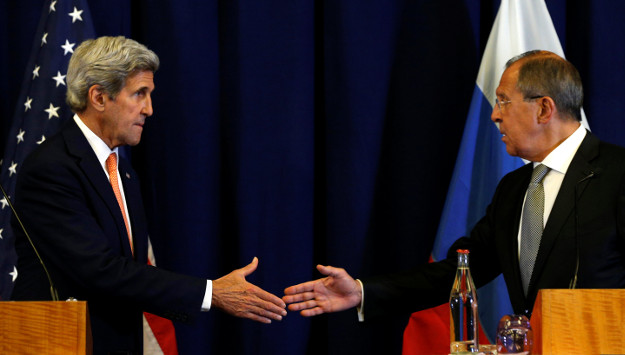
Monday Briefing: Cessation of Hostilities Deal in Syria Reached … Now What?
[Oops!: If our weekly e-mail sent you here by mistake, please click here for the Sept. 19 Monday Briefing.]
In this week’s Monday Briefing, MEI experts Robert S. Ford, Charles Lister, and Marvin G. Weinbaum provide analysis events including the announced cessation of hostilities in Syria, the Syrian rebels’ resonse to the deal, and the Afghan president’s upcoming visit to India.
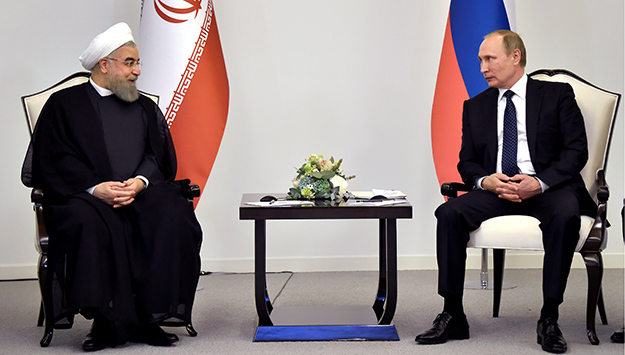
Iran and Russia: A Partnership in the Making
Introduction
The relationship between Iran and Russia has been characterized more by competition than by cooperation in modern political history. Military incidents during the Soviet era created an atmosphere of distrust, but Russia has become an increasingly prominent economic and political partner of Iran as both countries have been targeted by Western sanctions regimes. More recently, upheaval in global energy markets and the deteriorating security situation in Syria have led to the forging of stronger commercial and political bonds between the two countries.
Middle East and North African Countries Unite to Fight Antiquities Looting, the Destruction of Cultural Heritage, and Terrorist Financing
Amman, Jordan – Seventeen countries from the Middle East and North Africa (MENA) and the League of Arab States convened today to launch an aggressive action plan to combat antiquities looting and the illicit trade in cultural heritage.
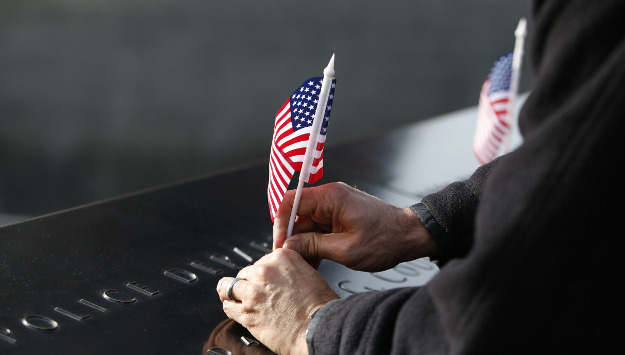
After 9/11, We Thought It Would Be a Generation-Long Struggle; We Were Wrong
Read the full article on ABC News
In the days after the attacks of 9/11, Americans asked fundamental questions such as “Who did this?” and “Why do they hate us?” As a nation, we were eager for a fight, for revenge, but some had another question: “How long will this war go on?”
Informal Activism and New Subjectivity in Authoritarian Settings: Iran’s “New Activists”
In times of repression, informal networks are useful to keep activism alive as they offer a way to activists for organizing. This short piece examines the background of informal activism in Iran and its possible implications.
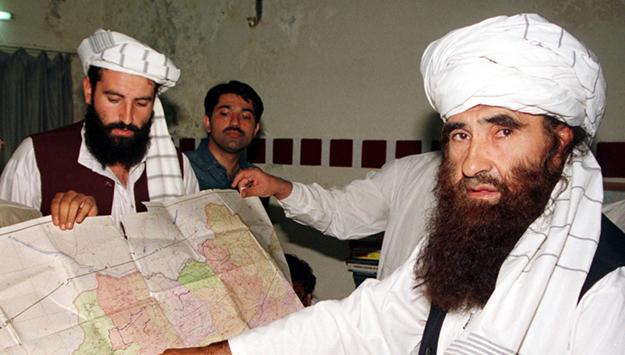
Varieties and Dilemmas of Activism in Informal Spaces of Resistance: The Case of Burma under Military Rule
Activism in informal spaces of resistance in Burma took a large variety of forms, which often differed from horizontal, inclusive and democratic modes of mobilization. This essay sketches three of the most relevant examples of such informal activism and shares some of the lessons these examples might hold for the MENA region and beyond.
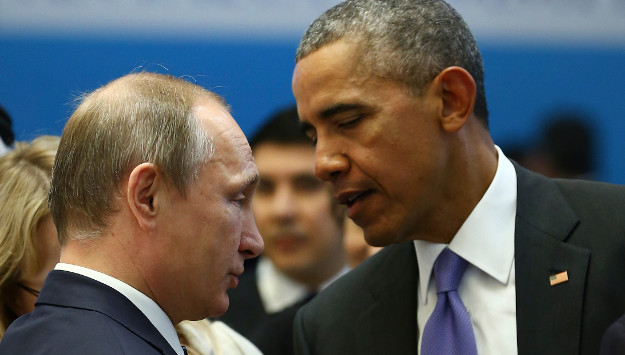
Weekly Briefing: Syria Talks at G20 Summit, Russian Moves on Israel-Palestine, and Iran Energy Policy
In this issues of MEI’s weekly briefing, contributors Daniel Serwer, Randa Slim, Eran Etzion, and Alex Vatanka provide analysis on recent and upcoming events including discussions between the United States, Russia and Turkey on Syria policy at the G20 Summit, the Syrian opposition’s transition plans, Russian moves on Israel-Palestine, and Iran’s energy policy.
Informal Networks and Political Transitions in the MENA and Southeast Asia
This collection of essays, inspired by Sean Yom’s piece “Arab Civil Society: Weaker but Deeper,” seeks to “peer into hidden spaces of resistance not captured by the formal sector” and is thus intended to complement the MAP series on