The often-misunderstood term “harm reduction” means simply that the paramount policy or clinical objective is reducing the harms from psychoactive drug use. In the conventional drug policy that has prevailed globally for decades, the reduction or elimination of drug consumption was considered the principal policy aim, while the harms caused by drug use or drug policies were usually an afterthought.
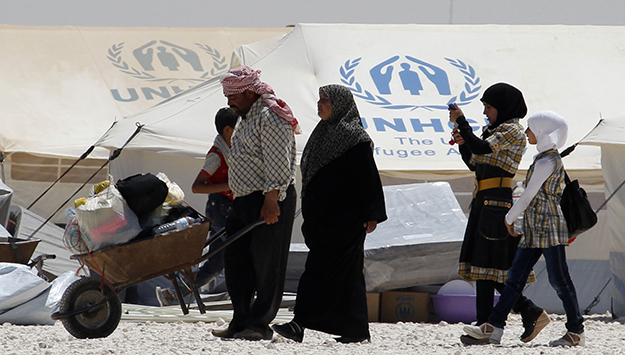
Hind Kabawat is a senior program officer at the United States Institute of Peace (USIP) and a senior research associate at the Center for World Religions, Diplomacy and Conflict Resolution (CRDC) at George Mason University. Since 2012, she has been conducting periodic conflict resolution and peace-building workshops for communities within Syria and for Syrian refugees living in Jordan and Turkey.
The Middle East is experiencing unprecedented upheaval, and by all indications the region is likely to remain in turmoil for the foreseeable future. From Yemen to Bahrain to Syria and Lebanon, the sectarian agendas and geopolitical maneuverings of the two regional heavyweights – Iran and Saudi Arabia – will likely remain the key drivers fueling the regional fire.
Harm Reduction in Indonesia: At a Difficult Juncture
Harm reduction started in Asia about two decades ago, as a response to both the increase in injecting drug use and the spread of HIV/AIDS in the region. Most of these programs were spearheaded by community organizations and NGOs, often in conflict with the more moralistic approaches of their respective governments. Indonesia began moving toward the adoption of harm reduction policies in 1999, when various stakeholders gathered to discuss the state of AIDS and injecting drug use in the country.
Mohammed Dahlan is making a comeback, and not for the first time since his ignominious ouster from Gaza almost eight years ago, when the Palestinian Authority (PA) forces he was leading as the PA’s security chief were routed by Hamas. These days, the 53-year-old, who grew up in the poorest of Gaza’s refugee camps, is seeking to do well for himself by doing good for Gaza.
The Rise of Harm Reduction in Morocco: Successes and Challenges
Morocco has become the second MENA country after Iran to implement a nationwide harm reduction strategy aimed at stopping the spread of HIV/AIDS among people who use drugs. Moroccan civil society organizations (CSOs) have worked to devise a comprehensive strategy that will disseminate a full package of harm reduction services. The longstanding HIV/AIDS community-based organization Association de Lutte Contre le Sida (ALCS) is leading these efforts to make the national drug policy less repressive and more effective. Harm reduction is based on the notion that marginalized populations are entitled to their basic human rights, but in some countries, governments have merely used it as another tool for social control. ALCS has sought to prevent this from occurring in Morocco by remaining focused on harm reduction’s core principles.
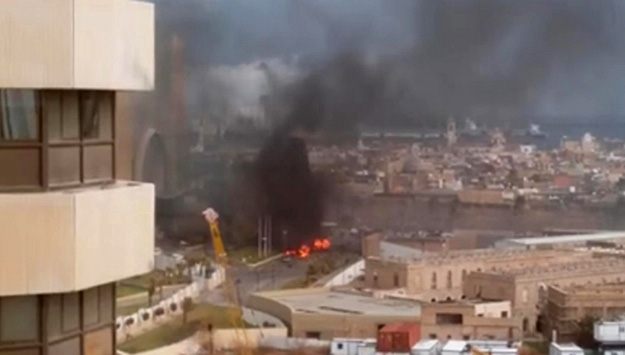
“Crises left to fester sometimes find their own way to the front burner.” Written on January 5, 2015, this sentence reflected my fear that starving Libya of high-profile international attention was increasingly risky. The beheading of 21 Egyptian Coptic Christians in Libya by Islamic State (ISIS) extremists this week appears to have placed the situation in Libya front and center.
Outreach Workers on the Front Lines: Malaysia’s Needle and Syringe Exchange Program
Outreach workers have been the backbone of Malaysia’s Needle and Syringe Exchange Program (NSEP) since its inception in 2006. This essay examines the origins of the NSEP, the role that outreach workers play, the everyday challenges they face in providing services to people who inject drugs (PWID), and the critical importance of supporting their efforts.
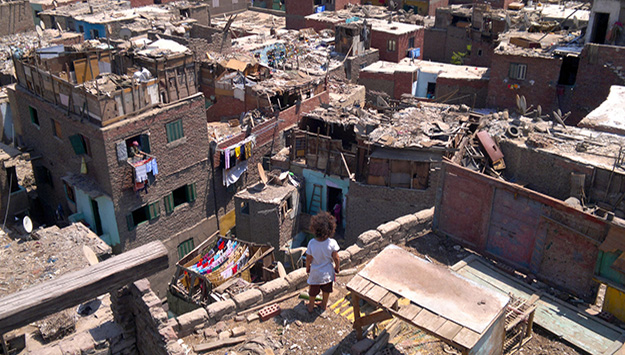
The government of former Egyptian President Hosni Mubarak had a vision for Cairo’s future. In 2007, it put forth a plan dubbed “Cairo 2050,” and among its objectives was to create wide avenues, green spaces, and new or revamped tourist sites, such as near the Pyramids.
Egypt's Security Challenge: ISIS, Sinai, and the Libyan Border
On January 28, 2015, jihadis in Sinai launched multiple, simultaneous attacks against Egyptian security forces in the vicinity of El Arish and the nearby towns of Sheikh Zuweid and Rafah. These attacks occurred only hours after President Abdul-Fattah el-Sisi said that he would die defending the region from terror. “We will never leave Sinai,” Sisi said. “Sinai is ours.
Notice: MEI Delegation Visit to Cairo, February 3-5, 2015
The Middle East Institute sponsored a bipartisan delegation of former high-level U.S. government officials to Cairo in early February. The delegation included Stephen Hadley, former National Security Advisor to President George W. Bush; General Anthony Zinni, former Commander of U.S. Central Command; and Daniel Kurtzer, former Ambassador to Egypt and Israel. They were accompanied by Middle East Institute President Wendy Chamberlin and Vice President Dr. Paul Salem.
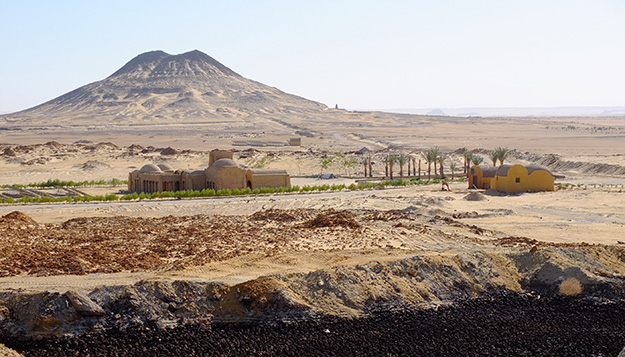
At the Bahariya Oasis 235 miles southwest of Cairo, the mountains of the Western Desert are interrupted by vast circular patterns of greenery. On one of these large farms, in striking contrast to the ancient, wind-shaped sandstone in the background, solar panels stand in neat rows. Here at the center of the largest hyper-arid region on earth, KarmSolar, a three-year-old Egyptian solar energy start-up company, has built its headquarters.
Harm Reduction Responses to Drug Use: Cross-Regional Perspectives
Many people throughout the world continue to use psychoactive drugs despite strong efforts to prevent them from doing so. There is a wide range of adverse medical, public health, and social consequences associated with such use. People Who Inject Drugs (PWID) face, among other things, elevated rates of HIV, viral hepatitis and tuberculosis.
Yemen’s Ansar Allah: Causes and Effects of Its Pursuit of Power
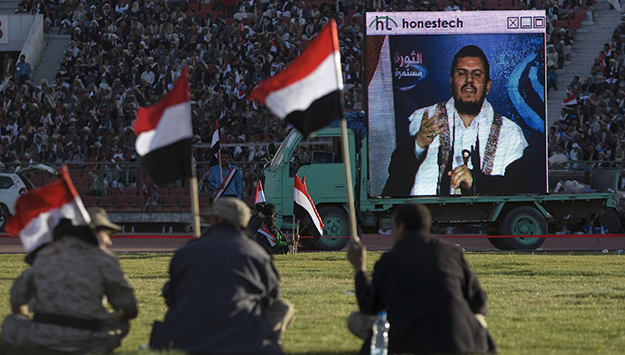
Observers can be excused for confusion over events in Yemen. In late January, Ansar Allah—the group often referred to as Houthis—kidnapped President Abdu Rabbu Mansour Hadi’s chief of staff, sacked the presidential palace, and effectively placed the president and government ministers under house arrest. Ansar Allah’s demands, strangely, were that the president and government stay in power rather than leave.
Sovereignty, the Hezbollah Model, or Dissolution: Managing Factional Forces in Iraq
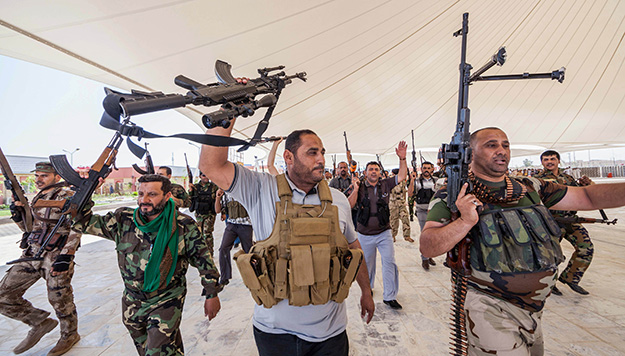
When the Islamic State of Iraq and Syria (ISIS) overran Mosul last June, Grand Ayatollah Ali al-Sistani, the preeminent Shi‘i cleric in Iraq, called for voluntary jihad. The outlook for the central government was bleak. Reports from the battlefronts, as well as threatening statements by ISIS leaders, suggested that the capital Baghdad could also fall to ISIS. The group repeatedly massacred its captives and systematically destroyed important religious and cultural sites.