When the Nidaa Tounes (“Call for Tunisia”) party was formally licensed in July 2012, it positioned itself as a “modern” alternative to the Islamist Ennahda party. Led by former interim prime minister Béji Caid Essebsi, Nidaa Tounes drew a wide range of people, including supporters of Tunisia’s Destourian (“Constitution”) movement, trade unionists, leftists, and independents, as well as former members of Zine el-Abidine Ben Ali’s Constitutional Democratic Rally (RCD) party.
Egypt’s Least Bad Option for Addressing Energy Troubles
A proposed deal to export Israeli natural gas through Egypt has the potential to enable Israel’s entry into its first major export markets, help Egypt escape a deepening energy crisis, and welcome the first European players into Israel’s natural gas industry. However, the deal is complicated by political realities and a history of deeply rooted grievances between the two countries, made worse by the recent violence between Israel and Hamas in Gaza.
Shi‘a-Inspired Violence in Malaysia: A Possibility?
Ever since the triumph of Iranian Shi’a revolutionaries against the shah in 1979, the Malaysian government has been wary of the dangers of the revolution being exported across its borders. The author argues that rather than oppressing and vilifying indigenous Shi‘a citizens, the state should engage them intellectually, socially, and perhaps even religiously, in the spirit of Prime Minister Najib Razak.
When US commanders in Iraq in 2006 were trying to figure out the best way to approach the burgeoning insurgency, two points of view emerged from the debate.
Sectarian-Based Violence: The Case of the Yezidis in Iraq and Syria
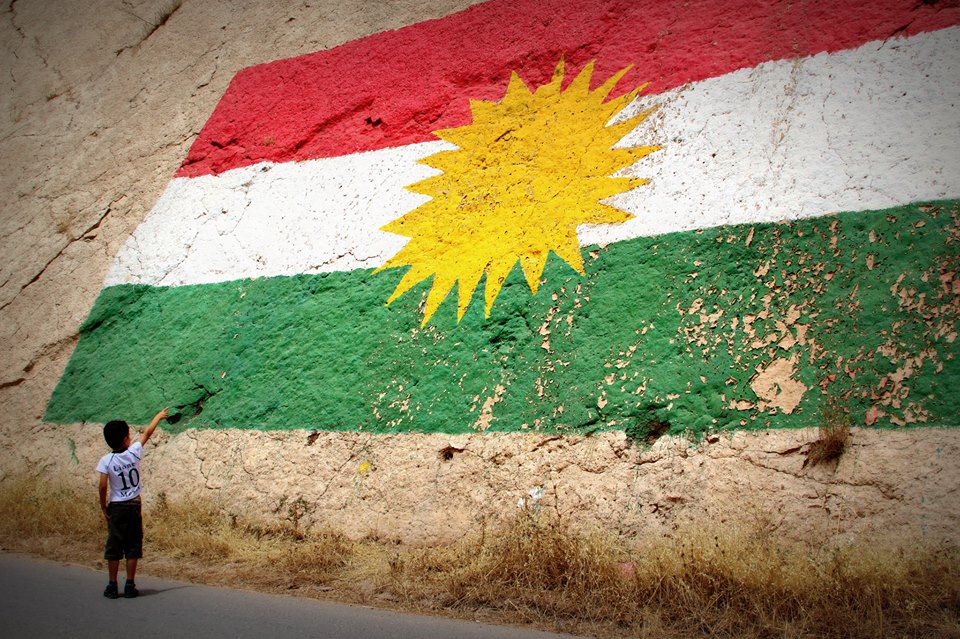
Historically, the Yezidis — an ancient Kurdish-speaking ethno-religious community — have been subject to discrimination and violence. The current status of this community in Iraq and Syria is precarious, at best.
The Role of Civil Society in Countering Violent Extremism in Indonesia
The Indonesian experience suggests that an over-reliance on hard power may actually be counter-productive, inadvertently strengthening rather than weakening the violent Islamist extremists. The author explains the need for an indirect strategy in which calibrated hard power is subordinated to and supplemented by softer measures aimed at diminishing the underlying conditions that give rise to violent extremism.
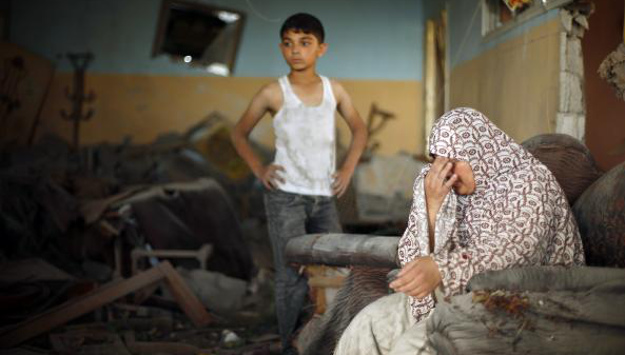
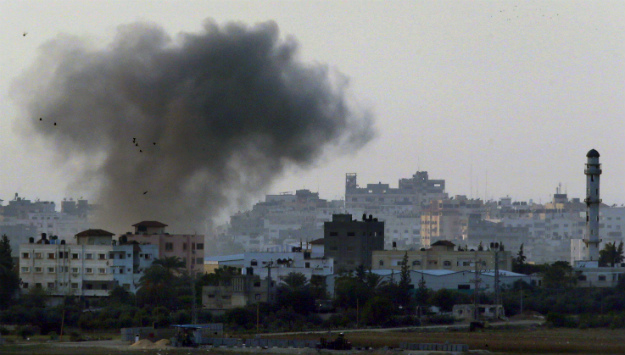
Amb. Philip Wilcox, MEI scholar and president of the Foundation for Middle East Peace, discusses the motivations that led to the current escalation of hostilities between Israel and Hamas, and why Israel decided to pursue a ground assault in Gaza.
Israel’s ground assault continues an historical pattern of dealing with threats from adversaries. How well has this strategy worked before?
Egypt’s Sexual Harassment Law: An Insufficient Measure to End Sexual Violence
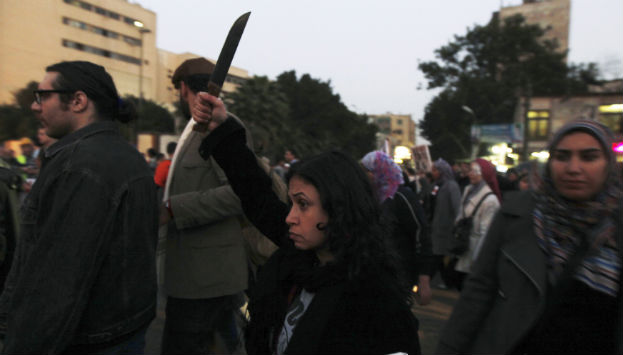
A few days ago, heavy court sentences were imposed on seven men who were convicted of attempted rape, attempted murder, and torture, in a ruling seen by many as unprecedented in Egypt. In the words of one activist, the verdict was “a strong message to all harassers that their actions are no longer tolerated or accepted.”[1] This comes in the wake of the government’s vows to combat the problem of sexual harassment; a new law passed last month criminalized sexual harassment for the first time.
Egypt’s New Parliamentary Election Law: Back to the Future
Just 48 hours before handing over the reigns to now President Abdel Fattah al-Sisi, Egypt’s interim President Adly Mansour signed into law a controversial piece of legislation that regulates elections for Egypt’s new House of Representatives.[1] Since the law was announced in early June, it has generated conflicting analysis regarding its impact on the nature of the electoral system, the character of the legislature that will be elected as a result, and the extent to which it might further empower the president.
Violence and Peace Spoilers in the Southern Philippines
The 27 March 2014 signing of the Comprehensive Agreement on the Bangsamoro (CAB) by the Philippine Government (GPH) and the Moro Islamic Liberation Front was heralded as the start of enduring peace and development in Mindanao. Unfortunately, spoilers opposed to the CAB remain capable of derailing the process. Joseph Franco explains some of the nuances of spoiling efforts as well as the prevailing socioeconomic milieu in the Southern Philippines that sustains latent enablers for sectarian conflict.
Why Securing a Cease-Fire Will Be Harder This Time
In thinking about how the crisis between Israel and the Hamas leadership in Gaza might play out, it’s useful to reflect upon the preceding Israeli incursion into Gaza in November 2012.
Putting Out the Fire in Southern Thailand: An Appeal for Truce Seeking
Observers have struggled to explain ongoing sectarian violence in southern Thailand given that both Thai Buddhists and Malay/Thai Muslims are victims of violence, have historically coexisted peacefully, and share local customs and spiritual traditions. Tim Rackett explores the role of majority and minority ethnic and religious identities in fueling sectarian violence and identifies a way out.