Turkey’s popular and outspoken Prime Minister, Recep Tayyip Erdogan, was treated to a hero’s welcome last week when he met with Syrian refugees for the first time since Turkey opened its doors to the thousands of people fleeing Bashar Al-Assad’s crackdown. Erdogan’s pledge to defend the rights of the Syrian people and his call for Assad’s removal, however, fell short of expectations. Although Erdogan’s speech drew some applause, it was also interrupted by shouts of “We want arms for the Free Syrian Army and a buffer zone inside Syria!” The Turkish PM’s reiteration of his previous positi
The cacophony of bullhorns, fireworks and frenzied cross-country barnstorming in trucks, busses and three-wheeled “tuk-tuks” emblazoned with candidates’ posters has come to an end, and a historic moment has arrived: tens of millions of Egyptians are heading to the polls today in the first democratic presidential election in the country’s history, an election borne out of the 2011 revolution that ousted former President Hosni Mubarak and injected Egyptians with a novel feeling of excitement for participatory democracy.
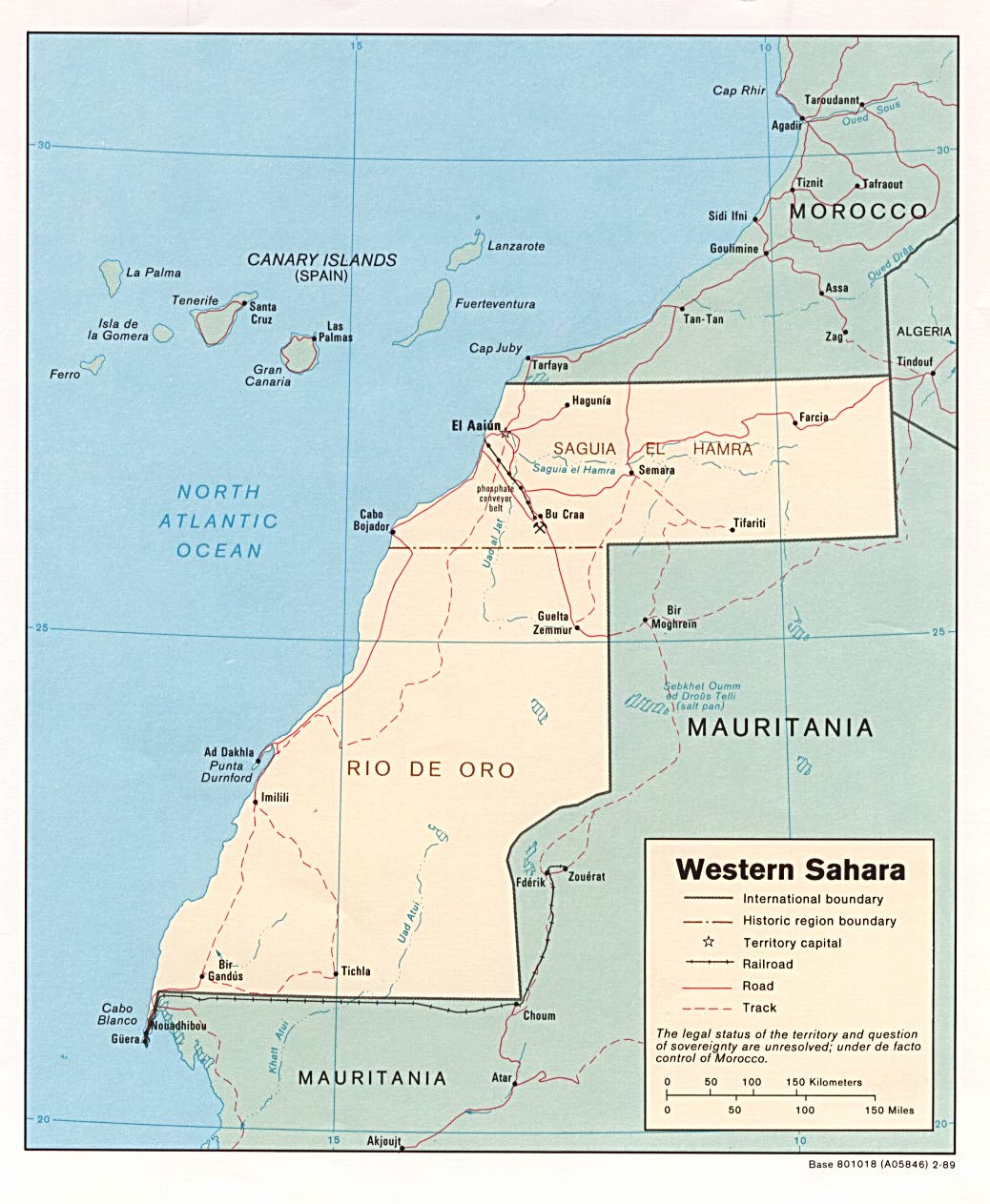
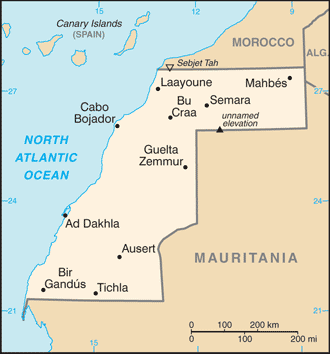
Since the origin of the crisis, it has been evident that Morocco would never accept any outcome that might contest its sovereignty or result in the independence of the Western Sahara. The United Nations General Assembly (UNGA) proposed in its first resolution adopted on December 16, 1965 that Spain “takes all necessary measures” to decolonize the territory, while entering into negotiations on “problems relative to governing.”
This Opinion first appeared on CNN.com on May 21, 2012
Iran is set for nuclear talks Wednesday with members of the U.N. Security Council, and the Obama administration, as well as some Iranian and European Union officials, expressed optimism that a compromise will be reached. But it is useful to examine Israel’s long-term objectives for a bit of a reality check.
Delivering on the Commitments of Afghanistan Conferences
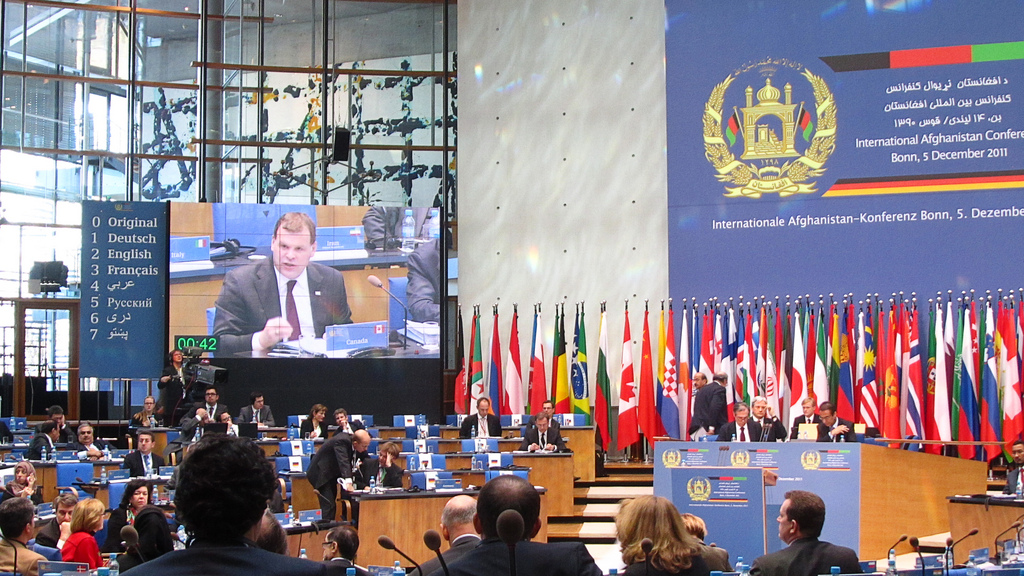
Last December in Bonn, Germany hosted and Afghanistan chaired an international conference on “Afghanistan and the International Community: From Transition to the Transformation Decade.” Eighty-five countries and 15 international organizations participated in the Conference to celebrate their shared 10-year achievements, and to recommit to consolidating and sustaining these achievements beyond 2014 into a decade of transformation until 2024.
Considering the Information Infrastructure for American-style Universities in the Middle East
Originally posted December 2010
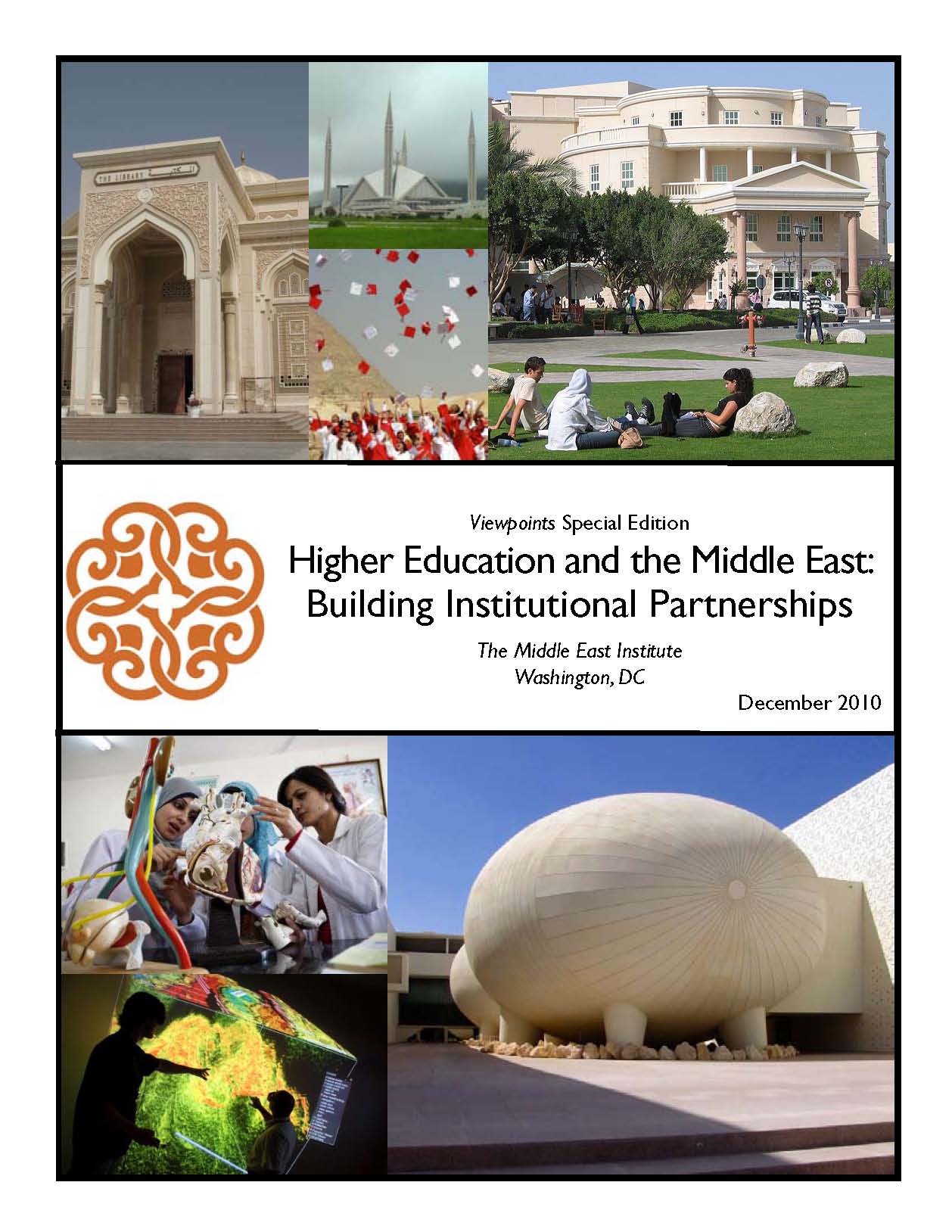
In the past 15 years, American educators – faculty, librarians, and administrators – have been invited to transfer their expertise to the Middle East and to assist in developing American-style universities. Attempting to transplant a culturally-based educational system into new nations with different values poses unique opportunities to reflect on what constitutes American education and what components must be included in the transfer.
Western Sahara: Deferred Referendum or Lasting Settlement?
Over the last decade, the dispute over the future status of the Western Sahara territory, which has set Morocco and the Algeria-backed pro-independence Polisario front in opposition, has entered a qualitatively new phase. This is due to attempts at finding a negotiated outcome instead of the long-delayed self-determination referendum. The idea of a political solution to break a twice deadlocked (1997 and 2000) UN self-determination referendum for the Western Sahara territory has steadily revived the prospect of autonomous status for the territory within Moroccan jurisdiction.