We are regularly bombarded by news reports and political analysis that reflect certain underlying assumptions about Afghanistan. These assumptions range from claims that Afghanistan was always a backward state ruled by warlords, to assertions that the country was never really a nation at all, and proclamations that Afghanistan is unfit for Western-style democracy and that it is dangerously naïve to think otherwise.
Since the overthrow of King Mohammad Zahir Shah in 1973, Afghanistan has been plagued by war — either war waged among ideologues (Marxists v. nationalists) or war marked by foreign invasion and occupation. The Soviet occupation of Afghanistan, which began in 1979, lasted a full decade.
Prospects for U.S.-Iran Relations on the Nuclear Issue in the Year Ahead
Principal Authors: Allen Keiswetter and Roby Barrett
Contributing MEI Scholars and Guests:
Geneive Abdo, Reza Akbari, Roby Barrett, Charles Dunne,Philip Frayne, George Harris, Mark N. Katz (George Mason University), Allen Keiswetter, David Mack, Melissa Mahle (C&O Resources), Richard Murphy, Greg Myre, Michael Ryan, Paul Scham, Daniel Serwer, Alex Vatanka, Marvin Weinbaum, Wayne White, Philip Wilcox, Molly Williamson
Higher Education Reform in the Arab World: The Model of Qatar
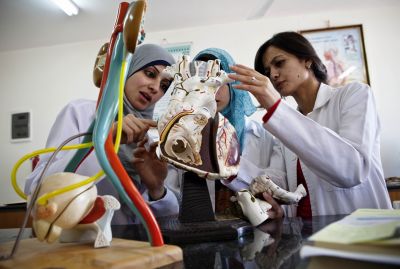
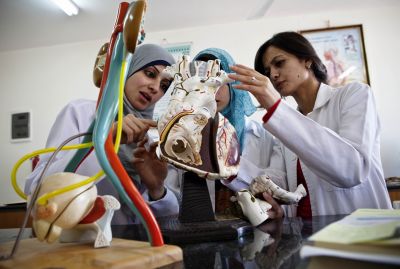
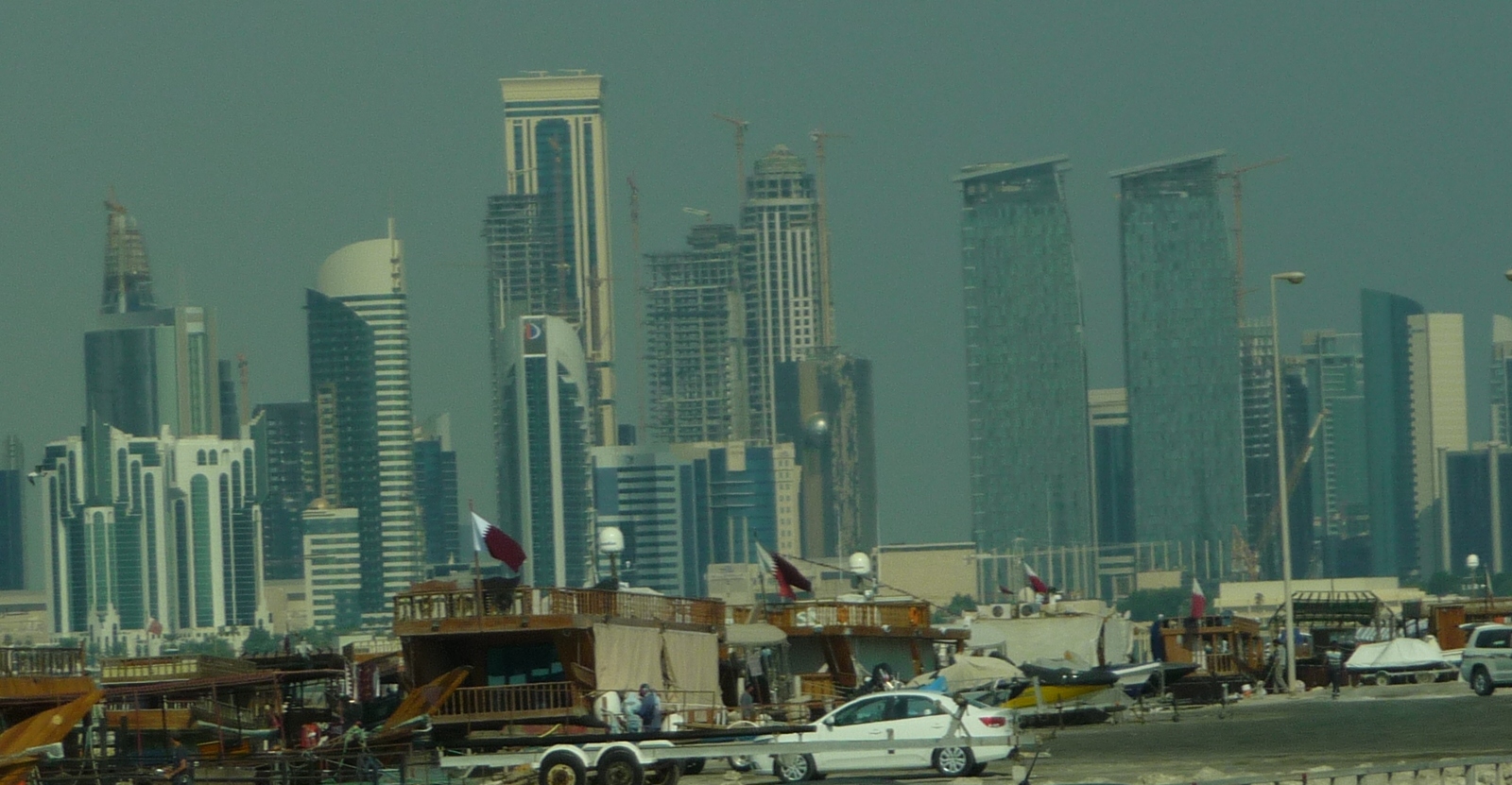
Higher education—and its successful reform—is essential to the long term stability and prosperity of the Arab world. The youth uprisings which triggered the Arab Spring in Tunisia and Egypt have highlighted the urgency of defusing the region’s ticking demographic time bomb: young, growing populations facing uncertain futures. To combat high unemployment and sluggish private sector growth, the Arab world must focus on building a knowledge society quickly in order to create three million more jobs annually than it currently generates, according to World Bank estimates.
This Opinion was first published in The National Interest on July 12, 2012
After an eighteen-month free fall, there is tangible improvement in the tumultuous U.S.-Pakistan relationship and an opportunity to leverage these gains for a durable peace in Afghanistan. Backtracking from a messy divorce, both Washington and Islamabad have forsaken their previous approaches of unrelenting maximalism, each making necessary compromises to make the partnership work.
This Opinion first appeared in Foreign Policy’s “Middle East Channel” on July 17, 2012
Sheikh Ahmad al-Assir, a self-proclaimed religious authority with a bushy long beard, is no stranger on the Lebanese scene. His latest incarnation, from his mosque in the coastal town of Sidon, is as a firebrand political Salafist whose objectives transcend the confines of Lebanon.
The appointment of a political figure as ambassador often signals the level of importance attached to bilateral relations, more so if the person in question was a career military officer and current cabinet minister. This was the case in February 2012 when Israel named Matan Vilnai as its next ambassador to China. Beijing was more than happy to accept the appointment of then-Israeli Minister of Home Front Defense, seeing it as a signal for further improvement.