Facing the abyss: Refugees and the Beirut port explosion one year later
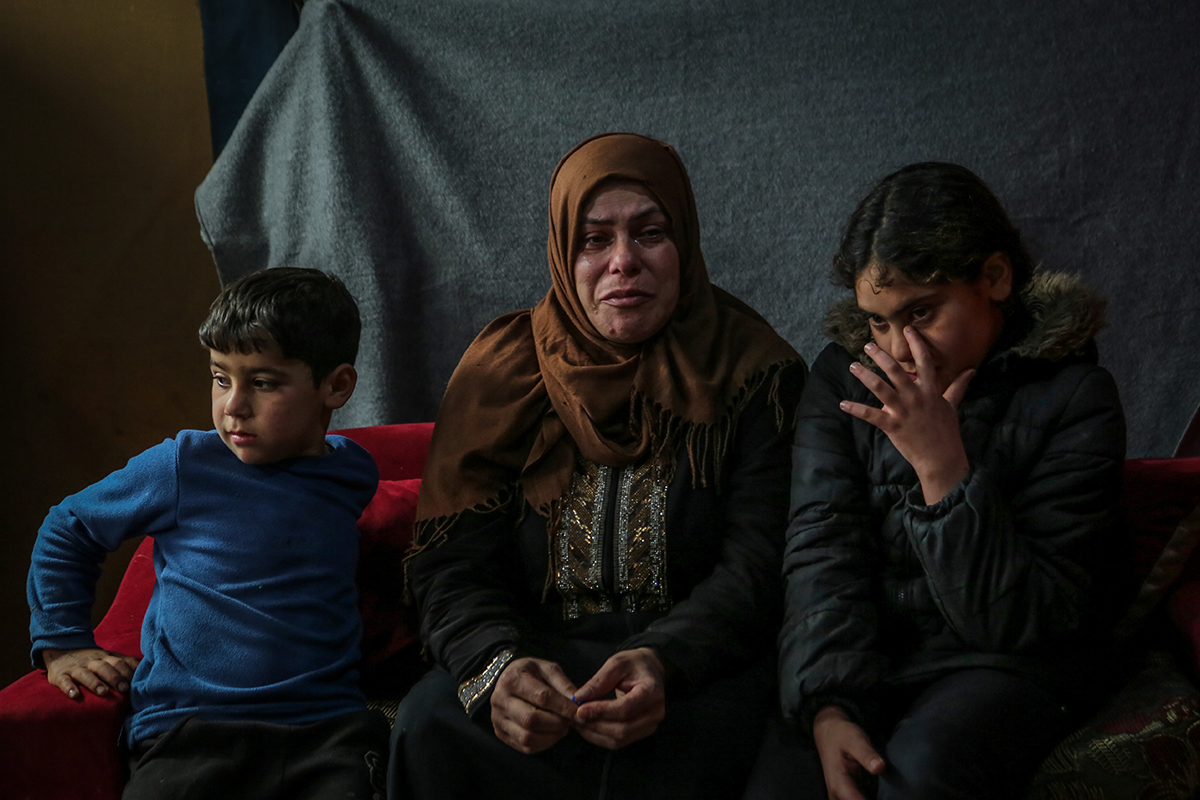
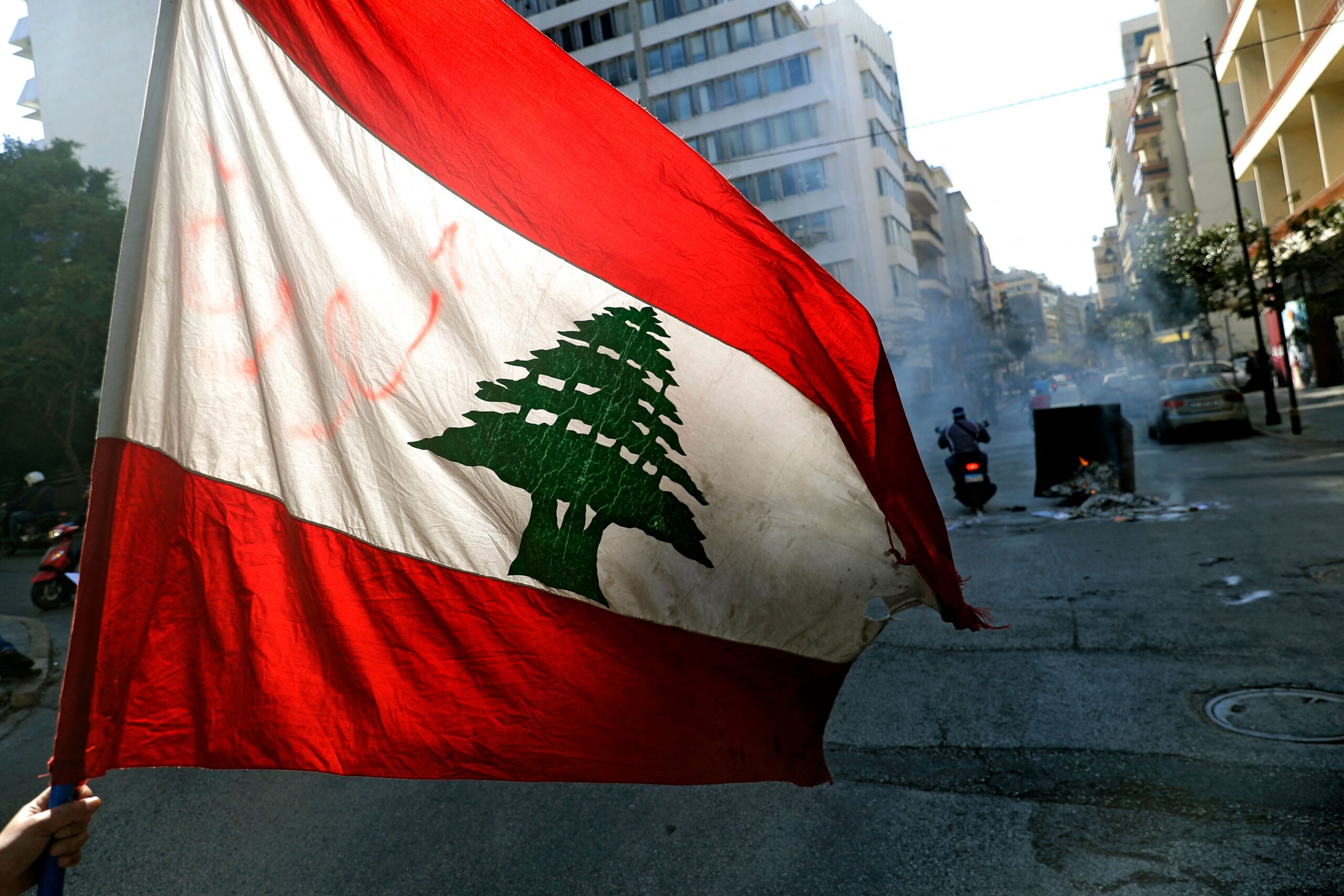
On the first anniversary of the catastrophic explosion at the Beirut port last August, Lebanon is threatened by political discord and economic collapse. The past year has been difficult for the average Lebanese citizen and it has been even worse for the country’s most marginalized communities. The ripple effects of the overlapping political, economic, and health crises have pushed the vast majority of refugees and migrant workers into extreme poverty. These communities now stand on the edge of the abyss.
Unforgiven and unforgotten: Beirut’s port blast one year on
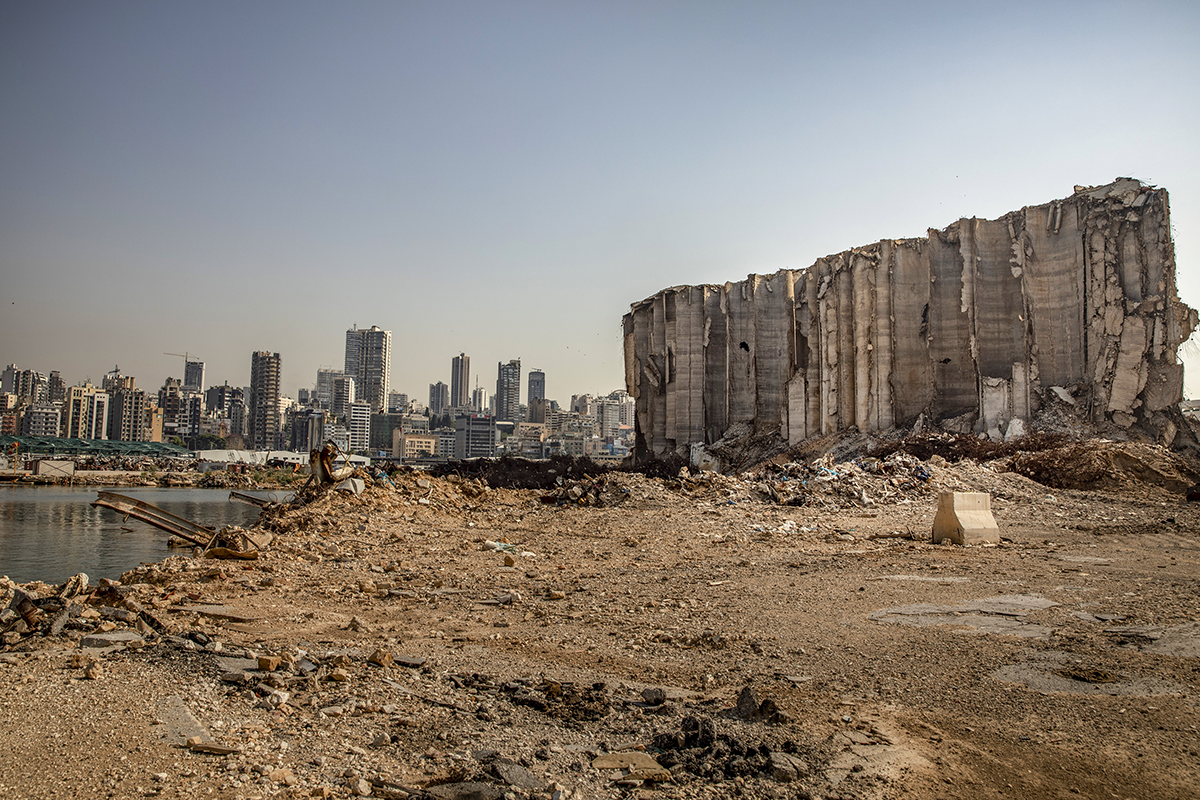
On August 4, 2020, images out of Beirut shocked the world. Hundreds of tons of ammonium nitrate exploded in the capital’s port, destroying most of the city and leaving behind 206 victims, thousands of injured, and hundreds of thousands of displaced. In this series, guest contributors join MEI’s resident and non-resident experts to reflect upon the political, legal, urban, and foreign policy implications of what may well be Lebanon’s crime of the century.
تحالف هندي-إبراهيمي في تصاعد: كيف تنشئ الهند وإسرائيل والإمارات نظامًا جديدًا عابرًا للإقليم
ثمة تحالف جيوستراتيجي جديد وملحوظ إلى حد ما وهو آخذ في التصاعد. لفترة طويلة، ظلت الهند وإسرائيل والإمارات تتمتع بعلاقات سطحية في مجال المعاملات، غير أن اتفاقيات التطبيع في العام الماضي بين إسرائيل والعديد من الدول العربية – وعلى رأسها الإمارات – جنبًا إلى جنب مع محاولة تركيا العودة كزعيمة للمنظومة الإسلامية والتباعد المتزايد بين الإمارات وباكستان، قد أوجدت تحالفًا غير مسبوق ولعله غير متوقع بين الهند ودول الاتفاقيات الإبراهيمية. هذا الاتفاق متعدد الأطراف قد يملأ الفجوة التي تُخلفها أمريكا في الشرق الأوسط كذا لديه القدرة على تغيير الجغرافيا السياسية والجيواقتصادية في المنطقة.
The EU and the Syrian conflict: A decade on, what comes next?
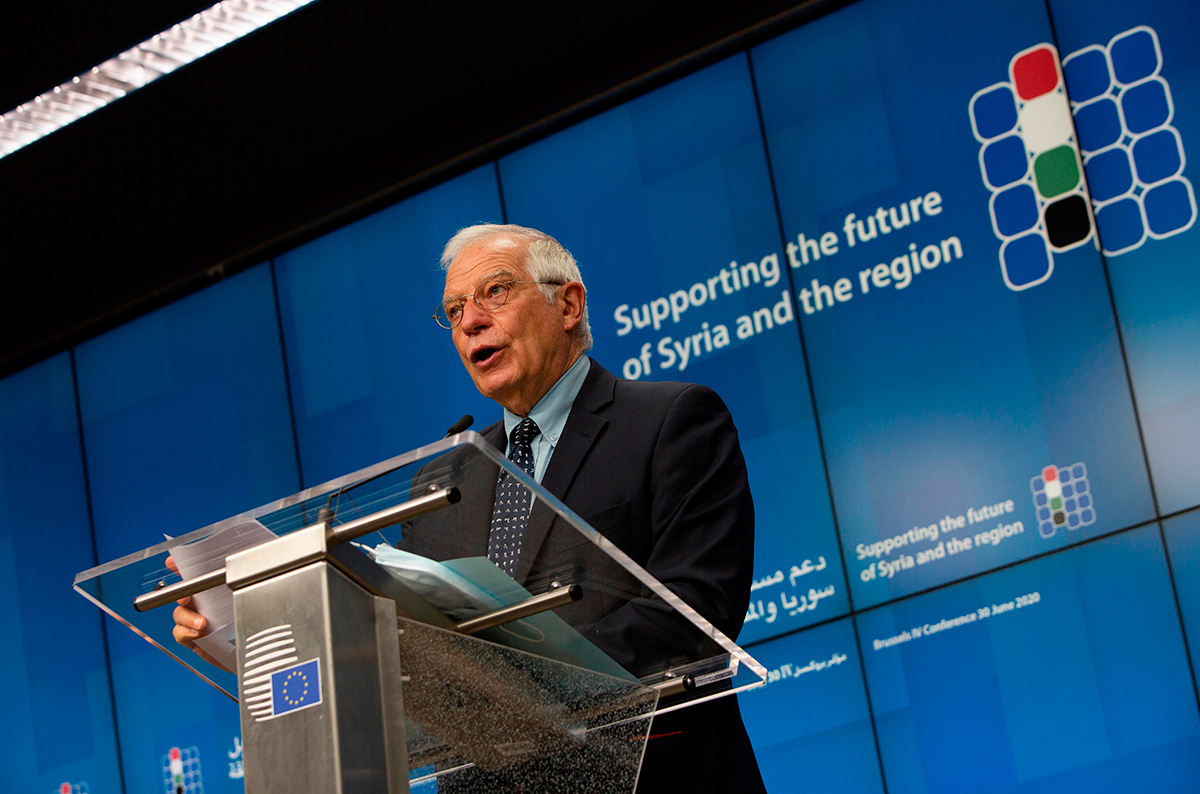
EU institutions and individual member states remain committed to the peaceful settlement of the Syrian conflict, but after 10 years the question of what to do next seems most pressing. Will the EU be a passive bystander, idly watching the actions of other international players like Russia, China, Iran, or Saudi Arabia, or will it take on a more active role? And what would such a role look like?
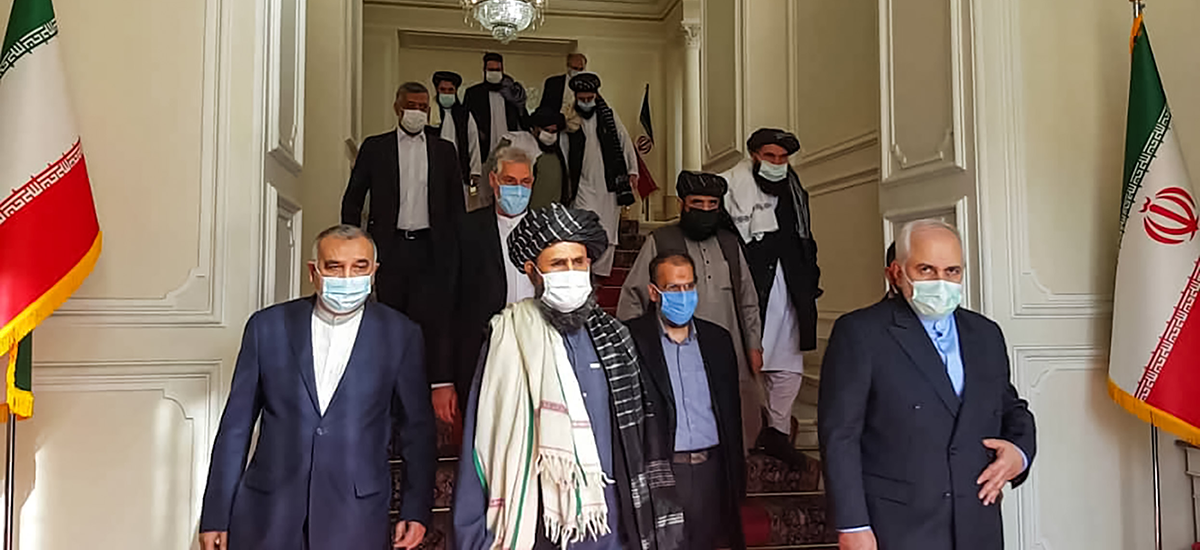
the years leading up to the U.S. invasion of Afghanistan, the Taliban had strained relations with Iran. Tensions between the two sides escalated to the point that the Iranian government and the Quds Force actually assisted American forces during the 2001 U.S.-led invasion.
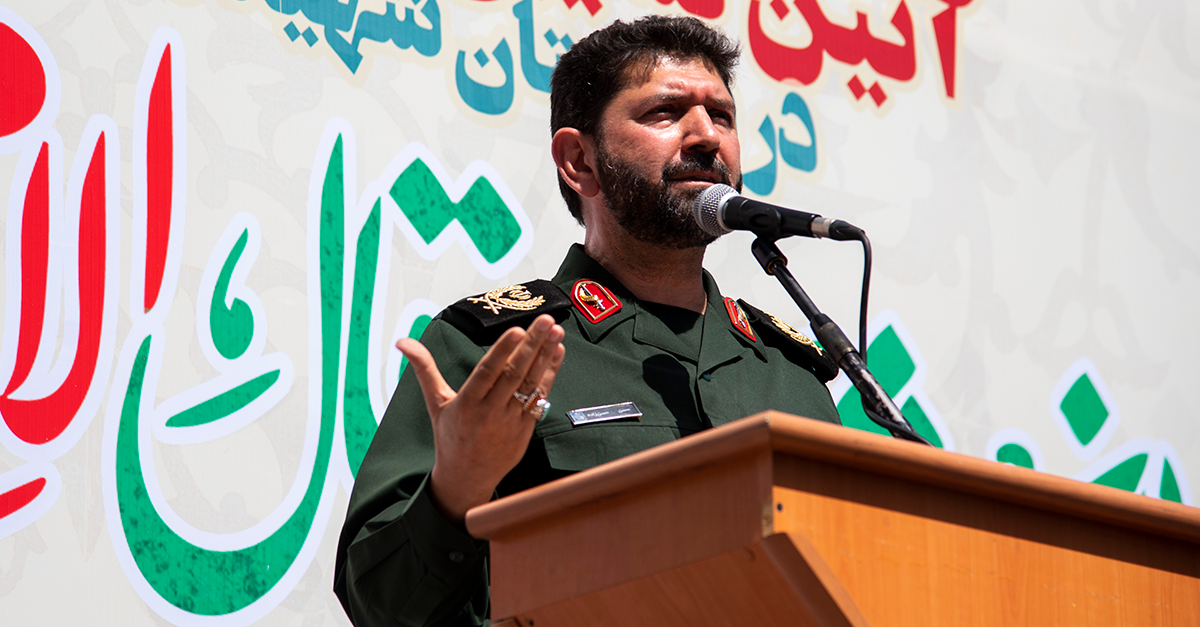
Tehran’s policy toward the Afghan Taliban has created new clashes within Iranian government circles. These clashes recently escalated as influential hard-line media and associates of the Islamic Revolutionary Guard Corps (IRGC) made public efforts to portray the Taliban in a positive light.
Testimony | “Lebanon: Assessing Political Paralysis, Economic Crisis, and Challenges for U.S. Policy”
The following testimony was presented to the House Foreign Affairs Subcommittee on the Middle East, North Africa, and Global Counterterrorism on July 29, 2021.
Chairman Deutsch, Ranking Member Wilson, distinguished Members of the Subcommittee, thank you for this opportunity to offer my thoughts on the unfolding economic and political crises in Lebanon, and their implications for U.S. policy.
Missing the bigger implications of US withdrawal from Afghanistan
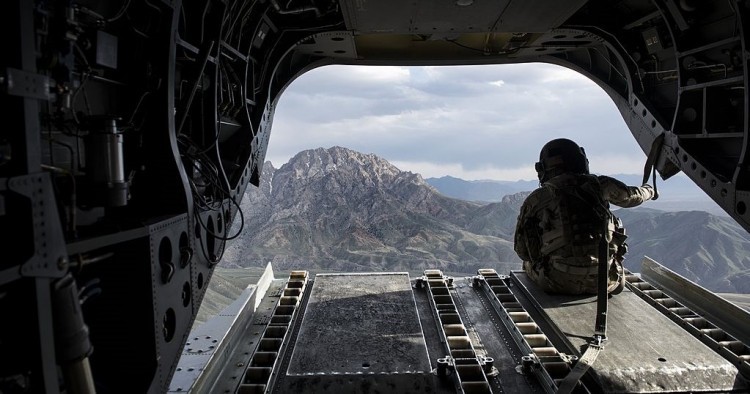
As the United States exits from Afghanistan, on the eve of the 20th anniversary of the 9/11 attacks, it is important to reflect on the broader and longer-term reverberations of that withdrawal. In examining the withdrawal, peace process, and the recent dynamic of militia building and Taliban control, it’s becoming clear that a different transnational threat to U.S. interests is emerging.
Afghanistan’s neighbors contend with Taliban at their borders
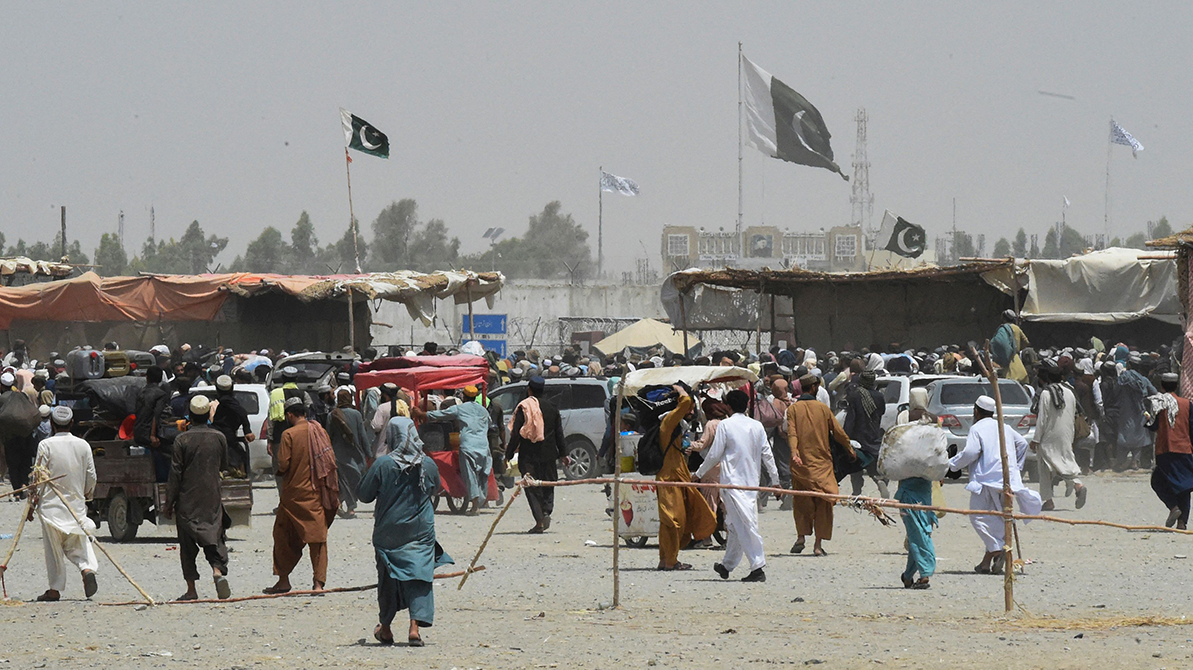
The U.S. withdrawal from Afghanistan is not yet complete, but Afghanistan’s neighbors are already contending with its fallout as they face the immediate spillover of the conflict into their respective territories. The insurgency has reached the borders of all of Afghanistan’s neighbors, who are choosing to both engage the Taliban while also bolstering defensive and deterrent measures to contain the insurgency. While the net loser in all this is the Afghan state, the Taliban may be overplaying their hand. Should they rule most of Afghanistan, they could end up governing an isolated country deprived of the foreign aid it needs to function.
An Indo-Abrahamic alliance on the rise: How India, Israel, and the UAE are creating a new transregional order
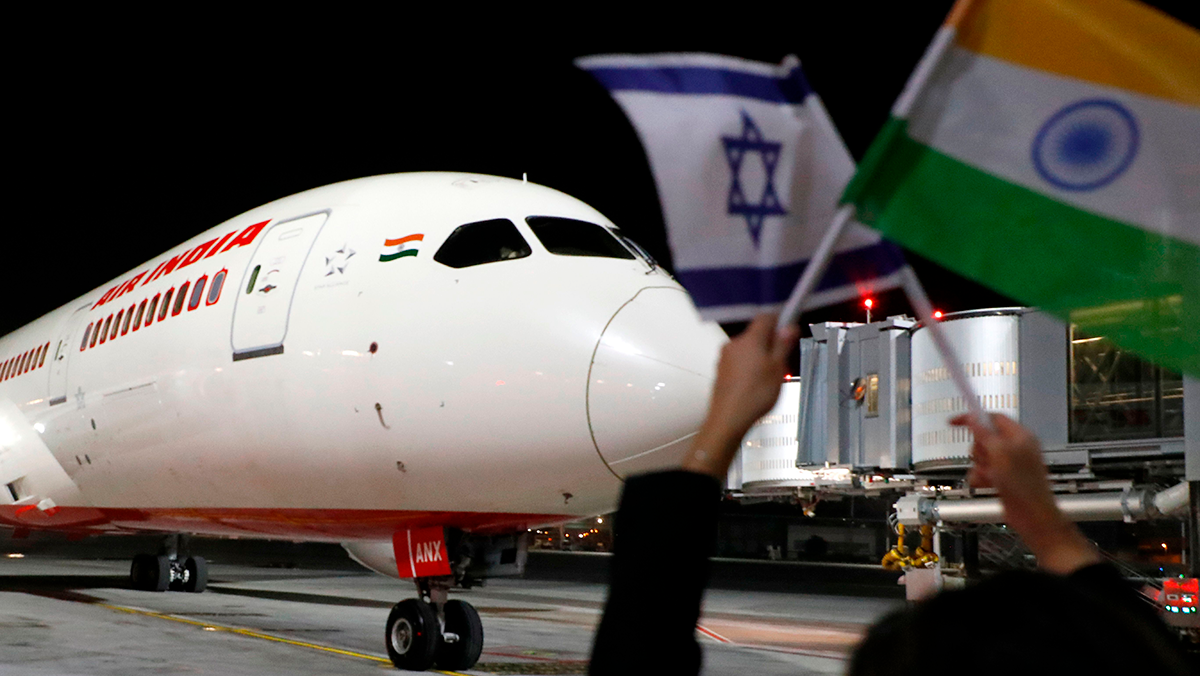
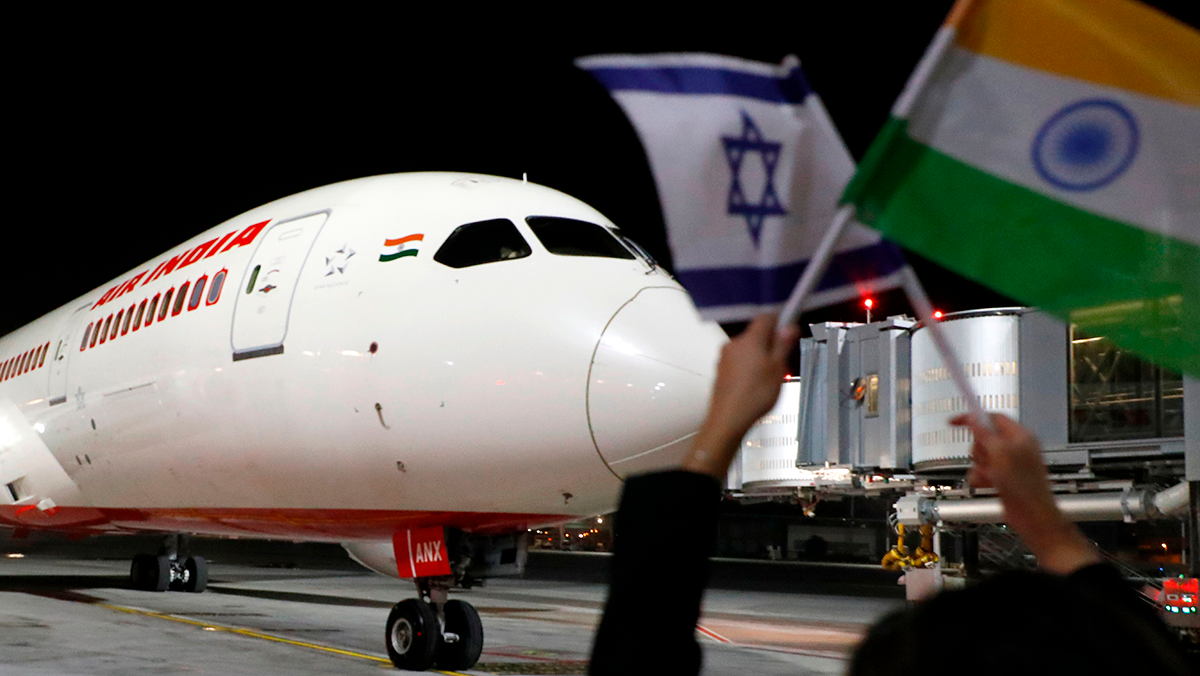
There is a new and little noticed geostrategic alliance on the rise. India, Israel, and the UAE have had surface-level, transactional relations for a long time. However, last year’s normalization agreements between Israel and several Arab states — chief among them, the UAE — along with Turkey’s bid to return as the leader of a Muslim order and the growing distance between the UAE and Pakistan have created an unlikely and unprecedented “Indo-Abrahamic“ transregional order. This emerging multilateral pact may fill the gap the United States is leaving in the Middle East and has the potential to transform the region’s geopolitics and geoeconomics.
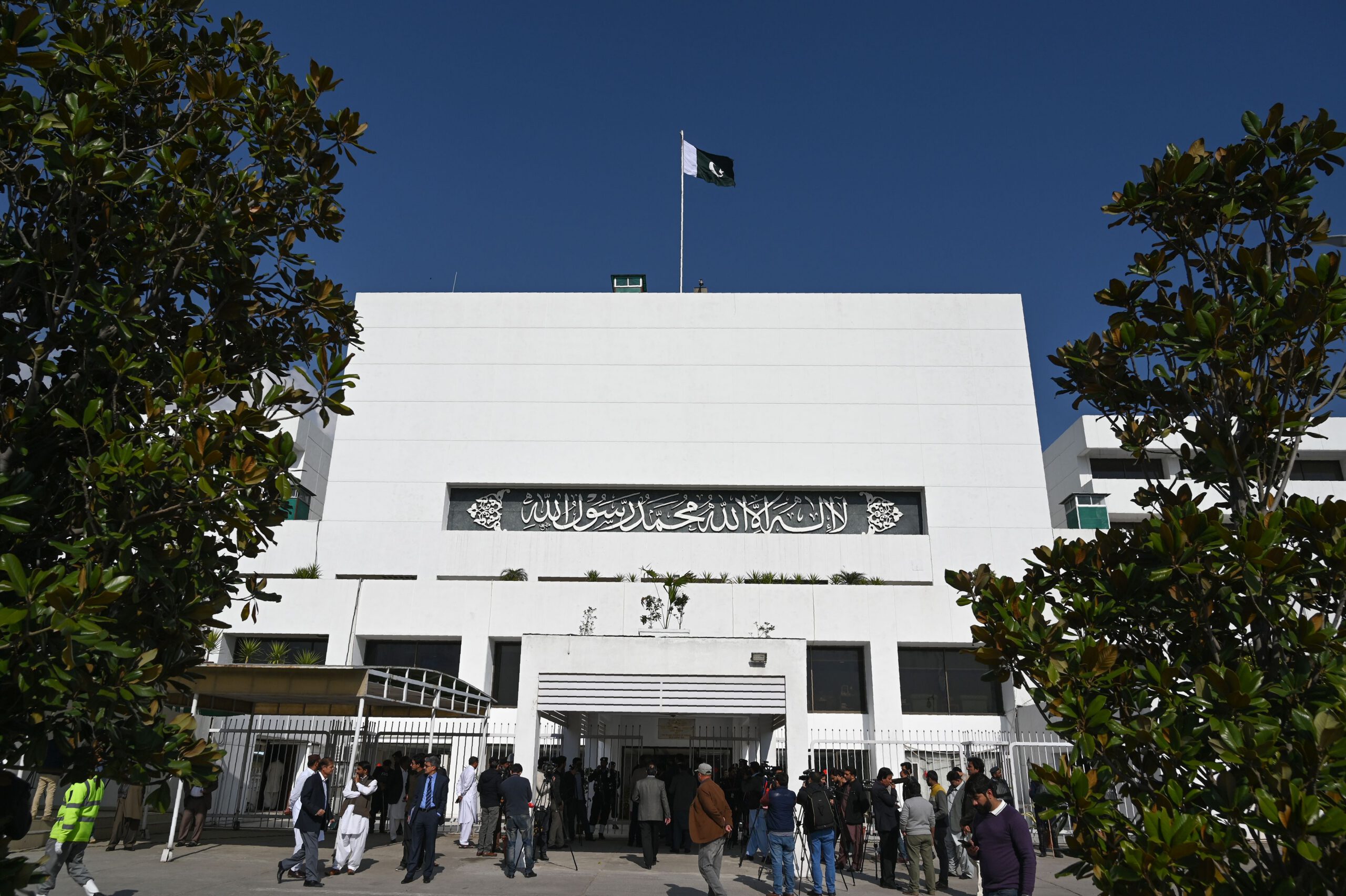
The United States and Pakistan have had a complex and often disappointing “love-hate” relationship since 1947 — one severely tested during the 20-year U.S.-led intervention in Afghanistan. We believe the time has come for serious policy consideration of whether and how both nations can achieve a more strategically beneficial and sustainable post-intervention relationship between the American and Pakistani governments and their populations
All in the family: How an animated series reflects social change in Saudi Arabia
Masameer County, the Netflix animated television series taking Saudi Arabia by storm, reveals how the country’s creative class, over the last two decades, has posed awareness-raising questions while reevaluating the assumptions and terms used to discuss contentious social issues. This is not the Saudi Arabia of clerics, oil, and the royal family, but the one experienced by everyday people.
Why many Tunisians are celebrating President Saied’s decision
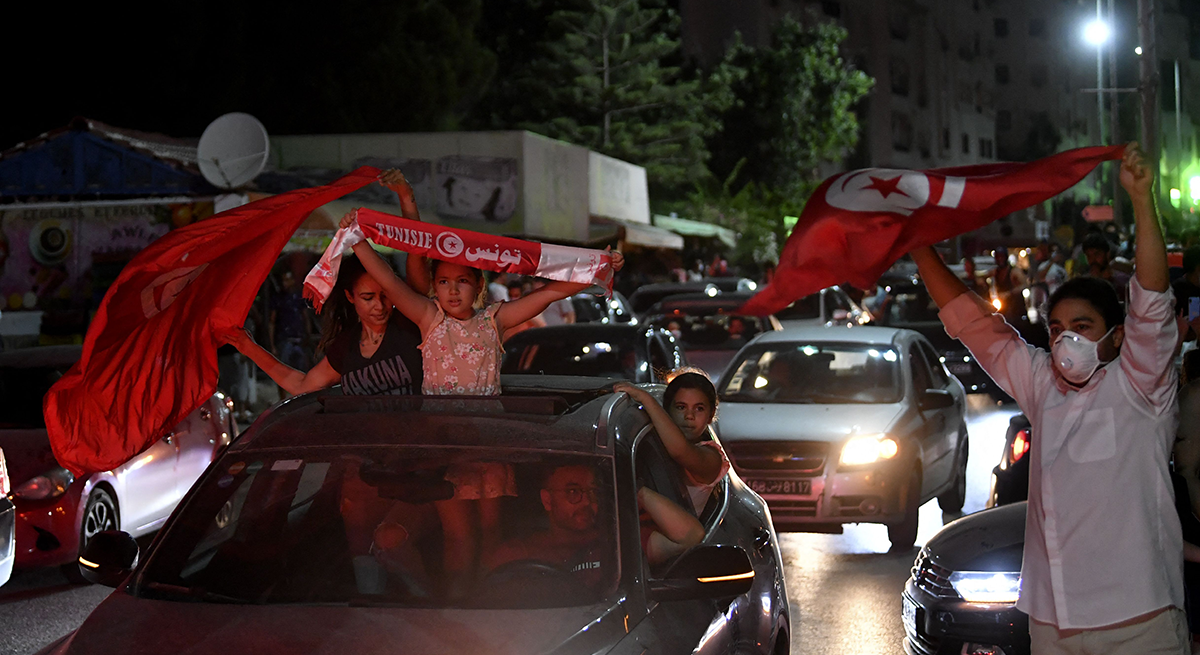
Tunisian President Kais Saied’s opponents and international commentators more familiar with Egypt have been quick to condemn what they are calling a “coup.” In addition to the need to assess the Tunisian situation on its own unique terms, it may be useful to set aside legalistic and political science taxonomy for the moment and consider instead why many in Tunisia have celebrated the president’s recent decisions.
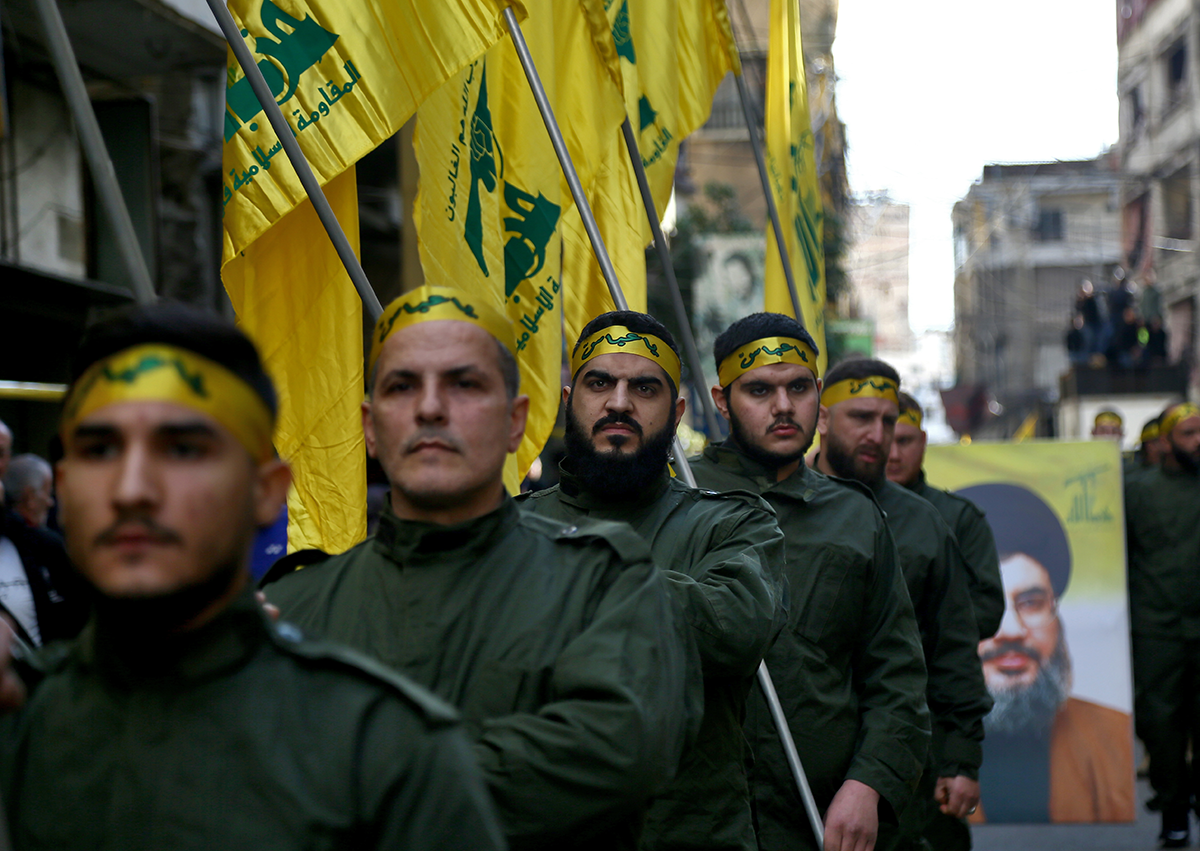
Hezbollah’s Regional Activities in Support of Iran’s Proxy Networks
As a Lebanese actor ideologically tied to Iran, Hezbollah has multiple allegiances and objectives that do not always align symmetrically. Hezbollah’s regional activities are a reflection of the group’s increasingly close alignment with Iran, rather than the interests of the Lebanese state or citizenry. Today, Hezbollah’s regional adventurism is most pronounced in its expeditionary forces deployed in Syria and elsewhere in the region, but no less important are the group’s advanced training regimen for other Shi’a militias aligned with Iran, its expansive illicit financing activities across the region, and its procurement, intelligence, cyber, and disinformation activities. Together, these underscore the scale and scope of the group’s all-in approach to transforming from one of several Lebanese militias into a regional player acting at Iran’s behest.
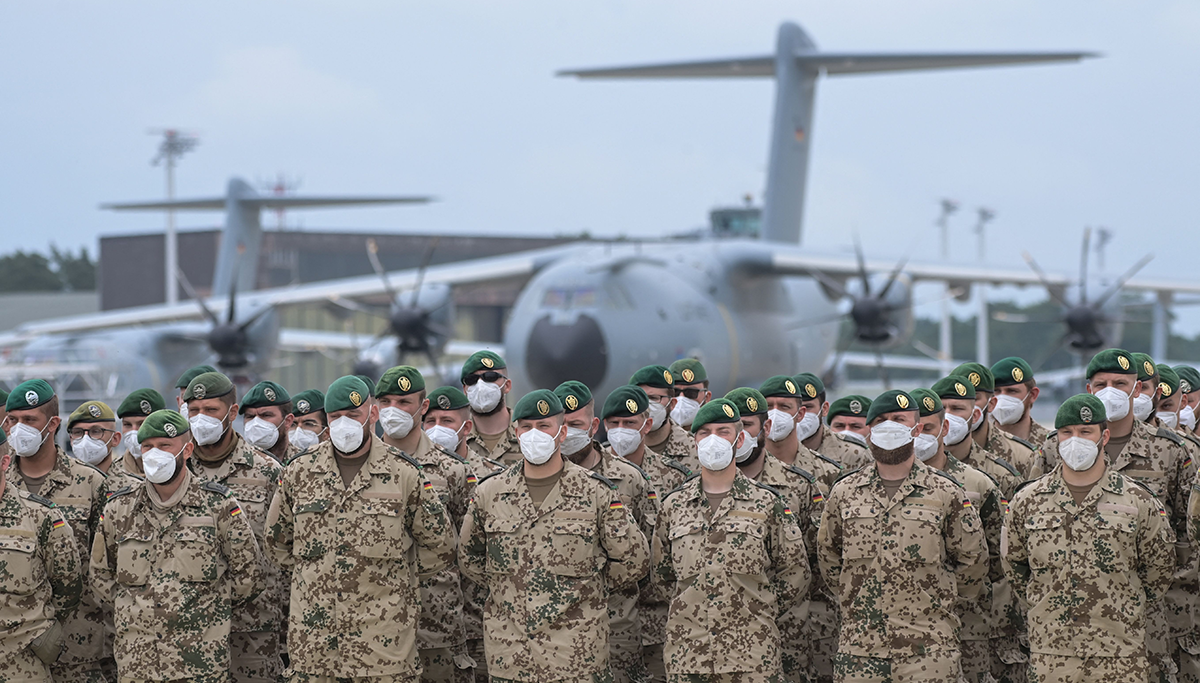
After Afghanistan: Western militaries and the rise of new strategic threats
The withdrawal from Afghanistan marks the end of a historic chapter. It involves more than just the conclusion of a drawn-out international military engagement in Afghanistan. Rather, it signals the end of a decades-long phase in which Western militaries placed the broader Middle East and the fight against international terrorism at the center of their strategic attention. With competition between the great powers on the rise, Western militaries have realized their current vulnerabilities vis-à-vis near-peer competitors and the need to shift gears.