Low election turnout points to larger changes in Iranian politics
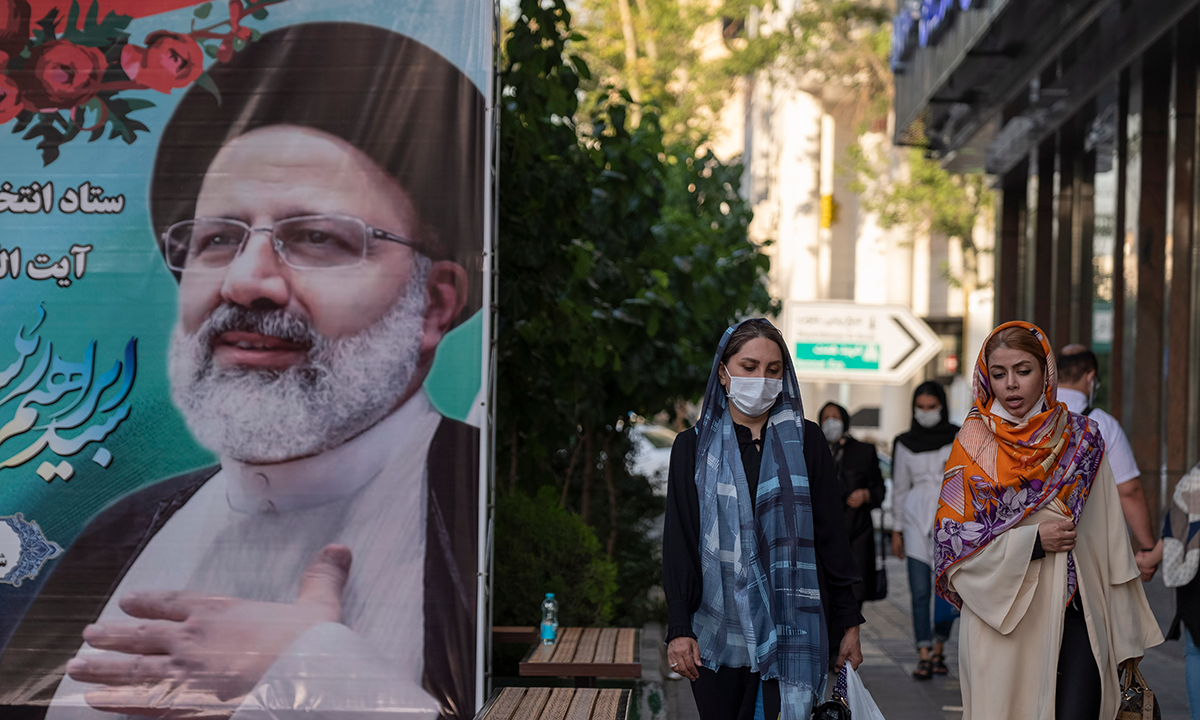
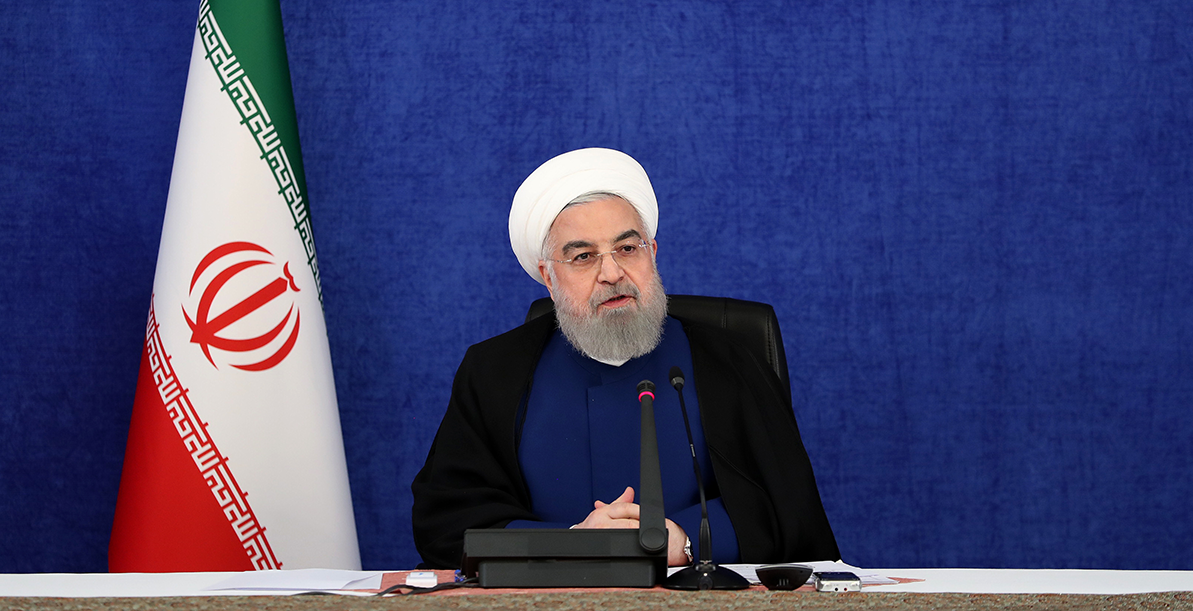
Iran’s presidential election on June 18 is expected to have the lowest turnout of any election to date and the implications are likely to extend far beyond the ballot box.
It's Now or Never: Lebanon Policy Conference Key Takeaways
Over the course of two weeks in May and June, the Middle East Institute hosted its inaugural Lebanon policy conference in collaboration with the American Task Force on Lebanon (ATFL) and LIFE. This series of events brought together leading diplomats, policymakers, economists, development practitioners, and think tank professionals from the U.S., Europe, the Middle East, and Lebanon to discuss the urgency and viable paths forward for the country’s political, financial, and humanitarian crises.
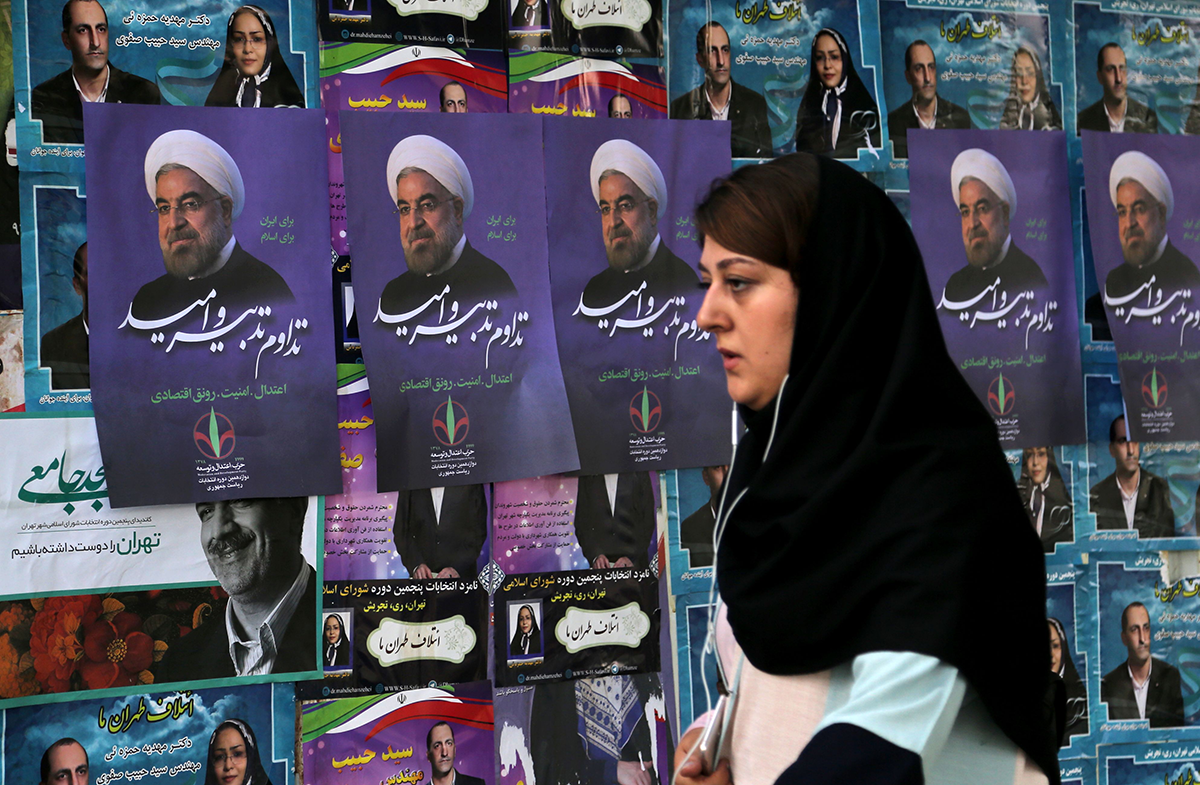
After eight years as Iran’s president, what is Rouhani’s record on women’s rights?
Today, as we approach the end of Rouhani’s government, how should historians and scholars evaluate the economic, political, and social situation over the last eight years? The issues of women’s political participation and social freedom, which were promised by Rouhani, especially during his first campaign, are of particular importance in this regard.
Defense Rapid Reaction: The threat of armed drones
As unmanned aerial vehicle (UAV) technology becomes ever cheaper and more accessible, the threat of armed and GPS-guided drones is becoming a serious problem for U.S. forces in theater. In the past few months, Iranian-backed Iraqi militias have used small drones armed with explosives to attack Iraqi military bases housing U.S. forces several times, and the threat posed by such UAVs is only likely to grow in the months and years to come. Experts from MEI’s Defense & Security Program weigh in with their thoughts on how the U.S. should respond to this emerging threat, as part of the new Defense Rapid Reaction series.
The EU in the Black Sea is absent, but highly desired
The Memorandum of Understanding signed recently by Georgia, Moldova, and Ukraine on enhanced cooperation toward European Union (EU) membership highlights both progress and overall shortcomings of the EU’s Eastern policy. Despite the Union enlarging to the East in 2004 and 2007 – and the fact that Russian aggression has long been felt on EU territory – the bloc’s Eastern policy still does not reflect realities on the ground. However, the recent buildup of Russian military in Ukraine, as well as the deployment of Russian ‘peacekeepers’ in Nagorno-Karabakh, has created momentum for an urgently needed rethink of the Union’s Eastern neighborhood policy.
With the Hope Line, Iran aims to boost seawater transfer to fight growing drought
Blessed with milder temperatures than its Gulf neighbors as well as abundant rain and snow fall, Iran is one of the last countries in the region to introduce a seawater transfer plan to fight unprecedented levels of drought. The plan, once fully implemented, could help build water corridors linking the shores of Iran’s southern Gulf to those of its northern Caspian Sea. Named the Hope Transfer Line, the plan promises prosperity for farmers and industrialists, and potable water for communities in some 10,000 villages and urban areas located in so-called Red Zones, a category that applies to regions coping with severe water scarcity.
The Abraham Accords and their cyber implications: How Iran is unifying the region’s cyberspace
On Sept. 15, 2020, the world witnessed a new era of Israeli-Arab relations as the UAE and Bahrain opened diplomatic relations with Israel, in what is known as the Abraham Accords. Unlike the Israeli-Egyptian or the Israeli-Jordanian peace deals, which aimed to end direct military confrontations, the Abraham Accords seek to maximize common interests and address security issues to form a new front against Iranian threats. As Biden’s administration shows a willingness to return to some form of the 2015 Iran nuclear deal, the joint cooperation between Israel and the Gulf states is becoming more visible than ever, particularly in cyberspace, where they share a common enemy.
Black Sea security: Is COVID-19 a window of opportunity for Ukraine?
The Black Sea region is currently managing military pressure from Russia, the economic influence of China, and soft power efforts of the West, making it a stage for power competition. With COVID-19 exacerbating Ukraine’s political weaknesses and economic vulnerabilities, Russia and China are increasingly adopting a united front in the Black Sea. Such geopolitical changes in power distribution require more active presence and involvement of the U.S. in the Black Sea.
Tehran and Moscow: Alignment and Divergence in the Caspian
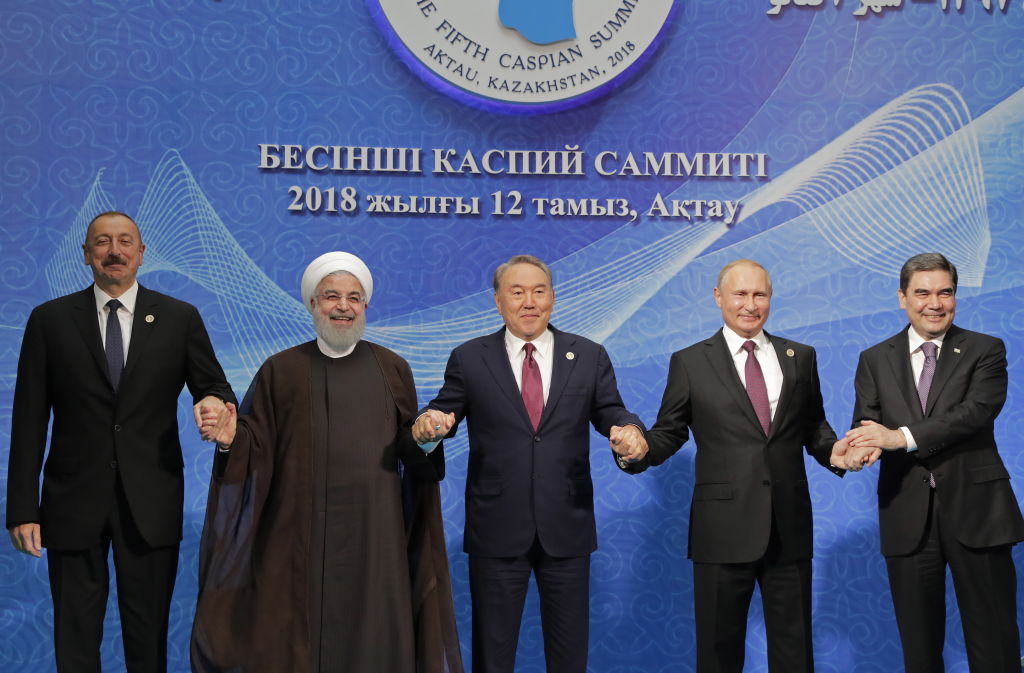
The complexities, converging interests, and persistent tensions marking Iranian-Russian relationships are evident in their policies toward the Caspian Sea region. Iran and Russia are the two largest countries that border the sea, the world’s largest inland body of water. The Caspian region therefore provides many opportunities for diplomatic, economic, and military engagement between Iran and Russia. Some issues of mutual importance relating to the Caspian include the Nagorno-Karabakh War, the Afghanistan and Iraq conflicts, NATO partnerships in the Caucasus region, and the construction of trans-Caspian pipelines.
Is Morocco willing to jeopardize its relationship with Europe over the Western Sahara?
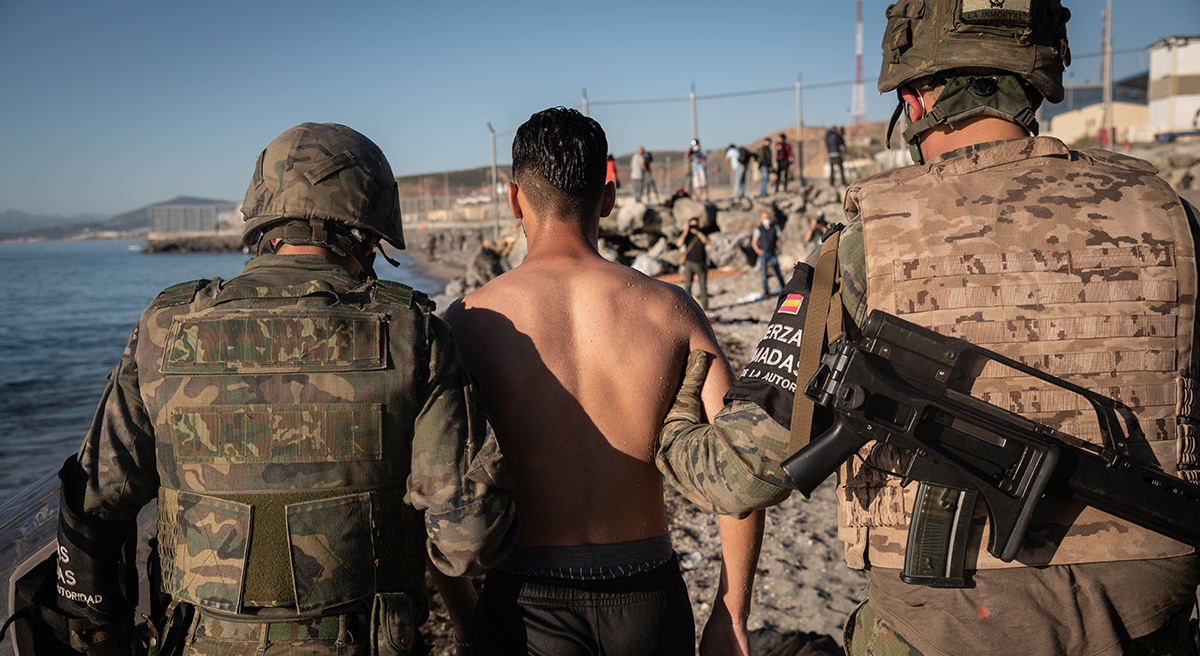
The scene was a familiar one, even if the scale was not. On May 17 and 18, thousands of migrants entered Ceuta, one of two Spanish enclaves in North Africa that border Morocco. The record flow of irregular migrants surpassed 12,000 people over the course of two days. The Spanish authorities quickly understood that this surge in migration was about more than the usual human desperation that has driven large numbers of people over fences and across water in an effort to enter Europe in recent years. Morocco, troubled over Madrid’s stance on its territorial claims over the Western Sahara, decided to retaliate.
The nascent Israeli government: The thread that binds?
There is only one thread holding together the unprecedentedly disparate parties that will establish and support the nascent Israeli government announced on the night of June 2, an hour before the midnight deadline. That thread is, of course, a shared loathing for Benjamin Netanyahu. Whether that thread will even get the new government past its first hurdle, which is a vote of confidence in the Knesset, much less to its theoretical four years, is an open question. Until recently no one could have imagined such a political monstrosity might be conceived, let alone gestated, but there’s a decent chance this government will get off the ground.
The policy consequences of Arab state normalization with the Assad regime
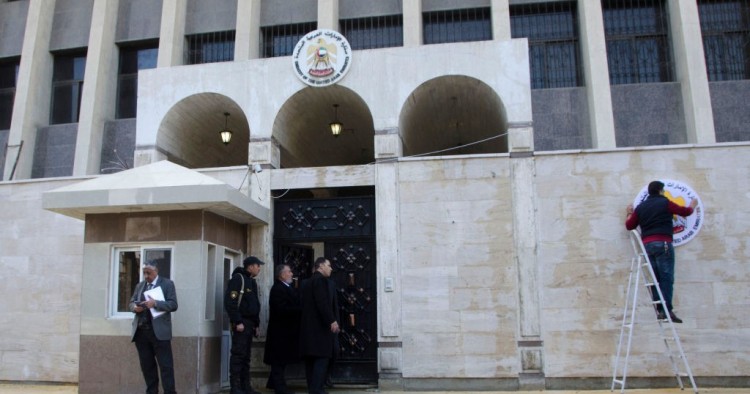
The recent push by a number of Arab states to normalize relations with the Assad regime is based on the false premise that the war is over and it is necessary to restore ties to lobby Damascus to change its relationship with Iran. Other regional dynamics are also a factor: The UAE, for example, sees it as a necessary balance against what it perceives as adversarial actions by Turkey with the Syrian jihadist group HTS in Idlib. Yet these rationales for rehabilitating the Assad regime are completely fallacious. The downsides and policy consequences will not only affect Arab states, but will also harm American interests, making it difficult for the U.S. to fully pivot to address the rising threat from China.
Jordan emerges from Gaza-Israel showdown with little political clout
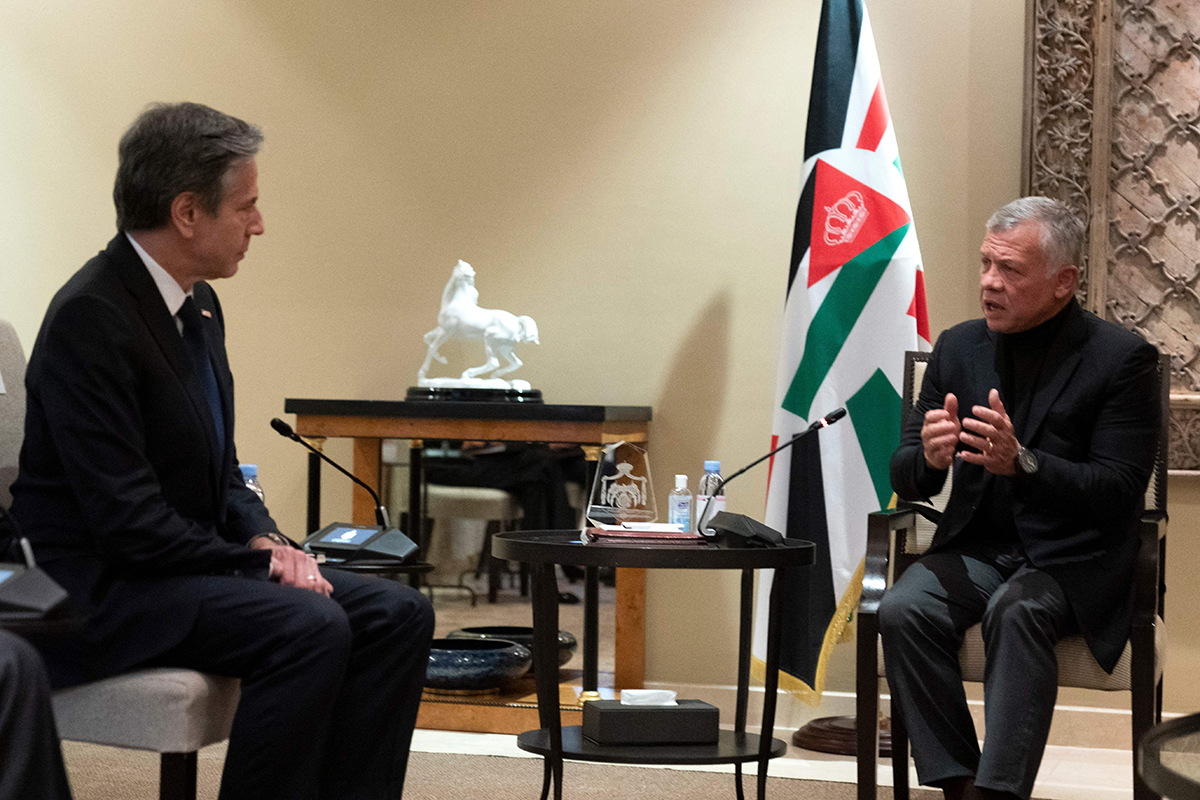
In the final leg of his recent Middle Eastern tour, U.S. Secretary of State Antony Blinken stopped in Amman for half a day to meet King Abdullah. Blinken’s main objective was to support the shaky cease-fire reached between Palestinian factions in Gaza and Israel after an 11-day military showdown. Speaking at a press conference on May 26, Blinken said that “the leadership of His Majesty King Abdullah was crucial, as it always has been in different issues, his role was essential in reaching a cease-fire in Gaza.” Jordanians were less confident of their government’s role in ending what most saw as “Israeli aggression against Gaza,” however. Even before the recent military clash Jordanian pundits, some known for their close ties to the government, were critical of the lukewarm official response to the Israeli provocations of Palestinians at Al-Aqsa Mosque and in the Sheikh Jarrah neighborhood in East Jerusalem.
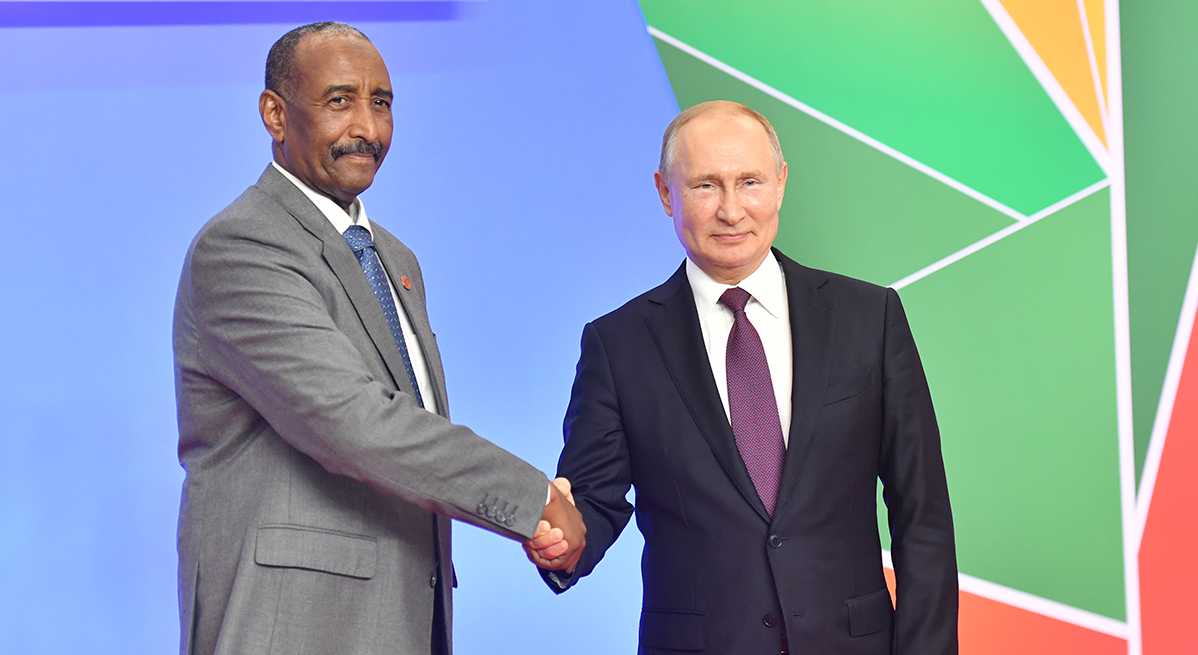
Russia’s foreign policy in areas of the Arab world and Africa where the Soviets once wielded significant influence decades ago has become increasingly assertive in recent years. One such area is Sudan, a pro-Soviet country from 1969, when Gaafar Nimeiri took power, until the communist-backed coup of 1971.