Middle East cyber priorities for the Biden administration
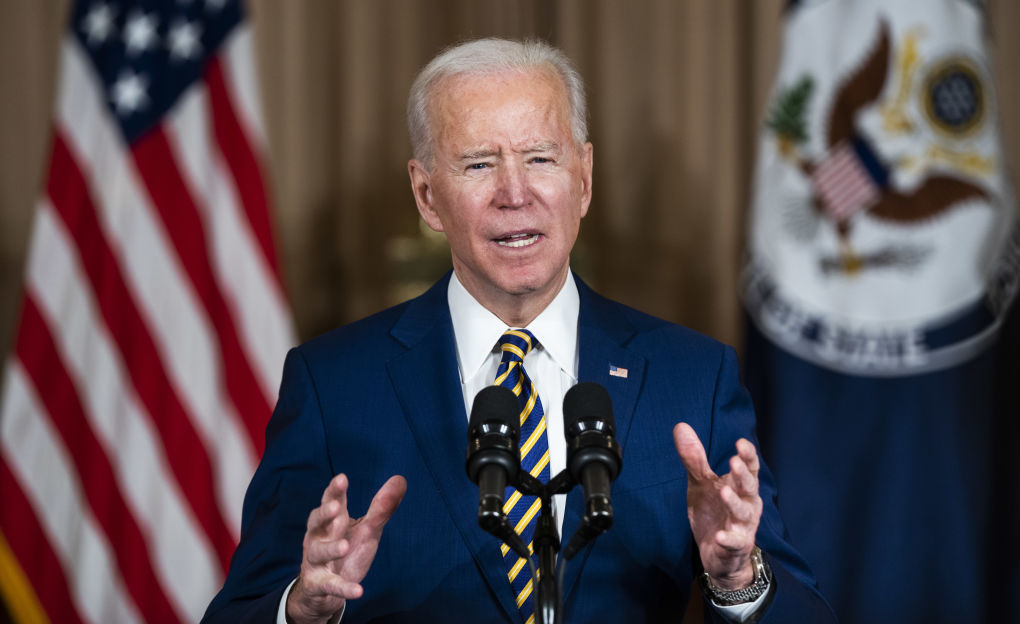
To promote stability in the Middle East and safeguard its interests, the new administration should adopt policies designed to limit damaging activities in cyberspace, support cyber norms in conjunction with strong cooperation agreements, recognize the obstacles to creating a NATO-like regional security alliance, and implement policies restricting the misuse of U.S. technologies by allies to commit human rights violations and spy on their own people.
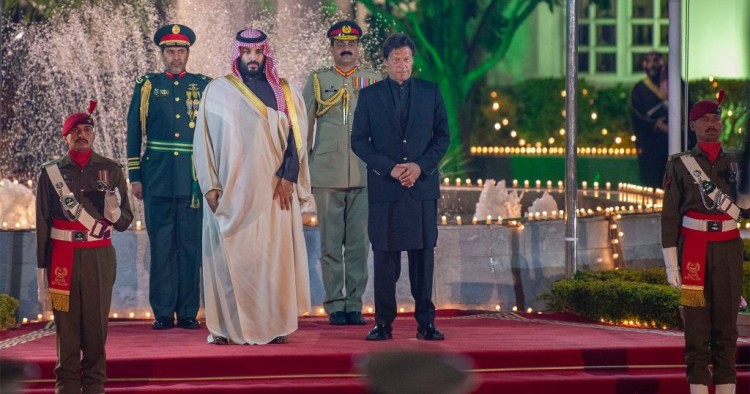
After last year’s crisis, Pakistan and Saudi Arabia pursue a reset
After last year’s much-publicized spat between Pakistan and Saudi Arabia — culminating with Riyadh’s demand for early repayment of $3 billion in loans meant to shore up Islamabad’s foreign exchange reserves — tensions between the two countries have since cooled. Pakistan and Saudi Arabia appear to be in the midst of a reset of relations.
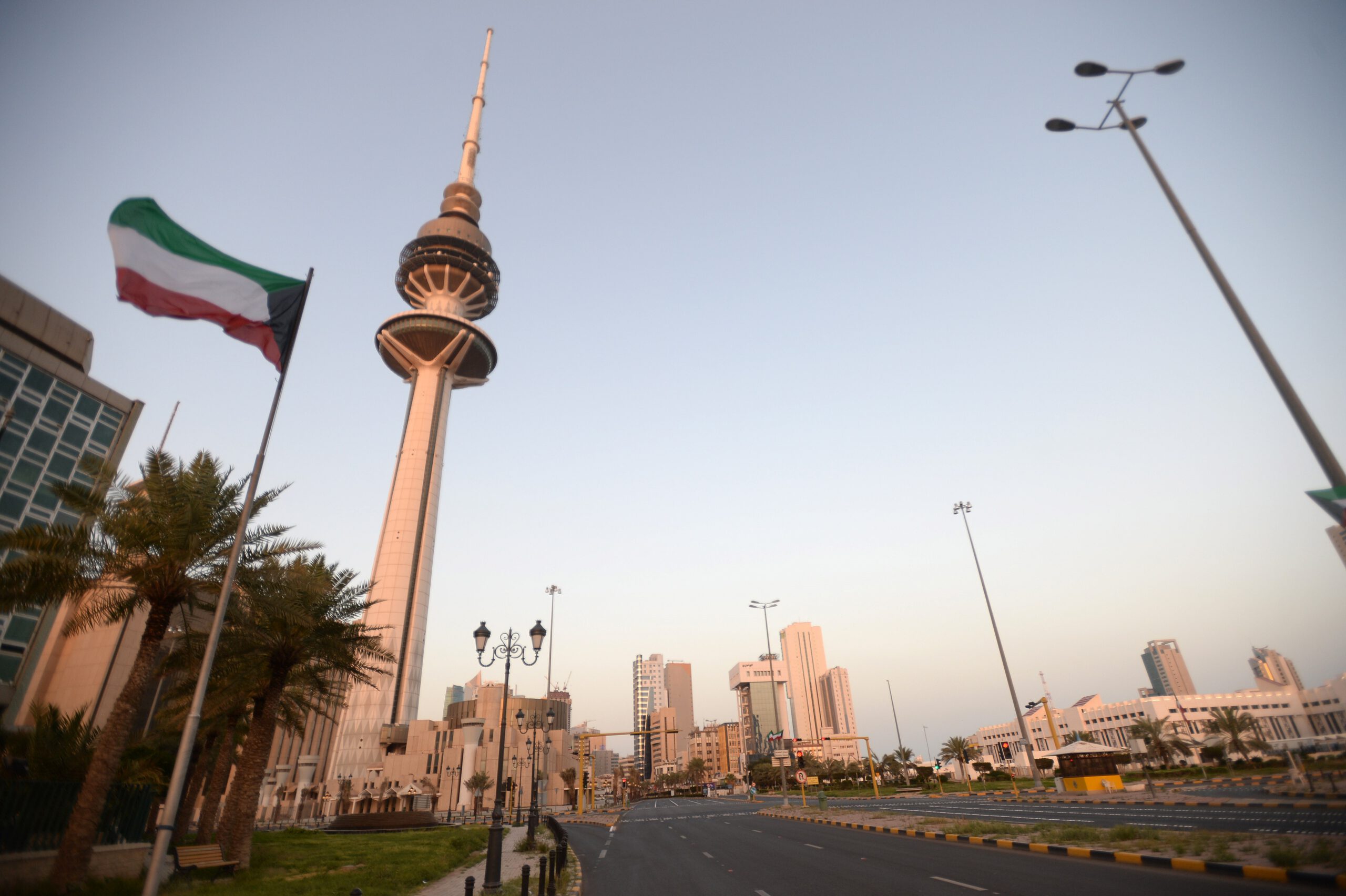
Kuwait is stuck in a major predicament. The government continues to engage in significant deficit spending, even as its readily available funds dwindle, while political gridlock limits the government’s ability to replace those shrinking financial resources.
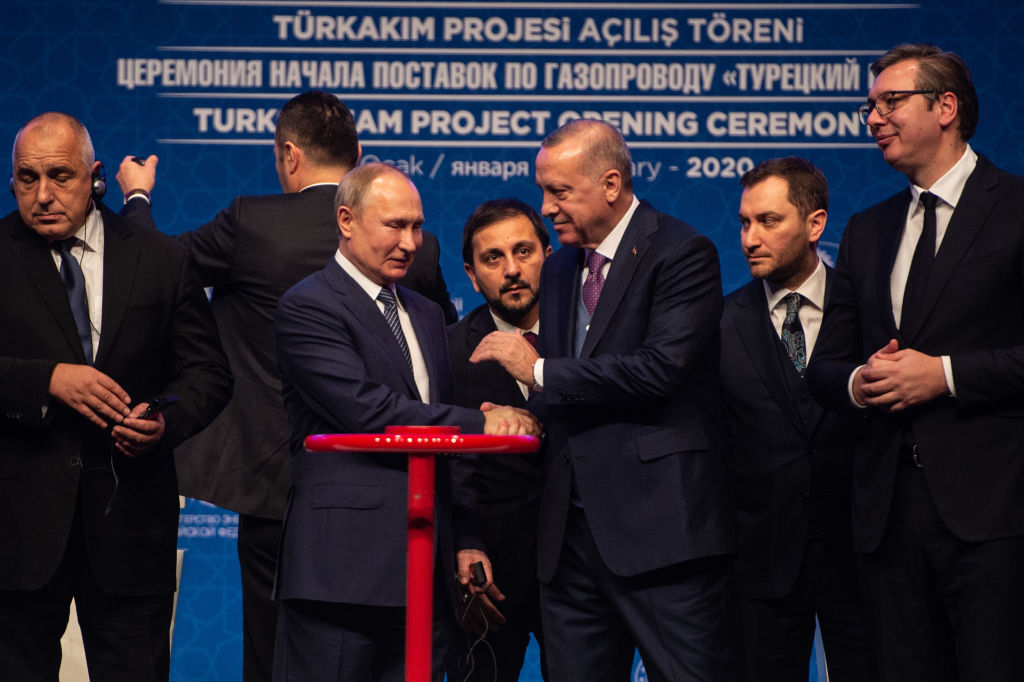
Turkey’s energy relations with Russia: How should the West respond?
While the security relationship between Russia and Turkey has seen ups and downs throughout the years, energy ties have remained stable. But Turkey has made strides toward reducing its dependence. Changes in global energy markets have tipped the power away from producers toward consumers like Turkey, which have greater room for maneuver. Turkish interests remain largely aligned with those of the West, even if Ankara sees itself as an independent player which has links to both Russia and the EU and the US.
The Biden Administration and the Middle East: Policy Recommendations for a Sustainable Way Forward
In a new policy briefing book, entitled The Biden Administration and the Middle East: Policy Recommendations for a Sustainable Way Forward, MEI scholars tackle a large number of country-specific and region-wide issue areas, laying out both the abiding U.S. interests and specific recommendations for Biden administration policies that can further U.S. interests amid a region in turmoil.
Burmese Generals Counter Electoral Defeat with Coup d’État
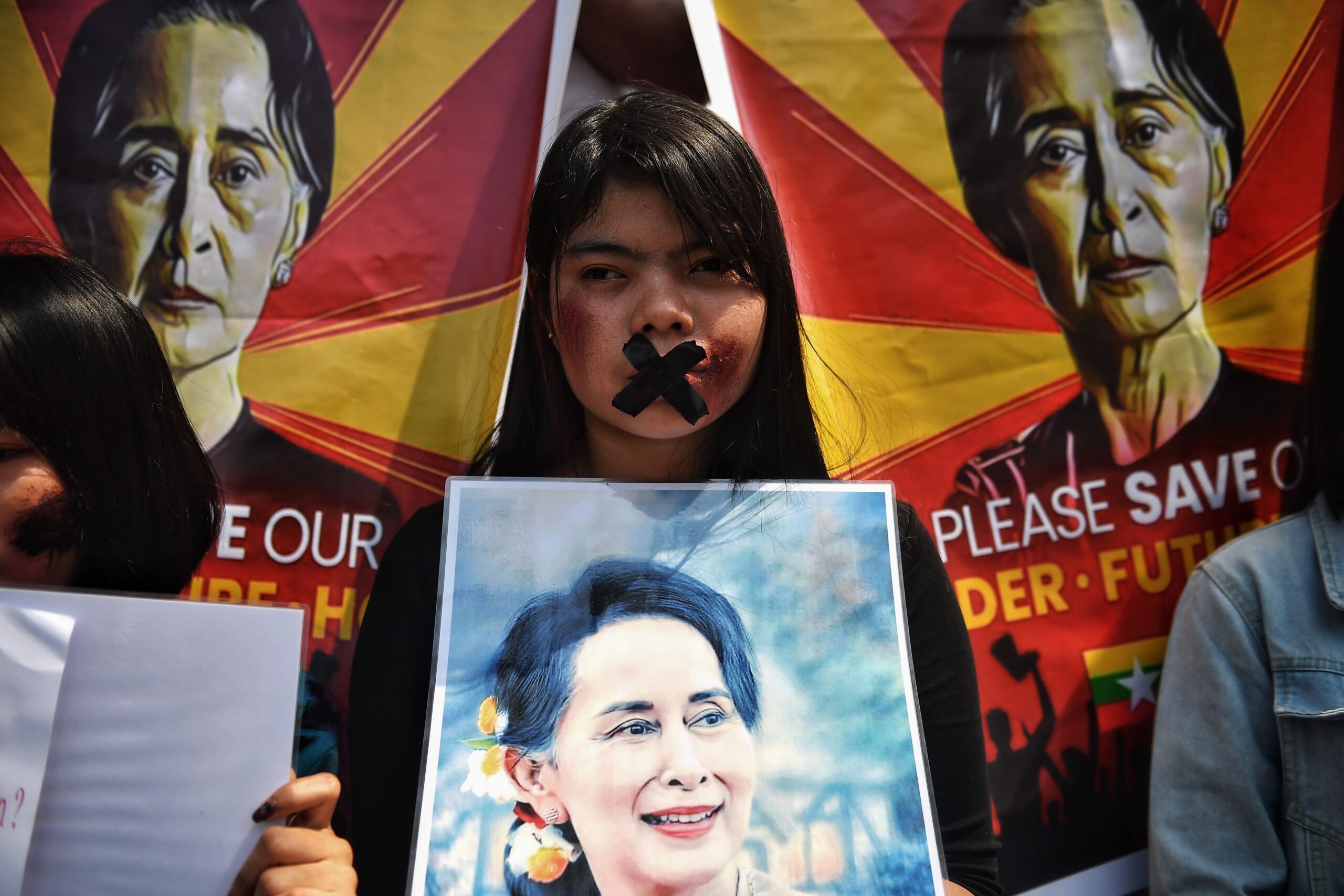
In the November 8, 2020 national elections in Myanmar, voters returned 1991 Nobel Peace Prize laureate Aung San Suu Kyi and her National League for Democracy (NLD) to power. Three months later, just as the new legislature was set to begin its work, the Tatmadaw staged another coup d’état, arresting President Win Myint, State Counsellor and de facto government leader Suu Kyi, and many more NLD politicians. This article discusses the key reasons why the NLD was so successful at the polls and then explains the coup and its timing.
America’s Black Sea strategy in 2021 and beyond: The case of Ukraine
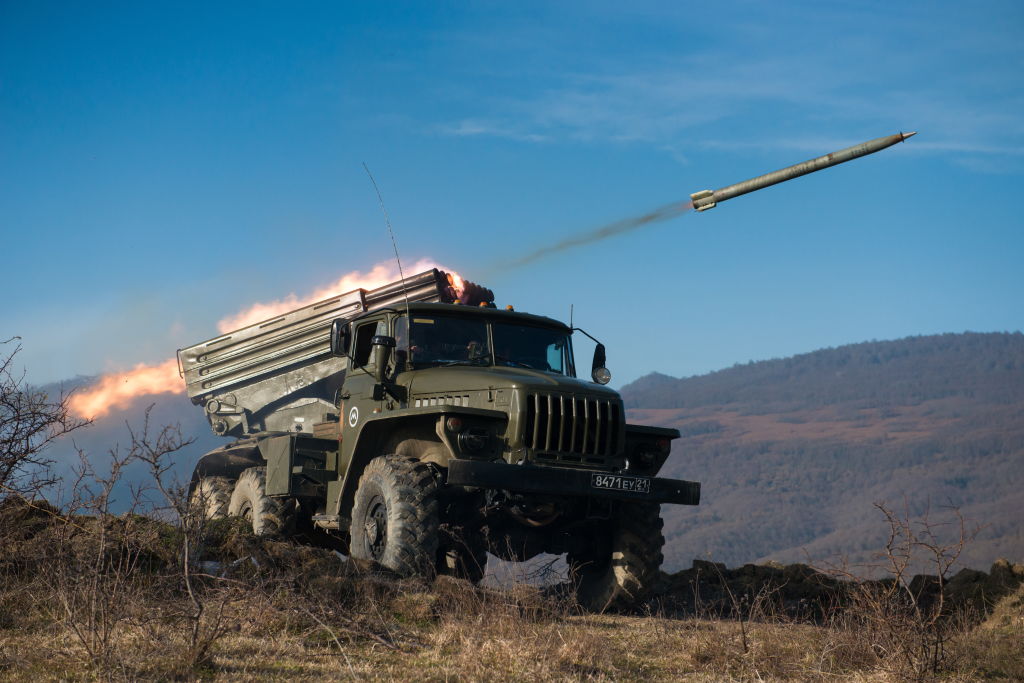
Today, there are five conflicts that share similar features in the Black Sea. That is, they are protracted, separatist Russia-supported frozen and active conflicts in the former Soviet space. Deeply rooted in the history of Soviet territorial reorganization and ethnic mixing, conflicts in Transnistria (Moldova), Crimea and Donbas (Ukraine), and Abkhazia and South Ossetia (Georgia) are the result of violations to state borders that were integrated into the Soviet system.
MENA at the center of the West: China’s “opening up to the West” strategy
Writing in 1993, Lillian Craig Harris observed that “for China, economic power, not armed conflict, had become the most important factor in the struggle to gain independence, power, and status.” Fast-forwarding more than a quarter-century, this statement is now more true than ever, especially in the MENA region, where economic ties between MENA and China have grown stronger by the year.
How is Iran responding to Biden’s policy shift on Yemen?
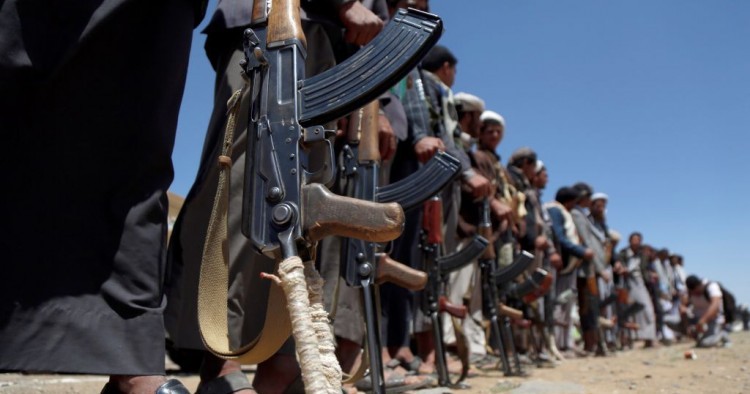
On Feb. 4, President Joe Biden announced the end of U.S. support for the Saudi Arabia-led coalition’s offensive military operations in Yemen. This decision fuelled optimism about a U.S. return to negotiations over the JCPOA with Iran. Instead of engaging with the United States, Iran has supported the Houthi-orchestrated Marib offensive and stepped up its diplomatic efforts in Yemen.
It’s time to reappraise the United States’ Afghanistan policy
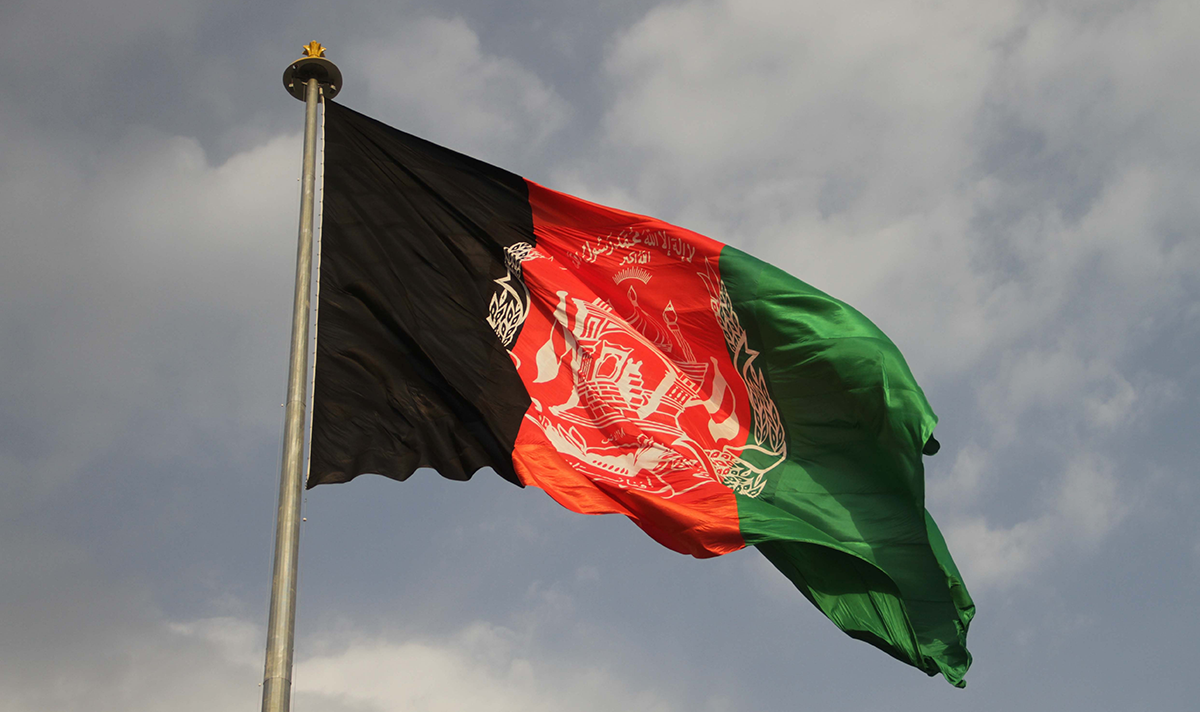
In his book Obama’s Wars, Bob Woodward describes a meeting about Afghanistan in the White House. He writes how Gen. David Petraeus said, “I understand the [Afghan] government is a criminal syndicate,” to which then-Vice President Joe Biden asked, “If the [Afghan] government is a criminal syndicate, a year from now, how will troops make a difference?” Mr. Biden’s question remains unanswered.
Biden, of course, is now the president. I wonder if he remembers his unanswered question from all those years ago. Despite the many years of tragic, seemingly endless war in Afghanistan, Mr. Biden’s question remains relevant today. I’ll take a shot at answering it: No number of troops could make a difference. The root of the problem is Washington’s willingness to partner with thieves and warlords.
Iranian and Saudi women: Overcoming comparative suffering?
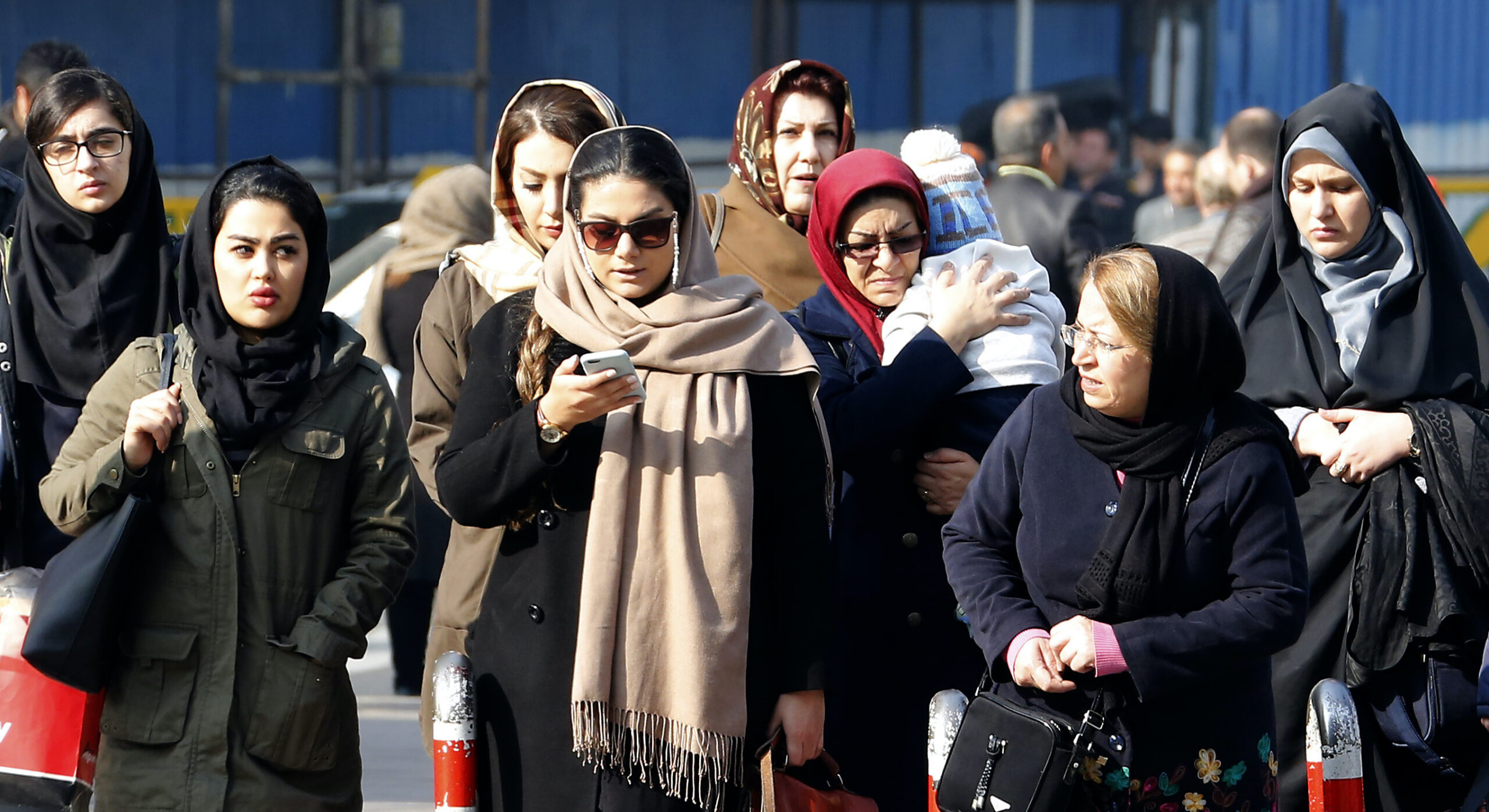
For many decades, Iran and Saudi Arabia have been bitter rivals, but not over women. If there was a competition, it was only over whose government could impose more limitations on their female population.
OPEC+ extends production cuts as Riyadh and Moscow find common ground
On March 4, OPEC+ members agreed to maintain their current production cut levels into April, and the Saudi- and Russia-led cartel’s decision further strengthened the upward trajectory of oil prices. While there were differing opinions among the OPEC+ members regarding the state of the global economy, the group’s unanimous decision reflects Riyadh’s current take on the markets, which is that the health of the world’s economy remains fragile as the recovery from the pandemic continues.
Yemen’s Joint Declaration: A bigger repeat of the stalled Hodeida Agreement?
With debate on Yemen in recent weeks focused on the decision by the U.S. State Department to revoke the Houthis’ designation as an FTO, the Joint Declaration (JD) proposal by U.N. Special Envoy for Yemen Martin Griffiths has received relatively little attention. Since the global outbreak of COVID-19 a year ago, the U.N. special envoy has sought to use the urgency engendered by the pandemic to broker a nationwide cease-fire alongside a set of confidence-building measures — branded as the JD — between the Houthi rebels and the Republic of Yemen Government. But the content of the proposal is not new, nor is it a recipe for effective de-escalation and sustainable conflict resolution.
Relations between the U.S. and Black Sea countries are complex. The Western-oriented Georgia and Romania have shown unconditional support for greater U.S. involvement. Others, like Turkey and Russia, will continue to challenge Western involvement. And while relations between Black Sea countries reflect similarly complex cooperation and conflict patterns, common among them is a hope that the Biden Administration will bring a shift in U.S. policy in the region.
Frontier Europe Initiative’s new report, Alternative Futures for the Black Sea Region, is designed to inform the development of a U.S. strategy for the Black Sea region by considering a range of alternative future scenarios.
An unequal present and future in a COVID-19 world: The pandemic’s impact on refugee women in Lebanon
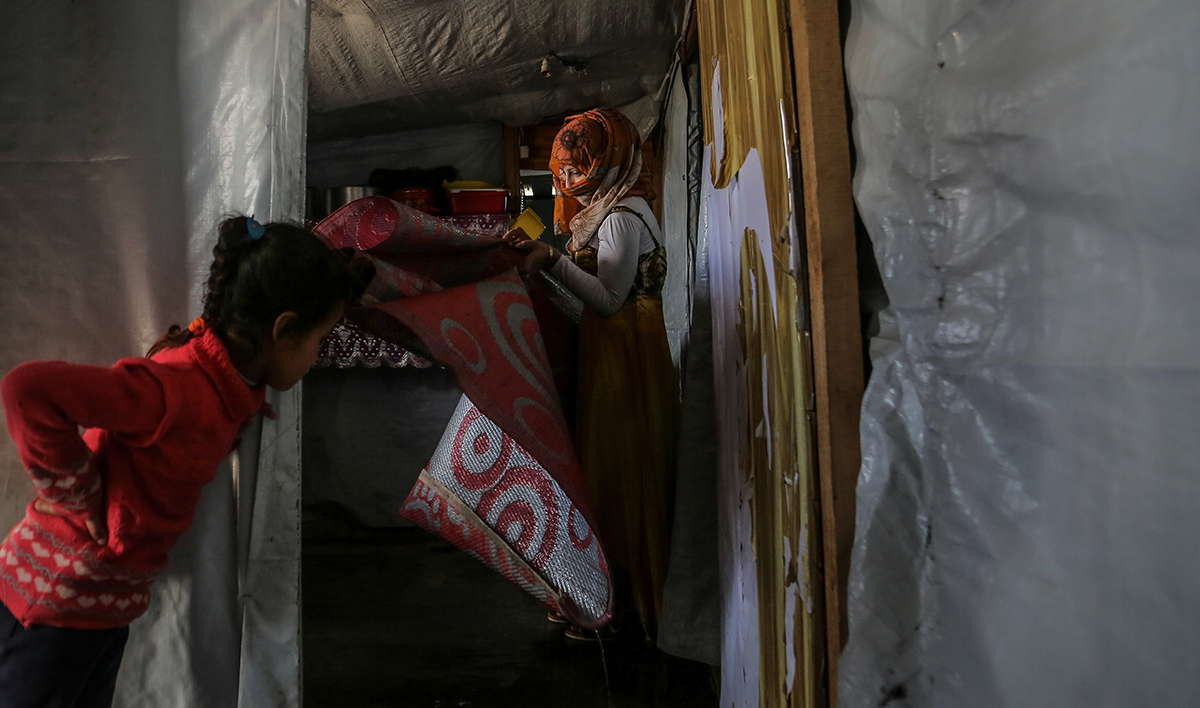
March 8 marks International Women’s Day and this year’s theme is “Women in Leadership: Achieving an Equal Future in a COVID-19 World.” However, refugee women and girls in Lebanon remain far behind the aspirations of the U.N.’s theme. This difficult situation is unlikely to change unless Lebanon ends its discriminatory policies toward refugees.