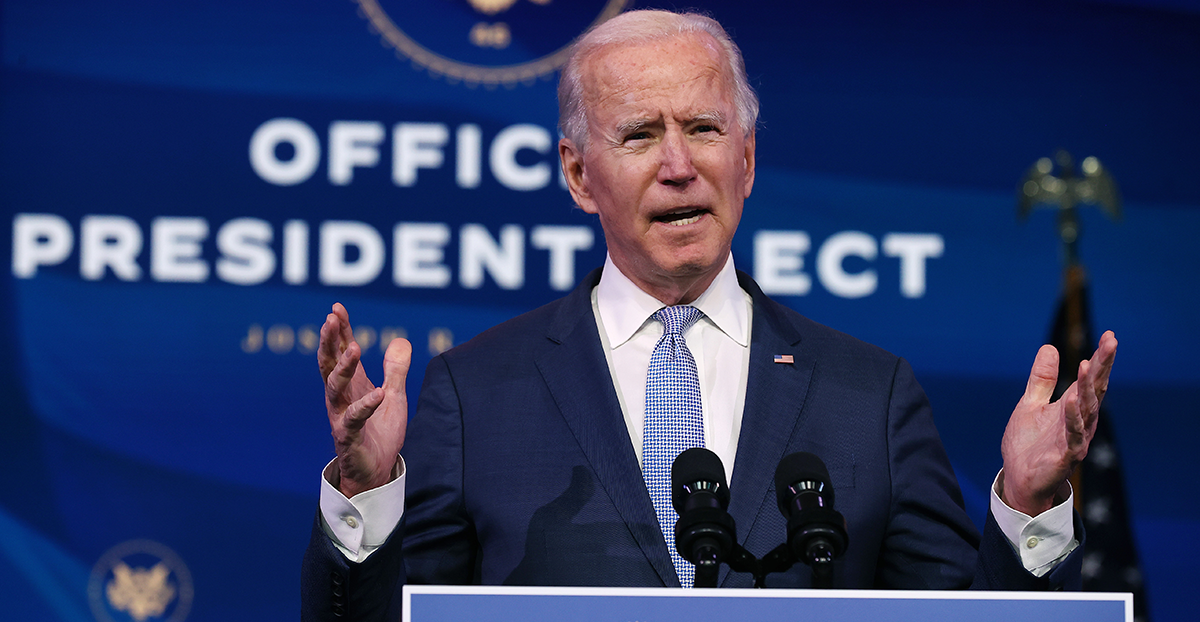
The incoming Biden administration has a full plate as it seeks to reinvigorate American foreign policy engagements around the world. The need to reimagine future U.S. engagement with South Asia may not be among the highest priorities for policy makers. Yet, this region, home to nearly a quarter of the world’s population, presents perennial challenges as well as new threats that U.S. policy makers cannot afford to ignore.
The Biden administration and the Middle East: Regional perspectives on the first 200 days
As the Biden administration takes office, it faces a host of challenges, both at home and abroad. Where does the Middle East fit into all of this and what should the new administration prioritize in its first 200 days? In the second part of a two-part series, we asked experts and scholars from across the region to weigh in with their thoughts.
The Middle East is in turmoil, with civil wars raging in Syria, Iraq, Yemen, and Libya. COVID-19 is now an additional factor on top of the violence and monumental international support tasks, all of which require a sustained commitment. The effects of the deadly COVID-19 pandemic highlight the need for more robust international stabilization efforts to achieve long-term peace and self-sufficiency in the Middle East.
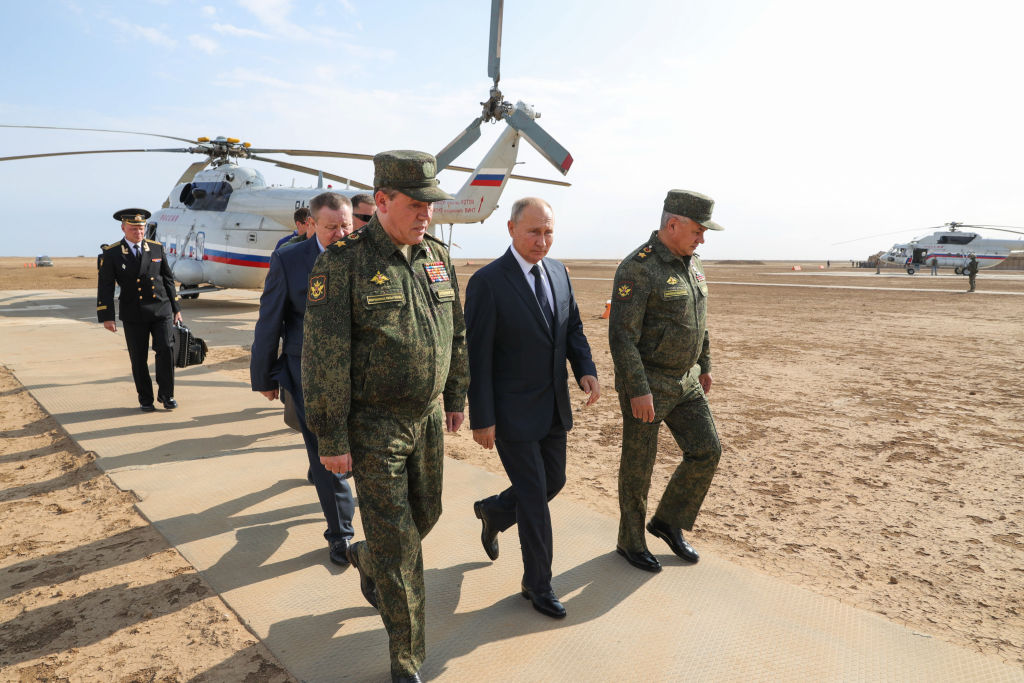
The strategic balance in the Black Sea region has shifted dramatically in Russia’s favor in the past decade. Russian anti-access/area-denial (A2/AD) capabilities in Crimea, and the ongoing modernization of its Black Sea Fleet, enable Russia to threaten its neighbors’access to sea lanes and economic resources and apply coercive pressure via conventional power projection. Littoral states should prioritize addressing the military imbalance to deter Russian coercive actions. Rather than rely on increased U.S. presence, Black Sea states should create a flexible network within NATO or the EU to build their own A2/AD capabilities.
The Biden administration and the Middle East: Four-year policy goals
The Biden administration will face a number of major challenges in the Middle East over the next four years, from great power competition and climate change to cybersecurity and refugees and migration. But what realistically can it achieve in that time on the policy front? To better understand what’s possible, we asked 10 experts from across MEI to weigh in with their thoughts.
Protesting against techno: How a concert revealed the state of Palestinian society
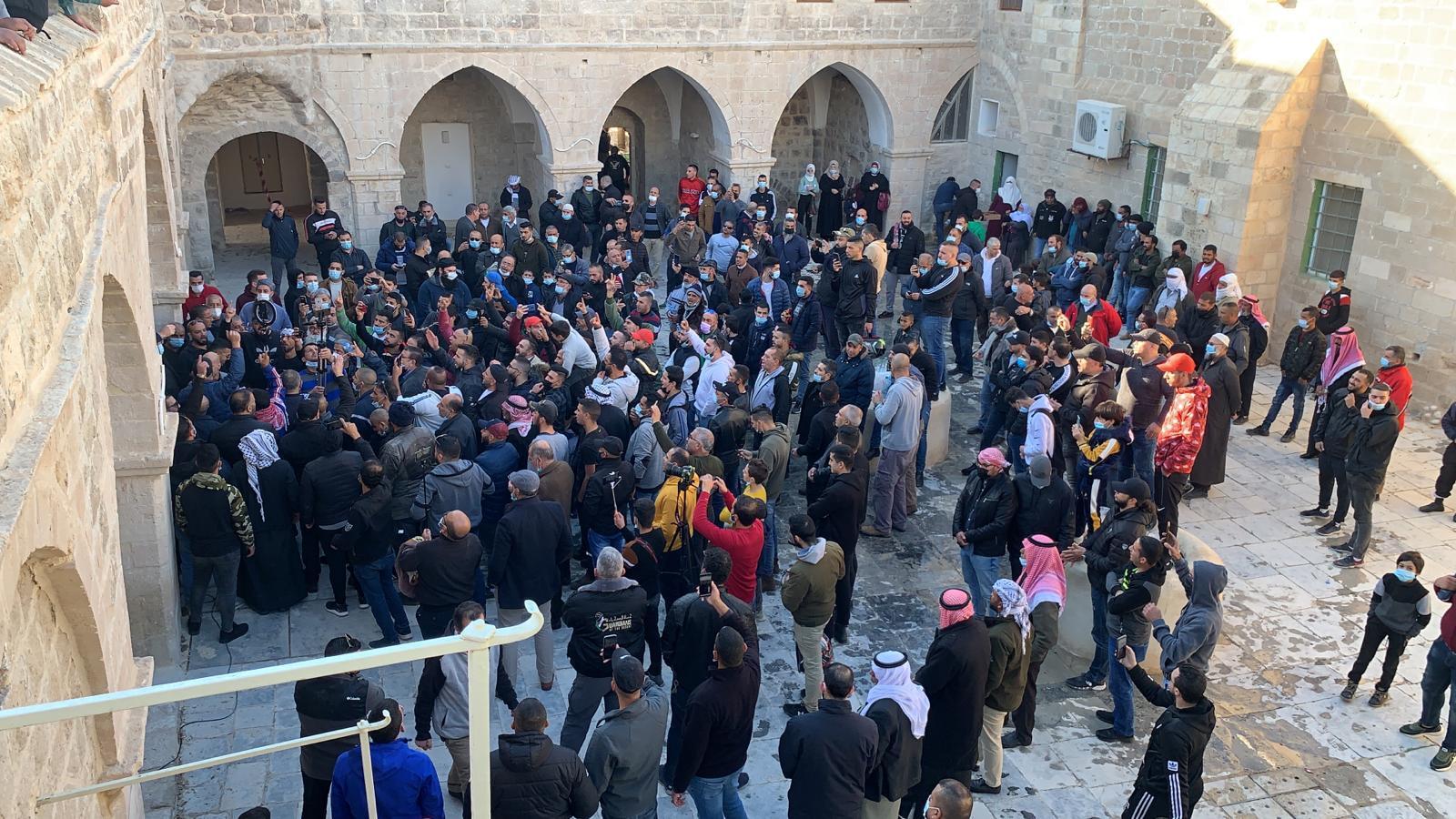
Until December 26, 2020, techno music was not a common topic of conversation in Palestine. That changed when Sama Abdulhadi, a famous techno DJ, gave a concert at Maqam Nabi Musa that provoked a backlash from religious conservatives. Abdulhadi, who is a Palestinian living abroad, decided to return to her homeland to perform three concerts that would be streamed on Beatport, a website specializing in techno music. She reached an agreement with the Ministry of Tourism to perform at Maqam Nabi Musa for a crowd of about 30.
A decade on from the Arab Spring, 9 experts from across MEI offer their thoughts on what has and hasn’t changed — and what it all means for the future of the region.
New ways of fighting state-sponsored COVID disinformation
Keeping up with and making sense of the flood of information about the COVID-19 pandemic is a challenge. It doesn’t help that much of that information is misleading, often by design. The “infodemic” surrounding the coronavirus, described as such by the World Health Organization (WHO) as early as February 2020, “spreads faster and more easily than the virus” itself. A recent joint statement by WHO, UN, UNICEF, UNDP, UNESCO, UNAIDS, ITU, UN Global Pulse, and IFRC noted grave consequences. It is “undermining the public health response and advancing alternative agendas of groups [and] individuals,” in ways that “cost lives … and threaten long-term prospects for advancing democracy, human rights, and social cohesion.”
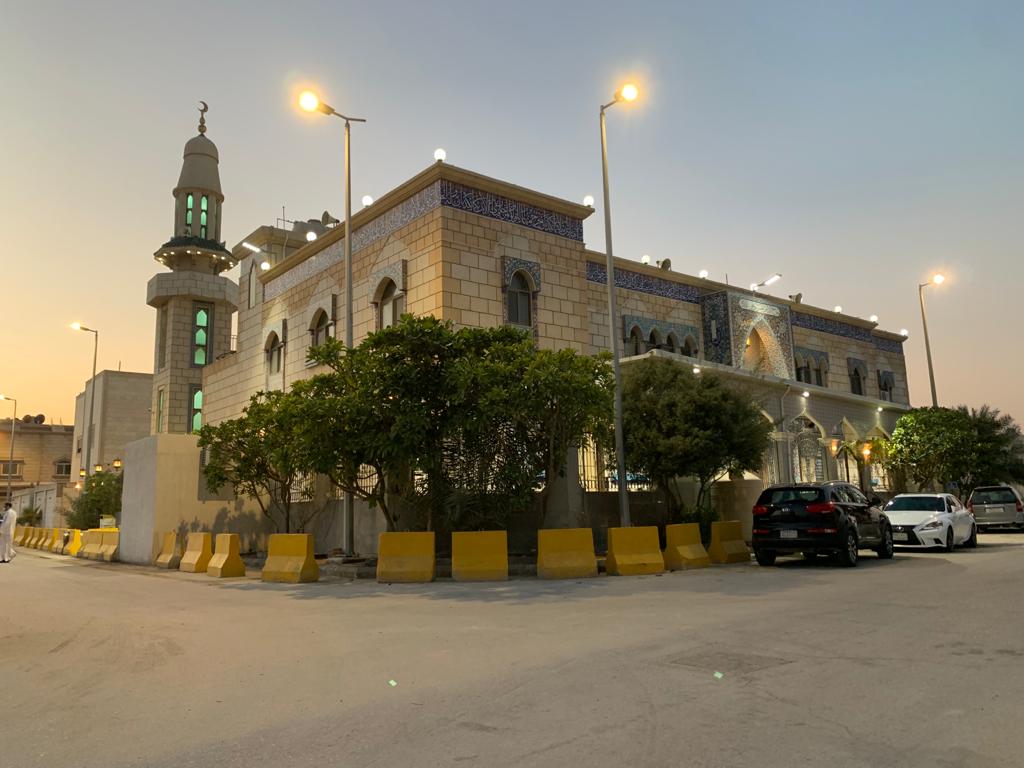
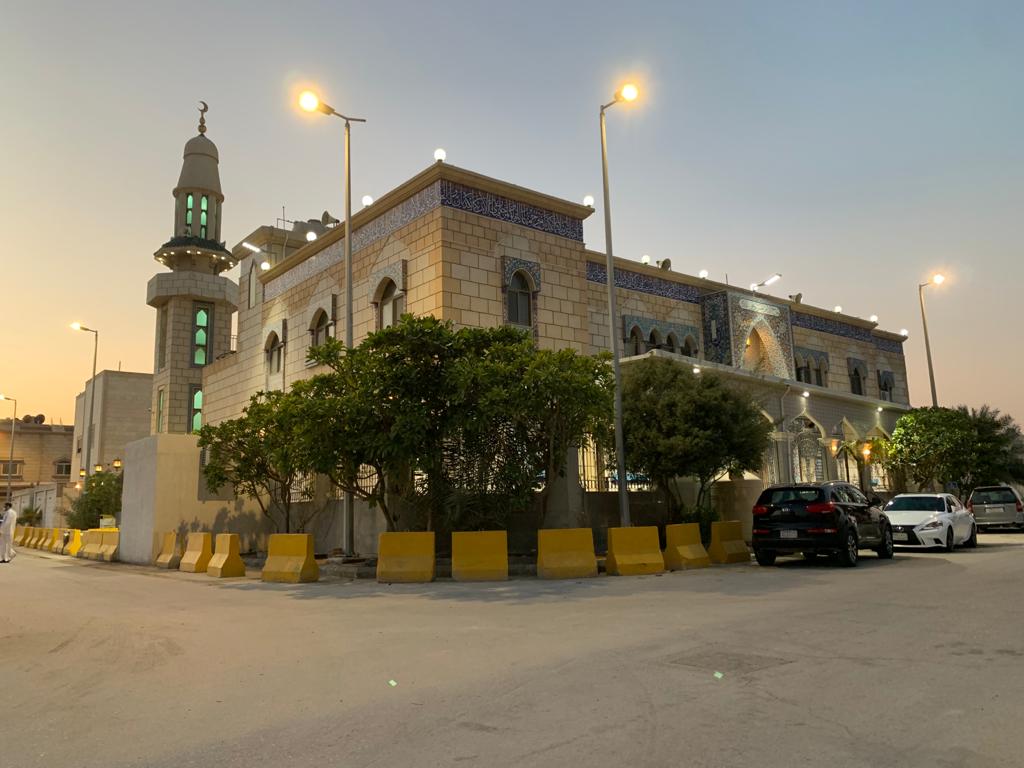
A Shift Among the Shi'a: Will a Marj'a Emerge from the Arabian Peninsula?
This paper looks at the political implications of the relationship between Shi’a in the Gulf states and Iranian marj‘as, the historical background to these ties, and Gulf states’ concerns surrounding the outflow to Iran of religious taxes. In some Gulf countries, these issues are tied to concerns about the loyalty of Shi’a to the nation. The authors argue that the emergence of a marj‘a who would be based in one of the Gulf states could quell these concerns.The authors identify potential marj‘as from the region and steps that Gulf states must take so that their Shi’a citizens will shift their allegiance from foreign-based marj‘as to domestically based ones.
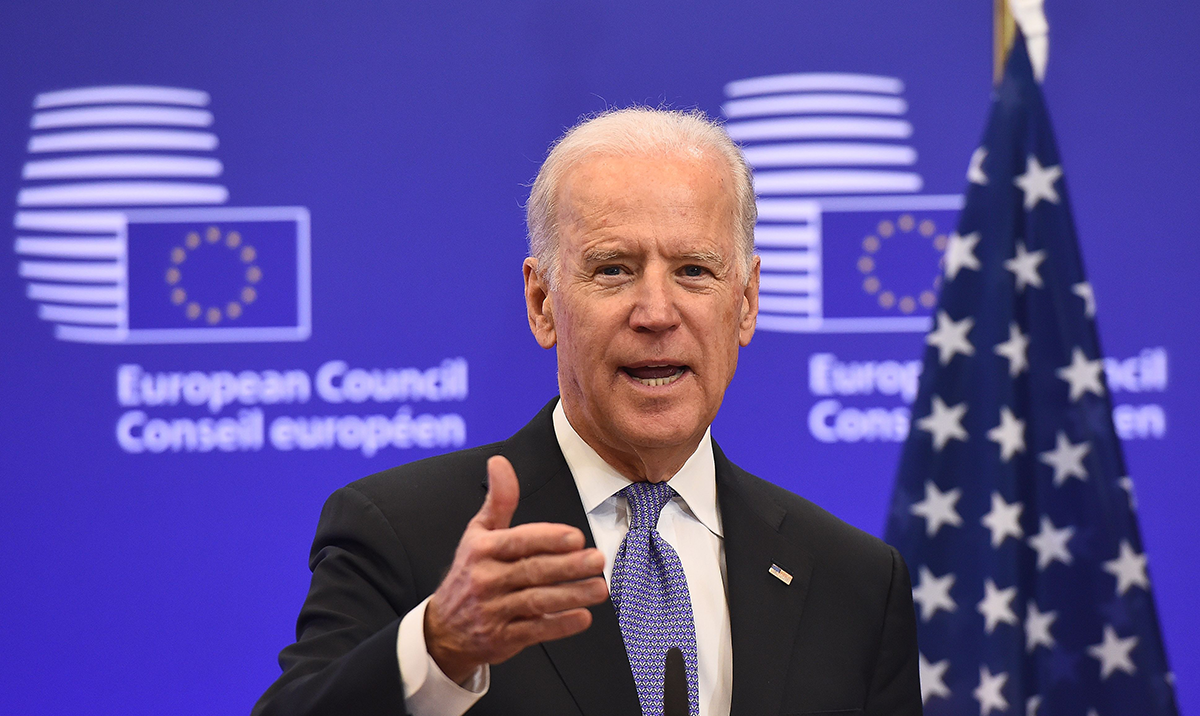
US-Europe cooperation in the Middle East: New president, new beginning?
The leaders of EU institutions and most of its member states are undoubtedly counting on a general improvement in transatlantic relations under Biden, but also on a fresh start for policy in the Middle East.
In two months’ time, Syria’s crisis will turn 10 years old — a grim milestone for what has been the most deadly and destructive civil conflict in recent history.
Threats, Victims or Allies? Migrant Communities in Kuwait's COVID19 Response
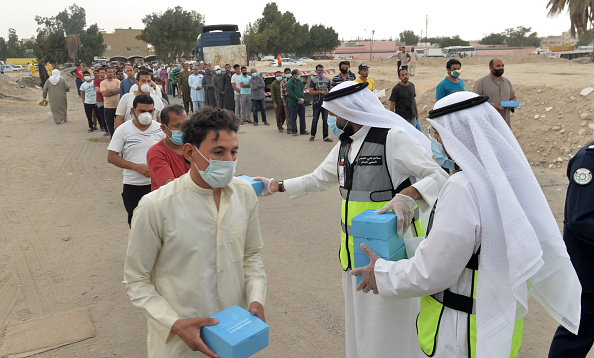
This article discusses Kuwait’s response to COVID-19 against the backdrop of two longstanding conceptions in the country about the role and position of non-citizens, particularly that of low-wage migrant workers. It recounts the efforts of the country’s small but vibrant civil society sector to respond to the pandemic-related needs of blue-collar migrant workers by approaching them as equal partners in solving shared challenges.