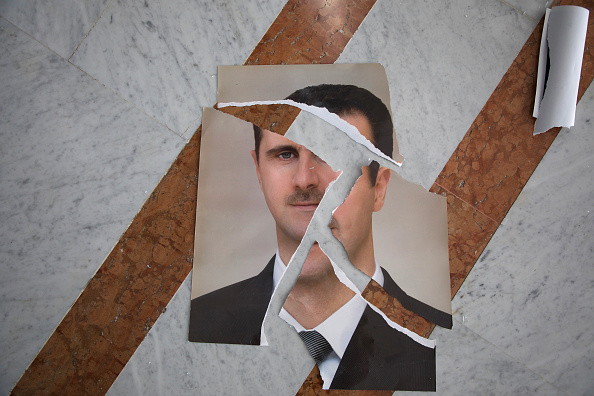
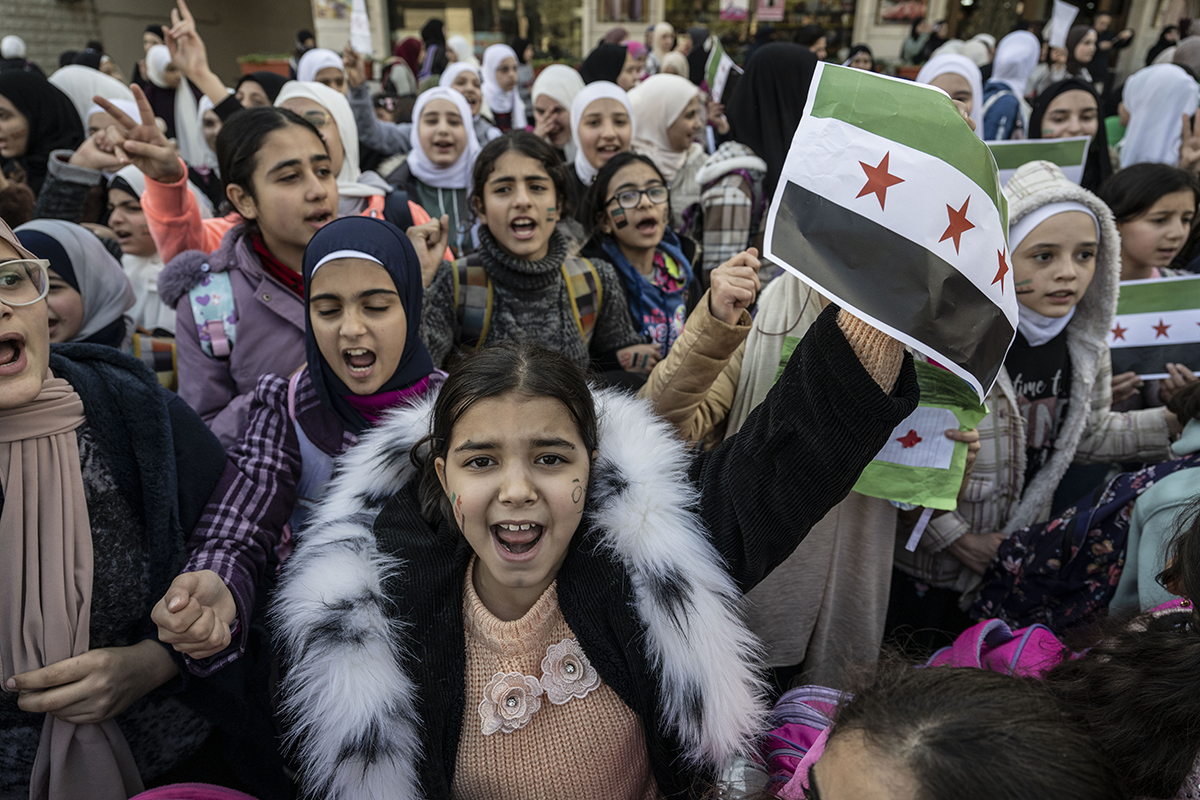
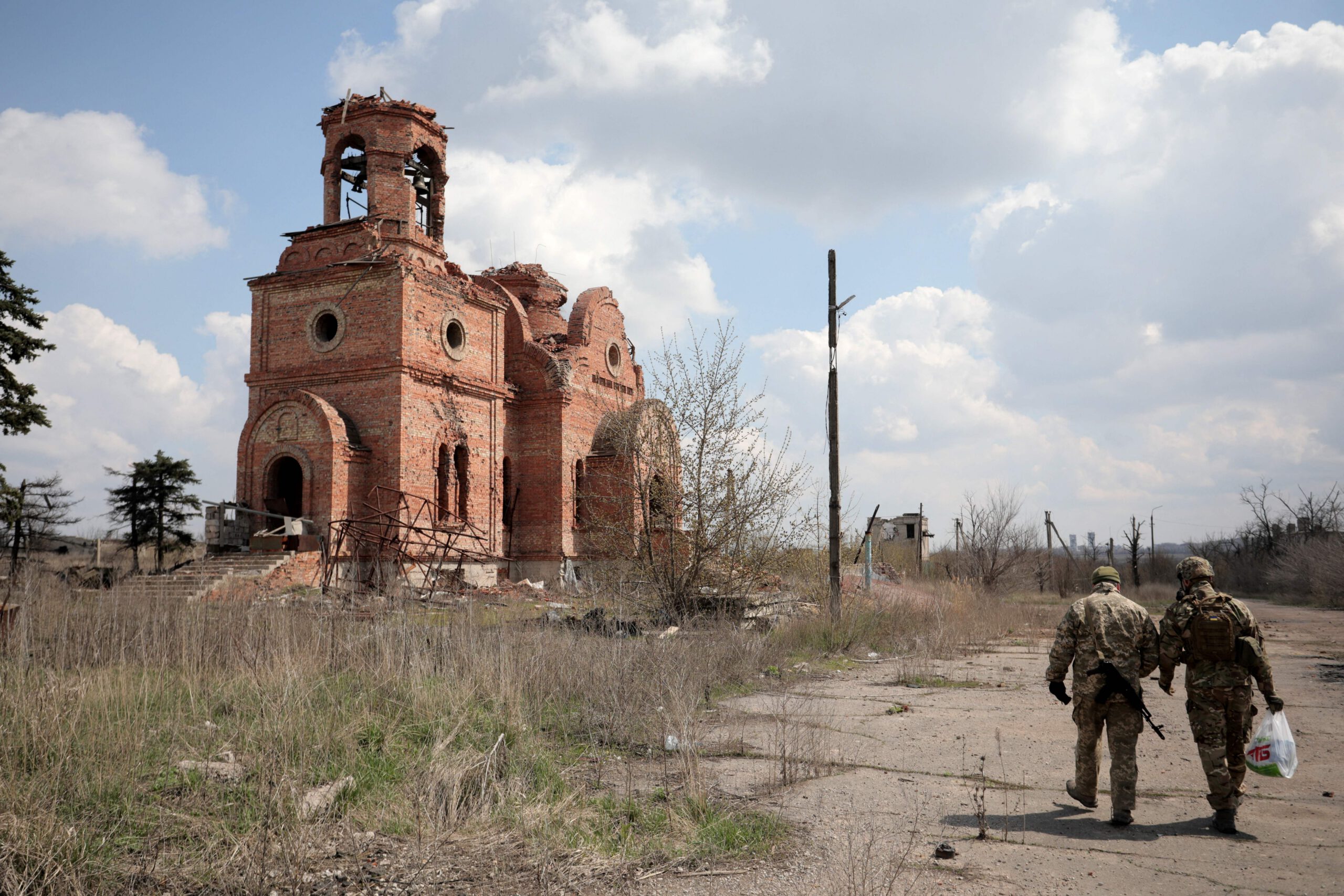
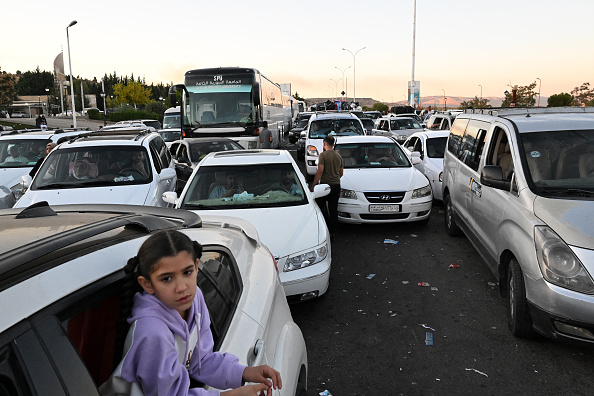
On Dec. 8, 2024, Bashar al-Assad’s regime fell. This is a fact, but it woefully understates the enormity, speed, and consequences of what has transpired. The brutal dictatorship that ruled Syria for more than 50 years disintegrated in fewer than 10 days. Celebrations erupted across public squares, thousands of Syrian refugees lined up at the borders of Turkey, Jordan, and Lebanon eager to return, and the release of political prisoners fueled hope for a new era after decades of despotism and conflict. However, concerns about Syria’s political future and territorial integrity quickly surfaced.
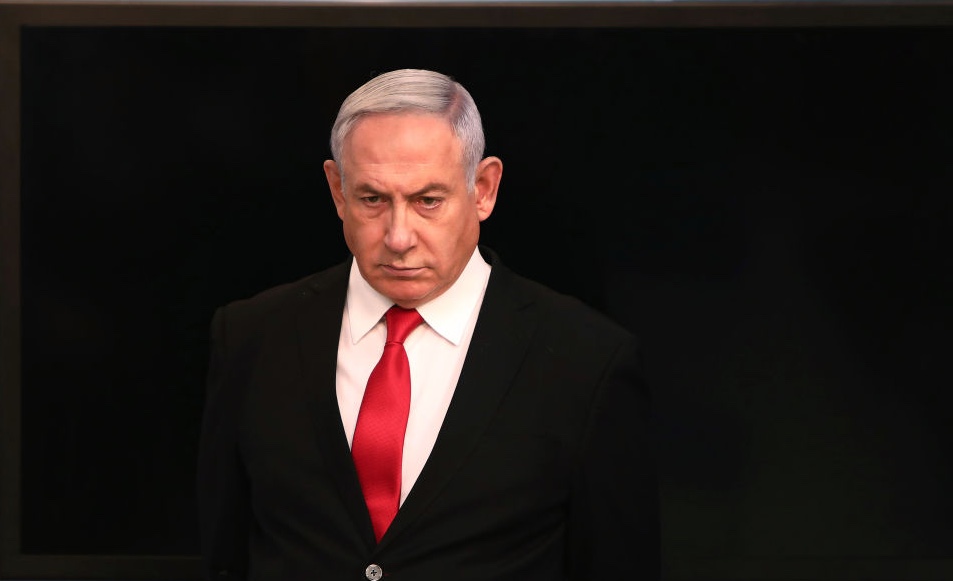
The current Israeli government’s extremism encompasses two entwined trends in Israeli political culture. The first is the rise and mainstreaming of the ideological settler movement and far-right nationalism. The second is Israel’s growing authoritarian tendencies, manifested in systematic efforts to reshape state institutions. As democratic institutions are weakened, the government faces fewer barriers to implementing its expansionist territorial agenda, while the mainstreaming of far-right ideology helps justify the erosion of democratic safeguards. Yet the vast majority of Israelis fail to recognize the connection between these trends, as do most policymakers in the United States.
In only six days, a broad coalition of advancing opposition forces coordinated by Hayat Tahrir al-Sham has captured all of Idlib province, almost all of Aleppo province, and a sizeable stretch of northern Hama — a humiliating defeat for Bashar al-Assad and illustrative of the fragility of regime rule in Syria.
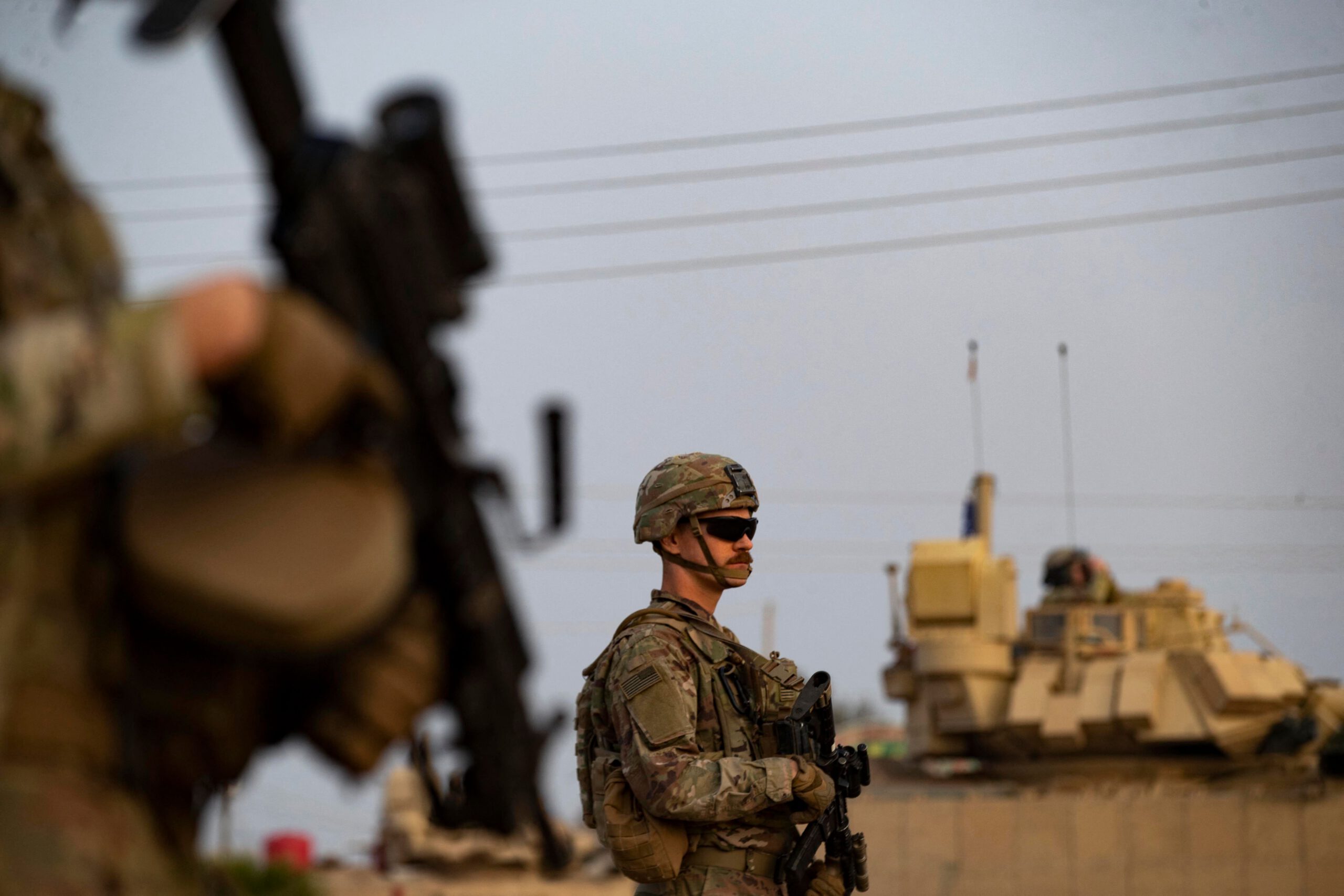
To abandon the Syria mission now would bring no meaningful benefit to the US, but it would swiftly and significantly empower America’s adversaries, like ISIS, Iran, Russia, and Assad’s regime.
How might US-Israeli relations evolve under the Trump administration?
MEI Senior Fellow for Israeli Affairs Nimrod Goren and Associate Research Professor Ilai Saltzman discuss potential shifts in US policy, the outlook for Israeli politics in 2025, and the challenges to advancing peace on the Israeli-Palestinian front. Tune in for expert insights on what lies ahead.
Reshaping the public discourse is key to restoring support for Israeli-Palestinian peace
Supporters of peace, both local civil society actors and international partners, need to make a sustained effort to promote conflict resolution by shifting the public discourse of traditional and new media outlets, especially in Israel.
How Donald Trump might tackle the Middle East in 2025
it is possible to extrapolate how the incoming second Trump administration may respond to the complex situation in the Middle East by examining the president-elect’s record during his first term, what he has said since, as well as public statements of his running-mate, Sen. J. D. Vance. Two main issues are likely to dominate Donald Trump’s regional agenda when he comes to power: Iran and Israeli-Palestinian affairs.
After Oct. 7, Israeli and Palestinian civil societies’ pro-peace role is more important than ever
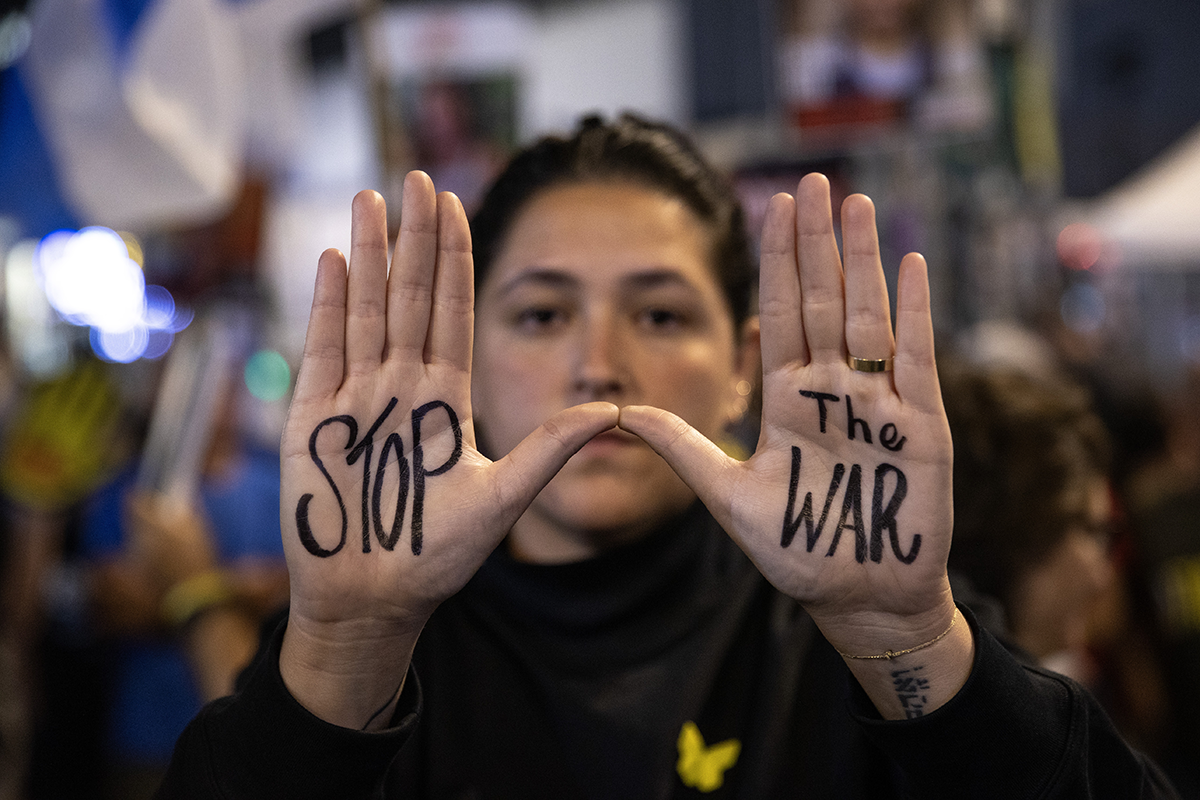
The devastating conflict that erupted on Oct. 7, 2023, dealt a near-fatal blow to efforts by Israeli and Palestinian civil society organizations, leaving both sides feeling as though they have returned to square one. The unprecedented violence and severity of the war have profoundly altered the consciousness of both Israelis and Palestinians, reinforcing a sense of existential struggle. Efforts to engage the public must contend with a hardening of positions and sentiment.
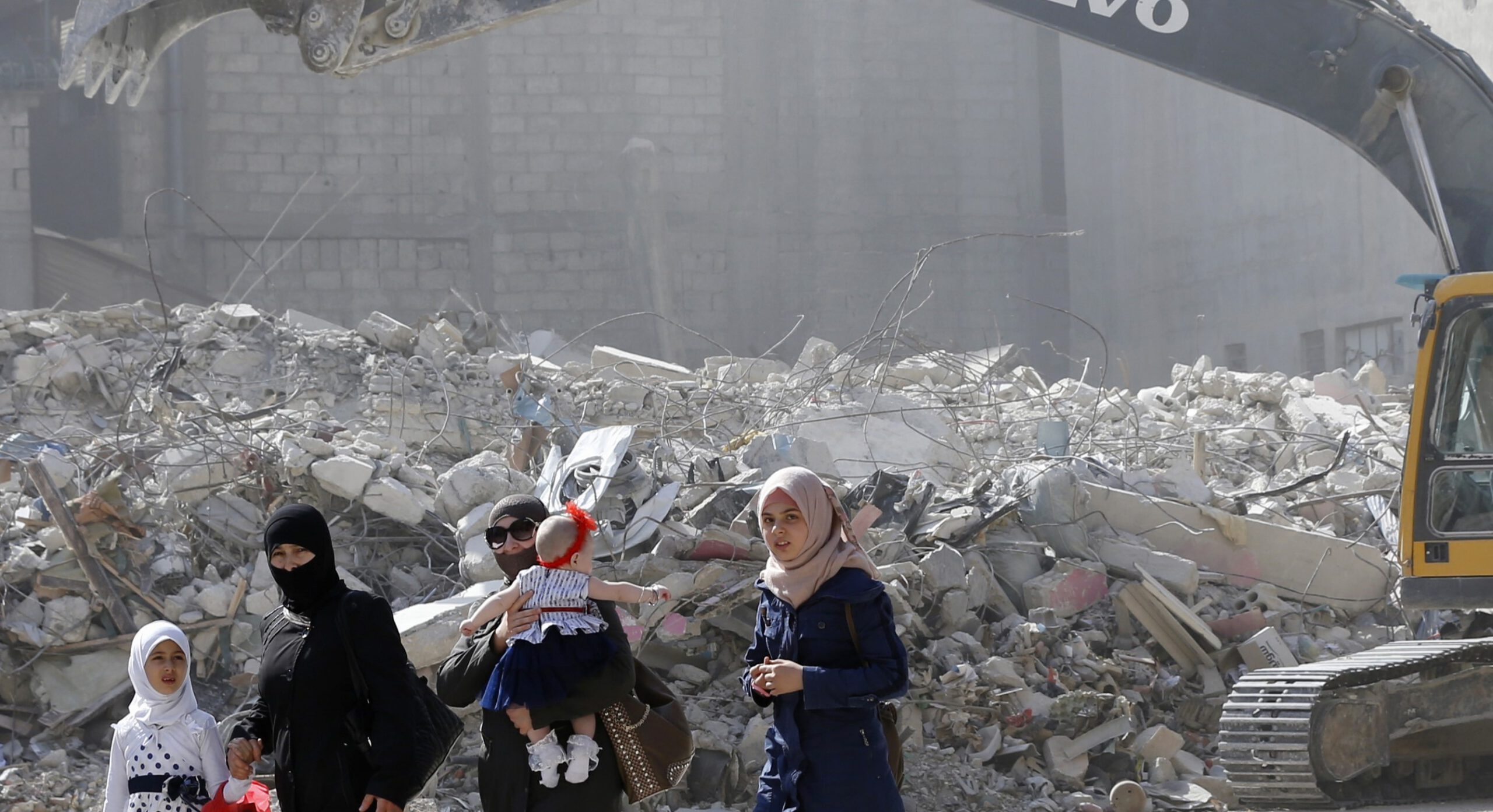
Early recovery and rehabilitation in regime-controlled areas of Syria: An assessment
The following is a short abstract, offering the main analytical findings and policy takeaways from a newly released Middle East Institute report on post-war reconstruction in Syria.
Assad’s economic fragility exposed by Israel’s war on Lebanon
Israel’s escalation of its military campaign against Hezbollah in Lebanon has severely disrupted the cross-border flow of goods into Syria that have long served as a critical lifeline for Damascus. These interruptions have worsened existing shortages, triggering sharp increases in the prices of essential commodities for Syrian who were already struggling economically.