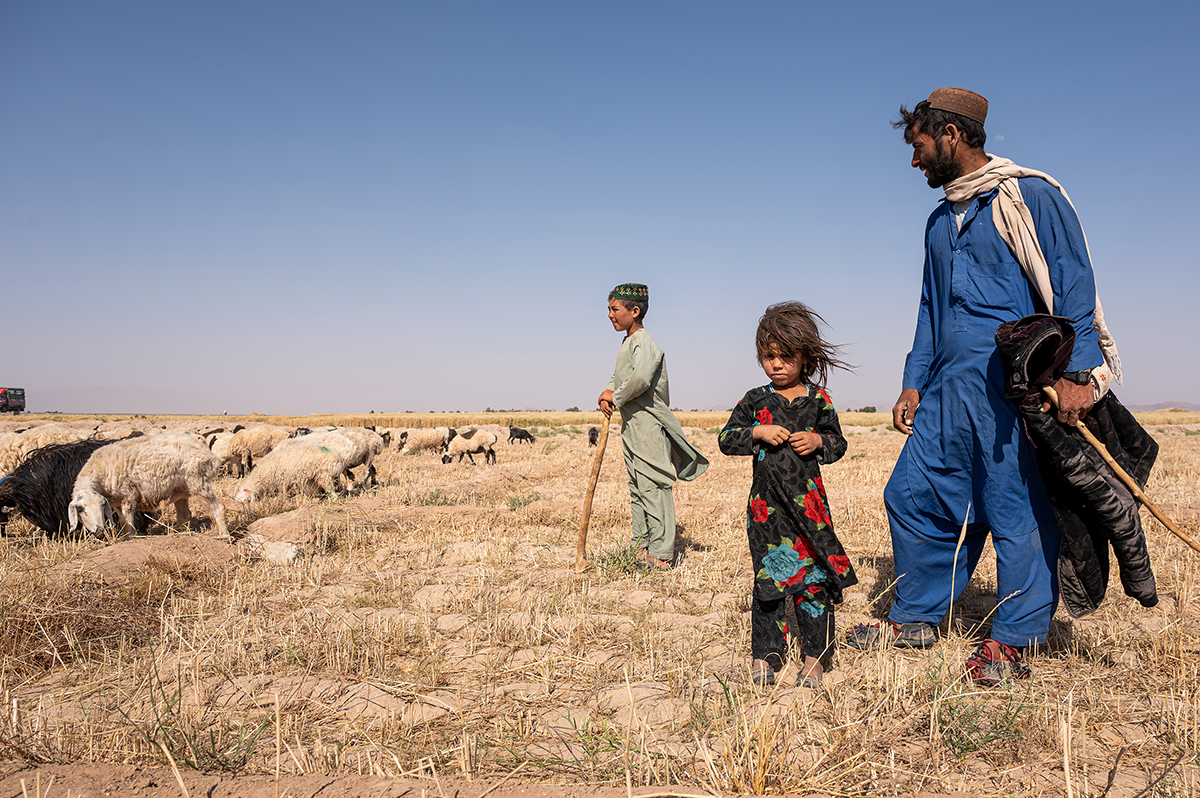
The Political Economy of Climate Governance in Afghanistan: An Analysis of the Context and Challenges
Even though it is one of the world’s lowest emitters of greenhouse gases, Afghanistan is among the 10 countries most vulnerable to climate change and severe weather conditions. Recent economic and humanitarian challenges, compounded by a political crisis of legitimacy and governance, exacerbate the situation, limiting the country’s ability to mitigate climate-induced fragility and build long-term resilience.
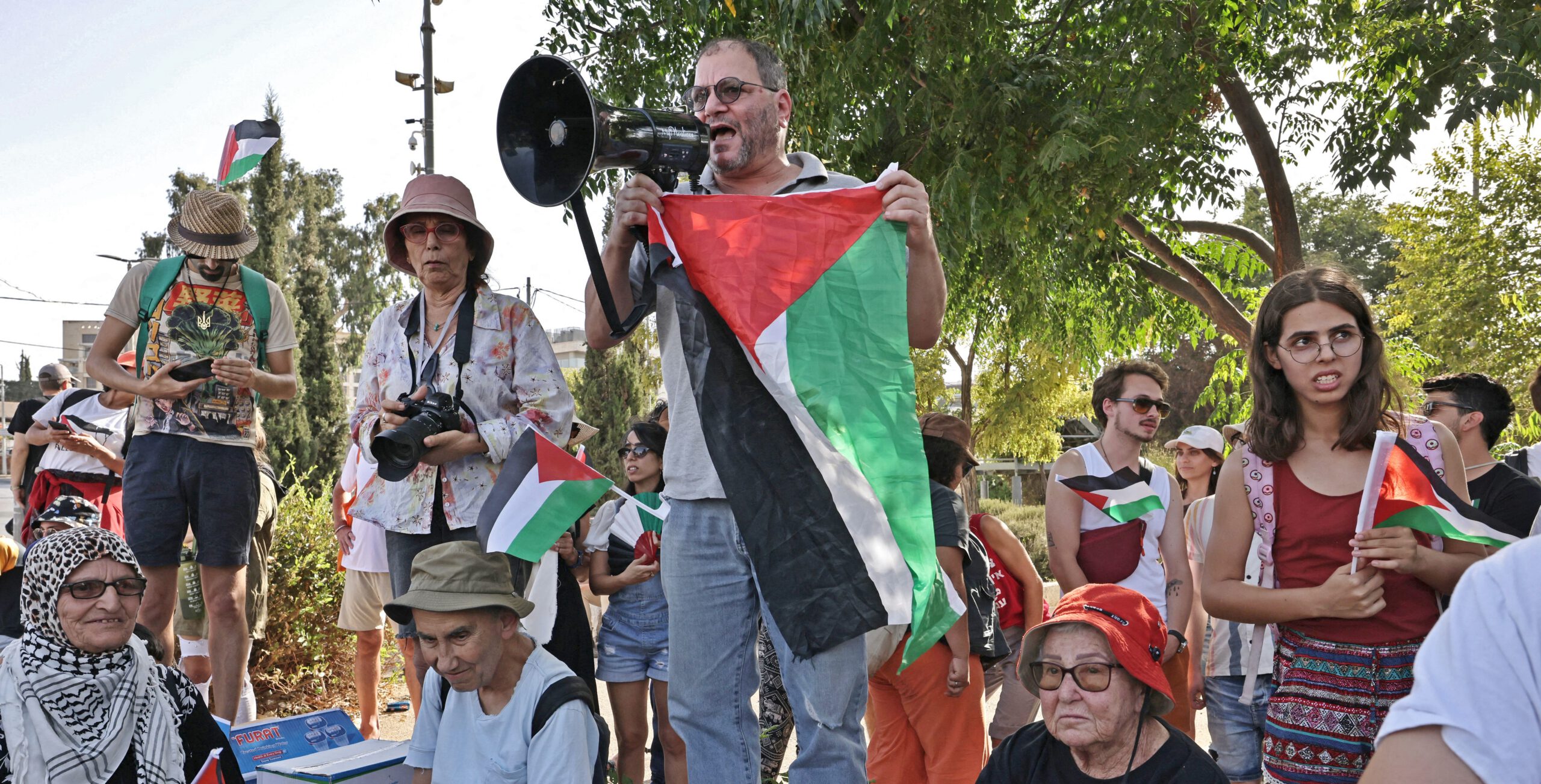
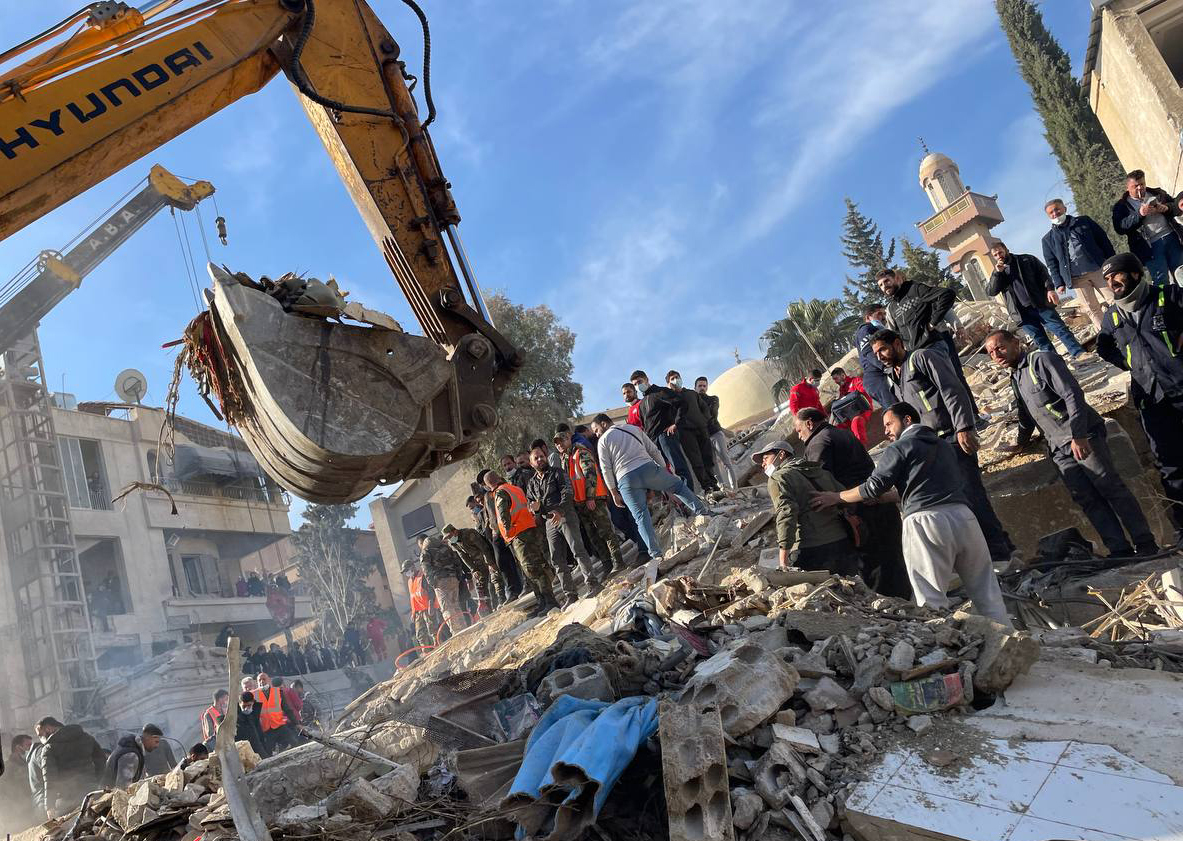
Expelling MK Cassif: A warning sign for Palestinian representation in the Knesset
If the Knesset expels lawmaker Ofer Cassif, it will represent the national legislature’s first use of the Suspension Law and signal a sharp curtailing of legal space for non-Zionist players in Israeli politics.
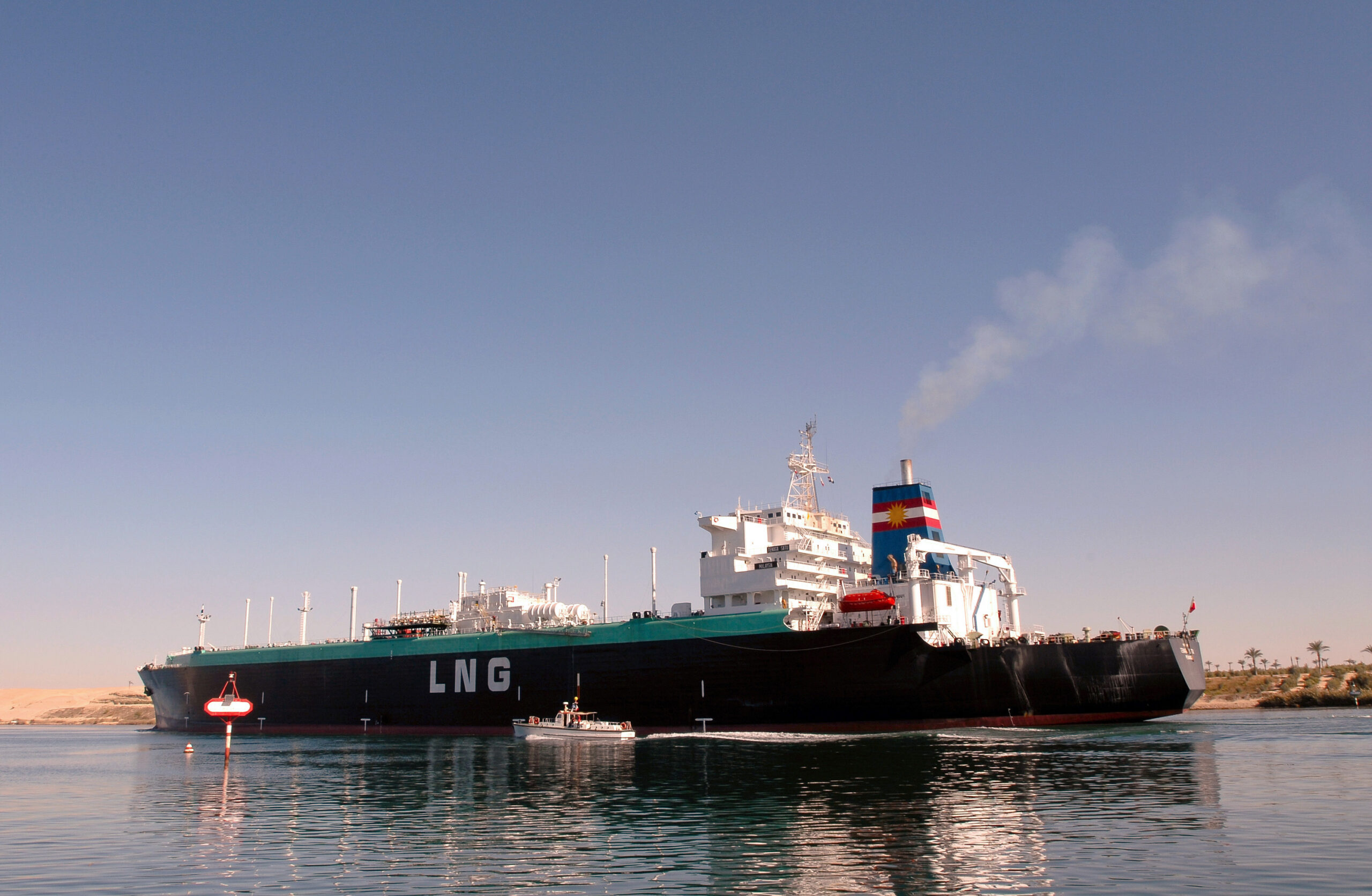
The implications of Red Sea instability on the global LNG market
Well over 30 attacks against commercial shipping in the Red Sea have been reported since mid-November 2023, although none have targeted crude oil or liquefied natural gas (LNG) carriers to date. But that is not to say that global energy flows through this critical maritime chokepoint are invulnerable; any harm that came to hydrocarbon carriers traveling into or out of the Red Sea via the Bab el-Mandeb would have far-reaching consequences for international markets.
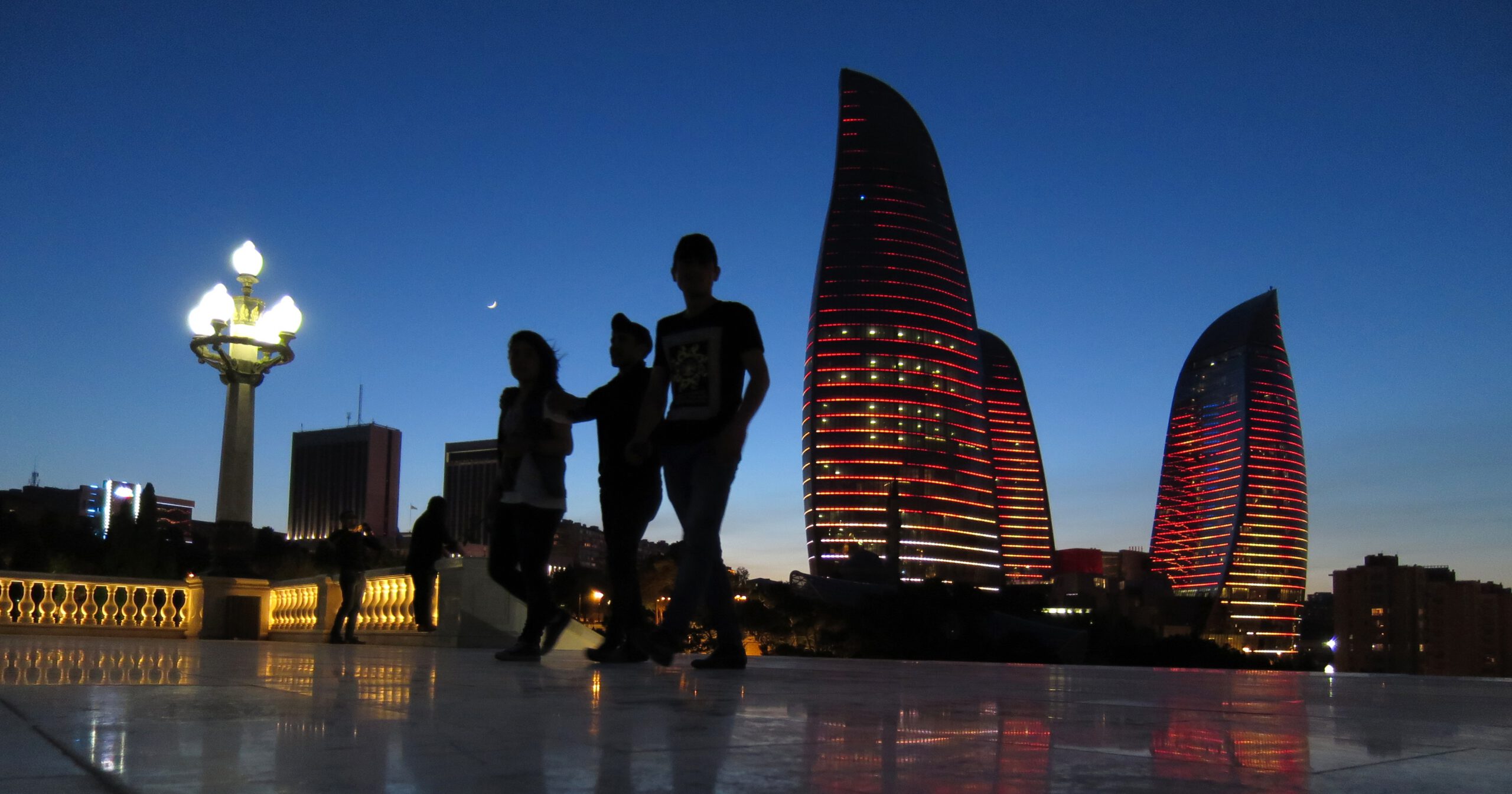
Azerbaijan and COP29: An opportunity or a challenge?
Azerbaijan will host COP29 at the end of this year. Being selected to host the most important international climate event is a major achievement for the South Caucasus country, though the spotlight it brings will come with its own challenges due to Azerbaijan’s poor human rights record and worsening relations with the West.
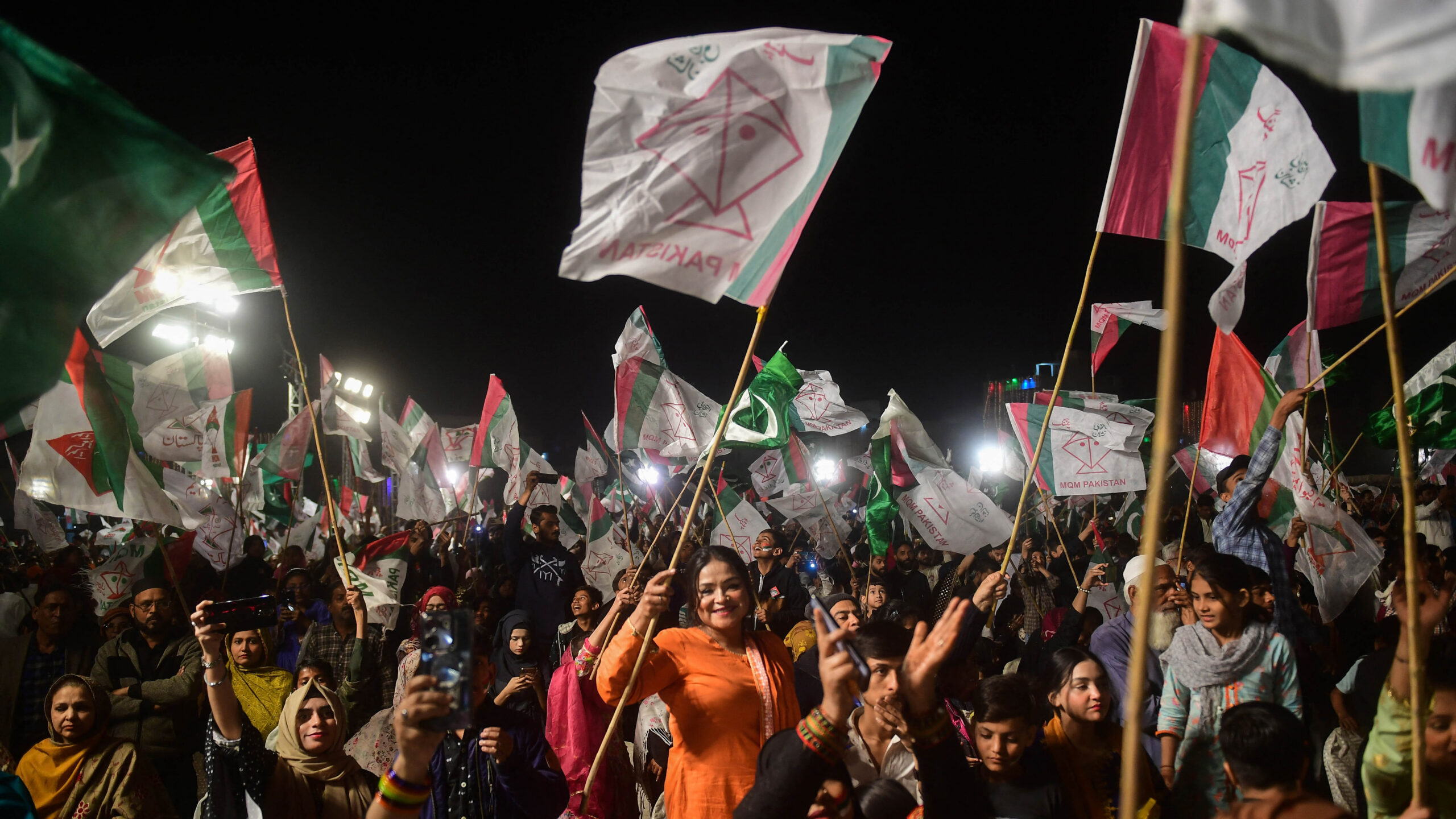
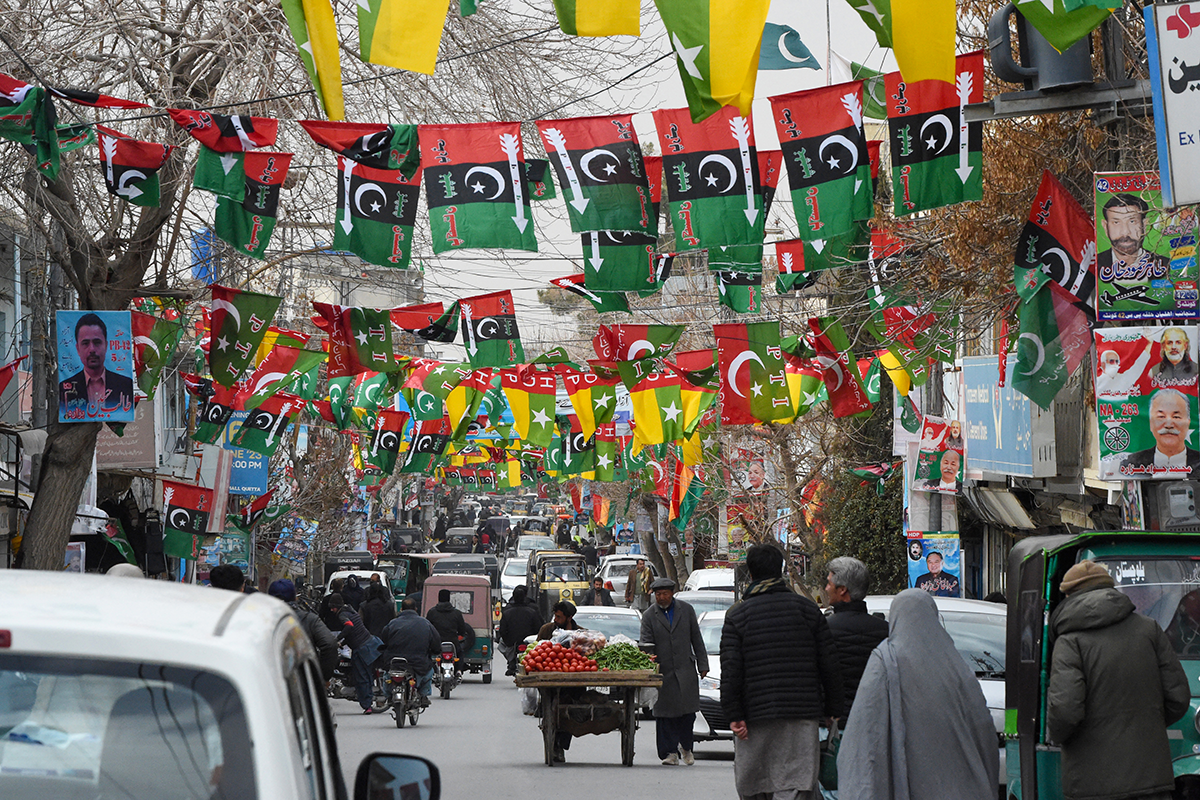
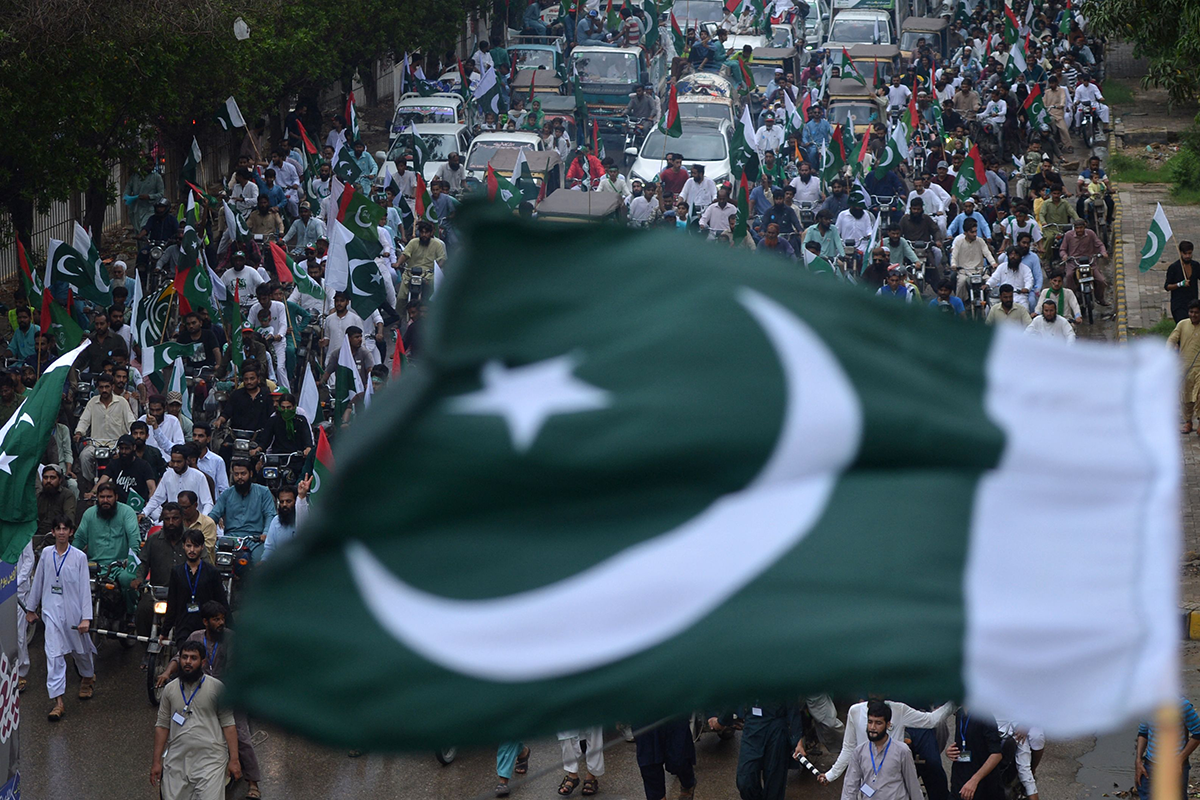
What to expect as Pakistan goes to the polls for a long-awaited national election
Though delayed by several months, Pakistan is now on the verge of a national election on Feb. 8 that will replace an elected government ousted in April 2022 by an opposition-cum-military alliance.
What does Israel want to see come out of US mediation efforts on Israel-Lebanon?
The weeks ahead are crucial for Israel and Lebanon and will likely indicate whether a broader confrontation between Israel and Hezbollah can be avoided diplomatically or if it is inevitable. Israeli officials have called on Lebanon and the world to deliver a solution; but in practice, Israeli eyes are set on Washington, DC.
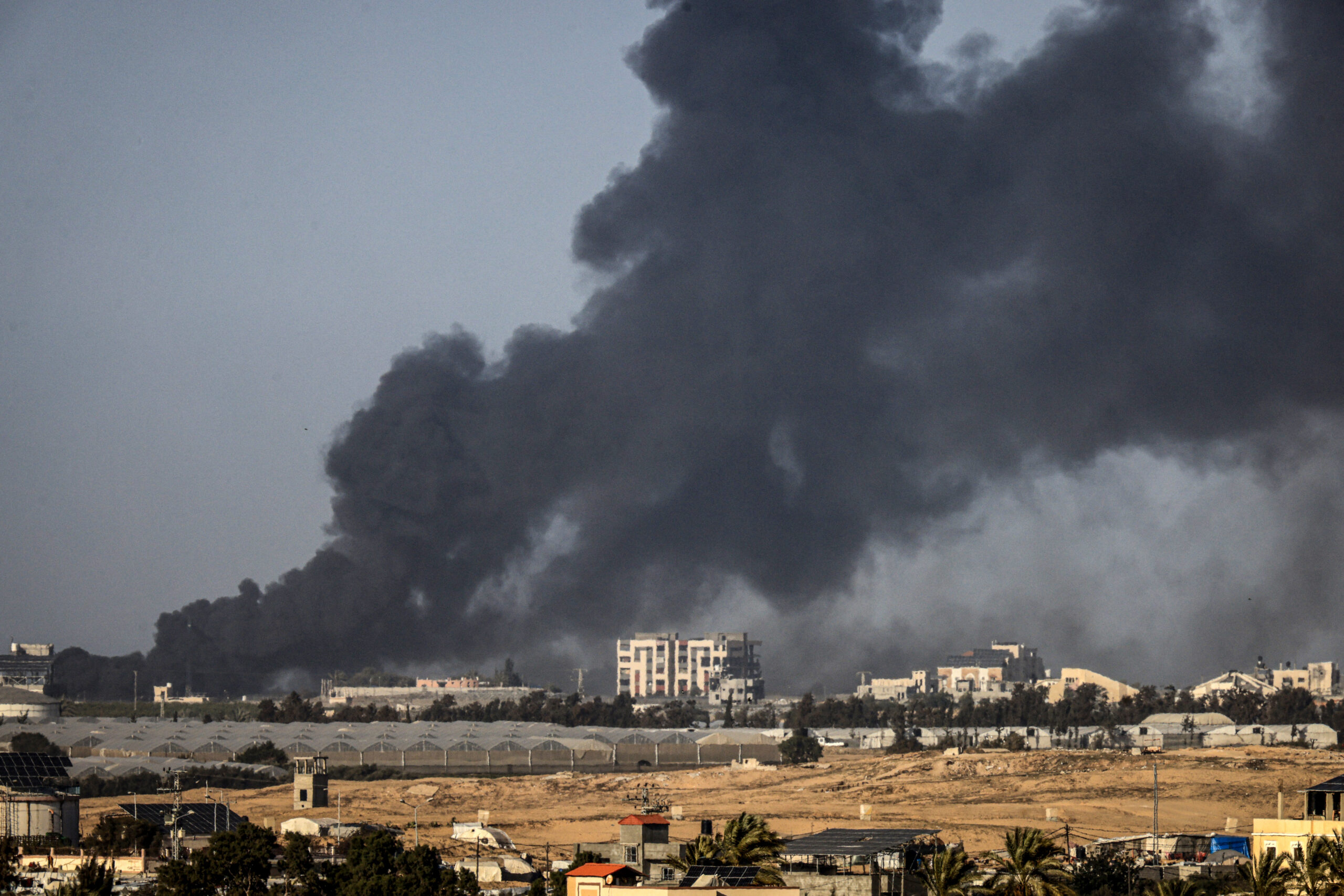
What it means when nine nations bomb in the Middle East in two weeks
Nine nations, including terrorist groups that are de facto governments, have attacked other countries in the region over the course of about two weeks. Numerous commentators have drawn the conclusion that a regional war is already underway or soon will be.
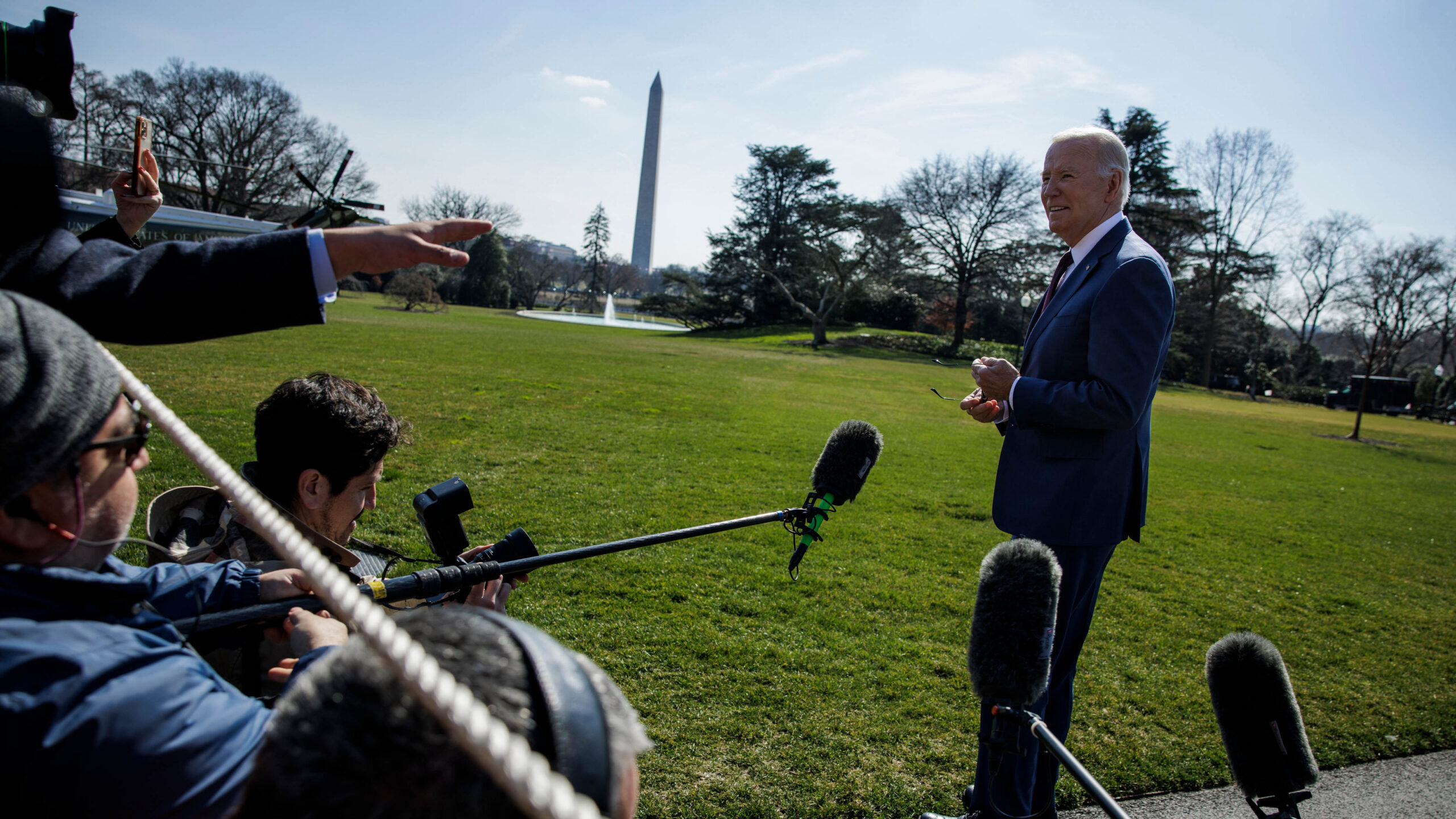
Managing US Relations with Pakistan in Uncertain Times: Obstacles and Opportunities
With the U.S. withdrawal from Afghanistan, America’s bilateral relationship with Pakistan may have come to hold less priority. If it was thought, however, that the U.S. could afford to largely turn its back on Pakistan and its region, it has instead become increasingly evident that American strategic interests and other concerns demand continued attention and involvement. It is imperative that American policymakers take a longer view when it comes to dealing with Pakistan, especially at a time when great power competition is intensifying across South Asia. It is in the interest of both the U.S. and Pakistan to develop a mutually beneficial and sustainable relationship.
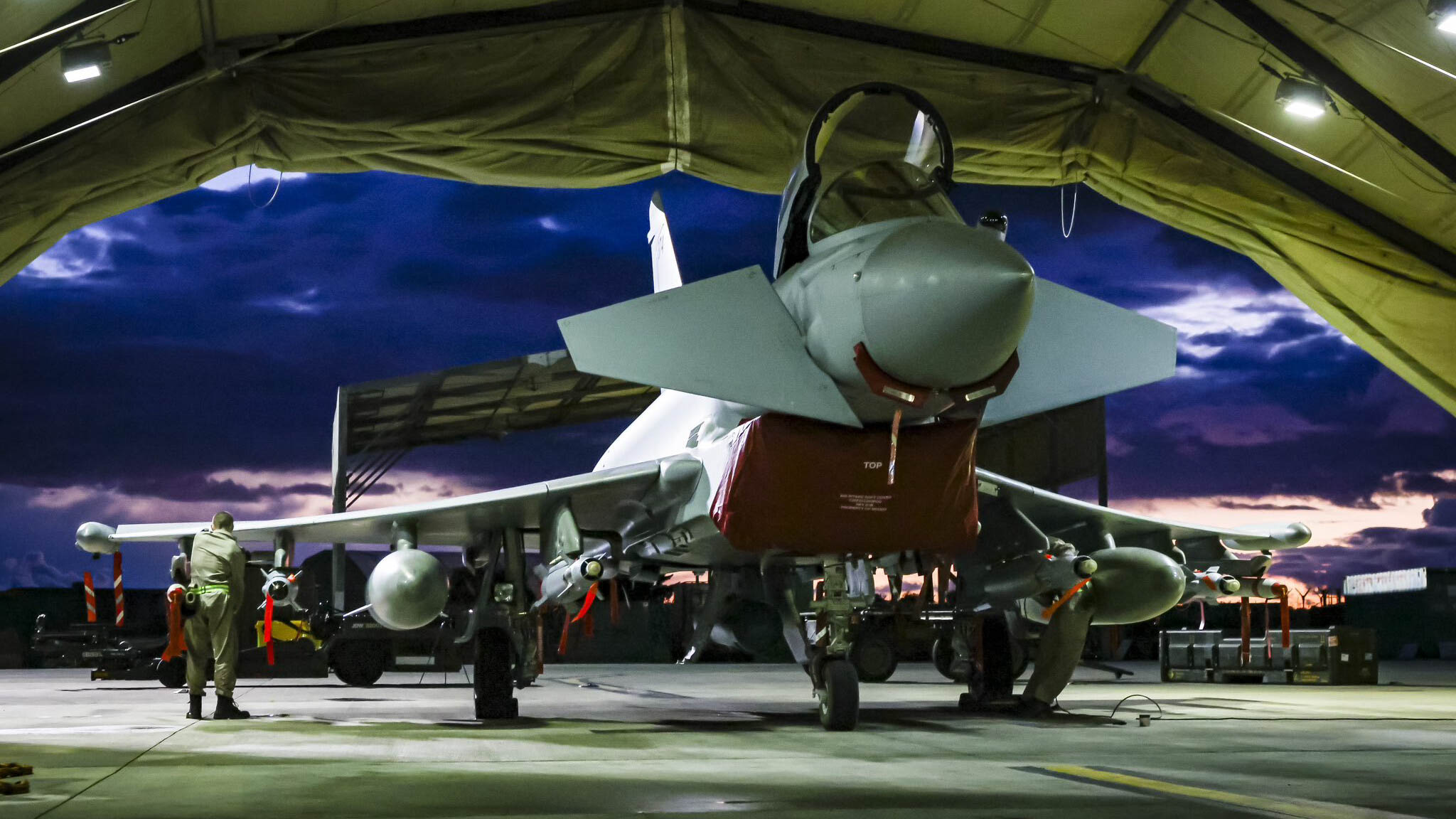
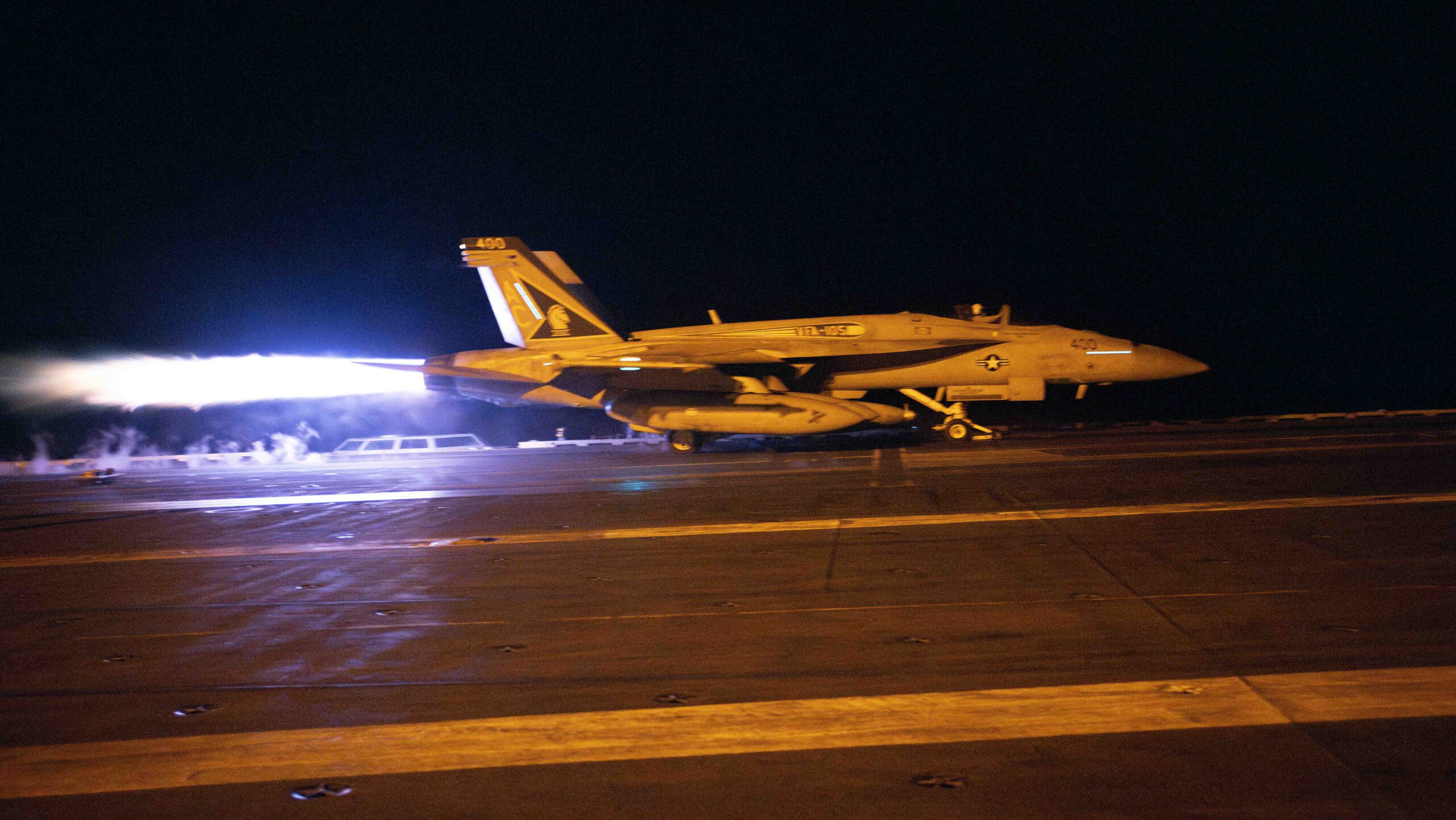
Dutch support for allied anti-Houthi airstrikes: Shared objectives with a pinch of opportunism
When the United States and the United Kingdom decided to strike Houthi targets inside Yemen to stop the group from launching attacks on commercial shipping in the Red Sea, most European allies did not want to get involved in the operation. The sole exception was the Netherlands, which grabbed the opportunity to step forward and show its willingness to provide not only political but also military support, albeit largely symbolic.
The unrelenting season of forced homecoming continues for Afghans who had sought refuge in neighboring countries in the past. Thousands of Afghan refugees have been forcefully relocated from countries like Pakistan, Iran, Turkey, and Tajikistan, back into Afghanistan. In a country where the current set of rulers has had little to offer other than regressive policies over the past 29 months to its citizens, these men, women, and children will find it difficult even to survive without an immediate increase in international attention and assistance.