After Hezbollah’s retaliation, no broader war for now, but the conflict drags on
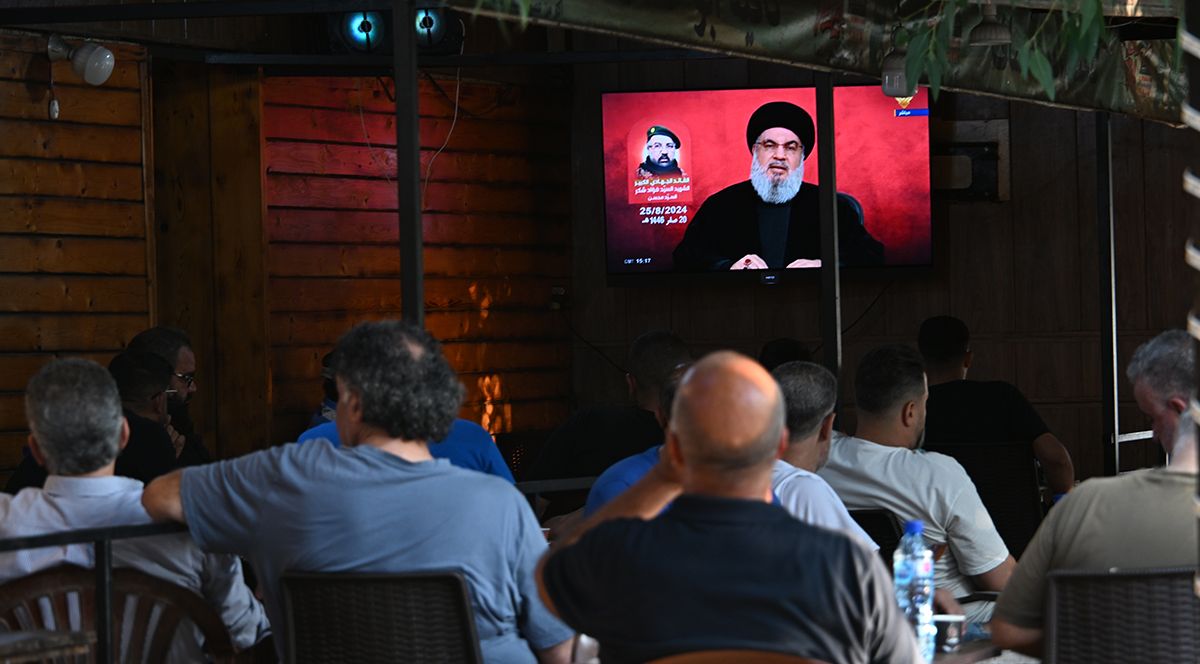
On Aug. 25, Hezbollah retaliated for Israel’s assassination of senior commander Fuad Shukr on July 30, launching 340 rockets and tens of drones from southern Lebanon and the eastern Beka’a region. Hezbollah’s retaliation started shortly after Israel undertook what it called a “preemptive strike,” in which 100 fighter jets targeted Hezbollah military sites, including rocket launching platforms, to thwart a larger attack that, according to Israeli officials, involved up to 6,000 rockets.
Monday Briefing: The Middle East is the closest it has ever been to an all-out war
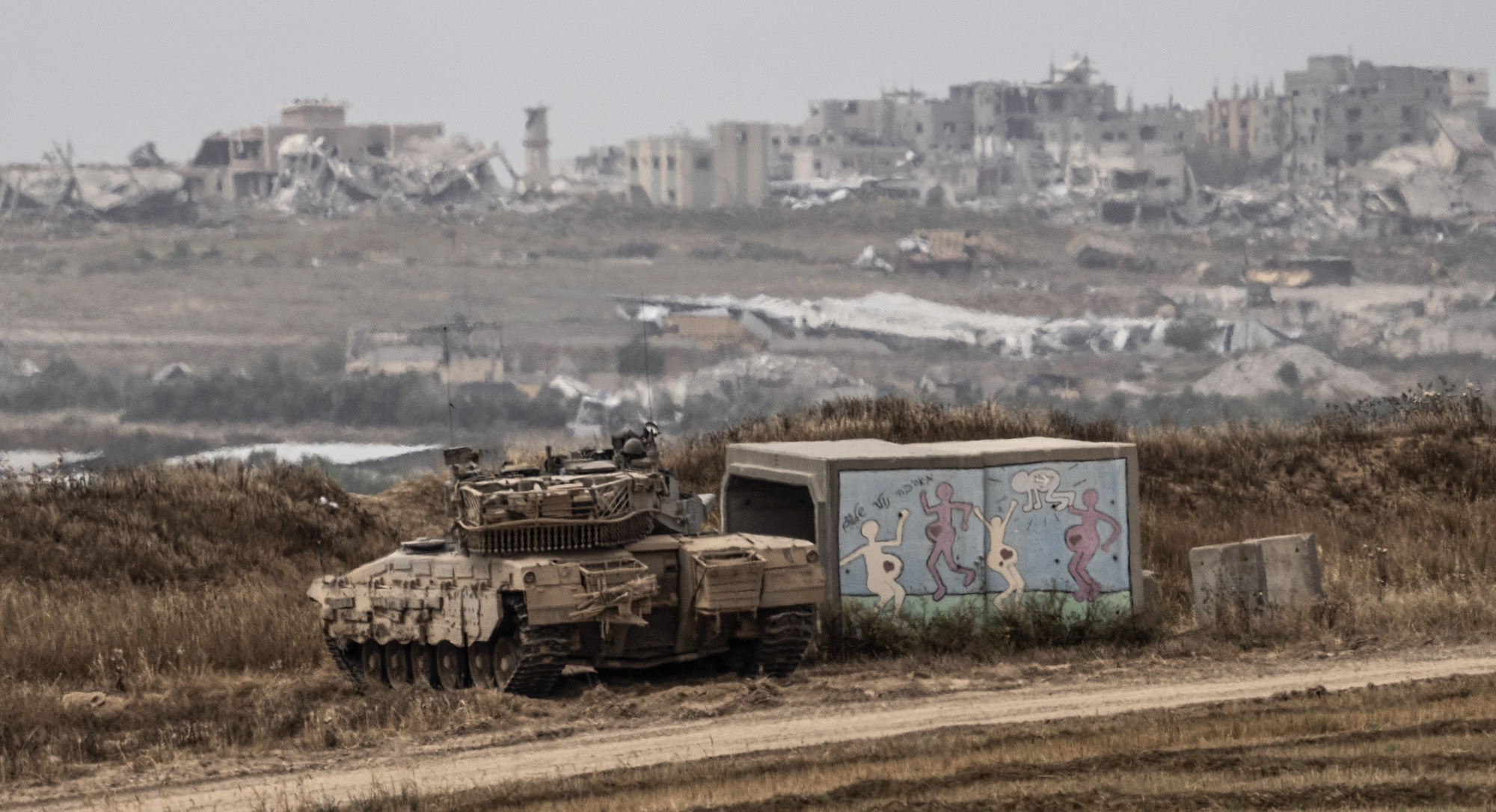
After 10 months of Israel’s war on Gaza, the US administration has lost control over its ally and the fear of its opponents. As a result, Washington has only limited, if any, impact on the cost-benefit escalation calculus of the fighting sides. The Middle East is today the closest it has ever been to an all-out multi-front regional war.
US President Joe Biden will meet with Israeli Prime Minister Benjamin Netanyahu during his visit to Washington this week. The meeting provides an opportunity to double down on considerations of what a “day after” might look like and how best to promote moderate Palestinian voices in the effort to rebuild Gaza.
Key takeaways for NATO and the Middle East from the Washington Summit Declaration
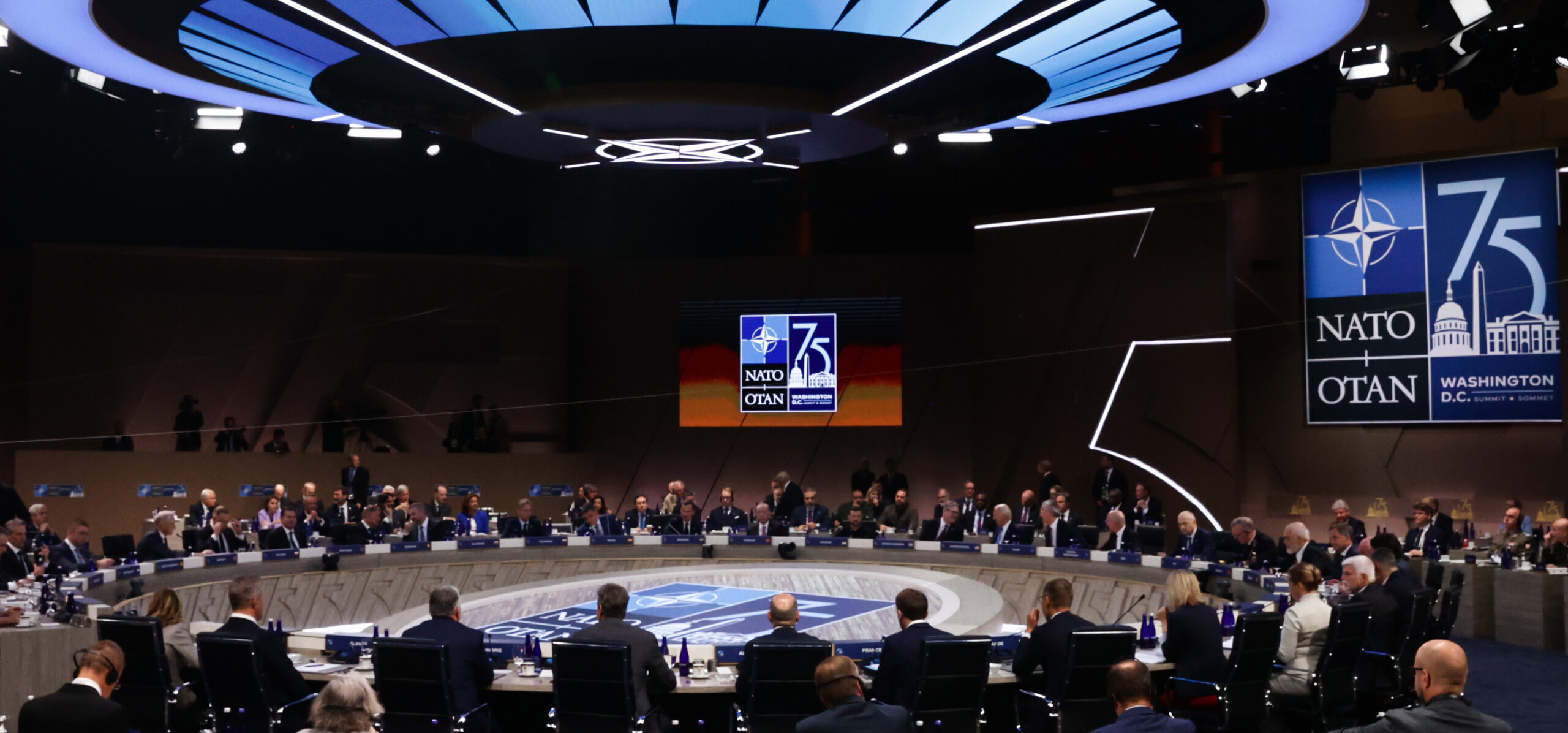
At the Washington Summit, NATO member states mostly focused on efforts to counter Russia and to support Ukraine. However, the 2024 summit communiqué also addresses non-Euro-Atlantic risks and opportunities, based on the idea that “conflict, fragility and instability” elsewhere directly affects NATO security.
Libya, Tunisia, and Niger as Case Studies for Counter-Productive Anti-Migration Policies: Sustaining Abuses and Criminality
Anti-migration policies in Libya, Tunisia, and Niger have had dire consequences, as highlighted by the more than 25,000 migrant deaths in the Mediterranean since 2014, a figure that does not fully capture the extent of the tragedy. To address these failures will require substantial policy changes and an evolution in approach to the migration issue.
Human shields or shielding Israel from accountability?
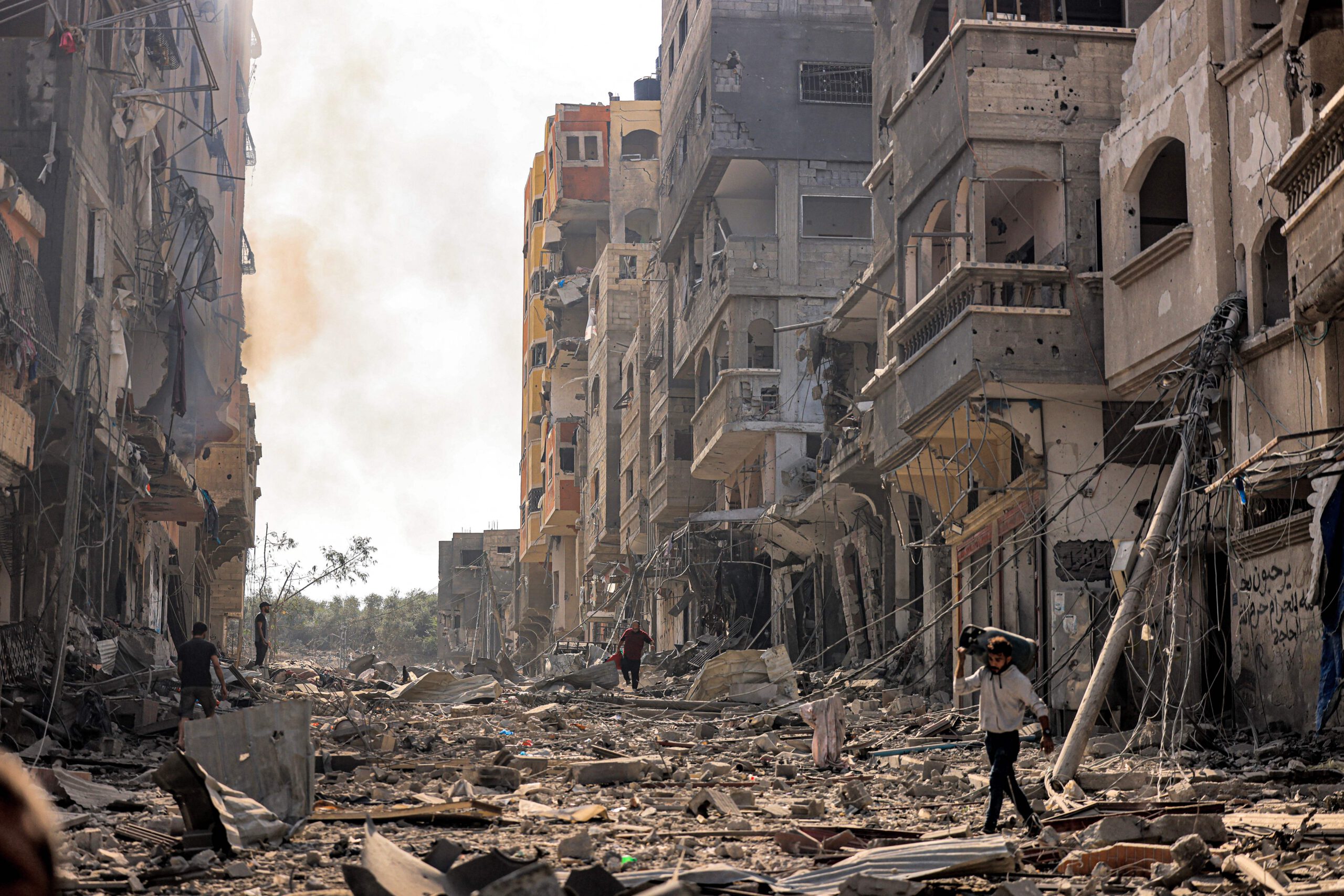
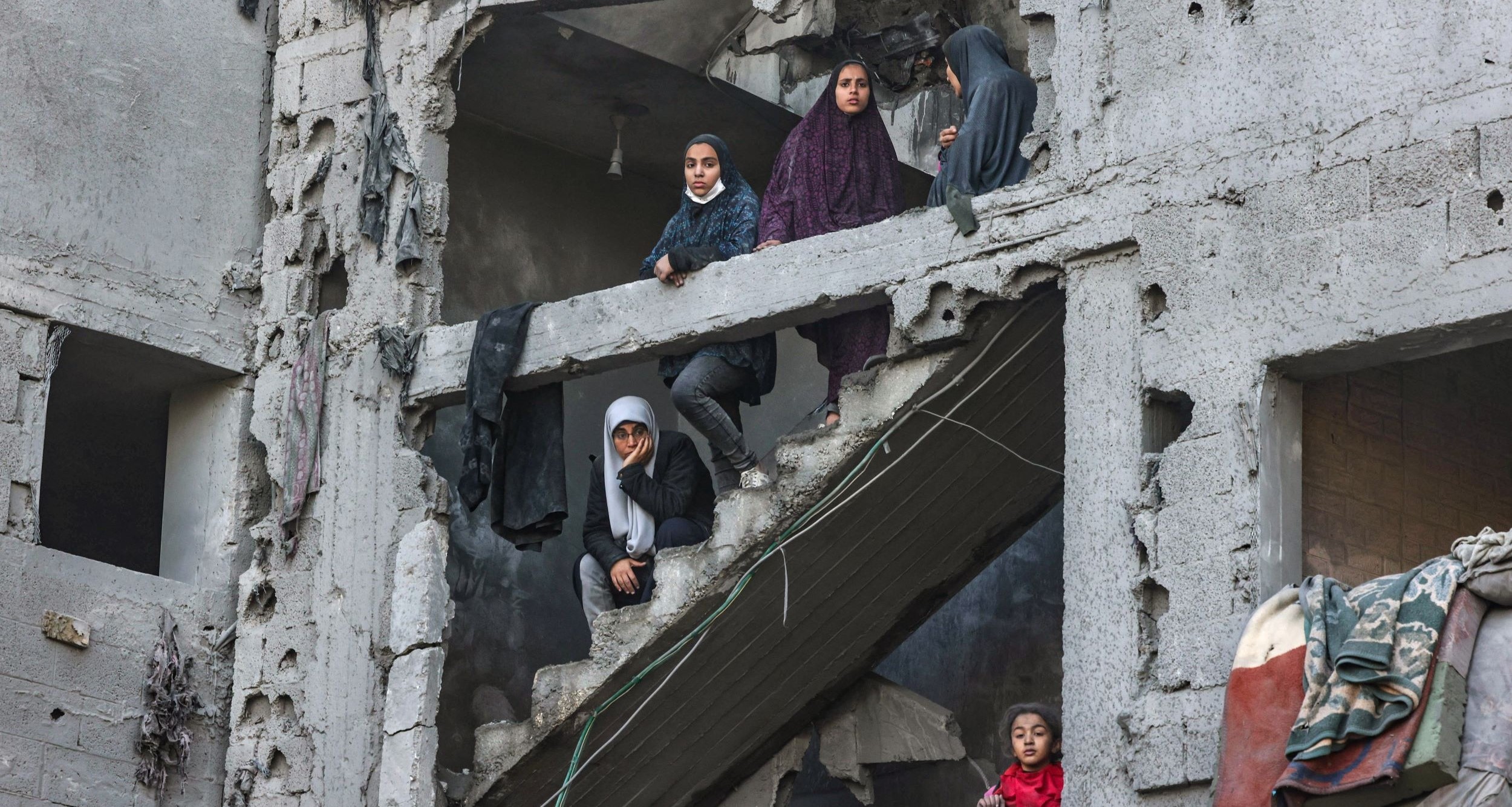
Israeli leaders insist that the extreme destruction in the Gaza Strip is unavoidable given Hamas’ use of “human shields” and the fact that the militant group has embedded itself among the civilian population and routinely operates from civilian structures like hospitals and schools. But far from explaining the current devastation, the questionable “human shields” charge has become a way to shield Israel from legitimate scrutiny and accountability.
Expert Views: How should we navigate the new rules of the game in the Israel-Iran conflict?
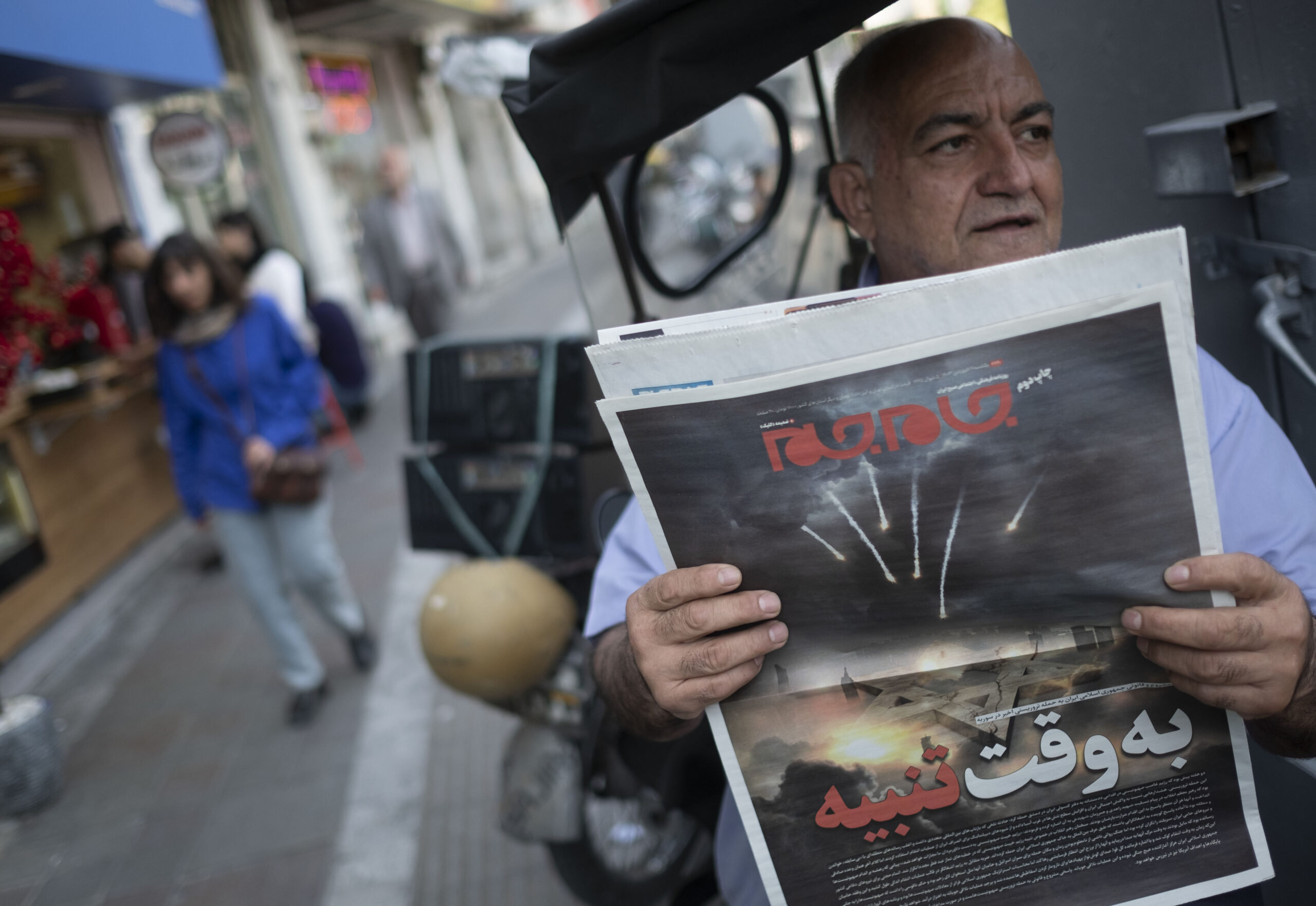
The month of April saw a series of unprecedented escalations in the long-simmering Iranian-Israeli conflict, with both countries launching missile and drone attacks against the other’s territory for the first time in history.
In the wake of these strikes, what will be the impact on the regional security and political environment going forward, what is needed to stabilize the new rules of the game, and how can US diplomacy help to facilitate that process? MEI has asked its experts to weigh in.
Women’s rights under the Taliban: The socio-economic consequences of political exclusion
One of the first things the Taliban did after capturing power in August 2021 was to abolish the Afghan Ministry of Women’s Affairs and re-establish the Ministry for the Propagation of Virtue and the Prevention of Vice. The environment within which Afghan girls and women had found avenues of employment, education, and empowerment over the previous two decades had been lost. Many families now had to deal with acute poverty, mental health issues, and even suicides.