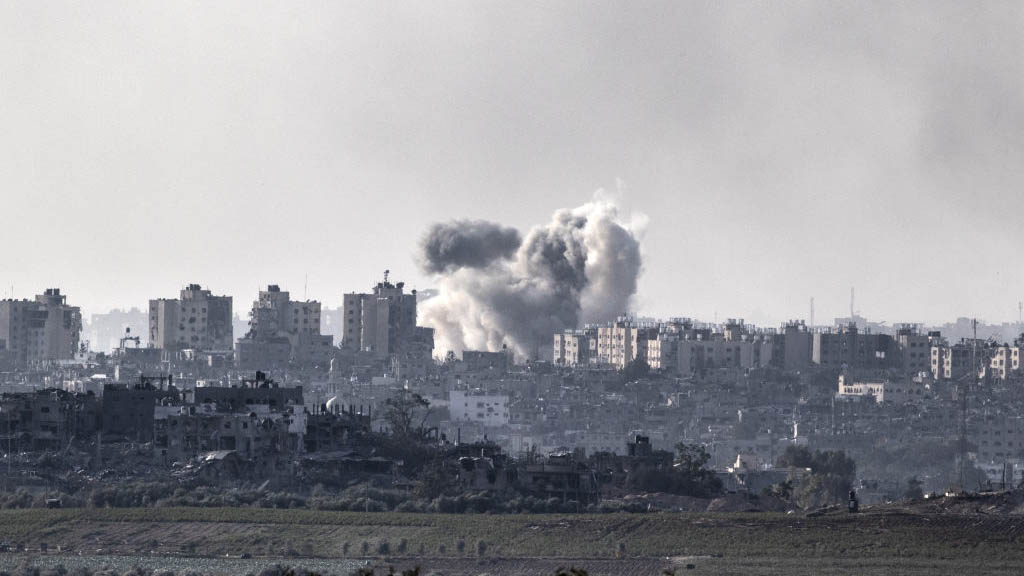
What it means when nine nations bomb in the Middle East in two weeks
Nine nations, including terrorist groups that are de facto governments, have attacked other countries in the region over the course of about two weeks. Numerous commentators have drawn the conclusion that a regional war is already underway or soon will be.
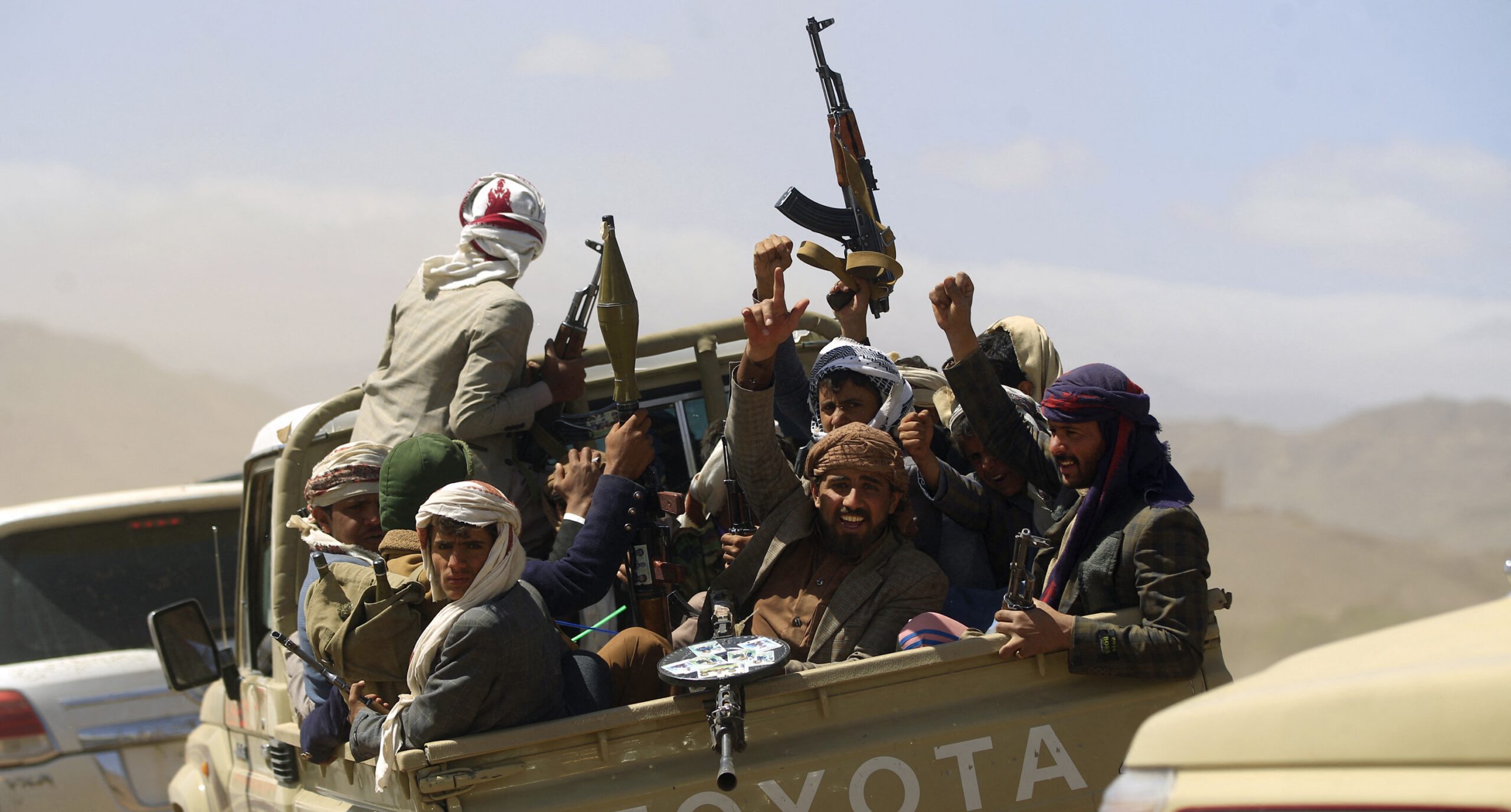
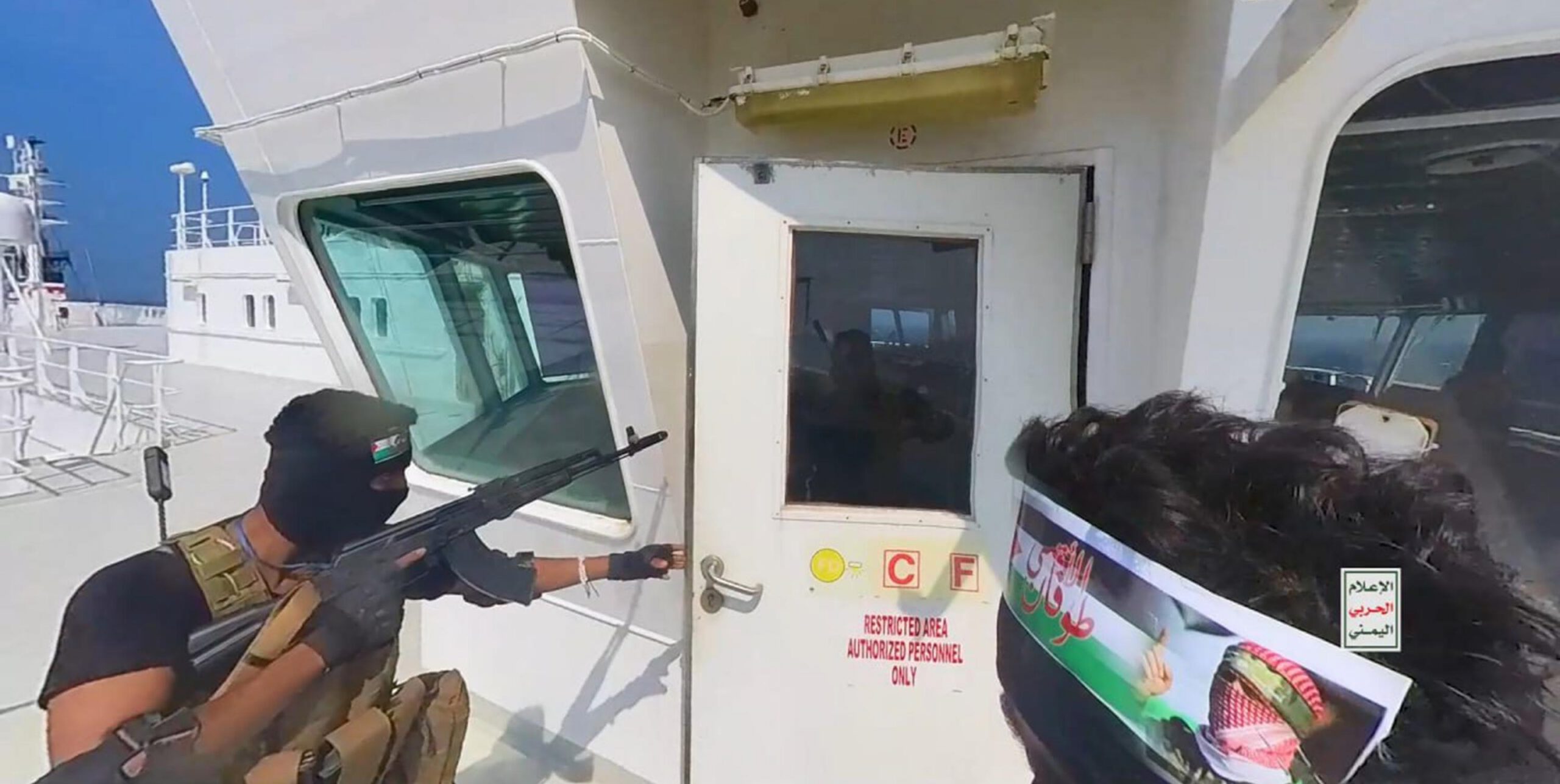
Ansar Allah, the Yemen-based militant group commonly referred to as the Houthis, is arguably the latest and largest addition to the Iran-led Axis of Resistance. Present tensions in the Red Sea illustrate both the utility of the Houthis for Tehran’s anti-American and anti-Israel regional agenda as well as the challenges their actions can create for the Iranians.
Houthis see domestic and regional benefit to continued Red Sea attacks
Since the outbreak of the Israel-Hamas conflict in October, Yemen’s Houthi rebels have sought means to capitalize on the war in Gaza to raise their profile, enhance their pan-Arab legitimacy, and burnish their credentials both domestically and in the region. In their effort to insert themselves into the Gaza conflict, the Houthis believe their actions will strengthen their support base at home while also cementing their movement more firmly into the Iranian “Axis of Resistance.”
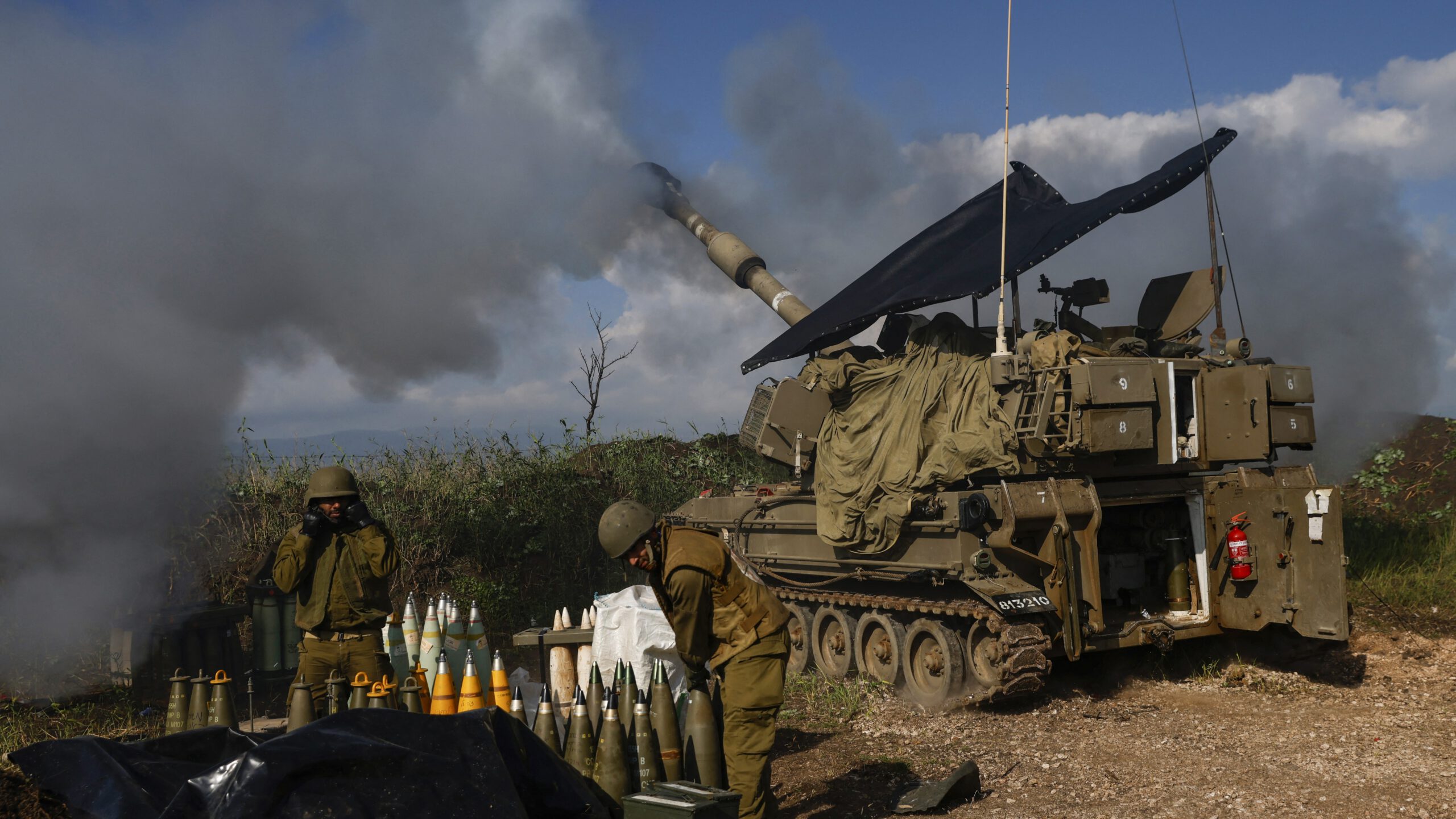
The current escalation between Israeli and Hezbollah forces necessitates immediate action from the international community to prevent a widening of the Gaza war, and the US is positioned in a leadership role to mollify tensions, beginning with diplomatic actions to stabilize the Lebanese-Israeli border, helping to pacify the broader region as a result.
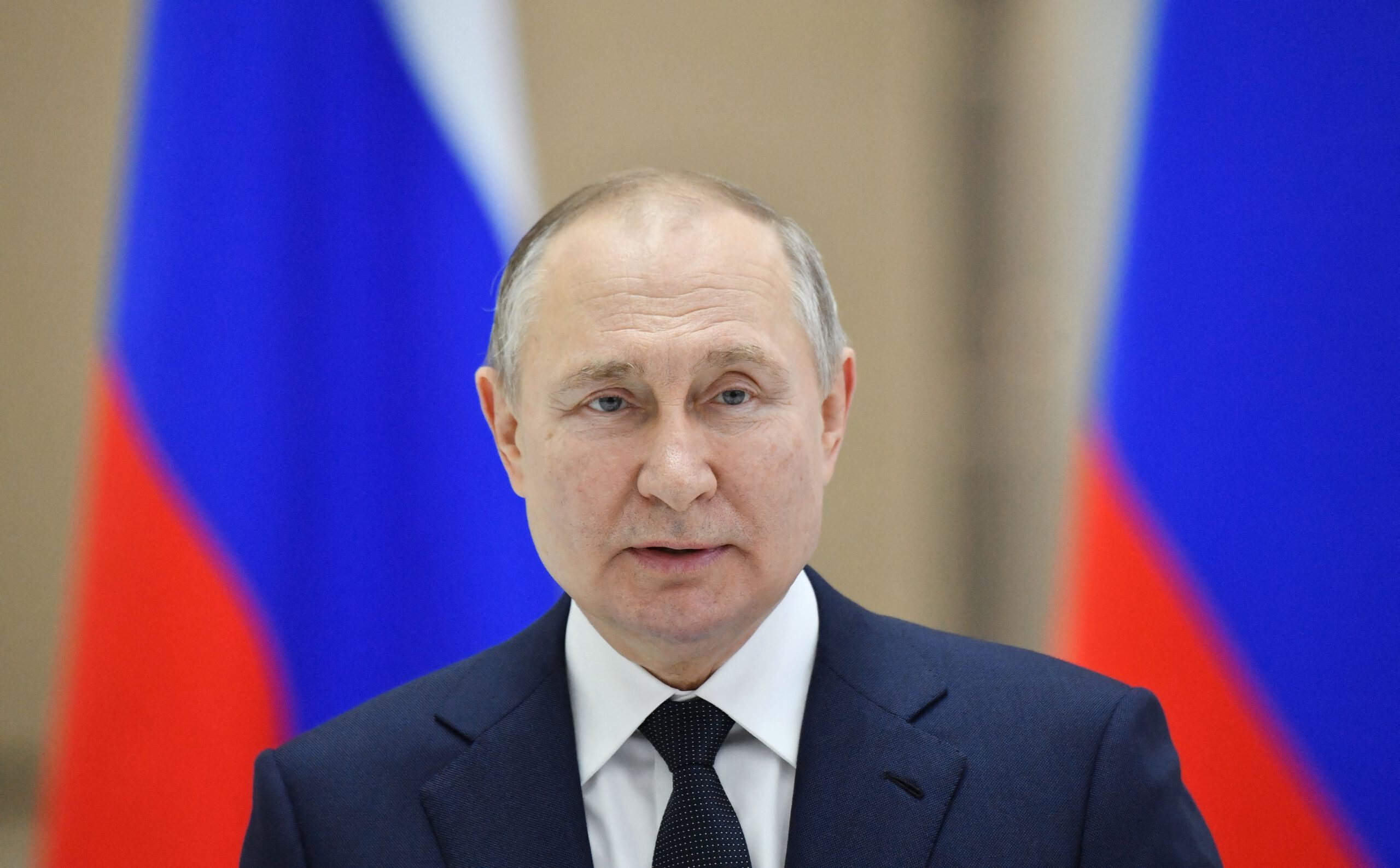
Opinion: Wake up, West! Putin can gain upper hand in Ukraine in ‘24 if we do nothing
The European Union just approved membership talks with Kyiv; that’s symbolically important.
But the EU’s postponement of critical military assistance is an alarm bell.
NATO Secretary General Jens Stoltenberg says to prepare for bad news this winter.
German Chancellor Olaf Scholz suggests support for Ukraine may be crumbling across Europe.
And there’s faltering confidence in America, as Europeans are beginning to ask whether the strategic interests of the United States end at its border with Mexico.
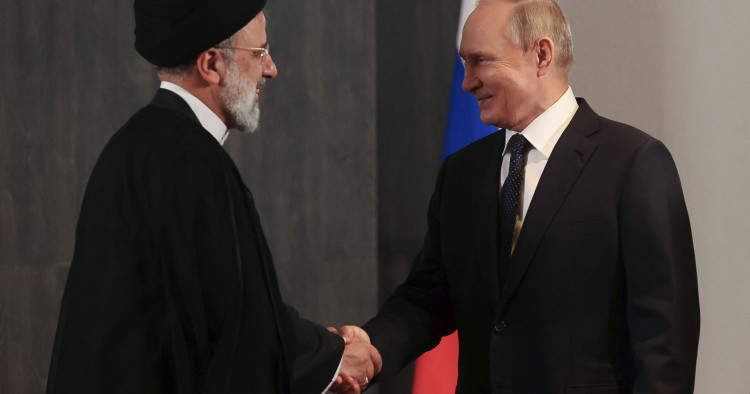
Iran sees lucrative markets across the Black Sea region. It also sees an opportunity to expand strategic cooperation with Russia. And there’s just a chance that America will turn inward in 2025.
It’s all dangerous. To get the picture, start by connecting the dots.
Essential questions about the Russia-Hamas link: The evidence and its implications
As the war in Gaza continues to unfold, essential questions about Russian and Iranian support for Hamas remain. They include whether Russia played any role in providing support to Hamas ahead of its Oct. 7 attack on Israel. Evidence available from foreign-language publications in Russian, Persian, Arabic, and Hebrew, as well as those in English, provides provocative leads, which, if accurate, have serious potential implications.
Israel’s Response to Iran in Syria: Choosing Between Escalation and Accommodation
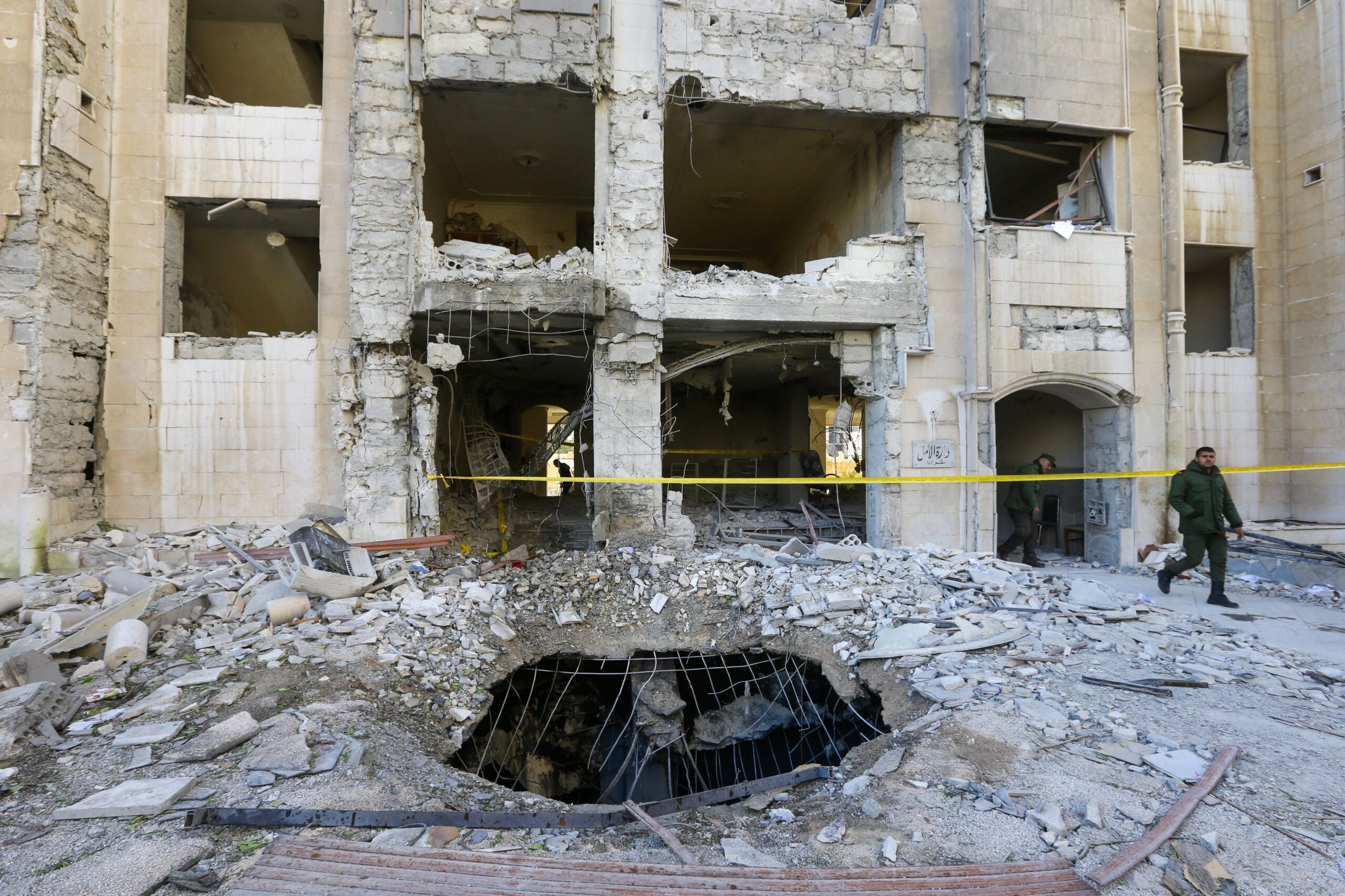
The following quantitative analysis explores the core of Israel’s strategic airstrikes in Syria between 2013 and August 2023, a critical aspect of its defense policy during this time, aimed at mitigating Iranian influence in the region and protecting its national borders.
Former U.S. general: The lessons of Iraq apply to Gaza
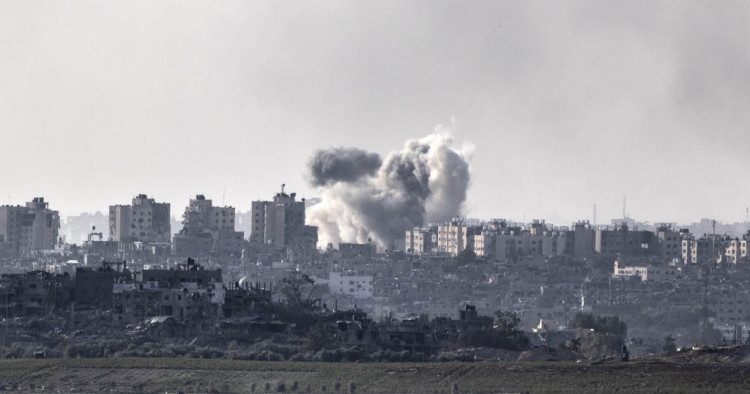
As we watch the war in Gaza develop, we must not lose sight of the stark challenges the Israeli military is facing. Modern urban combat is always bloody and grueling, and the devastation it wreaks is gut-wrenching to watch. But in Hamas, Israel is facing a particularly formidable foe.