Skip to Content

Research & Commentary Results

Filter by
300 Results
An al-Qaeda dream come true
Photo by Wali Sabawoon/NurPhoto via Getty Images
  • Commentary
  • An al-Qaeda dream come true

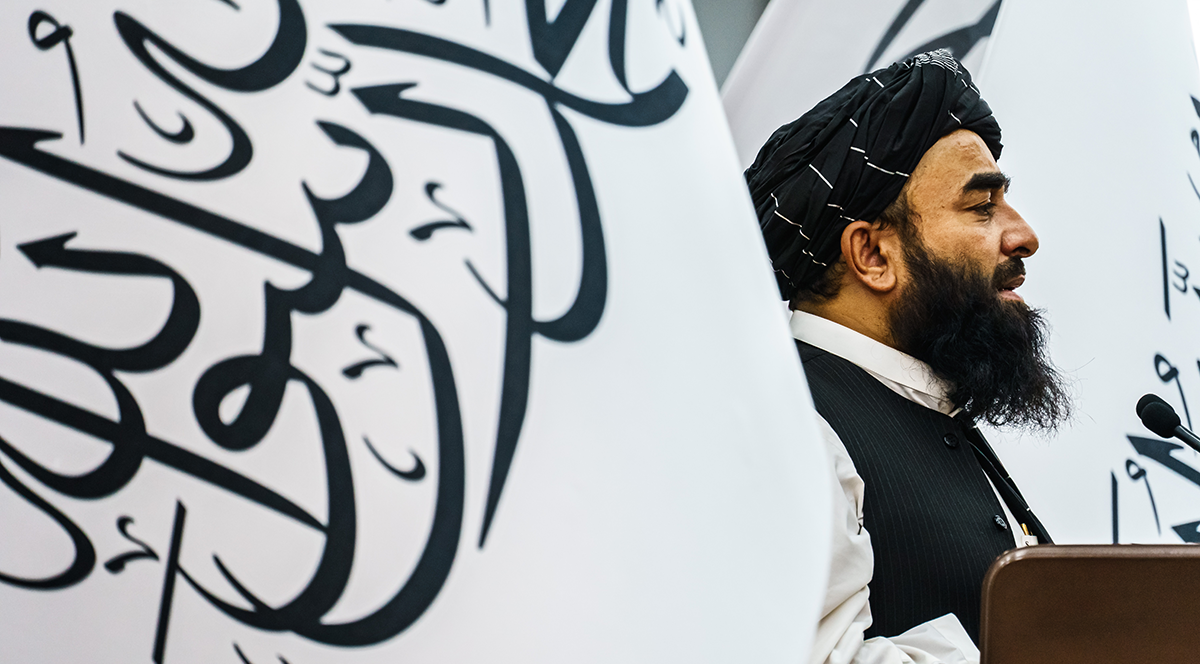
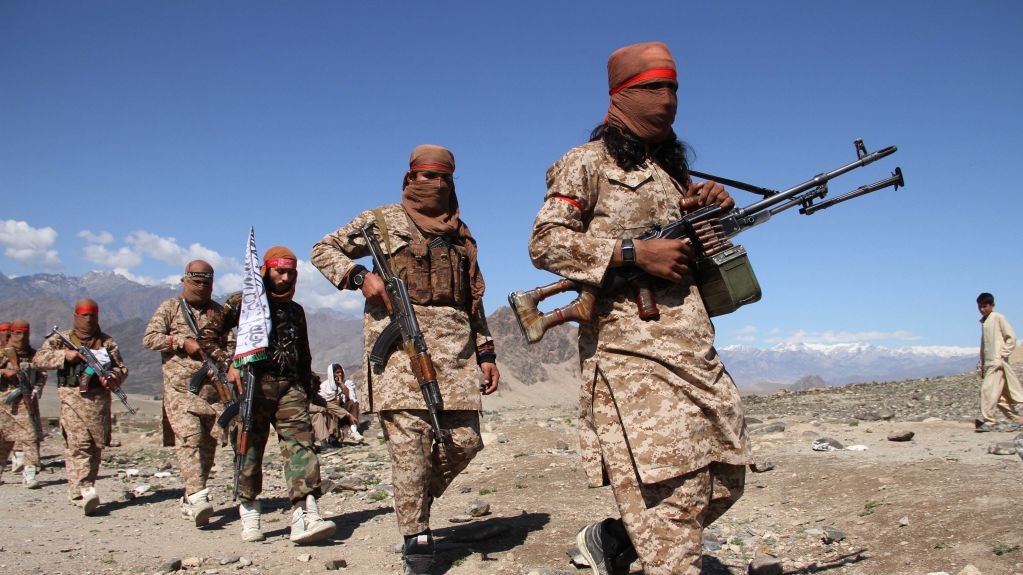
    As Kabul falls to the Taliban, it’s safe to say that this is without a doubt the most significant day for al-Qaeda since 9/11. After two decades of relentless counterterrorism pressure from the United States and allies, al-Qaeda’s central leadership was in dire straits just weeks ago.

    Expert Views: The crisis in Afghanistan
    Photo by Paula Bronstein/Getty Images
  • Analysis
  • Expert Views: The crisis in Afghanistan

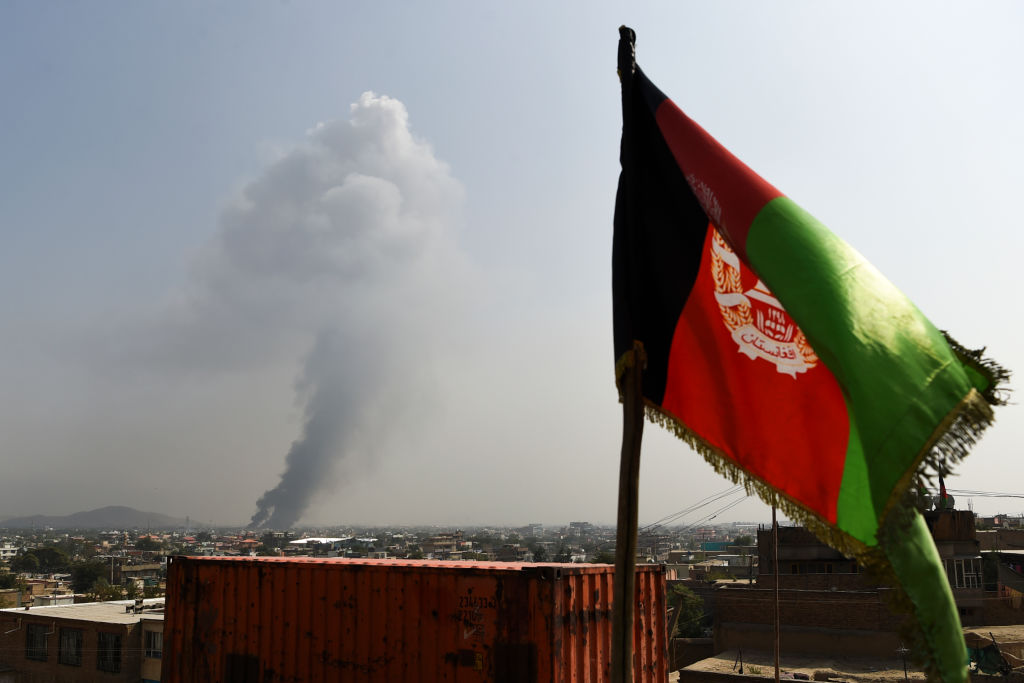
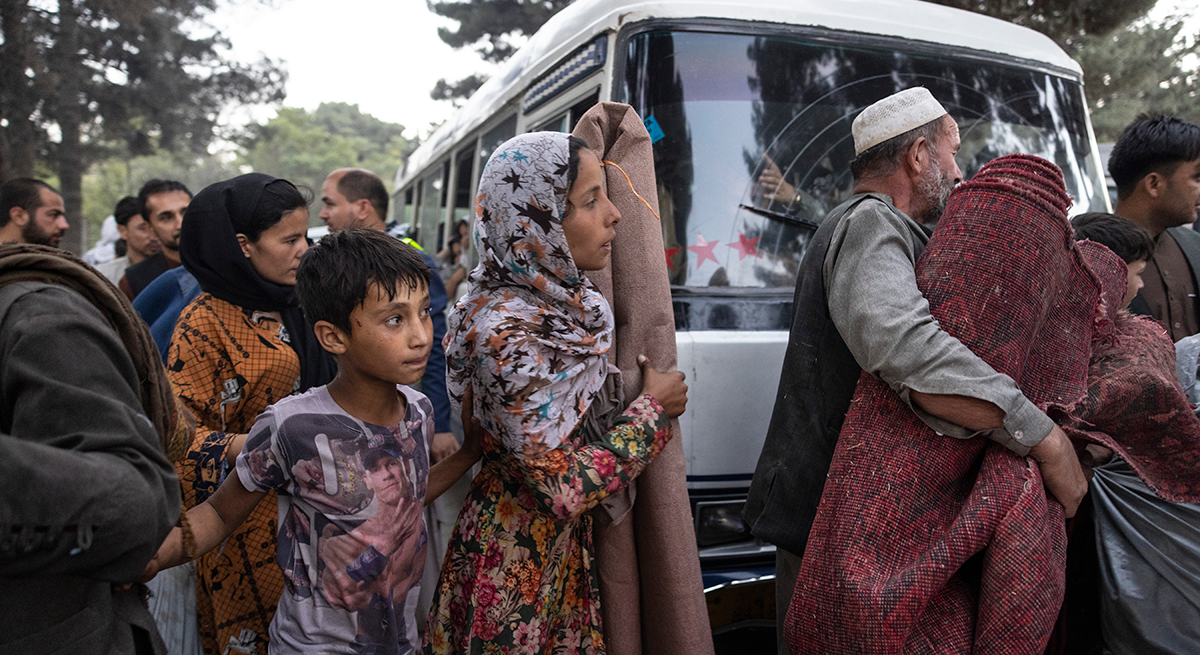
    Weeks before the official U.S. military withdrawal, Afghanistan is unraveling rapidly as the Taliban continue their swift military advance. They now control more than two-thirds of the country and half of the provincial capitals. With the government’s hold on Kabul in doubt, the Biden administration has dispatched troops to evacuate U.S. citizens from the country. We asked experts and scholars from across MEI to weigh in with their thoughts on the situation and what it means for the country, the wider region, and key international players.

    Now is the time for difficult conversations on Afghanistan
    Photo by Andrew Renneisen/Getty Images
  • Commentary
  • Now is the time for difficult conversations on Afghanistan

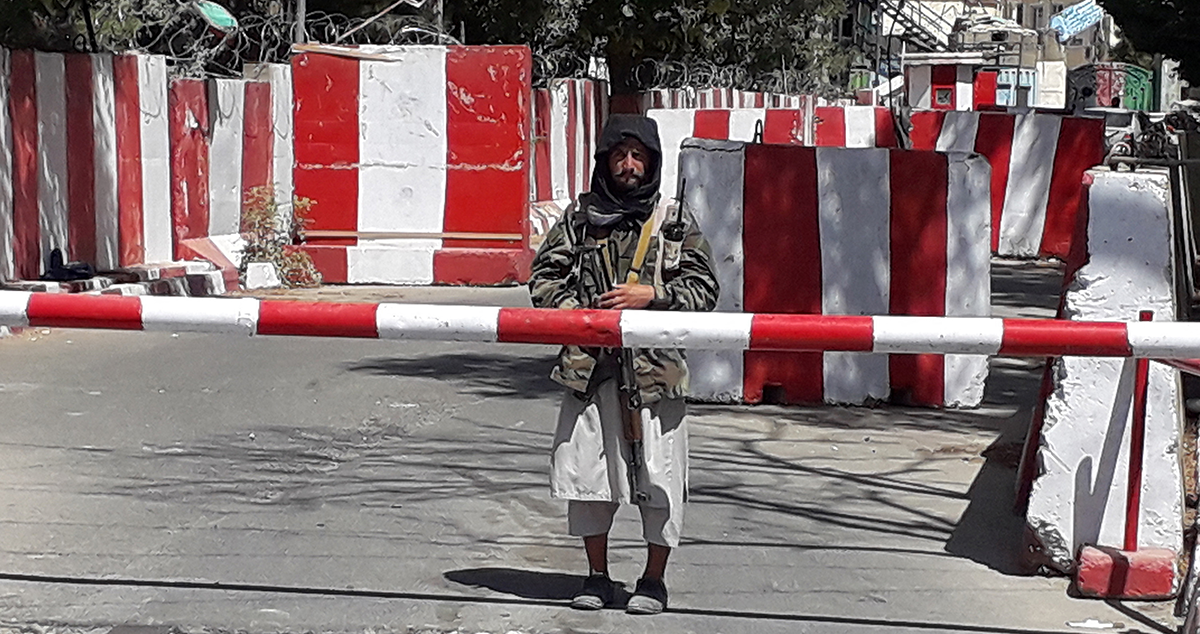
    The debate about whether Afghanistan was worth thousands of U.S. lives and a trillion U.S. taxpayer dollars should have occurred before those lives were lost and the money was spent. The decision to pull out our remaining 2,500 troops was made after all of that was done. That minimal number of troops preserved everything we fought for in the last two decades. We had significantly reduced the risk to our forces and the expense to the U.S. taxpayer. 

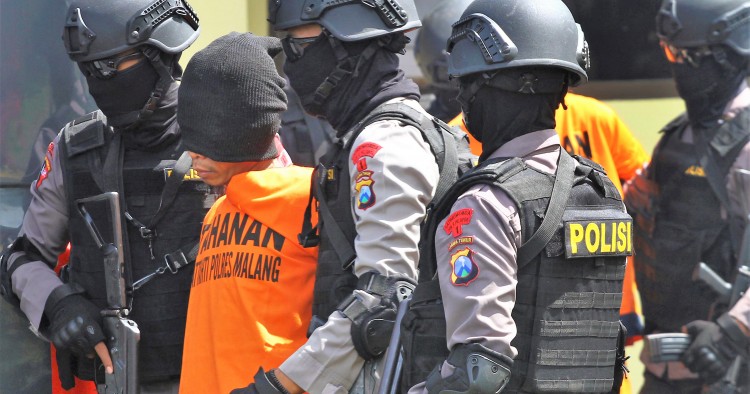
    The Pro-Al Qaeda Indonesian Connection with HTS in Syria: Security Implications
    Indonesian Terrorism Links
  • Analysis
  • The Pro-Al Qaeda Indonesian Connection with HTS in Syria: Security Implications

    Despite being largely low-key and limited in nature, ties between pro-Al Qaeda jihadists operating in Indonesia and Syria respectively continue to exist. Recent activity involving Jemaah Islamiyah (JI) and other militant Indonesian groups illustrates the potential security risks from this nexus, which should not be overlooked.

    August 10, 2021

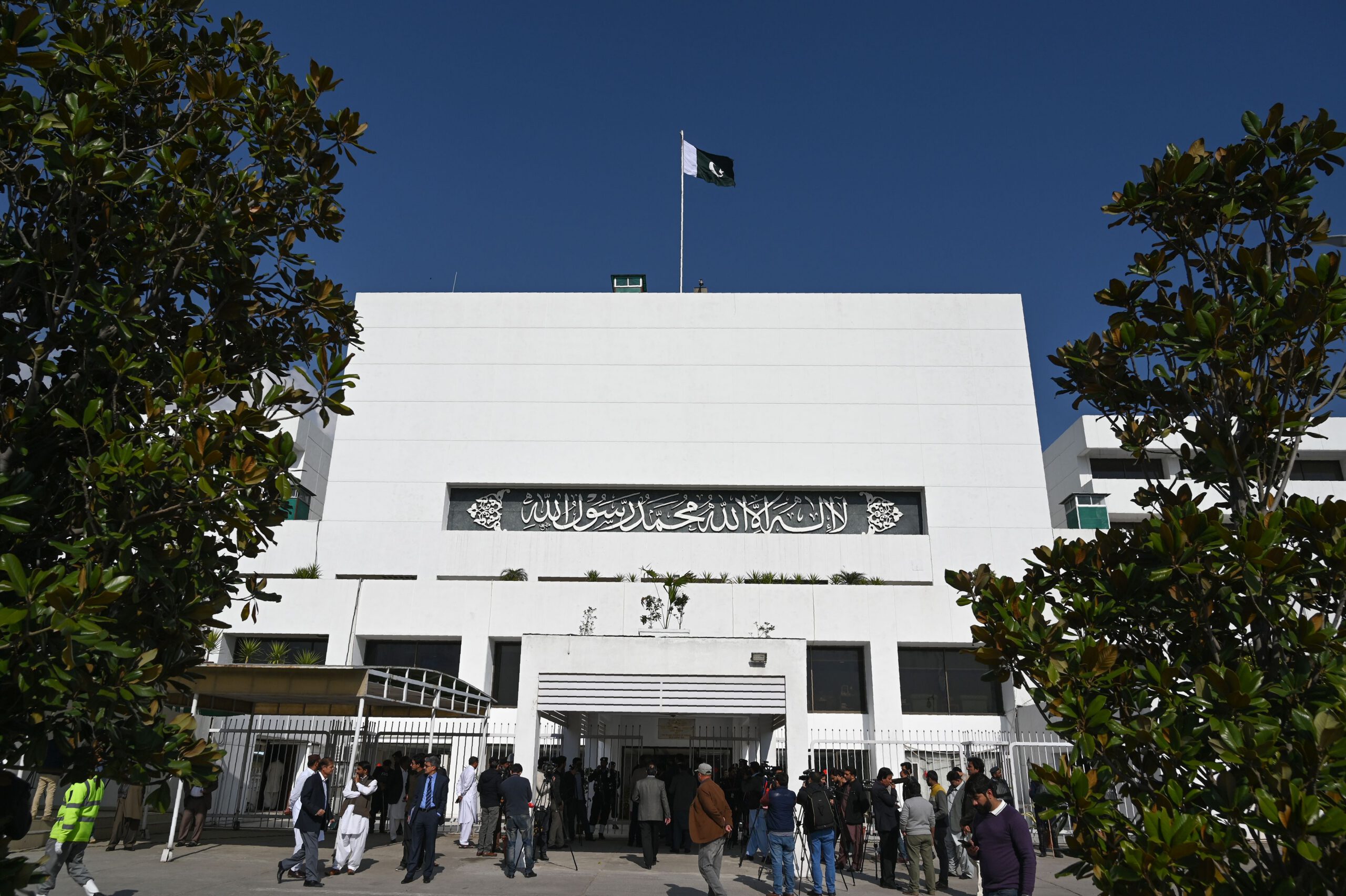
    The future of US cooperation with Pakistan
    Photo by AAMIR QURESHI/AFP via Getty Images
  • Analysis
  • The future of US cooperation with Pakistan

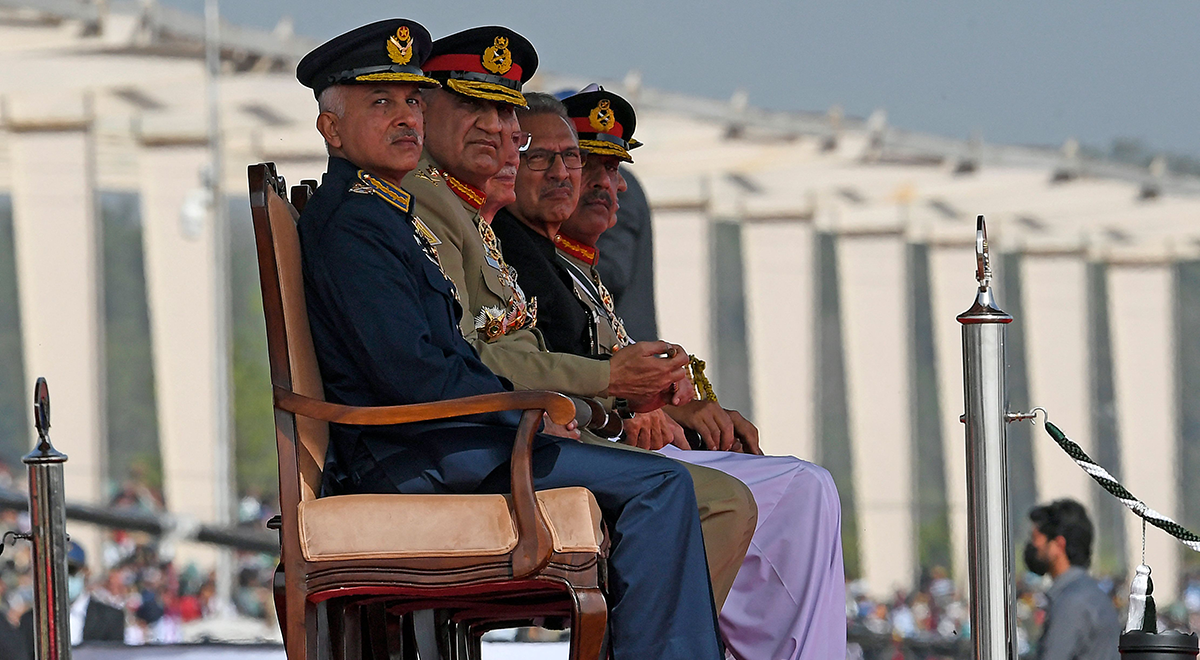
    The United States and Pakistan have had a complex and often disappointing “love-hate” relationship since 1947 — one severely tested during the 20-year U.S.-led intervention in Afghanistan. We believe the time has come for serious policy consideration of whether and how both nations can achieve a more strategically beneficial and sustainable post-intervention relationship between the American and Pakistani governments and their populations

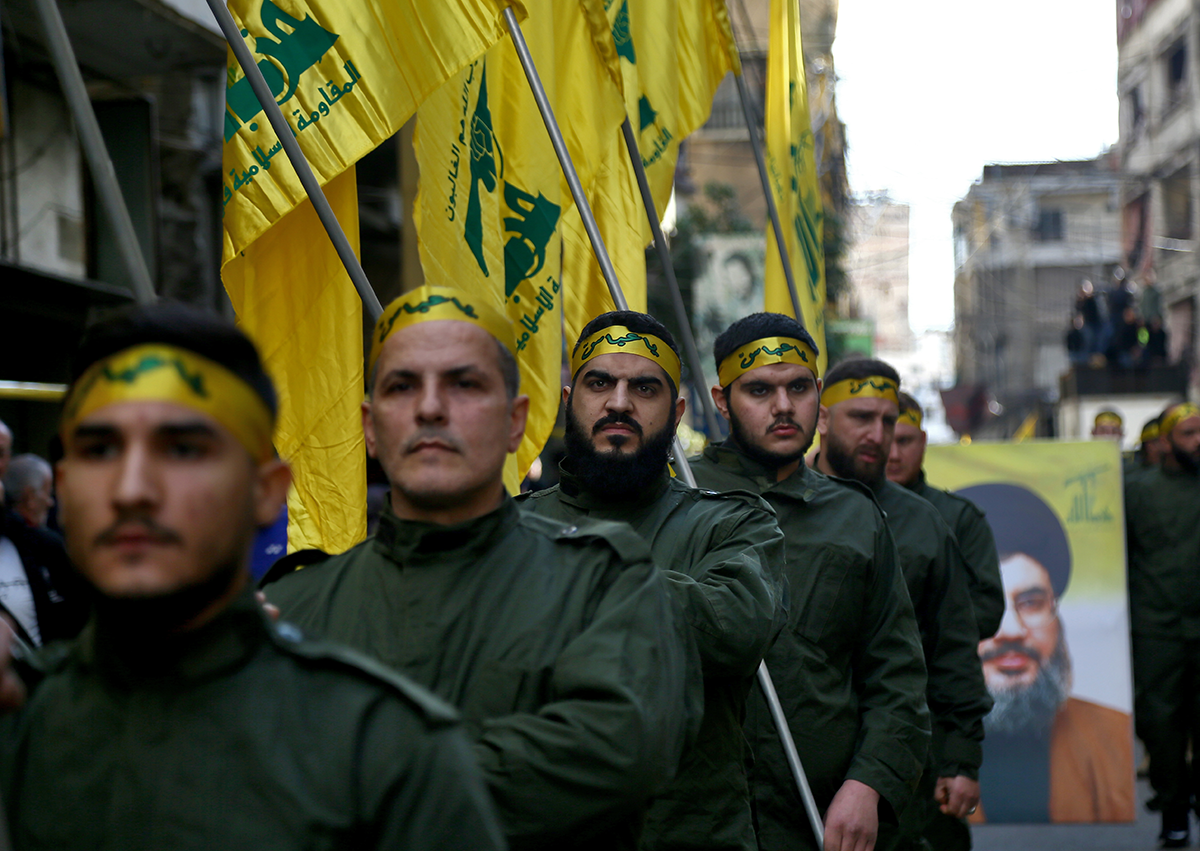
    Hezbollah’s Regional Activities in Support of Iran’s Proxy Networks
    Photo by Marwan Naamani/picture alliance via Getty Images.
  • Analysis
  • Hezbollah’s Regional Activities in Support of Iran’s Proxy Networks

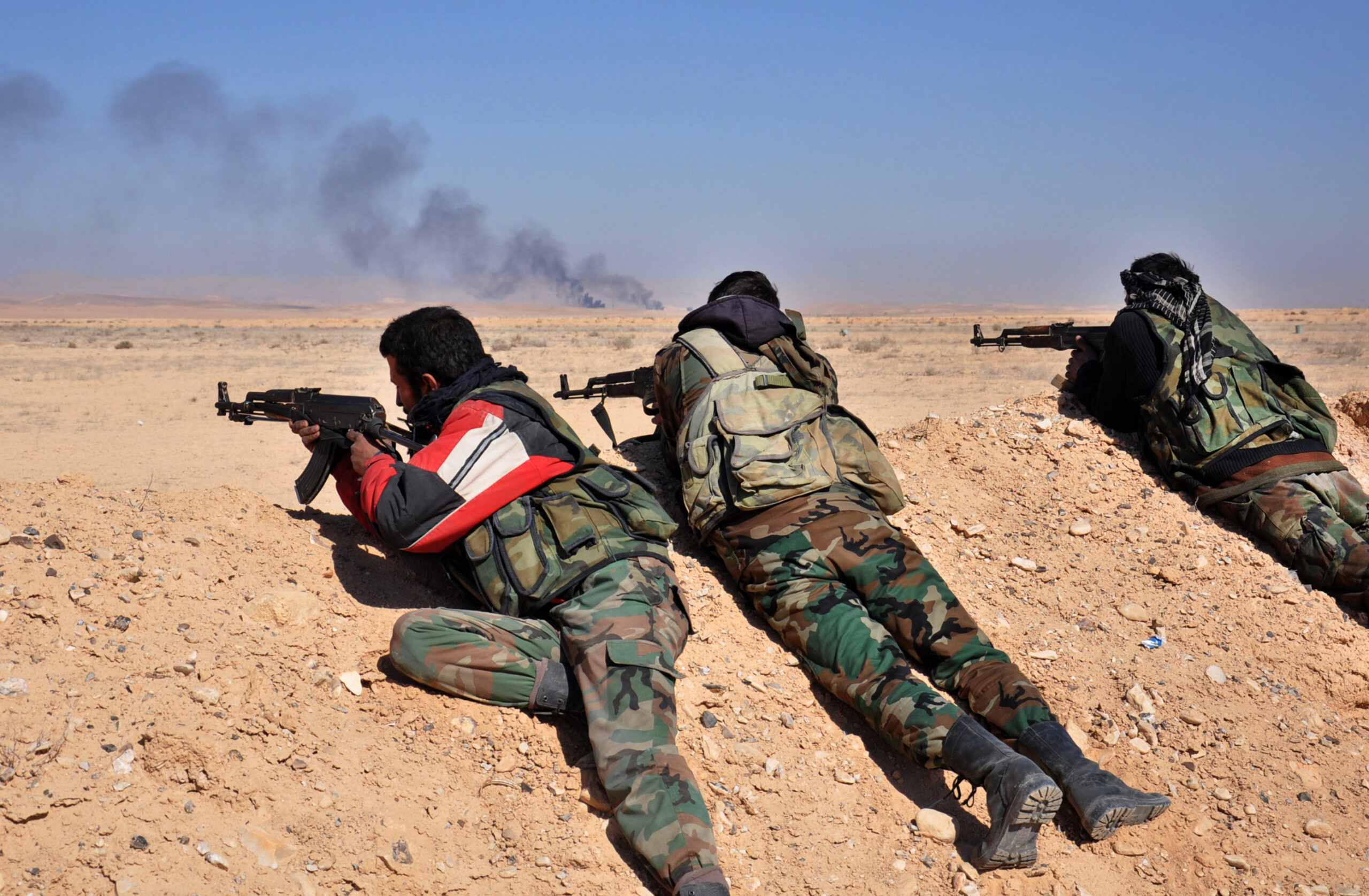
    As a Lebanese actor ideologically tied to Iran, Hezbollah has multiple allegiances and objectives that do not always align symmetrically. Hezbollah’s regional activities are a reflection of the group’s increasingly close alignment with Iran, rather than the interests of the Lebanese state or citizenry. Today, Hezbollah’s regional adventurism is most pronounced in its expeditionary forces deployed in Syria and elsewhere in the region, but no less important are the group’s advanced training regimen for other Shi’a militias aligned with Iran, its expansive illicit financing activities across the region, and its procurement, intelligence, cyber, and disinformation activities. Together, these underscore the scale and scope of the group’s all-in approach to transforming from one of several Lebanese militias into a regional player acting at Iran’s behest.

    July 26, 2021

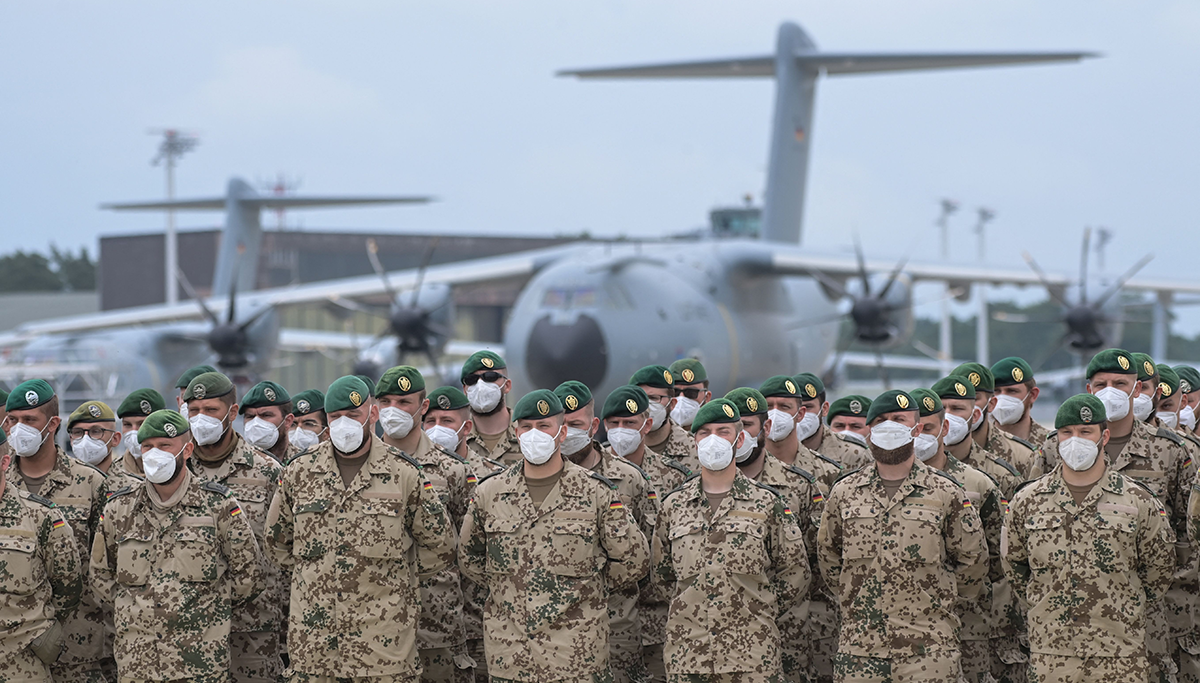
    After Afghanistan: Western militaries and the rise of new strategic threats
    Photo by HAUKE-CHRISTIAN DITTRICH/POOL/AFP via Getty Images
  • Analysis
  • After Afghanistan: Western militaries and the rise of new strategic threats

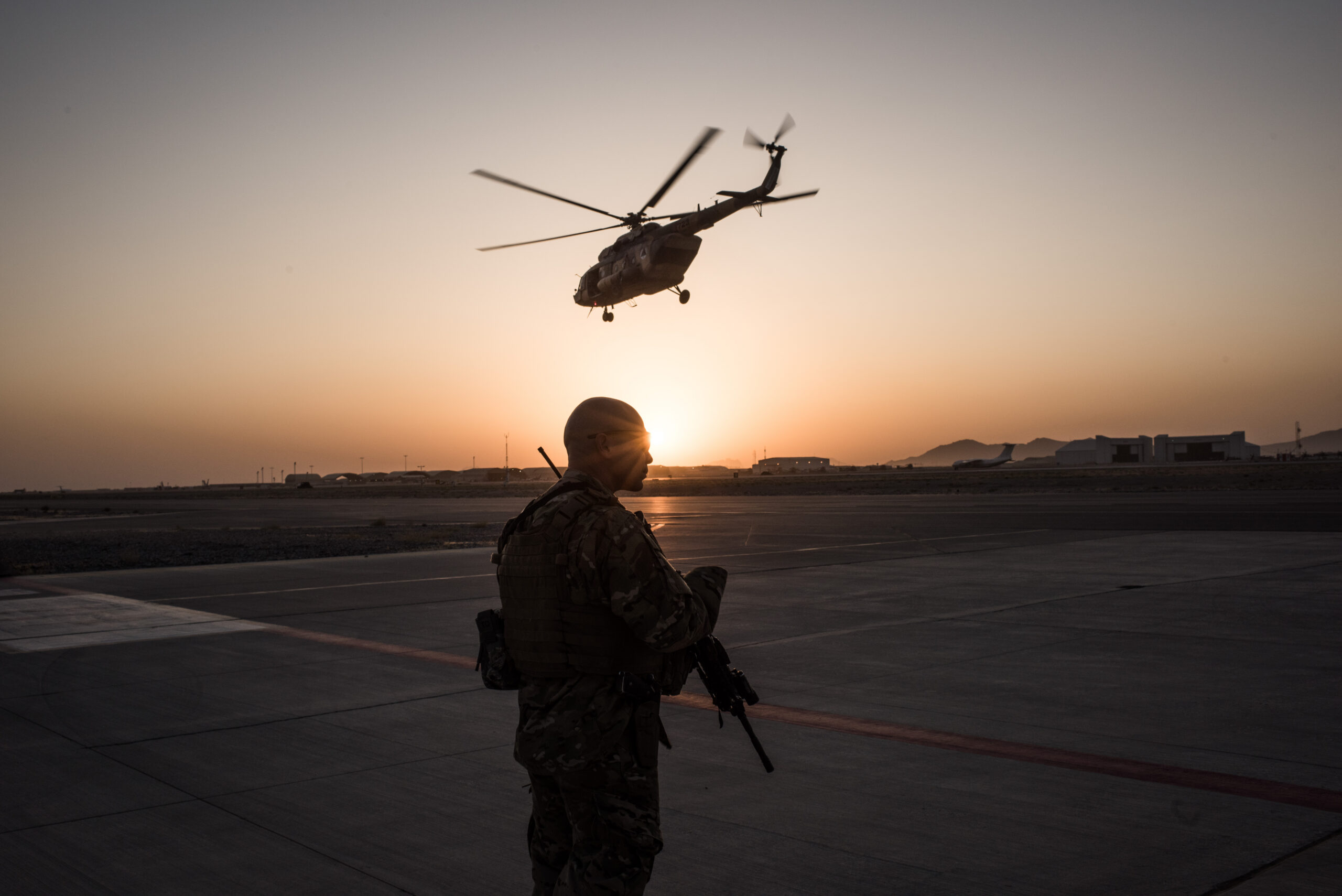
    The withdrawal from Afghanistan marks the end of a historic chapter. It involves more than just the conclusion of a drawn-out international military engagement in Afghanistan. Rather, it signals the end of a decades-long phase in which Western militaries placed the broader Middle East and the fight against international terrorism at the center of their strategic attention. With competition between the great powers on the rise, Western militaries have realized their current vulnerabilities vis-à-vis near-peer competitors and the need to shift gears.

    July 26, 2021

    The Houthis and the limits of diplomacy in Yemen
    Photo by Stringer/Getty Images
  • Analysis
  • The Houthis and the limits of diplomacy in Yemen

    President Joe Biden’s commitment to “stepping up” diplomacy to end the war in Yemen generated hope among peace practitioners and policy shapers. In February, the president appointed Tim Lenderking, a seasoned diplomat with solid experience in the region, as the U.S. special envoy to Yemen.

    كيف ساهمت سياسات الإدارة الذاتية في عودة نشاط "داعش"؟
  • Analysis
  • كيف ساهمت سياسات الإدارة الذاتية في عودة نشاط "داعش"؟

    الرغم من مرور أكثر من عامين على تحرير مخيم الباغوز في محافظة ديرالزور، والذي كان آخر معاقل تنظيم “داعش” في سورية، ومحاولات التحالف الدولي وحليفته الإدارة الذاتية ارساء الاستقرار في مناطق شرق الفرات ومنع عودة التنظيم إلى واجهة الأحداث، إلا أن التنظيم لازال يمارس نشاطه وعملياته الأمنية في المنطقة، والتي تشهد تزايداً ملحوظاً مع مرور الزمن خاصة في العامين الأخيرين.

    Expert Views: The Biden administration and the Middle East: Reflecting on the first 100 days
    Photo by Chip Somodevilla/Getty Images
  • Analysis
  • Expert Views: The Biden administration and the Middle East: Reflecting on the first 100 days

    At the end of Joe Biden’s first 100 days as president of the United States, where do things stand when it comes to U.S. policy toward the Middle East and North Africa? We asked experts and scholars from across MEI to weigh in with their thoughts on the changes we’ve seen so far, the new challenges that have emerged, and what we know about the administration’s key priorities for the region. 

    Terrorism Laws in Malaysia: The Continuing Case for SOSMA and POTA
    Middle East Institute
  • Analysis
  • Terrorism Laws in Malaysia: The Continuing Case for SOSMA and POTA

    Calls for the abolishment of terrorism laws have resurfaced in Malaysia recently. The Malaysian Bar and human rights advocates have referred to current terrorism laws as “unjust,” “regressive,” violations of basic human rights and laws that need to be abolished immediately. Yet, despite the physical loss of the Islamic State (IS) caliphate, the terrorism threat still looms in the region owing to IS’ ideology. This article discusses Malaysia’s two terrorism-related laws — correcting misconceptions about them, arguing for their retention, and suggesting ways that valid concerns about them might be addressed.

    April 20, 2021

    Iran’s game plan for Iraq’s militias
    Photo credit should read AHMAD AL-RUBAYE/AFP via Getty Images
  • Analysis
  • Iran’s game plan for Iraq’s militias

    Historically, Iran has used Iraqi militias to implement both its short-term plans and long-term strategies. At this stage Iran seems to have included its Iraqi proxies in plans to lift U.S. sanctions. Going forward, the Islamic Republic may use escalation against the United States in Iraq to exercise leverage in its dealings with Washington on the JCPOA.

    April 19, 2021

    Counter-terrorism under the Biden administration
    Middle East Institute
  • Podcast
  • Counter-terrorism under the Biden administration

    Matthew Levitt and Douglas London join host Alistair Taylor to discuss the new and evolving threats of terrorism at home and abroad and what the US needs to do to adapt and innovate to address them.

    March 30, 2021