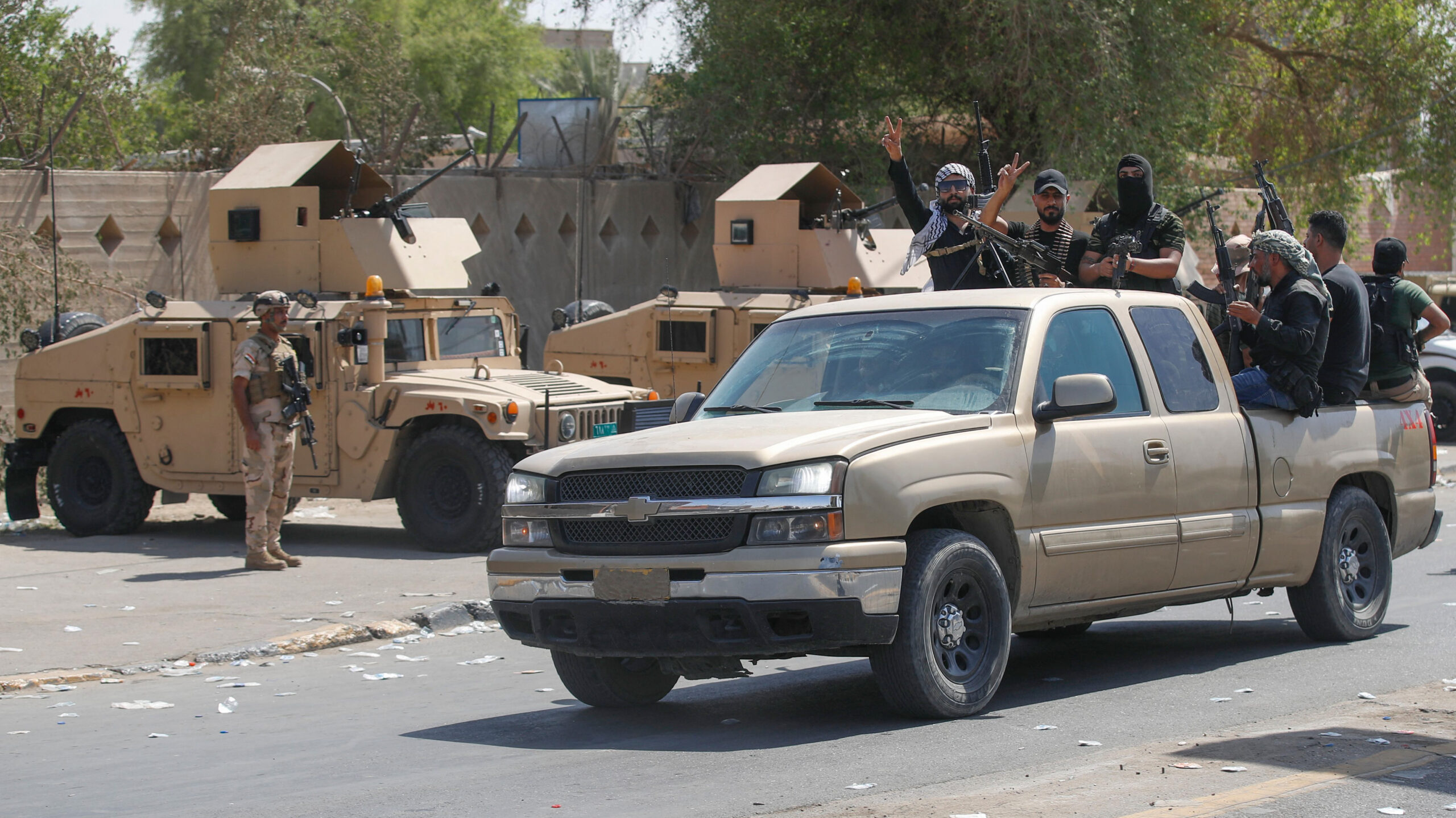
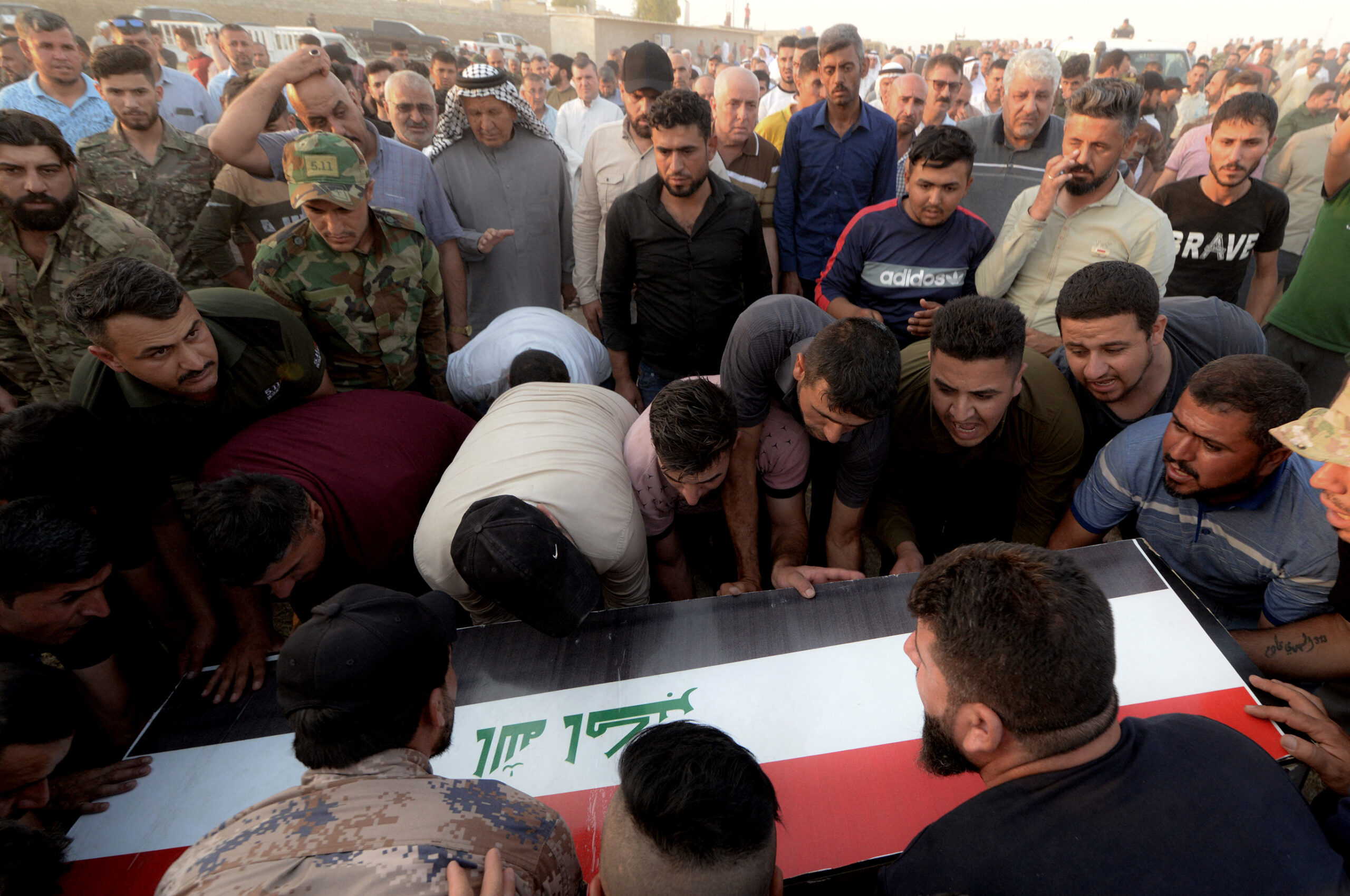
Followers of Iraqi Shi’a cleric and political leader Muqtada al-Sadr and those of the Iran-aligned Coordination Framework clashed in downtown Baghdad on Aug. 29. Iraqis spent that evening wondering whether the country was descending into an intra-Shi’a civil war.
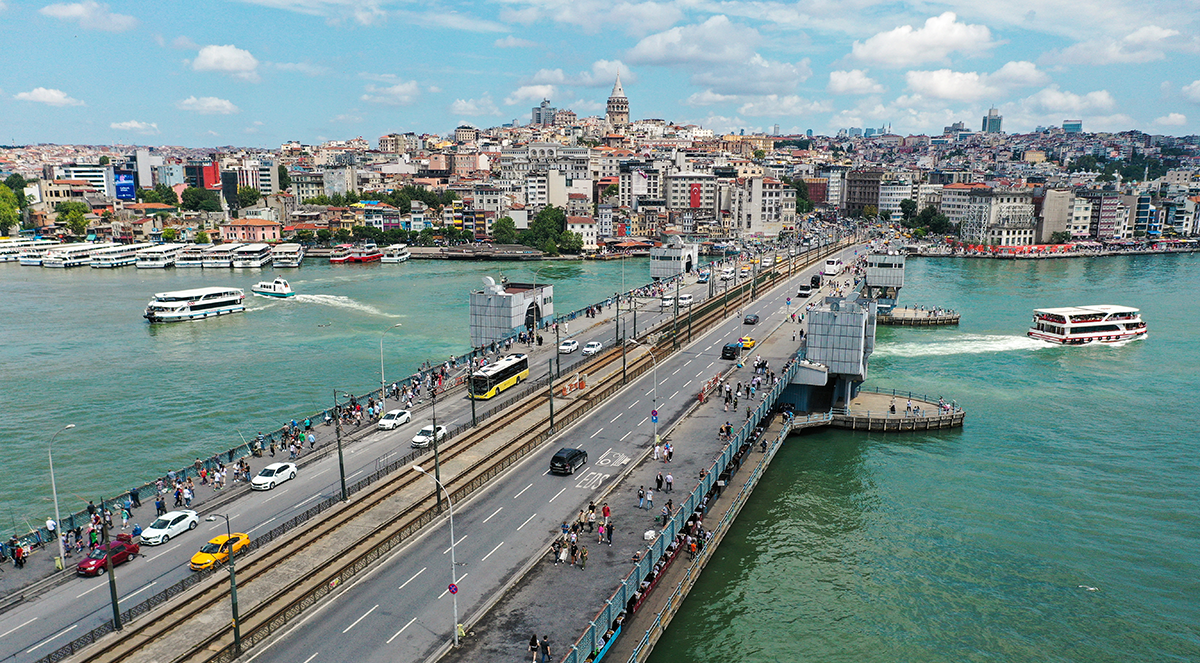
During two days of meetings in May 2022, members of the Middle East Dialogue, convened by MEI, met in Istanbul, Turkey to discuss pressing issues relating to: i) the effects of the war in Ukraine on the MENA region; ii) current and future projections regarding Gulf relations with Iran, amid the stalemate over a revival of the 2015 JCPOA; iii) the future pathways and security framework for the MENA region; and iv) the Baghdad Declaration of Good Neighborhood Principles for the Middle East. This meeting brought together policymakers, academics, and experts from across the MENA region. This report provides an analytical understanding of the issues discussed and recommendations shared during the meeting.
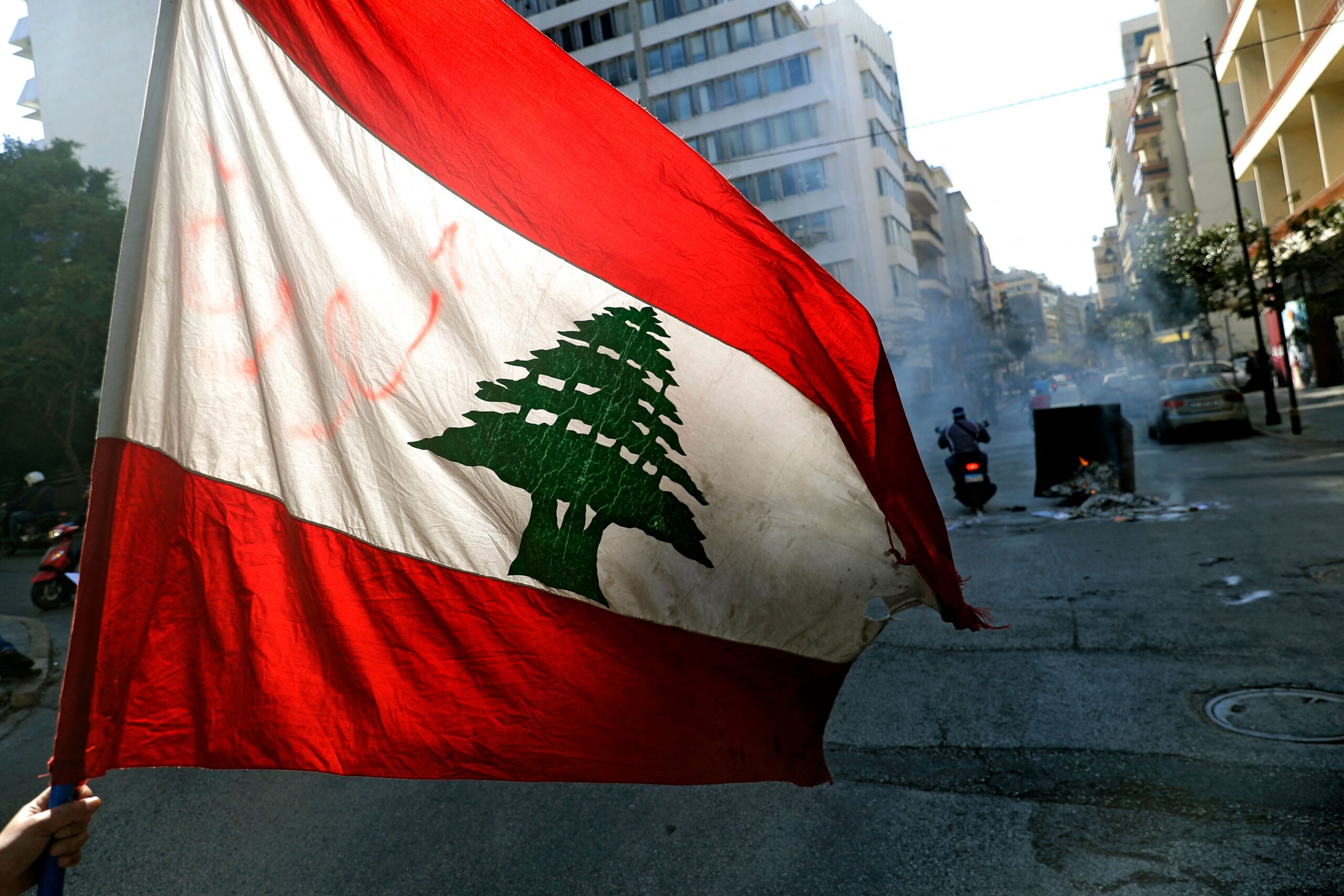
Randa Slim and Amb. Edward Gabriel discuss the daunting trifecta of economic, financial, and political crises Lebanon currently faces and what they anticipate for the country’s future.
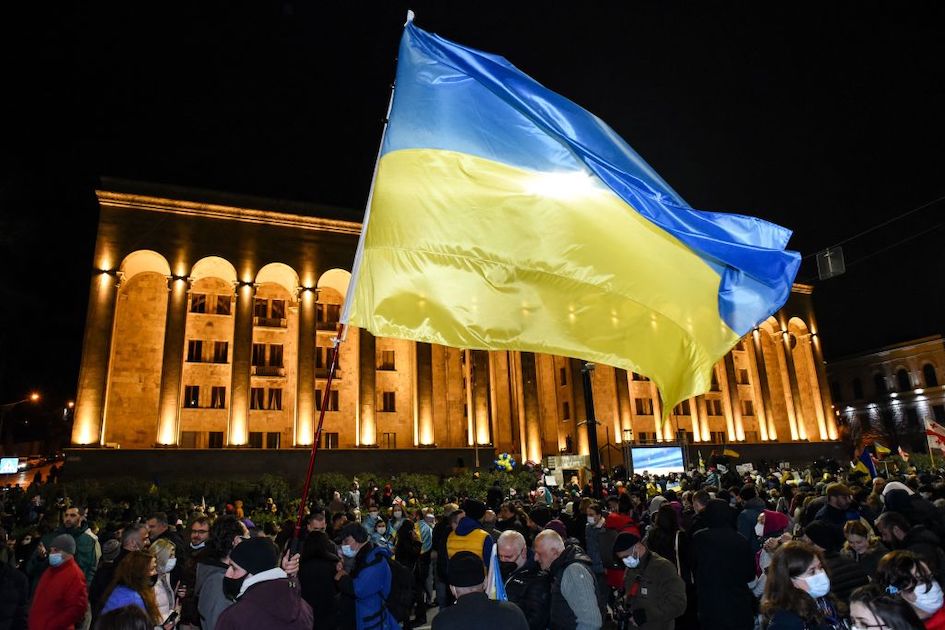
تنقسم الحكومات العربية إلى ثلاثة معسكرات حول موقفها من الغزو الروسي لأوكرانيا: المعسكر الأول الموالي لروسيا، وكما هو متوقع فإنه يضم سوريا، التي سارعت إلى الاعتراف باستقلال المنطقتين الانفصاليتين المنشقتين في شرق أوكرانيا وأبدت استعدادها للانضمام إلى القتال الروسي؛ والمعسكر الثاني المناهض للغزو والذي يضم لبنان والكويت؛ أما الفريق الثالث فيضم الدول المترددة ويشمل القوى الإقليمية مثل السعودية والإمارات ومصر.
يعكس بيان جامعة الدول العربية في 28 فبراير/شباط موقف المترددين: فهو لا يذكر روسيا، ويشير إلى الغزو على أنه “أزمة”، ويدعو إلى حل دبلوماسي.
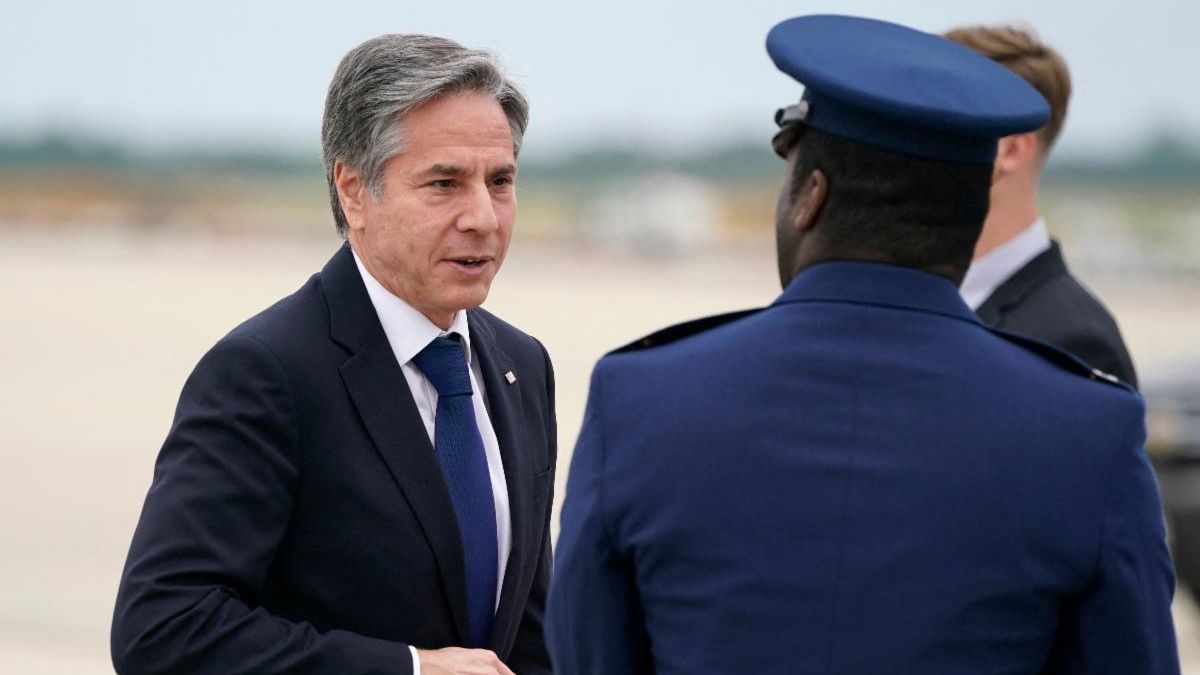
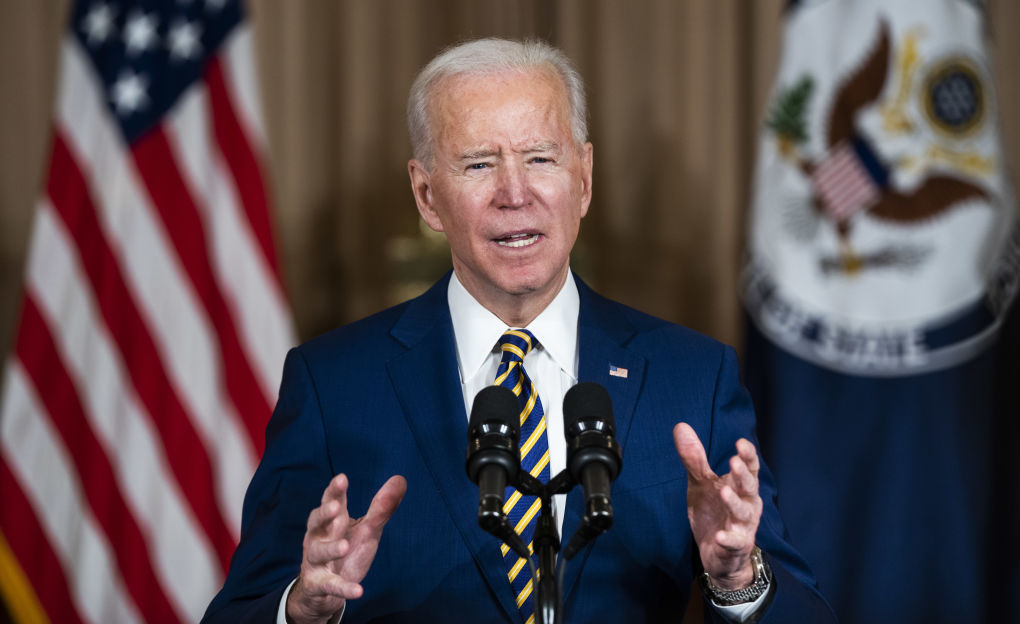
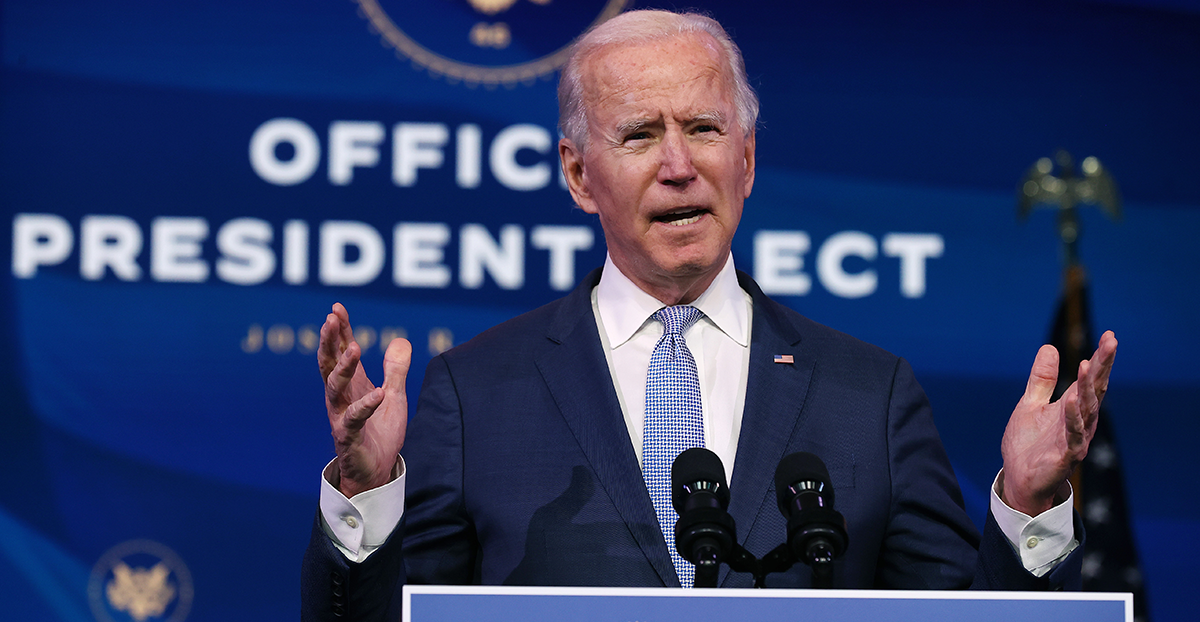
Brian Katulis and Randa Slim join the program to discuss the Biden administration’s Middle East policy one year in, and look ahead to the challenges it will face in the region in the year ahead.
What were the most significant developments in the Middle East and regional policy in 2021? MEI’s Paul Salem, Randa Slim, Bilal Saab, and Karen Young join the program to discuss the key events and what trends to watch in 2022.
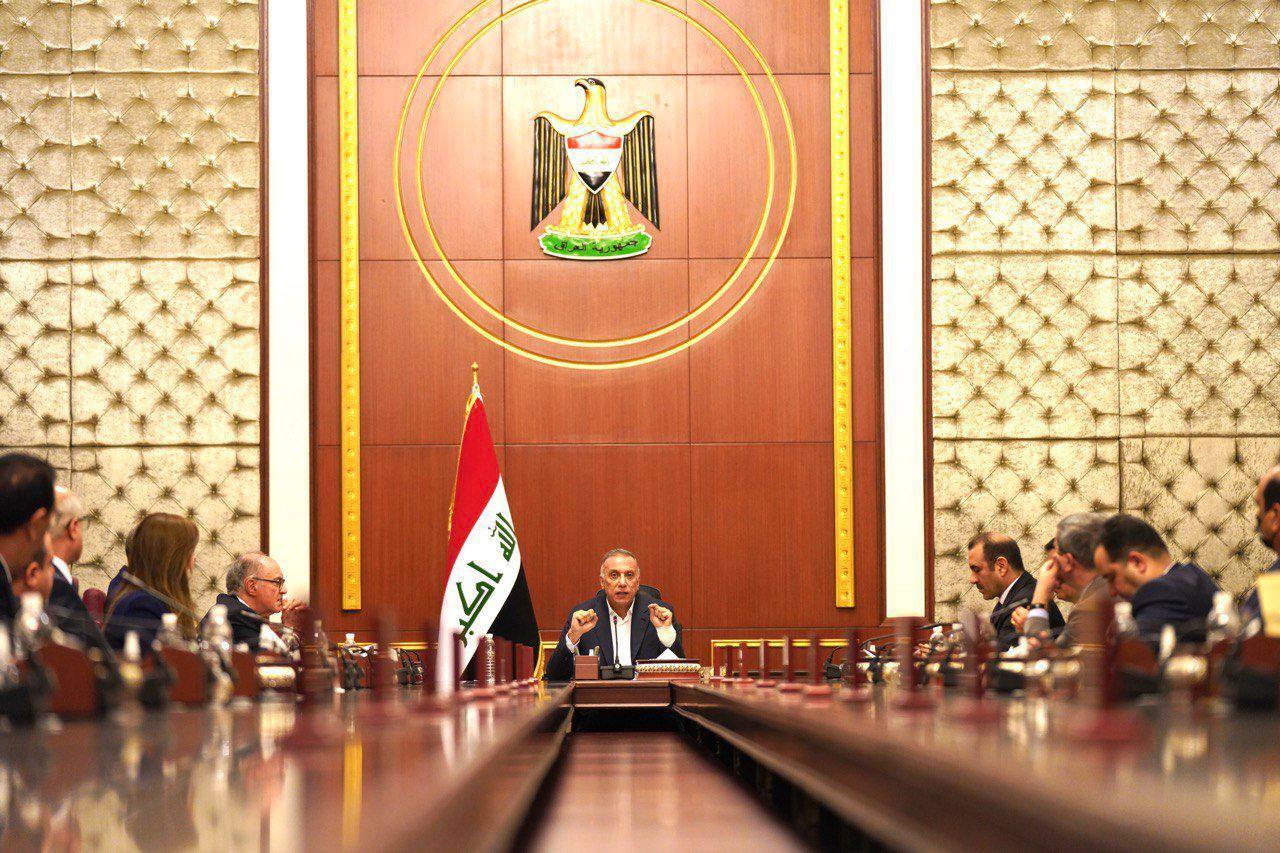
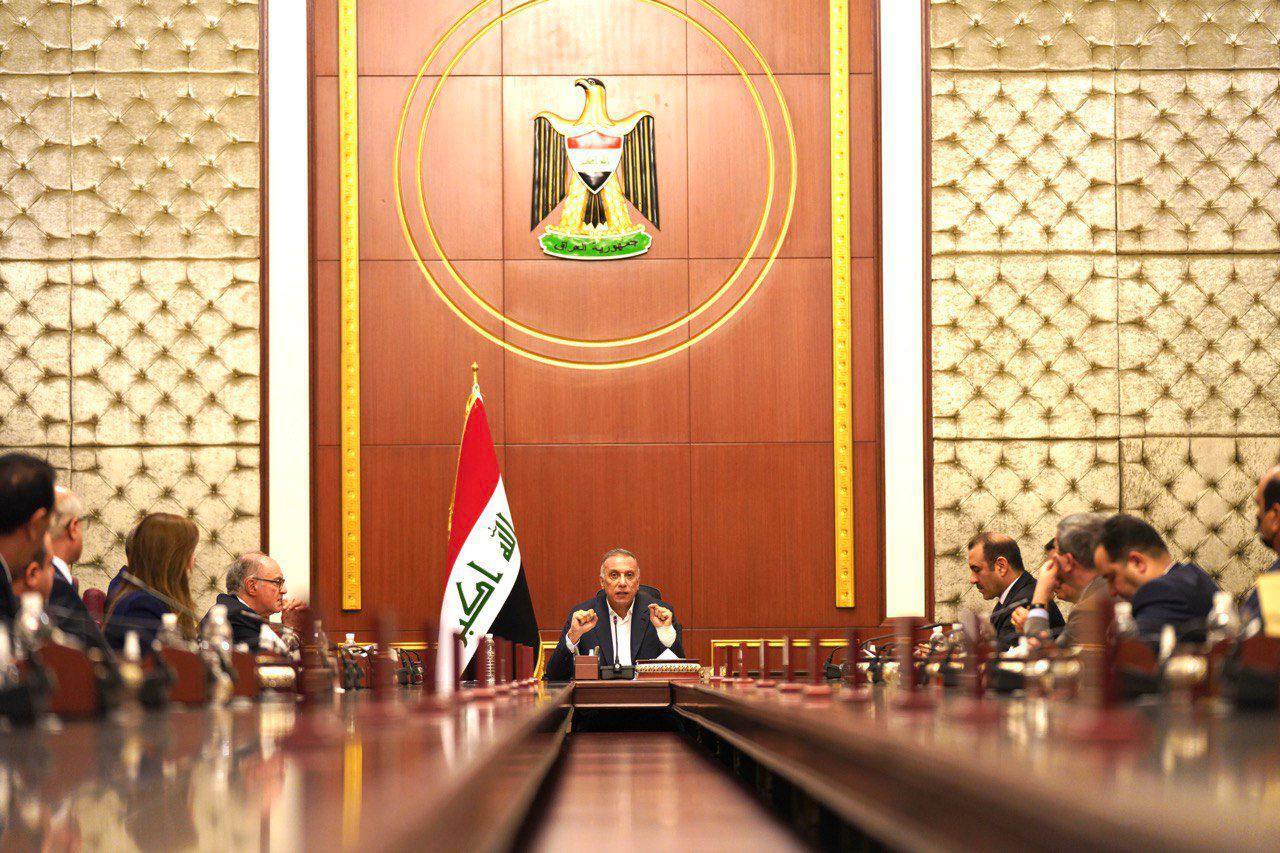
محاولة اغتيال رئيس الوزراء العراقي تتجاوز خطًا أحمر رئيسيًا
في بلد أخذ نصيبه العادل من العنف، نرى أن ما وقع في السابع من نوفمبر/تشرين الثاني، من محاولة لاغتيال لرئيس الوزراء مصطفى الكاظمي، والتي يعتقد المسؤولون الأمنيون العراقيون الآن أنها من صنع الميليشيات العراقية المدعومة من إيران، قد تجاوزت خطًا أحمر رئيسيًا. جاء هذا الهجوم بعد يومين من توجيه قادة مليشيات عصائب أهل الحق وكتائب حزب الله وقنواتهم الإعلامية المختلفة تهديدات ضد رئيس الوزراء ومسؤولين أمنيين آخرين.
Testimony | “Lebanon: Assessing Political Paralysis, Economic Crisis, and Challenges for U.S. Policy”
The following testimony was presented to the House Foreign Affairs Subcommittee on the Middle East, North Africa, and Global Counterterrorism on July 29, 2021.
Chairman Deutsch, Ranking Member Wilson, distinguished Members of the Subcommittee, thank you for this opportunity to offer my thoughts on the unfolding economic and political crises in Lebanon, and their implications for U.S. policy.
The Biden Administration and the Middle East: Policy Recommendations for a Sustainable Way Forward
In a new policy briefing book, entitled The Biden Administration and the Middle East: Policy Recommendations for a Sustainable Way Forward, MEI scholars tackle a large number of country-specific and region-wide issue areas, laying out both the abiding U.S. interests and specific recommendations for Biden administration policies that can further U.S. interests amid a region in turmoil.
The Biden administration and the Middle East: Four-year policy goals
The Biden administration will face a number of major challenges in the Middle East over the next four years, from great power competition and climate change to cybersecurity and refugees and migration. But what realistically can it achieve in that time on the policy front? To better understand what’s possible, we asked 10 experts from across MEI to weigh in with their thoughts.