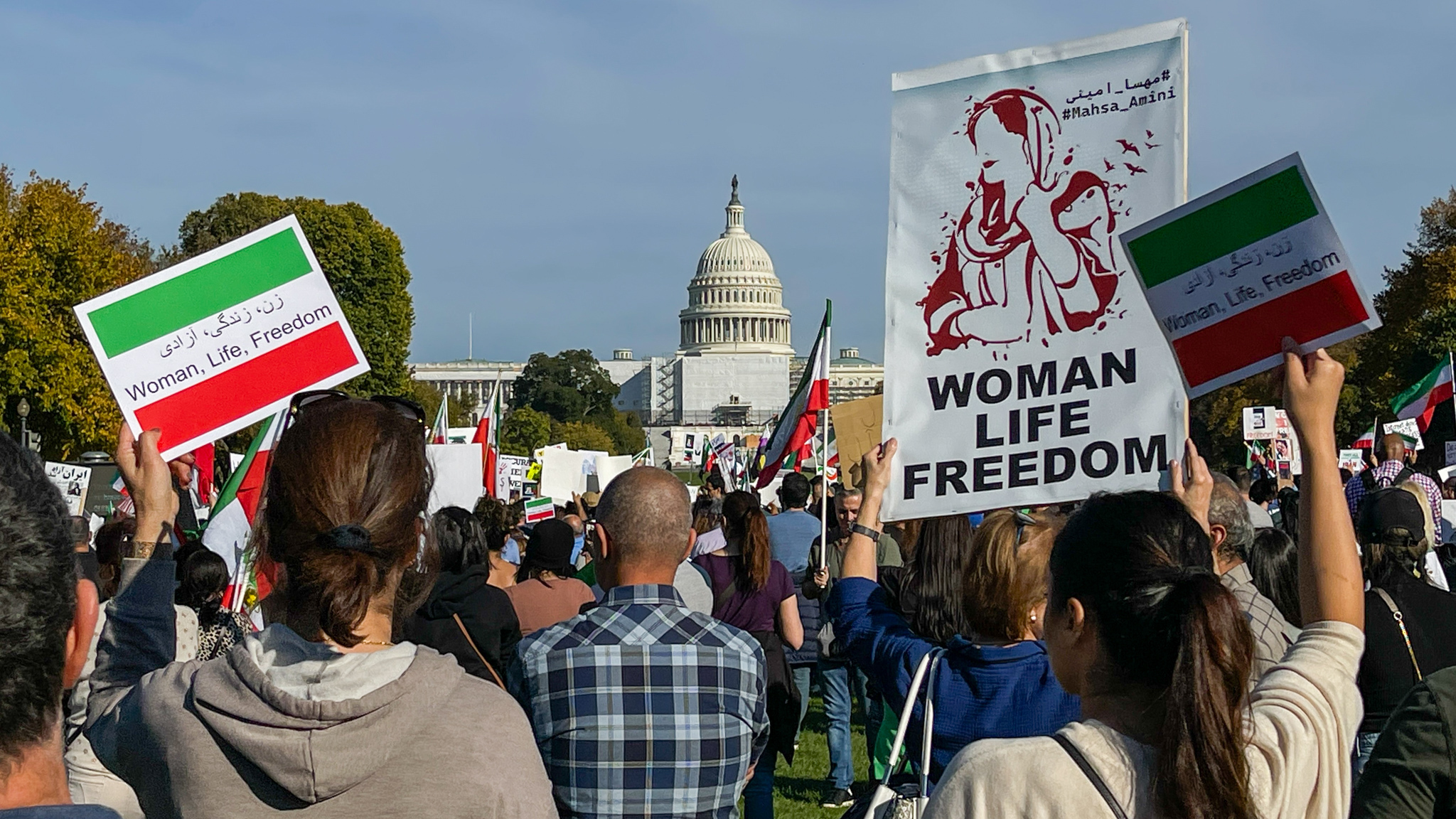
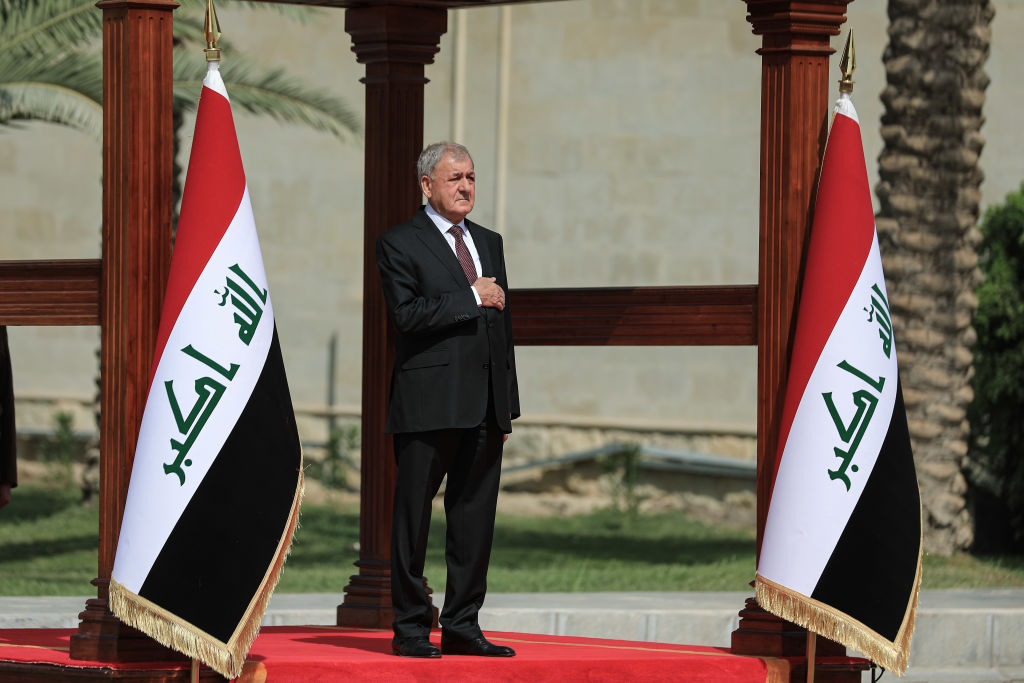
The Islamic Republic’s authorities have learned that they don’t need to take Washington’s reactions to internal oppressions very seriously. Presumably, in their view, as long as the Biden administration maintains even the slightest hope for a new nuclear deal with Tehran, it will not take any tough actions vis-à-vis Iran’s domestic policies.
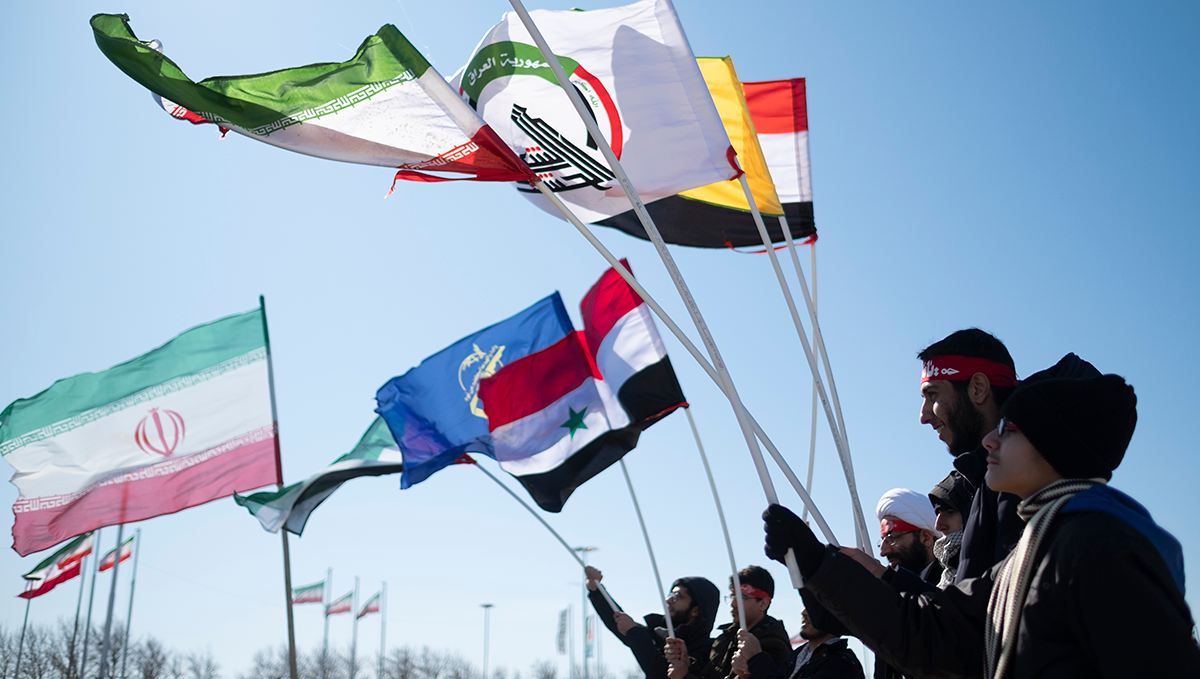
Iran’s playbook in the Arab world: Ideology or domestic politics?
Over a span of more than four decades, Iran’s foreign policy toward the United States, Israel, and the Arab world has demonstrated remarkable continuity. The ideological underpinnings of the first decade were substituted with regime security and national security exigencies in the later decades.
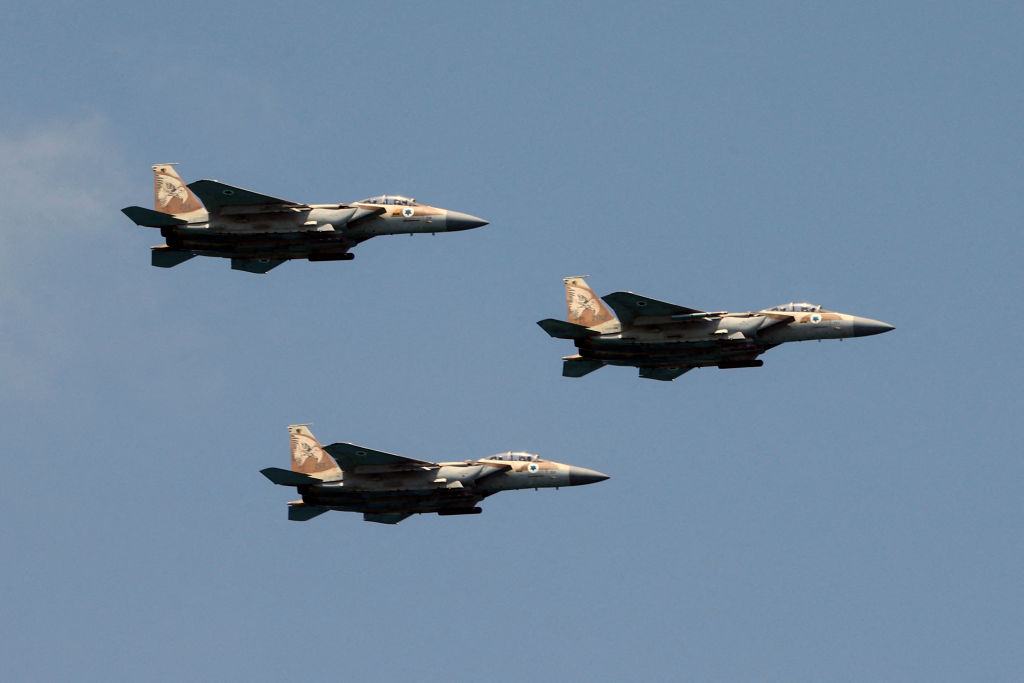
A top priority of the regional order envisioned by the Abraham Accords should be building confidence by sharing cybersecurity tools through the Negev Forum.
Egyptian “national dialogue” will kick off amid difficult domestic situation
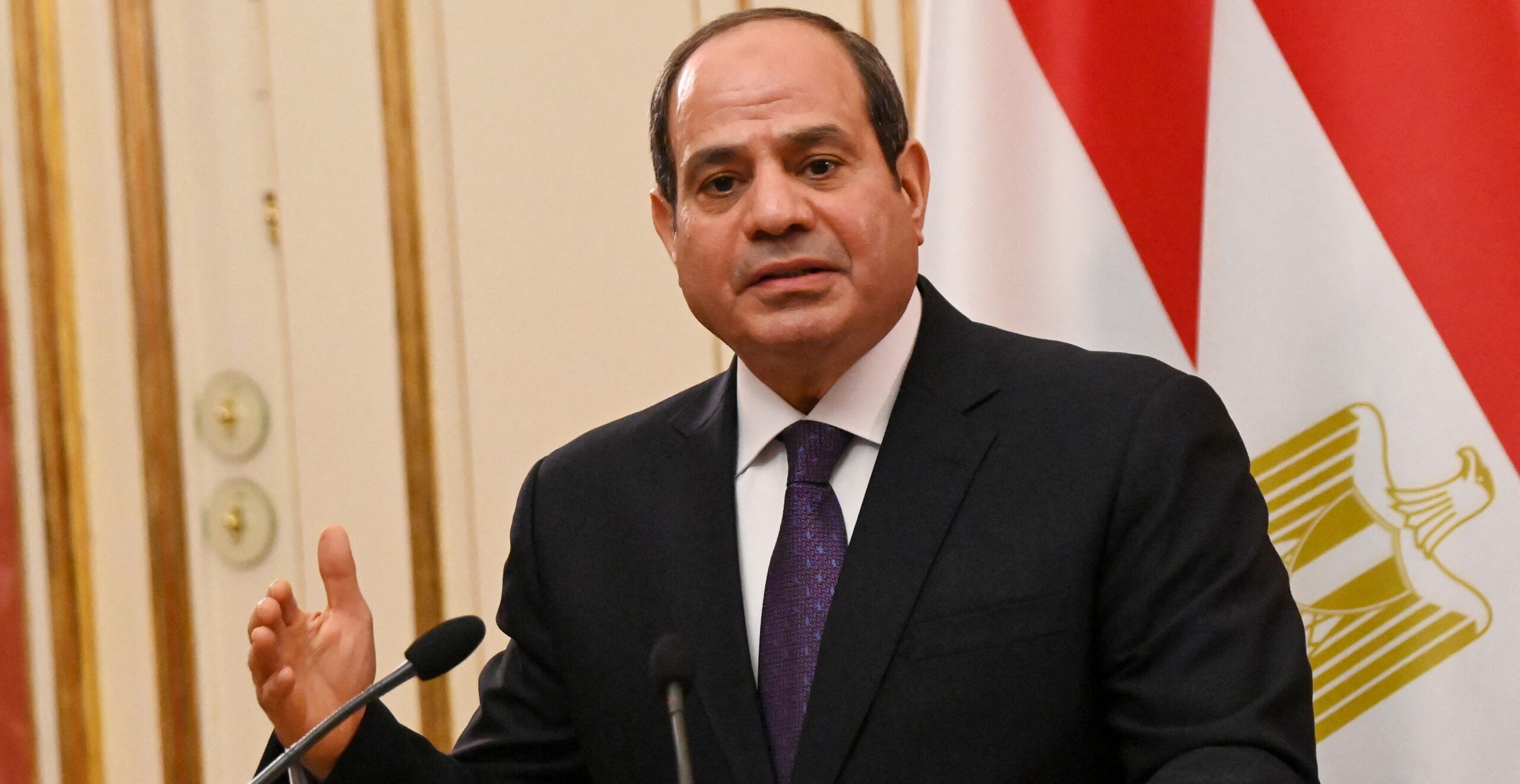
The “national dialogue” that Egyptian President Abdel-Fattah el-Sisi called for more than five months ago has nearly concluded its lengthy preparatory stage, though the official launch has repeatedly been pushed back. It will be a rare chance for opposition parties to present alternative policies to those of the president. But whether the dialogue marks a genuine change in the regime’s authoritarian policies remains to be seen.
The Costs of a Presidential System: The Impact of Hyper-Centralization on Turkey’s Educational and Cultural Affairs
Turkey’s transition to a hyper-centralized presidential system has had a devastating impact on its educational and cultural affairs. The erosion of the rule of law and due process and the ensuing arbitrary rule by an all-powerful president have given rise to a growing malaise in the educational and cultural fields. The fragility of academic and media freedoms and the lack of legal and cultural norms guaranteeing freedom of speech compound the problem.
Climate change and salinity in the Eastern Mediterranean
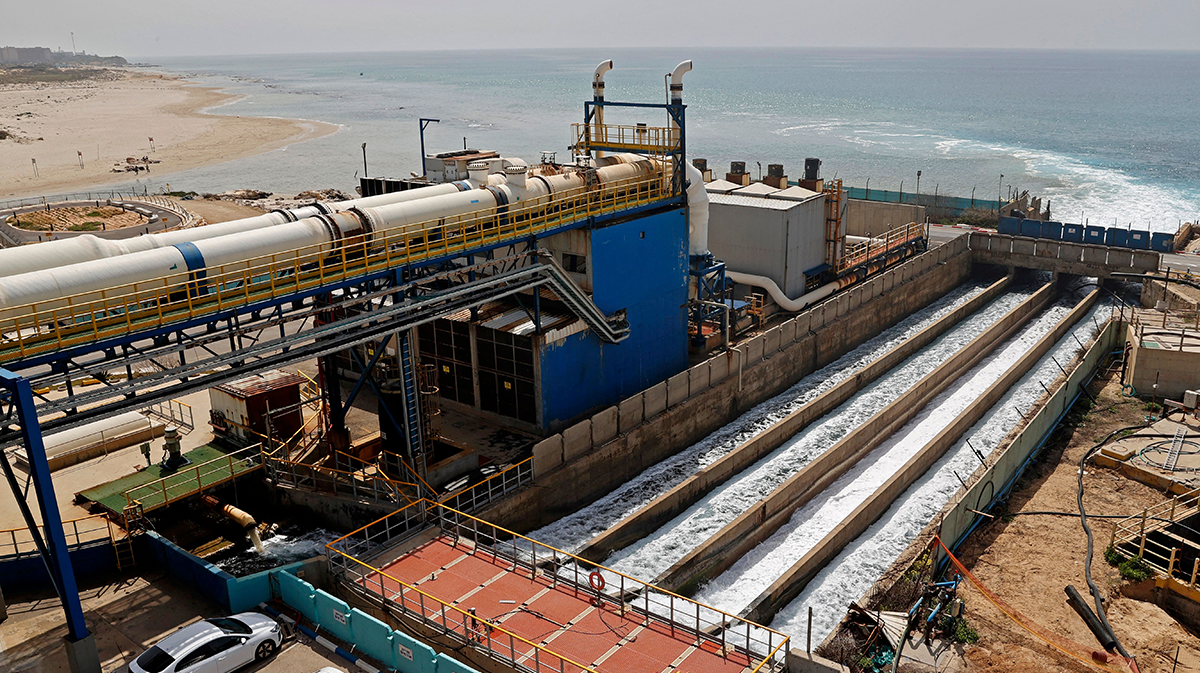
In the Mediterranean Basin, water-starved countries from Morocco to Israel are not only expanding their reliance on desalination, they are doing so precisely because they are increasingly susceptible to the effects of climate change on global atmospheric and marine circulation. With desalination now within reach as a more viable, long-term water augmentation strategy, increased attention has been given to the detrimental effects of brine disposal on the local environment. More immediately obvious effects such as these, however, may belie greater factors at work at the nexus of salinity and climate change.
Algerians’ clandestine exodus: A complex national tragedy
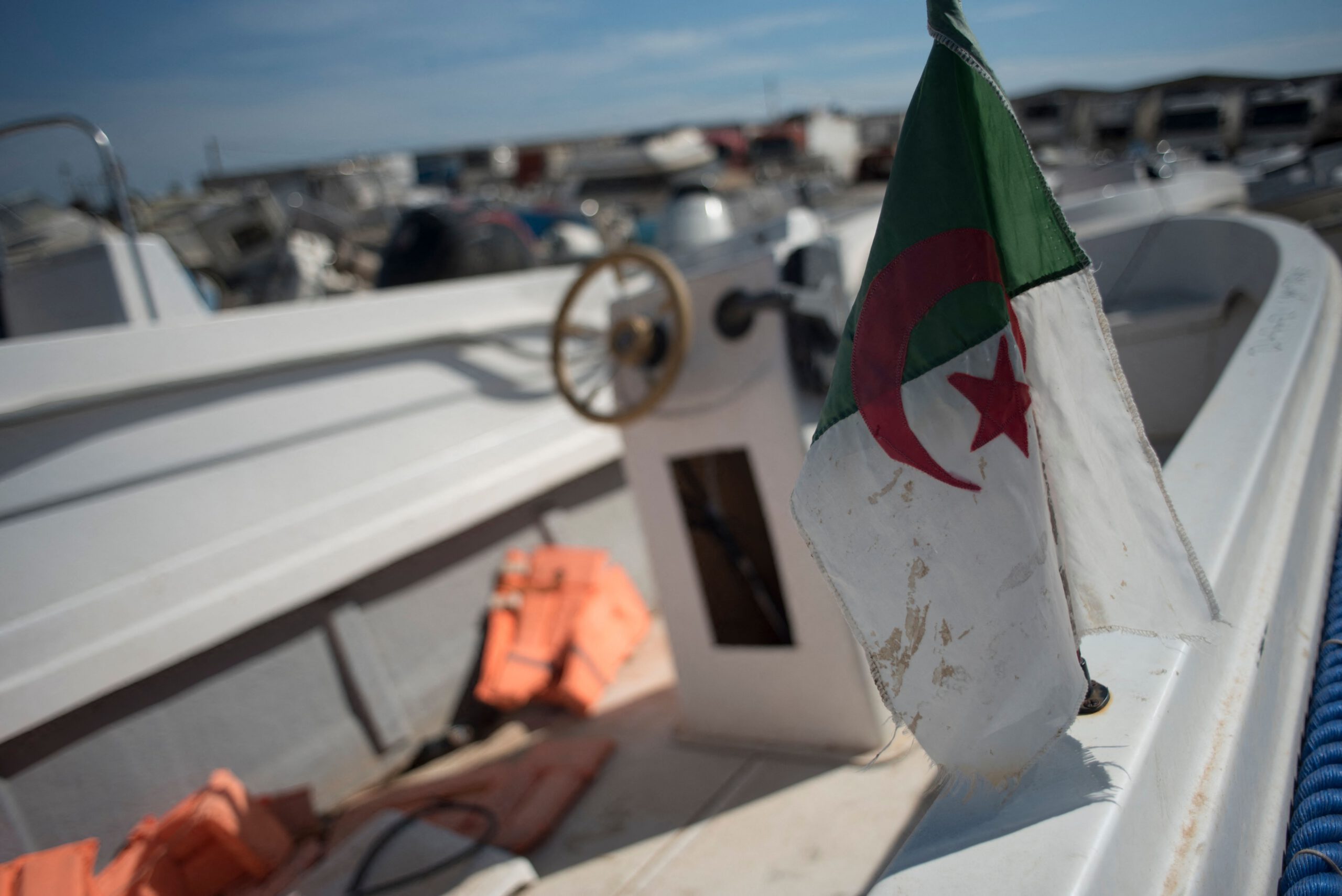
The growing wave of Algerians illegally trying to reach Southern European shores while risking death is by no means a new development. But these perilous trans-maritime voyages are also a reminder of the bleak political and economic situation in which Algeria finds itself three years after the 2019 protest movement sparked hope for fundamental change.
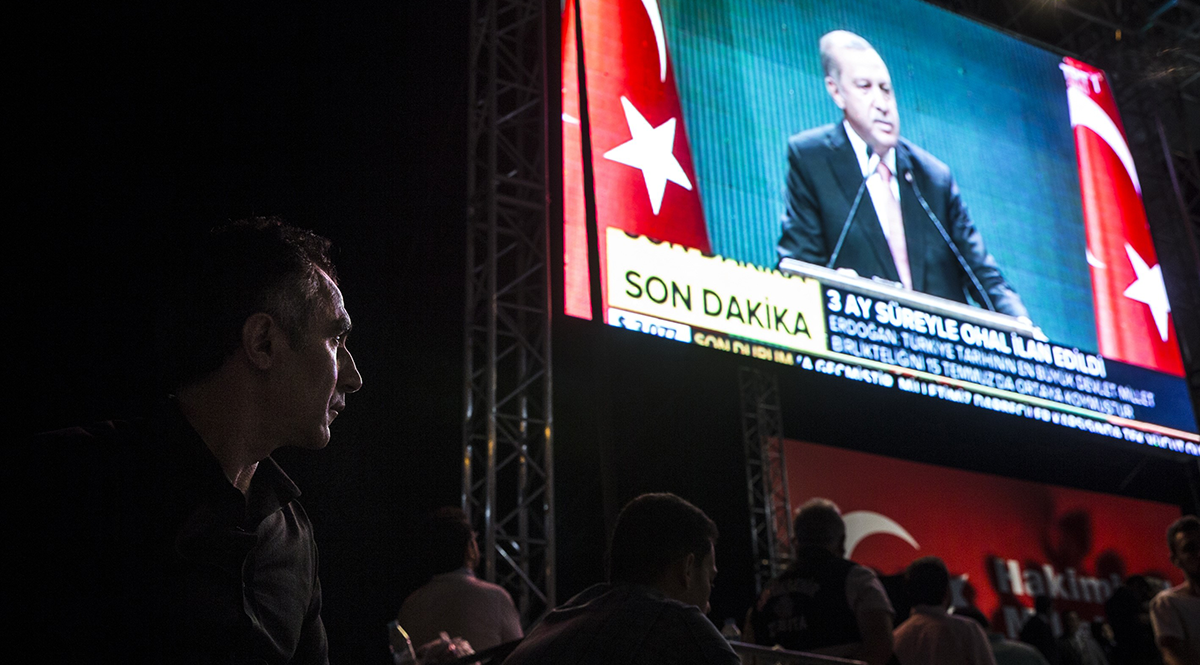
Following the AKP’s rise in 2002, civil-military relations in Turkey began to change significantly. The military’s tutelage over Turkish politics was gradually replaced with the AKP’s control over the Turkish Armed Forces. The July 2016 coup attempt put an end to the military’s prestige and popularity and ushered in a new era, with Erdoğan and his AKP asserting full civilian control over the military. This paper explores the factors that paved the way for the new civil-military relations between 2002 and 2016, reviews how the 2016 coup attempt became an opportunity for the AKP to further eliminate all opposition, and analyzes the impact of the upcoming 2023 elections and the opposition’s stance on civil-military relations.
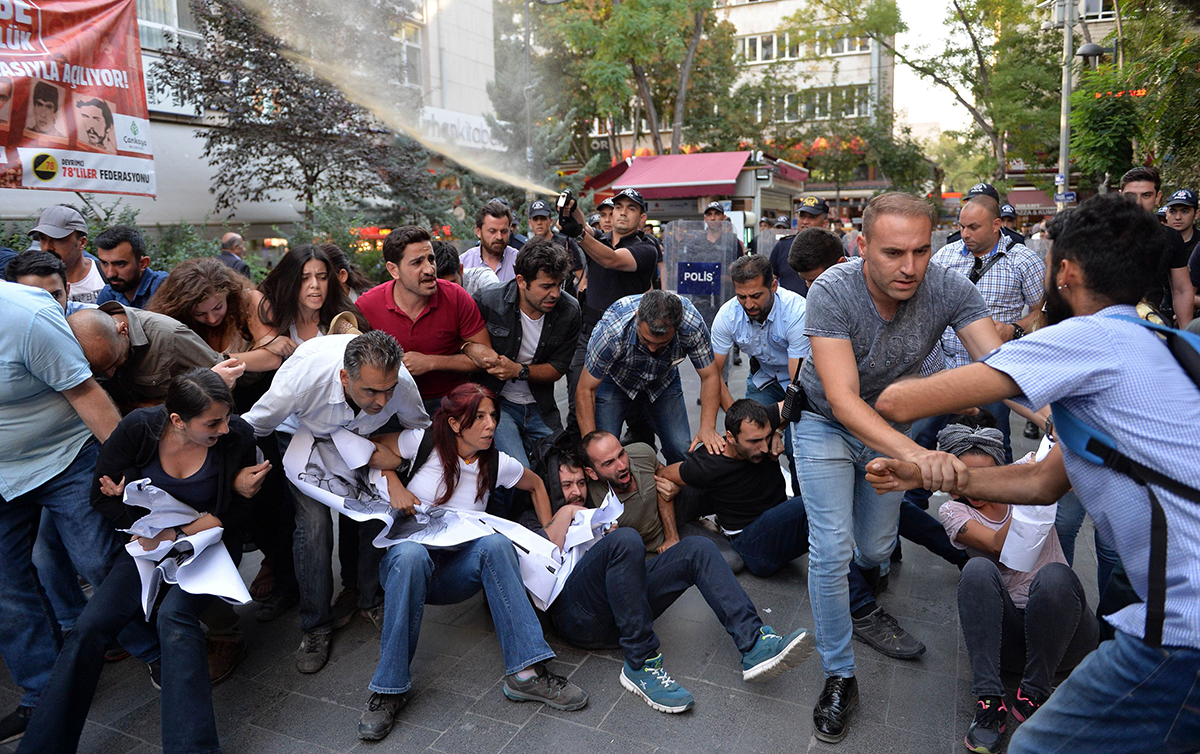
As protesters’ slogans and chants have made clear, the current protests are definitely not about the economy, but about opposition to the regime more broadly and its political and social oppression. Yet Iran’s economic problems have created an atmosphere that encouraged and fueled protesters’ anger and have done nothing to help the regime.
Amid Lebanon’s perfect storm of crises, water demands attention
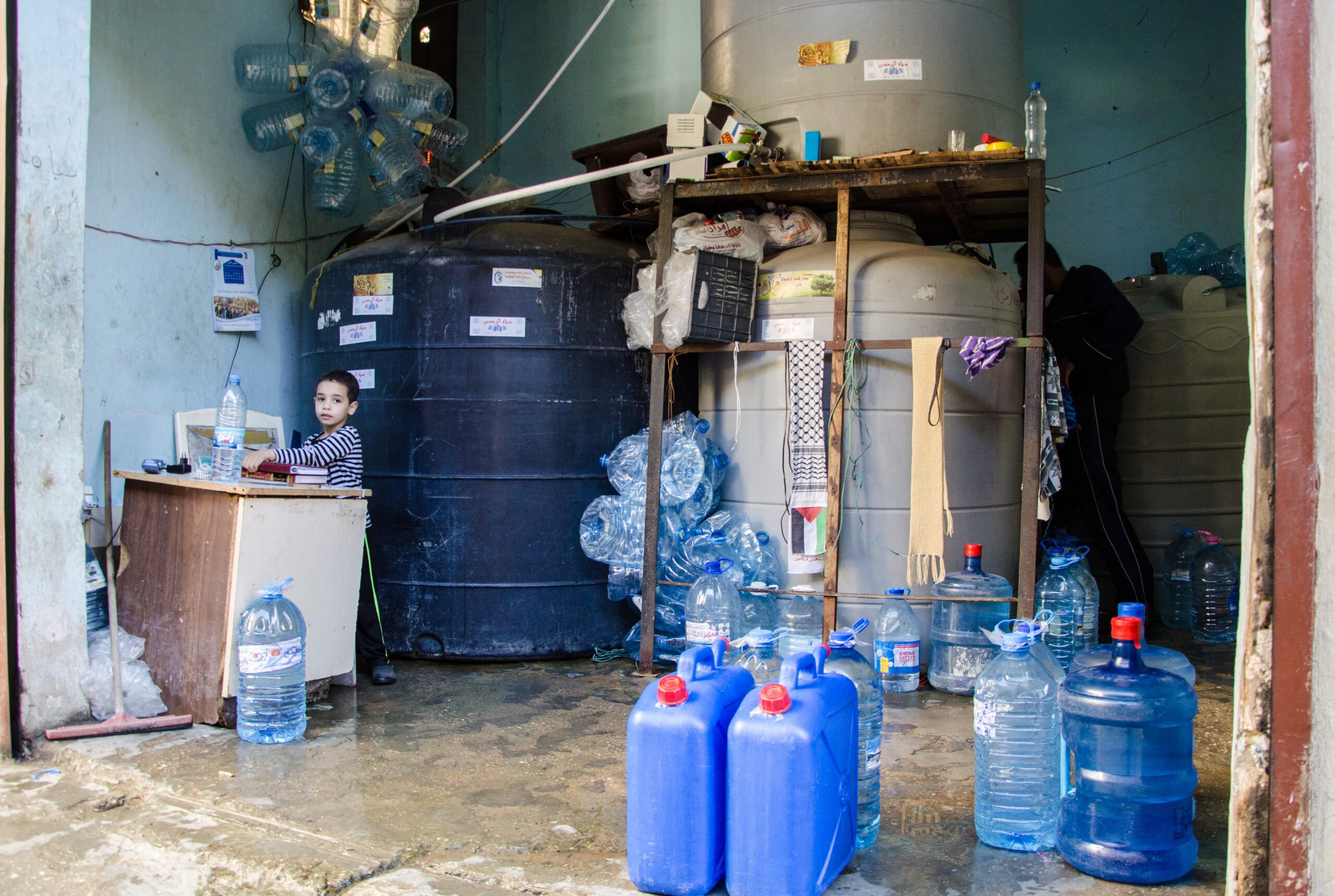
Lebanese crises have repeatedly made international news since October 2019, when the country witnessed the start of a popular revolution against a stagnant and corrupt political elite. Much less discussed but no less critical is the issue of water. The problem has been slumbering for years but has recently come to light along with other failings of the Lebanese government.
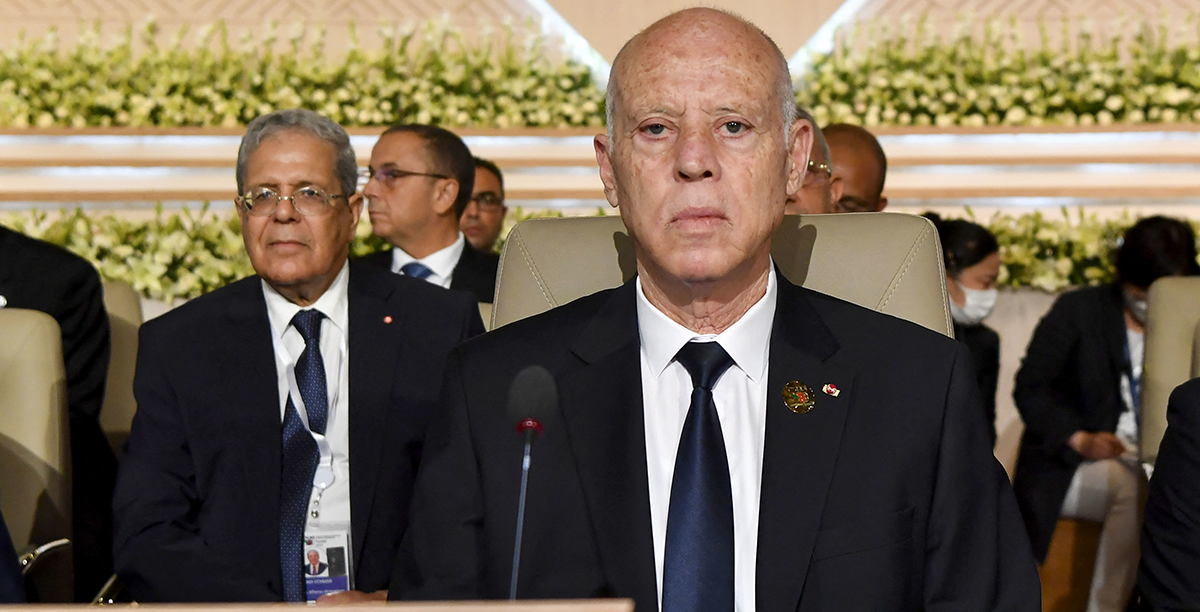
With the decree of a new election law on Sept. 15, President Kais Saied continues rebuilding the formal political mechanisms of the Tunisian state — what some see as a “third republic.” The new law sets the terms for the legislative elections scheduled to be held on Dec. 17, 2022, and it comes only shortly before nominations for candidacies for those elections begin on Oct. 17.
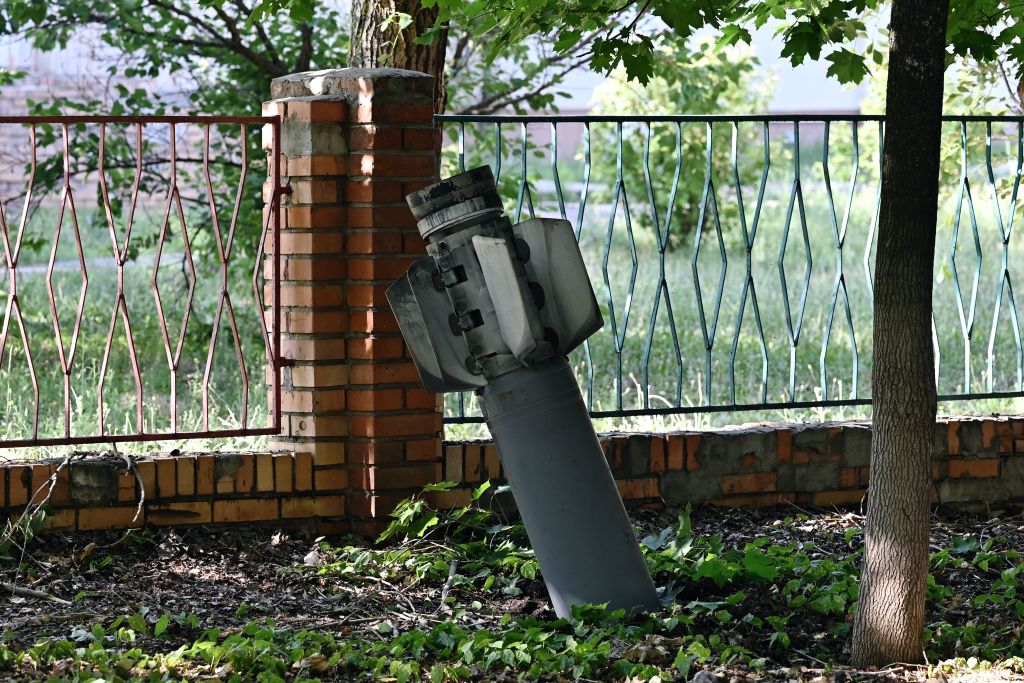
Iulia Joja interviews Henry Sokolski, the executive director of the Nonproliferation Policy Education Center, about how tactical nuclear weapons might play into Vladimir Putin’s Ukraine strategy.
Opinion: Meet the tough women leaders taking on Vladimir Putin
It’s striking, the large number of brave women who are leading the protests against Iran’s violent and vicious theocratic regime. It’s likewise notable that young women lead the Ukrainian organization just awarded the Nobel Peace Prize. Arguably less noticed yet equally important: Across Europe, it’s women who are transcending political and geographic boundaries to call for an end to Russia’s brutal aggression.