The Middle East Institute and IRD Present:Syria: Humanitarian Impact and the U.S. Response Featuring: Robert Ford, U.S. Ambassador to SyriaMark Bartolini, Director of the Office of Foreign Disaster Assistance, USAIDAlbert Cevallos, Acting Director of Democracy, Governance, & Community Development, IRDOpening Remarks by: Arthur B. Keyes, President and CEO, IRDModerated by: Amb. Deborah Jones Thursday, November 29, 20129:00am-10:30am St.
The Middle East Institute and IRD Present:Syria: Humanitarian Impact and the U.S. Response Featuring: Robert Ford, U.S. Ambassador to SyriaMark Bartolini, Director of the Office of Foreign Disaster Assistance, USAIDAlbert Cevallos, Acting Director of Democracy, Governance, & Community Development, IRDOpening Remarks by: Arthur B. Keyes, President and CEO, IRDModerated by: Amb. Deborah Jones Thursday, November 29, 20129:00am-10:30am St.
This Opinion was first published on Reuters.com on October 11, 2012
Assertions and opinions in this policy paper are solely those of the above-mentioned author(s) and do not necessarily reflect the views of the Middle East Institute, which expressly does not take positions on Middle East policy.
Introduction to Iraq's Refugees and IDP Crisis: Human Toll and Implications
Originally posted July 2008
In the comparatively short time since the establishment of the Iraqi state in 1920, the country has experienced successive waves of forced migration. Yet the magnitude of the forced displacement of Iraqis from their homes since 2003 is unprecedented. In addition to the still dire humanitarian situation are the potentially far-reaching negative implications of the refugee/IDP crisis for the future of Iraq and the Middle East as a whole.
Iraq’s Internally Displaced Persons (IDPs) Scale, Plight, and Prospects
Originally posted July 2008
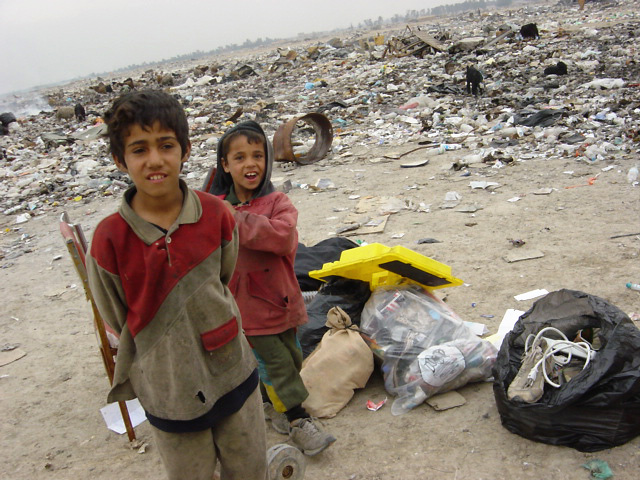
Over the past several decades, and especially in the past two years, Iraq has suffered from one of the worst displacement crises in the world.
While new displacement has slowed to a trickle in 2008, the conditions of those already displaced continue to deteriorate, and prospects for those returning to their homes are grim. The plight of internally displaced Iraqis and those who have crossed international borders in search of refuge remains largely unknown and unaddressed.
Turkey and the Regional Dynamics of the Syrian Crisis
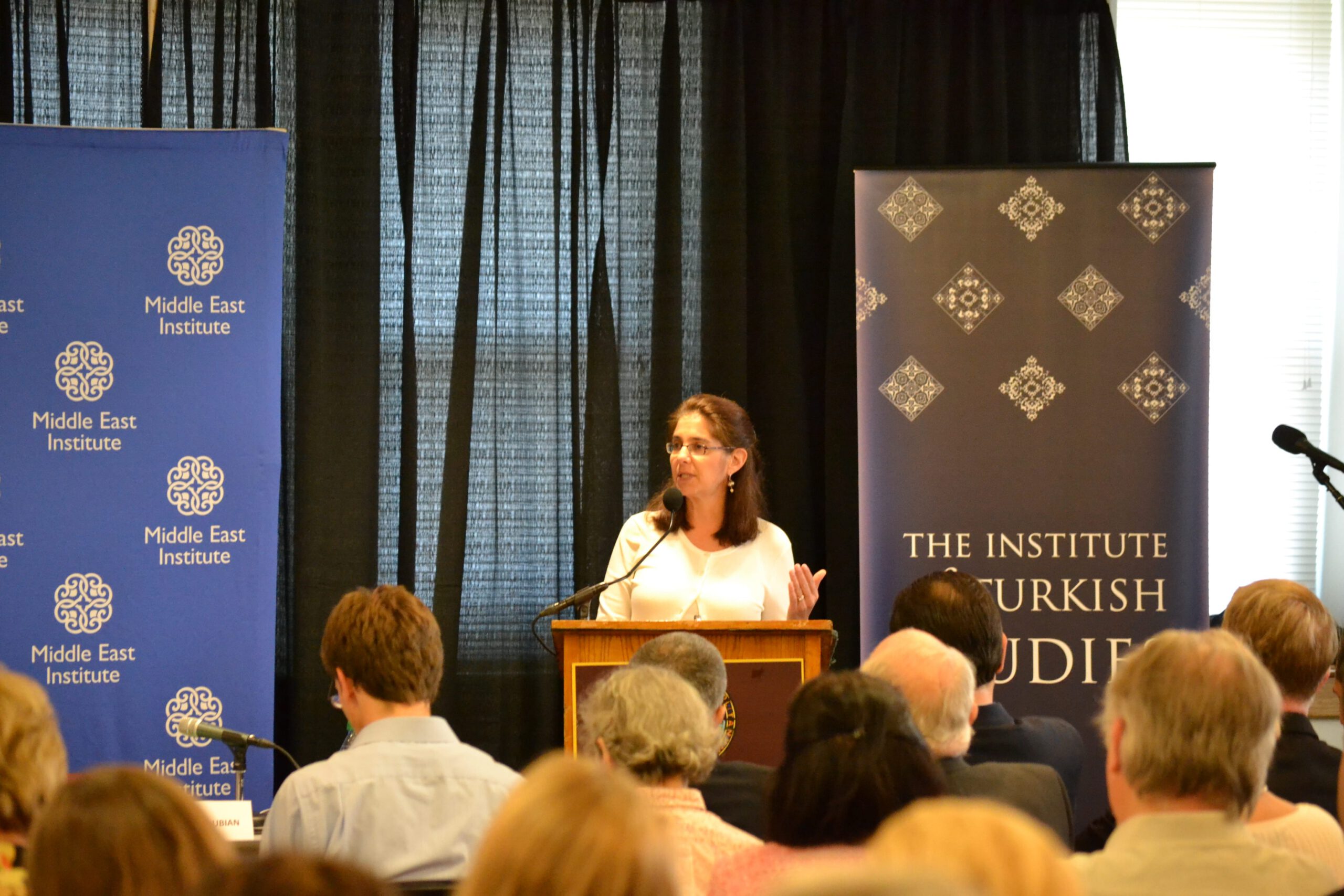
Turkey and the Regional Dynamics of the Syrian Crisis Denise Natali, Omer Taspinar, Mona Yacoubian, Gonul Tol 27 September, 2012 Podcast 31This is the second of four events in a joint lecture series by Middle East Institute’s Center for Turkish Studies and the Institute of Turkish Studies at Georgetown University.
Turkey and the Regional Dynamics of the Syrian Crisis
Turkey and the Regional Dynamics of the Syrian Crisis Denise Natali, Omer Taspinar, Mona Yacoubian, Gonul Tol 27 September, 2012 Podcast 31This is the second of four events in a joint lecture series by Middle East Institute’s Center for Turkish Studies and the Institute of Turkish Studies at Georgetown University.
Turkey and the Regional Dynamics of the Syrian Crisis
Turkey and the Regional Dynamics of the Syrian Crisis Denise Natali, Omer Taspinar, Mona Yacoubian, Gonul Tol 27 September, 2012 Podcast 31This is the second of four events in a joint lecture series by Middle East Institute’s Center for Turkish Studies and the Institute of Turkish Studies at Georgetown University.
Turkey and the Regional Dynamics of the Syrian Crisis
Turkey and the Regional Dynamics of the Syrian Crisis Denise Natali, Omer Taspinar, Mona Yacoubian, Gonul Tol 27 September, 2012 Podcast 31This is the second of four events in a joint lecture series by Middle East Institute’s Center for Turkish Studies and the Institute of Turkish Studies at Georgetown University.
Turkey and the Regional Dynamics of the Syrian Crisis
Turkey and the Regional Dynamics of the Syrian Crisis Denise Natali, Omer Taspinar, Mona Yacoubian, Gonul Tol 27 September, 2012 Podcast 31This is the second of four events in a joint lecture series by Middle East Institute’s Center for Turkish Studies and the Institute of Turkish Studies at Georgetown University.
The first volume of the migration and the Arab World series dealt primarily with the trends in, consequences of, and policy responses to labor migration in the Gulf Cooperation Council (GCC) states since the “oil boom” period of the 1970s. This volume focuses on the countries of the Mashreq (i.e., Egypt and the Levant) as source and destination countries for various migrant groups, dating from the late 19th century up to the present day.