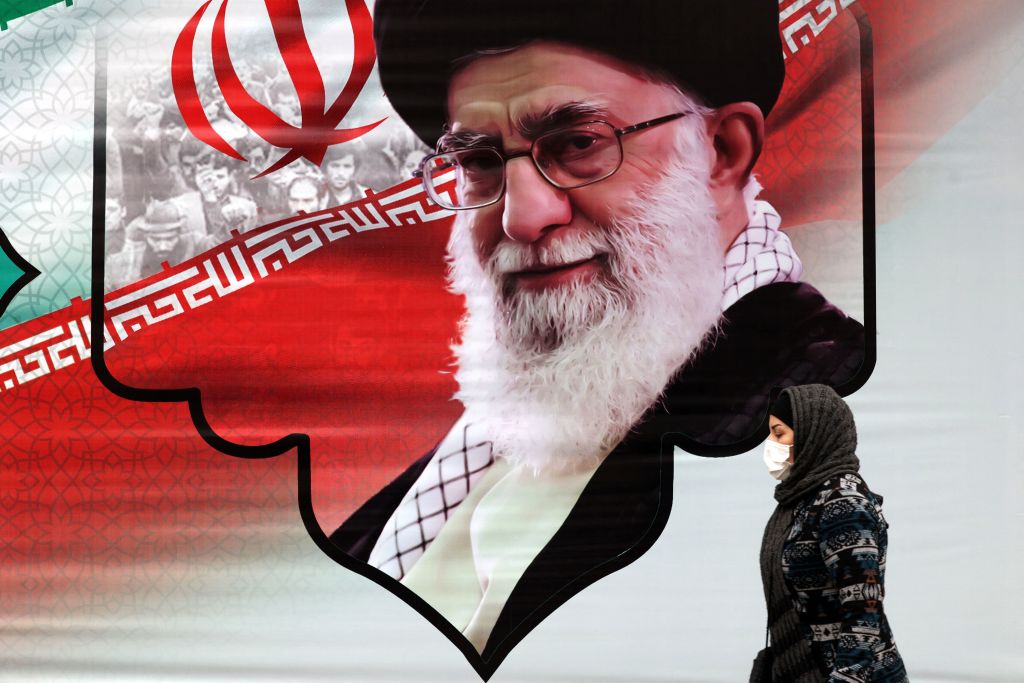
When he declared his presidential candidacy in May 2021, Ebrahim Raisi was already recognized as a favorite of Iran’s supreme leader, Ayatollah Ali Khamenei. A month later, Raisi was handed the job on a silver platter of an election that was carefully engineered by Khamenei. Voter turnout hit a historical low, making clear that Iranian voters saw the sham for what it was. From the get-go, then, Raisi’s primary concern was not Iranian public opinion but Khamenei’s continued patronage.
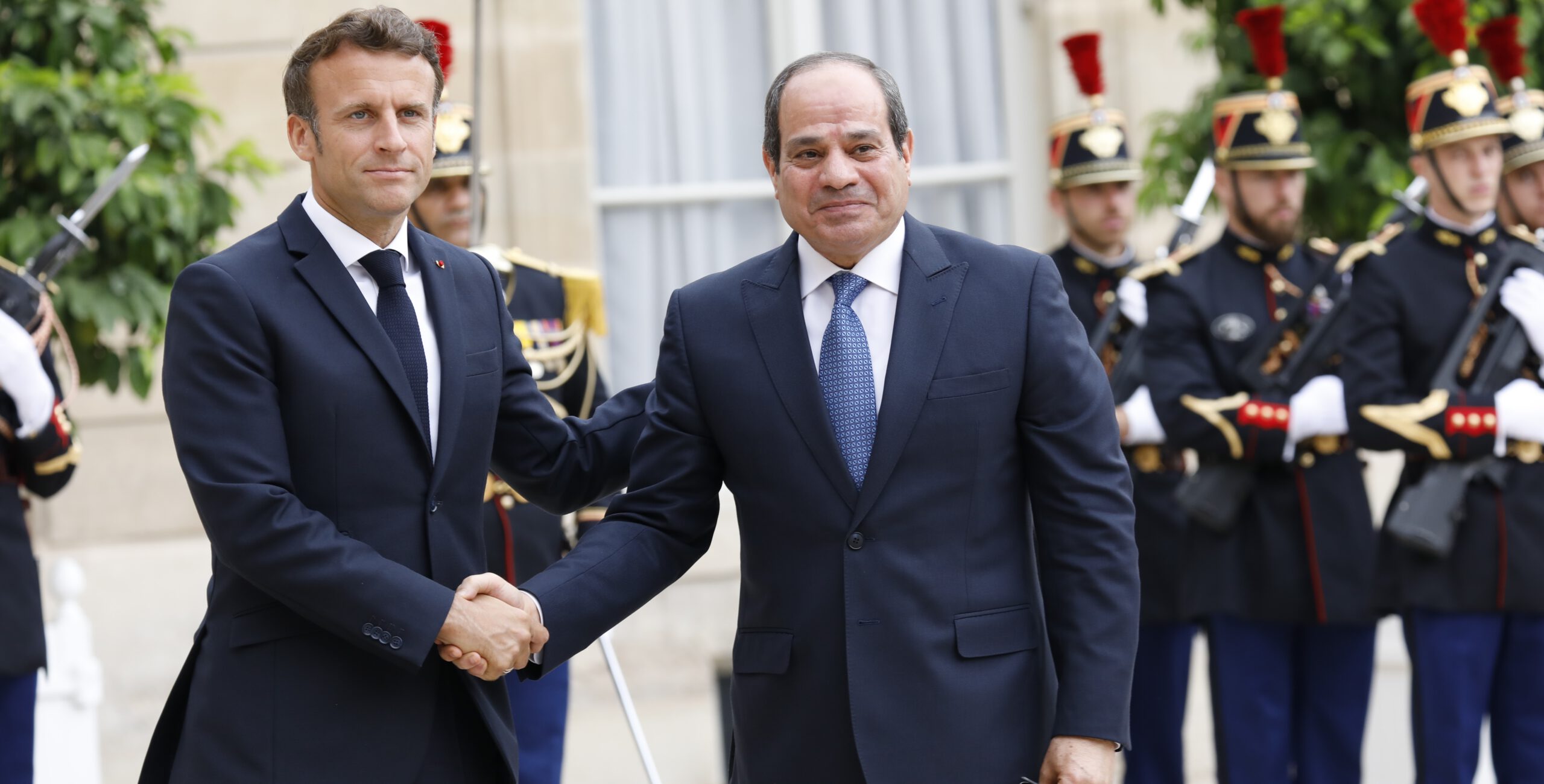
Egypt’s President Sisi makes a comeback on the world stage with a three-stop European tour
Egyptian President Abdel-Fattah el-Sisi’s recent, six-day European tour, which took him to Germany, Serbia, and France, aimed to boost his image and status as a central player on the world stage despite widespread criticism of his regime’s human rights record.
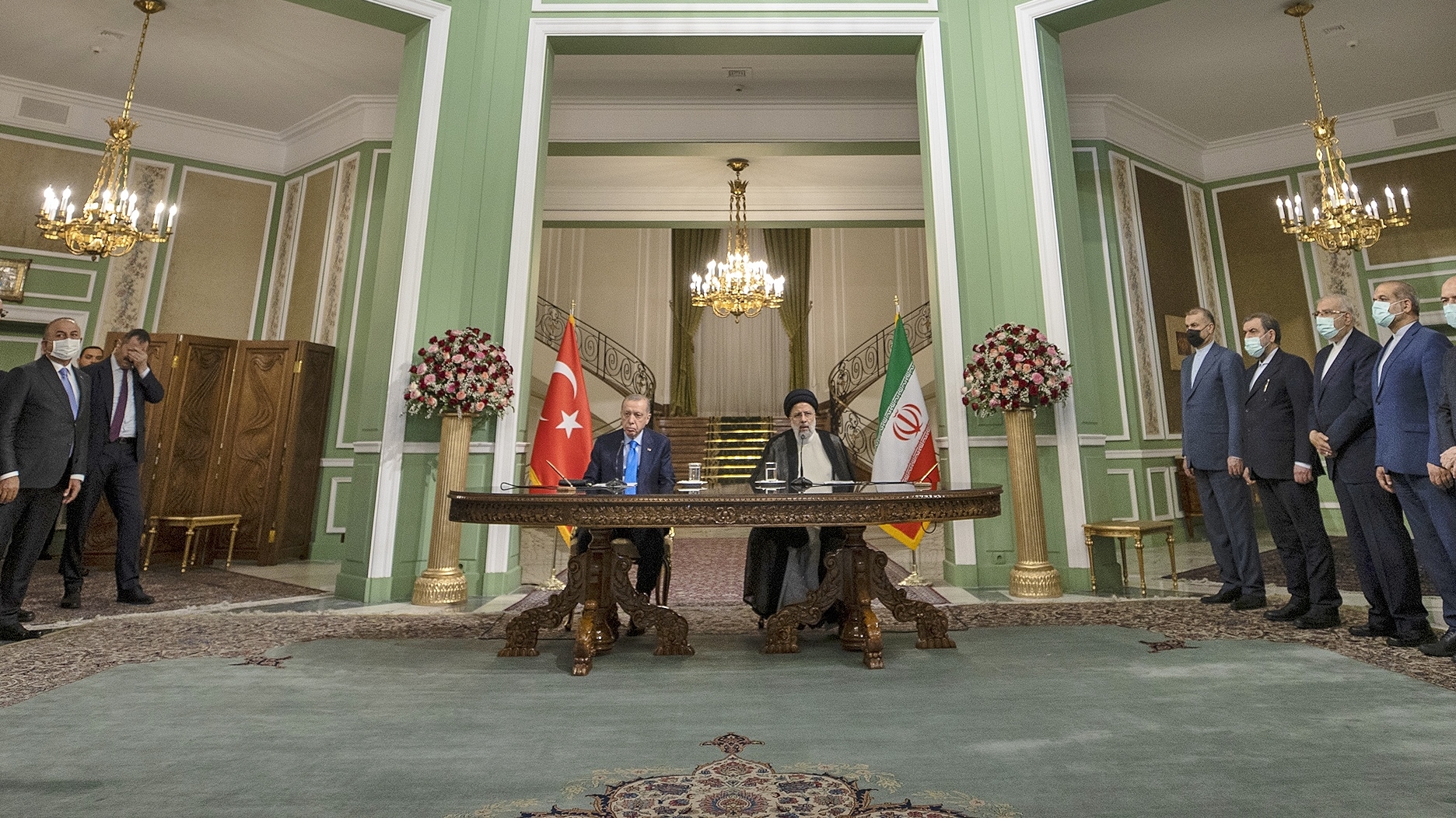
Erdoğan in Tehran, but Turkey and Iran have plenty of mistrust to overcome
Iranian-Turkish trade and economic cooperation has been the all-important platform on which otherwise often tense bilateral relations could survive. With trade and economic ties now weakening, their geopolitical rivalry could sharply re-intensify.
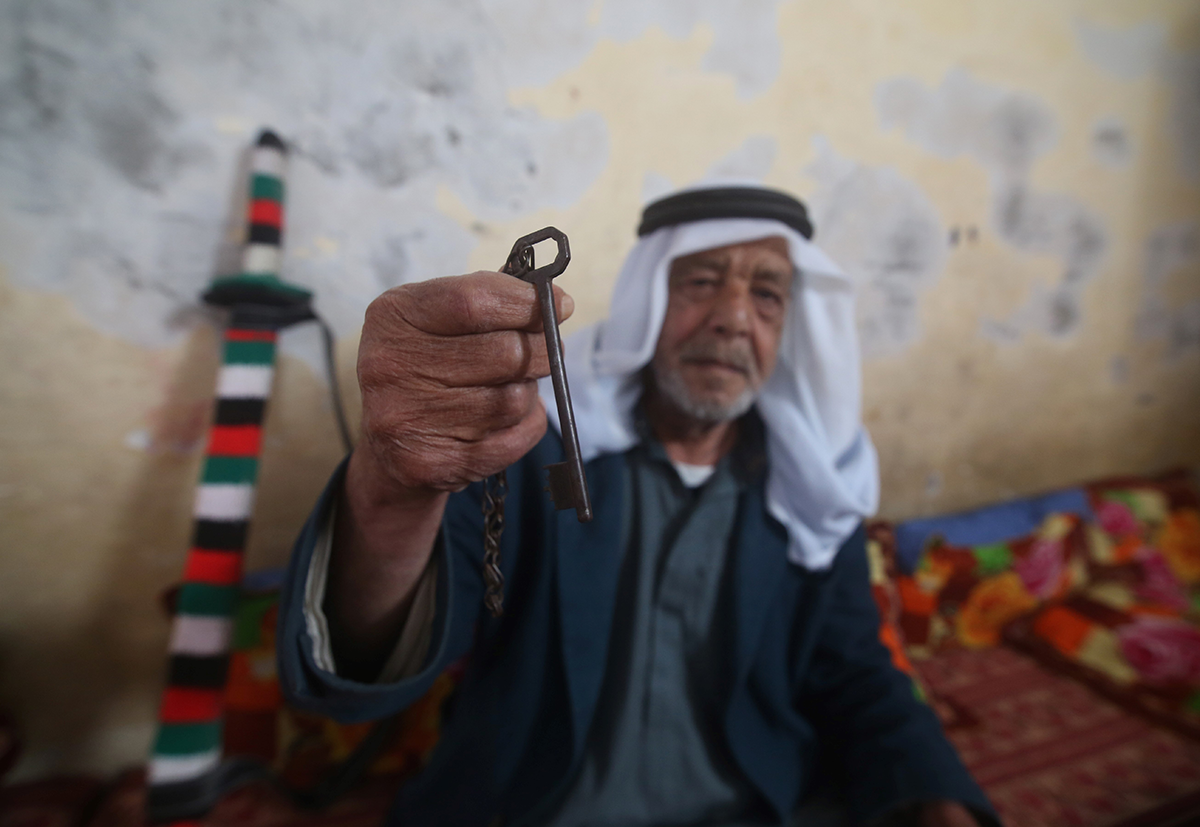
Refugees First: A New Approach to Middle East Peace
According to UNRWA, there are approximately 6.3 million registered Palestinian refugees across the Arab world. The majority of these are the descendants of the 750,000 Palestinians who were displaced between 1947 and 1949 over the course of Israel’s creation, an event known among Palestinians as the Nakba or “catastrophe.” This paper aims to evaluate past proposals on the refugee question and promote a new refugee-first framework that could produce tangible solutions for Palestinian refugees and for the conflict at large.
What's next for Tunisia after the constitutional referendum?
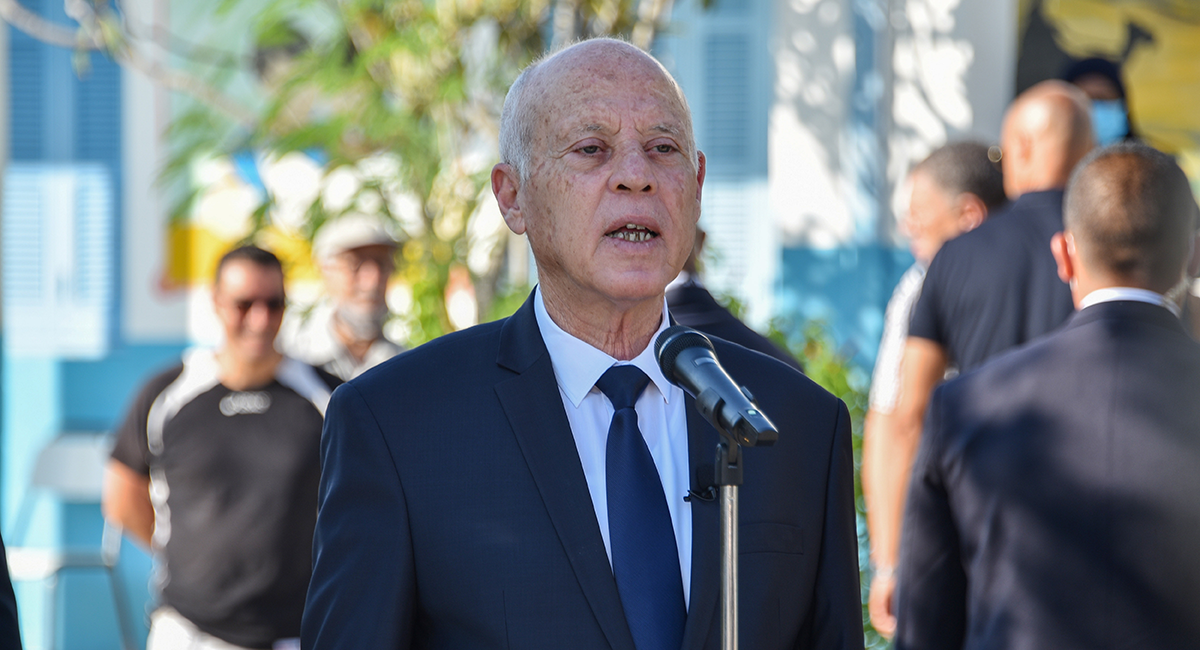
On July 25 Tunisians approved a new constitution that will give the president, Kais Saied, expansive new powers, centralizing control of the country while removing many of the existing checks and balances. According to figures from the state electoral body, an estimated 94% of those who voted in the national referendum approved the measure, although turnout, which officials put at 30.5%, was relatively light. Following on from the vote, here’s what can be expected moving forward.
Strike on al-Qaeda leader Zawahiri is a major win for US counterterrorism
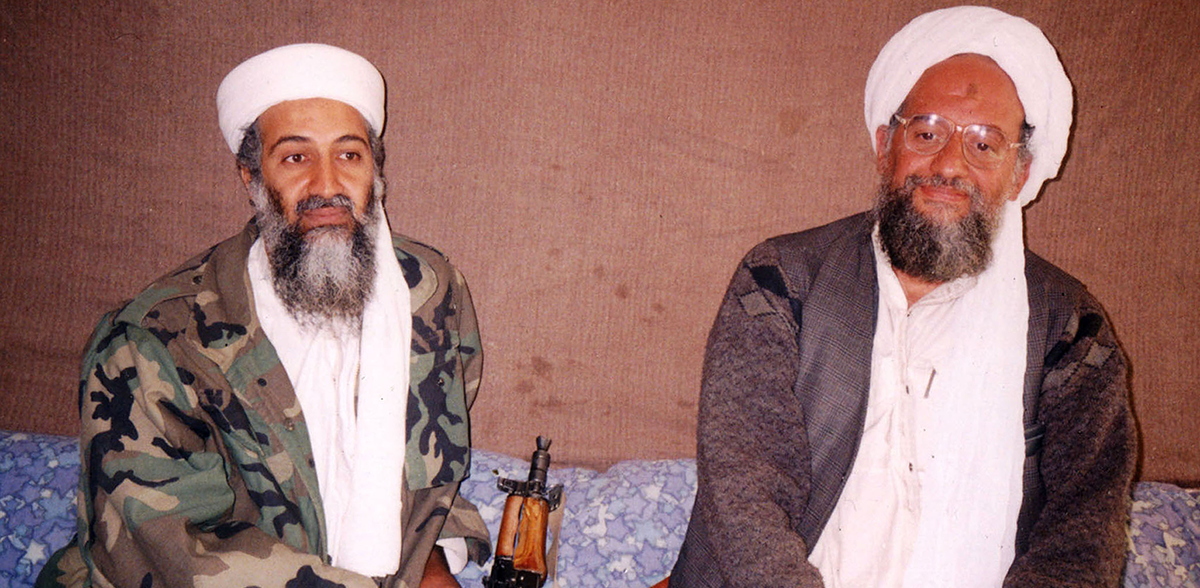
The death of al-Qaeda leader Ayman al-Zawahiri in a U.S. drone strike outside Kabul over the weekend is a major counterterrorism achievement — and a much-needed triumph for the Biden administration, for whom anything to do with Afghanistan has become an issue of acute discomfort. Since late 2019, Zawahiri has been thought to have been based in eastern Afghanistan, and a number of U.S. officials have suggested that in public. That by itself would seem to indicate a certain level of awareness of his probable whereabouts, but his death in the capital Kabul is astounding.
Putin’s visit to the Islamic Republic: Bringing Iran closer to Russia while building long-term leverage over Tehran
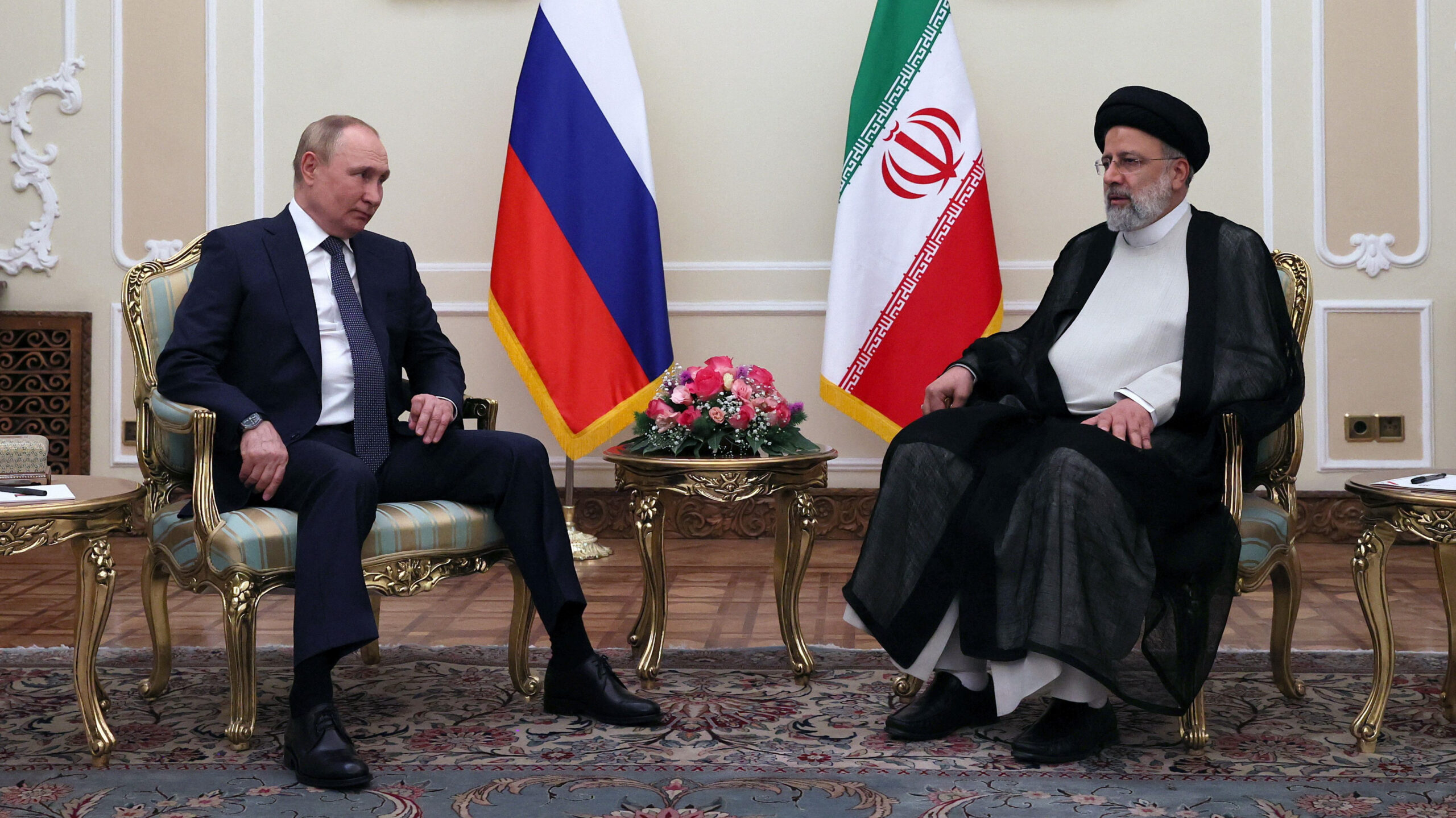
Russian President Vladimir Putin’s July 19 visit to Tehran will have important repercussions for the region’s evolving security environment as well as the trajectory of Iranian-Russian relations more specifically. Although officially billed as seeking to revive the “Astana peace process” on Syria, the significance of the trip has less to do with the trilateral meeting between Iran, Russia, and Turkey and more with the deepening of ties between Moscow and Tehran.
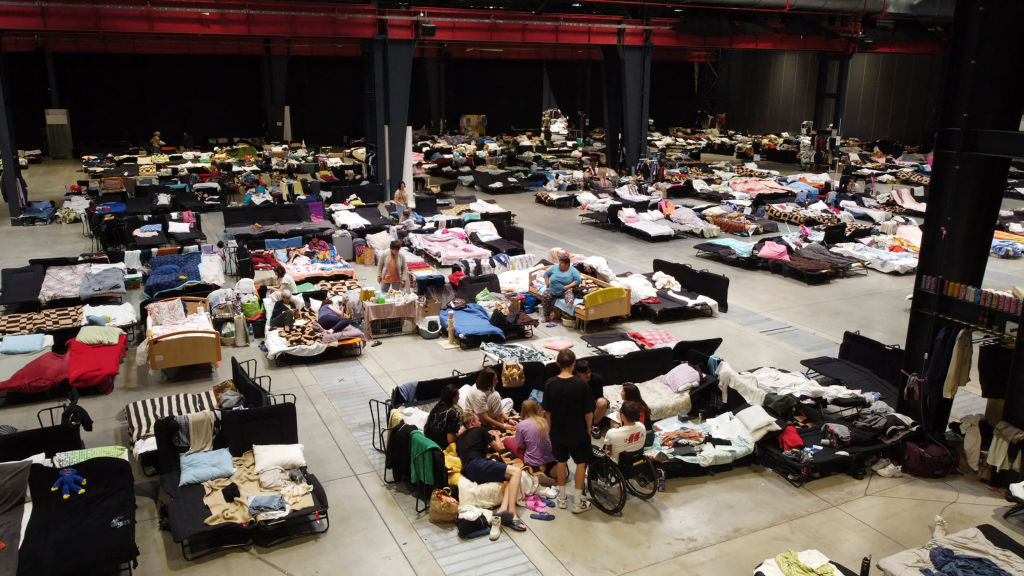
Russia Created a Refugee Crisis, and Now Putin Is Weaponizing It
Vladimir Putin’s hybrid war in Ukraine has created a multifaceted humanitarian crisis that the Kremlin plans to weaponize against the West to further provoke instability and chaos. Refugees have poured out of Ukraine since his February 24 invasion, and Russia’s attacks on Ukraine’s agricultural sector—from grain-export blockades to theft to strikes on agricultural facilities—are creating disruptions to the global food supply that are likely to create even more refugees worldwide. Foreign Minister Sergei Lavrov is touring Africa this week, blaming the West for the food crisis. Western leaders must realize the full destabilizing potential of Russia’s weaponization of the refugee crisis. In response, the United States should combine conventional military support with multilateral information operations to counter Russia’s plans.
Biden’s trip was a start, but the US needs to sustain its influence in the Gulf
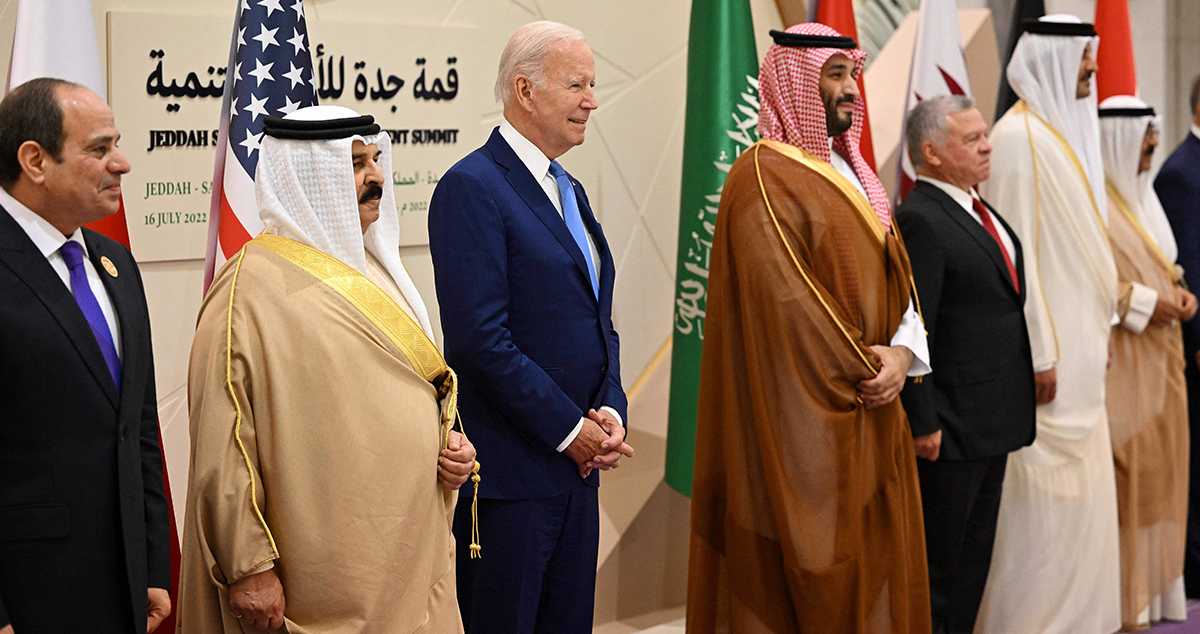
At the Jeddah summit in mid-July, President Joe Biden declared that “America is back,” a message that was welcomed by Saudi Arabia and Gulf media outlets. But Washington cannot maintain its influence and develop robust relationships in the Middle East without sustained American interest and effort, which have been oscillating with every change in administration.
Germany’s Expanding Partnership with Morocco: Strengthening Supply Chain Resilience is the Driving Factor
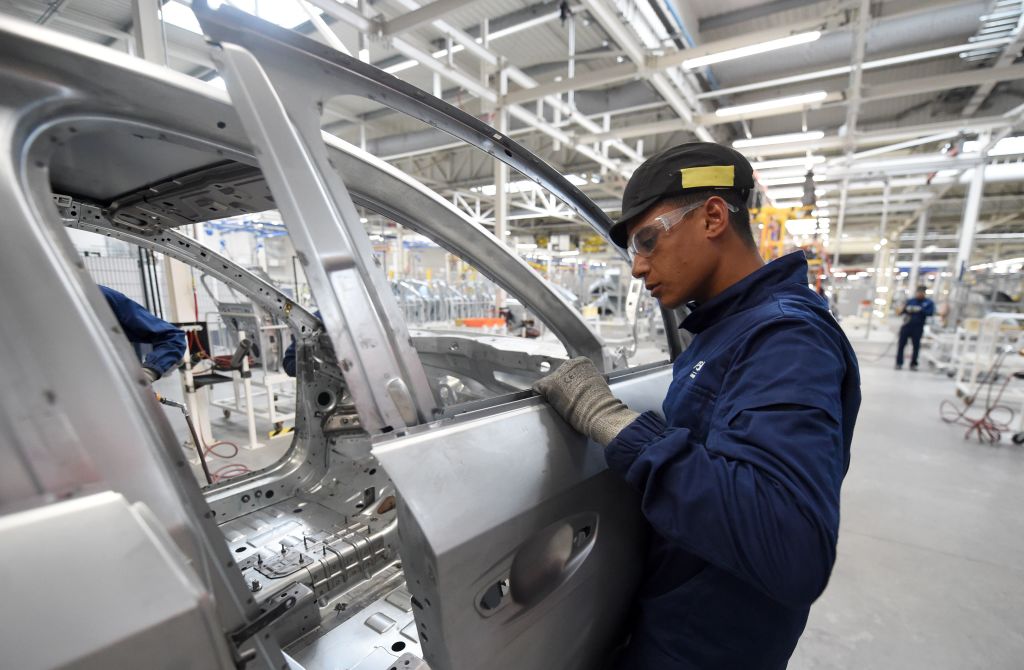
The deepening partnership between Germany and Morocco has been driven by the private sector, providing an enduring foundation for cooperation. During the 2021 diplomatic crisis over Berlin’s position toward Rabat’s autonomy plan for the Sahara region, German-Moroccan business-to-business relationships remained largely unaffected. The fraying of global supply chains is bringing now Germany and Morocco into a closer economic partnership. The sudden supply shocks caused by Russia’s war against Ukraine have accelerated that process. In the years just prior to the COVID-19 pandemic, global supply chains were already shortening as companies and countries in Europe placed greater emphasis on resilience rather than on just-in-time inventories serviced by distant Asian suppliers. This structural transformation meant bringing sourcing and manufacturing closer to European end-markets. The drive to “nearshore” while maintaining a competitive advantage has provided an impetus to German and other international firms to locate manufacturing facilities in Morocco, which has focused on cultivating an appropriate business ecosystem.
One sided and incomplete, Yemen’s truce faces implementation hurdles as extension deadline nears
The U.N.-sponsored truce of April 2022 is the longest pause in fighting Yemen has experienced since the Houthi armed rebellion broke out in September 2014 and the Saudi-led coalition forces intervened six months later. But although there is strong external interest in both extending and expanding the truce given the scale of turmoil in the global arena, credible progress remains lacking, while serious obstacles persist.
Ransomware in the UAE: Evolving threats and expanding responses
Immediately following the outbreak of COVID-19, cyber attacks swept across the Middle East, leaving public and private entities highly vulnerable and transforming the pandemic into both a physical and a digital threat. Despite worldwide physical isolation, many people were more digitally connected than ever before, which vastly expanded the attack surface for eager cyber threat actors. Ransomware attacks, in particular, hit the Middle East rapidly and in great numbers, especially the UAE.
Reactions within the foreign policy establishment to President Joe Biden’s recent trip to the region ranged from acclaim to scorn to indifference. Why did Biden go to the Middle East, and what was accomplished? MEI’s Paul Salem, Bilal Saab, Mirette Mabrouk, and Alex Vatanka weigh in on the trip’s motivations and outcomes.
Israel’s new Iran strategy complicates regional security
The decades-long confrontation between Israel and Iran is now arguably becoming more dangerous. Amid a lack of consensus among Israeli leaders on how to address this perceived existential threat, calls for applying greater pressure are gaining momentum. The two countries have been engaged in a shadow war for years that includes assassinations, sabotage, kidnappings, and cyber operations, but a new phase of tensions may only bring them closer to a full-scale conflict.