Cease-fires in Idlib and Libya as Turkey looks to buy time
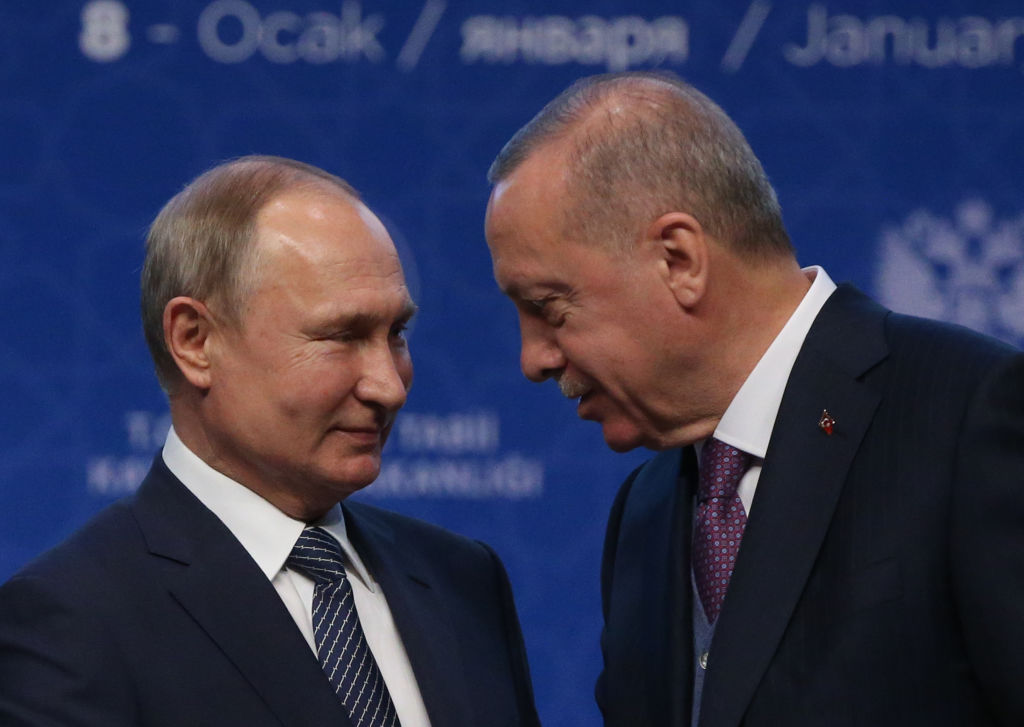
It is increasingly the case that the Russian-Turkish decisions on Idlib or Syria need to be understood as part of a broader Russian-Turkish partnership.
The future of the UK’s relationship with the Maghreb
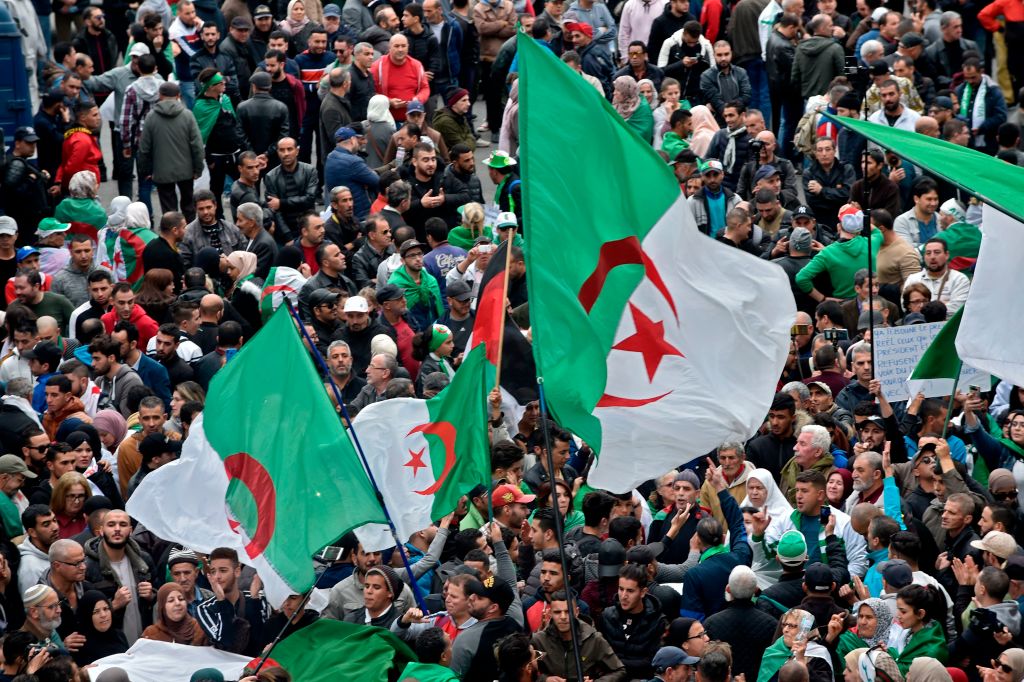
The UK’s impending exit from the EU will present a new chapter for British interests in and posture toward the region. If the UK is to find a trade-off for loss of diplomatic and economic heft, it will need to re-prioritize its engagement efforts. Policy continuity toward Morocco and Tunisia appears inevitable; Algeria, in contrast, promises great opportunity for an evolving relationship.
Strong U.S. leadership could still make a difference to counter the threats arising from the ongoing proxy war, but the Trump White House appears mainly to have other things on its mind.
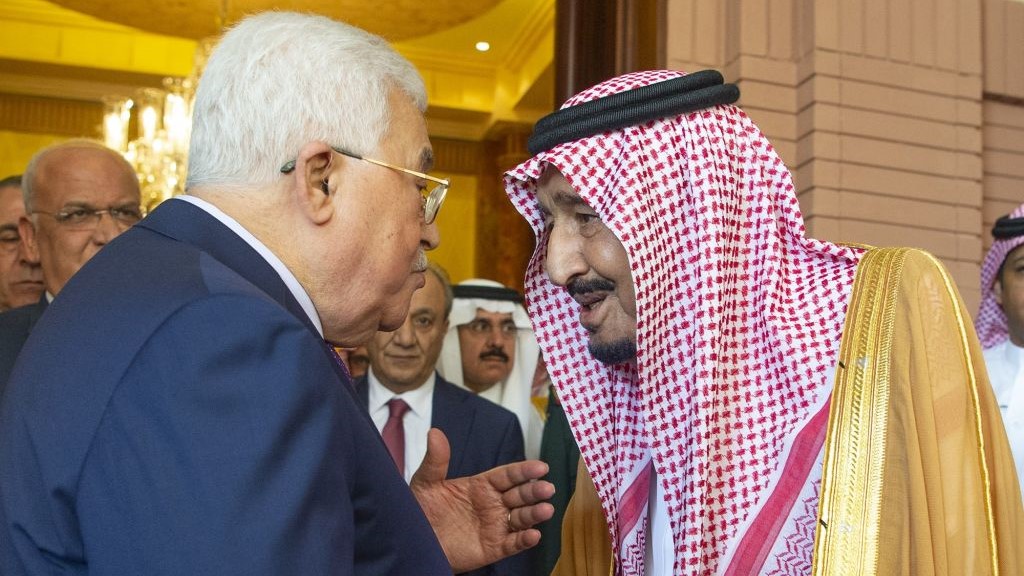
The intra-GCC competition over the Palestinian heart
Since 2017 three separate blocs have emerged within the Gulf. Driven by the region’s divisions, rival power centers, and conflicting interests, the Gulf states are playing an ever-greater role in Palestinian affairs.
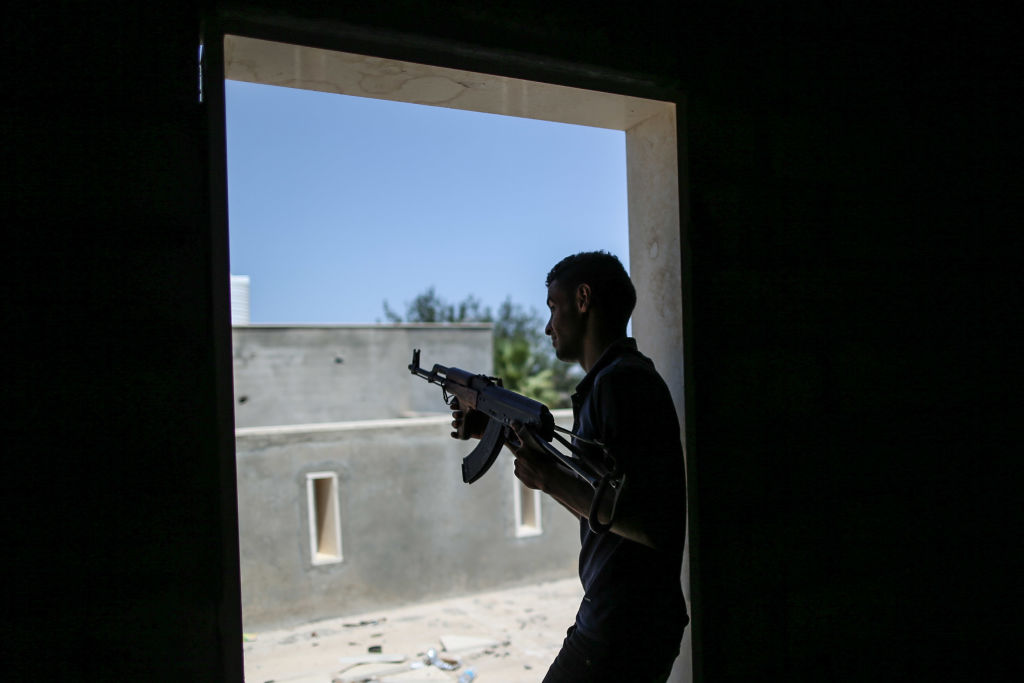
The question as 2019 ends is whether foreign forces supporting the conflict will rethink their commitment to military victory and instead work to secure political solutions through compromise.
The steps the Saudis have taken in 2019 may help to ease international pressure on the kingdom’s leadership and restore its image as a constructive player in the world.
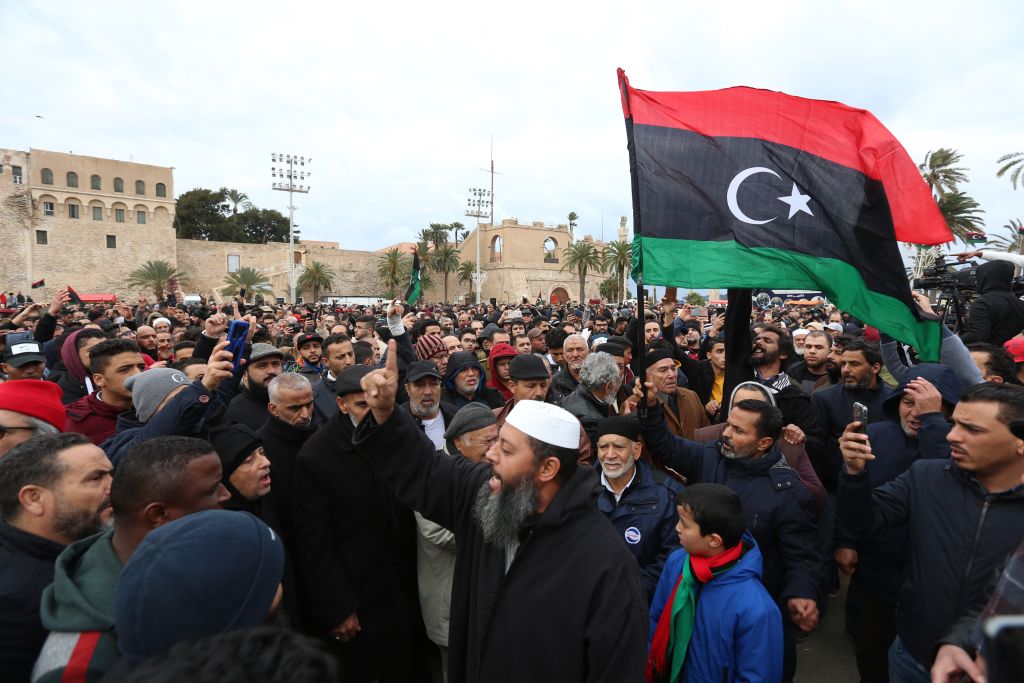
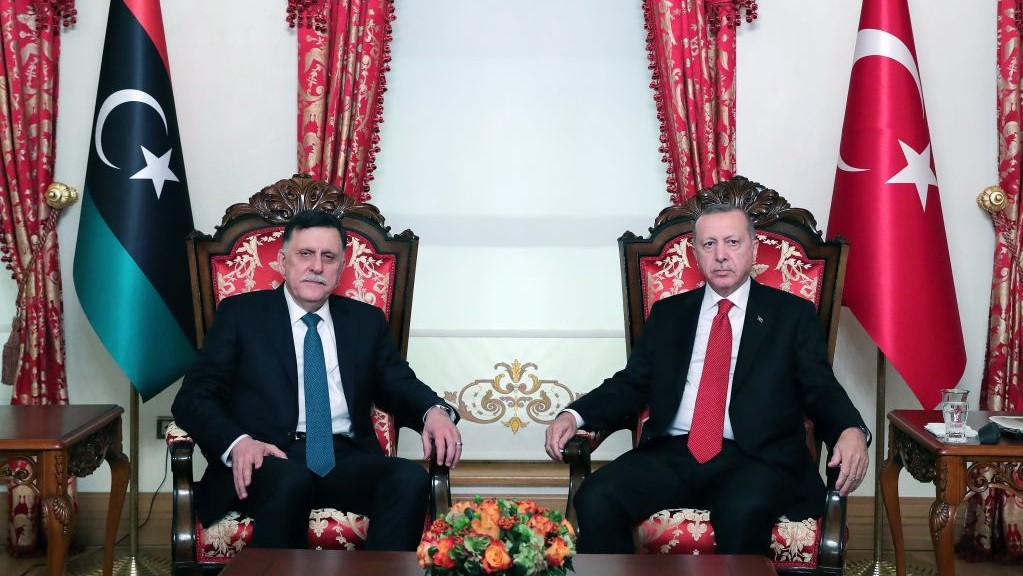
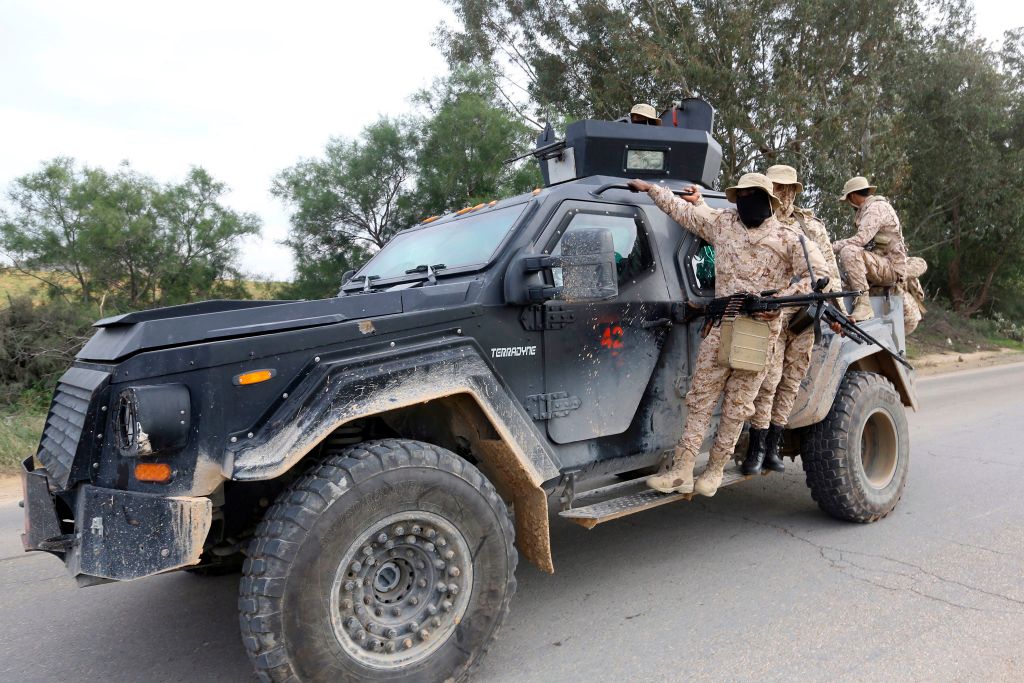
On Nov. 27 the GNA signed an MoU with Turkey seeking to create a shared maritime boundary in the Mediterranean Sea between southwestern Turkey and northeastern Libya. In an overt quid pro quo, this maritime agreement was signed along with a separate MoU to expand security and military cooperation. Thus, it seems clear that Turkey was only able to persuade the GNA to agree to the maritime deal in exchange for increased security support for the GNA-aligned forces fighting the self-styled LNA in Tripoli.
The subject of extensive international interest and attention over the past few years, blockchain technology is regarded as a key component of the fourth industrial revolution. This article seeks to shed light on the use of blockchain technology in the Gulf states by analyzing current trends of blockchain adoption in the region compared to those internationally. In so doing, it will determine Gulf institutions’ capacity for keeping pace with the changes and developments blockchain adoption has introduced.
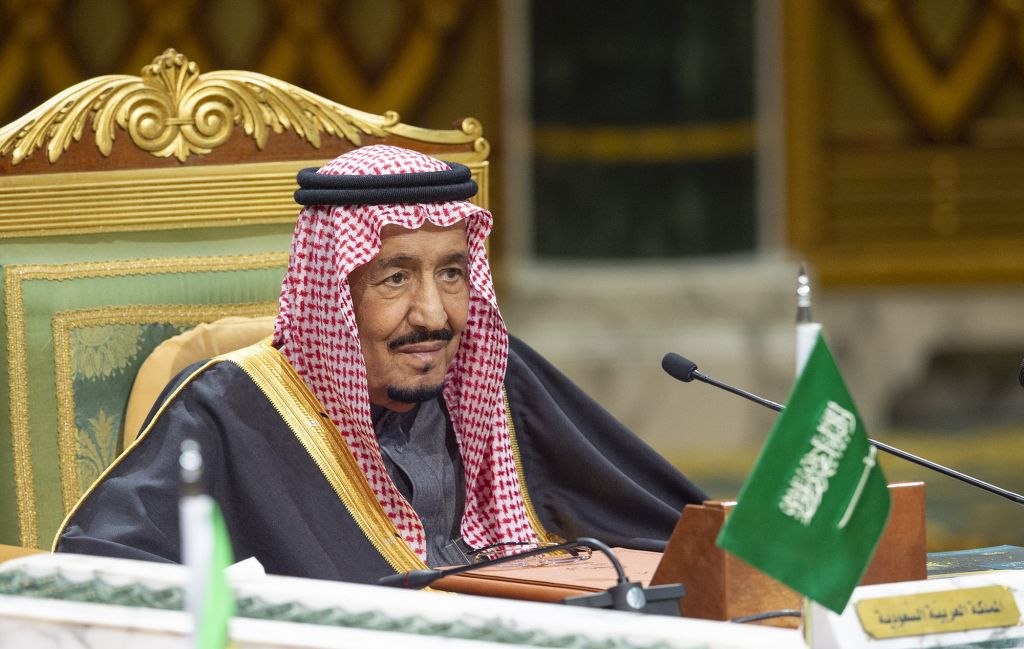
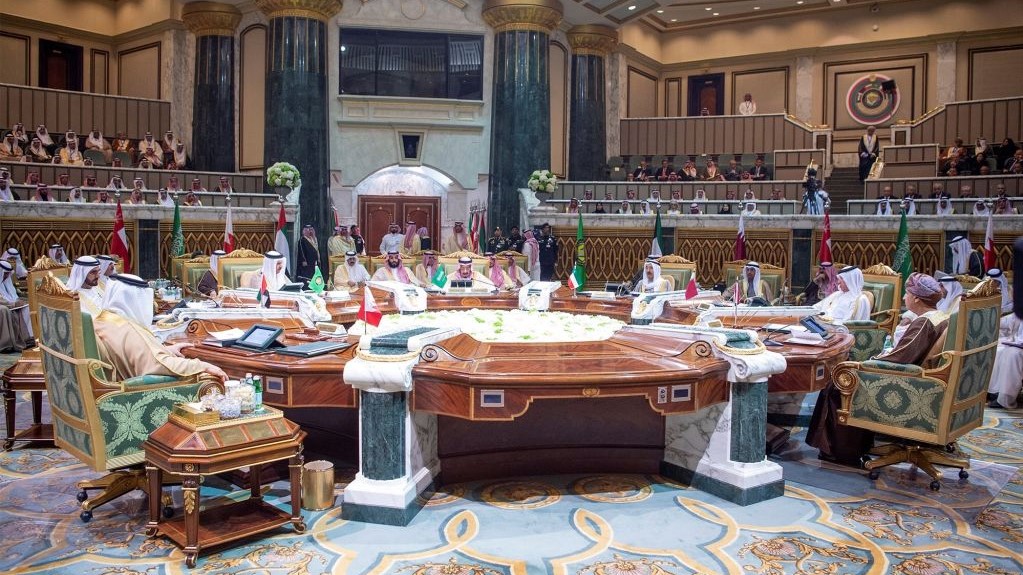
Cautious optimism that the Riyadh summit will open the door to ending the intra-GCC dispute
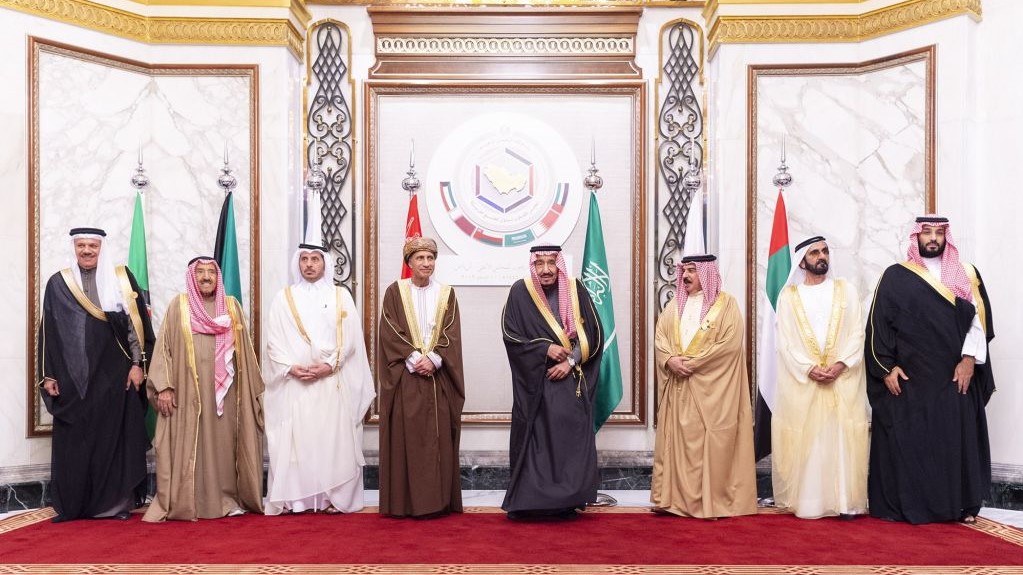
The leaders of the six GCC member states will meet in Riyadh on Dec. 10 amid signs that the 30-month-old confrontation with Qatar by the self-described “Anti-Terror Quartet” is diminishing.
Seized Russian-printed dinars highlight an opportunity to reform Libya’s civil war economy
The Nov. 1 seizure by Malta of two 2000-cubic-foot containers full of Libyan currency printed by the Russian state printer, Goznak, that was intended for delivery to Libya’s non-internationally recognized eastern government, highlights the continuing importance of the economic aspects of Libya’s ongoing civil war.
The UN deliberately (albeit mistakenly) accorded sovereignty to post-Gadhafi Libya’s economic institutions
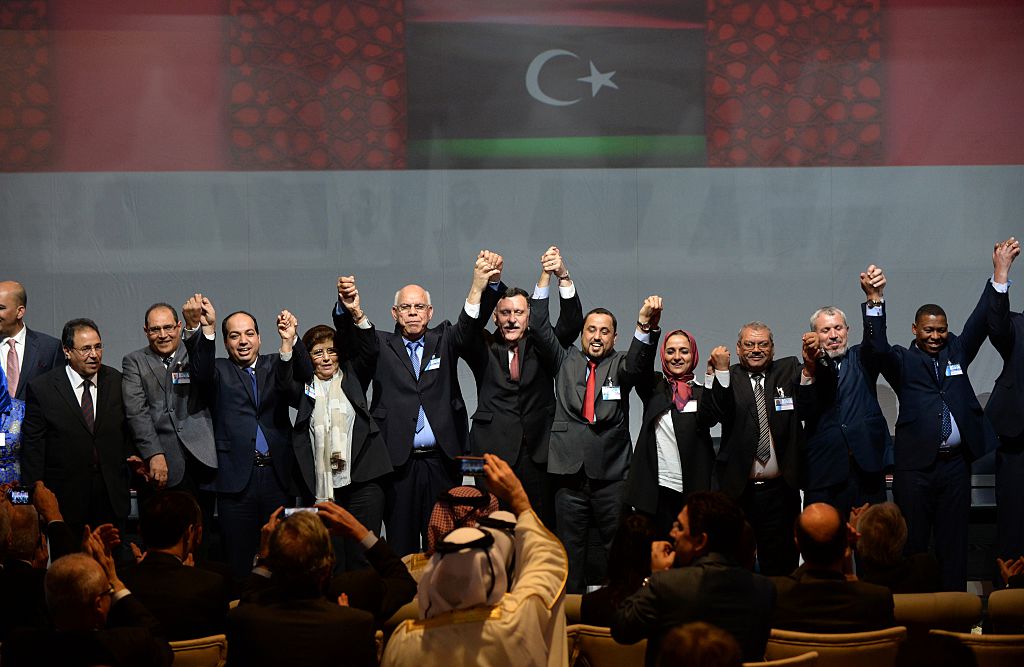
The crux of today’s Libya problem in international foreign policy lies in an underappreciated UN misstep in the most important international treaty concerning Libya, the 2015 Skhirat Agreement, and the decision to vest sovereignty in the heads of independent and semi-independent sub-state institutions like the Central Bank of Libya. The negative implications of this decision must now be addressed and it is time to move onto something new, after Skhirat.
How Libya’s economic structures enrich the militias
Largely overlooked in international policymaking toward Libya’s current conflict is the role of corruption as a key driver of violence, as opposed to merely its byproduct. The high-level debate on Libya at the UN General Assembly (UNGA) in late September and the proposed follow-on international conference to be hosted by Germany in October or November are the perfect opportunities to correct this oversight.
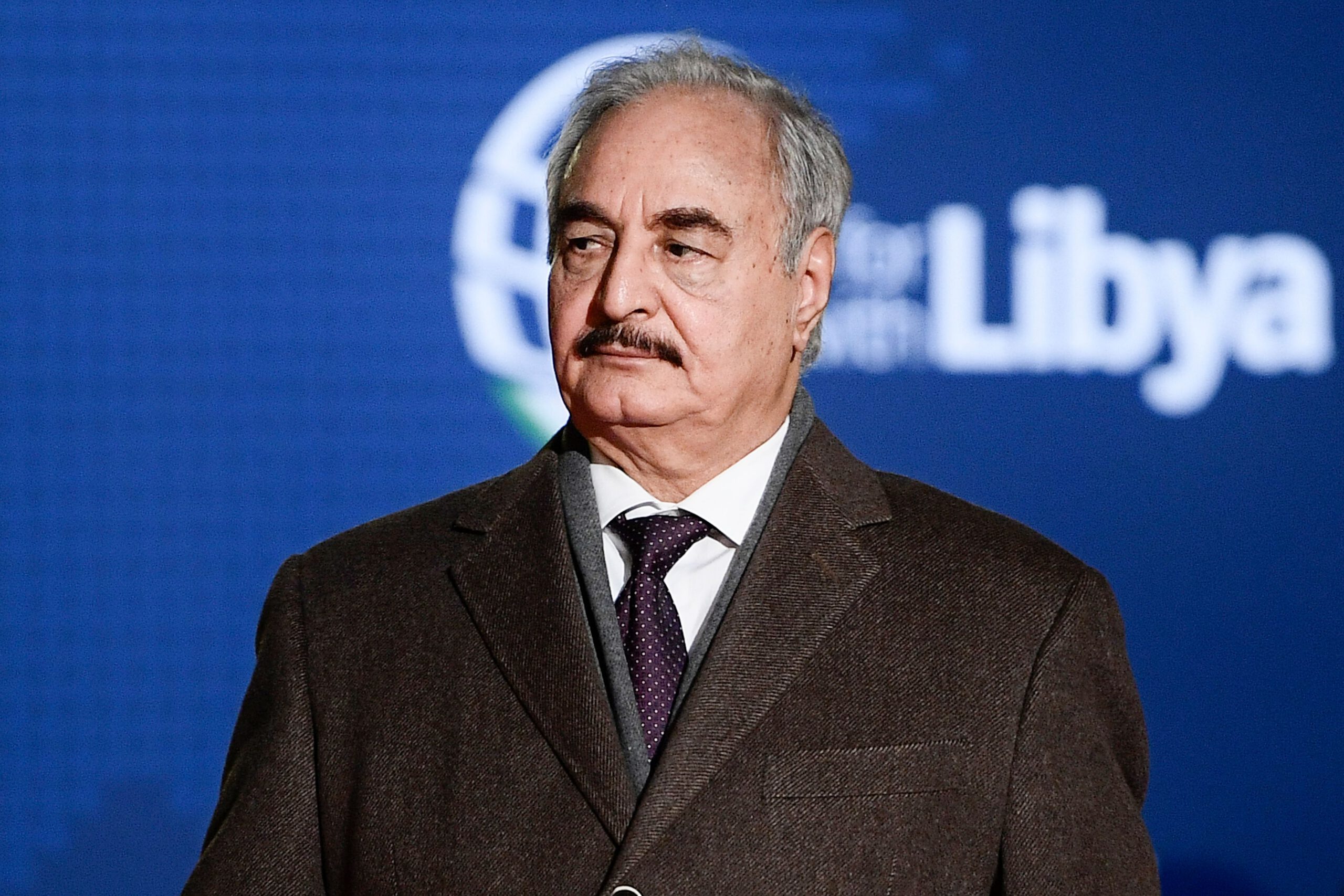
Libya’s Hifter and the false narrative of authoritarian stability
Khalifa Hifter has managed to garner outside support by appealing to foreign states’ desire for a stable Libya, but this rogue former general and would-be authoritarian has proven a troublesome proxy. In supporting his ongoing offensive on Tripoli, foreign states are undermining their own narrative of authoritarian stability.
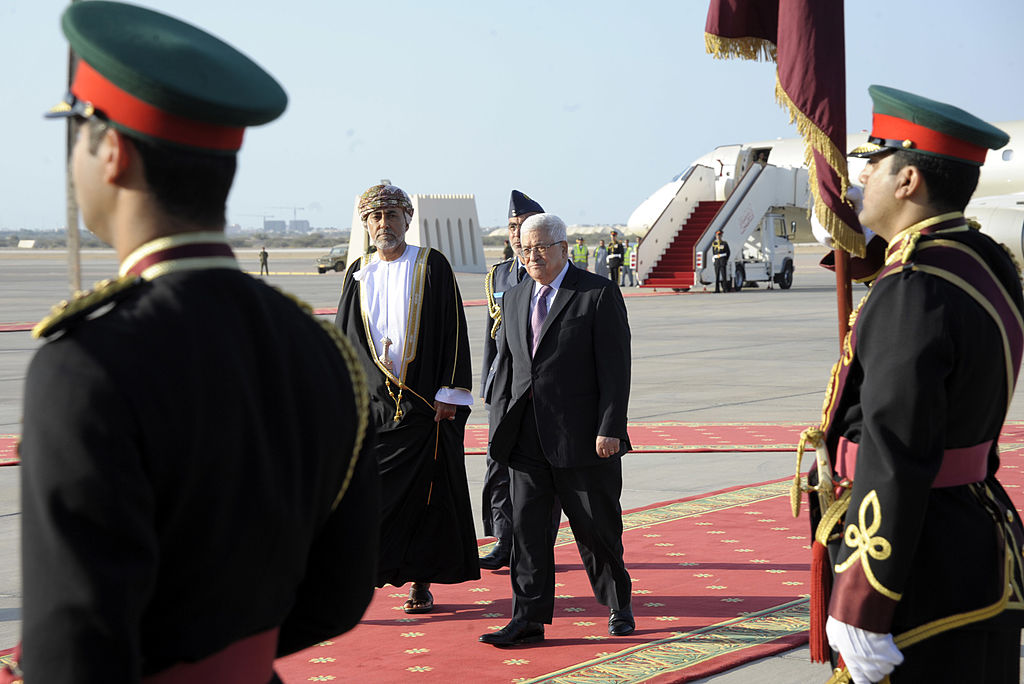
The news came eight months after Israeli Prime Minister Benjamin Netanyahu paid a visit to the Omani capital for surprise talks with Sultan Qaboos in October 2018, and four months after Minister Responsible for Foreign Affairs Yusuf bin Alawi bin Abdullah met with Netanyahu in Poland during the Trump administration’s “Peace and Security in the Middle East” summit.