Reverse Moralism and the Response to the Syrian Refugee Crisis
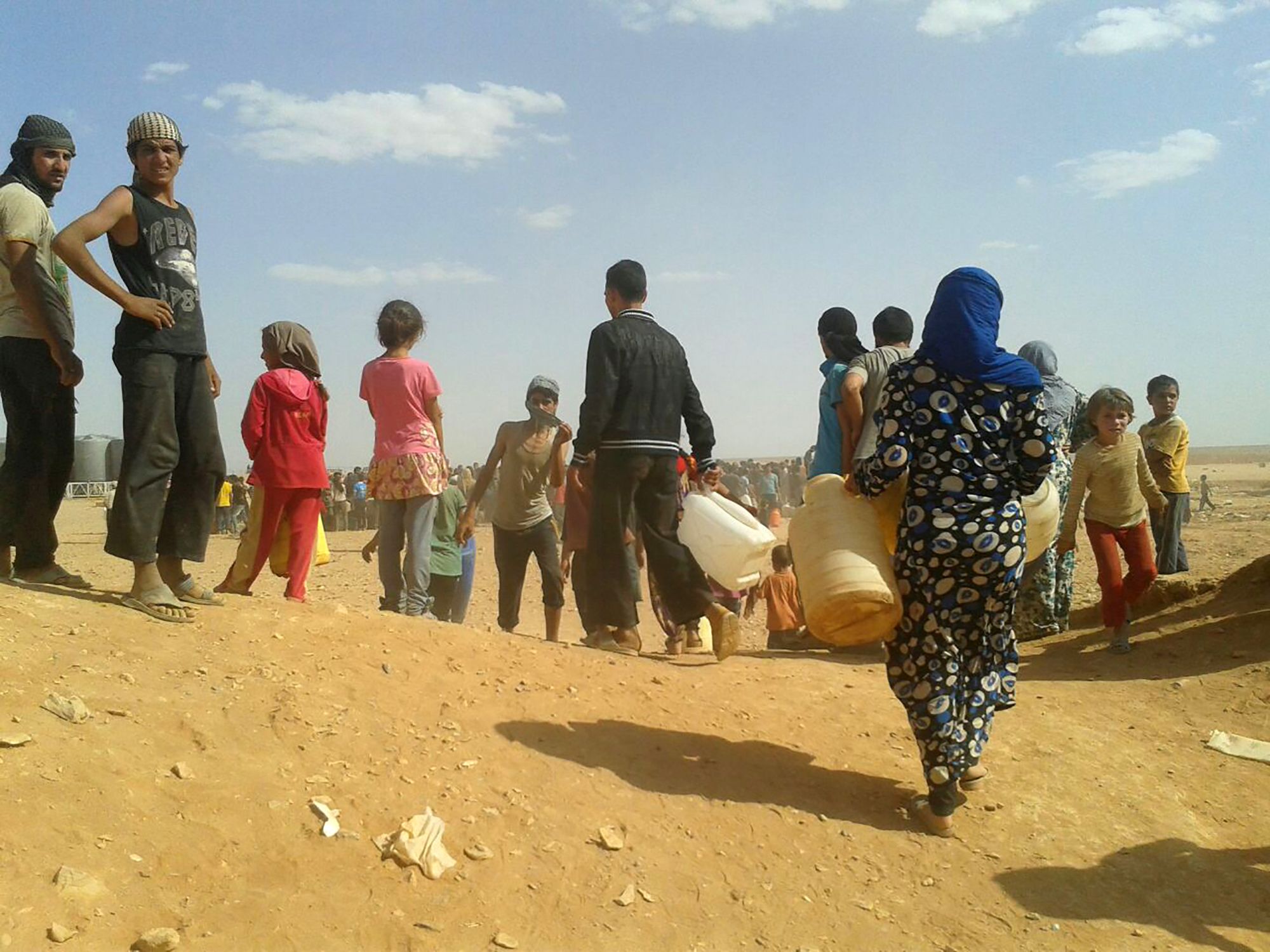
Non-refoulement is a well-recognized principle of customary international law that forbids the forced deportation of refugees and asylum seekers to their country of origin. This essay discusses the increasingly common practice of refoulement in Jordan and the circumstances in which this development is taking place.
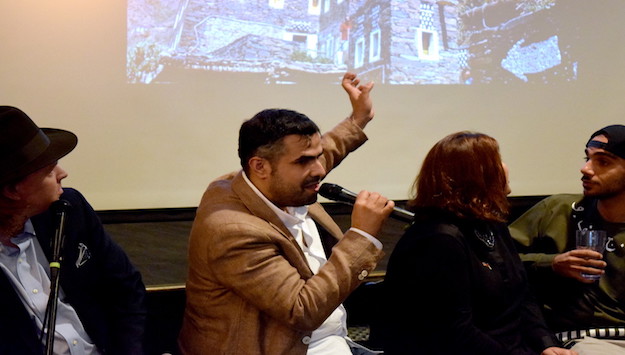
Art has long been both an instrument for openly engaging in dialogue as well as an agent to force an overdue conversation. The installations of international artists, such as Dawn Weleski, Jon Rubin, Ai Weiwei, and Theaster Gates, all engage with social issues and help introduce new perspectives or dialogue. The fusion of art and socio-political commentary thrives especially in the Middle East, where unrestricted criticism of both government and cultural norms can be seen as heresy.
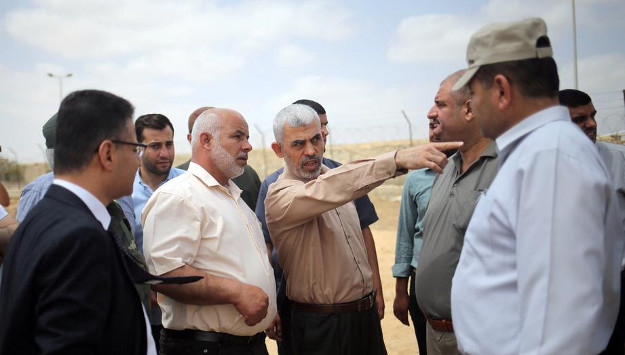
Jordan’s conspicuous silence over the unexpected trilateral rapprochement involving Hamas, Egypt, and former Fatah strongman Mohammad Dahlan does not mean that Amman is not keeping a close eye on recent developments. It is an unusual partnership that brings together once bitter foes, especially in the case of Dahlan and Hamas.
The Influence of North African Militaries in Foreign Policy-Making
This essay looks at five North African states, arguing that the armed forces — for a variety of often case-specific reasons — are actually not as politically powerful and thus influential in foreign policy-making as one might expect. It first discusses the political strength of the military establishments of five North African states — Morocco, Algeria, Tunisia, Libya, and Egypt — and then investigates the difference, if any, that the recent Arab upheavals have made in their involvement in foreign policy-making.
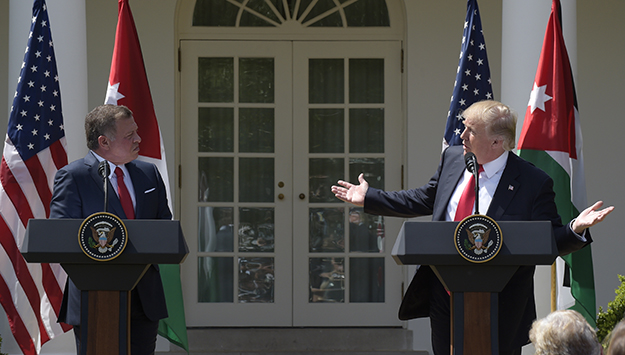
If it’s tough enough for media pundits to keep up with President Donald Trump’s flip-flopping on domestic politics, then the task of reading the president’s stand on key foreign issues is even more difficult. Jordan, one of America’s closest Middle Eastern partners, has been trying to cope with Trump’s sudden swerves on Syria, Israel-Palestine, and the war on ISIS. At times, the usually reserved Jordanian diplomacy was taken off-guard, forced to recalibrate, and even walk back on certain positions as a result of the president’s rhetoric.
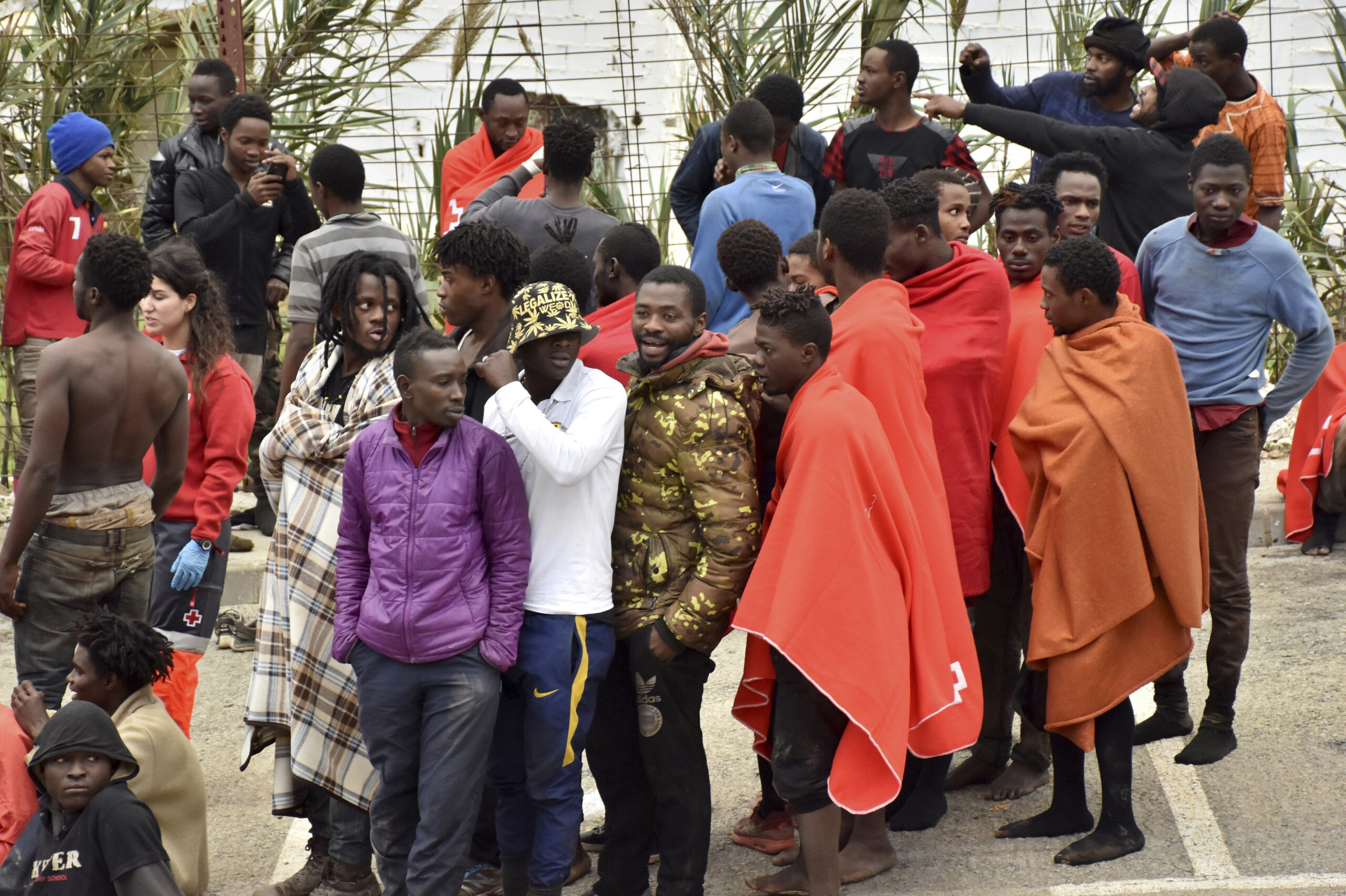
Morocco's Triple Role in the Euro-African Migration System
This essay discusses Morocco’s changing role within the Euro-African migration system — that of a source, transit, and final destination country. It briefly addresses the responsibilities and responses of Moroccan authorities in dealing with the phenomenon of irregular migration, in particular as it relates to Morocco’s role as a destination country.
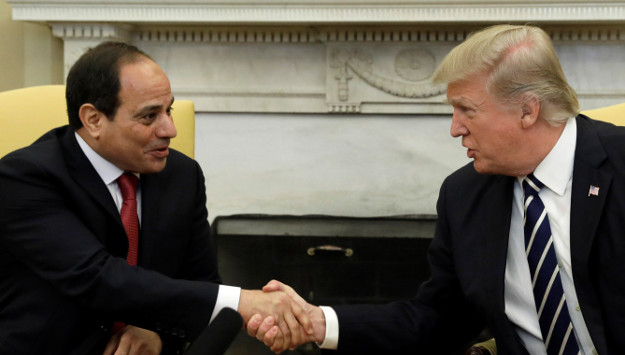
In this week’s Monday Briefing, MEI experts Paul Salem, Yousef Munayyer, and Randa Slim provide analysis on recent and upcoming events including the meeting between Egyptian President Sisi and President Trump, the upcoming meeting between President Trump and Jordan’s King Abdullah, and the Trump administration’s adoption of Obama-era policies in Syria.
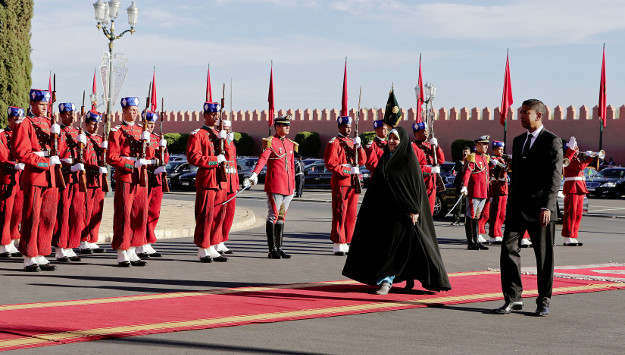
Moroccan Officials Accuse Iran of Spreading Shiism in the Sunni Kingdom
Moroccan officials have reportedly accused Iran of undermining sectarian harmony in the North African country. According to al-Quds al-Araby, Iran is pushing a “Shiite agenda” by recruiting thousands of young Moroccans in cities such as Hasima, which, according to the news outlet, has witnessed several anti-government protests in recent months.
One-State Solution an Existential Threat to Jordan
President Donald Trump’s refusal to endorse the two-state solution to resolve the Israeli-Palestinian conflict has irked one close ally—Jordan. During King Abdullah’s visit to Washington in early February, Trump and other officials restated continued U.S. military and economic support for the kingdom. The king had outlined the dangers of moving the U.S. embassy to Jerusalem and underlined the need for peace between Israel and the Palestinians.
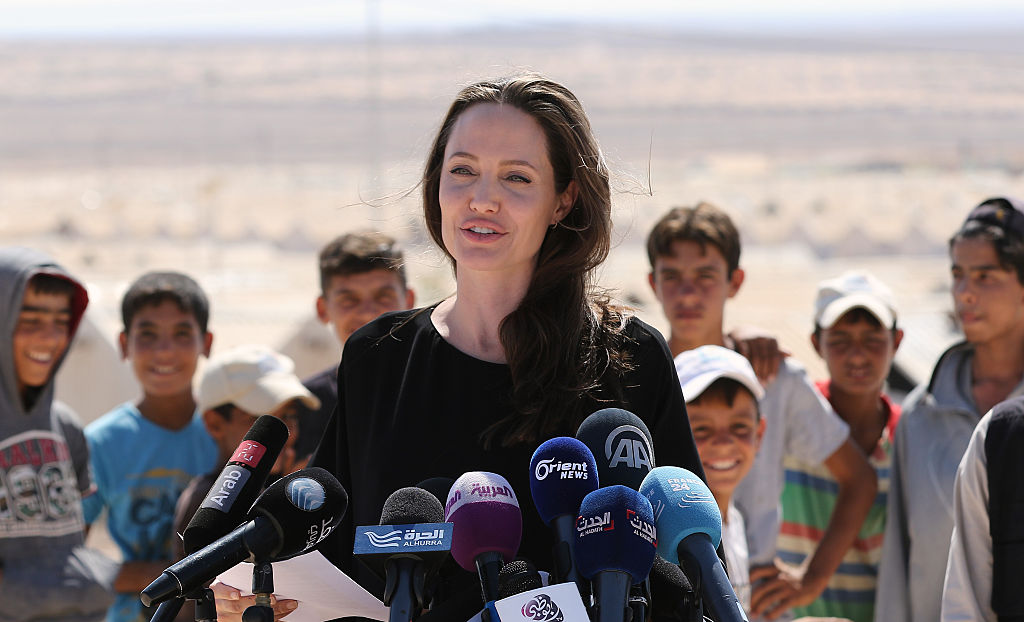
Bearing Witness to the Refugee Crisis: Western Audiences and Jordanian Humanitarian Workers
This essay is not about the Syrians who have fled their homes or those who are unable to leave despite the barrel bombs. Nor is it about Syrian refugees who are caught in limbo in neighboring countries, those that took perilous journeys to Europe by boat, or those who face rejection in the “land(s) of the free.” Instead, this essay is about the witnesses — those closest to Syrian refugees and those farthest away. It juxtaposes images produced for consumption by Western audiences with reflections of Jordanian humanitarian aid workers.
Islamists in Government: Lessons from their Successes and Failures
The question of whether Islamist groups are compatible with democracy has been a topic of serious discussion for some time, especially considering the claims that Islamists have structural impediments when it comes to adapting to various social and political contexts.
Are Syrian Men Vulnerable Too? Gendering The Syria Refugee Response
This essay examines the place of Syrian men in the refugee response, with a focus on the situation in Jordan. It questions the prevailing understandings of vulnerability, and outlines how the assumption that women and children are ‘the most vulnerable’ affects the distribution of aid and services. The essay demonstrates that, contrary to the perceptions of many in the humanitarian sector, work with refugee men is not only necessary, but can be extremely successful. Syrian men can be vulnerable too.
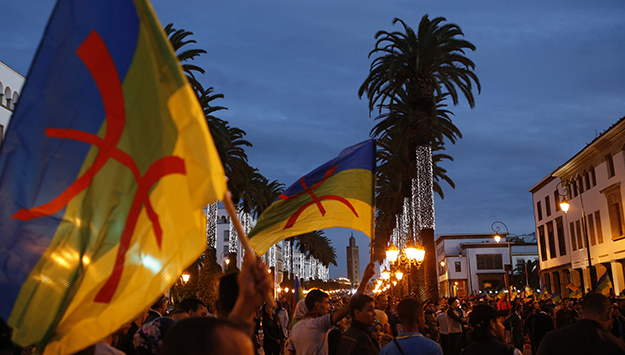
Screams and gruesome images mar the graphic video of a young man being crushed to death in the back of a garbage truck. Late Friday night, October 28, Mouhcine Fikri, a fish vendor from the northern town of Imzouren, desperately tried to retrieve his 500 kgs of swordfish, which authorities threw away because of a fisheries law that bans the fishing of swordfish during this time of year. The incident unfolded in the coastal city of Hoceima, located in the historically socioeconomically marginalized Rif region.
The tug of war between proponents of a civil, democratic, and secular state, on the one hand, and conservative forces, especially religious hardliners, on the other, has become the center of public debate in Jordan against a backdrop of incidents that have recently polarized the kingdom. Accusations that new school textbooks for elementary grade students have been altered where certain religious references, including Quranic verses, were removed have triggered public protests throughout the country.