Gen. Khalil Helou and Dr. Paul Salem speak with MEI’s US-Lebanon Fellow Fadi Nicholas Nassar on the unraveling Israel-Hezbollah conflict, the role of the Lebanese Armed Forces during this critical moment, and the prospects of a political solution in Lebanon and the wider region.
Washington must make sure this is the last war between Israel and Lebanon
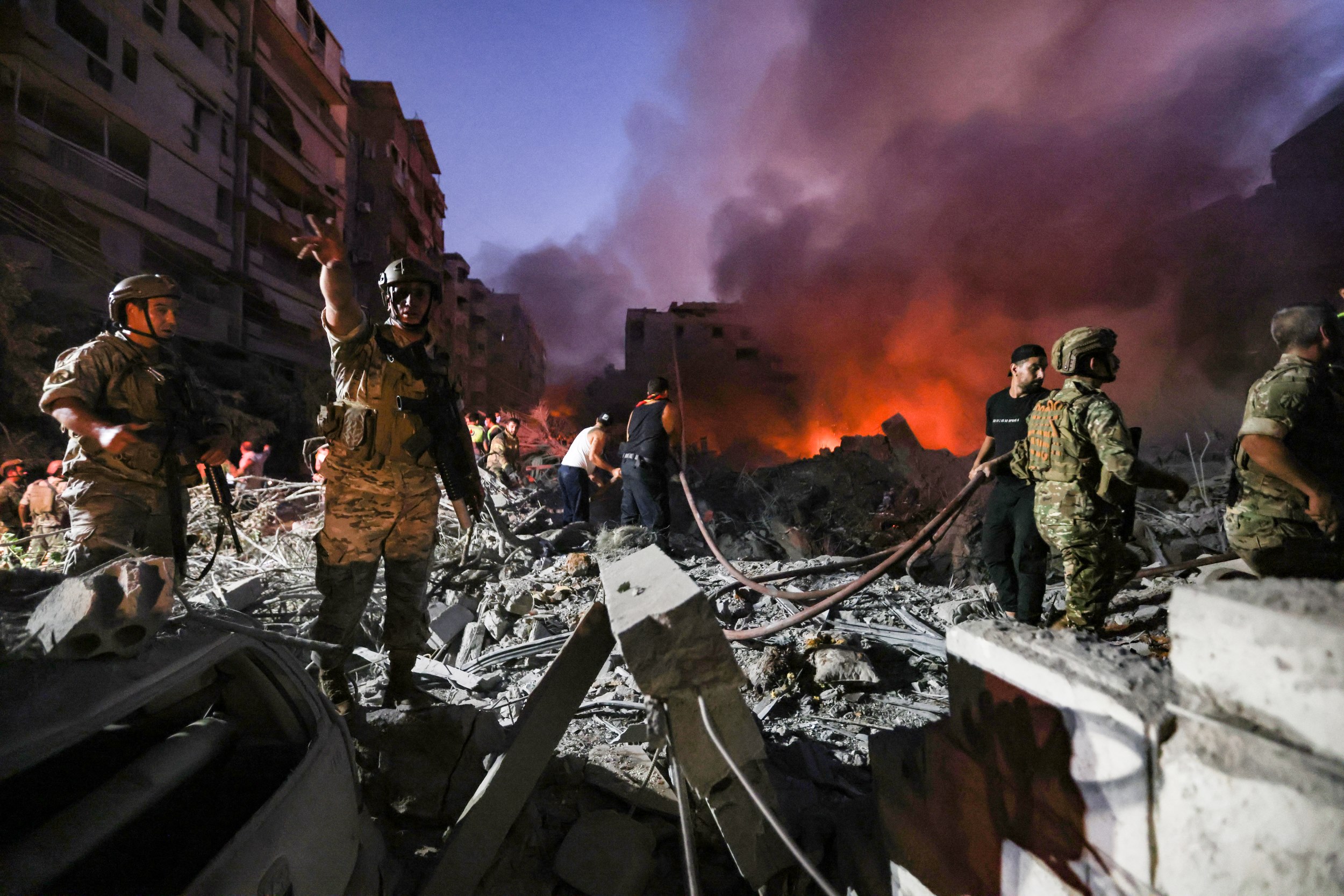
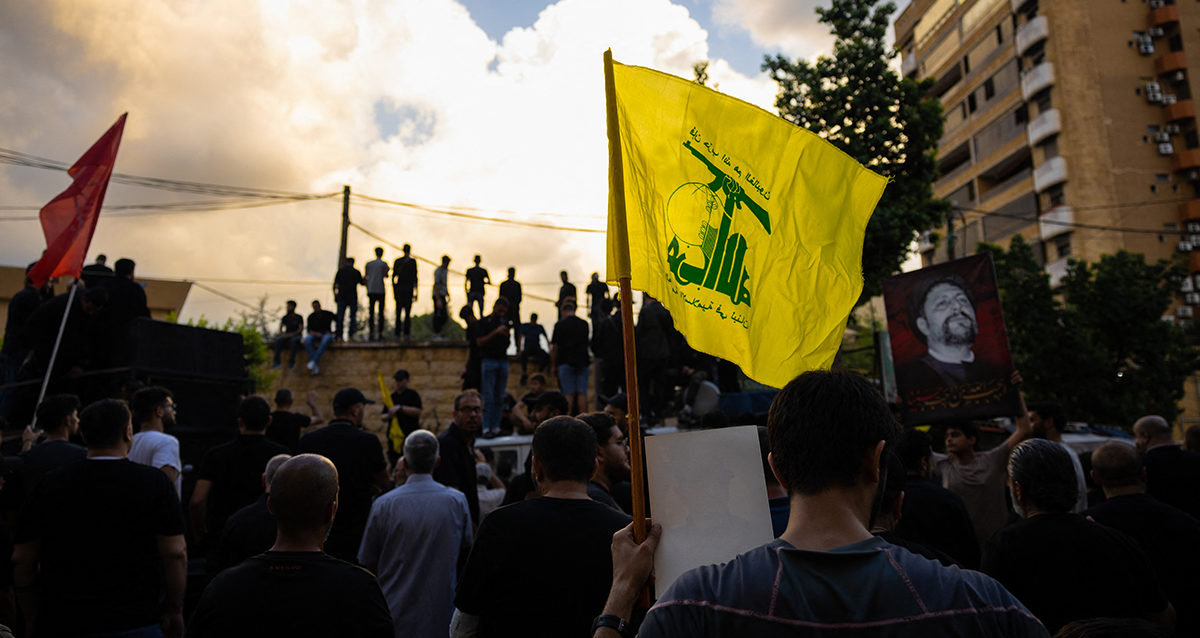
The assassination of Hezbollah’s secretary-general, Hassan Nasrallah, marks an inflection point that will redefine the security landscape of the Middle East. His deputy, Naim Qassem, has pledged “continued resistance,” claiming Hezbollah was steadfast and will not retreat, while Israel has pressed ahead with a ground invasion of southern Lebanon. The United States must act decisively to ensure this is the last war between Israel and Lebanon.
The killing of Hezbollah Secretary-General Hassan Nasrallah along with the rapid degradation of Hezbollah’s power over the past two weeks signals a tectonic shift in the Middle East.
Defense Rapid Reaction: Israel expands its war aims to neutralize Hezbollah
In the latest installment of the Defense Rapid Reaction series, experts from MEI’s Defense & Security Program provide their views on the likely evolution of the Israeli-Hezbollah war, the potential for the conflict to draw in outside actors, as well as the impact of the war on global terrorist recruitment and appeal for extremist activities.
Hezbollah and Iran’s calculus as the conflict with Israel heats up
The deadly, back-to-back pager/two-way radio attacks against Hezbollah, which killed dozens and wounded thousands of its operatives, undoubtedly signaled a new phase in the intense cross-border exchanges between the group and Israel.
In a high-risk move, Israel ramps up escalation against Hezbollah
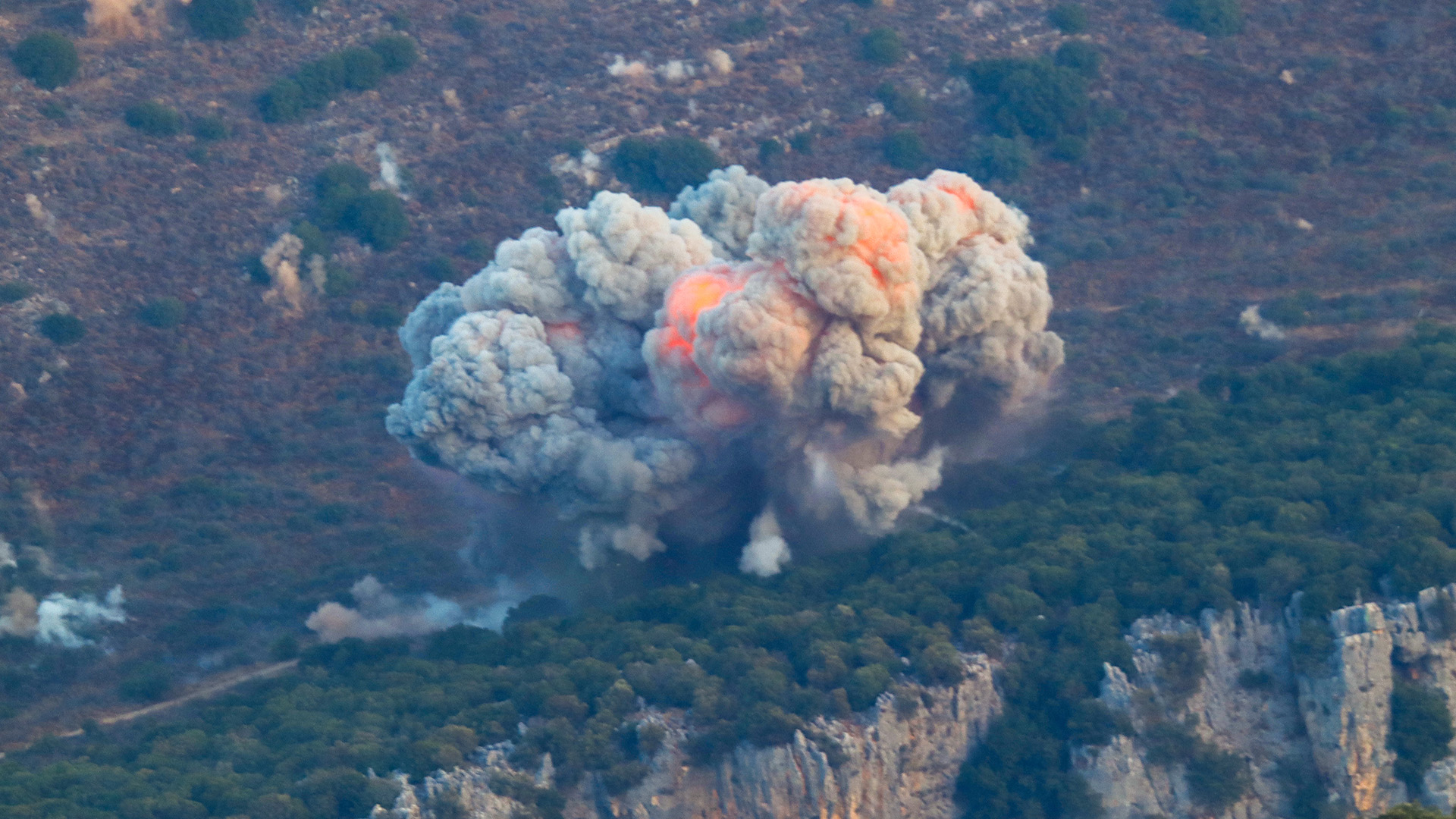
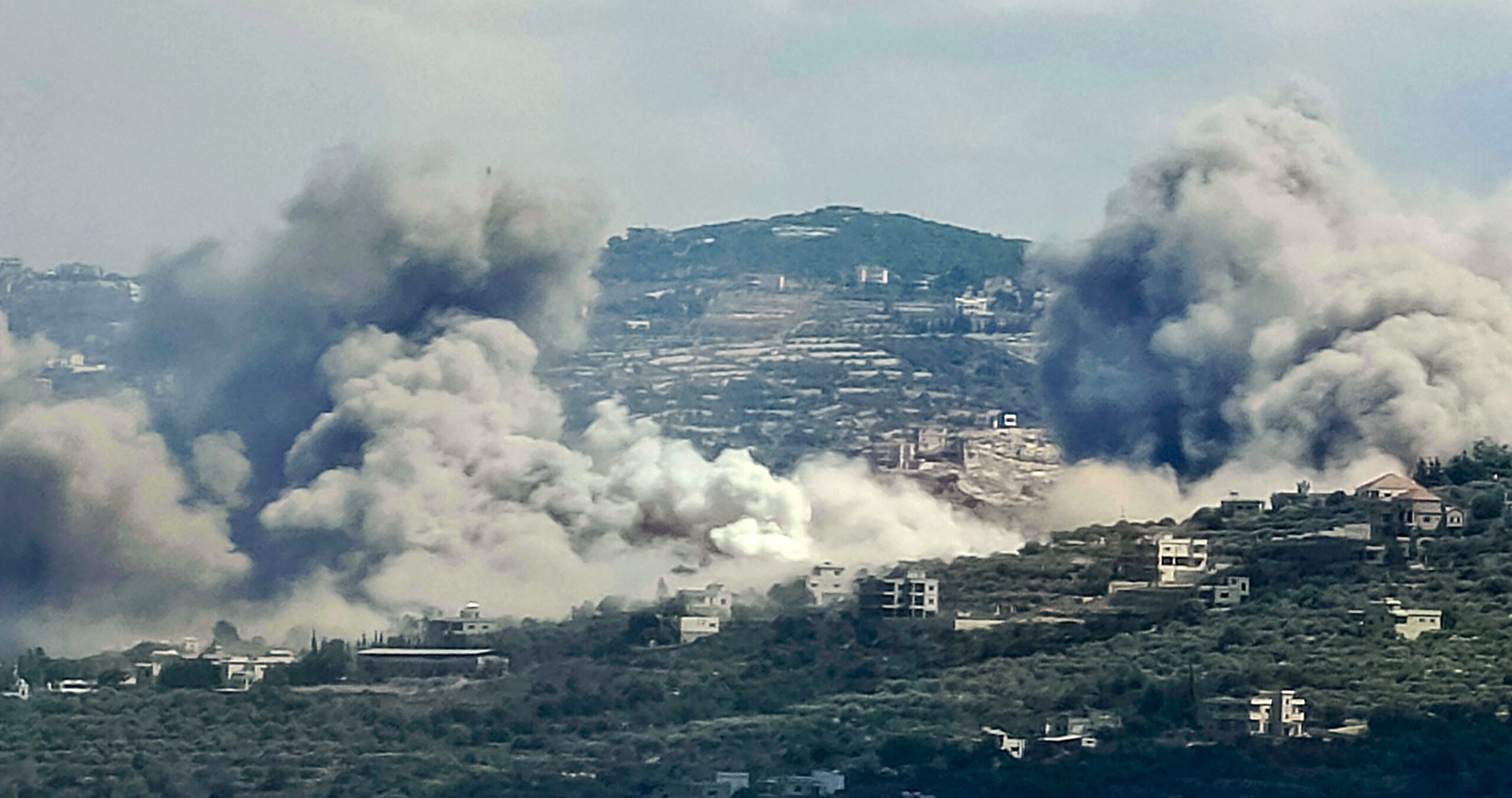
Over the past few days, the conflict between Israel and Hezbollah has entered a precarious new phase, with Israel carrying out both unconventional attacks and heavy airstrikes against the Iran-backed Lebanese militant group, while Hezbollah has responded with an increase in retaliatory fire.
Change and continuity in EU’s foreign policy in the MENA region: What to expect from the new political cycle in Brussels
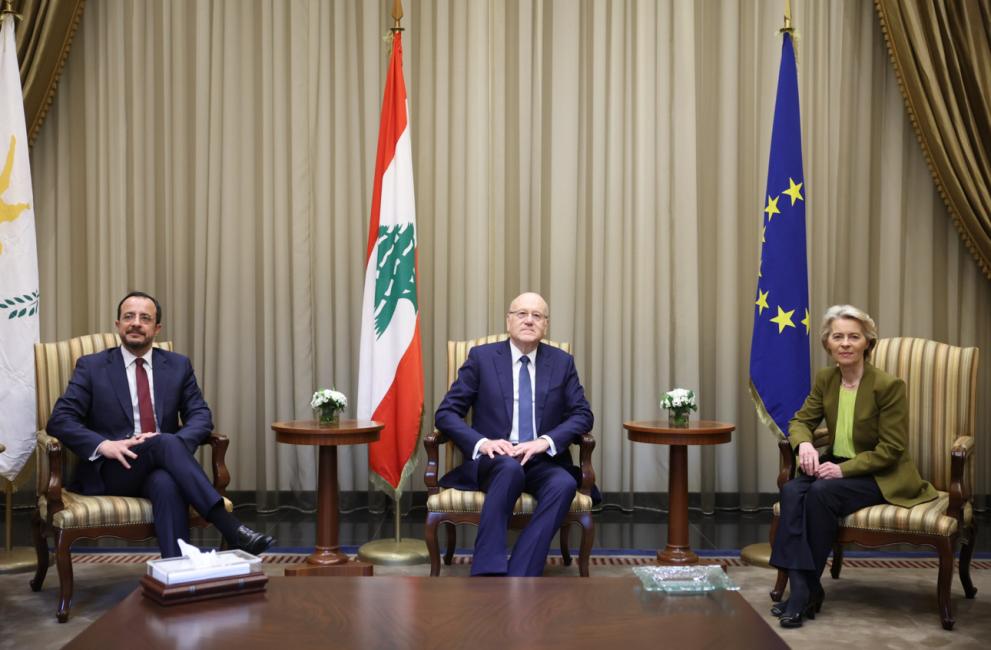
In the corridors of power in Brussels, it is common to hear that the position of the EU High Representative for Foreign Affairs and Security Policy is an impossible job. It may actually become even more difficult for the outgoing Estonian Prime Minister Kaja Kallas, who is set to succeed the Spanish Josep Borrell as the European Union’s foreign policy chief in the coming weeks.
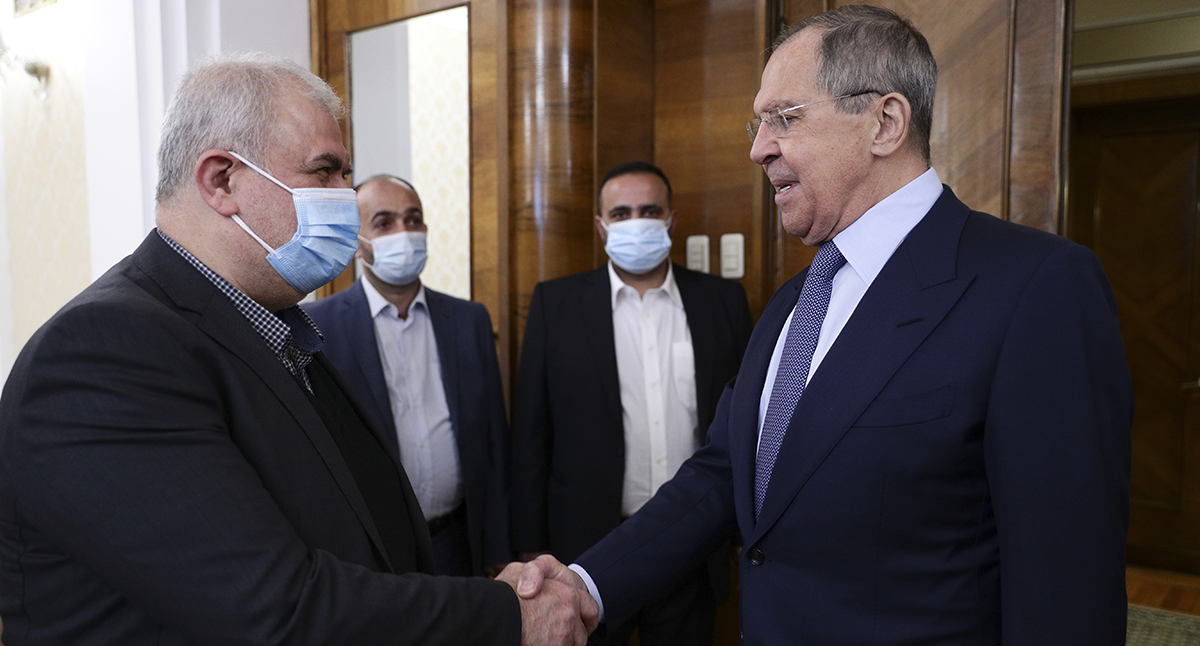
Russia’s relations with Hezbollah amid escalation on Lebanon-Israel border
Russia’s concern about an escalation of hostilities in Lebanon reflects its long-standing partnership with Hezbollah. Due to this multidimensional relationship, Russia has urged Iran to exercise restraint against Israel to prevent the outbreak of a destructive hot war in Lebanon.