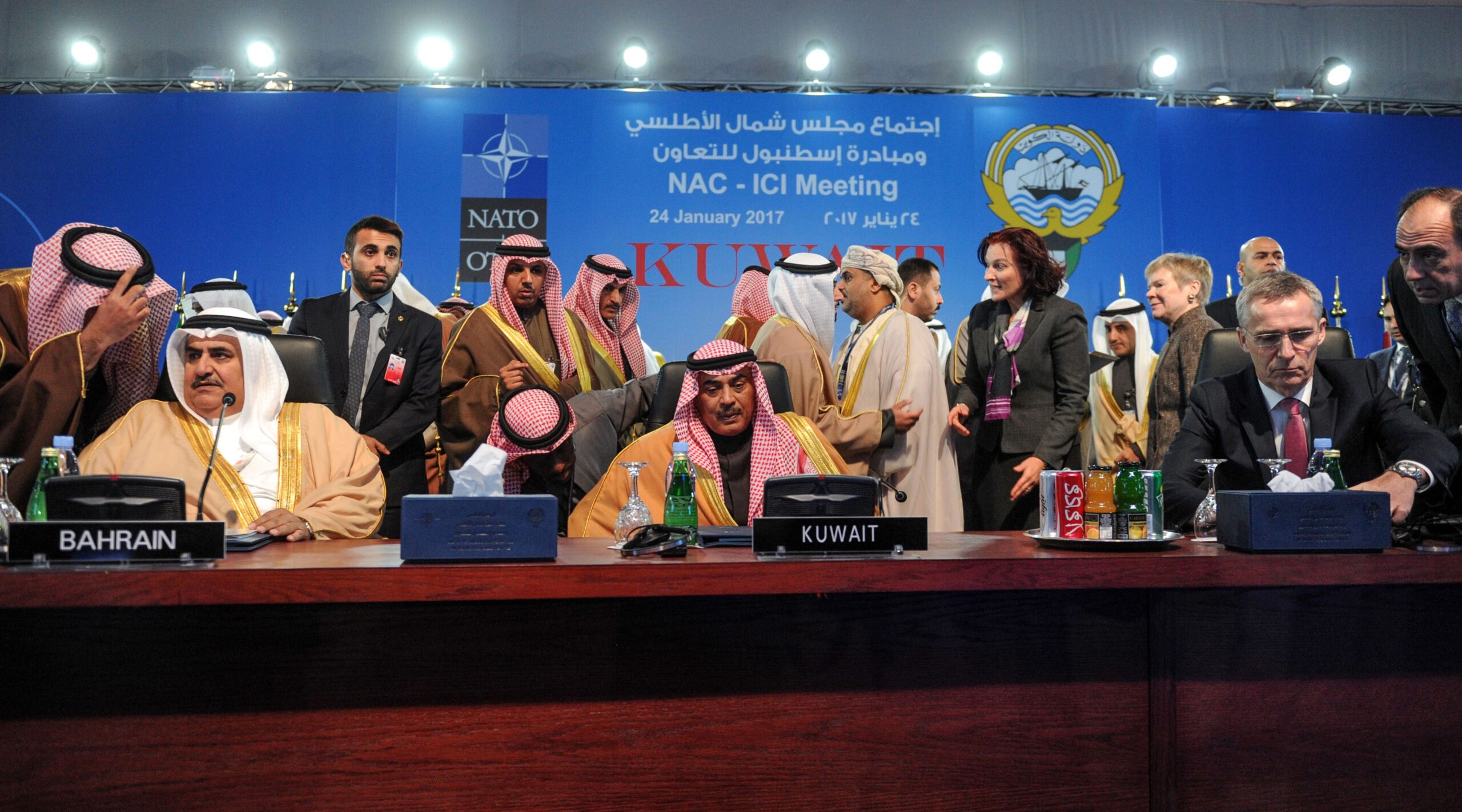
NATO’s narrow window of opportunity for an effective Southern Strategy
While the Washington Summit is unlikely to deliver any ground-breaking outcome, it certainly offers the opportunity to articulate the nexus between security in Europe and the Mediterranean-African region. NATO also has the opportunity to renew and streamline its partnerships with Middle Eastern and North African countries while strengthening its outreach to Africa.
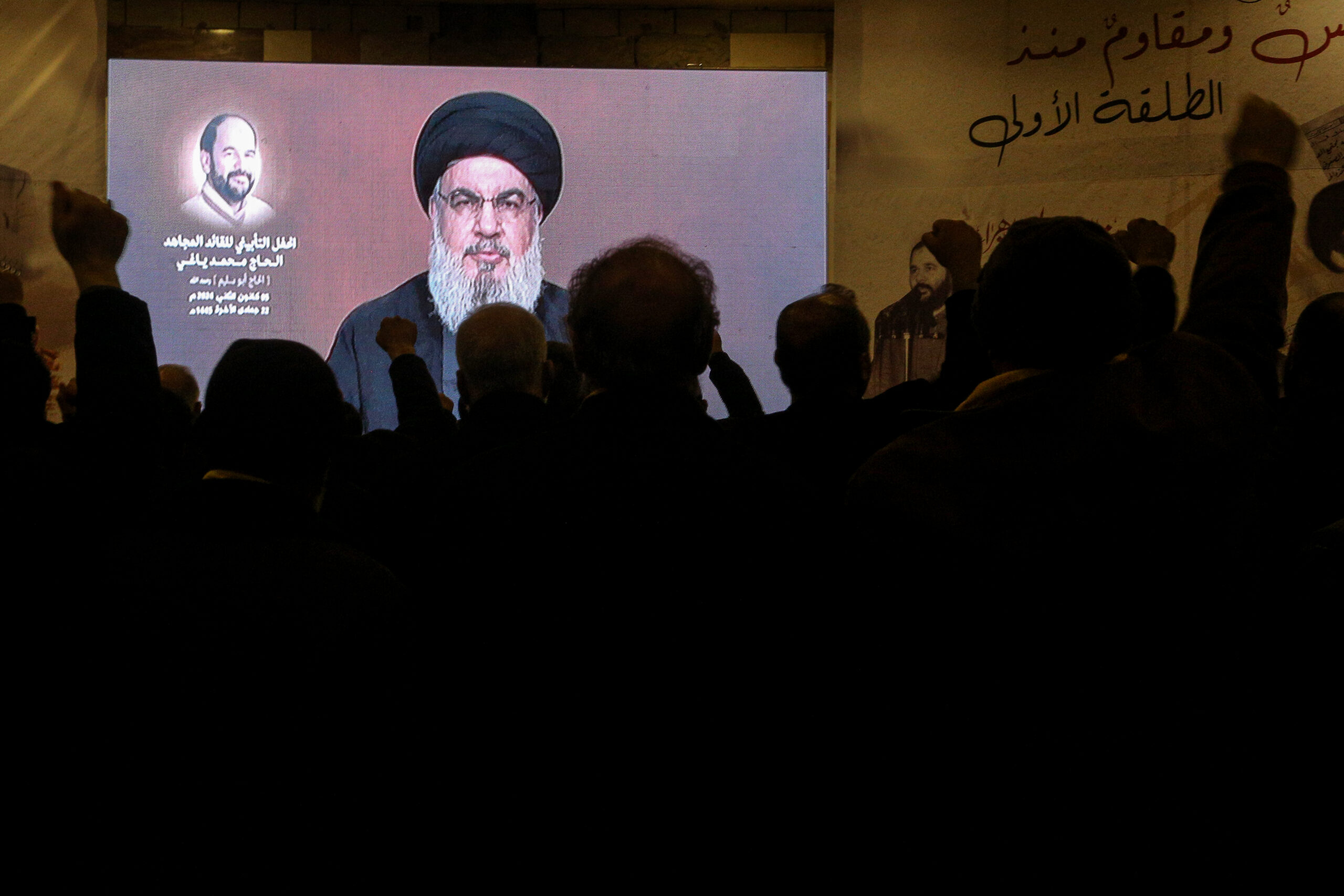
“Vision of darkness balanced by light”: Lebanese-American Artist Nabil Kanso’s Works Express the Current Moment, Decades After Their Creation
Nearly six decades after Kanso moved to America and began his career as a visual artist, his work remains enormously important, channeling the zeitgeist of our uncertain and violent era. Yet as dark as Kanso’s vision is, he also reminds us that even the most hellacious of contexts can contain light and the possibility of rebirth and renewal.
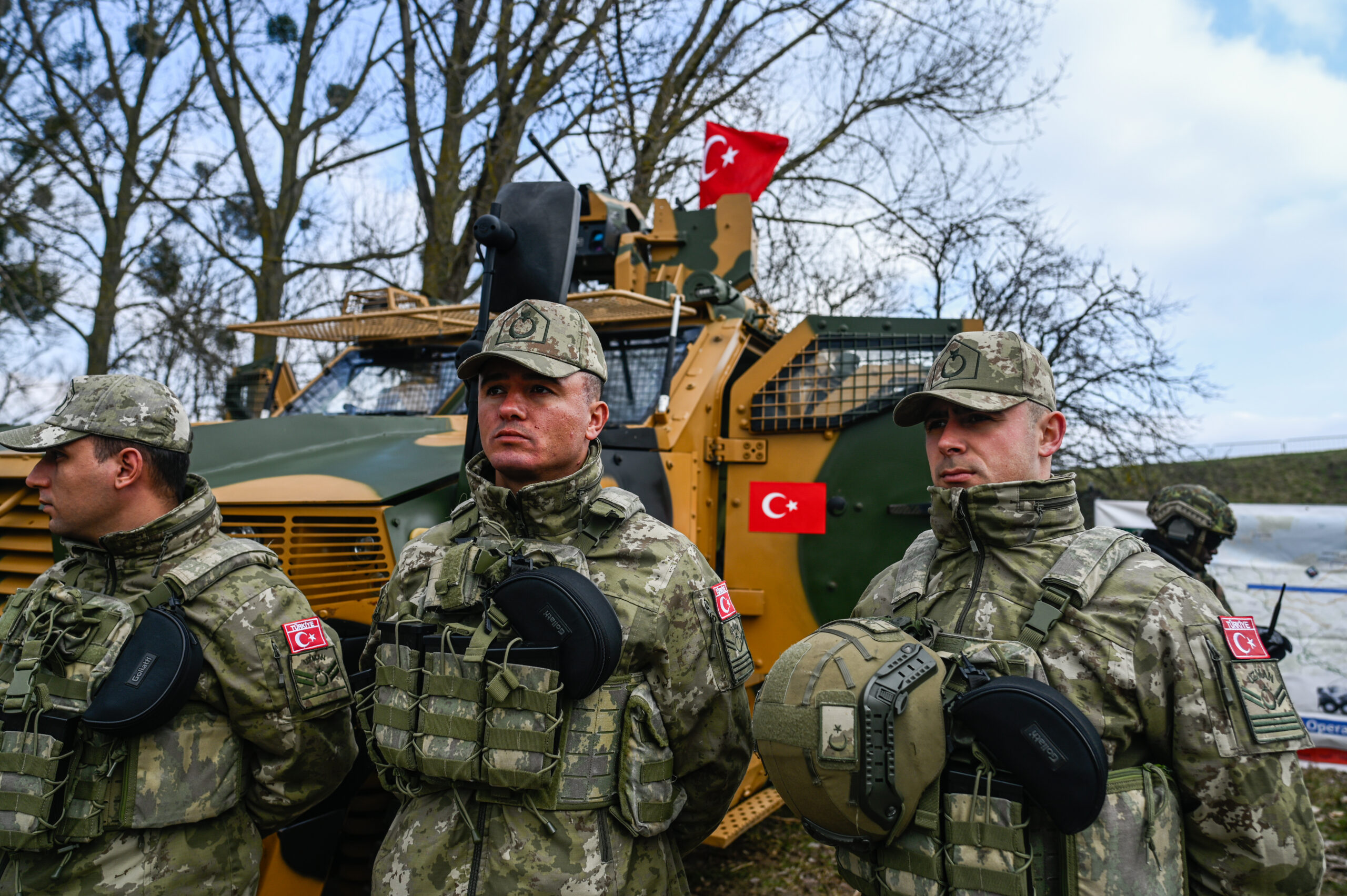
A Turkish foreign minister in China: Subtitles of a silent visit
The most defining aspect of the Sino-Turkish relationship is the need for Turkey to find economic or geopolitical leverage to attain some semblance of equality with China. During Turkish Foreign Minister Hakan Fidan’s recent visit to Beijing, his subtle references to the Turkic and Islamic credentials of Xinjiang may have gotten lost in translation for the Chinese.
American Diplomacy Toward Lebanon With Amb. David Hale
Ambassador David Hale joins MEI’s US-Lebanon Fellow Fadi Nicholas Nassar to discuss his book American Diplomacy Toward Lebanon: Lessons in Foreign Policy and the Middle East. They cover takeaways from his time as ambassador and the state of US-Lebanon and regional diplomacy following the Gaza war.
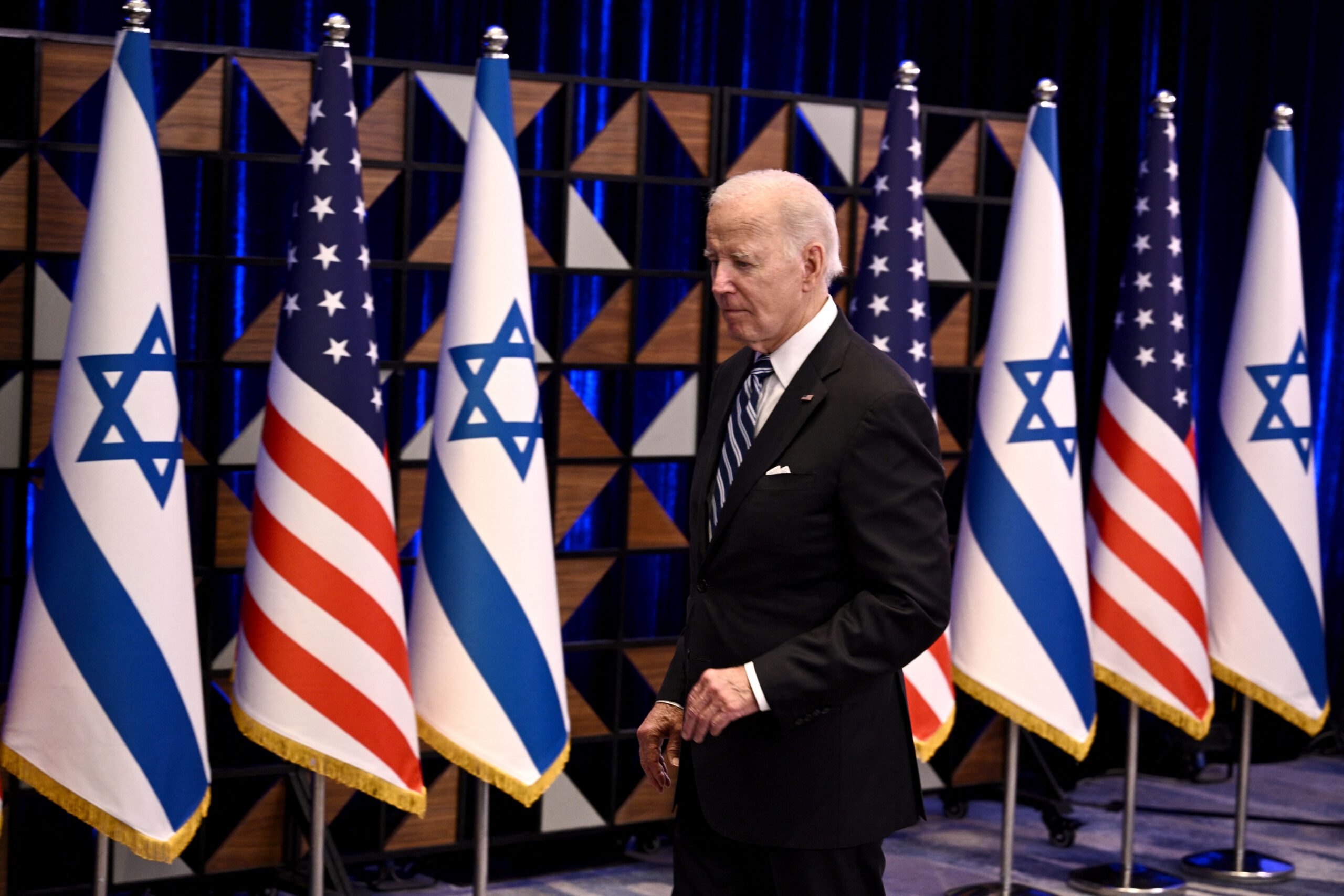
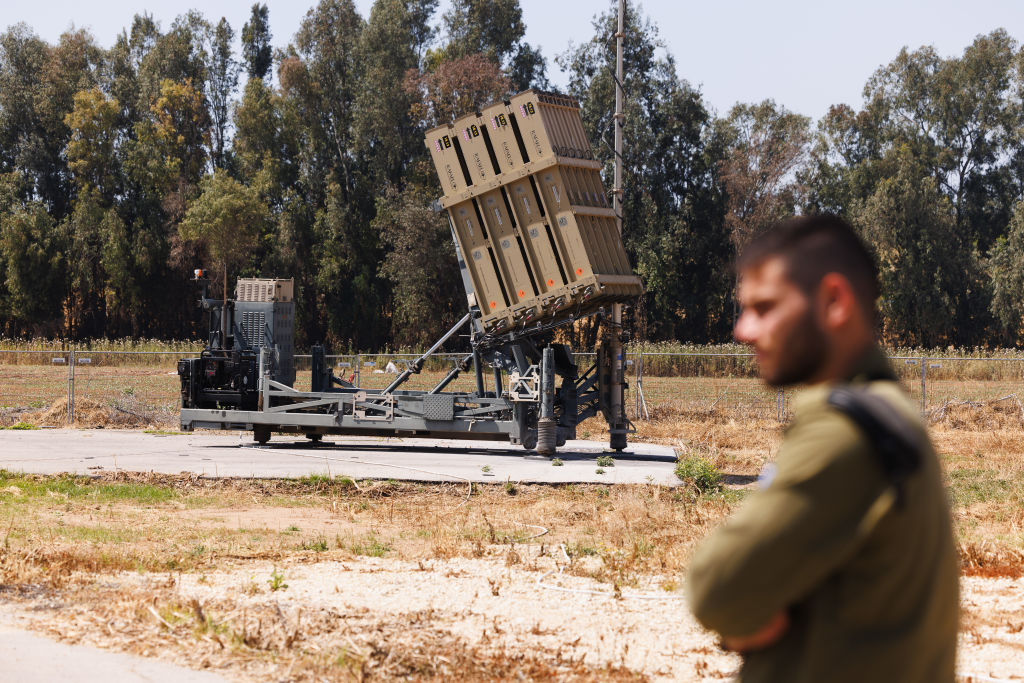
Expert Views: How should we navigate the new rules of the game in the Israel-Iran conflict?
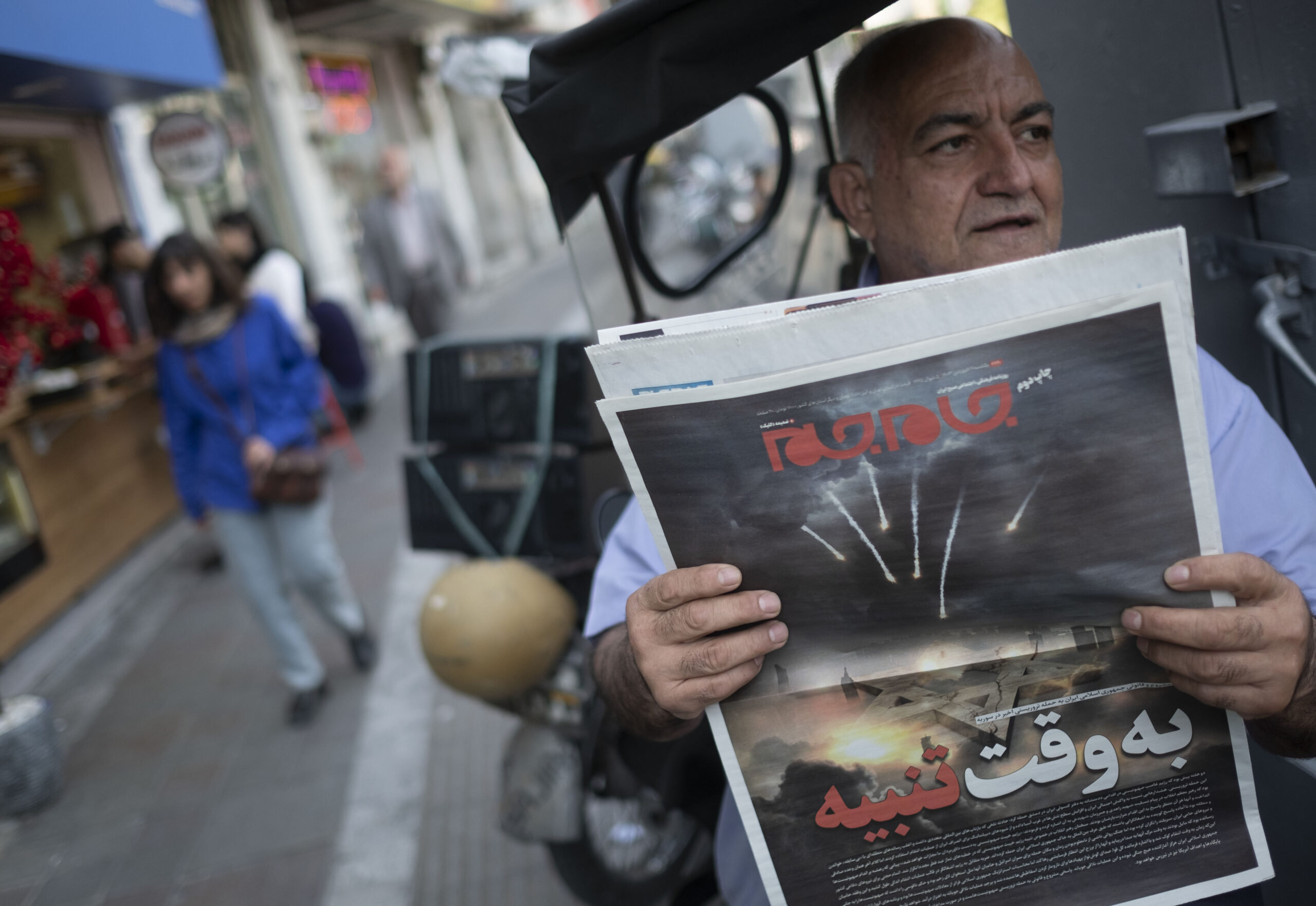
The month of April saw a series of unprecedented escalations in the long-simmering Iranian-Israeli conflict, with both countries launching missile and drone attacks against the other’s territory for the first time in history.
In the wake of these strikes, what will be the impact on the regional security and political environment going forward, what is needed to stabilize the new rules of the game, and how can US diplomacy help to facilitate that process? MEI has asked its experts to weigh in.
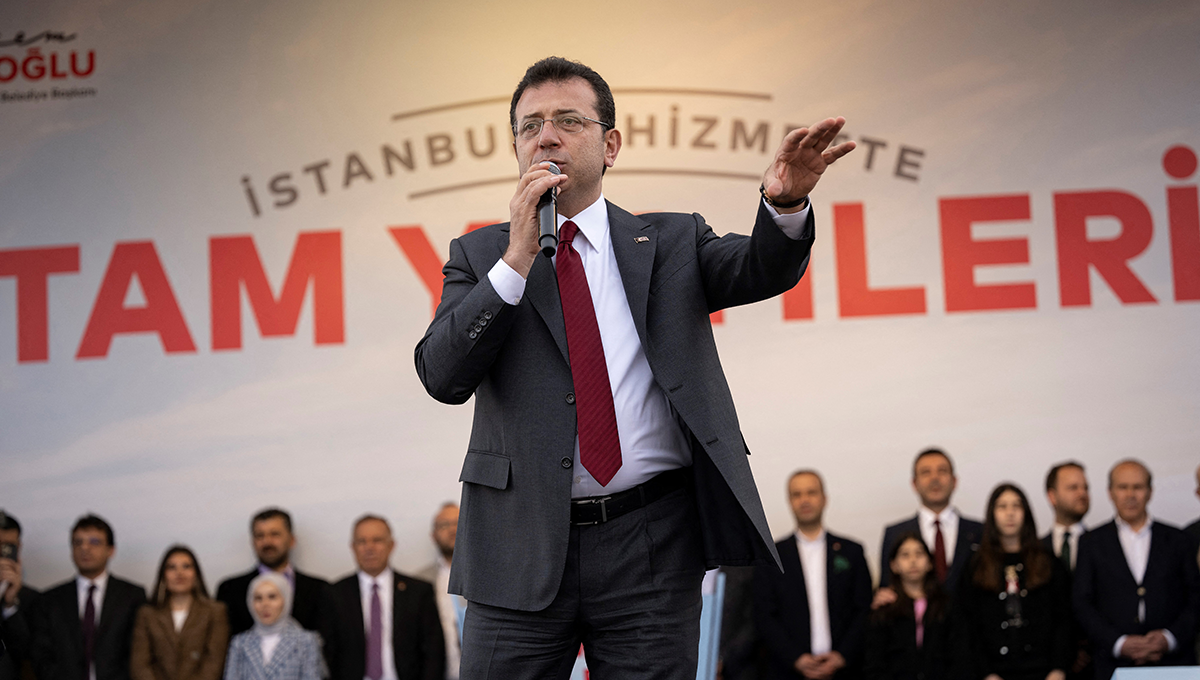
Even as more and more countries move toward authoritarianism, big cities across the world are becoming strongholds for pro-democracy forces, a fact underlined by the recent local elections in Israel and Turkey. So the question is, can cities lead a democratic revival in countries that have experienced a democratic recession?
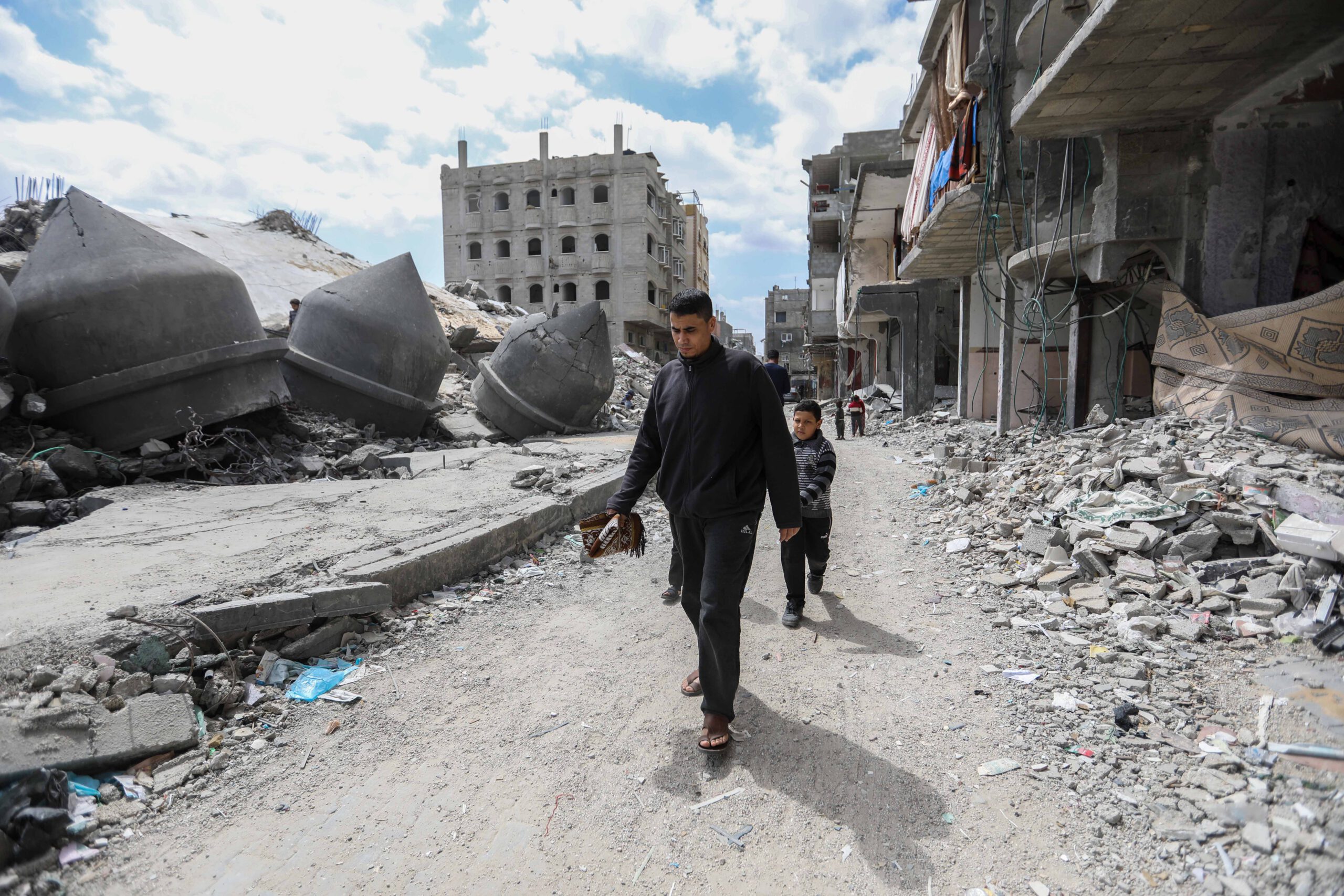
Expert Views: What is needed to end the war in Gaza?
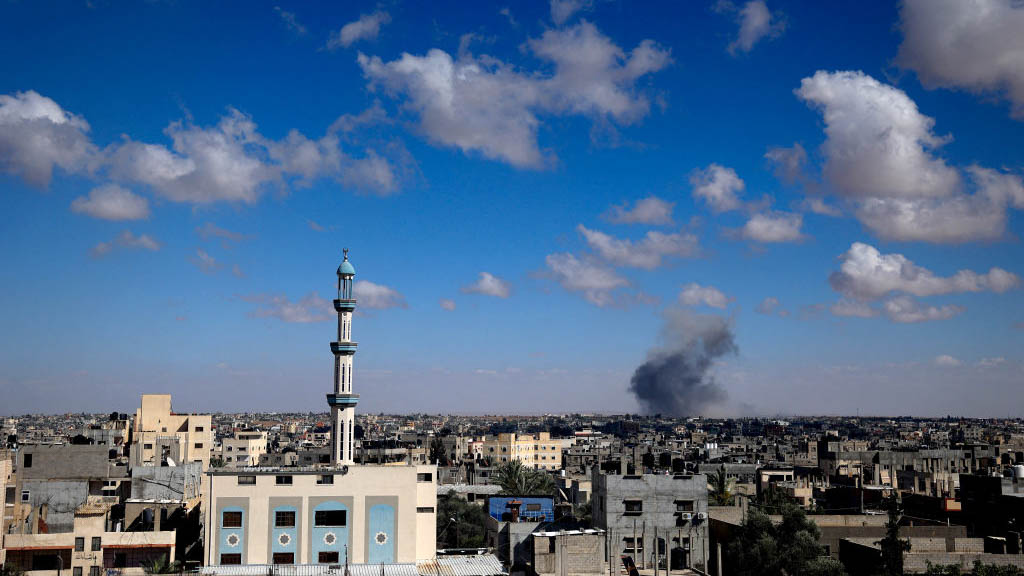
Six months since the October 7 Hamas attacks on Israel and subsequent outbreak of war in Gaza, the deadly and devastating conflict looks no closer to concluding. Is it still possible to achieve a sustainable cessation of hostilities and restart the conflict-resolution process? To get there, what are the incentives and disincentives that could be constructed for the two main combatants, Israel and Hamas?