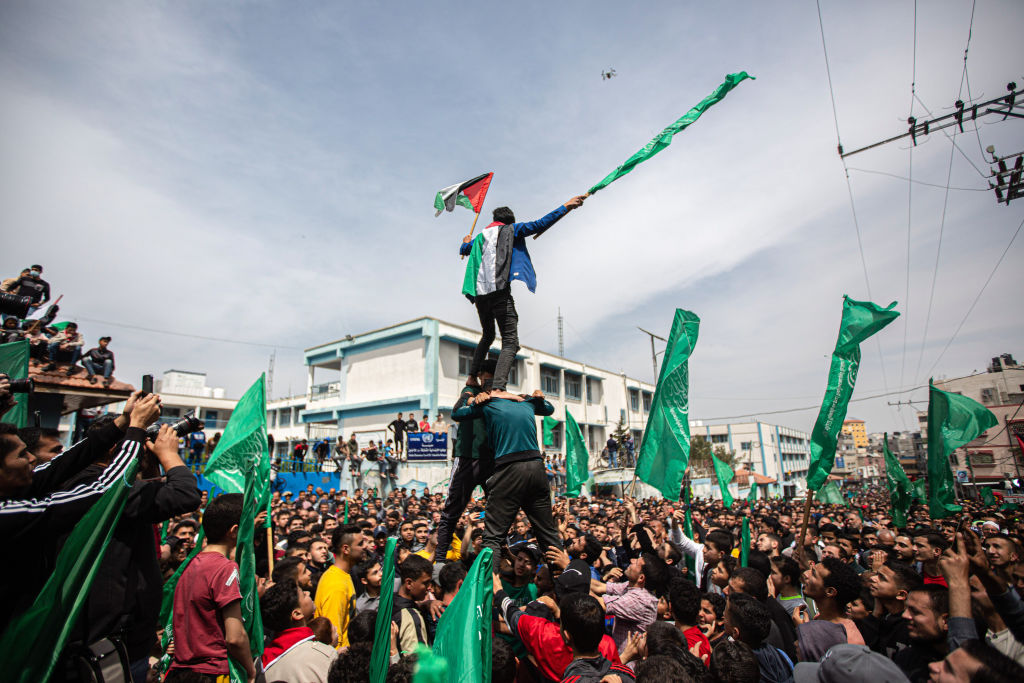
Nathenael Gemechu moderates a conversation with Michael Woldemariam and Guled Ahmed on Ethiopia in the first installment of a two-part series on the Horn of Africa. Woldemariam and Ahmed discuss the ongoing Tigrayan conflict that includes Ethiopia and Eritrea and the influence of external players.
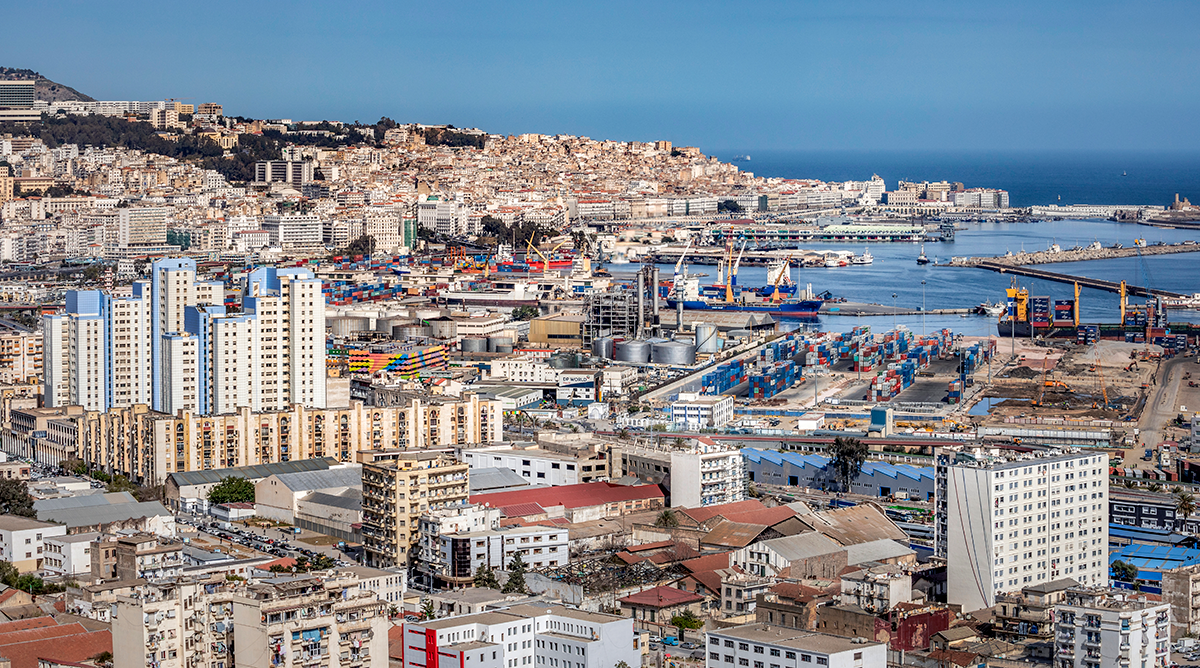
Higher oil prices are giving Algeria’s regime breathing room
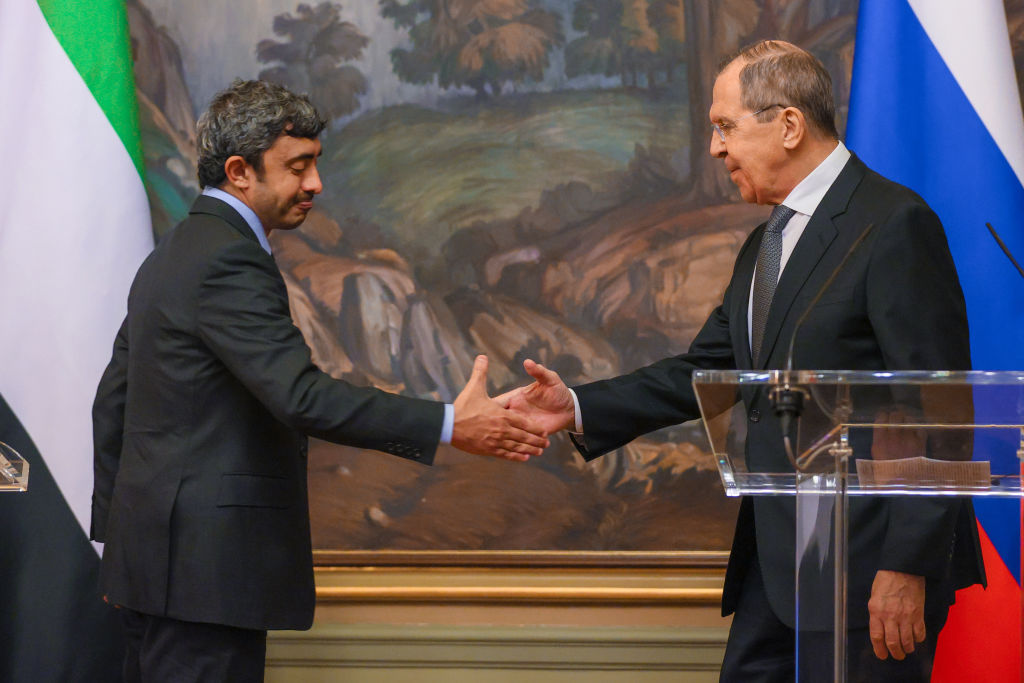
As Russia’s war on Ukraine keeps oil and gas prices high, Algeria’s regime is replenishing its financial reserves after years of depleting them. This renewed budgetary space will make it easier for the government to deal with any hint of popular discontent. But rather than going back to splurging on new salary increases or other forms of accelerated rent distribution as it has done in the past, the regime seems to be adopting a more cautious approach this time around.
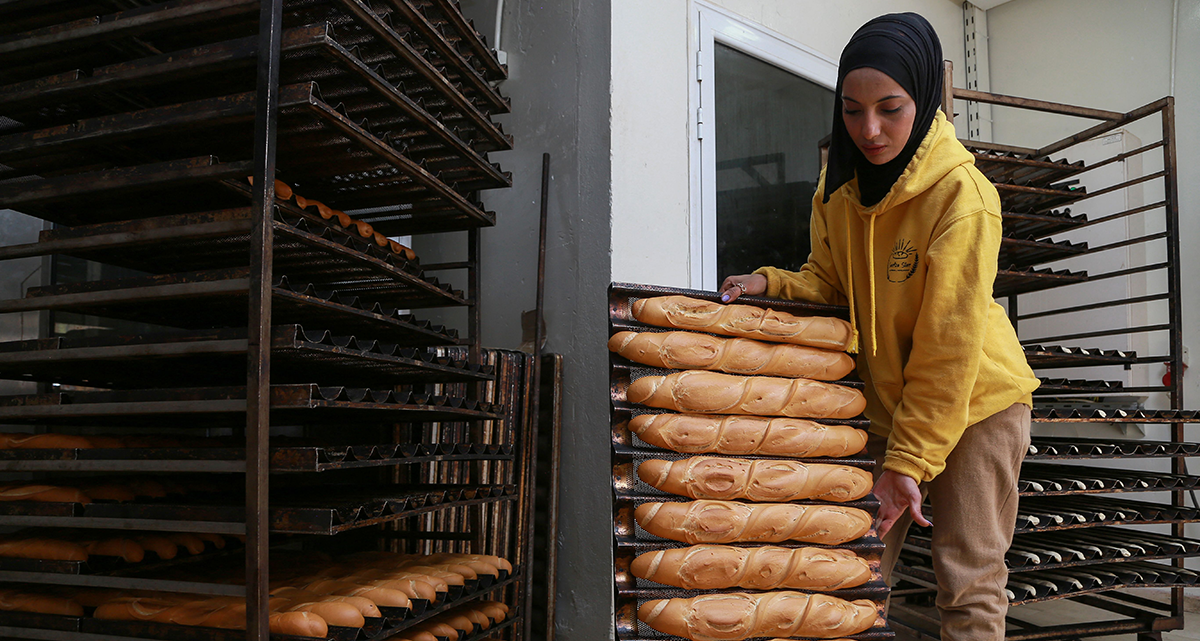
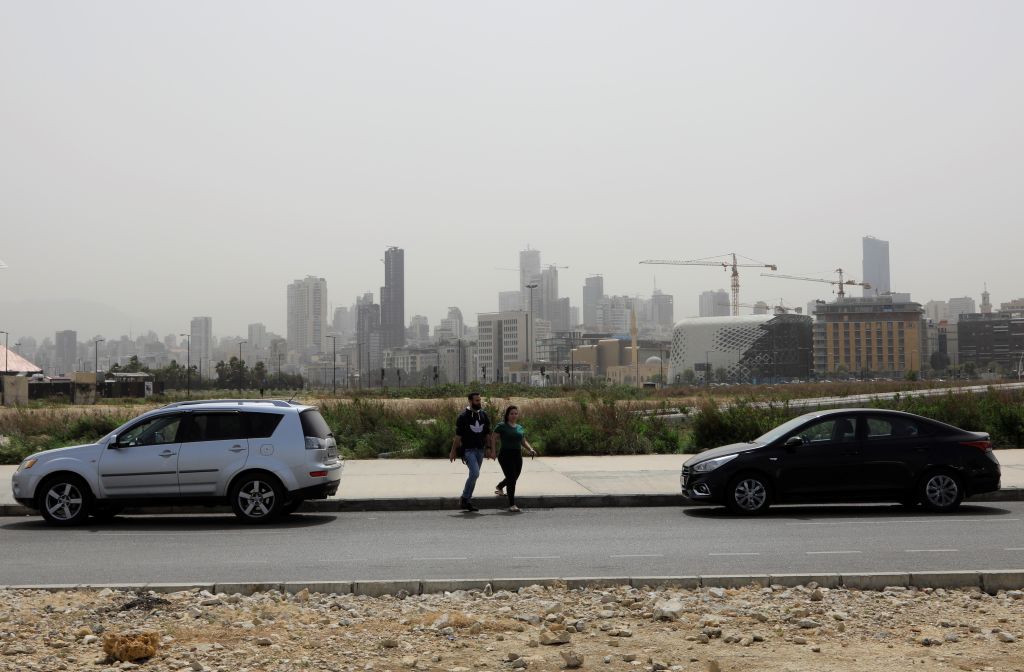
Tunisia’s food shortages shine a spotlight on its core economic failings
President Kais Saied’s war on speculation is attempting to direct the focus of people’s anger about food shortages onto speculators. A recent emergency importation of grain has stayed off the emptying of shelves, but as the country’s treasury empties and eventually products begin to disappear from stores again, the people’s patience and faith in his new political project will wear very thin. For now, he is profiting from national exhaustion, but how long till hunger becomes anger and anger becomes a movement?
Intissar Fakir, Cinzia Bianco, and Perla Srour-Gandon discuss the results of the recent French presidential election and what they mean for France’s foreign policy and the Middle East.
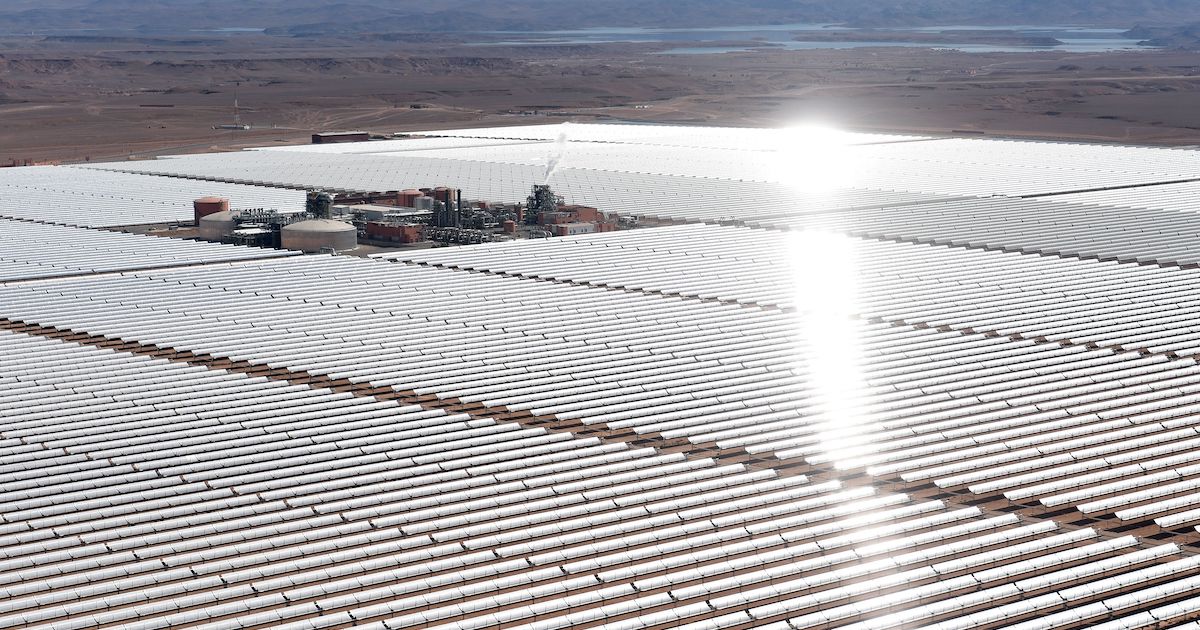
Pairing renewables with energy storage could help MENA states to realize their green goals
MENA countries are currently home to nearly 15% of the world’s installed energy storage capacity, but this total will need to grow to enable variable renewable energy systems to be integrated into the region’s power grids in a flexible and stable manner.
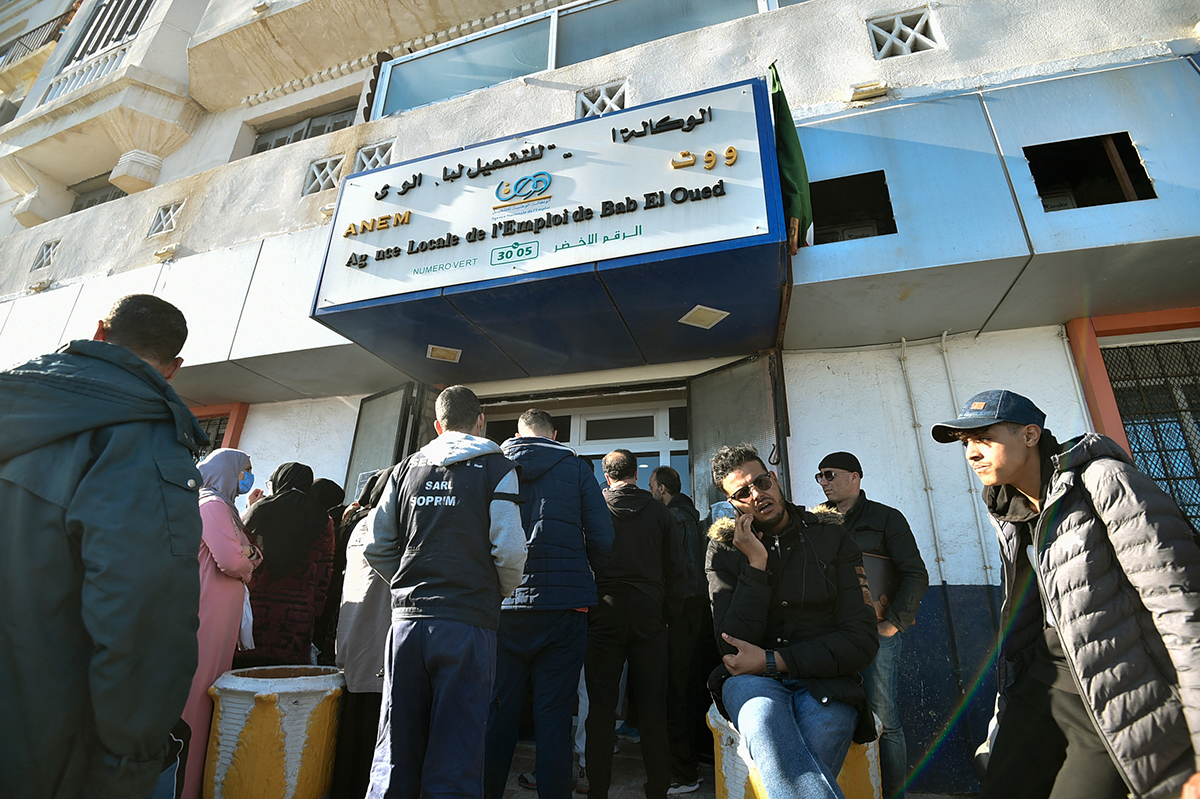
Understanding Algerian unemployment policies beyond rent redistribution
In February 2022, Algerian President Abdelmadjid Tebboune announced a new unemployment benefit for first-time jobseekers aged 19 to 40. On March 28, 580,000 young Algerians received their first $90 monthly payment. Though many young people have rushed to the offices of the National Employment Agency (ANEM) to register for the new benefit, potential problems have already cropped up.
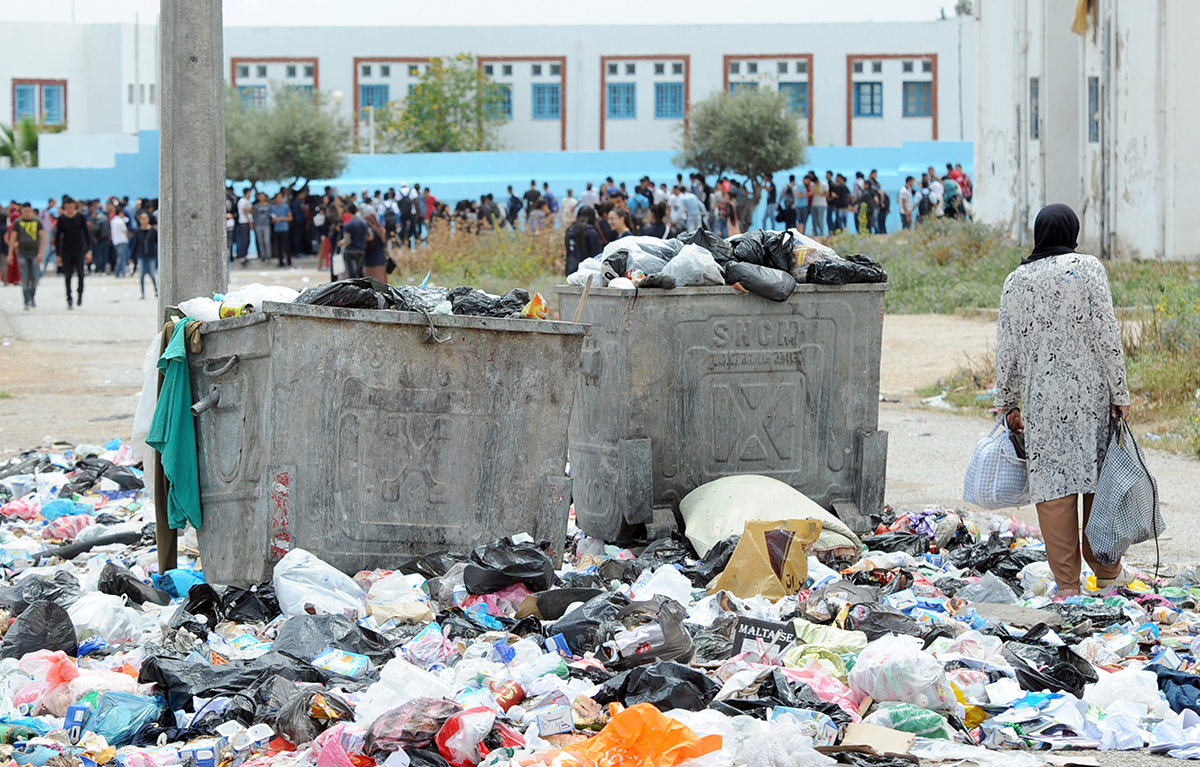
Solving Tunisia’s growing waste management problem
Given its outsized role in contributing to greenhouse gas emissions, waste management is an issue of global importance. Landfills account for almost 5% of total global greenhouse gas emissions and 12% of the world’s emissions of methane. The associated challenges are particularly acute in North Africa, and especially in Tunisia.
على مدى العقد الماضي، أحرز المغرب تقدمًا كبيرًا على مستوى مؤشر ممارسة الأعمال العالمي (دوين بيزنس)، حيث قفز من المرتبة 130 في عام 2009 إلى المرتبة 53 في عام 2020. رغم تلك الإصلاحات، لم يؤدي تحسن ترتيب المغرب على مستوى مؤشر مناخ الأعمال إلى تحسن اقتصادي كبير.
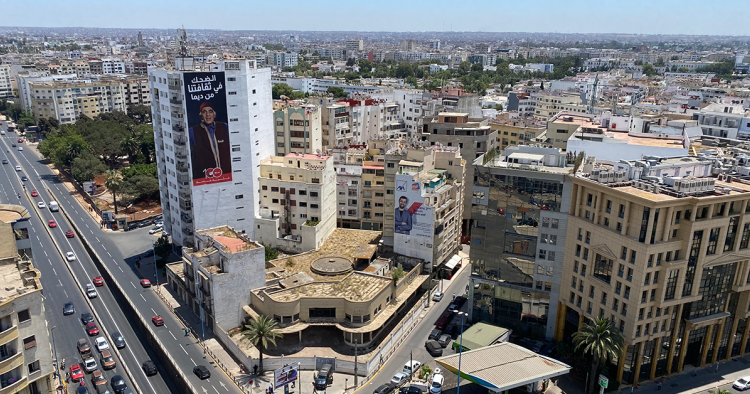
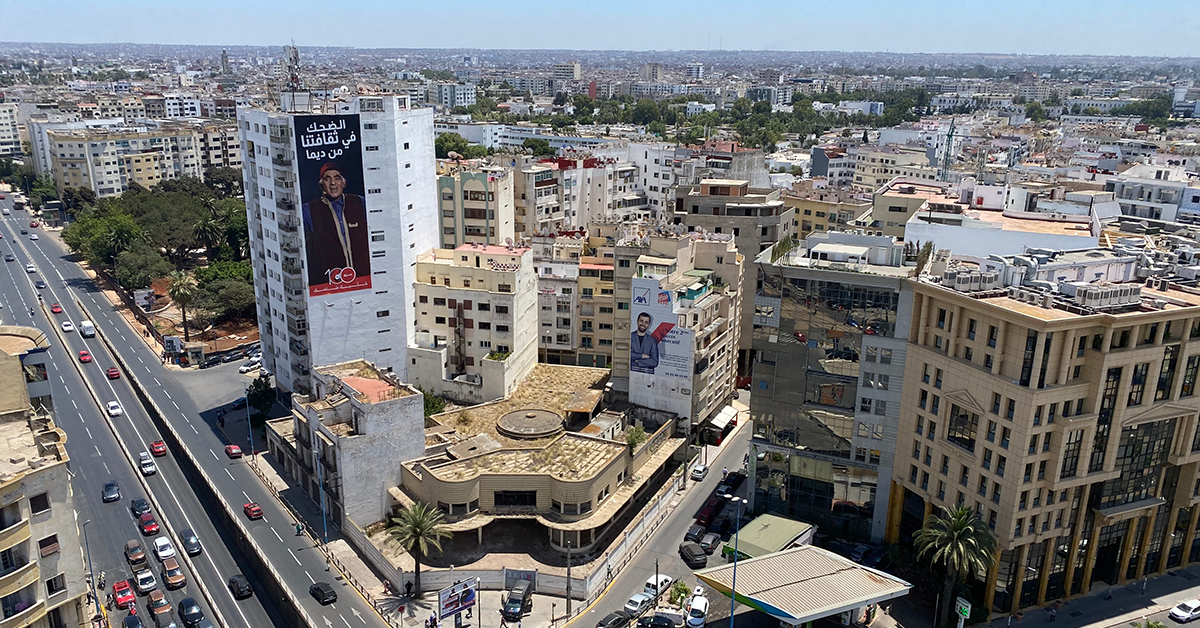
The Moroccan economy through the Doing Business Index
Over the past decade, Morocco made great progress in climbing up the global Doing Business Index (DBI), jumping from the rank of 130 in 2009 to 53 in 2020. Yet, Morocco’s improved DBI ranking did not correlate with significant economic improvement.