US success in Iraq means being a more reliable partner than Iran
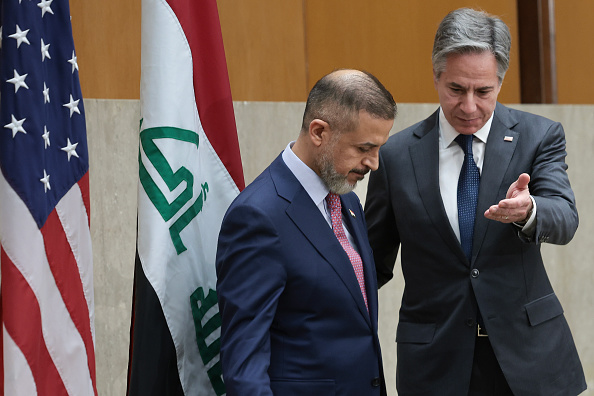
There is no quick path to limiting or reducing Iranian influence in Iraq. Tehran will react fiercely to American efforts to destroy the militias and zero-out its influence, and it would have multiple avenues to escalate through the porous 900-mile-long border between the two countries. Moreover, domestic Iraqi reaction, especially among elements of the Shi’a population, would be reticent at best and hostile at worst to intensified American military actions. Nor should it be an American goal to stoke a civil war among Iraq’s Shi’a that would give Iran new access points.
Persian Gulf-Black Sea corridor: A new era for Iran-Europe trade or just another risk?
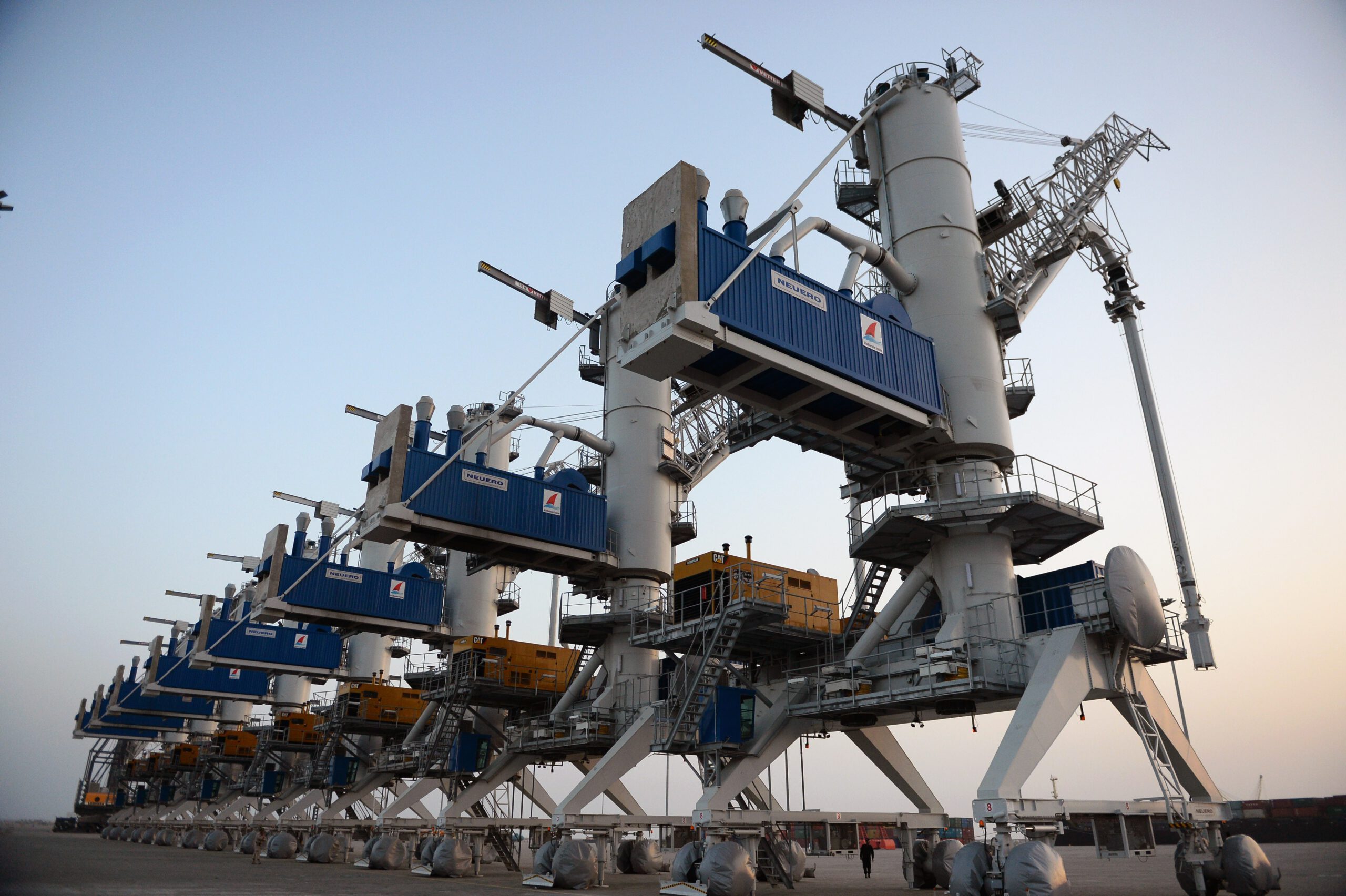
The Persian Gulf-Black Sea International Transport and Transit Corridor, which Tehran proposed eight years ago, remains relevant today in the context of strategic competition, as it offers Iran and participating countries an alternative trade route that bypasses traditional Western-dominated shipping lanes, potentially reshaping regional economic dynamics and geopolitical influence.
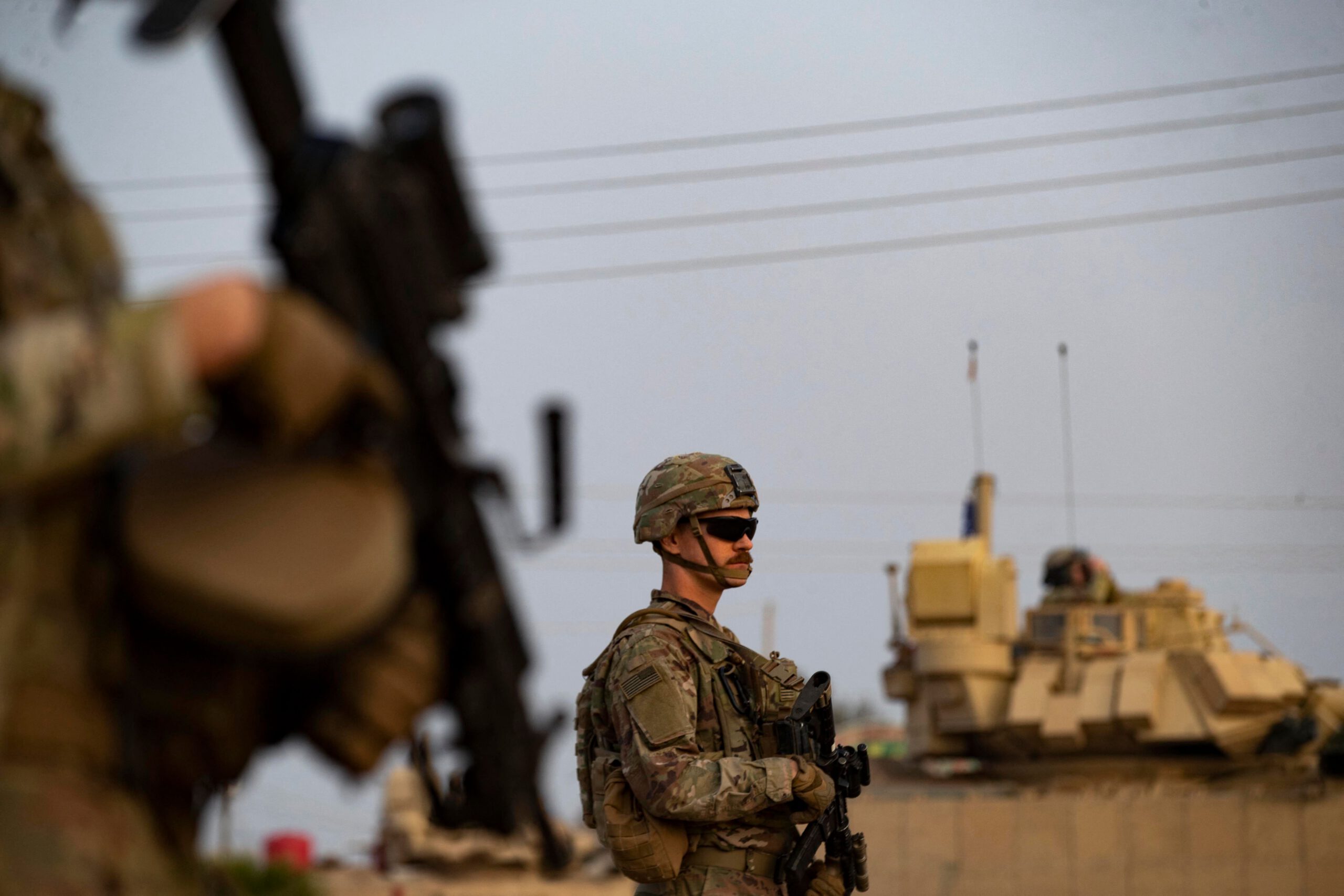
To abandon the Syria mission now would bring no meaningful benefit to the US, but it would swiftly and significantly empower America’s adversaries, like ISIS, Iran, Russia, and Assad’s regime.
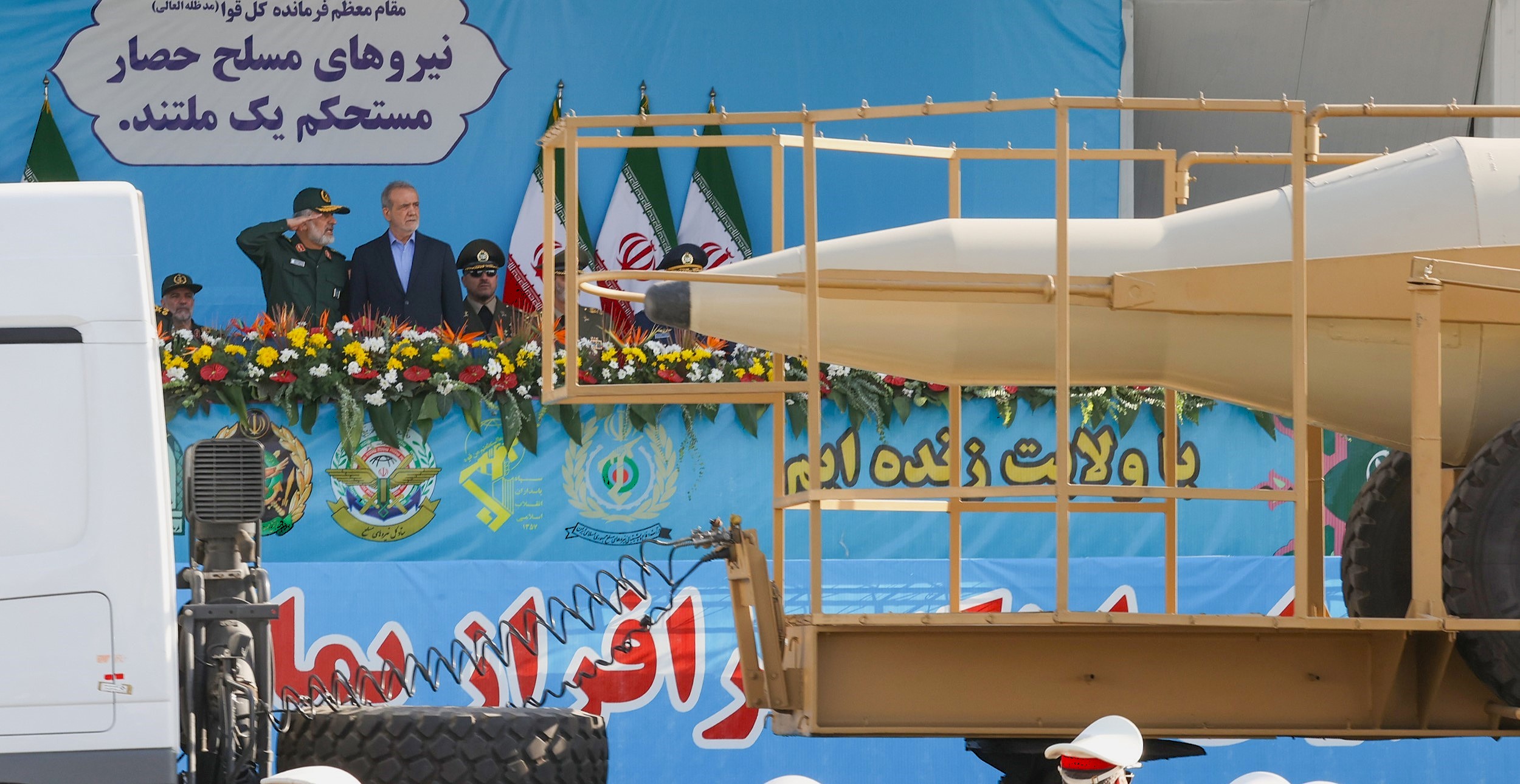
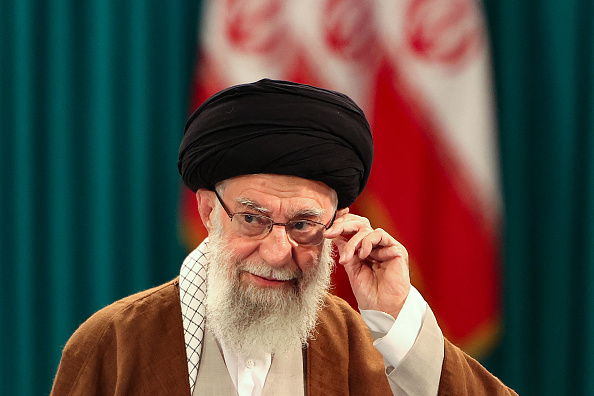
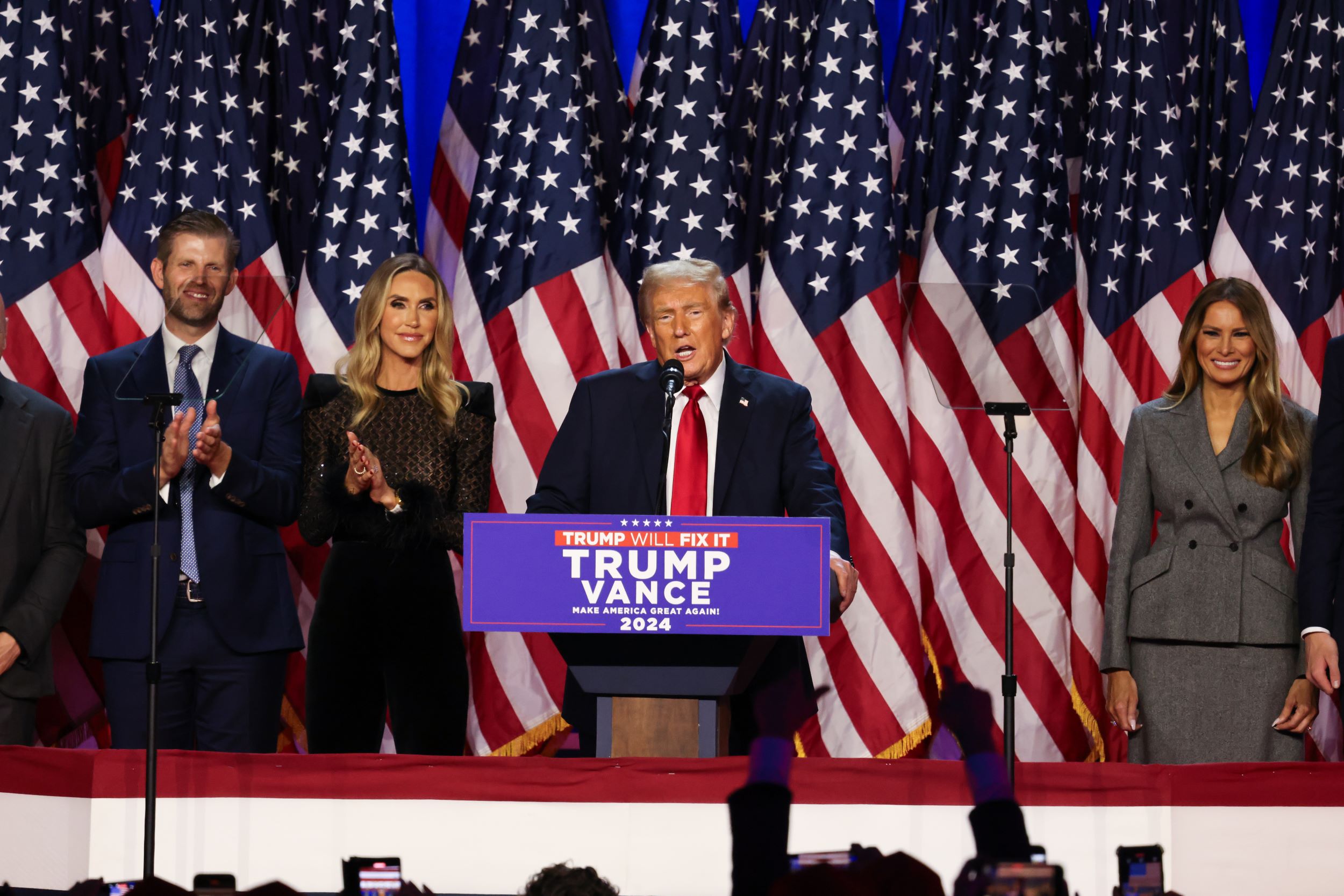
As Donald Trump prepares to return to the White House, the main question in Tehran is not so much what the incoming American president will do about Iran. Rather, it is about whether Tehran should negotiate with him.
How might US-Israeli relations evolve under the Trump administration?
MEI Senior Fellow for Israeli Affairs Nimrod Goren and Associate Research Professor Ilai Saltzman discuss potential shifts in US policy, the outlook for Israeli politics in 2025, and the challenges to advancing peace on the Israeli-Palestinian front. Tune in for expert insights on what lies ahead.
Reshaping the public discourse is key to restoring support for Israeli-Palestinian peace
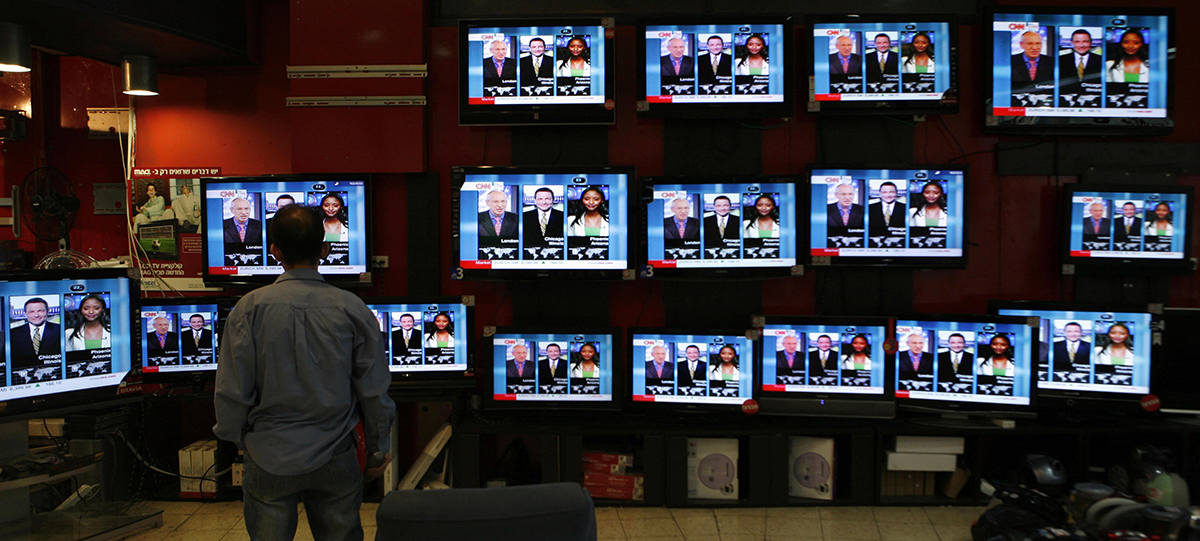
Supporters of peace, both local civil society actors and international partners, need to make a sustained effort to promote conflict resolution by shifting the public discourse of traditional and new media outlets, especially in Israel.
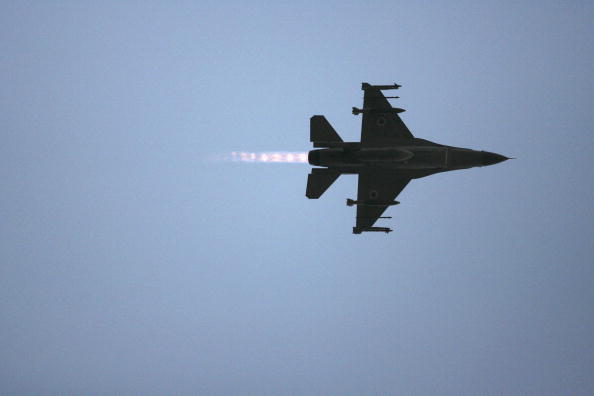
Tehran’s calculations to avoid all-out war with Israel and the US
Under past reformist presidents, Iran repeatedly tried to build a grand bargain deal with the United States, entailing compromises over its nuclear program in return for negotiating spheres of influence across the Middle East. This September, speaking on the sidelines of the United Nations General Assembly meetings in New York, the current reformist president Masoud Pezeshkian confirmed that he was open to direct talks with Washington to end hostilities.
Strained Israel-Jordan ties are further tested by Gaza, but a turnaround is possible
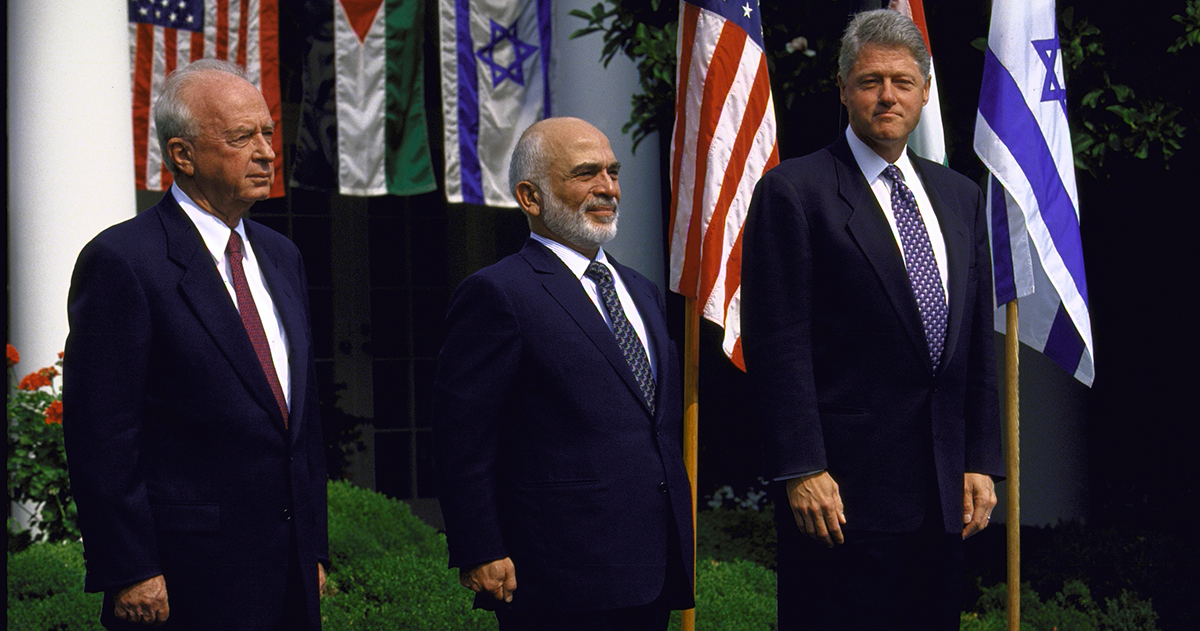
30 years have passed since Israel and Jordan signed a peace treaty on Oct. 26, 1994. But instead of celebrations, this anniversary was largely marked by disappointment and even despair. Relations, it is claimed, are at an all-time low and the future prospects seem bleak, as the war in Gaza continues and peace between Israelis and Palestinians seems more distant than ever. However, Israel-Jordan relations have proven resilient, even in the face of the current crisis, and the two countries continue to advance vital shared interests.
The multiple wars that have erupted since Oct. 7, 2023, have already changed the strategic landscape in the Middle East — and more change is likely to follow.
How Donald Trump might tackle the Middle East in 2025
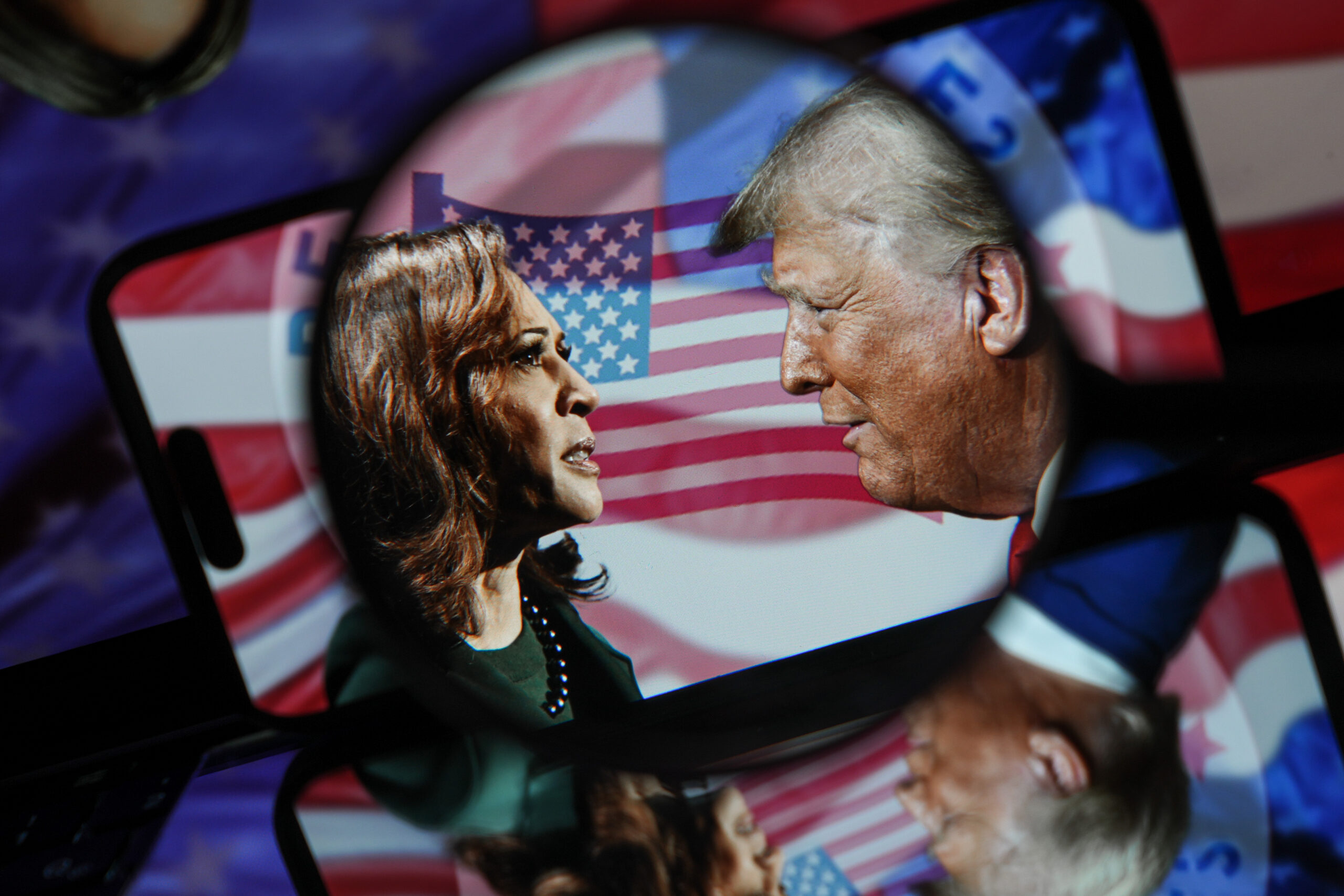
it is possible to extrapolate how the incoming second Trump administration may respond to the complex situation in the Middle East by examining the president-elect’s record during his first term, what he has said since, as well as public statements of his running-mate, Sen. J. D. Vance. Two main issues are likely to dominate Donald Trump’s regional agenda when he comes to power: Iran and Israeli-Palestinian affairs.
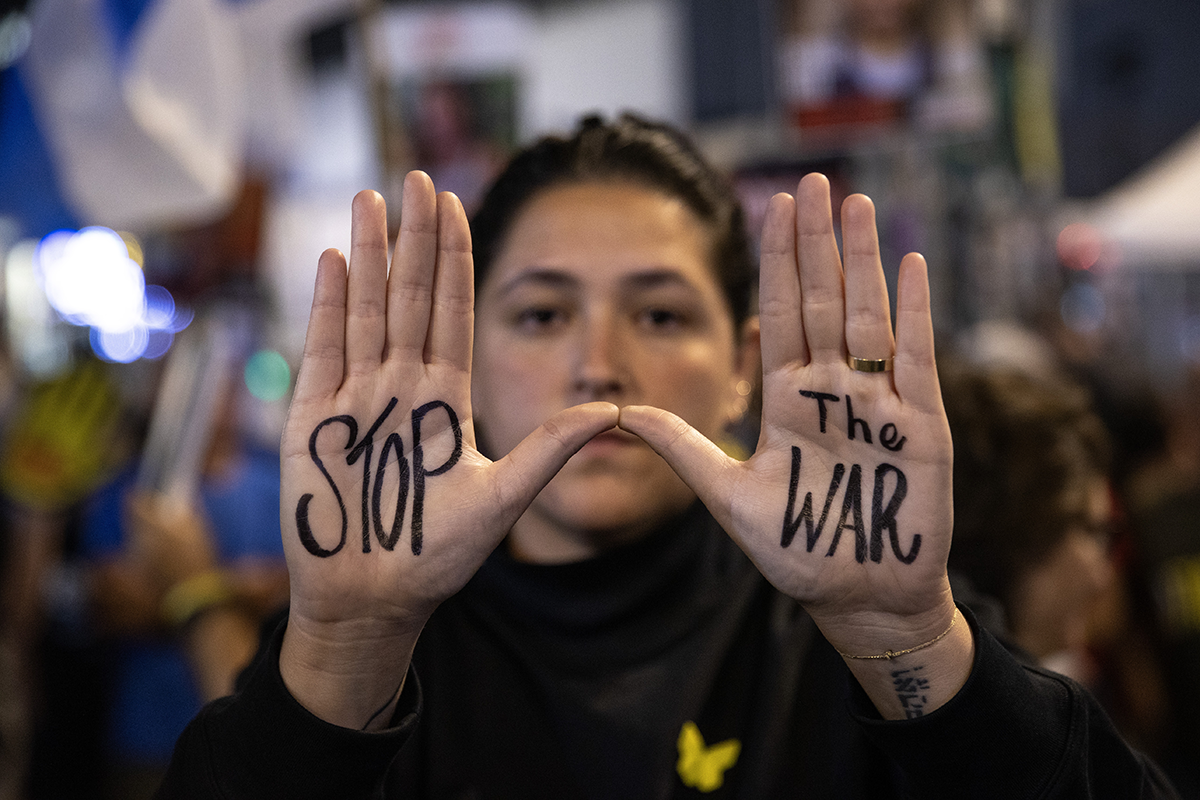
After Oct. 7, Israeli and Palestinian civil societies’ pro-peace role is more important than ever
The devastating conflict that erupted on Oct. 7, 2023, dealt a near-fatal blow to efforts by Israeli and Palestinian civil society organizations, leaving both sides feeling as though they have returned to square one. The unprecedented violence and severity of the war have profoundly altered the consciousness of both Israelis and Palestinians, reinforcing a sense of existential struggle. Efforts to engage the public must contend with a hardening of positions and sentiment.