Expert Views: How should we navigate the new rules of the game in the Israel-Iran conflict?
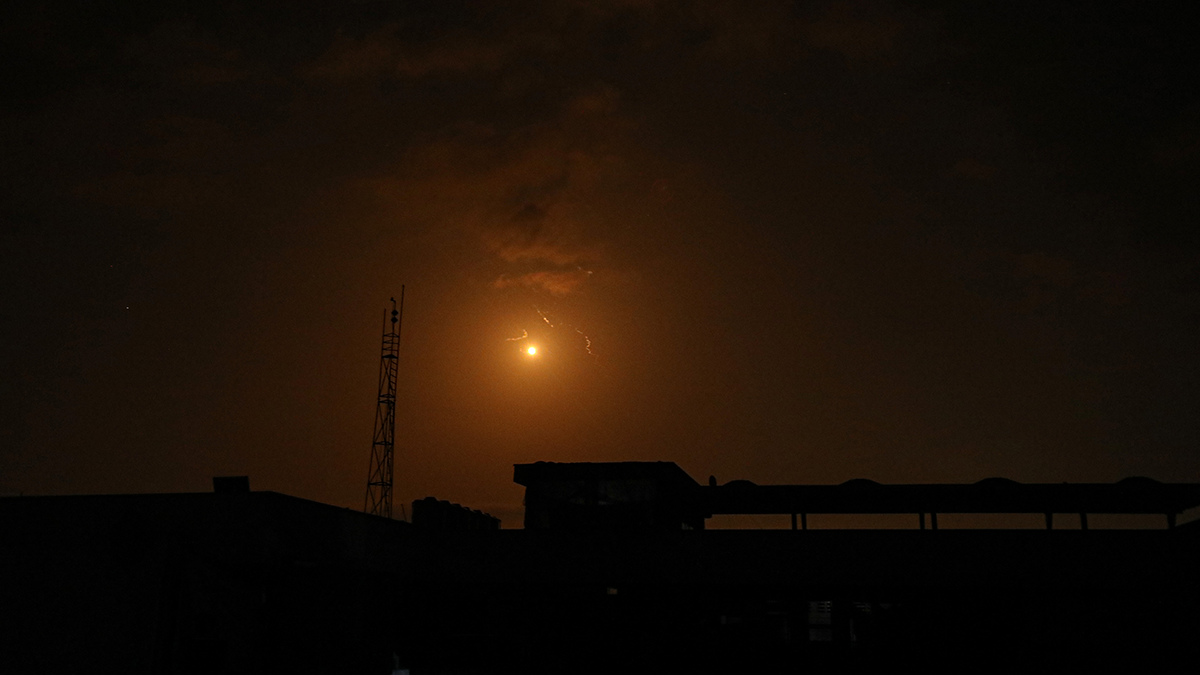
The month of April saw a series of unprecedented escalations in the long-simmering Iranian-Israeli conflict, with both countries launching missile and drone attacks against the other’s territory for the first time in history.
In the wake of these strikes, what will be the impact on the regional security and political environment going forward, what is needed to stabilize the new rules of the game, and how can US diplomacy help to facilitate that process? MEI has asked its experts to weigh in.
In Libya, UN failure and Russian influence require updated US policy
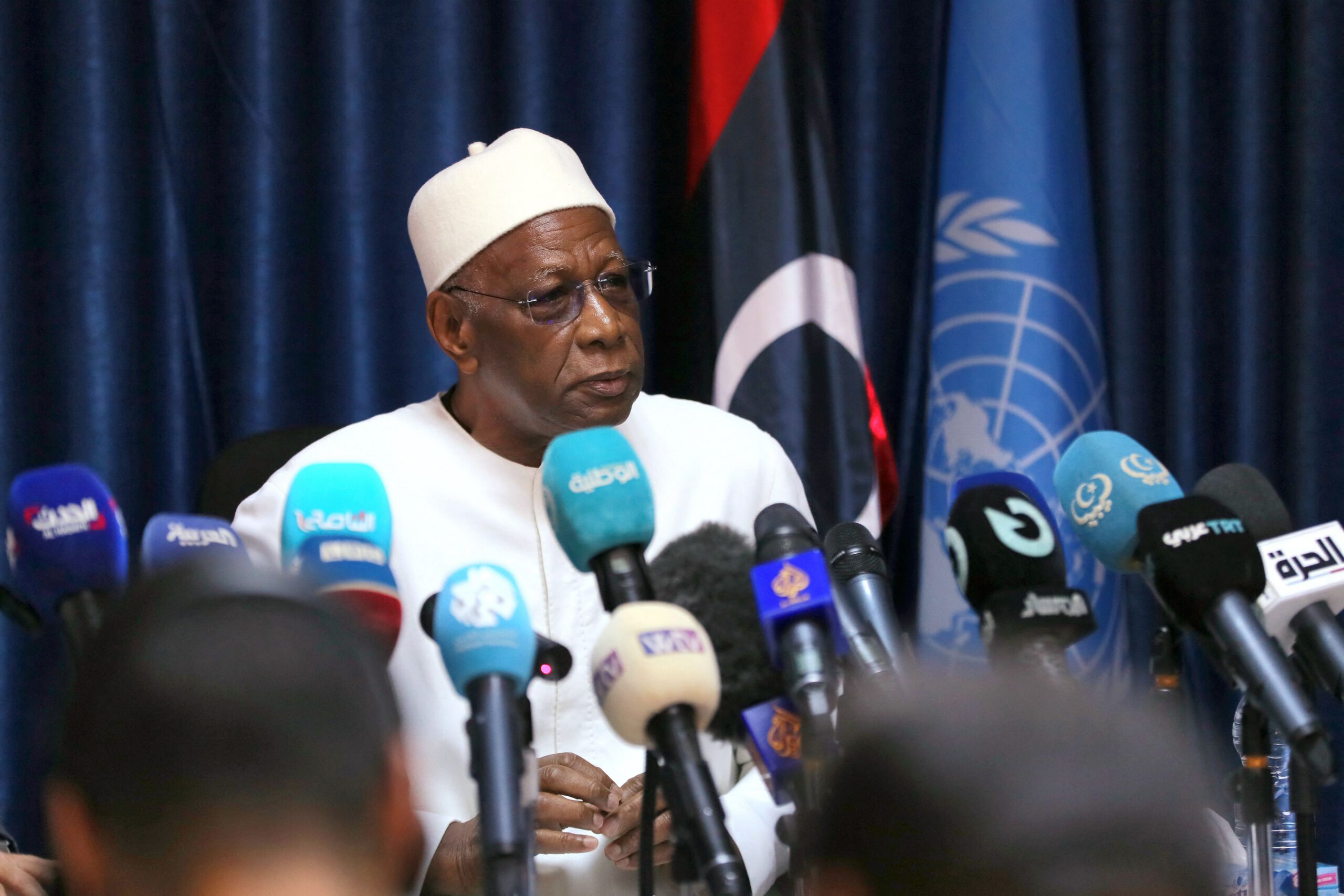
The United Nations Support Mission in Libya (UNSMIL) has made limited progress on its goals, and existing US policy on Libya has foundered. Beyond reopening the American embassy and having diplomats on the ground, the US should consider what tools it retains to exercise influence there in a way that benefits the people of Libya — and helps to stabilize the region by countering what the Russians are doing to it.
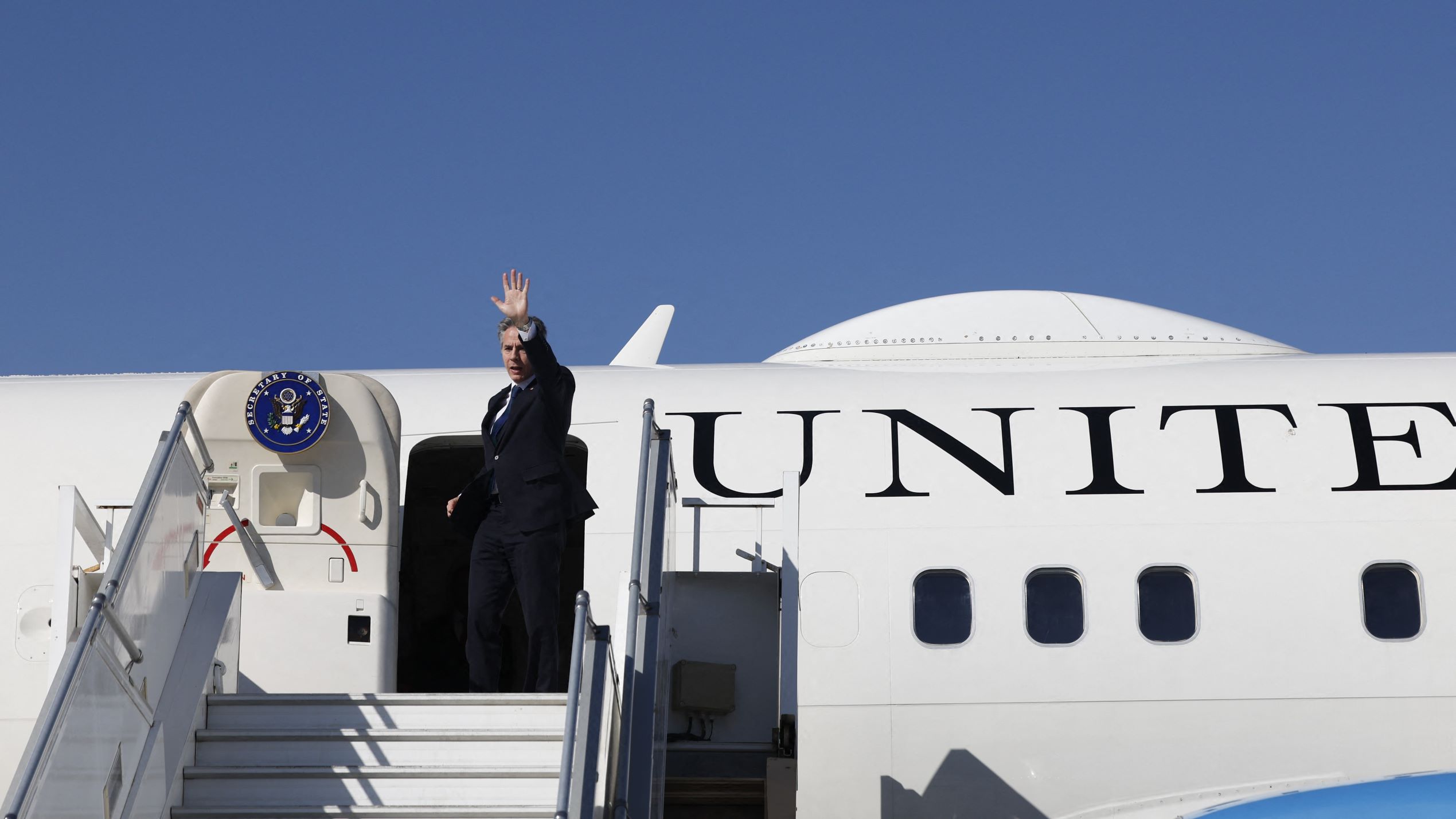
The Biden Administration’s Middle East Policy at a Time of War: An Assessment of US Policy Six Months Into the Israel-Hamas War
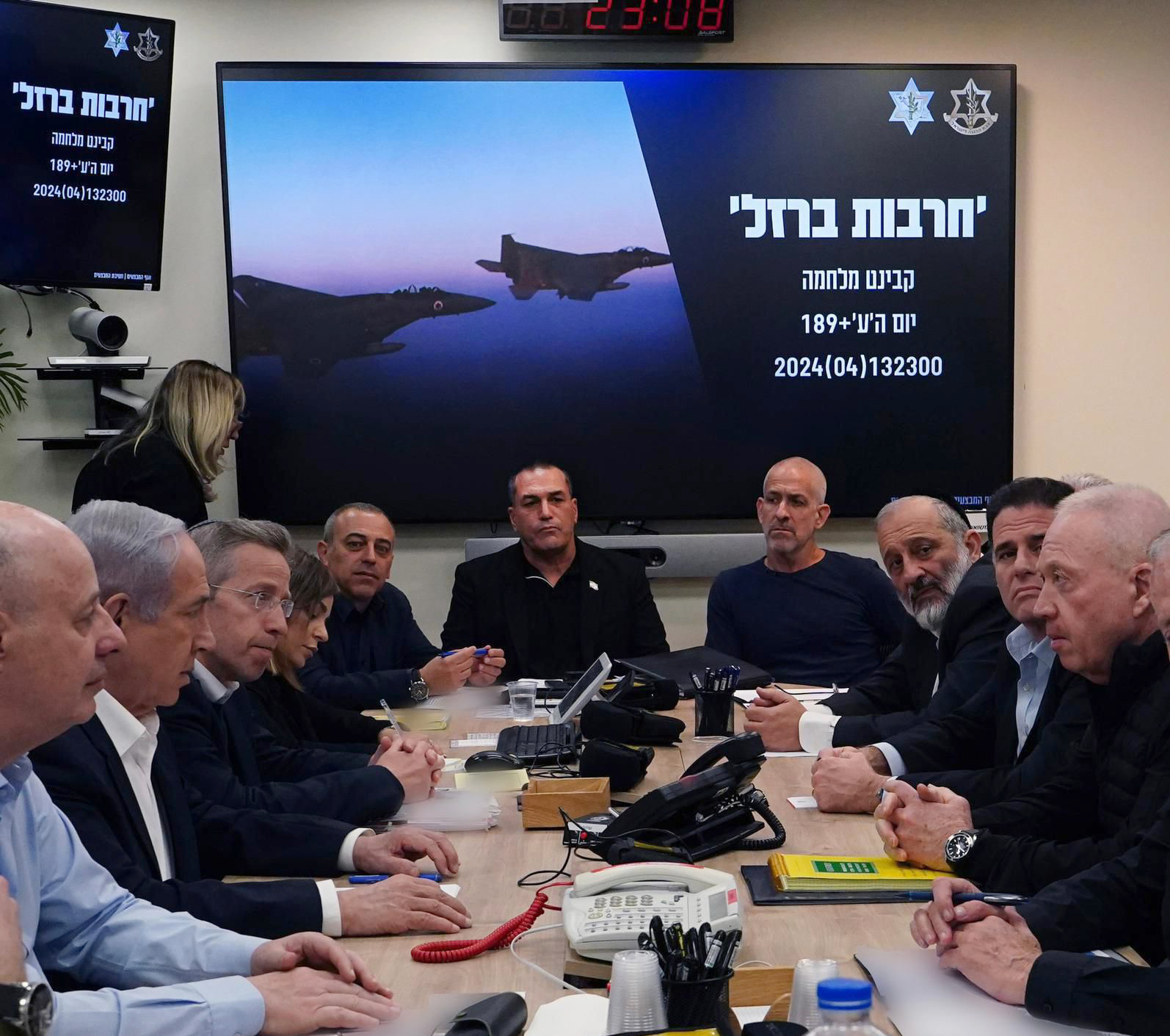
The Biden administration set forth five main objectives in reaction to the Oct. 7 Hamas attack against Israel and ensuing war in the Gaza Strip. Six months into the Israel-Hamas war, the Biden administration has not achieved enough progress toward these goals, although it has avoided some of the worst-case scenarios. Success is hampered in part by tensions stemming from the fact that some of the tactics and policy approaches are at odds with each other.
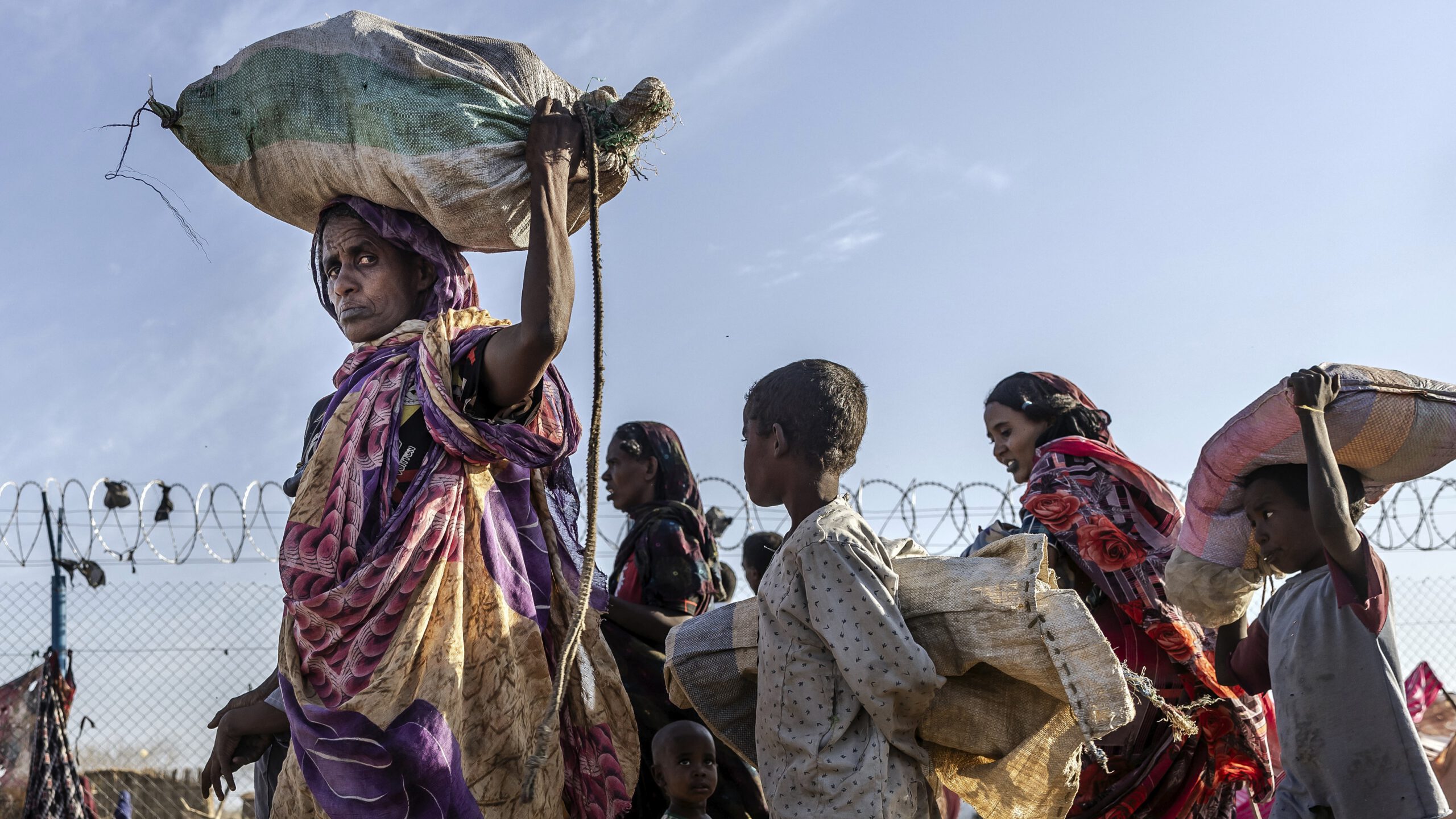
The worst forgotten conflict in the world: Sudan’s civil war one year on
This week marks one year of Sudan’s brutal civil war, when the Sudanese Armed Forces (SAF) and the paramilitary Rapid Support Forces (RSF) started battling in the capital city of Khartoum. Far from silencing their guns, the two sides continue to fight fiercely to devastating effect; and with scant global attention or outcry, the Sudanese war has quickly become the world’s worst forgotten conflict.
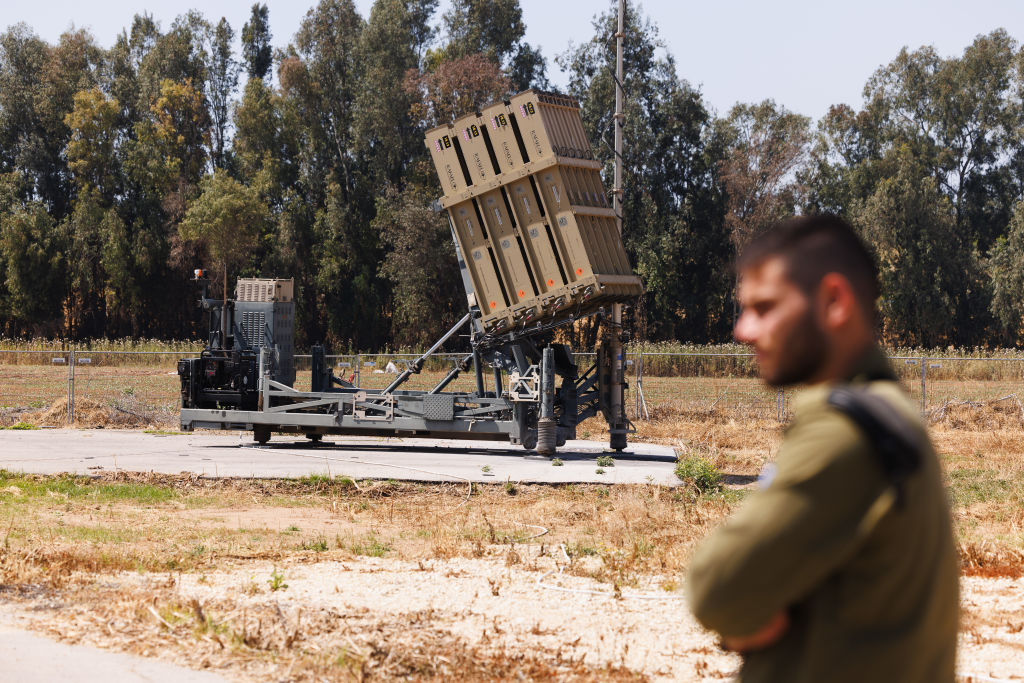
After scoring important points by blocking Iran’s attack, Israel should draw the right lessons from its success
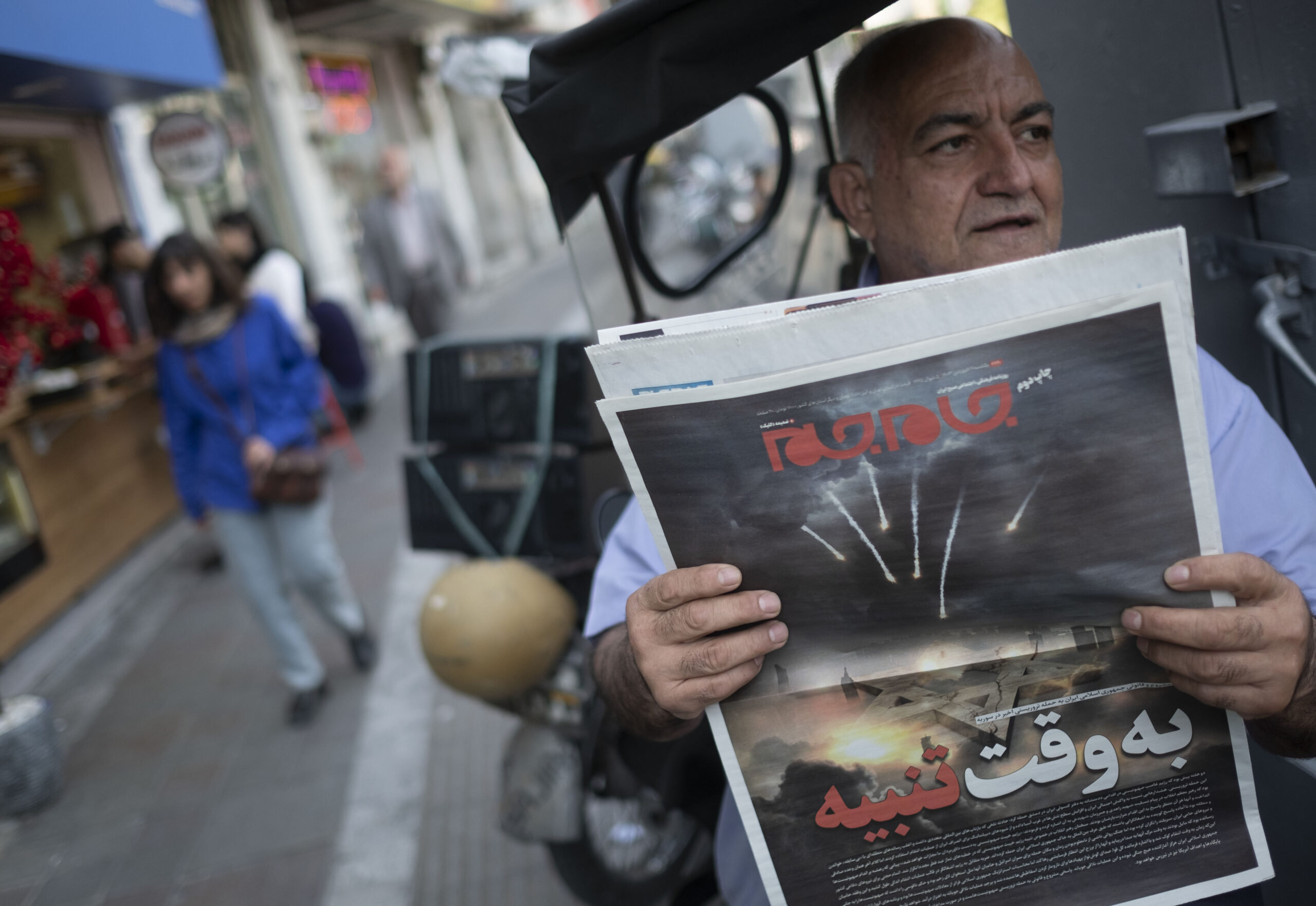
The Iranian strike against Israel was a first of its kind. Its mere occurrence sets a precedent that will have a long-term impact and require Israel to weigh new considerations when planning future military operations against Iranian assets.
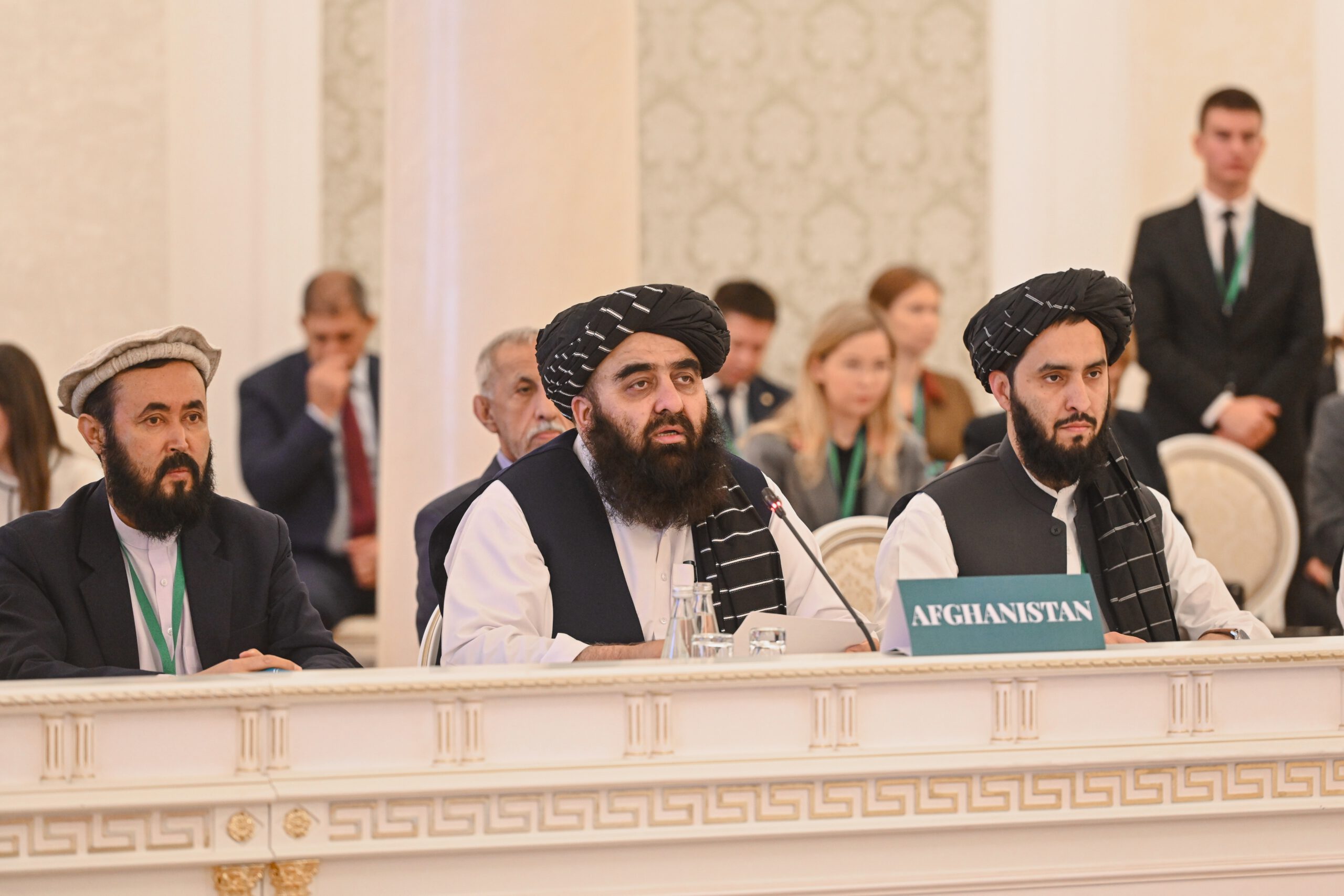
Though Tehran continues to engage the government in Kabul in a pragmatic fashion, Iran and the Taliban are not traditional friends or allies; they share an uneasy relationship. There is a sectarian angle to their differences and a long-standing dispute over water resources. Yet Iran has sought to normalize relations due to broader geopolitical considerations, security concerns, and perceived economic opportunities.
Two realities shape Iran’s stance on the Gaza war and the Israeli-Palestinian conflict
Iran is a key stakeholder in the Israeli-Palestinian conflict. Tehran does not have a deciding vote on the outcome of the current war in Gaza, but it does have plenty of capacity to shape the future course of the conflict. Iran is, after all, among the top backers of Hamas, both in terms of diplomatic support and as a supplier of military materiel and knowhow.
Expert Views: What is needed to end the war in Gaza?
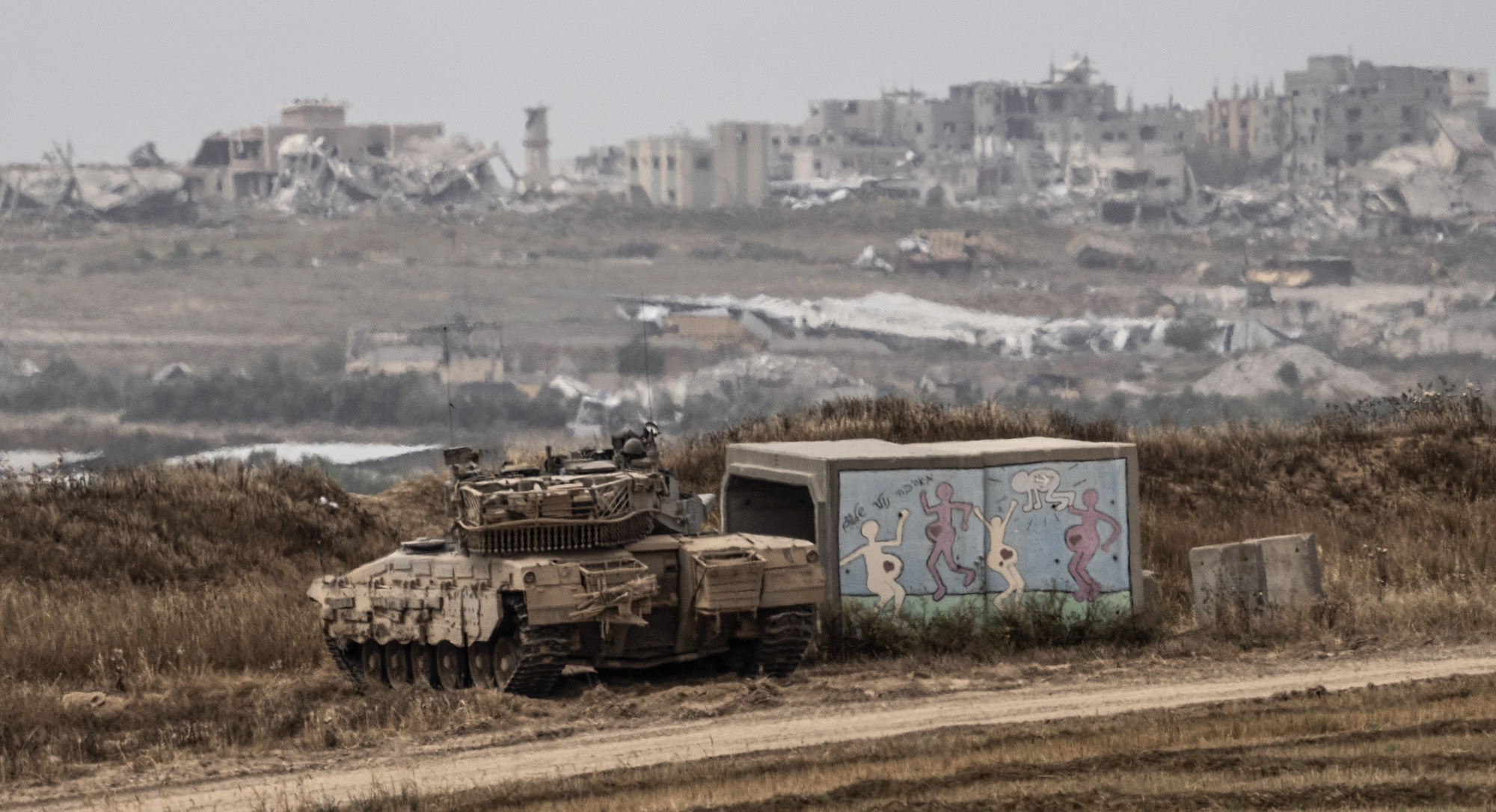
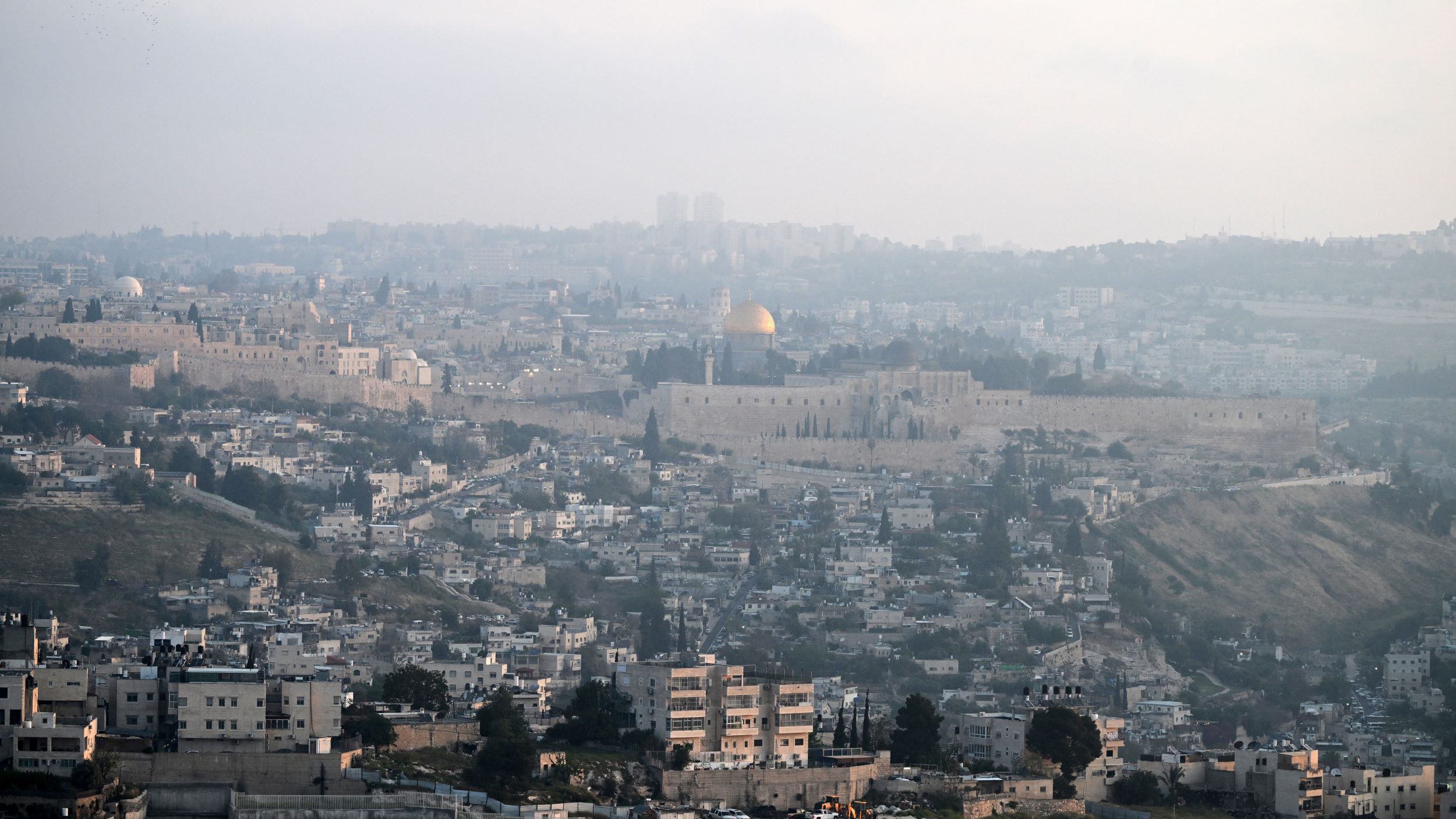
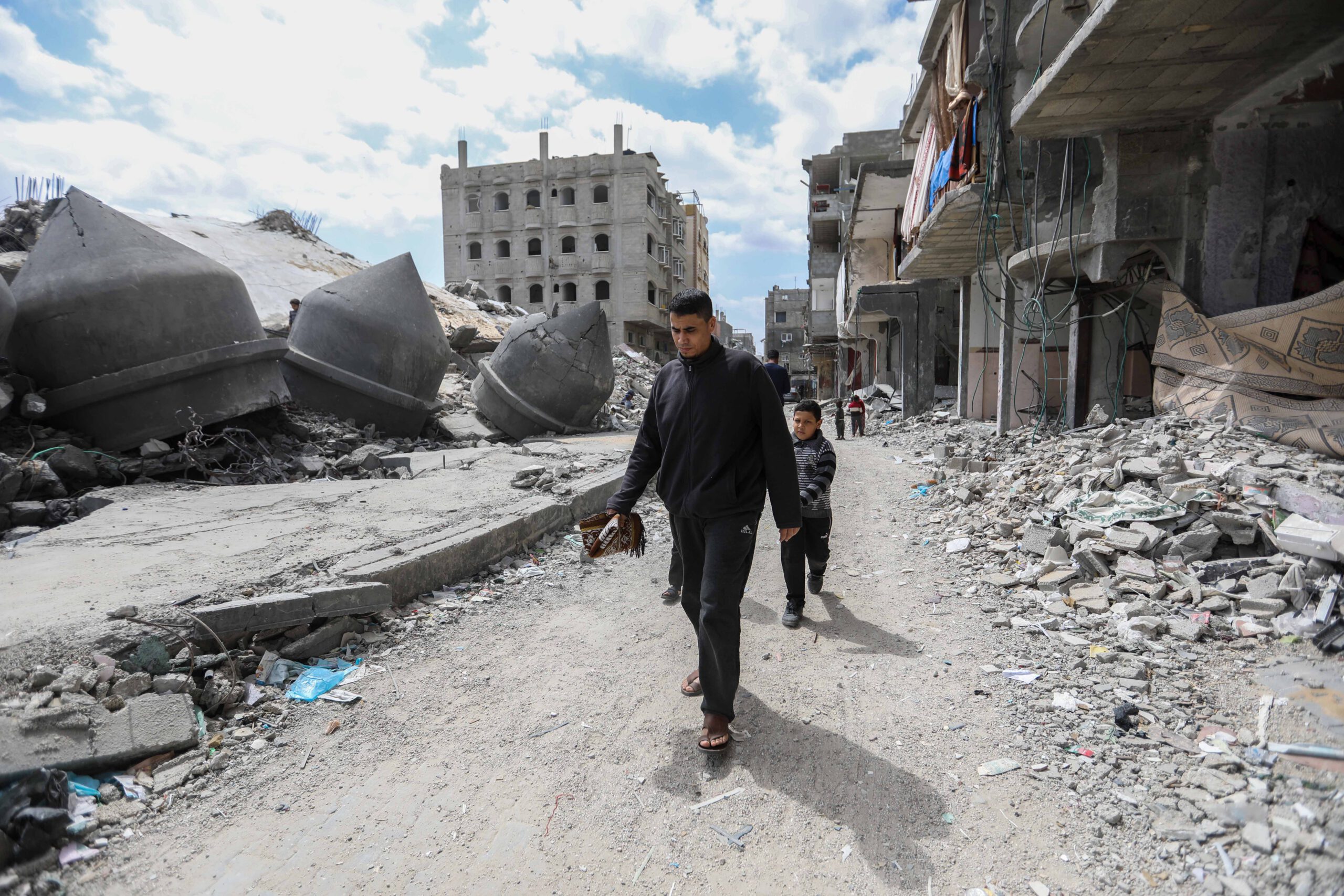
Six months since the October 7 Hamas attacks on Israel and subsequent outbreak of war in Gaza, the deadly and devastating conflict looks no closer to concluding. Is it still possible to achieve a sustainable cessation of hostilities and restart the conflict-resolution process? To get there, what are the incentives and disincentives that could be constructed for the two main combatants, Israel and Hamas?
Amid renewed protests and political maneuvering, the odds of early elections in Israel are rising
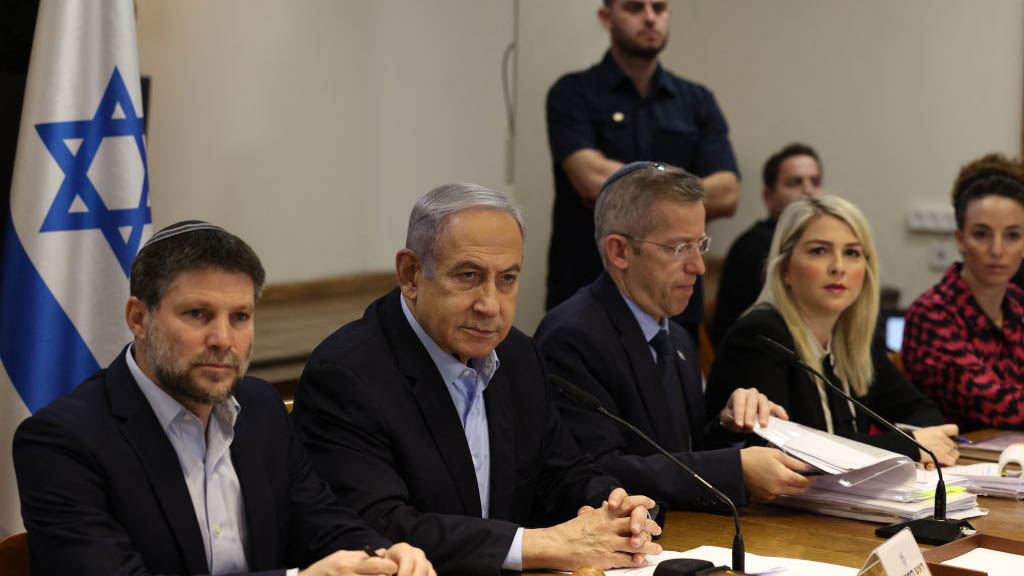
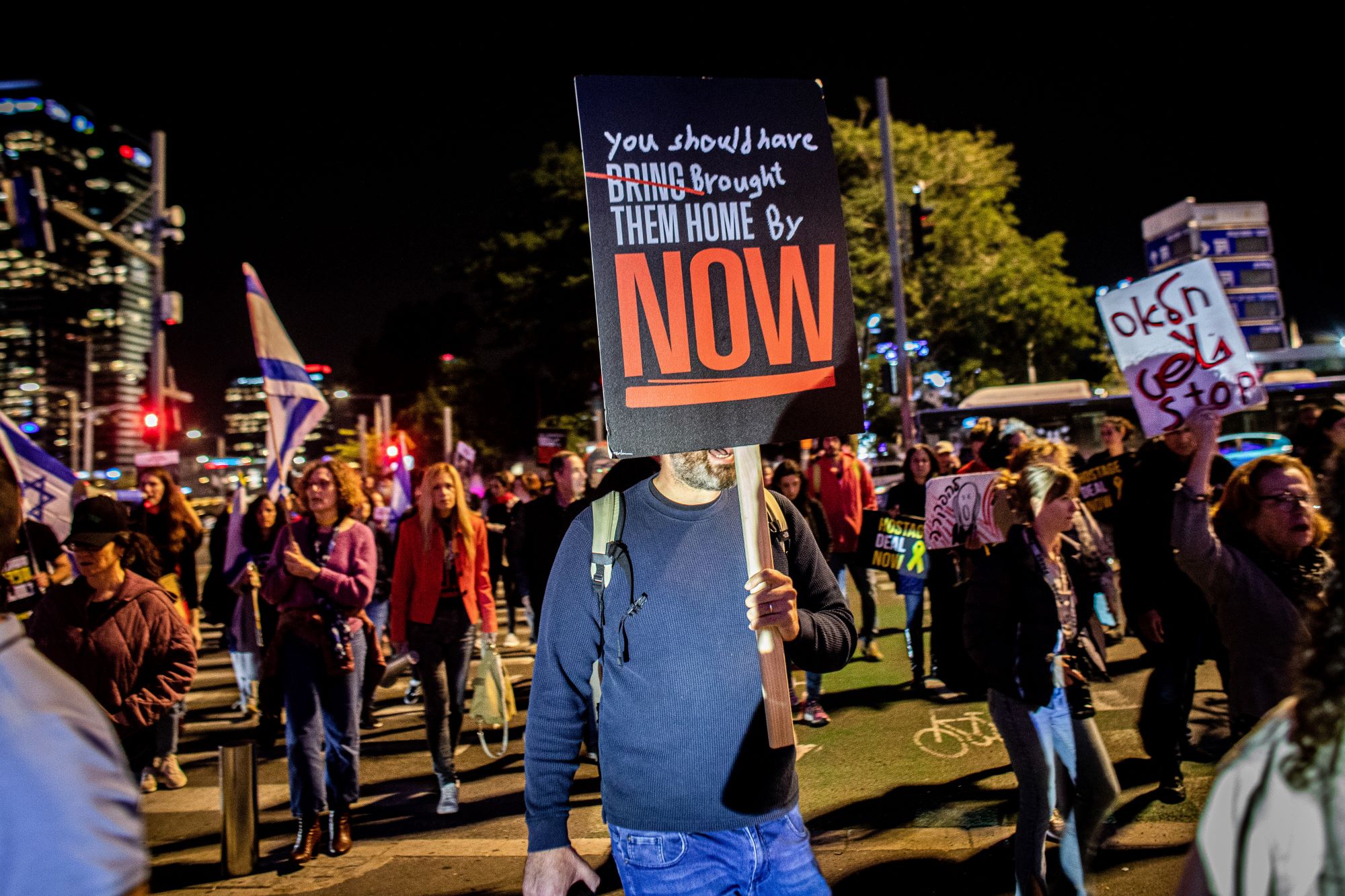
Public opinion polls indicate that a plurality of Israelis have lost faith in Prime Minister Benjamin Netanyahu and support early elections. Recently, this trend has been coupled with renewed demonstrations against the government and maneuvers by key politicians, indicating that the chances Israelis will go to the polls during 2024 are on the rise.
Strategic foresight is helping create Arab futures
On March 5-7, 2024, the United Nations’ Economic and Social Commission for Western Asia (ESCWA) hosted the annual Arab Forum for Sustainable Development (AFSD). The inclusion of a special session on “Collaborative Futures: Strategic Foresight for Sustainable Development in a World of Crisis” is another example of the growing attention to foresight-driven analysis and decision-making among leaders in the Arab world.