Managing US Relations with Pakistan in Uncertain Times: Opportunities and Obstacles
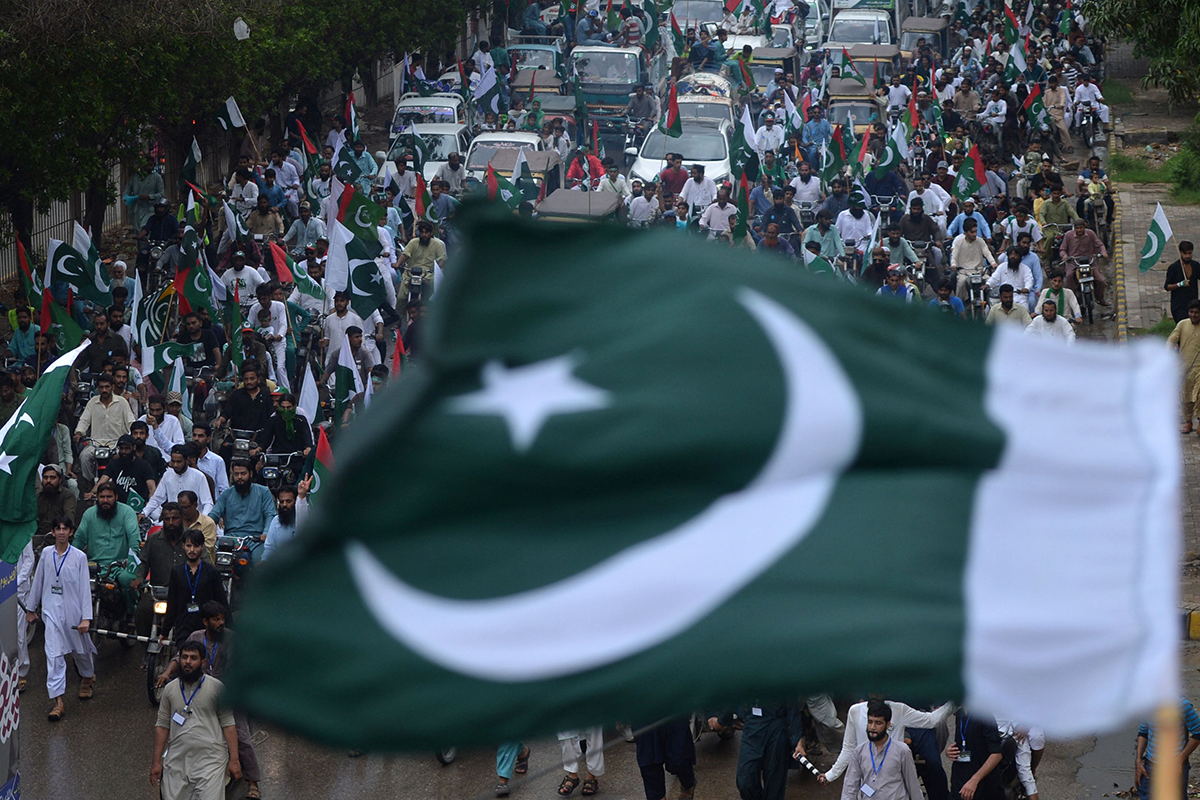
With the U.S. withdrawal from Afghanistan, America’s bilateral relationship with Pakistan may have come to hold less priority. If it was thought, however, that the U.S. could afford to largely turn its back on Pakistan and its region, it has instead become increasingly evident that American strategic interests and other concerns demand continued attention and involvement. It is imperative that American policymakers take a longer view when it comes to dealing with Pakistan, especially at a time when great power competition is intensifying across South Asia. It is in the interest of both the U.S. and Pakistan to develop a mutually beneficial and sustainable relationship.
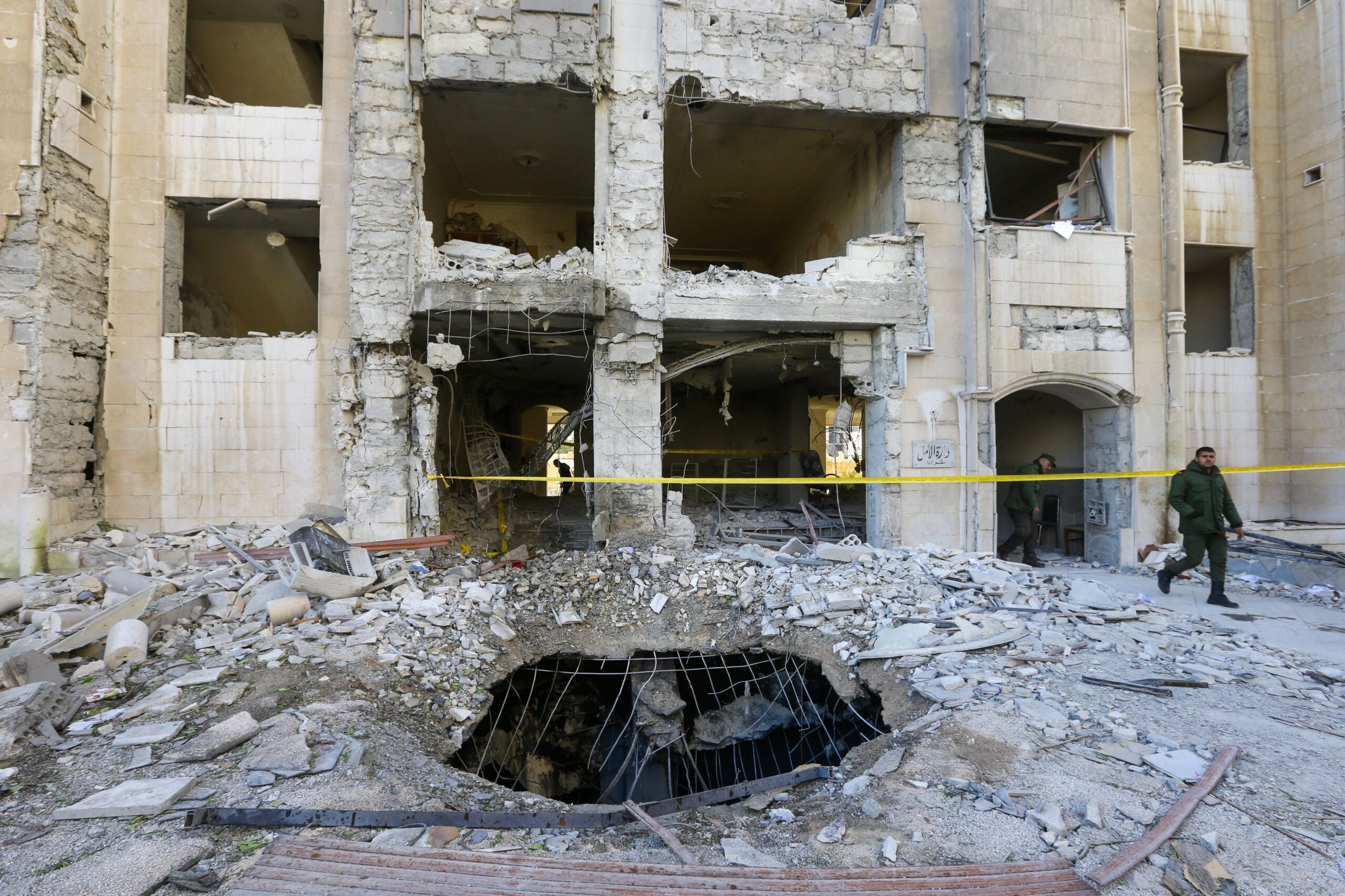
Israel’s Response to Iran in Syria: Choosing Between Escalation and Accommodation
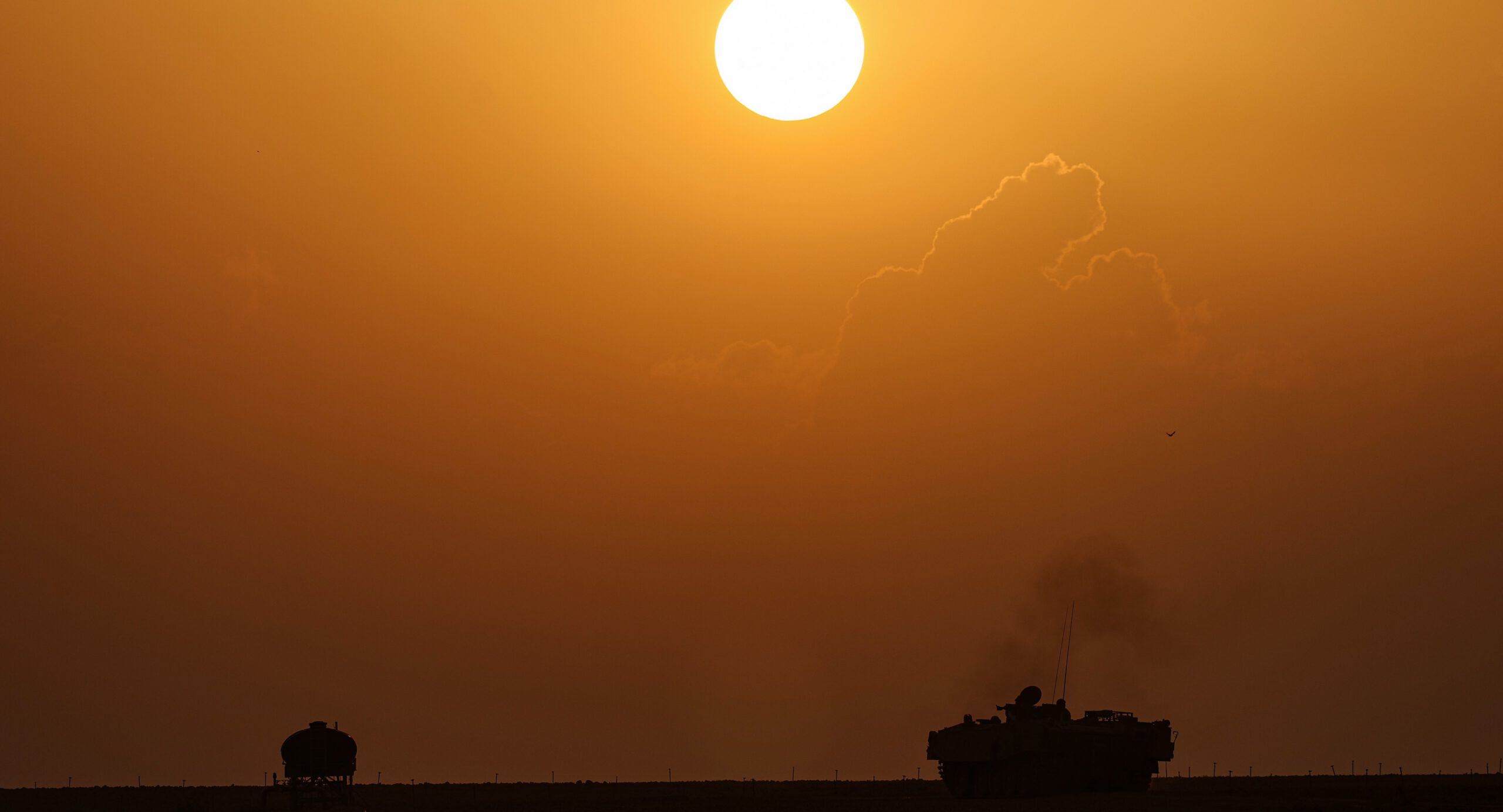
The following quantitative analysis explores the core of Israel’s strategic airstrikes in Syria between 2013 and August 2023, a critical aspect of its defense policy during this time, aimed at mitigating Iranian influence in the region and protecting its national borders.
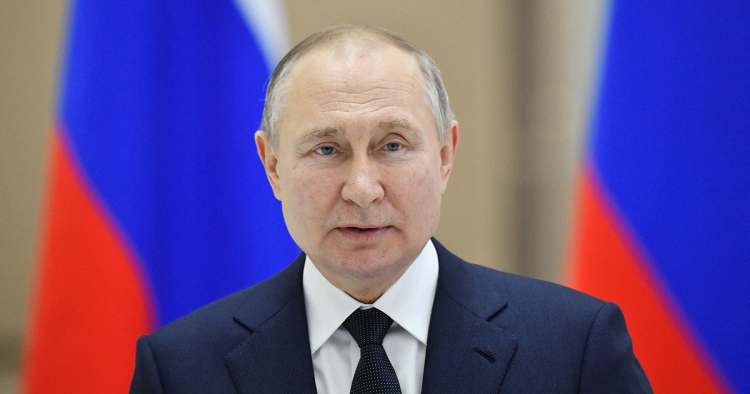
Why Russia has been openly critical of Israel's war on Gaza
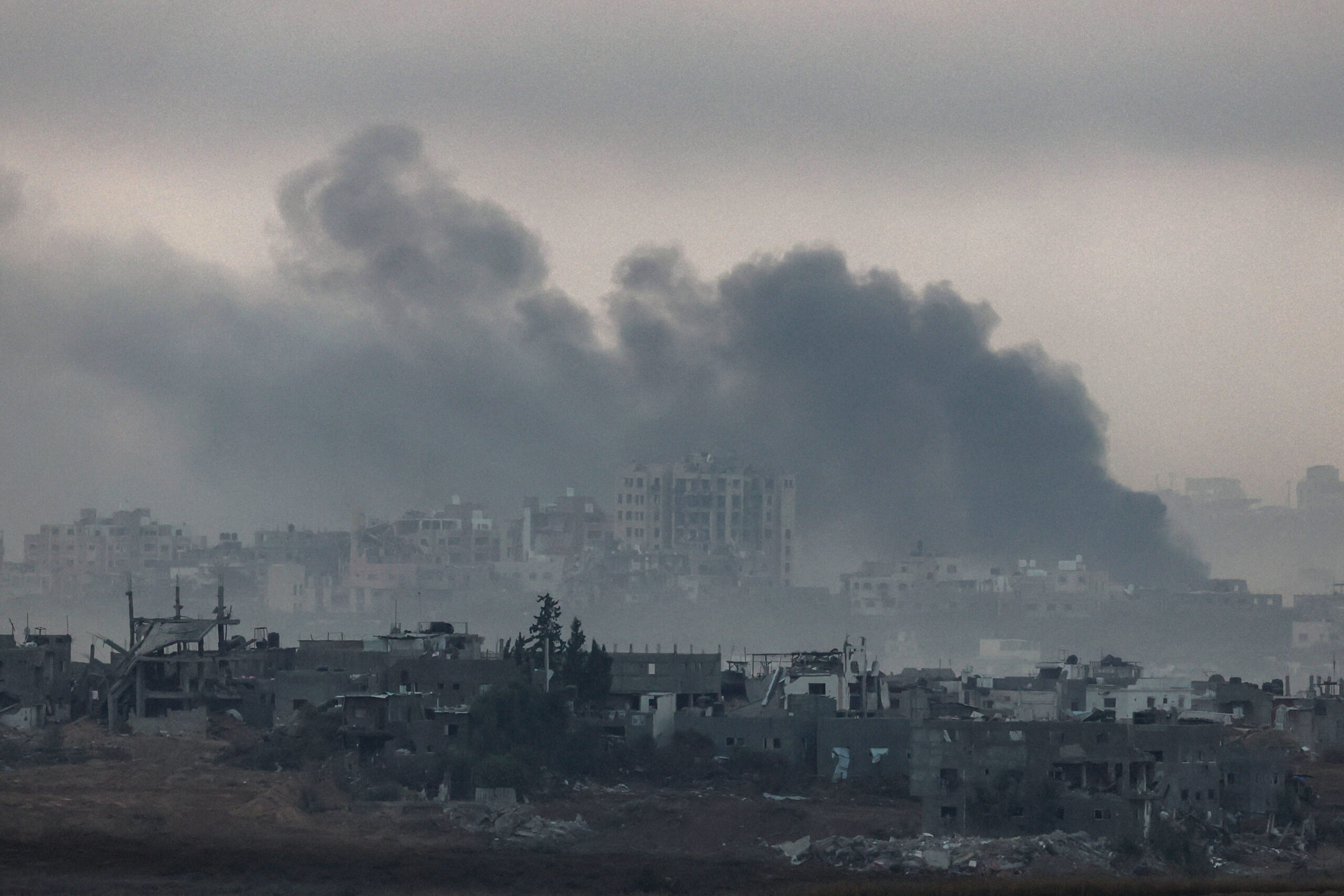
There are many signs of a deterioration of relations between Russia and Israel since the start of the war in Gaza, and they have stoked concern about potential flashpoints between the two countries, not least in Syria, where both have a military presence.
Representatives from both sides have been openly bickering at various diplomatic meetings in clashes that have become almost commonplace.
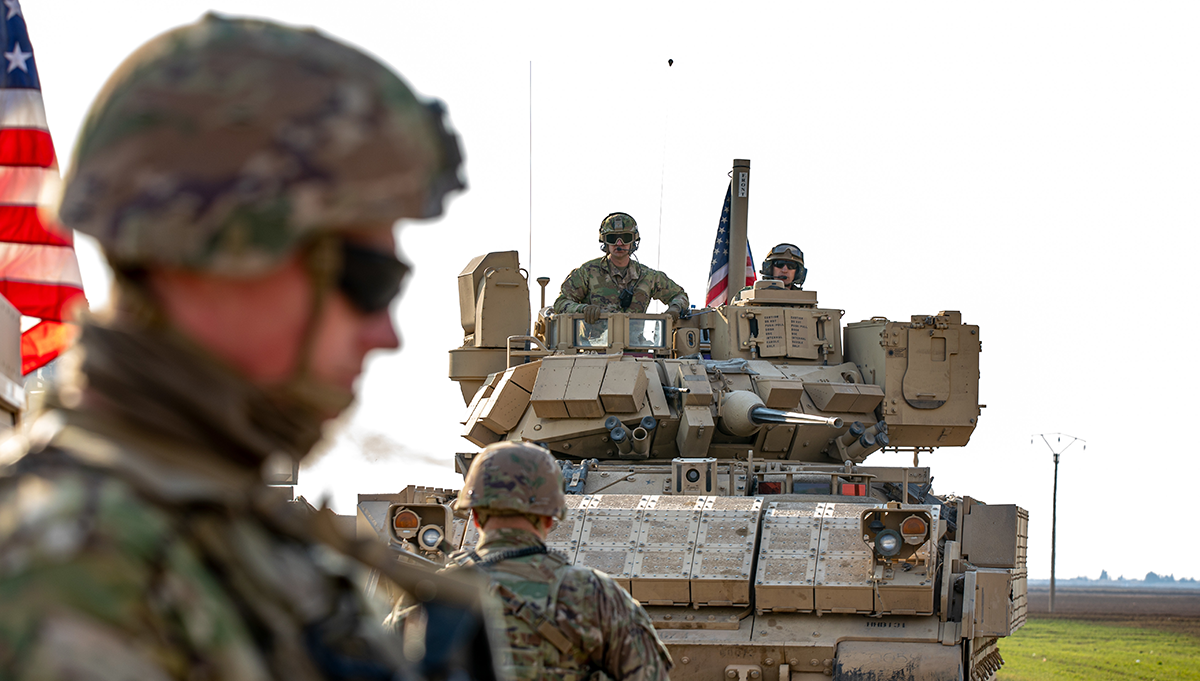
Iranian-backed militia attacks on coalition forces threaten to ignite eastern Syria
Over the last three weeks, there has been a notable escalation in attacks targeting international coalition bases in northeastern Syria orchestrated by Iranian-backed militias operating in Iraq and Syria. Concurrently, there have been reports indicating the establishment of operational centers aimed at coordinating these strikes. These developments appear to be part of an effort to exploit the widespread popular discontent with the United States and Israel, with the strategic aim of expanding and consolidating Iranian influence in Syria.
Afghan refugees as victims of Pakistan and Afghanistan’s clashing security interests
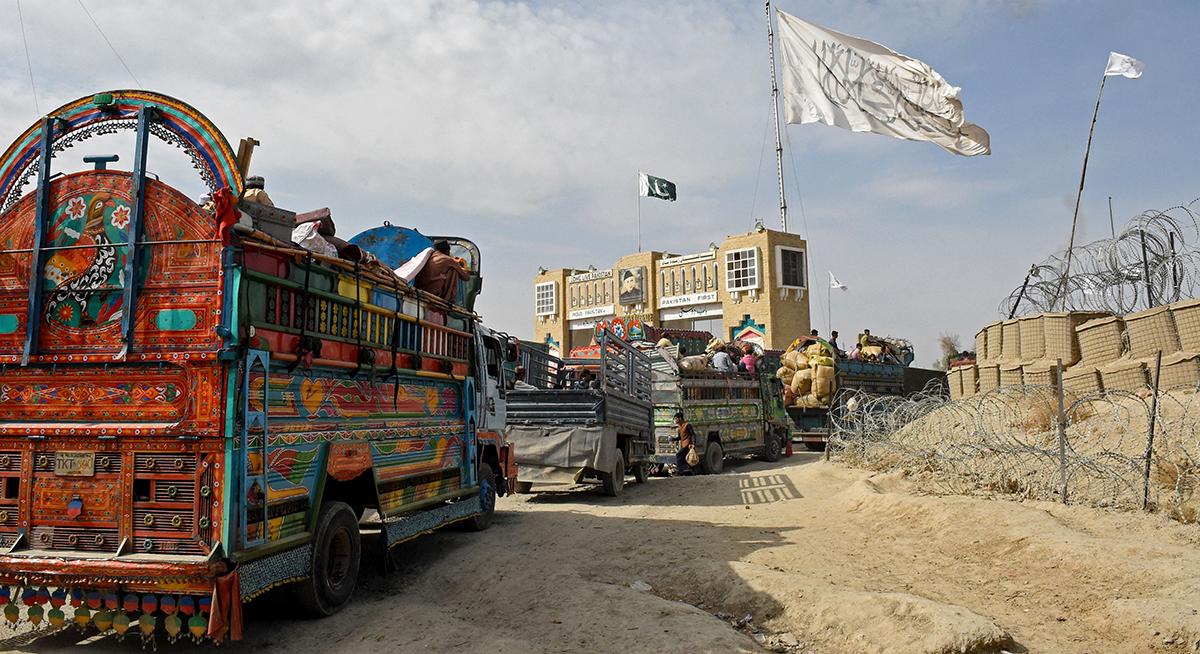
For decades Pakistan has threatened to deport its undocumented Afghan refugees, but Islamabad has never undertaken a campaign to oust Afghans on anything like the scale now underway. Whether voluntarily or through force, Pakistan’s interim administration, backed by the senior military leadership, seems determined to rapidly uproot 1.7 million of the estimated 3.5 million Afghans believed to be in the country. The government’s decision comes at a terrible time given the conditions in Afghanistan and the feared humanitarian impact.
Turkey and Iran: Toward an “Axis of Revisionism” amid the war in Gaza?
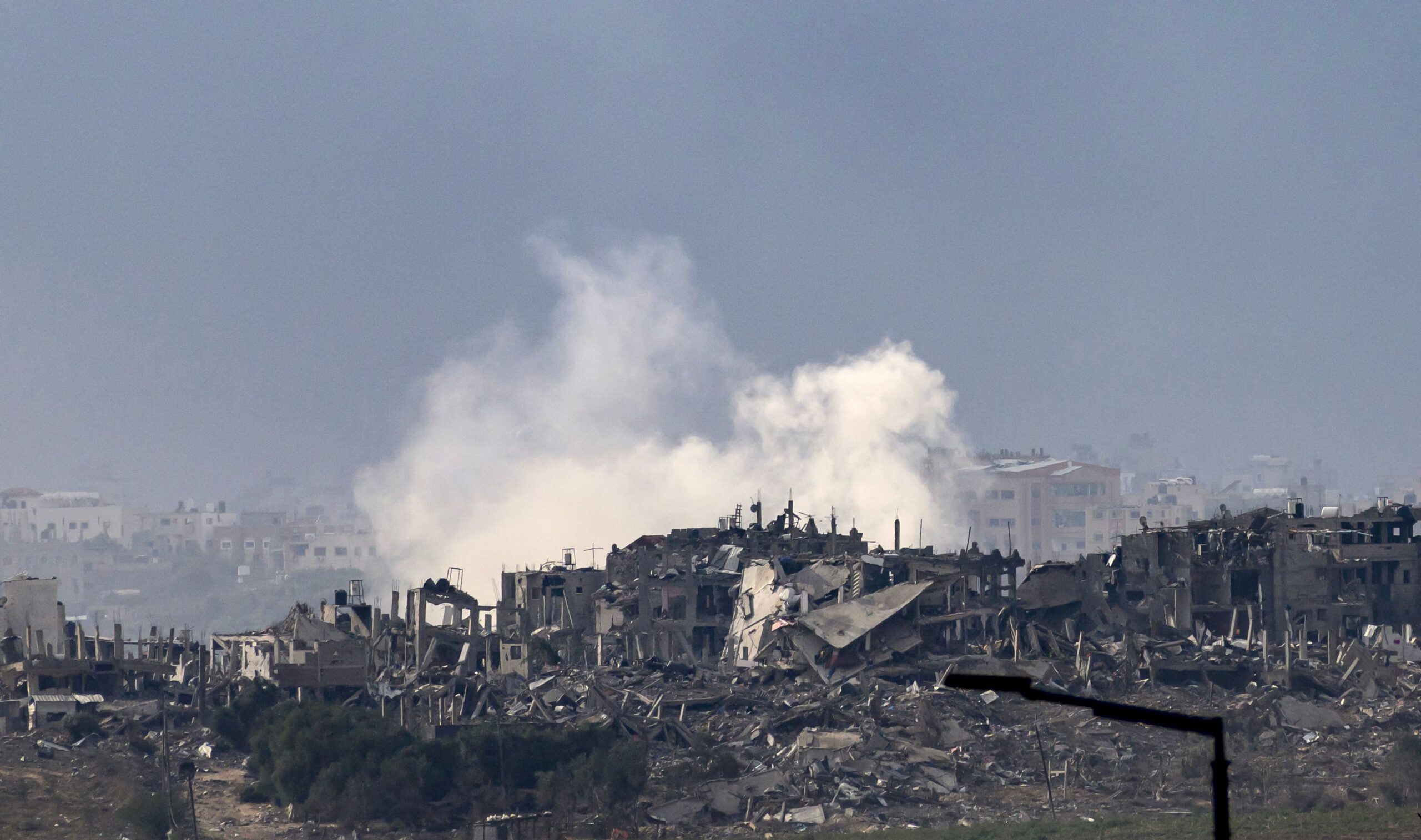
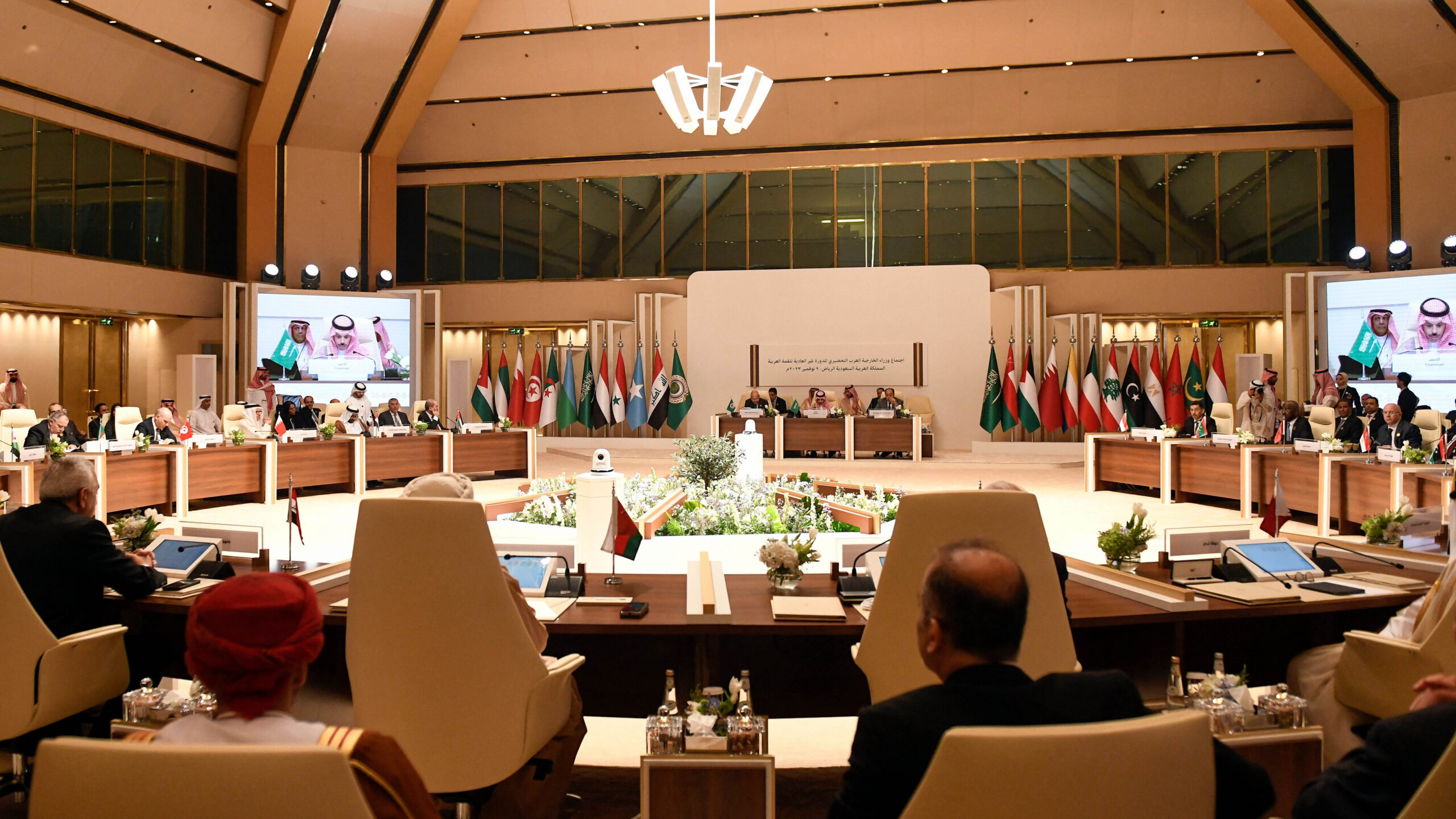
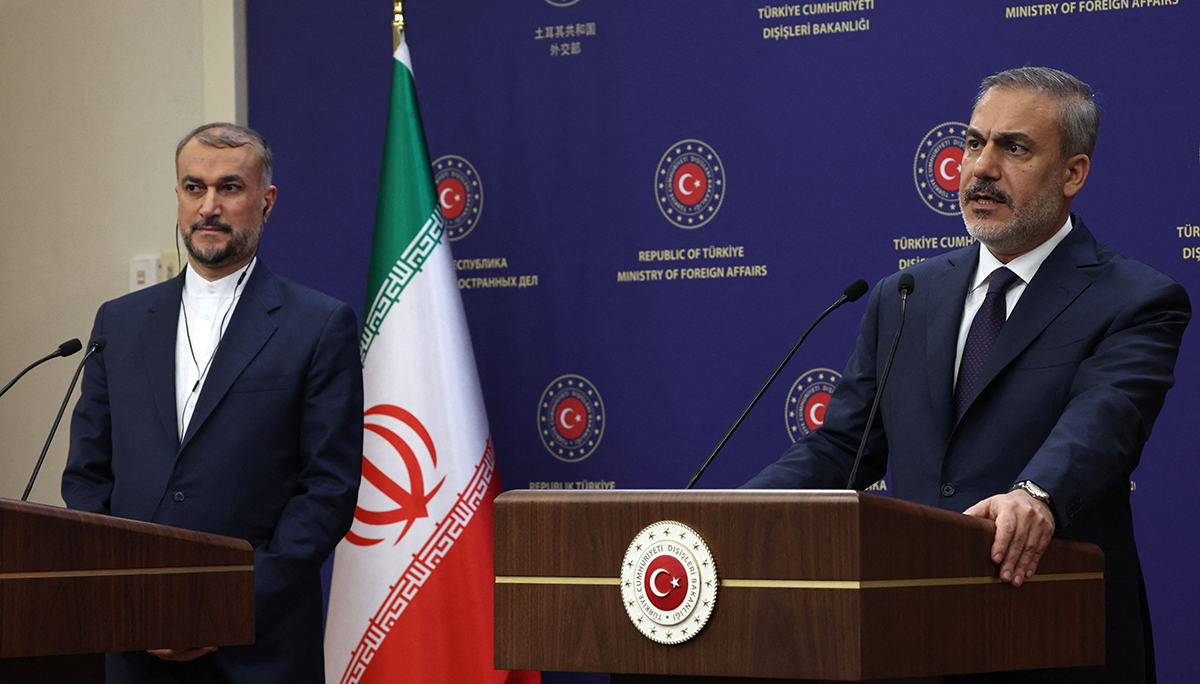
Hamas’ violent and unexpected Oct. 7 attack on Israel has shaken a fragile regional order in the Middle East. Ankara and Tehran are worried that a stronger U.S. presence in the Middle East is detrimental to their regional interests. The war in Gaza might help close the ranks between Turkey and Iran, yet there are serious limitations to a sustainable alliance between the two countries.
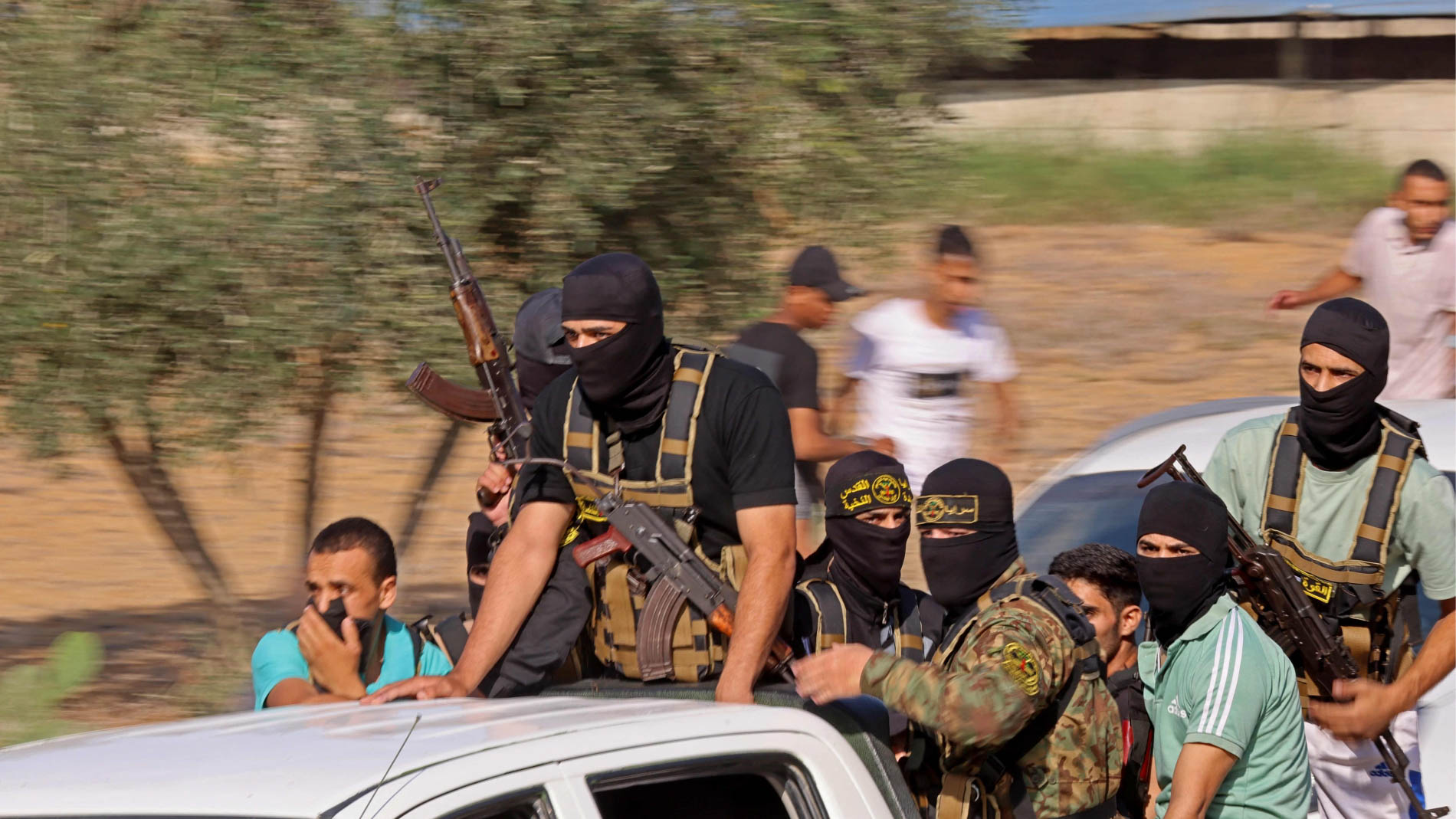
On 7 October, Hamas shocked the world, when thousands of its militants invaded southern Israel, taking control of territory, massacring civilians and kidnapping hundreds.
The attack itself demonstrated an unusual level of complexity, with a first wave seeing drones taking out Israeli reconnaissance equipment and observation posts and cyber attacks creating distractions, opening a path for amassed militant incursions from the air, sea and ground.
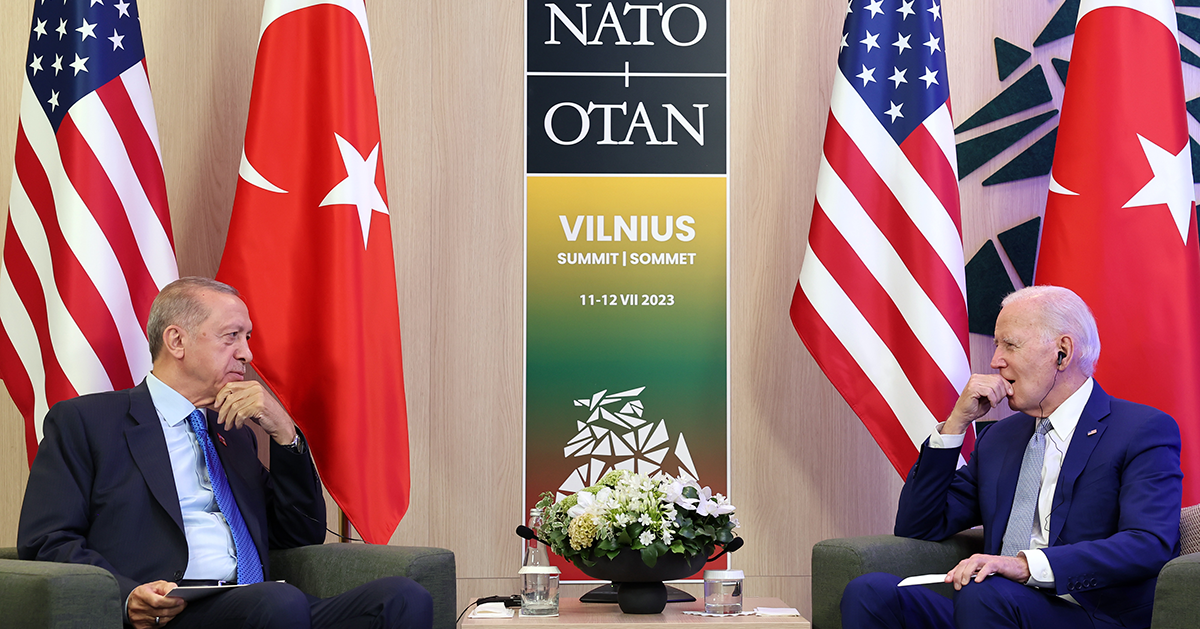
For the better part of a decade, Turkey and the U.S. have been locked in what might be considered an unhappy marriage, marked by bitter misunderstandings and growing distrust. Some optimists had hoped that something of a reset might be possible, but recent events, both in Turkey’s ongoing conflict with the PKK and because of the ripple effects from Israel’s war with Hamas, likely mean that U.S.-Turkish relations, far from improving, will get colder yet in the months to come.
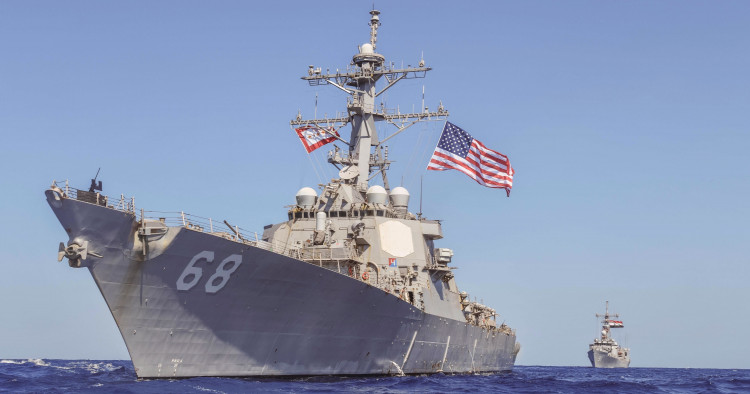
In Israel-Hamas war, Russia's leverage erodes, outflanked by US naval power
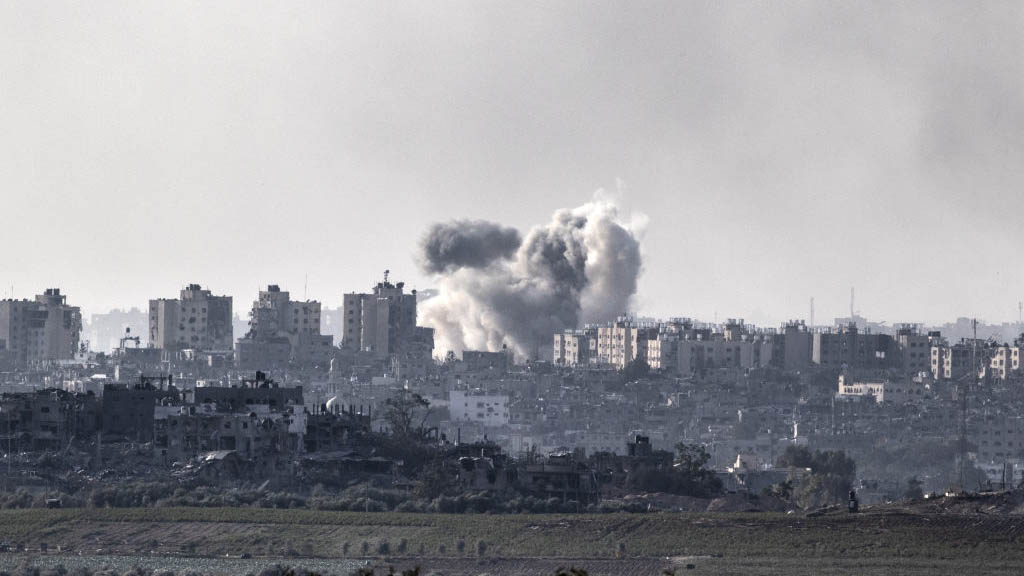
Russia, historically viewed as a major stakeholder and player in the Middle East since the Cold War, is seeing its leverage eroding as the Hamas-Israel war enters its third week, and the Kremlin is absent despite attempts to mediate the conflict.
Earthquake in Afghanistan: Natural disasters, international isolation, and Taliban incapacity
On Oct. 15, a third earthquake hit western Afghanistan’s Herat province within the span of roughly one week. The Taliban’s international isolation has neither compelled the Taliban to change its behavior nor improved its capacity to respond to such disasters. A new policy for Afghanistan is long overdue and must place Afghans at the center of the debate. It’s time for the international community to wake up to that stark reality and respond to thehumanitarian crises turning Afghanistan into a black hole.