Cyclone Shaheen: A reminder of the Arabian Peninsula’s vulnerability to extreme weather events
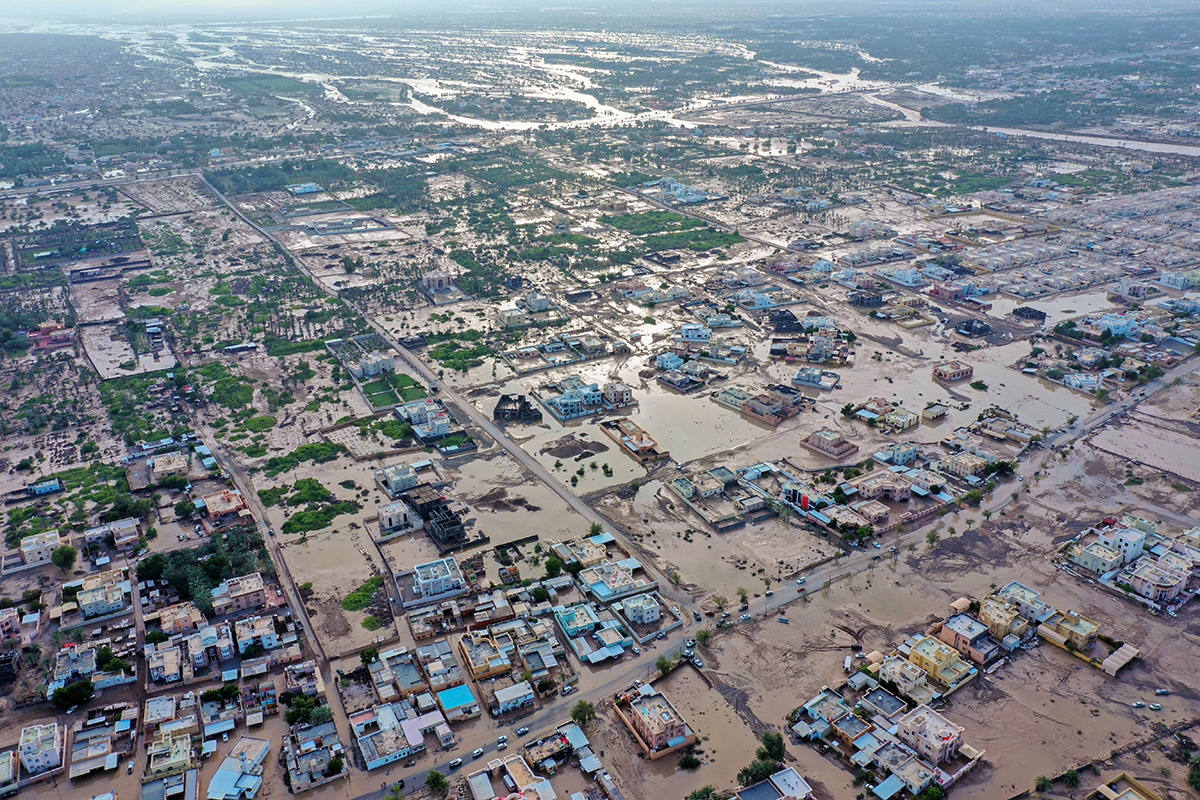
On Oct. 3 Cyclone Shaheen made landfall in Oman, near Muscat, after traveling through the Gulf of Oman from the Arabian Sea. According to the India Meteorological Department, which monitors and tracks the formation of cyclones in the North Indian Ocean, Cyclone Shaheen was categorized as a severe cyclonic storm when it made landfall with sustained winds of 70 miles per hour. Its arrival brought on heavy rainfall and excessive flooding in the many valleys that are a natural part of Oman’s topography. The high winds of the cyclone generated massive storm surges along the coast and caused serious damage to infrastructure and homes, displacing many.
Avoiding water bankruptcy in the drought-troubled Southwest: What the US and Iran can learn from each other
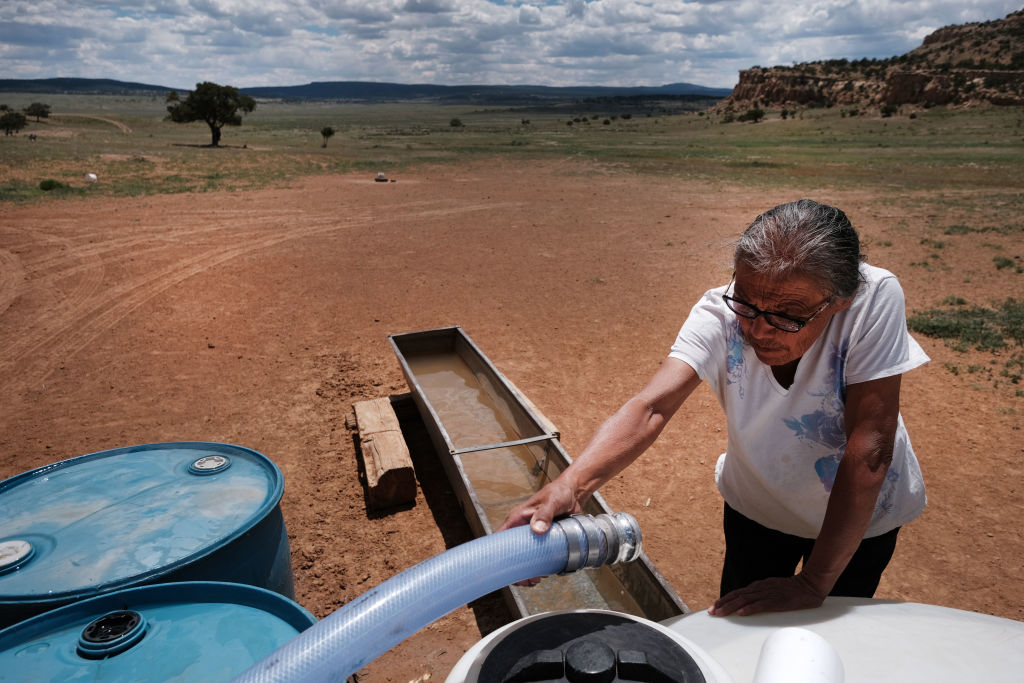
It was another hot, dry year in the western U.S., with almost the entire region in drought. Vital reservoirs have fallen to dangerous lows. More than 7,000 miles away, Iran is grappling with water problems that are similar to the U.S. Southwest’s but more severe.
ديجافو مرة أخرى في أفغانستان: التفاوض مع طالبان لإنقاذ المواقع التراثية
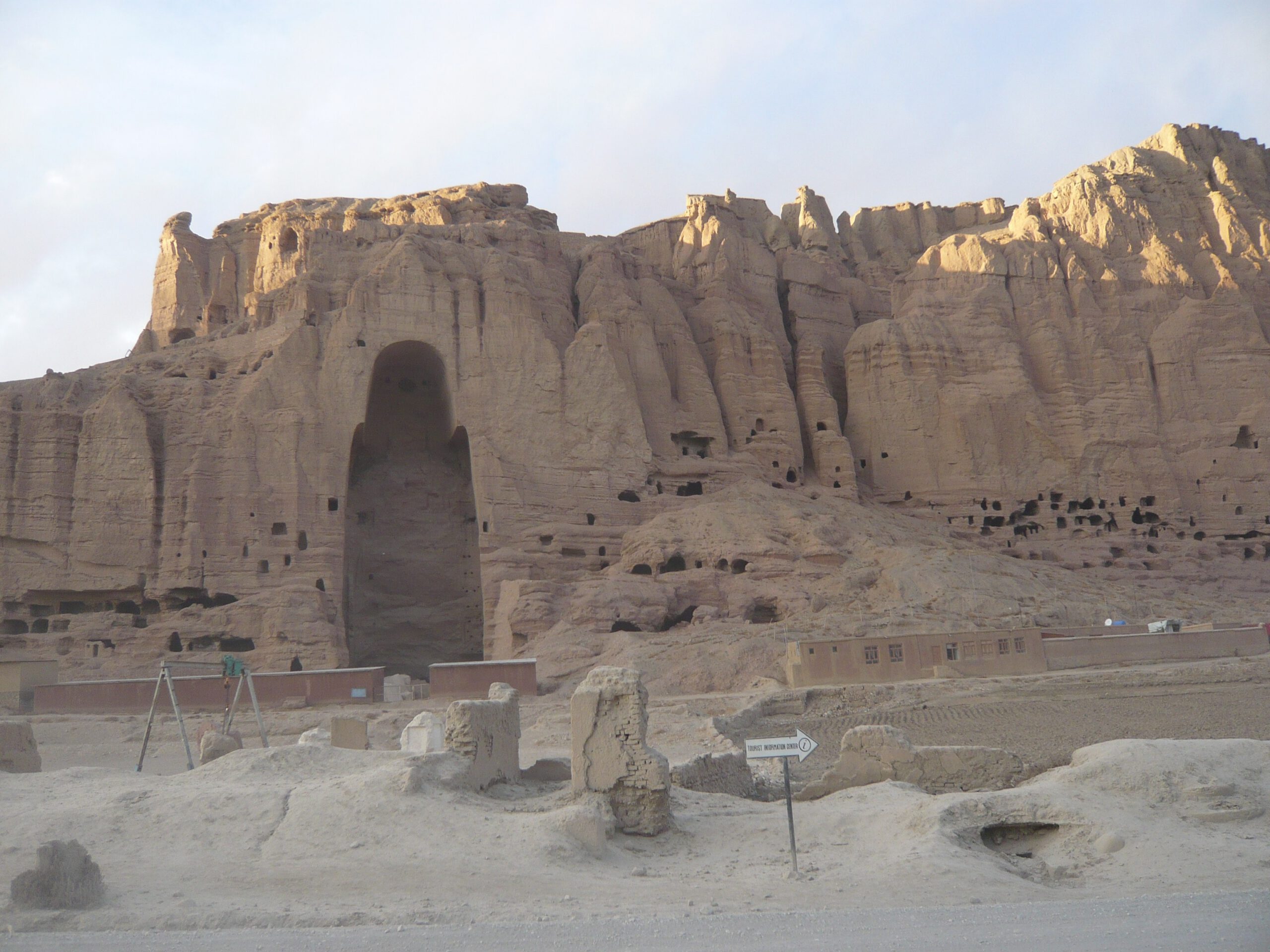
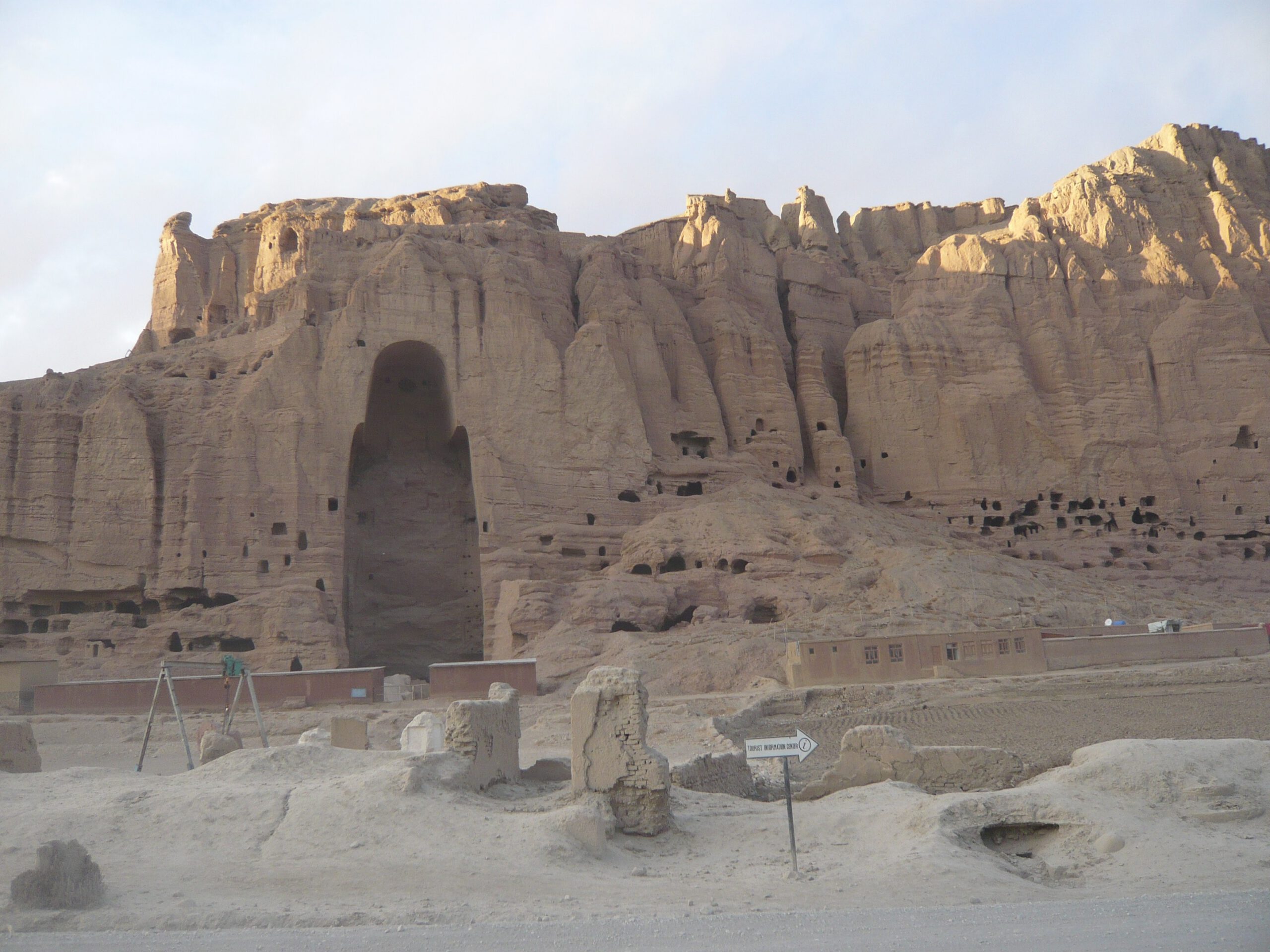
بينما يشاهد العالم استيلاء طالبان على أفغانستان وما أعقب ذلك من أحداث متلاحقة، يبدو الأمر وكأنه “ديجافو” أو تكرار لمعاناة أبناء هذه الأمة. ومع عودة طالبان إلى وادي باميان، وهو أحد مواقع التراث العالمي لليونسكو الذي أجاز فيه الملا عمر تدمير تمثالين من القرن السادس لبوذا قبل 20 عامًا، ندرك أننا شاهدنا هذا الفيلم من قبل ونعرف كيف تكون نهايته.
Déjà vu all over again in Afghanistan: Negotiating with the Taliban to save heritage sites
As the world watches the Taliban takeover of Afghanistan and its aftermath, it’s like déjà vu all over again for the nation’s long-suffering peoples. With the Taliban back in the Bamiyan Valley, the UNESCO World Heritage site where Mullah Omar sanctioned the destruction of the 6th century Buddhas 20 years ago, we’ve seen this movie before and we know how it ends.
All in the family: How an animated series reflects social change in Saudi Arabia
Masameer County, the Netflix animated television series taking Saudi Arabia by storm, reveals how the country’s creative class, over the last two decades, has posed awareness-raising questions while reevaluating the assumptions and terms used to discuss contentious social issues. This is not the Saudi Arabia of clerics, oil, and the royal family, but the one experienced by everyday people.
The digital space has not only enabled claims to online avatars or alter-egos, it has also ushered in new forms of digital ownership. The explosion of the online marketplace is changing the ways in which art is created, perceived, and owned. If post-internet art propelled artworks into immateriality, Cryptoart, which uses blockchain technology, is creating a new generation of art collectors. Sales of Cryptoart have leaped from over $416,000 in June 2020 to $616 million in the past year, based on data from cryptoart.io.
Jardin d’Afrique: A moving memorial to forgotten migrants
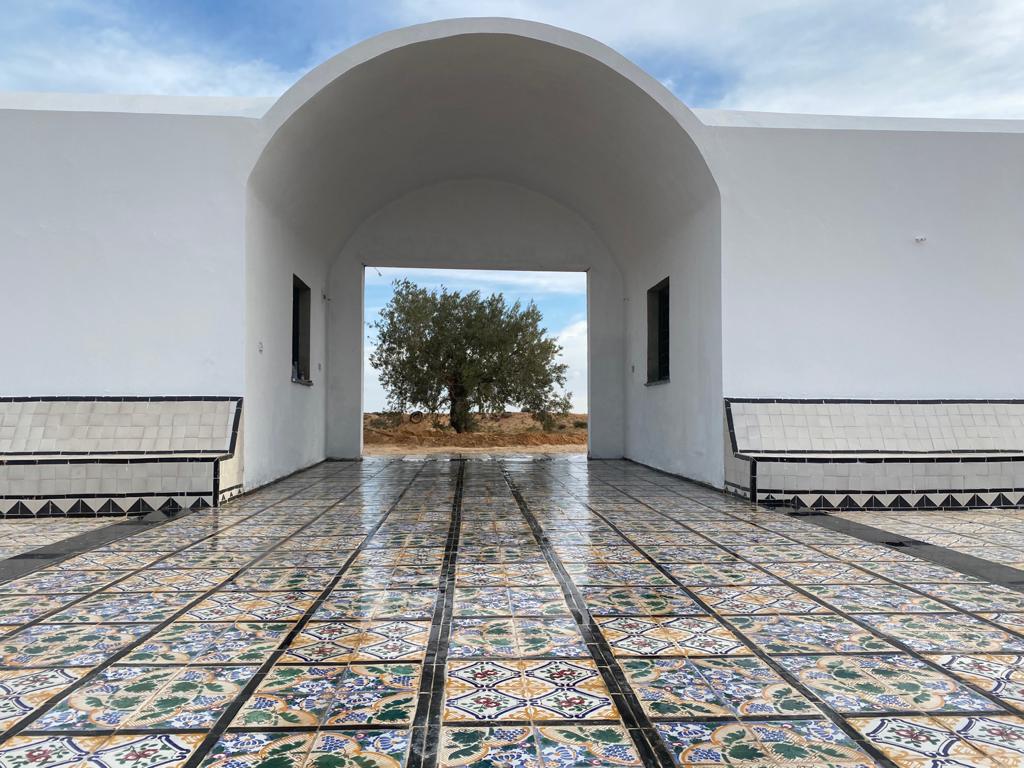
In Zarzis, on Tunisia’s southern coast, Algerian artist Rachid Koraichi has created a moving memorial to the thousands of migrants who have died crossing the Mediterranean. A hybrid of graveyard, garden, and art installation, Jardin d’Afrique has become the final resting place for over 300 souls whose bodies washed up on the shore of this tourist town.
Could climate risk insurance reduce the cost of climate change adaptation in the Middle East?
As one of the hottest and driest spots globally, the Middle East region faces some of the worst impacts of climate change. Many of these events have not only been socially and politically devastating but have also resulted in huge financial losses for countries already experiencing economic insecurity. Countries in MENA have found themselves increasingly exposed to extreme weather events and natural disasters, which have affected more than 40 million people and cost more than $20 billion over the past 30 years, according to the World Bank. During the last five years alone, 120 disasters were recorded in the region, resulting in an average of $1 billion annually in damages and losses.
With the Hope Line, Iran aims to boost seawater transfer to fight growing drought
Blessed with milder temperatures than its Gulf neighbors as well as abundant rain and snow fall, Iran is one of the last countries in the region to introduce a seawater transfer plan to fight unprecedented levels of drought. The plan, once fully implemented, could help build water corridors linking the shores of Iran’s southern Gulf to those of its northern Caspian Sea. Named the Hope Transfer Line, the plan promises prosperity for farmers and industrialists, and potable water for communities in some 10,000 villages and urban areas located in so-called Red Zones, a category that applies to regions coping with severe water scarcity.
Palestinian cultural resistance: Art in the face of violence
Singer Kamilya Jubran, founding member of the iconic Palestinian band Sabreen, once famously sang, “We’ve tried resistance, we’ve tried confrontation, we’ve tried intifada, we’ve tried peace. What else is left to us?” The answer of course, that hung in the air of her breathtaking vocals, was “to sing.”
Agricultural technology in the Middle East: Sowing the seeds of the future
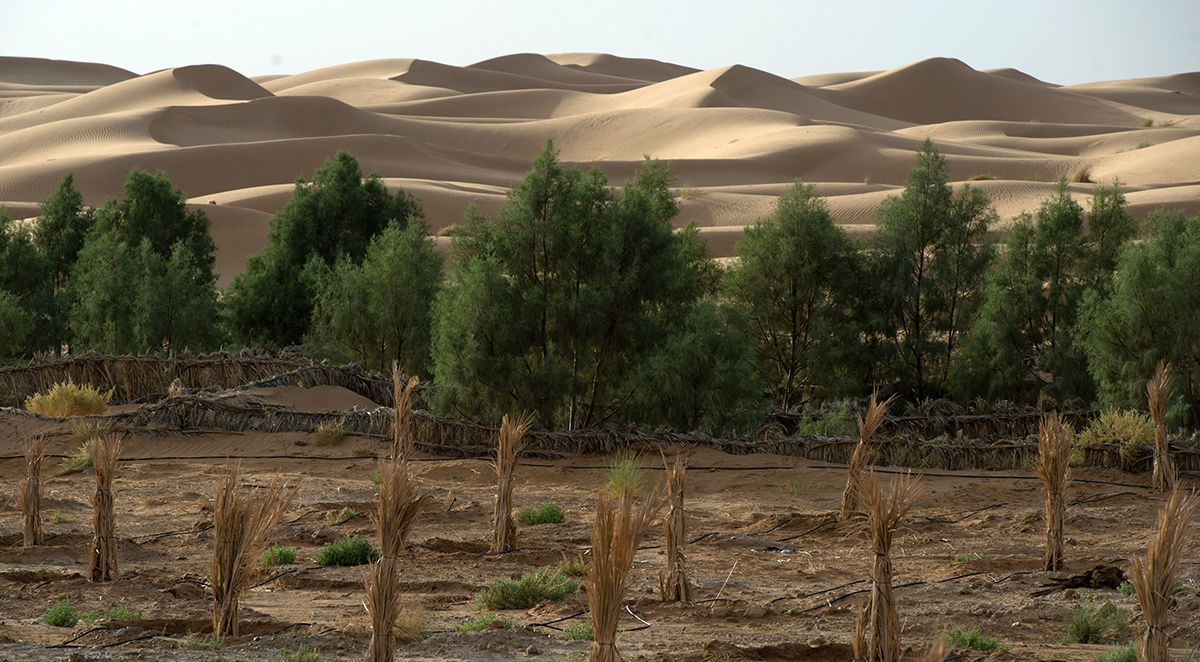
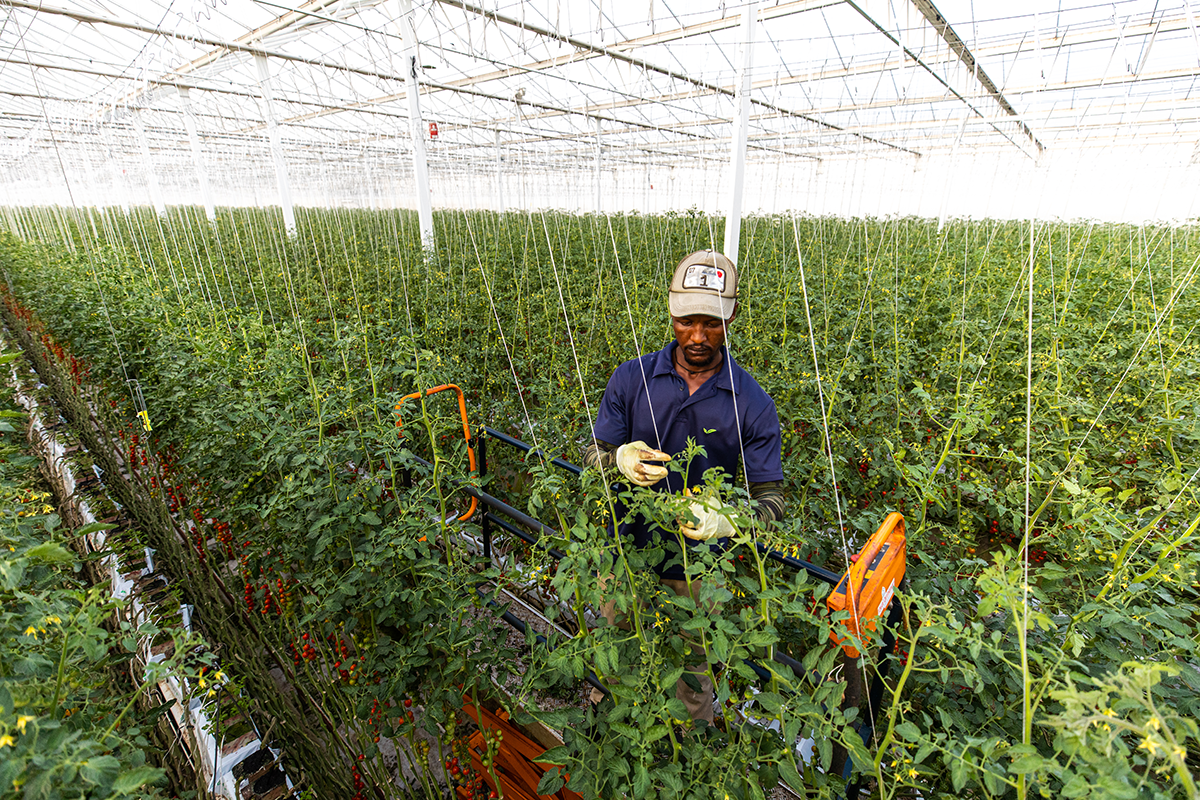
Over the last decade, new technology has been developed to address agriculture’s longstanding structural problems related to unproductive farming soils and water shortages. Such initiatives could potentially play a pivotal role in promoting food systems’ resilience across the region. These technologies are designed to increase and improve the outputs of the agricultural sector, while using less energy and more sustainable methods. Responding to the need to promote sustainable agricultural growth, agricultural technology (or “agritech”) today aims to reduce agrarian waste and the use of chemical fertilizers. Looking to the future — while taking cues from the past — may unlock the solutions to the region’s desperate food insecurity.
The rapidly growing state-supported arts infrastructure in Saudi Arabia tends to overshadow the lesser-known history of independent artist-led initiatives. The pioneering modernist Mohammed Alsaleem, for example, is known for establishing Dar Al Funoon Al Sa’udiyyah (The Saudi Art House) in Riyadh in 1979, the first space where artists could gather, work, mentor each other, and stage exhibitions at a time when there were no art schools or galleries. The Kingdom has gone through various stages in its cultural development from the 1960’s oil boom, a time of artistic productivity and government scholarships to study art abroad, to the tumultuous late 1970s of Islamic militancy and religious conservatism until the 2000s. “The 1960s was a time when art flourished in the Kingdom. In Riyadh, exhibitions by modernist painters were held in football clubs in order to engage the public,” says Raneem Farsi, an expert in Saudi Arabian contemporary art, of a time that has influenced her curatorial narrative. Along with Susan Davidson, former senior curator at the Guggenheim Museum, she is co-curator of the exhibition Light Upon Light: Light Art since the 1960s, which runs until June 12.
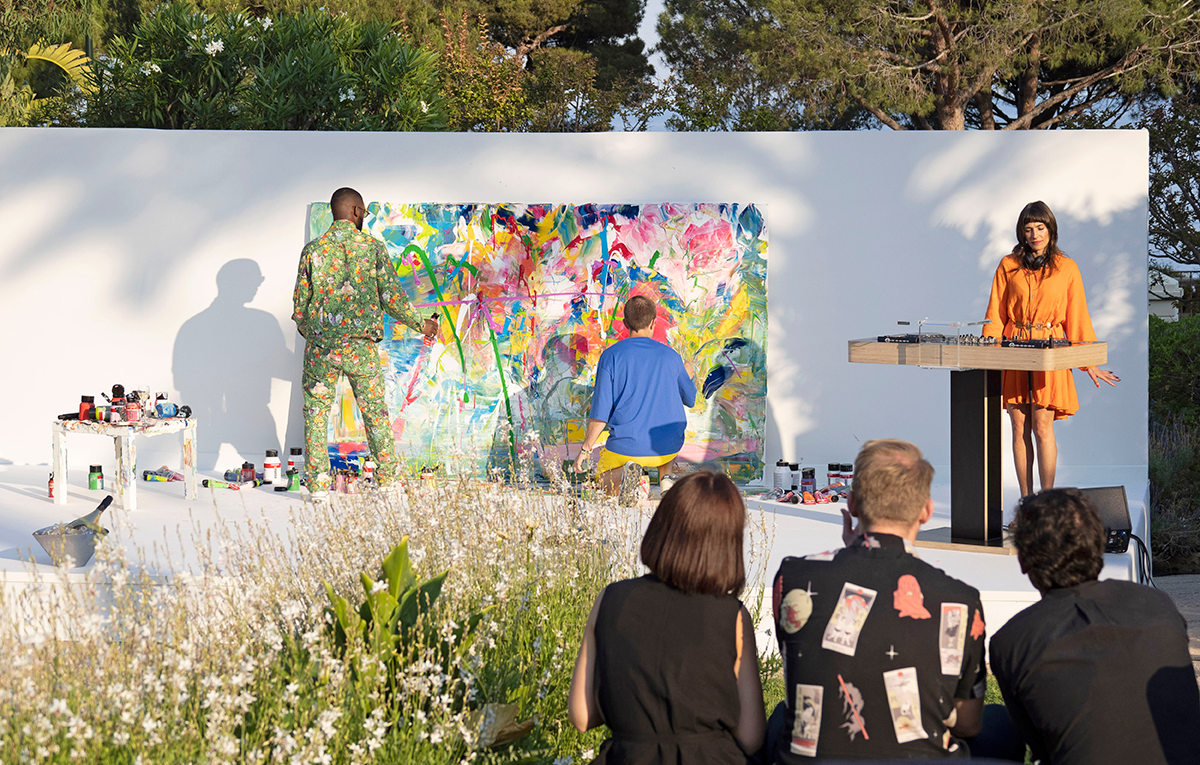
In 2020, the 14th edition of Art Dubai went completely online due to the coronavirus outbreak, with programming focused on performance art and healing curated by Marina Fokidis, a live broadcast of the Global Art Forum, and a digital catalogue. “We didn’t have a model to follow,” Pablo del Val, Art Dubai’s Artistic Director explained. “The online viewing rooms came later and the art industry has shifted to make these platforms meaningful. The future was unknown so we worked blindly.”
Necessity or luxury?: Environmental sustainability and economic growth in MENA
The Middle East and North Africa (MENA) region is grappling with many challenges on several fronts. Air pollution, water scarcity, and climate change in general are some of the serious challenges facing the MENA economies and residents that have been overshadowed by energy, security, and political debates surrounding the region. Nonetheless, considering their significant negative impact on the economic development of the MENA countries, inclusive, sustainable, and stable economic growth will require timely and effective solutions for the region’s environmental challenges.