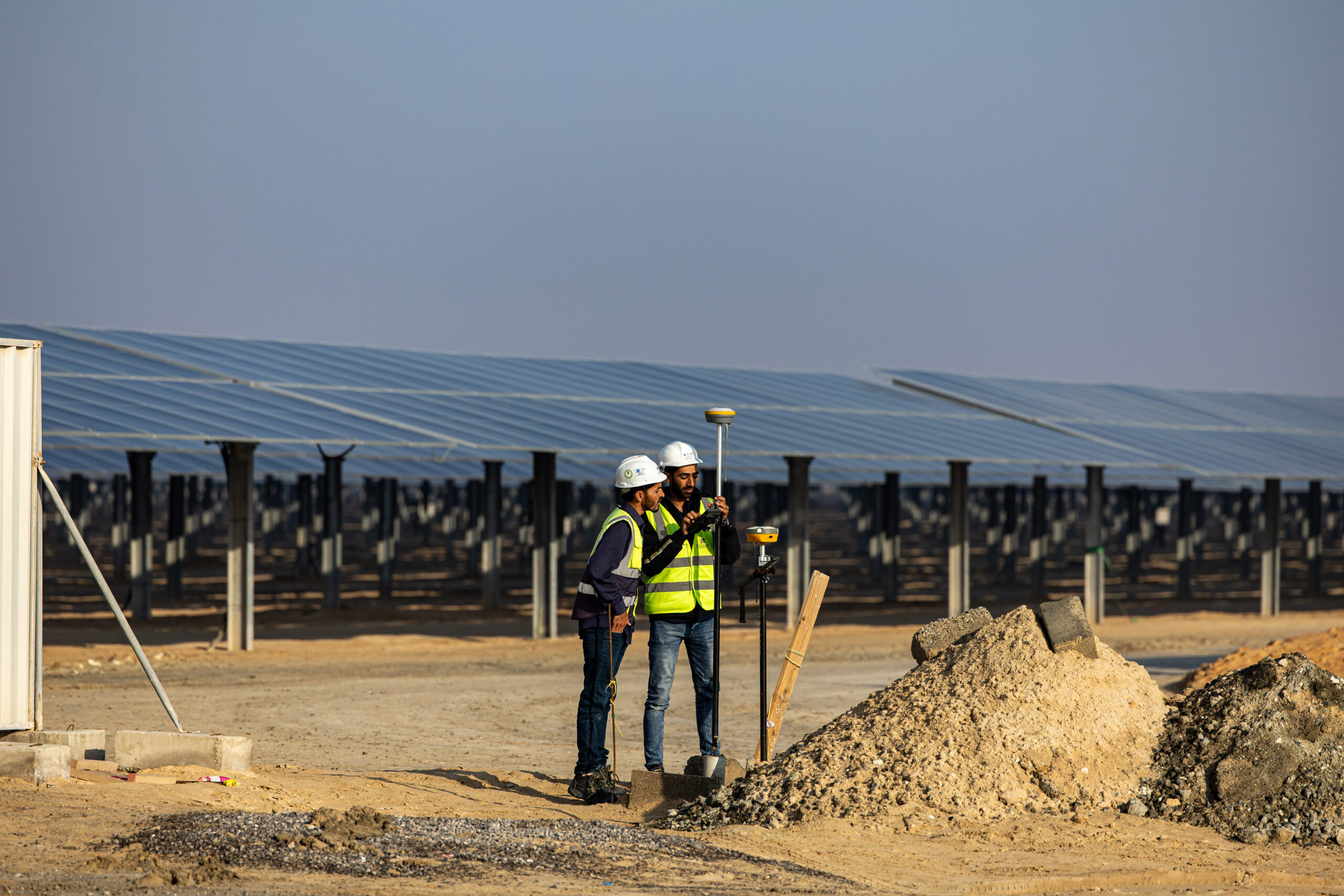
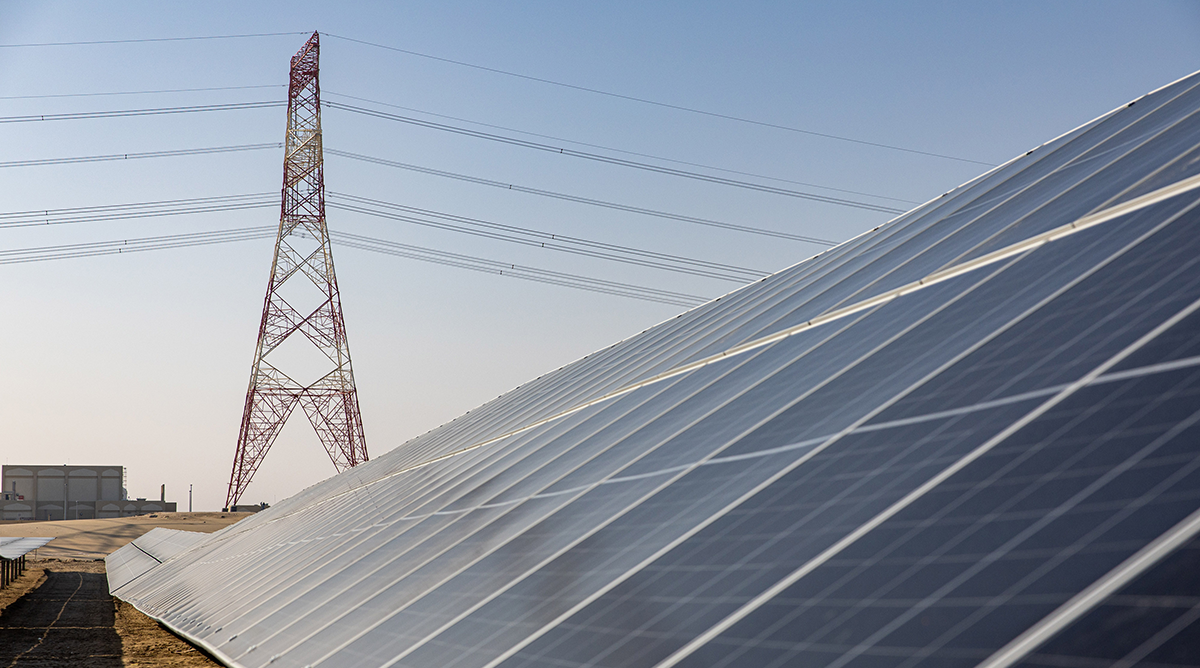
Measure, verify, certify: How to future-proof Gulf companies in the energy transition
Several Gulf states have introduced renewable energy certificates into their low-carbon energy eco-system. What are RECs and how can they help companies navigate the energy transition?
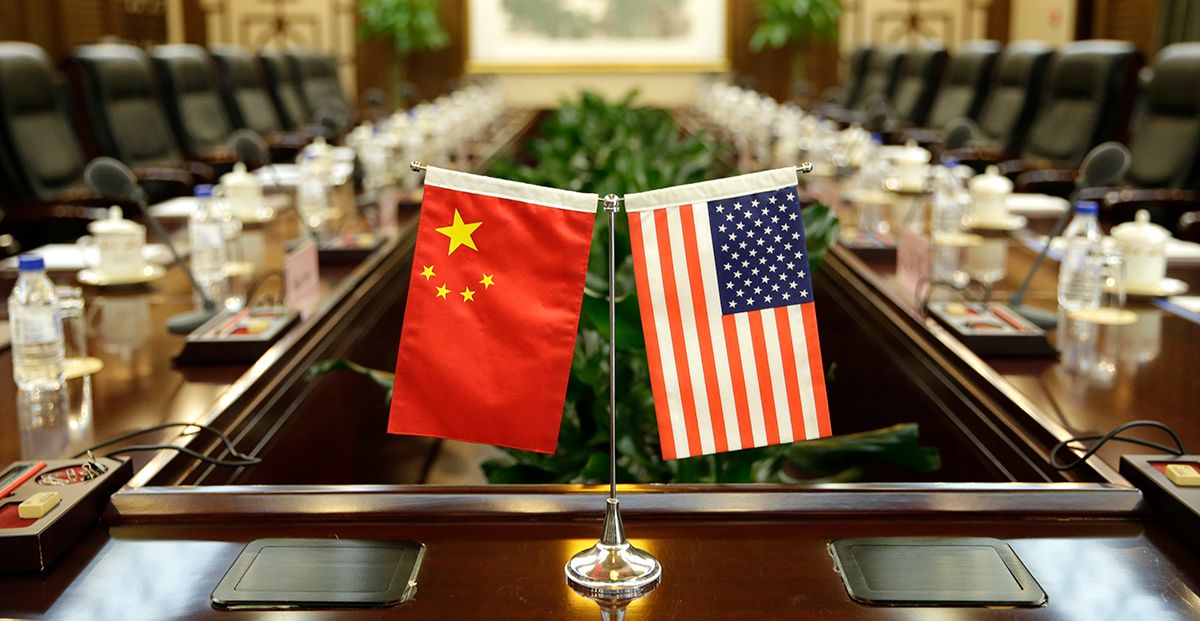
Managing US-China relations in the Middle East among common and conflicting interests
The Biden administration has been trying to diplomatically reengage with China, although so far with little response from Beijing. Any broad reengagement would necessarily include reengagement in the Middle East and North Africa. Both sides have a long list of common interests in the Middle East; the areas where their interests diverge relate mainly to suspicions of the other side’s long-term strategy and global ambitions. How can Washington and Beijing build on common interests in the region while addressing their long-term concerns, reducing some of them and accommodating robust competition or even sharp adversarial attitudes in other areas?
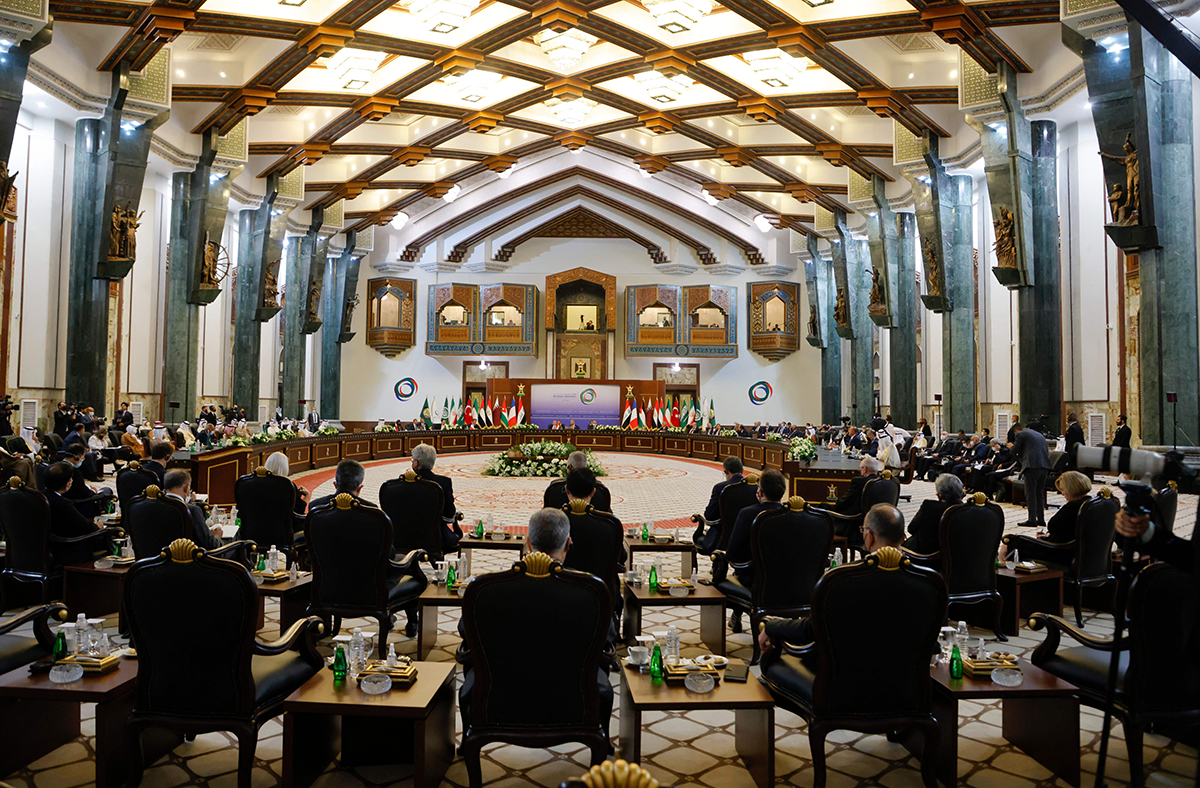
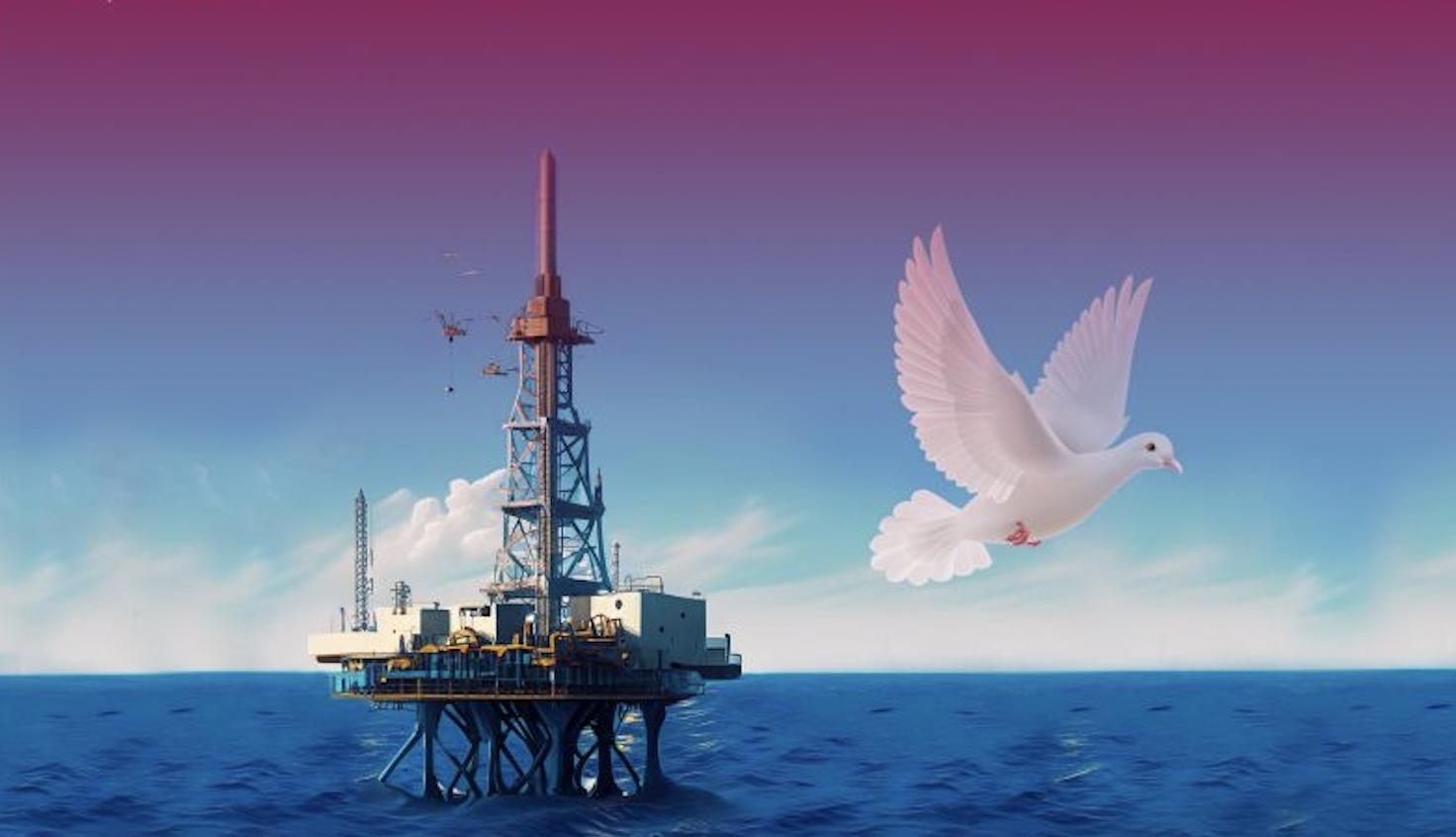
Putting Diplomacy First in the Middle East: Creating Incentives for De-Escalation
The Middle East is undergoing a historic transformation with unprecedented opportunities to build new relationships, de-escalate tensions, and foster conditions for stronger integration. At the same time, the region remains on edge because of ongoing tensions in Yemen, Syria, Iraq, and other conflict zones, a civil war that broke out recently in Sudan, along with the overarching challenges presented by fraught relations between Iran, Israel, and several Arab Gulf countries — with the longer-term implications of the still-fragile Iranian-Saudi rapprochement yet to be fully assessed.
Over the last two decades, the Mediterranean has become an important region. Many scholars, policymakers and analysts have mostly referred to this region from a nexus of security, geopolitics and traditional energy politics. With the war in Ukraine, the relevance of this whole region has increased along the same line. The Mediterranean today is home to some of the most enduring conflicts in the world. New energy resources are being discovered in disputed areas in an environment of intense geopolitical competition over regional leadership and energy routes within and beyond the region.
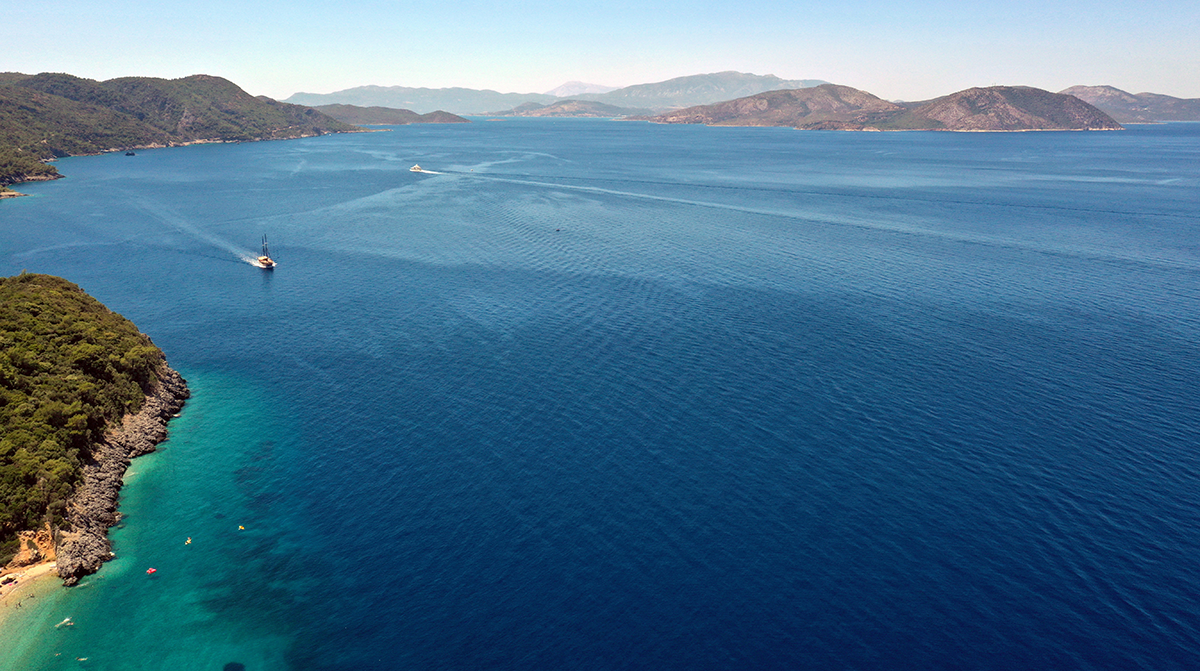
Is blue the new green? Opportunities for developing a climate-resilient blue economy in the MENA region
The blue economy can offer huge potential in climate change mitigation and resilience, given the fact that marine habitats, such as mangroves, tidal marshes, and seagrass meadows, provide significant protection from erratic climate events. MENA countries would benefit from developing the blue economy to aid in reversing natural resource degradation, sustaining inclusive economic development, and building resilience to climate change.
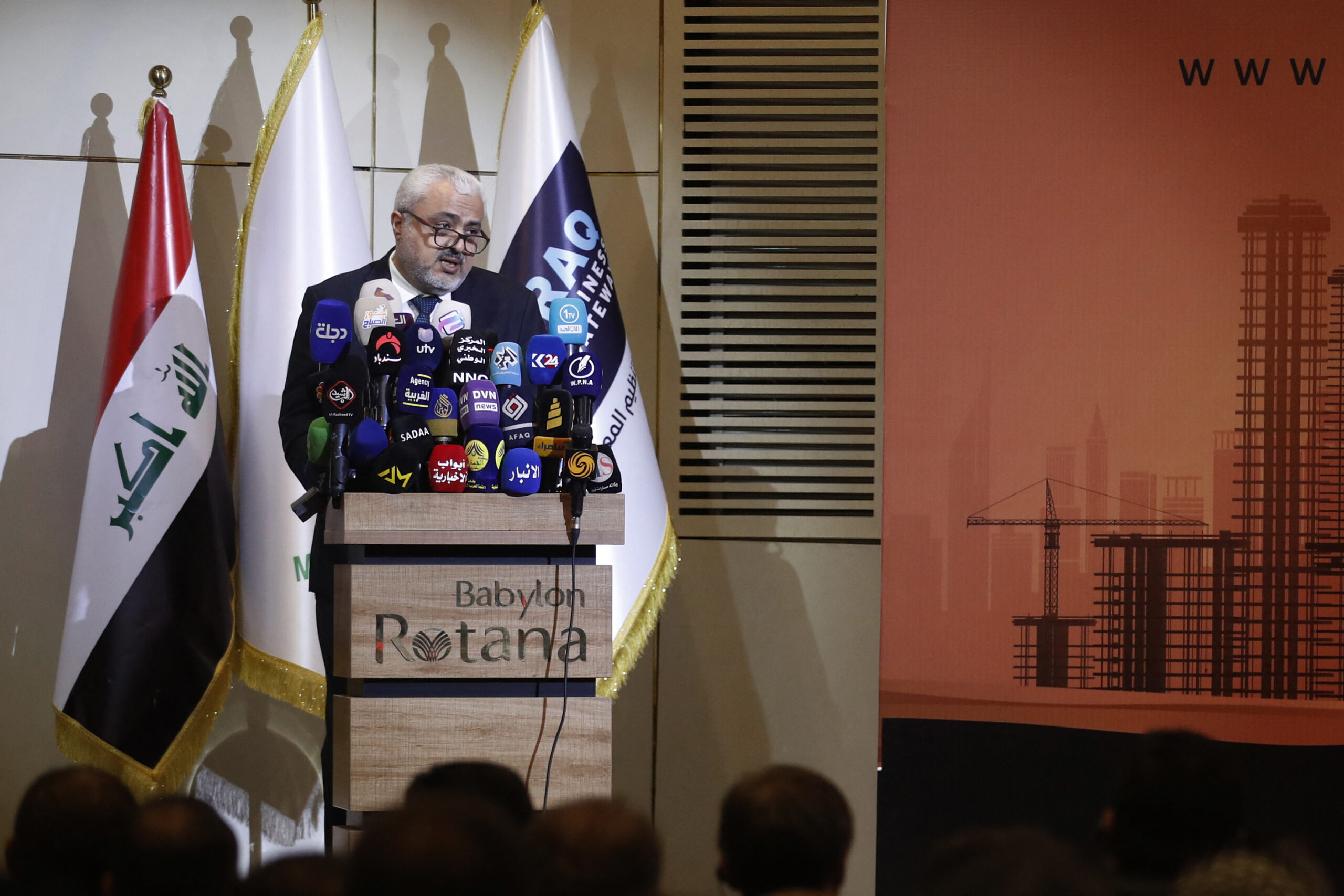
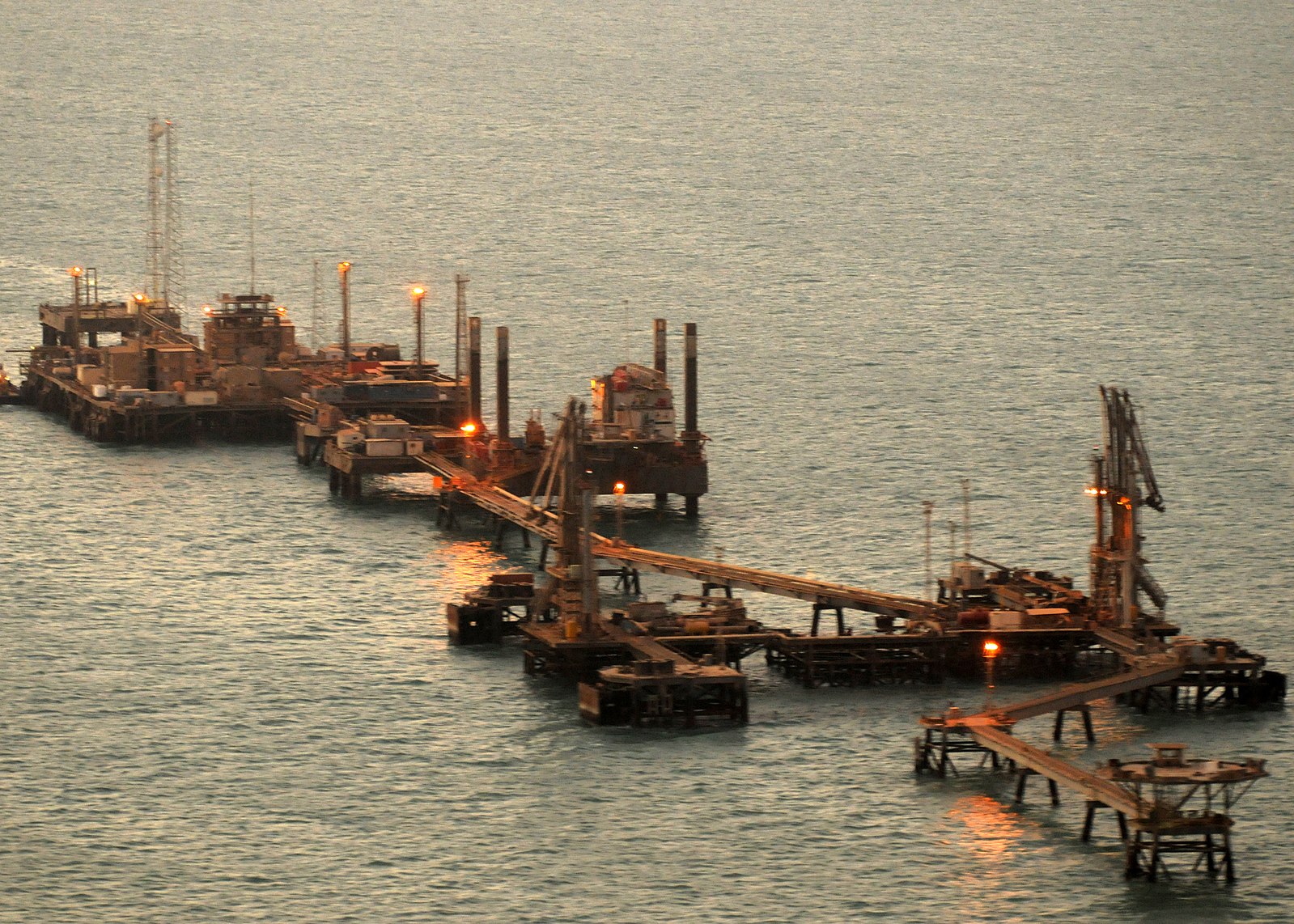
Decarbonization and Political Transformation in Iraq: The Impact on Politics, Society and Regional Relations
What happens when a petrostate loses its oil rents? While the oil market continues to go through boom-and-bust cycles, cases such as Iraq provide evidence of how the rapid loss of oil revenues—traumatic decarbonization—may affect the politics and stability of these petrostates. In Iraq, multiple shocks to oil revenues from 2014 through 2020 fundamentally altered the organization and concentration of political power in Iraq with destabilizing and democratic consequences.
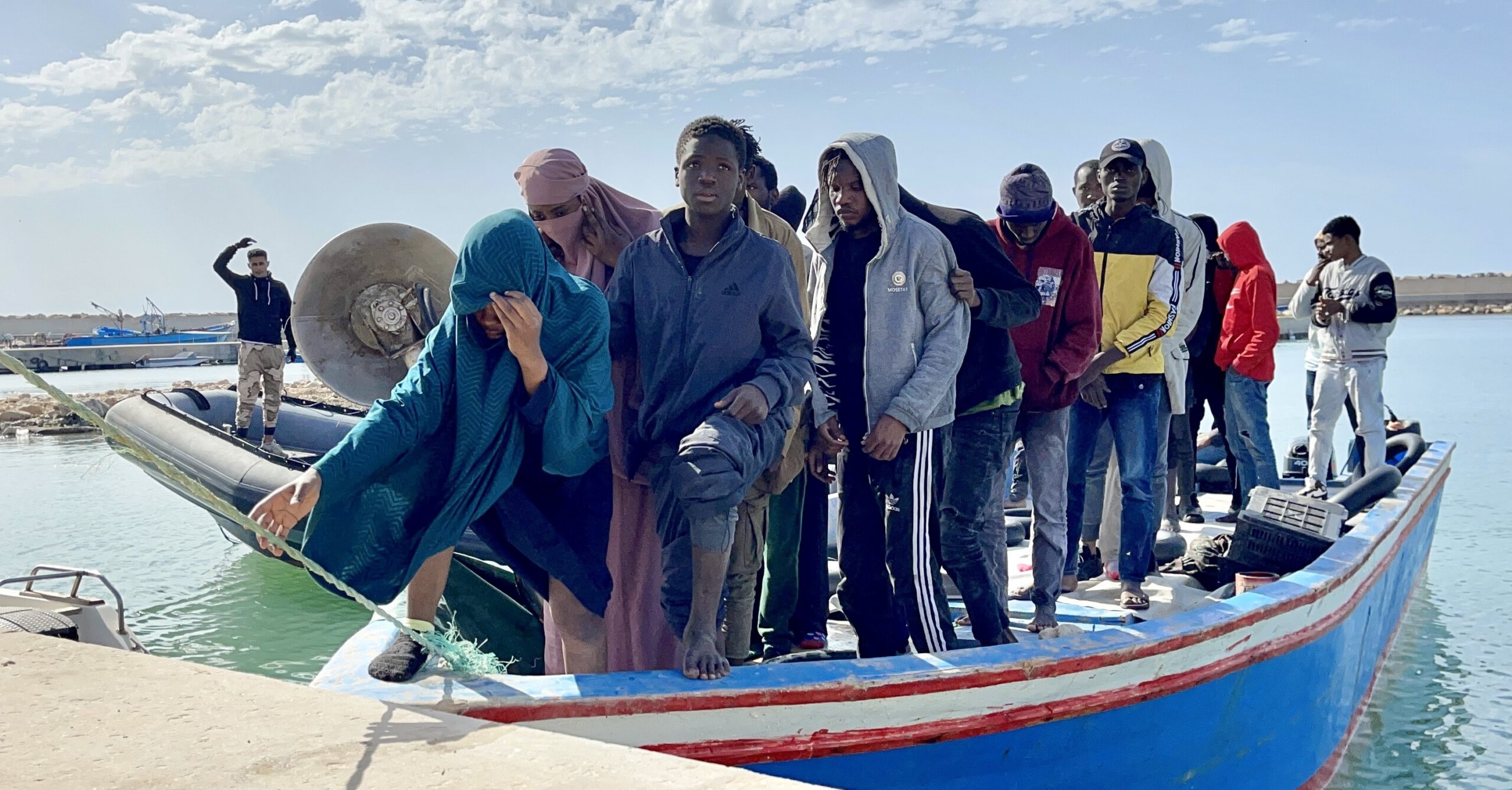
Getting ahead of the Middle East’s climate refugee conundrum
Over the coming decades, the worsening effects of climate change will increasingly displace many millions of vulnerable people in the Middle East and North Africa, and many of these refugees will attempt to relocate to the Global North. To avert such a monumental looming problem requires pragmatic solutions and their swift implementation.
Fish Farmers in the Nile River Delta: Empty Lakes and Dirty Waters
Egyptian fish farmers are facing mounting pressures: Year after year, their fish are getting smaller and less healthy, their production decreases, and they are forced to take out loans they are later unable to pay back. The Egyptian government’s recent efforts to invest heavily in aquaculture, though intended to address future food shortages, may only worsen the position of local fish farmers in the Nile Delta by exacerbating the effects of urbanization and climate change while undercutting prices.
Earth Day: Environmental Opportunities and Challenges in the Middle East
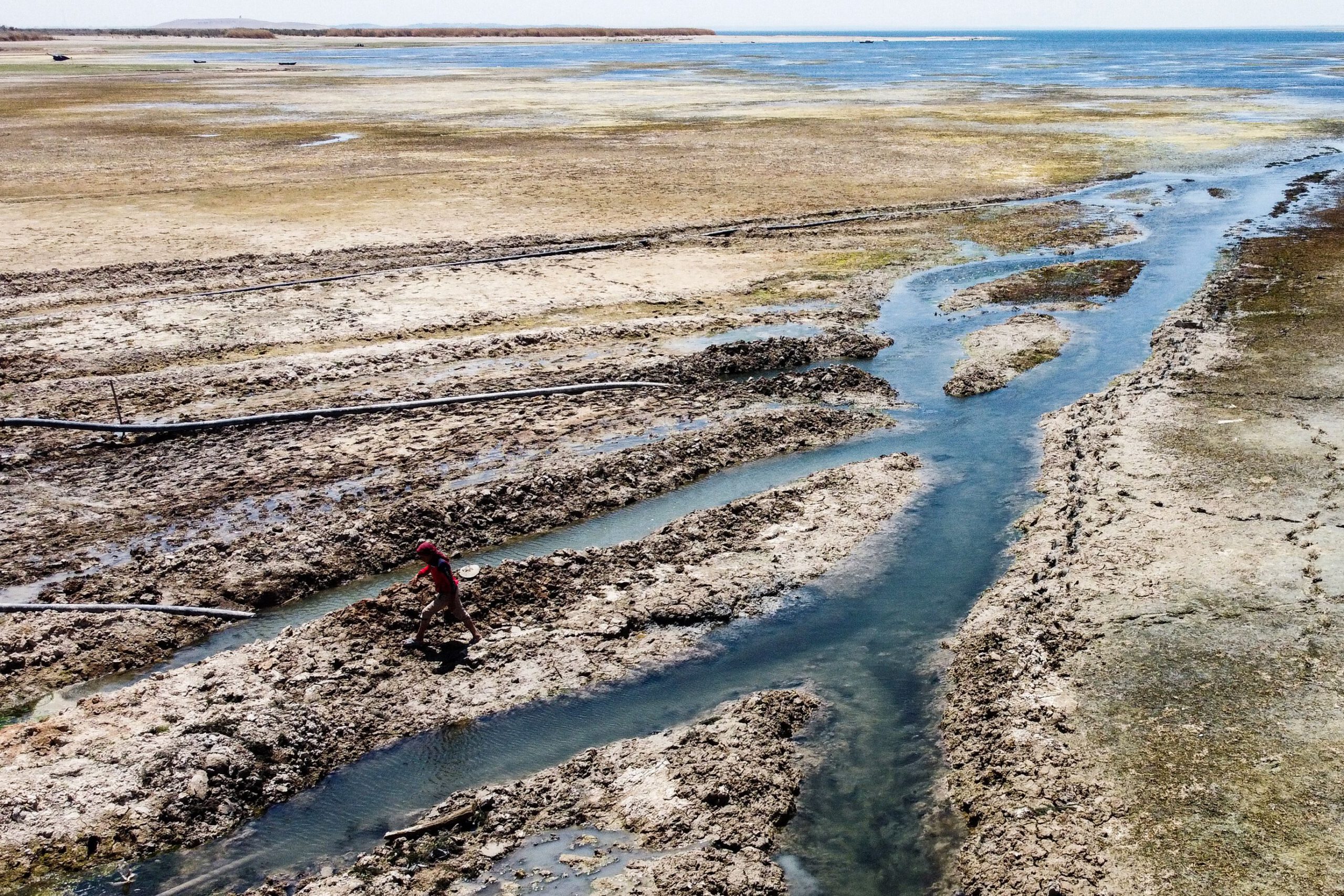
April 22 marks the annual observation of Earth Day, a day dedicated to raising awareness on issues of environmental conservation and protection. Mohammed Mahmoud, director of MEI’s Climate and Water Program is joined by Alicia Dauth to discuss recent global and regional developments regarding the current climate crisis and their implications towards preserving the earth’s environment, with a special focus on opportunities and challenges for the Middle East.
Mohammed Mahmoud, Director of the Climate and Water Program at MEI, hosts a discussion on a variety of water resource challenges across the MENA region with Malak Altaeb, Megan Ferrando, Orestes Morfin, Youssef Wehbe, Zena Agha, and Andrei Covatariu. Questions on water availability, the relationship between water and conflict, future technologies, and more are addressed in the conversation.
Expert Views: Opportunities to enhance water security in MENA
Water resources are a key component of global sustainability, especially in light of the mounting environmental challenges posed by climate change. We asked some of MEI’s Climate and Water Program scholars to share their perspective on strategies and opportunities that could most readily alleviate the region’s water security concerns.
We can’t tackle climate change in the Middle East without ESG investing
As a major center for fossil-based energy production, the Middle East is key to global ESG developments. The region is currently at an early stage of ESG adoption, although holding COP27 and COP28 has provided some initial movement towards mainstreaming climate finance regulations.