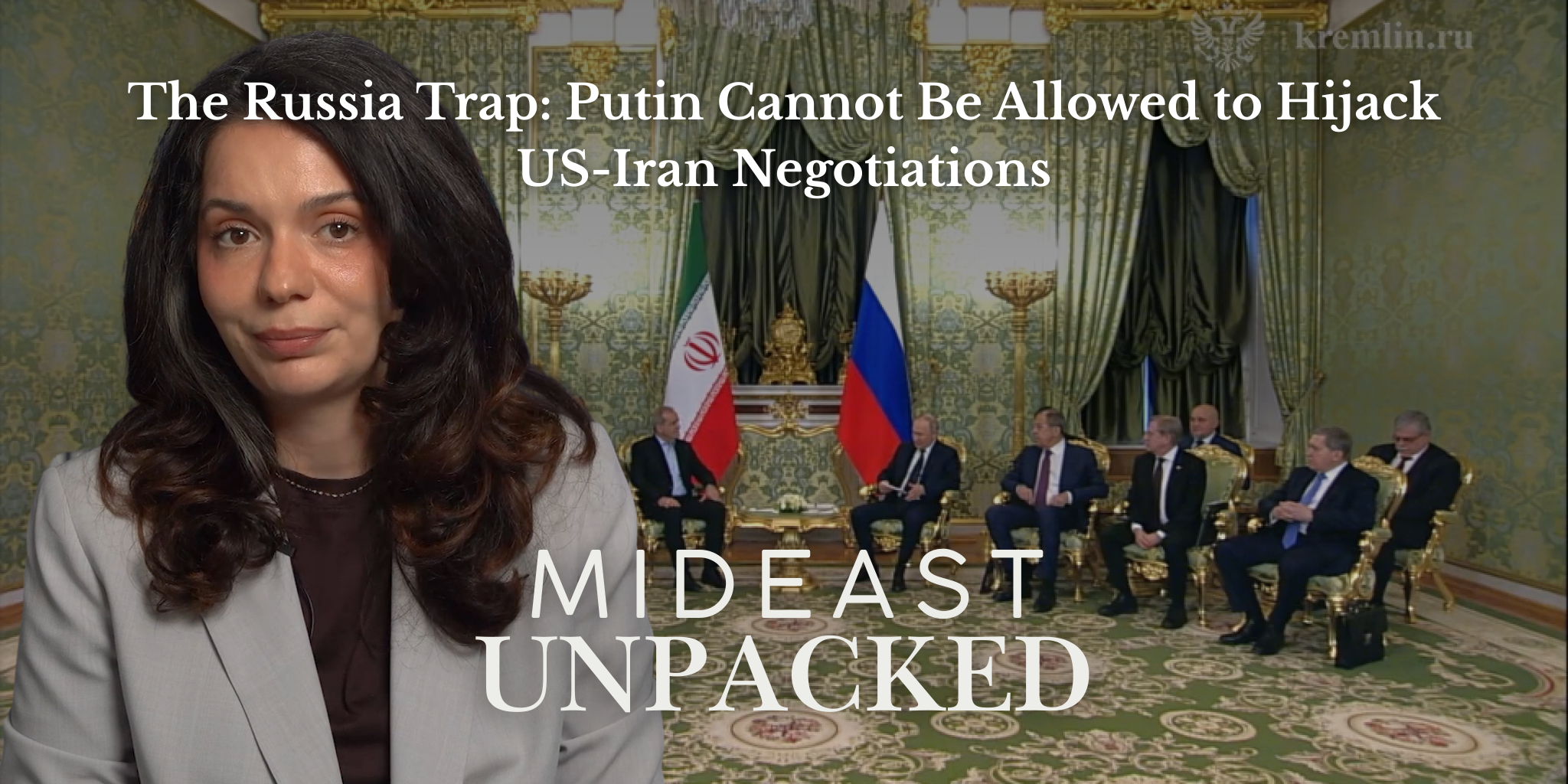
The Russia Trap: Putin Cannot Be Allowed to Hijack US-Iran Negotiations
MEI Senior Fellow Iulia Joja delivers a sharp and timely warning against Russia being offered a direct role in US-Iran negotiations. Far from acting as a neutral broker, Moscow wants to leverage this moment to reshape the balance of power in the Middle East. From meetings in Muscat to tightening alliances with Tehran and Beijing, Joja unpacks how Putin’s diplomacy is less about peace — and more about building up Russian influence against the US. Washington should be paying close attention.
US-Houthi Ceasefire Deal & the Future of Red Sea Security
The sudden announcement of a US-Houthi ceasefire, brokered by Oman, has halted Washington’s air campaign in Yemen and raised urgent questions about the future of Red Sea security. What prompted the deal, and what are its implications for maritime shipping, regional alliances, and the trajectory of Yemen’s civil war? This episode explores the strategic motivations behind the ceasefire, the role of Iran and Saudi Arabia, and how the Houthis could leverage the pause to regroup and expand their influence across the Horn of Africa.
The Damascus-SDF agreement two months on: Fragile progress or delayed collapse?
On March 10, 2025, Ahmed al-Sharaa, the president of Syria, and Mazloum Abdi, the commander-in-chief of the Syrian Democratic Forces, signed a historic agreement, ending a long-running divide between Damascus and the Democratic Autonomous Administration of North and East Syria. Now, two months after the deal was signed, how far has it progressed, and what are the main obstacles and disputes between the parties during this transitional phase?
Iran appears to be reorienting its approach to diplomatic engagement with its neighbors and the West by prioritizing the economic benefits of cooperation. A possible withdrawal of support for the Houthis is the latest significant potential outcome of Iran’s shifting stance. The following are five factors to watch for as a Tehran under duress reformulates its policies.
Can Ukraine’s fight for democracy survive without US support?
Ukraine faces a pivotal year in its fight against Russian aggression — and for its democratic future. With fears mounting that President Trump could abandon peace talks with Kyiv and Moscow, the risk grows that US disengagement could tip the balance toward Russia and fracture the global democratic order.
US-Iran Nuclear Talks: A Fragile Opening for Diplomacy
Following seven years of diplomatic deadlock, Washington and Tehran have resumed nuclear negotiations — and for the first time in years, there are signs of real momentum.
Alex Vatanka, MEI Senior Fellow and author of The Battle of the Ayatollahs in Iran, joins hosts Alistair Taylor and Matthew Czekaj to analyze the current round of talks, the technical issues under discussion, and the political stakes on both sides. He explores Iran’s economic and domestic pressures, US red lines, and the role of key players like Israel, China, and Oman in shaping the negotiations.
Could Russia support US-Iran negotiations? The risks outweigh the benefits.
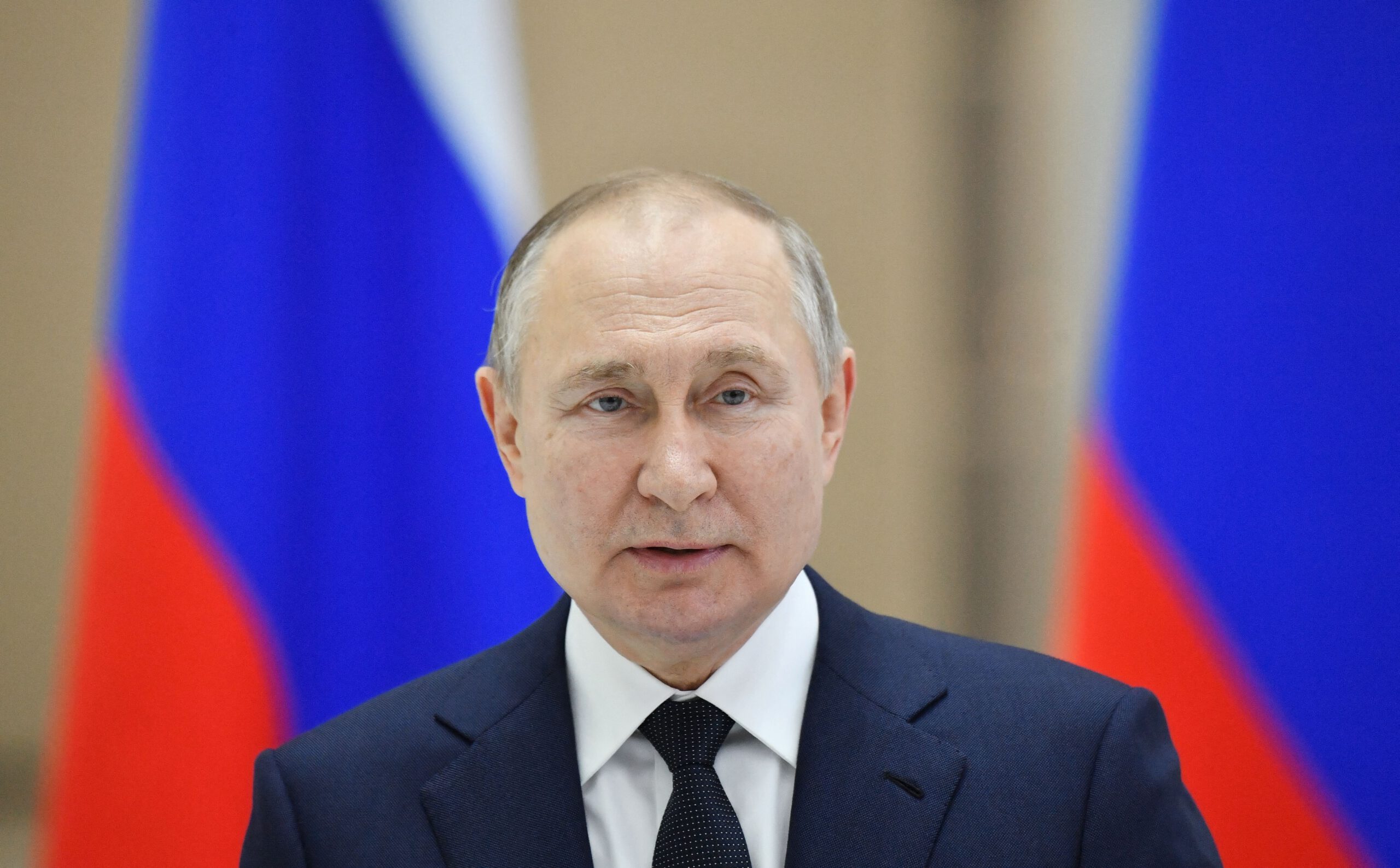
President Donald Trump wants a deal with Iran. Russia has offered to mediate. But an agreement negotiated by Moscow would turn the Middle East upside down as well as negate years of Western efforts to impede and deter further aggression by the Kremlin.
Could Russia support US-Iran negotiations? An indirect opportunity worth exploring.
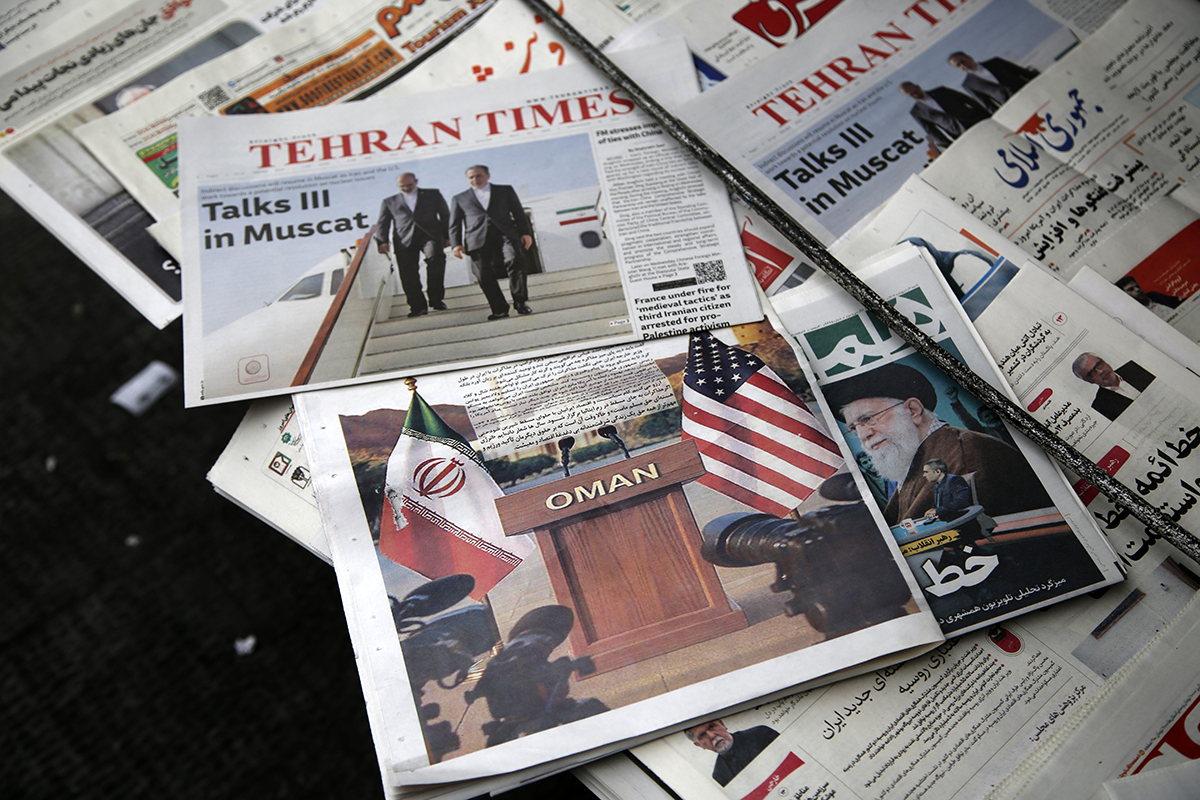
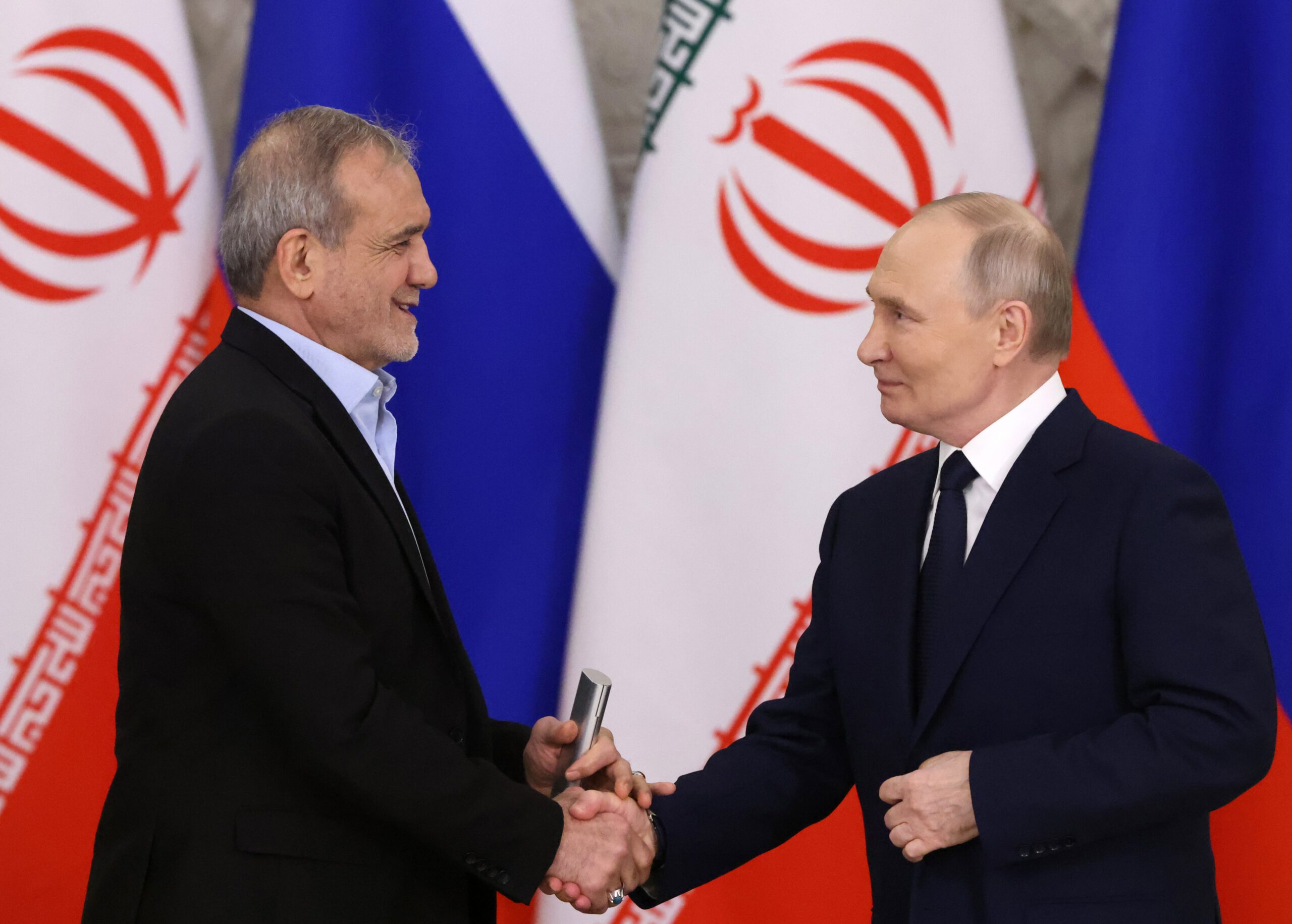
On April 12, the United States and Iran wrapped up their first round of renewed diplomatic talks in Muscat, with round two set for April 19, in Rome. In the interim, Iranian Foreign Minister Abbas Araghchi is in Moscow to coordinate with the Russians. But the real breakthrough will not come from nuclear talks alone — it will require confronting the region’s most explosive fault line: the Iranian-Israeli standoff. Russia claims it can help.
Iran is accumulating enough near-weapons-grade enriched uranium to build a nuclear weapon within weeks or months, not years. President Donald Trump, having withdrawn the United States in 2018 from the nuclear deal that would have postponed that possibility, is now appealing for negotiations with Tehran. But in the Middle East, the nuclear question does not concern only Iran.
War of words as Turkey-Iran tensions escalate over Syria, Iraq
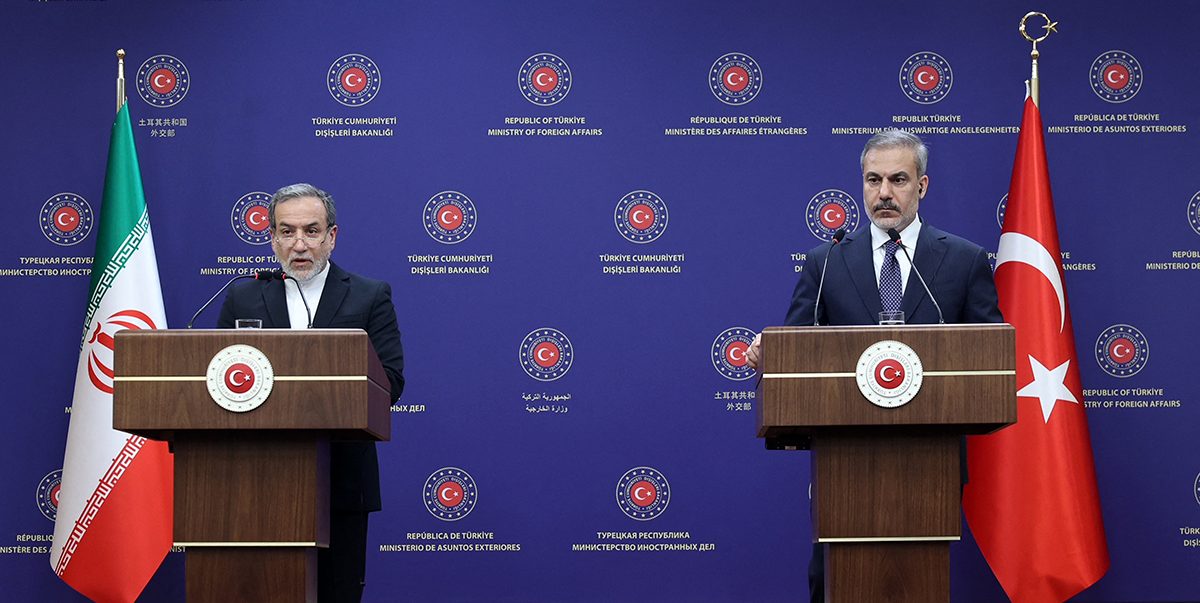
After decades of managing tensions through careful balancing, Turkey and Iran now find themselves increasingly at odds following recent shifts in the regional balance of power. With Ankara emboldened and Tehran on its back foot after the fall of the regime of Bashar al-Assad, the struggle for influence between the two neighbors and long-time rivals is escalating in both Syria and Iraq and could spread well beyond their borders.
Reimagining Syria: A Roadmap for Peace and Prosperity Beyond Assad
The work of the Syria Strategy Project and the considerable policy recommendations found in this report present a realistic and holistic vision for Syria’s recovery and reintegration into the international system.
A chaotic foreign policy on overdrive risks alienating key US partners in the Middle East
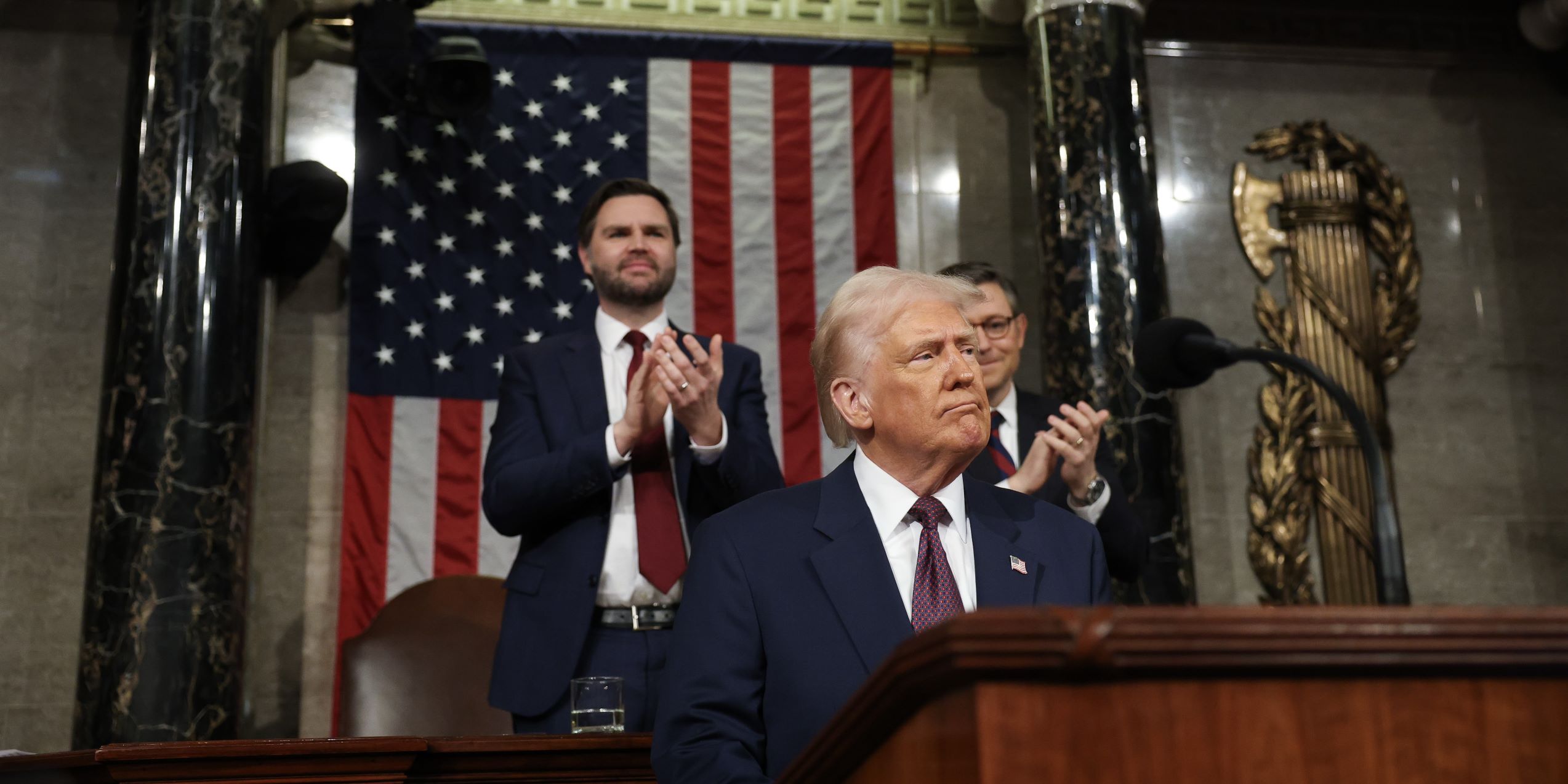
President Donald Trump’s joint address to Congress on March 4 doubled down on his disruptive and contentious domestic policy agenda. Foreign policy, including Trump’s approach to the Middle East, was mostly an afterthought. Though he said little about Middle East policy in his speech, Trump’s team is taking an irregular approach on the twin issues of Israel-Arab ties and Iran that may not produce the stability and prosperity it seeks.
US disengagement and new regional security dynamics in Afghanistan’s neighborhood
Afghanistan’s neighborhood is in the midst of a consequential restructuring of its security architecture. Key regional actors Pakistan, Afghanistan, Iran, and China have been continuing to adjust their defense plans and security partnerships to meet the growing threats posed by domestic and cross-border terrorism. At the same time, these four countries have also been looking for new ways to fill the vacuum in southern Asia left by the United States military’s departure from Afghanistan.
Rebalancing Russia’s Mediterranean strategy: From showing the flag to retreating to the gray zone
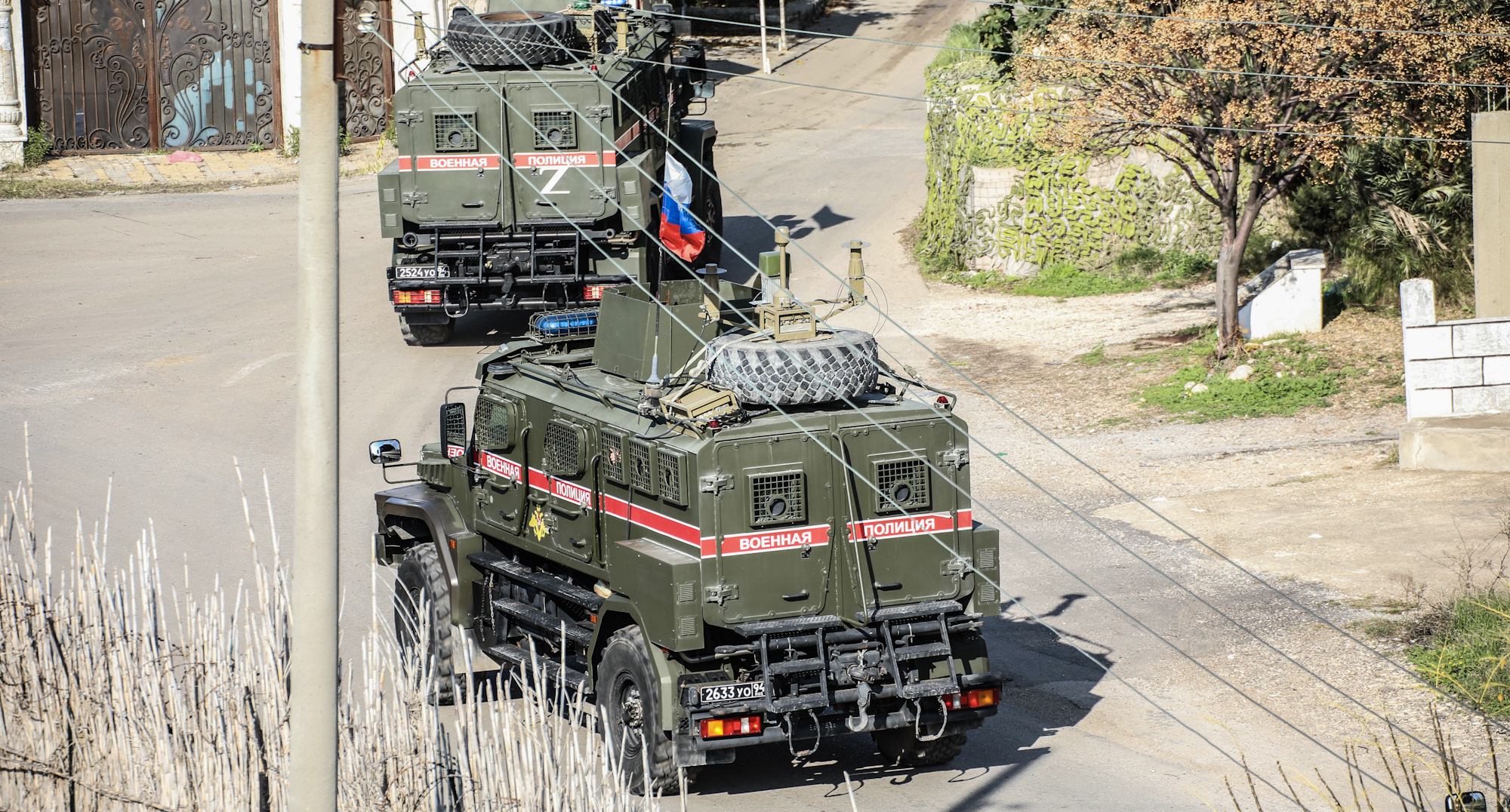
Either maintaining Russia’s military bases in Syria or finding an alternative outpost in the Mediterranean will prove extremely difficult for Moscow. And part of the problem with pursuing the latter option, particularly if in Libya, is that it would require a full-on transformation of Russia’s military presence model — from more traditional bases designed to establish deterrence by showing the flag in the region to building up a military and logistical operation inside a security “gray zone.”