A chaotic foreign policy on overdrive risks alienating key US partners in the Middle East
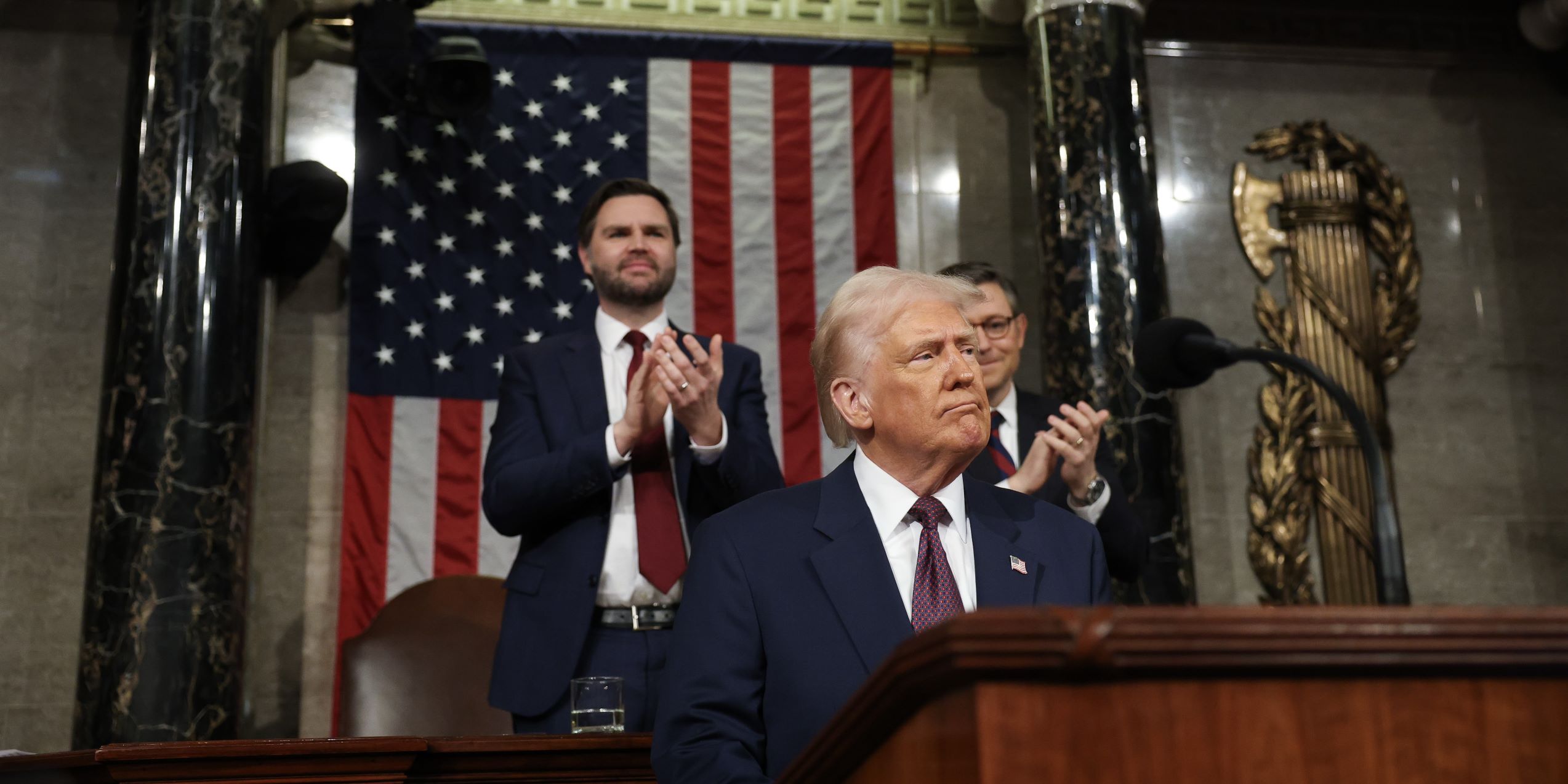
President Donald Trump’s joint address to Congress on March 4 doubled down on his disruptive and contentious domestic policy agenda. Foreign policy, including Trump’s approach to the Middle East, was mostly an afterthought. Though he said little about Middle East policy in his speech, Trump’s team is taking an irregular approach on the twin issues of Israel-Arab ties and Iran that may not produce the stability and prosperity it seeks.
Trump’s mixed messages and actions on the Arab-Israeli front
Some analysts try to explain Trump’s Middle East rhetoric as an effort to provoke a new type of conversation and to break the mold. But one unconventional source that helps explain Trump’s tactics is pro wrestling, in which the actions are understood to be illusory but still prompt a response from all sides.
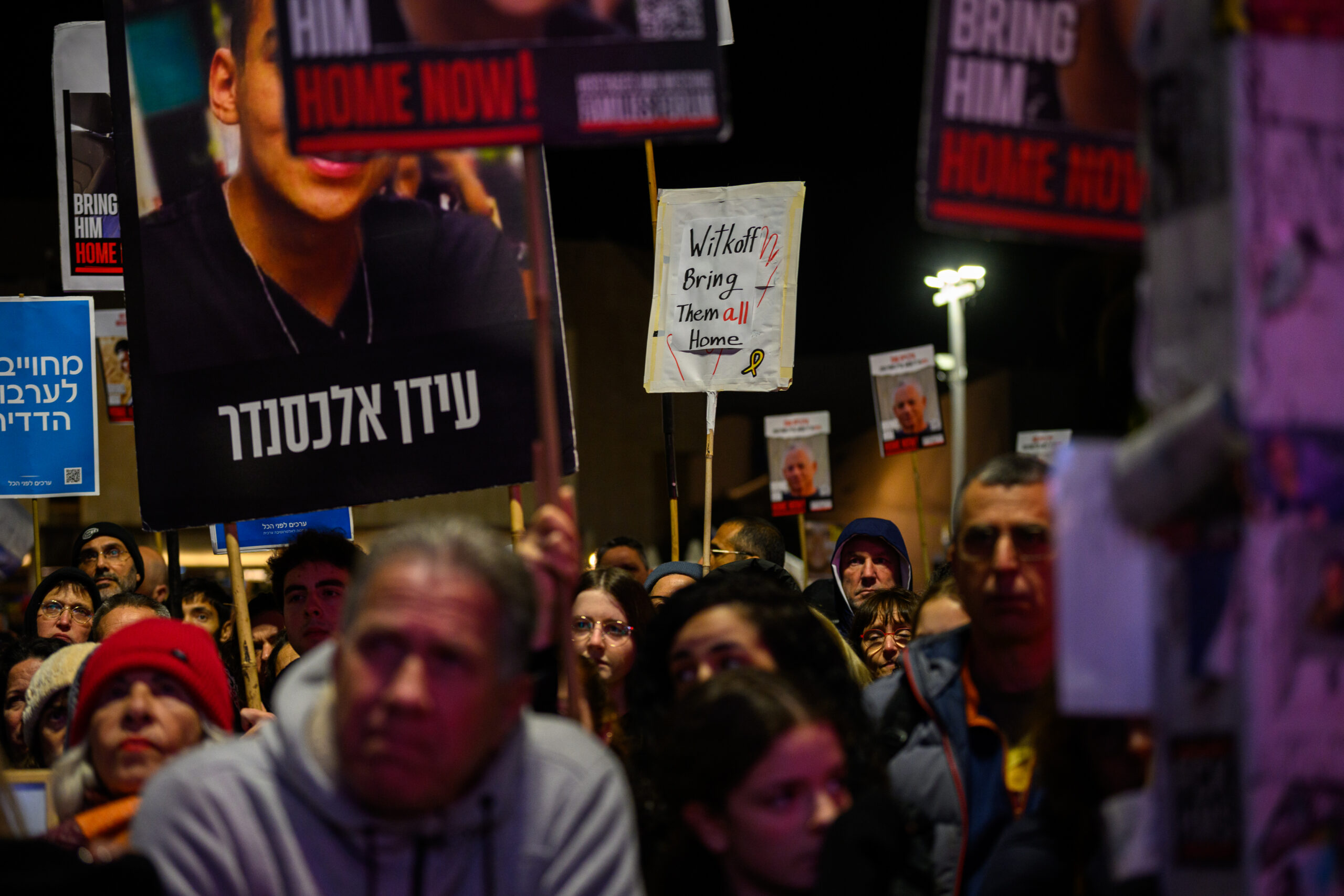
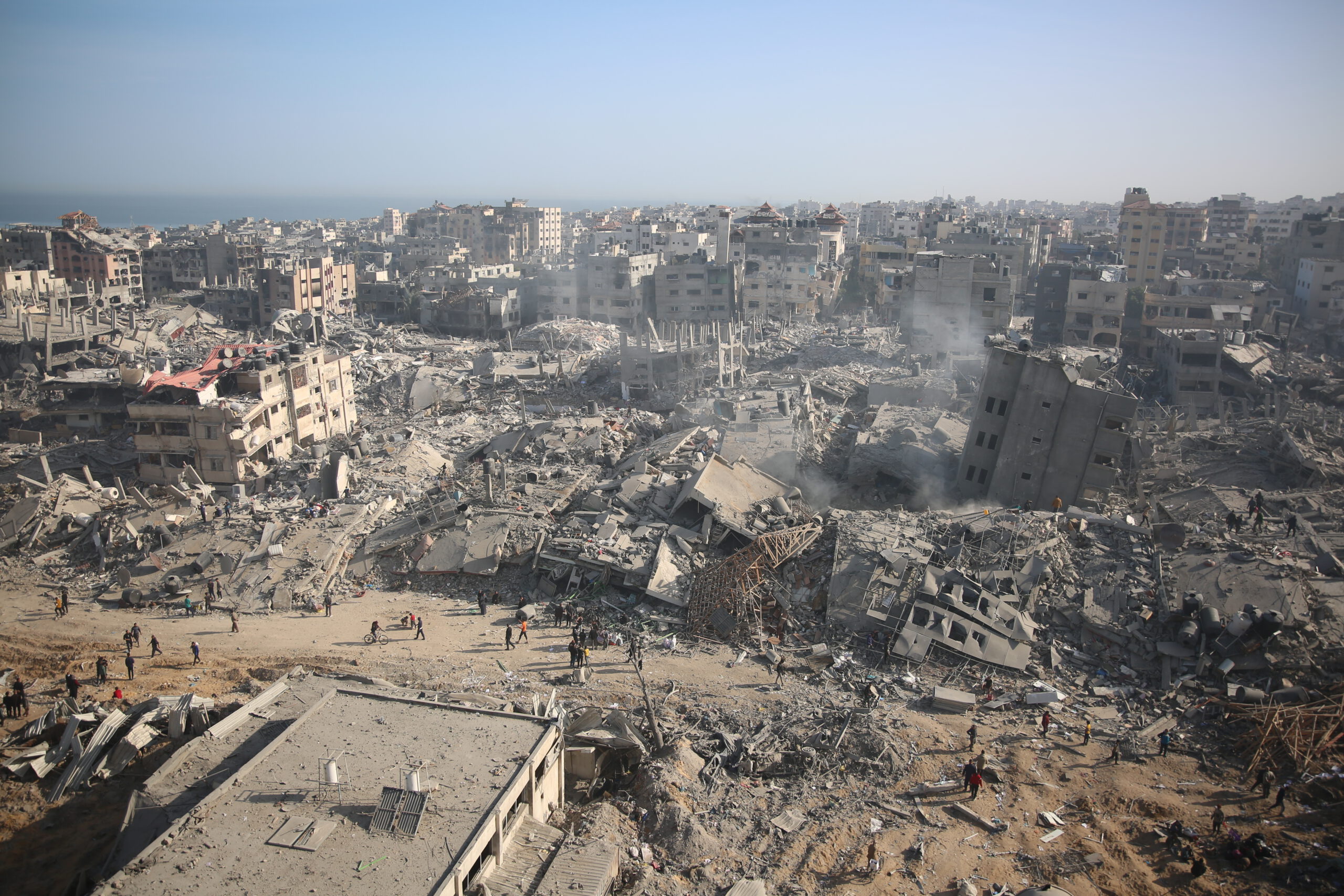
Despite a few hiccups, the cease-fire between Israel and Hamas has achieved its initial milestones. Much will depend on the upcoming negotiations regarding the next phases of the agreement. Yet for now, the fundamental questions of who will govern Gaza, who will provide security, and who will deliver the funding to rebuild it have yet to be definitively resolved.
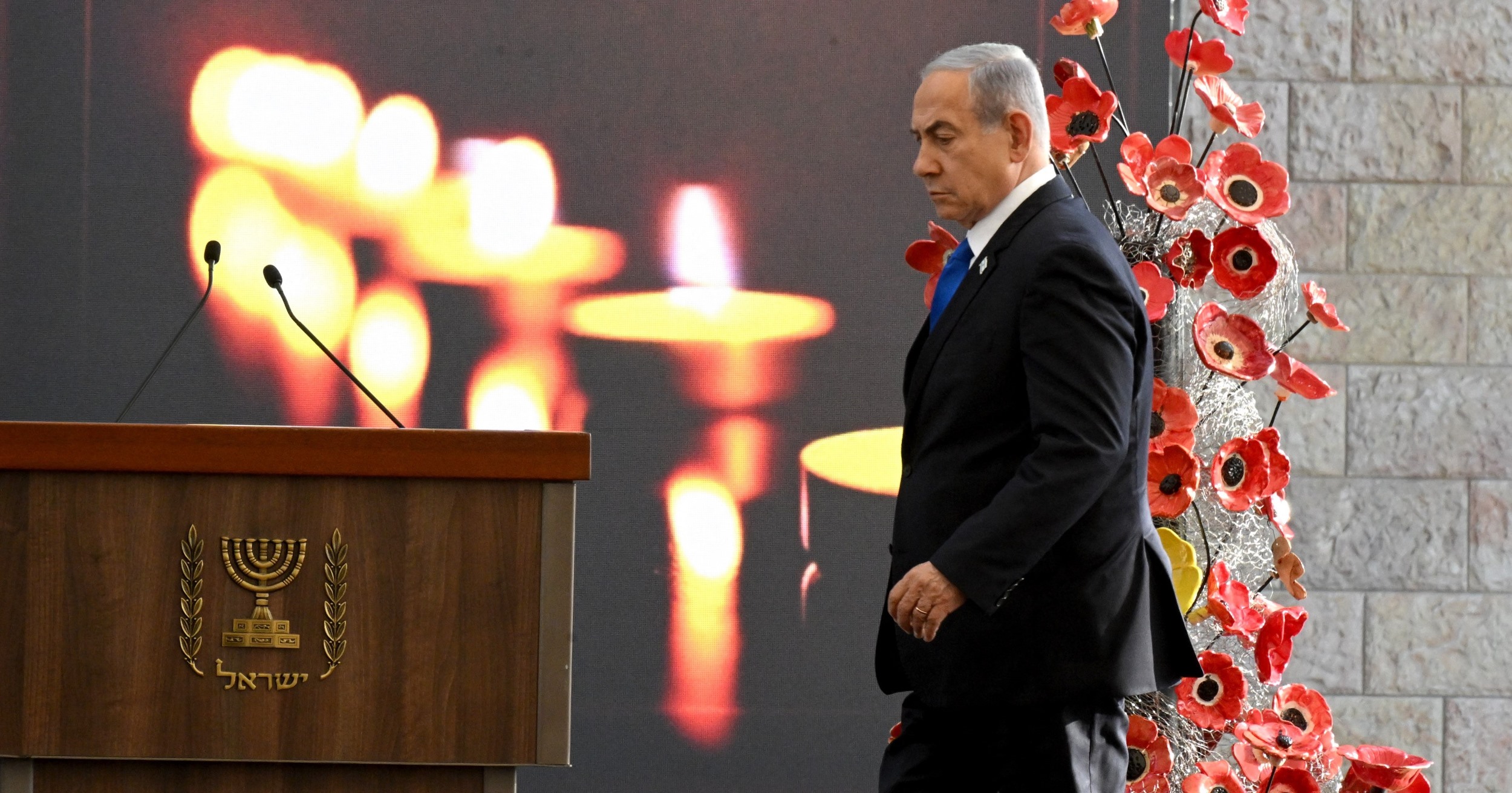
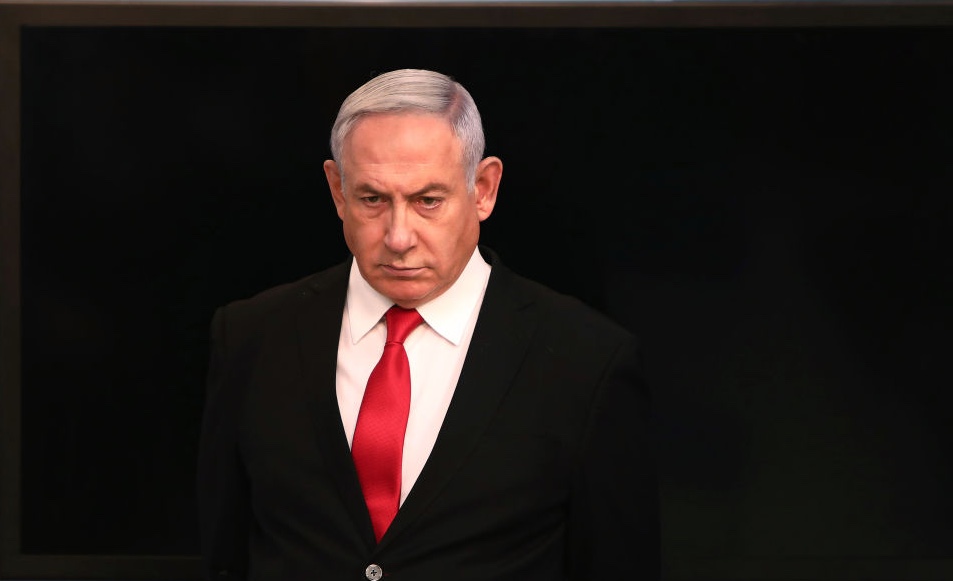
Israeli Prime Minister Benjamin Netanyahu faces a potentially disastrous showdown within the next month that could shake his hold on power, unless he manages to deter the strongly held positions of the foreign and domestic politicians and political forces on which he is dependent.
The current Israeli government’s extremism encompasses two entwined trends in Israeli political culture. The first is the rise and mainstreaming of the ideological settler movement and far-right nationalism. The second is Israel’s growing authoritarian tendencies, manifested in systematic efforts to reshape state institutions. As democratic institutions are weakened, the government faces fewer barriers to implementing its expansionist territorial agenda, while the mainstreaming of far-right ideology helps justify the erosion of democratic safeguards. Yet the vast majority of Israelis fail to recognize the connection between these trends, as do most policymakers in the United States.
How might US-Israeli relations evolve under the Trump administration?
MEI Senior Fellow for Israeli Affairs Nimrod Goren and Associate Research Professor Ilai Saltzman discuss potential shifts in US policy, the outlook for Israeli politics in 2025, and the challenges to advancing peace on the Israeli-Palestinian front. Tune in for expert insights on what lies ahead.
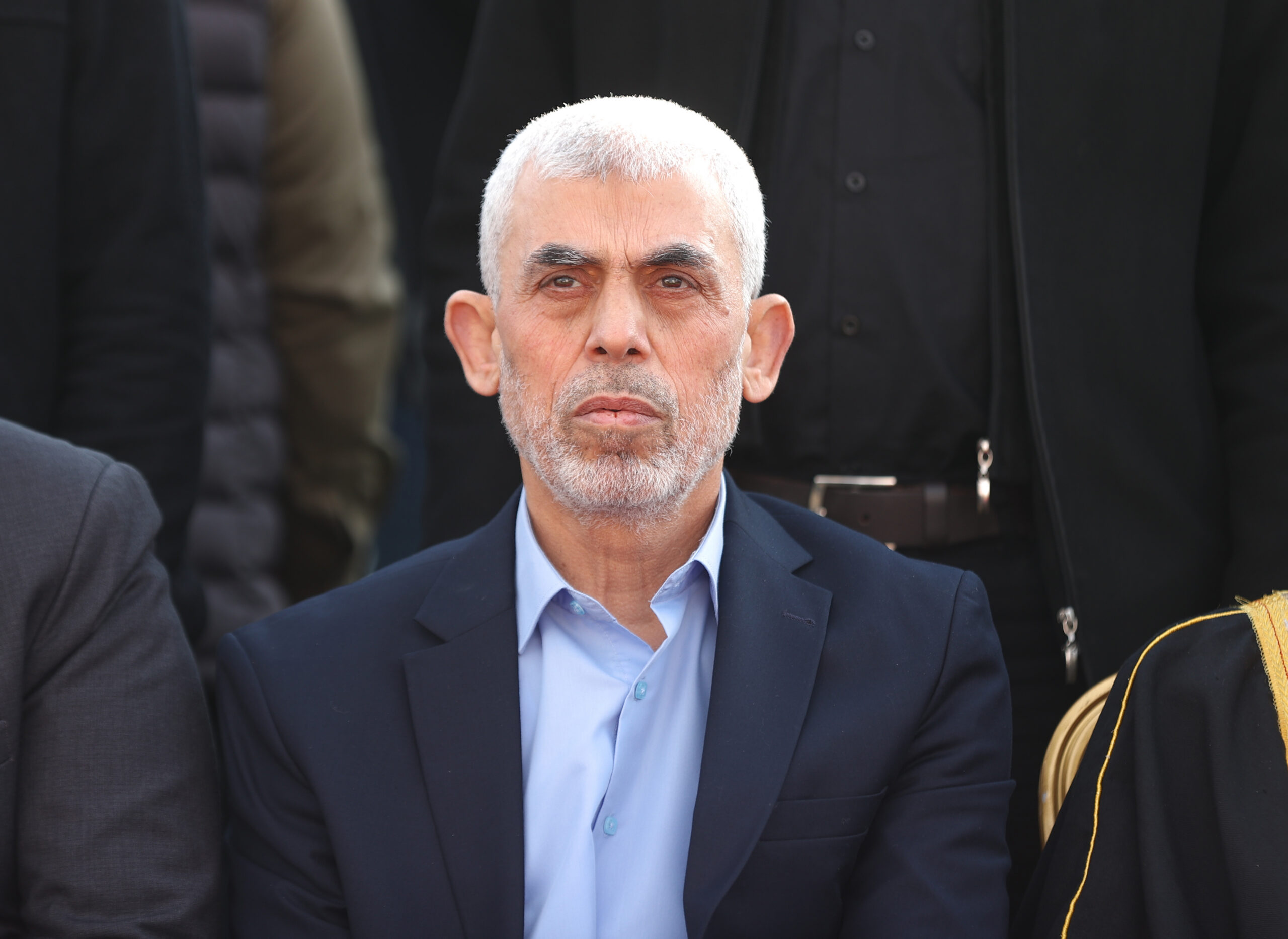
Israel has confirmed the death of Yahya Sinwar, chairman of the Hamas Political Bureau and Hamas leader in the Gaza Strip. Sinwar was one of the chief architects behind Hamas’ attack on Israel on Oct. 7, 2023, and has been a key Israeli target throughout the Gaza war.
A year ago, in the wake of Hamas’s Oct. 7 attack, U.S. President Joe Biden traveled to Tel Aviv and met with Israeli Prime Minister Benjamin Netanyahu to reiterate his administration’s unwavering support for Israel. Biden’s embrace of Netanyahu was rooted in the belief that only positive inducements and constant reassurances—both militarily and diplomatically—could restrain Israel’s actions in Gaza. In reality, though, this “bear hug” diplomacy has resulted in an unmitigated failure.
Understanding Gaza: Lessons for the "day after" and beyond
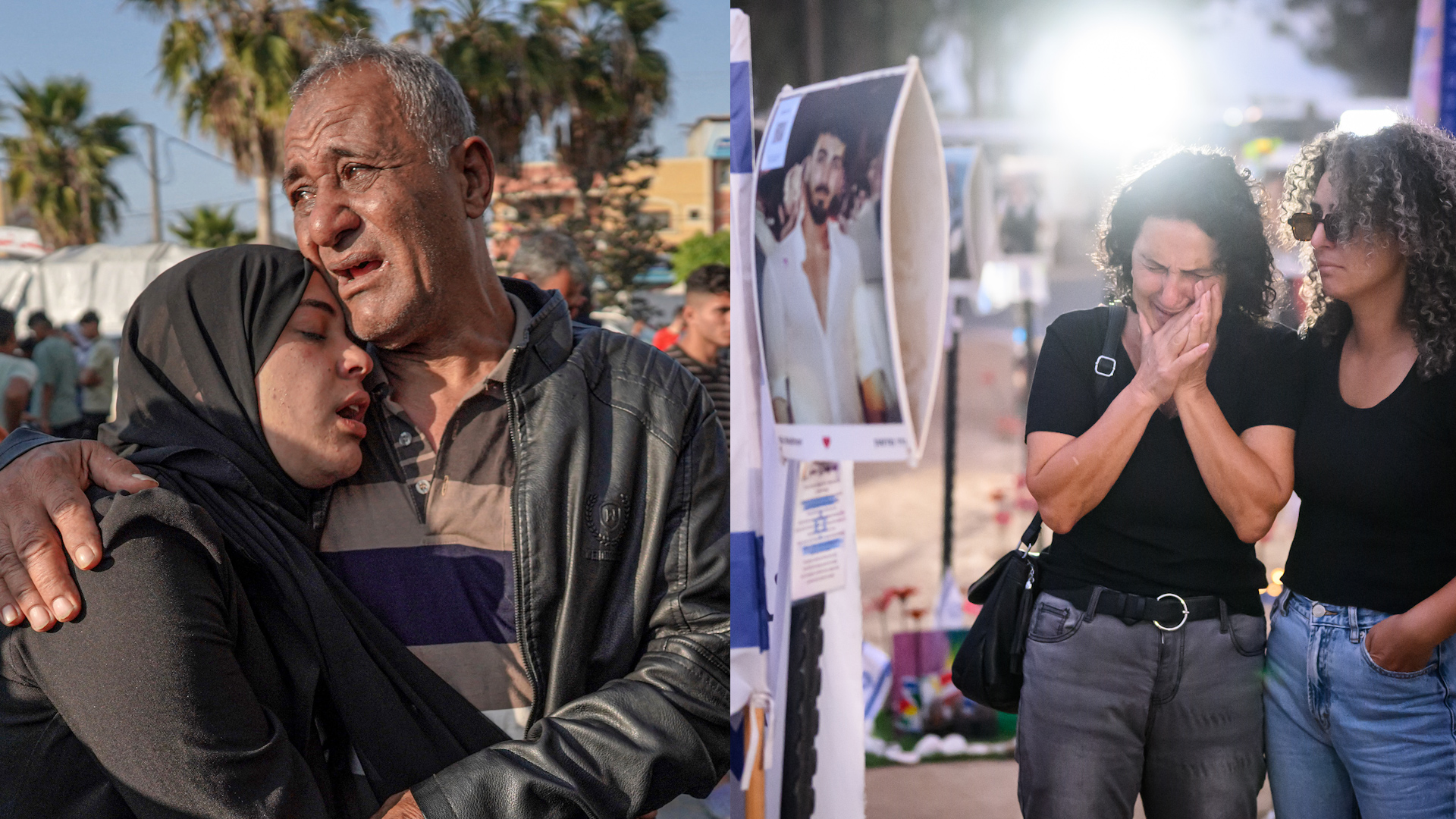
The devastating details of what has happened in Gaza since the war started have been widely covered. Absent from the discussion, however, are questions about what led to the war, what went wrong on the policy front, and, more importantly, whether this man-made tragedy could have been averted. Without understanding Gaza, plans for the “day after” may very well result in the further mismanagement of the already devastated enclave.
The Middle East Dialogue, a panel of regional and extra-regional experts convened by the Middle East Institute’s Conflict Resolution and Track II Dialogues Program and the Middle East Council for Global Affairs, met in Doha, Qatar, on May 21-22, 2024, to explore regional political and economic dynamics. This moderator’s report provides a summary of the issues and recommendations discussed.