Lebanon and Syria: The Challenge of an Evolving Relationship
The Middle East Institute is proud to host Andrew Tabler and Mona Yacoubian for a discussion about the current state of Lebanese-Syrian relations. Bitterly strained by the 2005 assassination of Lebanese Prime Minister Rafik Hariri, Lebanese-Syrian relations started to mend following French mediation leading to the exchange of ambassadors between Beirut and Damascus in 2009. Prime Minister Saad Hariri's visit to Damascus at the end of 2009 marked yet another phase in this evolving relationship.
Transnational Networks and Local Challenges: Iraqis in Cairo
Originally posted March 2010
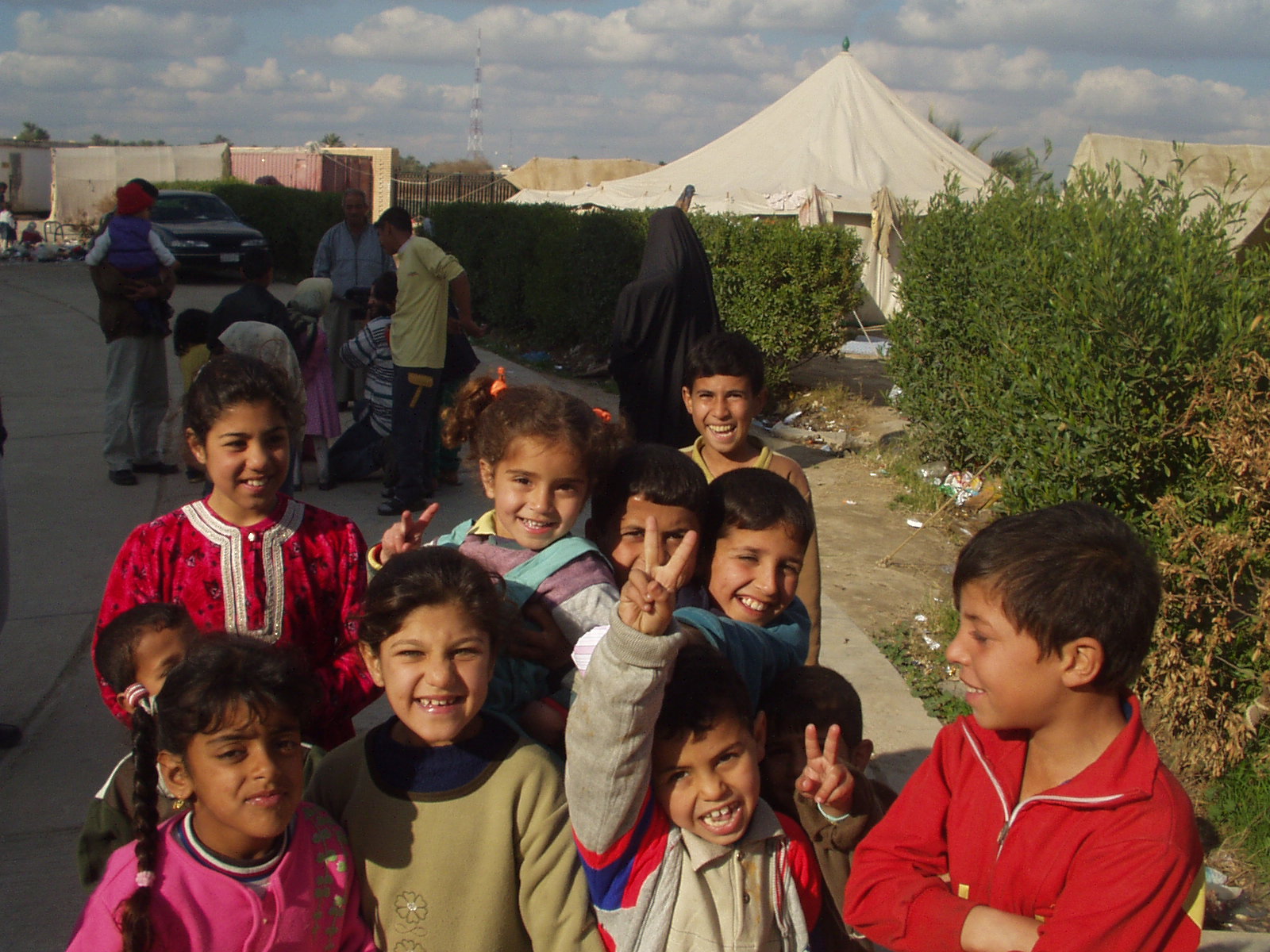
It is estimated that over four million Iraqi refugees have fled to neighboring countries in the region since the 2003 war began. While migration continued after the war, the peak of this influx was witnessed particularly in and after 2006 due to the acceleration of violence in central and southern Iraq. More particularly, the majority of these refugees fled due to direct threats to their lives and their immediate families.
Iranian Migrants in the Arab Countries of the Persian Gulf
This essay examines migration from the Iranian coastal region of the Persian Gulf to the nearby Arab countries. At the center of this research are questions of cross-border relationships, the construction of transnational spaces in border migration, and strategies for maintaining networks in both the home and host countries.
This Commentary first appeared as an op-ed on BitterLemons-International.org, October 22, 2009
Syria could not be more ecstatic at the row that has recently developed between Turkey and Israel. Turkey, once among Israel's staunchest allies, now sees eye-to-eye with Syria regarding the difficulties in dealing with Israel and Israel's abusive treatment of Palestinians.
Iran’s political system has not yet developed stable party structures. Most parties are still loose coalitions of individuals and interest groups that combine their own interpretation of Ayatollah Ruhollah Khomeini’s legacy with their personal interests. As party affiliation remains relatively weak, members of one party often have run as candidates for another party or are on several electoral lists. Similarly, unregistered parties or electoral platforms also field candidates for both presidential and parliamentary elections on an ad hoc basis.
How the New Arab Media Challenges the Arab Militaries: The Case of the War between Israel and Hizbullah in 2006
One, Two / the Arab army where are you?/ The Arab army where are you?/The Egyptian Arab Army/ resides in an-Nasr [victory] compound/ Wakes up in the afternoon/ to drink its tea/ The Gulf Arab army/ can do absolutely nothing/ “Strategic silence” indeed/ “cut us some slack, man!”/ The Tunisian Arab army/ is green like parsley/ But ‘Aziza loves Yunis/ the wars can wait/ The Sudanese Arab army/ I can hear its clamor in my ears/ “Damn it!
Social Change Amidst Terror and Discrimination: Yezidis in the New Iraq
Originally posted August 2008
On August 14, 2007, in the largest single terror attack during the war in Iraq, over 350 Yezidis were killed and two entire villages completely destroyed, leaving over 1,000 families homeless. The two villages, Qahtaniya and Jazeera are located in the Sinjar Mountains, an area in northwestern Iraq that is hotly contested by Sunni Arab insurgents, Kurdish peshmergas, US-led coalition forces, and several minority groups.
From Conflict Transformation to Conflict Resolution?
Originally posted June 2008
Intra-basin dynamics amongst the Euphrates and Tigris co-riparians — Iraq, Syria, and Turkey — are better described as leading to conflict transformation rather than conflict resolution. The process of interaction has effectively seen the de-securitization of water issues, but the roots of the conflict have not yet been fully addressed.
US Relations with Pakistan: The Need for a Strategic Shift
Originally posted May 2008
Pakistan has come to reflect and affect many of the critical issues in South Asia that worry the US foreign policy establishment, the media, and the public. But US officials are crafting policy responses to deal with Pakistan that are focused excessively narrowly on a single issue — the war on terrorism. In addition to exacerbating Pakistan’s own problems, these efforts have undermined Pakistan’s capacity and political will to fight this war. As a consequence neither America’s nor Pakistan’s best interests are being served.