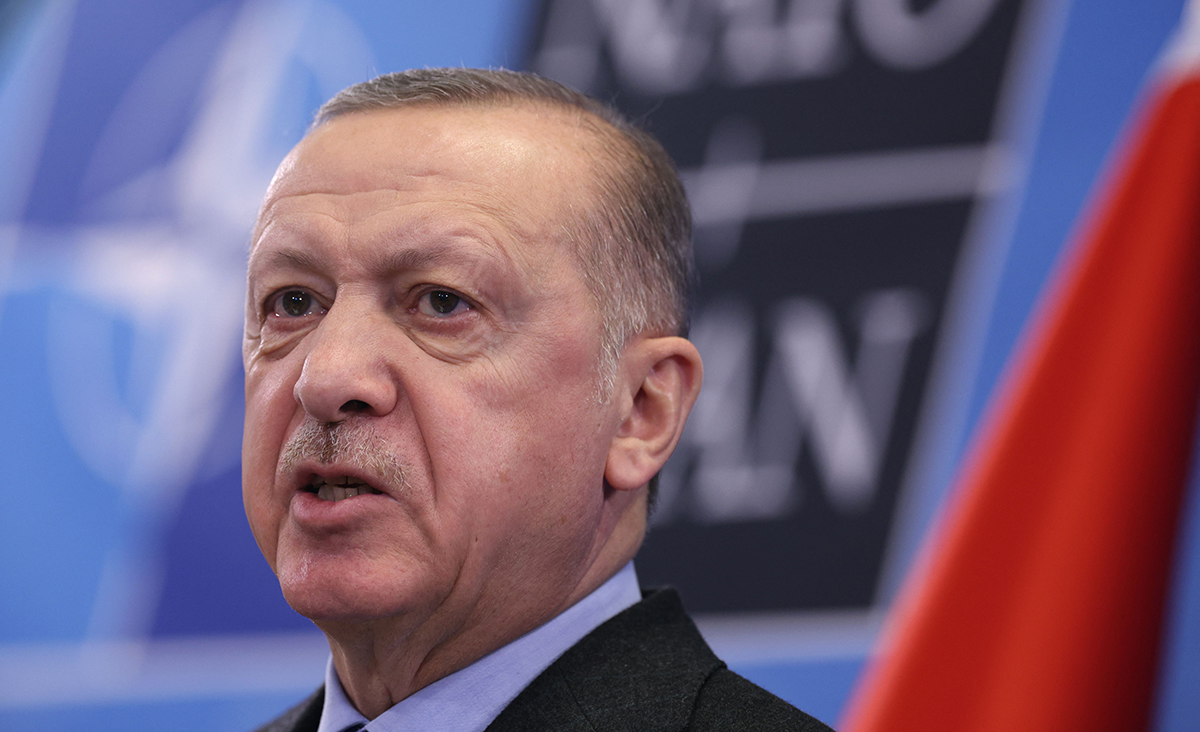
In recent months, Turkish President Recep Tayyip Erdoğan has been on a charm offensive. But that spring in Turkey’s diplomacy may now be reverting to winter as Ankara has blocked Swedish and Finnish accession to NATO even as a key arms deal is pending with Washington and U.S. relations with Greece are at a high.
“Half of us were left behind while one of our colleagues back home was shot dead”
There are certain events that are so impactful that you remember exactly where you were and what you were doing when you heard about them. The killing of Shireen Abu Akleh, the veteran Al Jazeera journalist, last Wednesday in the occupied West Bank was for me just such an event — both because of who she was and what I was doing at the time.
Will France's MENA policy change in Macron's second term?
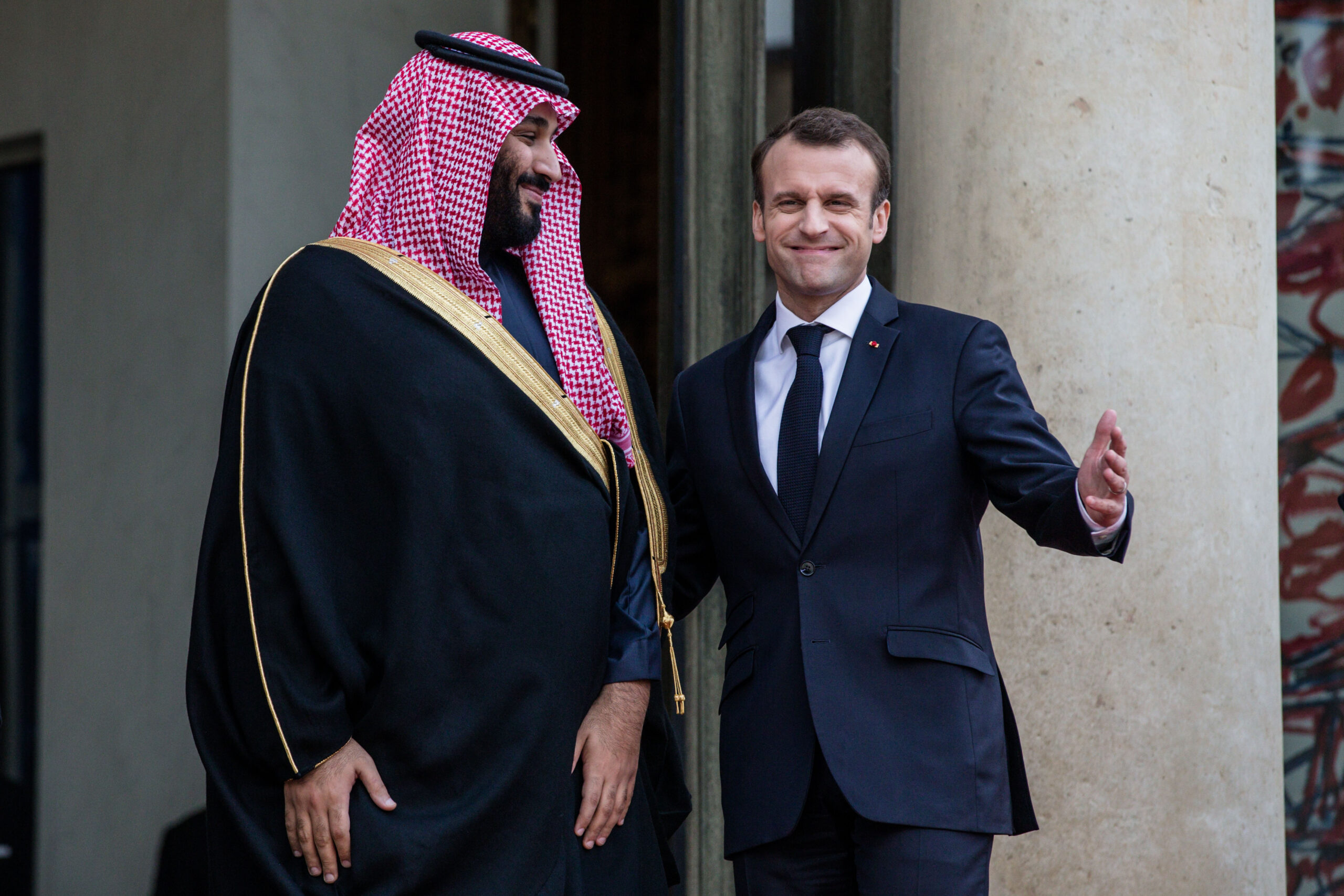
When Emmanuel Macron was elected president five years ago, many analysts wondered how it might affect France’s policy toward the Middle East and North Africa (MENA). At the time, France found itself at a crossroads, having to contend with the shift in U.S. policy toward the region during the presidency of Donald Trump, growing dissension within the Gulf Cooperation Council (GCC), increasingly deteriorating relations with Iran, tensions with Turkey after the failed 2016 coup, and ongoing bloodshed in Syria, Libya, and Yemen, all while conducting a military campaign against ISIS. Following Macron’s recent reelection to a second term, the key question now is whether he will maintain or change his current policy toward the region.
Russia is violating the spirit of Montreux by using civilian ships for war
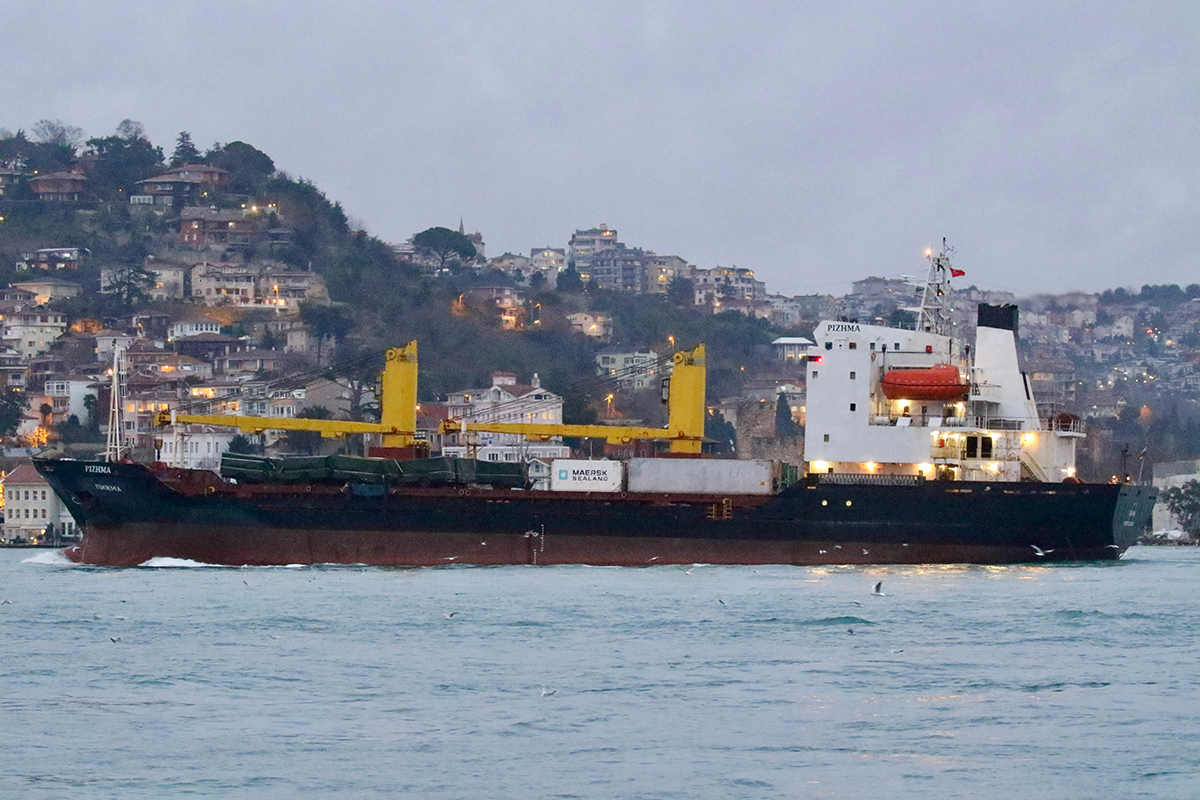
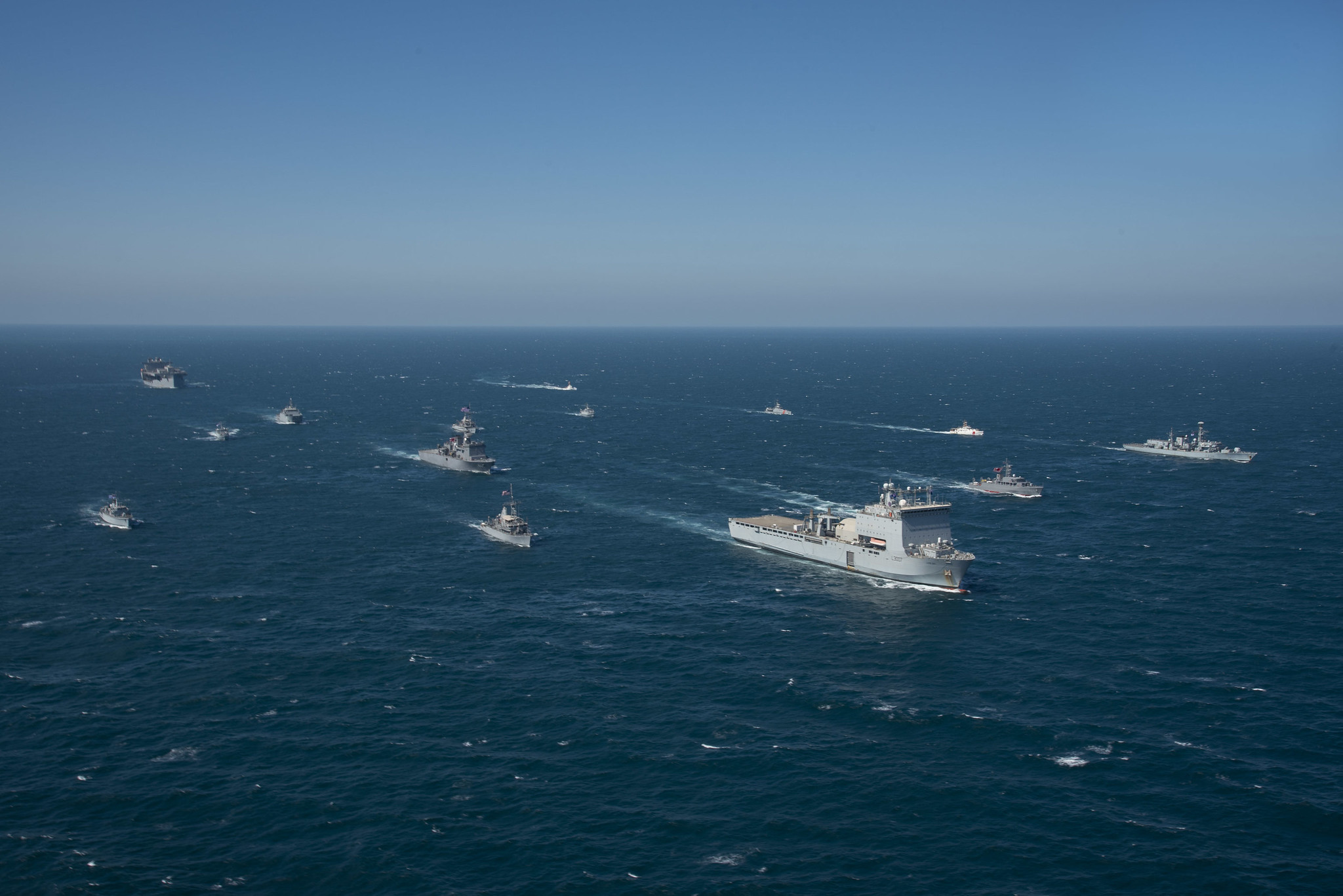
On Feb. 28, Turkey triggered the Montreux Convention, not used since World War II, and closed the Turkish Straits to military ships. This one move interrupted Russia’s maritime logistical supply line to Syria, interfered with its ability to rotate naval assets in the Mediterranean, and prevented Moscow from bringing additional warships to the Black Sea. Russia can no longer supply its Syria operation or deliver defense exports to its customers using navy ships. However, close observation of traffic through the Turkish Straits reveals that Russia is continuing its naval operations in the Mediterranean and Black seas.
Could Ukraine Offer a Template for Better US-Gulf Security Relations?
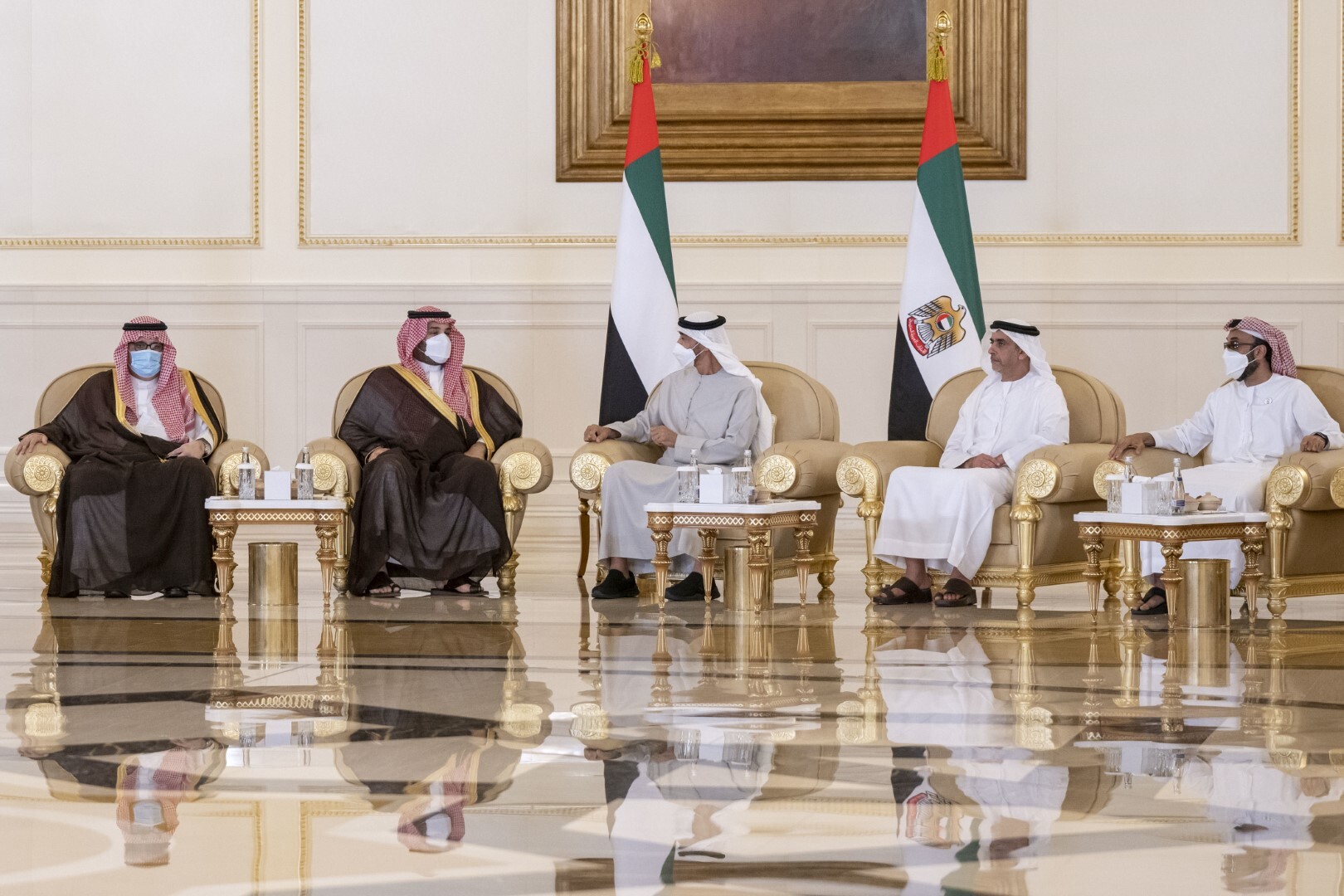
Relations between Washington and some of its traditional Gulf Arab partners, particularly Saudi Arabia and the United Arab Emirates, are at their lowest point in history, which is why the Biden administration on Monday sent a high-level delegation to Abu Dhabi: specifically to pay respects upon the death of former UAE President Sheikh Khalifa bin Zayed Al Nahyan and to congratulate his successor, Mohamed bin Zayed, but more generally to try to heal those ties.
Marvin Weinbaum, Madiha Afzal, and Syed Mohammad Ali discuss the recent political upheaval in Pakistan, which comes against the backdrop of mounting economic problems.
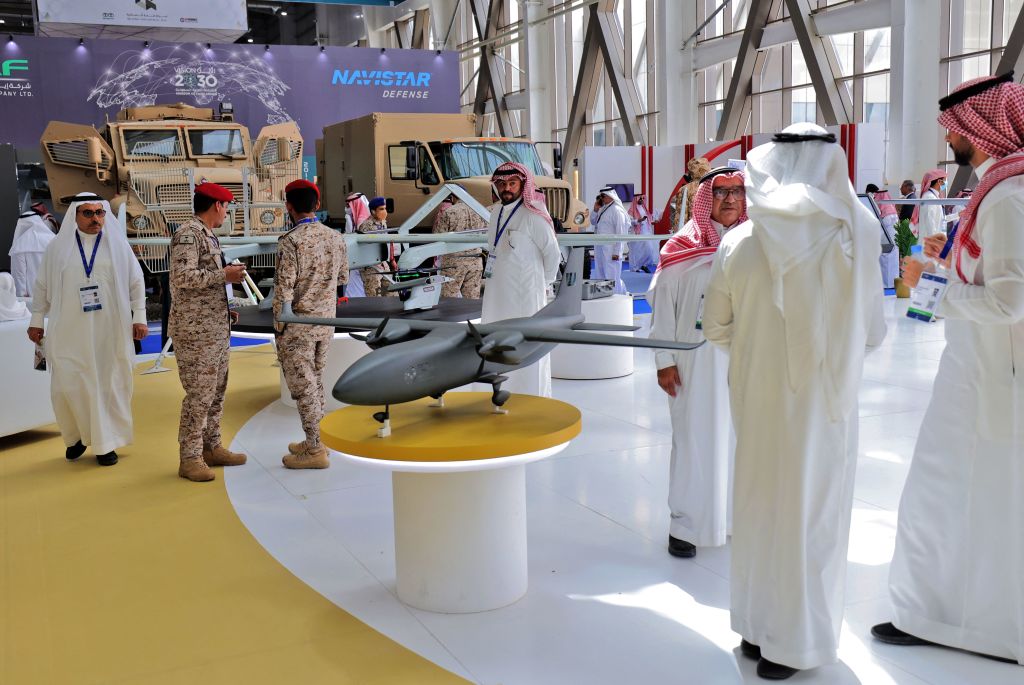
This article describes Saudi Arabia’s historic and arduous journey to national-defense transformation, launched around 2015. It analyzes the challenges and opportunities of defense reform in the kingdom while highlighting the role of the United States in this process. Last, the article discusses the future of US-Saudi defense relations.
In September 2021, a year after the Abraham Accords were signed by Israel, Bahrain, and the United Arab Emirates (Morocco and Sudan joined a few weeks later), U.S. Secretary of State Tony Blinken spoke enthusiastically of Arab-Israeli collaborations already under way in various domains including energy, health care, technology, medicine, and tourism.
From rivalry to partnership: Managing climate risks through regional collaboration
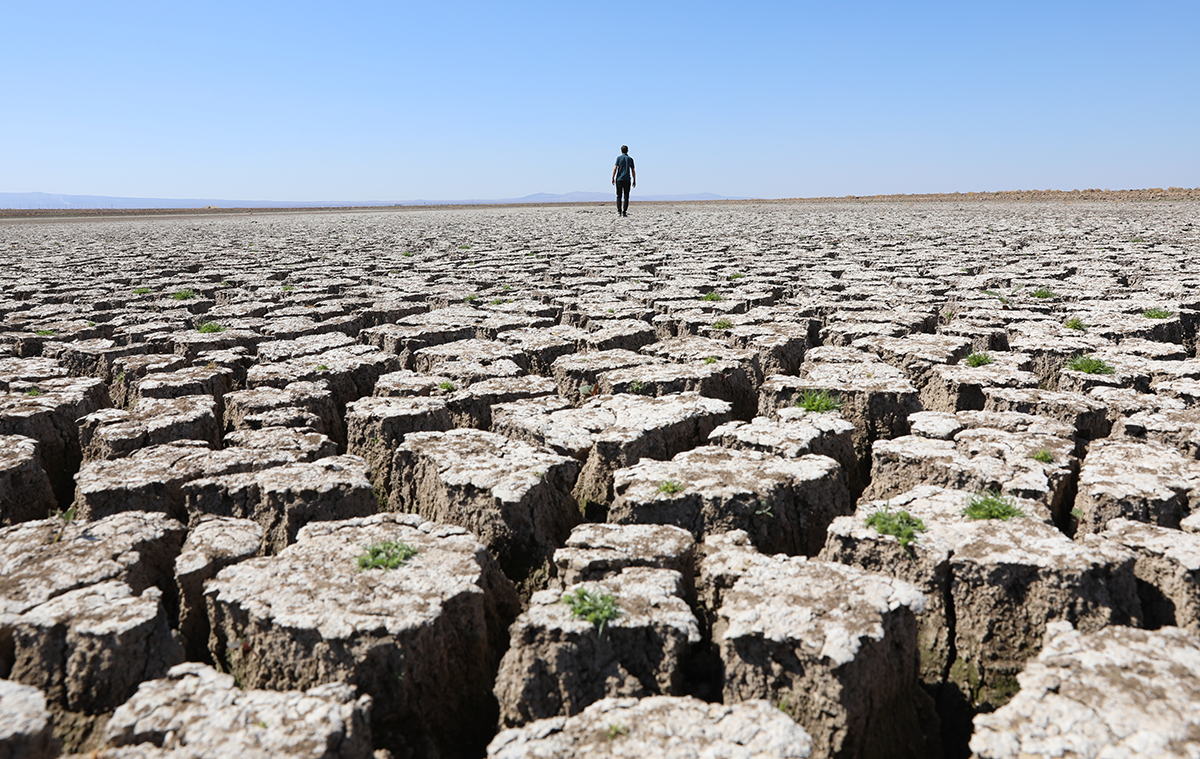
Countries across the region face similar climate risks and impacts, but tensions and socio-economic challenges have hampered regional collaboration and collective efforts to tackle climate change. One way to address this problem and to circumvent poor policy coordination is through technical research and knowledge-sharing.
Not “business as usual”: The Chinese military’s visit to Iran
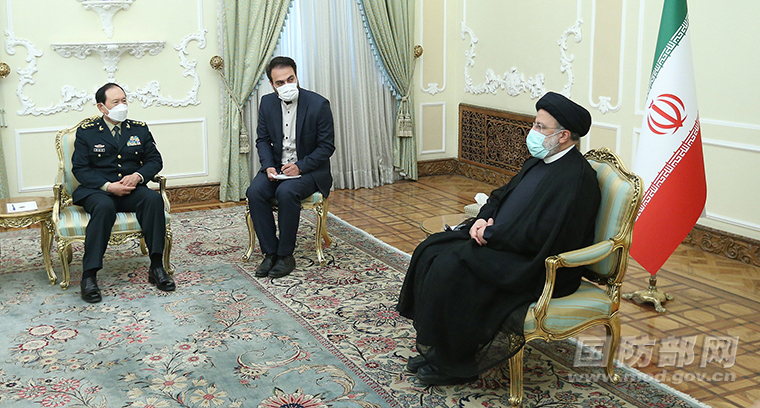
A senior Chinese military delegation landed in Iran for a visit in late April. The readouts from Tehran were rather dull, but there is more to this visit than meets the eye. While a new “axis” may not necessarily be forming, there are troubling trendlines that Western policymakers need to counter.
The Dorra Field: Global gas market impact or bellwether for regional relations?
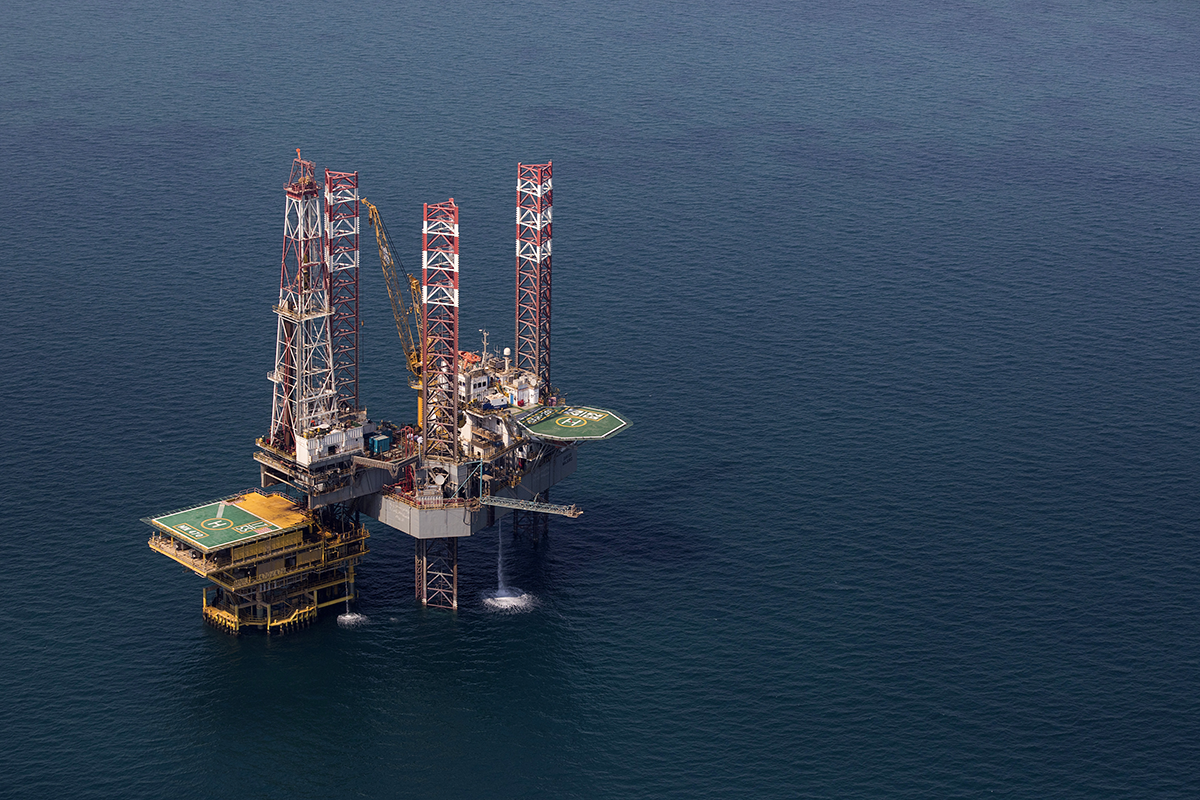
The Dorra Gas Field, located in shallow waters offshore in the northern Arabian Gulf, lies at the junction of competing territorial claims by Kuwait, Iran, and Saudi Arabia. With the growing gas demand in these countries, any production will be absorbed into the domestic network and the impact of production on the global gas and LNG market will be insignificant. However, the development of the field, if it occurs, may serve as a bellwether for regional relations.
A portal to the past: The restoration of Erbil’s architectural heritage
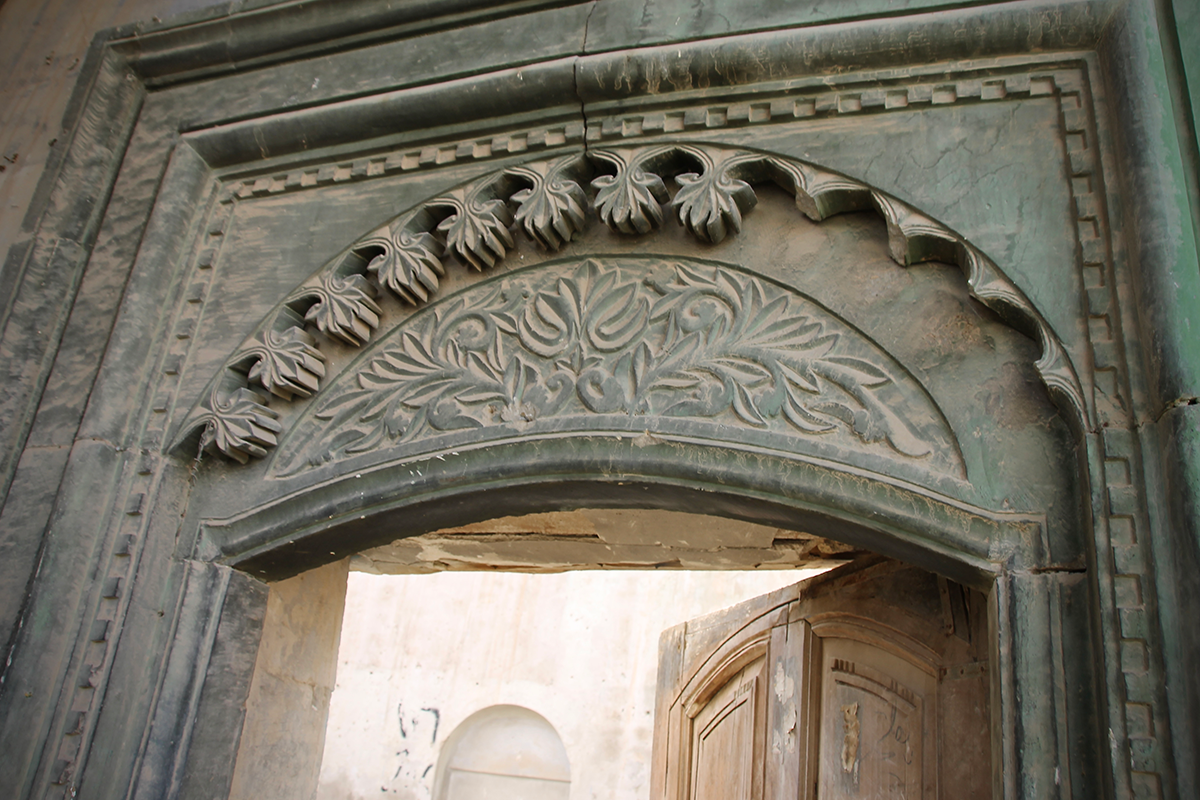
When architect Mustafa Mofaq first started working on heritage restoration at Erbil’s citadel last year, it was with a great sense of personal connection. “My great-grandfather had a house here,” explains the 27-year-old, who is employed by an EU-UNESCO partnership aimed at supporting livelihoods through cultural heritage development in Iraq and Jordan.
Five things the United States knew about the Nakba as it unfolded
An estimated 750,000 Palestinians were either driven from their homes or fled during the Nakba in 1948. To counter attempts at Nakba denial and “memoricide” by U.S. politicians and others, it is instructive to review the archives of U.S. diplomats stationed in Palestine and surrounding Arab countries who witnessed the Nakba unfold and reported back on the magnitude and gravity of Israel’s dispossession of Palestine’s indigenous inhabitants.