
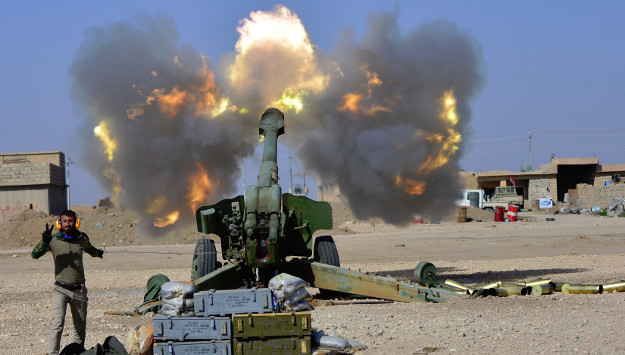
Iran-Supported Iraqi Armed Groups Expand Their Control of Syrian-Iraqi Border Area
The Iraqi Popular Mobilization Forces today seized more territory from the Islamic State in western Mosul near the Syrian border, the Iranian media reports. After heavy clashes with Islamic State militants south of the al-Ba’aj region, the paramilitary forces reportedly captured the village of al-Khibra and the nearby al-Sakaar housing complex.
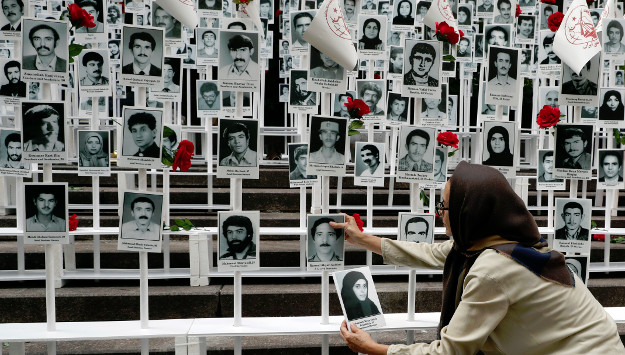
Iran Allegedly Motivates Houthis to Crack Down on Baha’i Minority in Yemen
The persecution of the Baha’i community in Yemen has markedly increased and resembles the state-sanctioned mistreatment of the minority group inside Iran, according to the latest reports by the United Nations and human rights organizations. “The recent escalation in the persistent pattern of persecution of the Bahá’í community in Sana’a mirrors the persecution suffered by the Bahá’ís living in Iran,” the U.N.
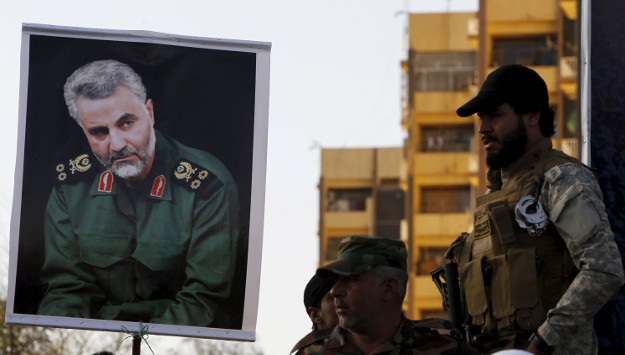
Iran’s Foreign Ministry Rejects Allegations of Deal with U.S. over General Soleimani
Iranian Foreign Ministry Spokesman Bahram Ghassemi today reacted angrily to allegations by a former Iranian parliamentarian that Foreign Minister Javad Zarif had struck a deal to hand over Iran’s Quds Force Commander Qassem Soleimani to the United States in return for removing banking sanctions against Iran.
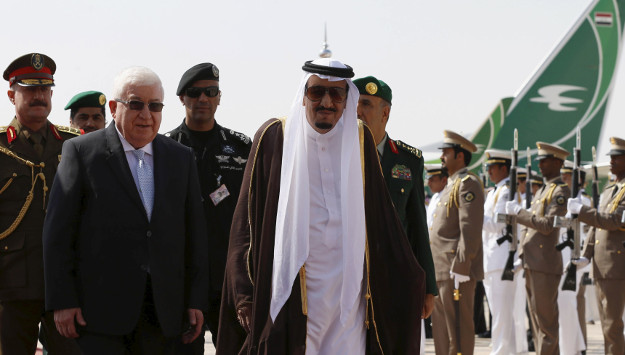
I.R.G.C. Outlet Questions Iraqi President’s Participation in Riyadh Summit
The participation of the Iraqi delegation led by President Fuad Masum at the Riyadh summit has raised a lot of questions in Tehran. “Has Iraq joined the Saudi against Iran?” was the title of a lengthy analysis piece published today in Tasnim News Agency, an outlet affiliated with the Islamic Revolution Guards Corps. According to the article, many in Iran have criticized the Palestinian and Iraqi leaders for attending and the Riyadh summit and “voting in favor of an anti-Iran resolution” despite the fact that the Islamic Republic has supported Palestine and Iraq for many years.
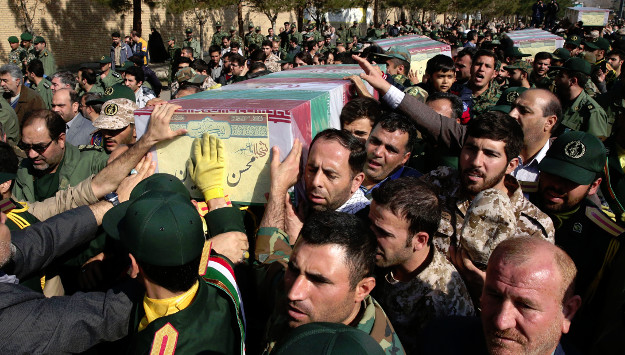
Ahmadinejad Asked to Leave Cemetery Where Many Syrian Casualties Are Buried
Iranian Telegram social media channels today published videos that showed family members of those killed in Syria strongly protesting the presence of former Iranian President Mahmoud Ahm
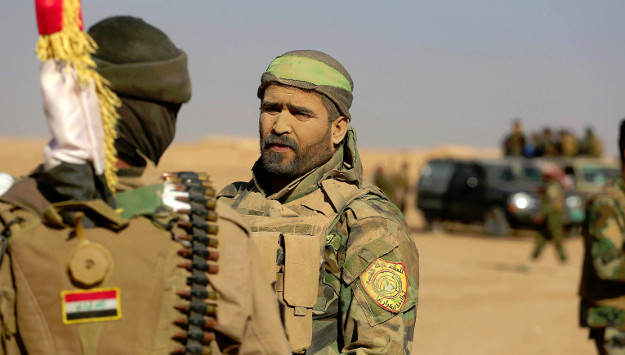
Iran-Supported Iraqi Paramilitaries Make Further Gains near Iraqi-Syrian Border
The spokesman for Iraq’s Popular Mobilization Forces, also known as Hashd al-Shaabi, said on Wednesday that the paramilitary forces aim to seize and control all regions along
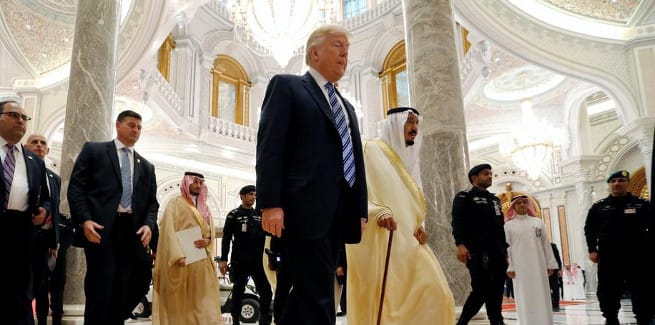
What Does Trump’s Visit to Saudi Arabia Mean for Russia?
On May 20, President Donald Trump landed in Riyadh for the first stop of his nine-day Middle East and European tour. Many hoped that the president’s long-awaited trip would clarify his administration’s approach to the Middle East. As expected, the most important developments involved a $110 billion arms deal, anti-Iranian rhetoric and plans to establish an “Arab NATO.”
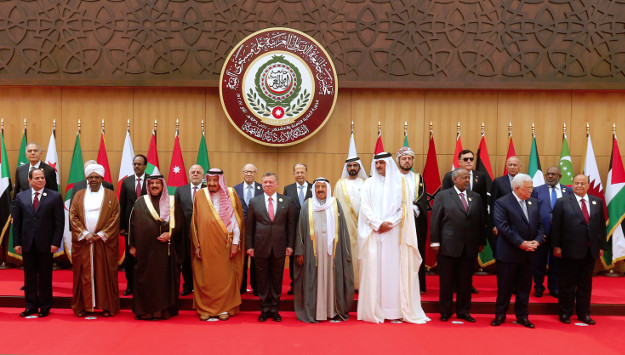
Iran Hopes Riyadh-Doha Tension Will Weaken anti-Iran Alliance
The Iranian media sees the heightening tension between Qatar and Saudi Arabia – two member states of the Gulf Cooperation Council (G.C.C.) – as an opportunity to weaken the U.S.-Arab alliance against Iran and its proxies in the region.
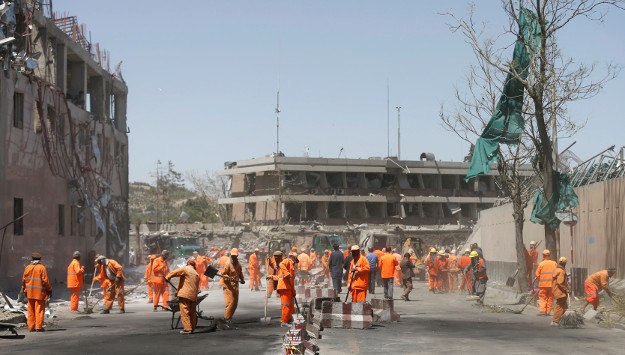
Iran Blames U.S. Policies for Kabul Attack and Extremism in Afghanistan
Reacting to today’s deadly bombing in Kabul, Iranian leaders and media outlets blamed U.S. policies and military presence in Afghanistan for growing extremism and instability in the war-ravaged country. Iran’s Foreign Minister Javad Zarif said the Kabul attack shows “Takfiri terrorism recognizes no boundaries” and called on regional countries to act in unison to fight terrorism instead of seeking help from outsiders – an apparent reference to the United States, which has more than 8,000 troops in Afghanistan training and assisting the country’s security forces.
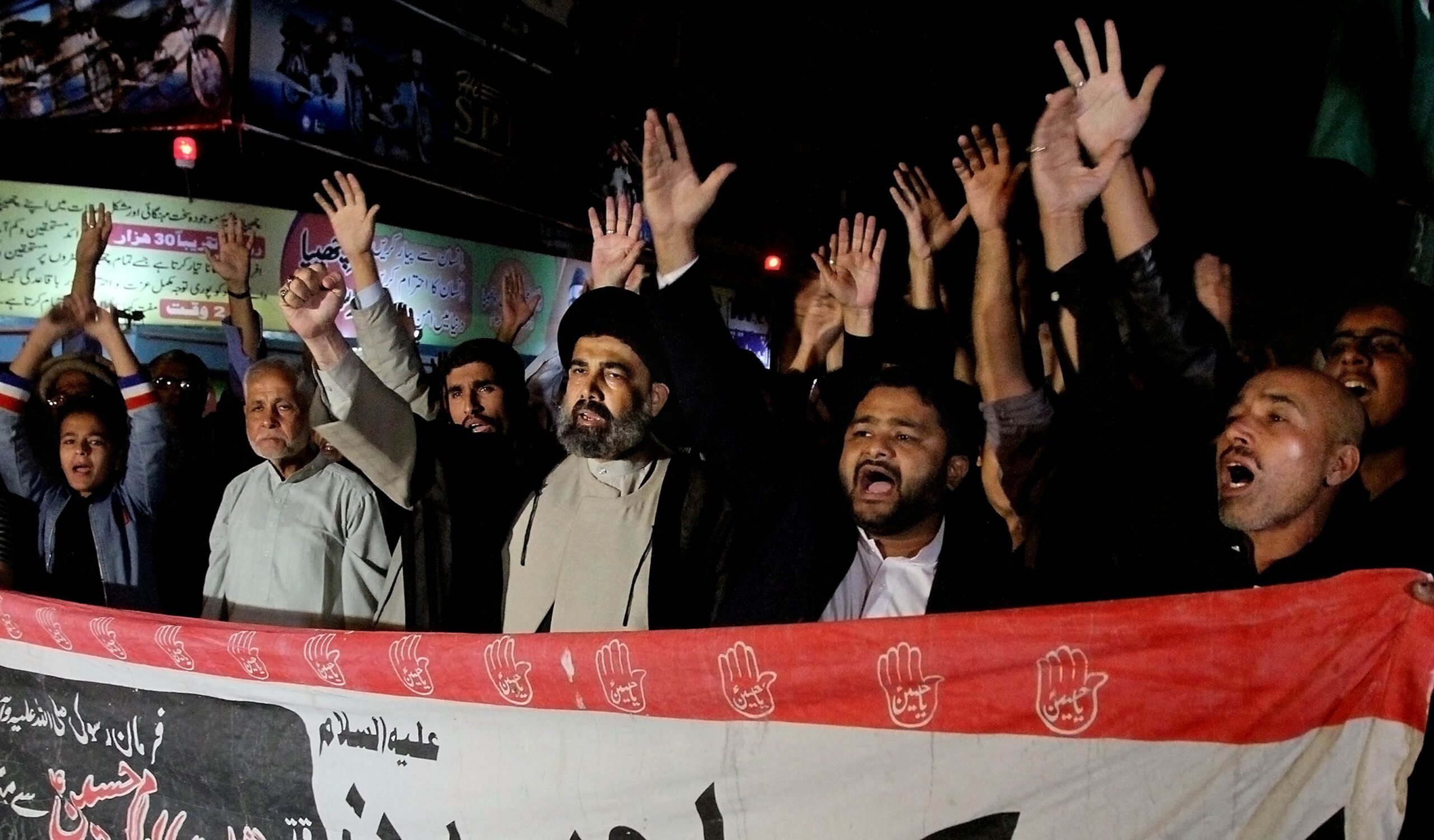
The Saudi-Iran Factor in Pakistan’s Sunni-Shia Conflict
This essay examines the effects of the Saudi-Iran rivalry on Sunni-Shia relations in Pakistan. The essay shows that this rivalry, which has sectarian undertones and is partly responsible for the continuing Syrian civil war, has not only complicated Pakistan’s relations with Riyadh and Tehran but has exacerbated Sunni-Shia tensions domestically. Pakistan’s predicament has become even more complicated in light of the recent Trump-led Arab Islamic American Summit.
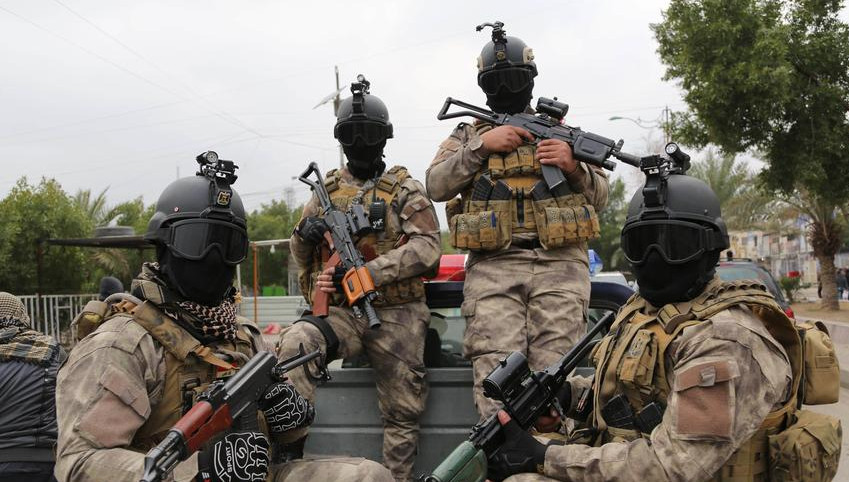
Iran-Backed Iraqi Paramilitaries Reach Border Area, Express Readiness to Fight in Syria
The head of an Iranian-supported Badr Organization said today that the Iraqi Popular Mobilization Forces have launched a new operation to secure areas along the Syrian-Iraqi border, Fars News Agency, which is affiliated with the Islamic Revolution Guards Corps (I.R.G.C.), reported.
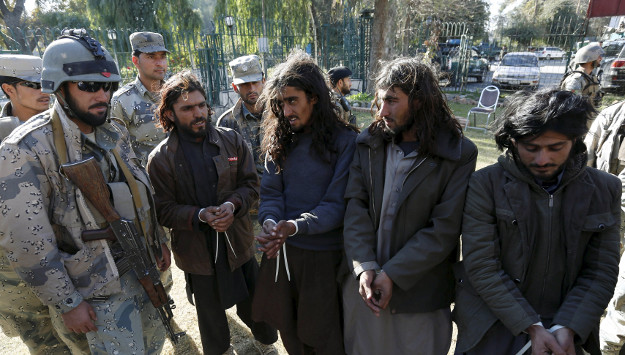

Iran Plans to Launch Several Satellites into Space, including 1st Sensor-Operational Satellite
Iranian officials claim that the country has made significant progress in designing and producing satellites and is planning on launching several satellites into space in the near future.
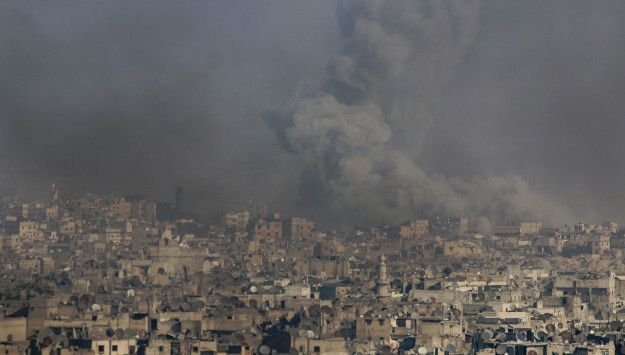
Iran Says It's Ready to Send Troops to Syria to Monitor Ceasefire
Iran’s Foreign Ministry said on Monday that the Islamic Republic is prepared to deploy troops to Syria to monitor the ceasefire, Iranian media reported. Foreign Ministry Spokesman Bahram Ghassemi added that Iran, Russia and Turkey are holding talks to discuss the implementation of the ceasefire and de-escalation zones in Syria. “If the required grounds are provided, there would be a need to deploy forces who can monitor the ceasefire,” the Iranian spokesman said.