Reinventing a square wheel: Can a revitalized Palestinian Authority lead the way to a better “day after?”
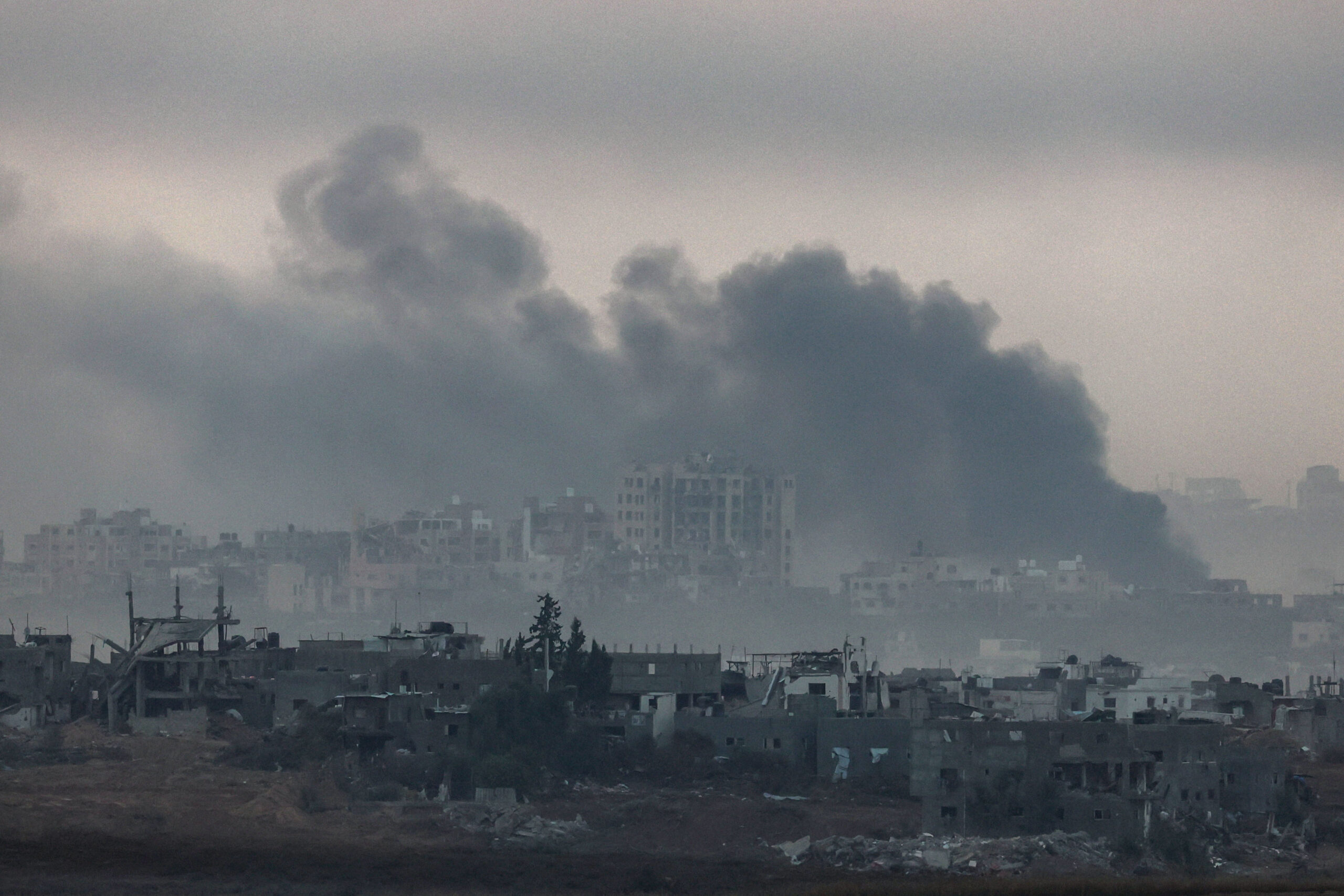
As questions about regarding who can take over governance of the war-torn Gaza Strip, Washington and other are pinning their hopes on a revitalized Palestinian Authority. But such “revitalization,” if limited to “strengthening” the PA cabinet and making only minor improvements in governance, will ensure that Gaza will remain a “super camp” and a source of recurring/persistent instability for Palestine and Israel.
Antisemitism and Islamophobia in the US Political Discourse on Israel/Palestine
Sahar Aziz and Mitchell Plitnick discuss their study “Presumptively Antisemitic: Islamophobic Tropes in the Palestine Israel Discourse” with MEI’s Palestine and Palestinian-Israeli Affairs Program Director Khaled Elgindy.
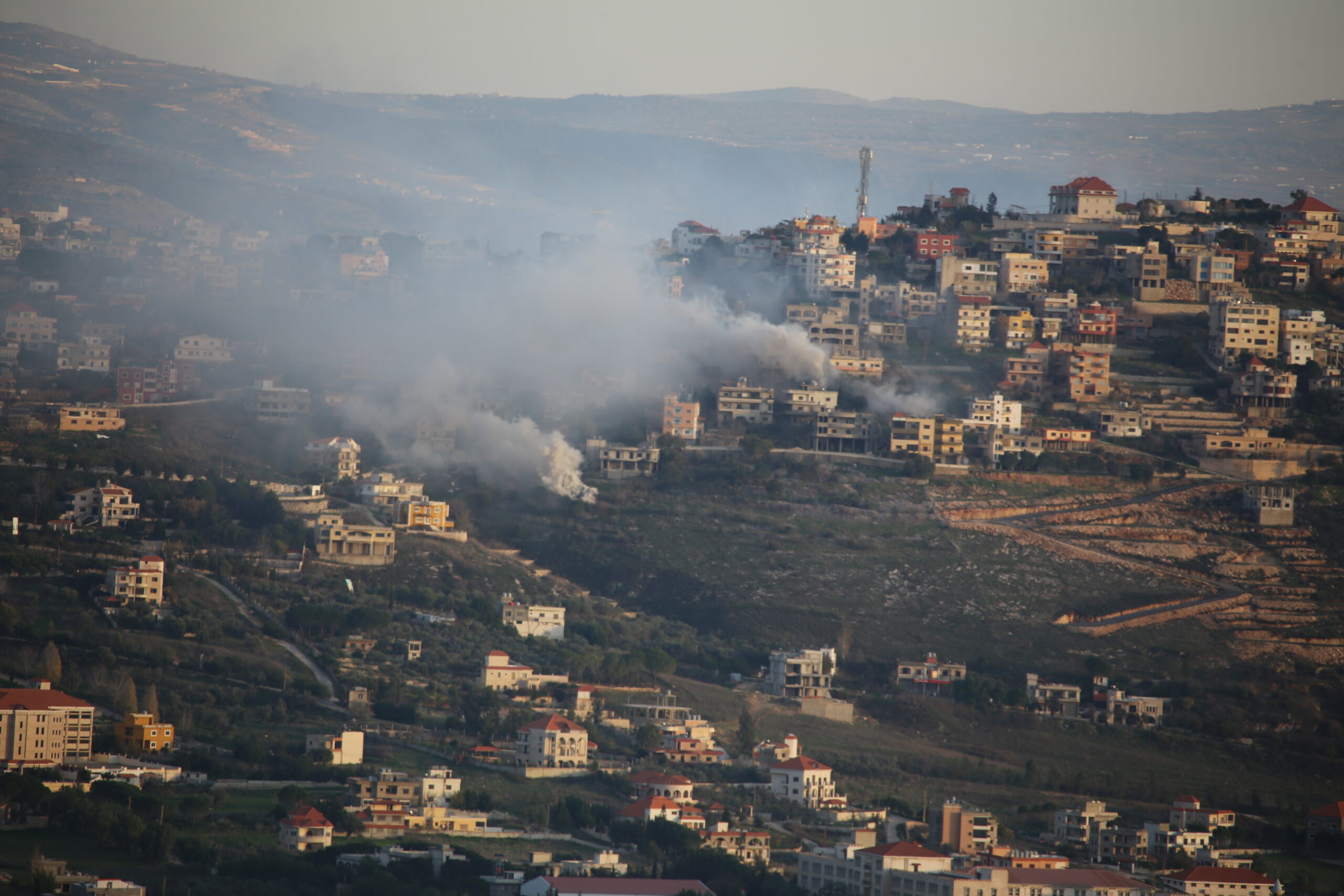
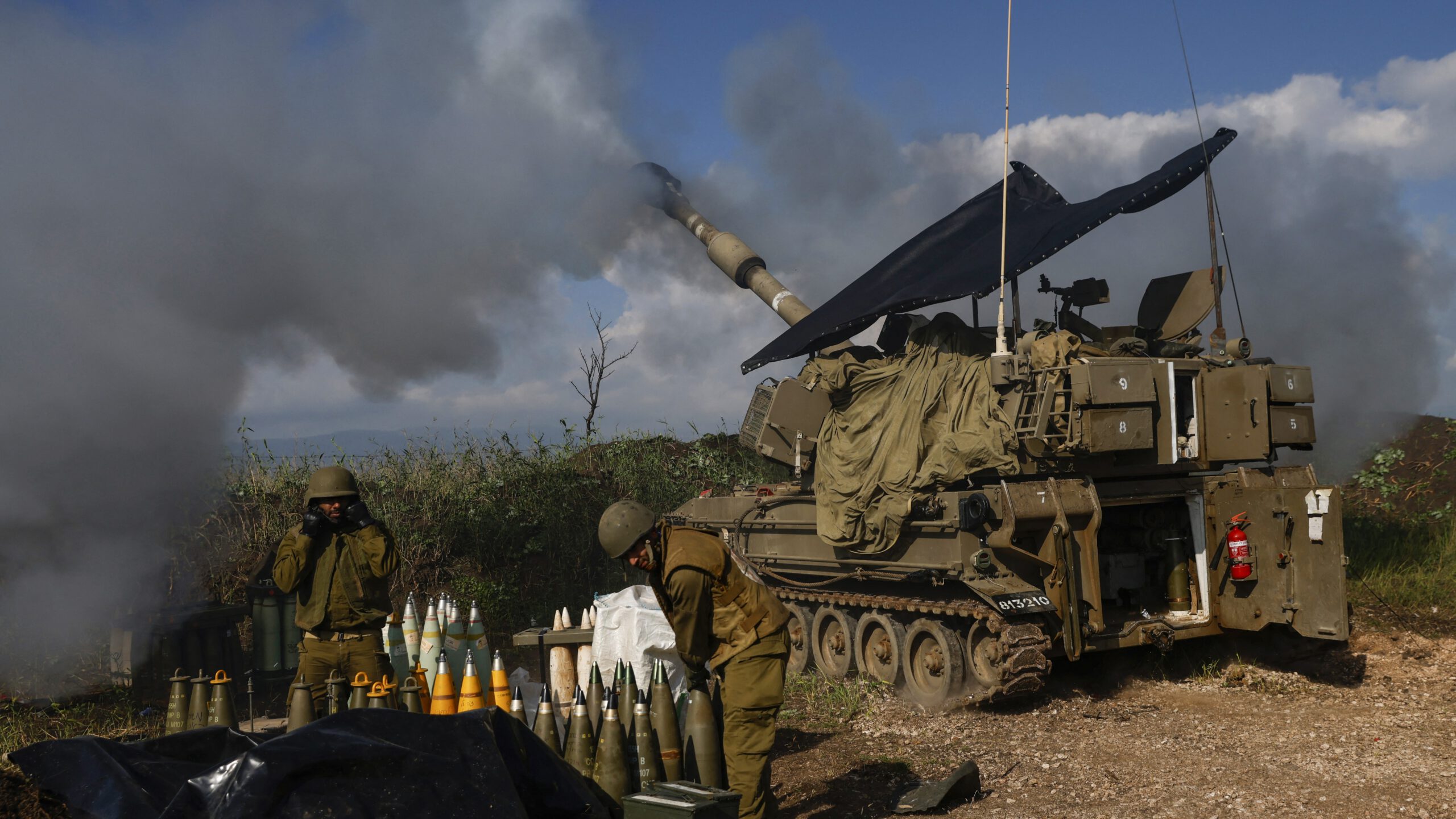
The current escalation between Israeli and Hezbollah forces necessitates immediate action from the international community to prevent a widening of the Gaza war, and the US is positioned in a leadership role to mollify tensions, beginning with diplomatic actions to stabilize the Lebanese-Israeli border, helping to pacify the broader region as a result.
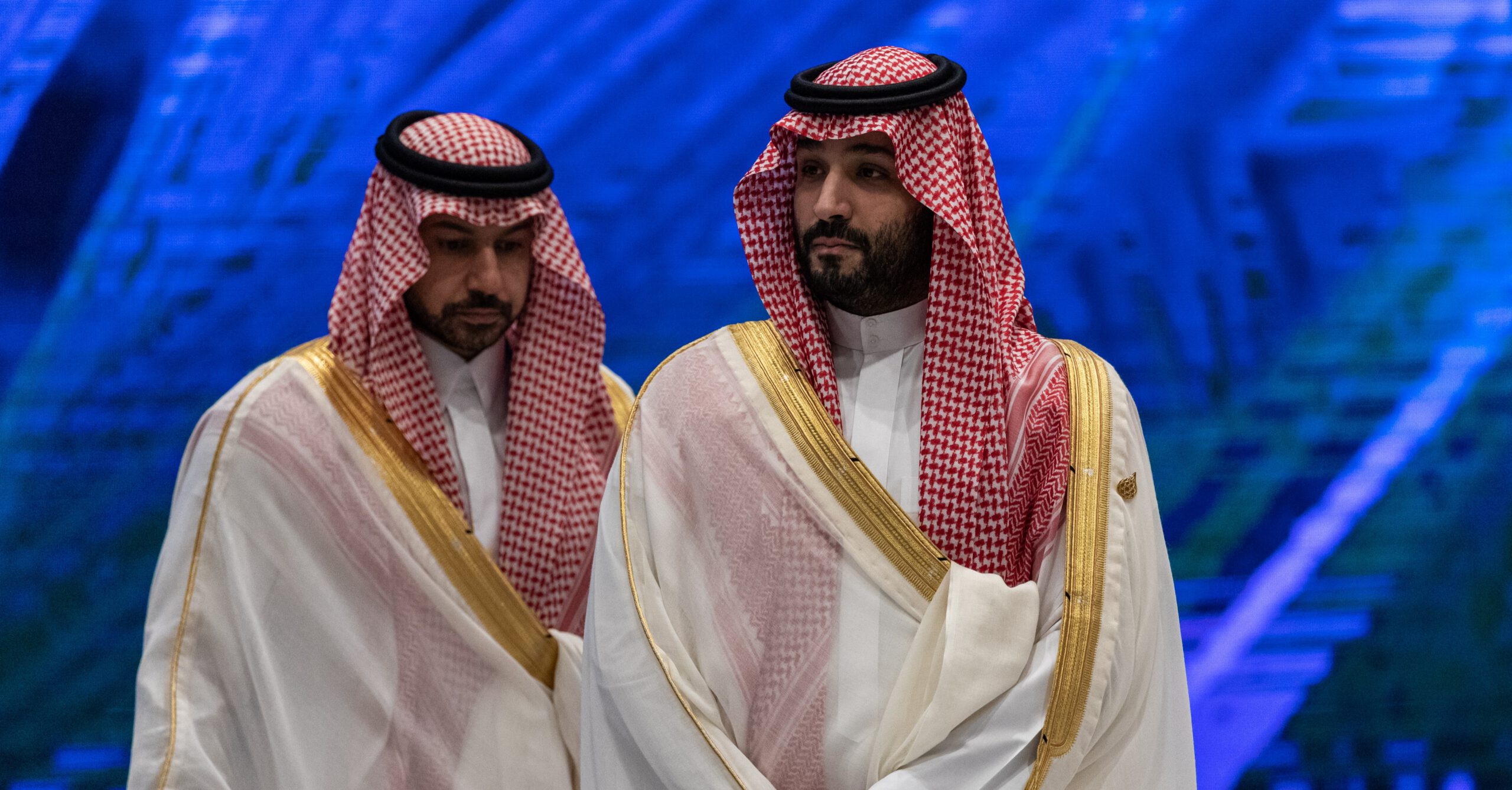
In response to the Oct. 7 attacks and subsequent bombing and invasion of the Gaza Strip, most media outlets and think tanks concluded that Hamas initiated the war to sever the path toward normalization between Saudi Arabia and Israel. Prior to the Hamas strike, Saudi Crown Prince Mohammed bin Salman (MbS) said his country was moving steadily in the direction of normalizing relations with Israel.
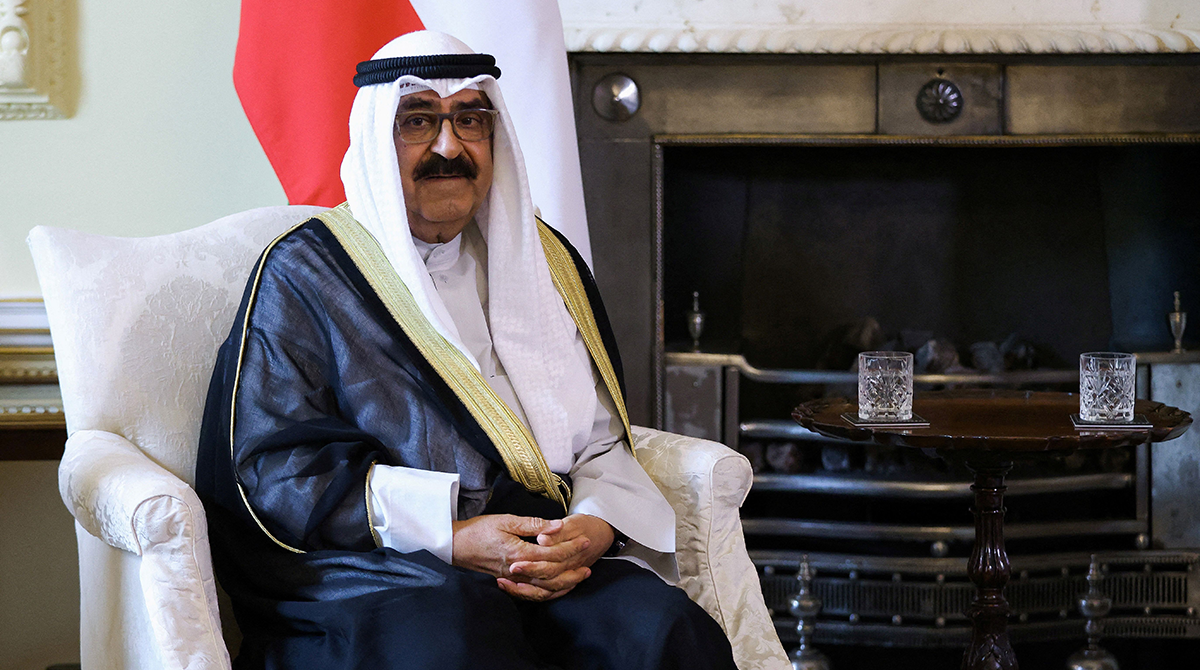
Following emir’s death, Sheikh Mishal Al Sabah named Kuwait’s new ruler, signaling continuity
Sheikh Mishal al-Ahmad al-Jaber Al Sabah, Kuwait’s 83-year-old crown prince and half-brother of the late emir, was named to replace Sheikh Nawaf immediately following news of his death on Dec. 16.
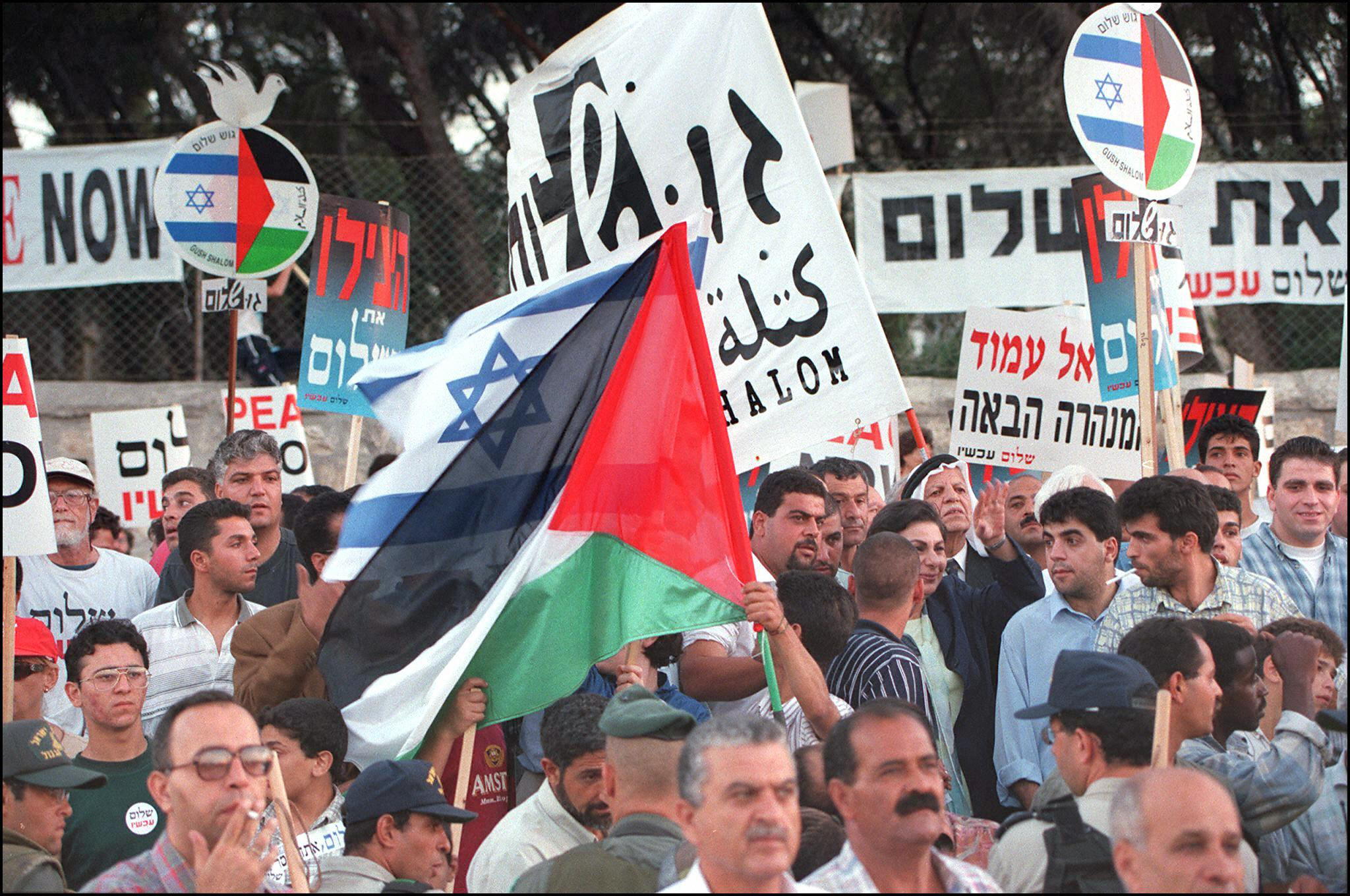
Wars create opportunities for peaceful change: Will the Gaza war serve as a case in point?
While war is still raging in Gaza following Hamas’ brutal Oct. 7 attack on Israel, it nonetheless arguably offers an opportunity for a profound shift in the modalities of the Israeli-Palestinian conflict, which looked unlikely in the period preceding the war. Based on analysis of several examples from the history of the Israeli-Palestinian conflict, this article asserts that in order to seize the opportunity, both sides will need legitimate leaderships that enjoy international support and are willing and determined to make concessions and build trust.
The international community is focused on “the day after” in Gaza, built on the comforting but illusory assumption that Oct. 7 never happened. In contrast, Israel and Hamas alike are engaged in a zero-sum contest to build a new system created out of blood and fire. When we consider the options for Gaza, the most instructive point of departure is the day before — that is, the evolution of Israeli occupation policies in the half century since the June 1967 war.
An Israeli-Palestinian peace process would present Iran with a difficult choice
The Israel-Hamas war provides Tehran with a meaningful opportunity to fundamentally shift its position toward Israel. Should a peace process follow this latest war, Iran will have a hard choice to make – double-down on upholding its Axis of Resistance against Israel, or look for ways to work with the majority in the region that seek a feasible political settlement to the Israeli-Palestinian conflict.
Expert Views: How do we restart the Middle East peace process?
What would it take to start a new Israeli-Palestinian peace process that could actually have the prospect for enduring success? MEI has asked a group of regional and U.S. experts to weigh in.
In the aftermath of the brutal Hamas terror attack Oct. 7, Israel has launched a ground invasion aimed at “eliminating Hamas.” Many of Israel’s Western allies have expressed concern about this operation given the lack of a clear plan for what will happen in Gaza after Hamas is eliminated. Prime Minister Benjamin Netanyahu said yesterday that “Israel will, for an indefinite period will have the overall security responsibility” of Gaza. President Joe Biden even said publicly on 60 Minutes that the reoccupation of Gaza would be a “big mistake.”
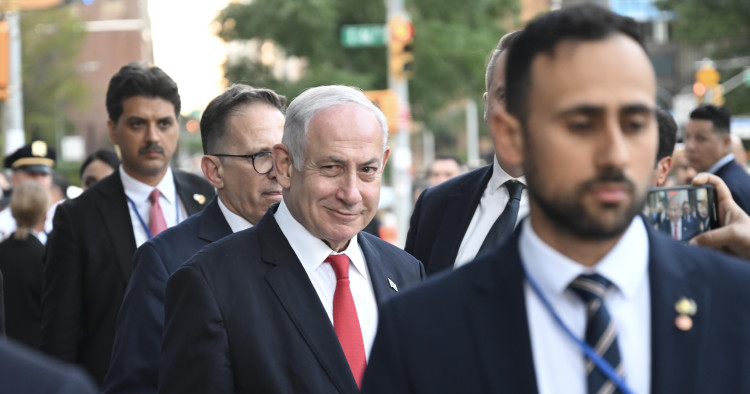
How Netanyahu could beat the odds and stay in power
There has been much speculation that the military and intelligence failure to prevent the Hamas terror attack on Oct. 7 (which became known in Israel as the “Black Shabbat”) means that Israeli Prime Minister Benjamin Netanyahu’s days in office are numbered.
But Netanyahu is signaling that he will not step down without a fight. He is preparing the ground for blaming military officials for the failure and continuing to promote the overhaul of the judiciary, which was at the center of the political debate in Israel in the months before Hamas’s attack.
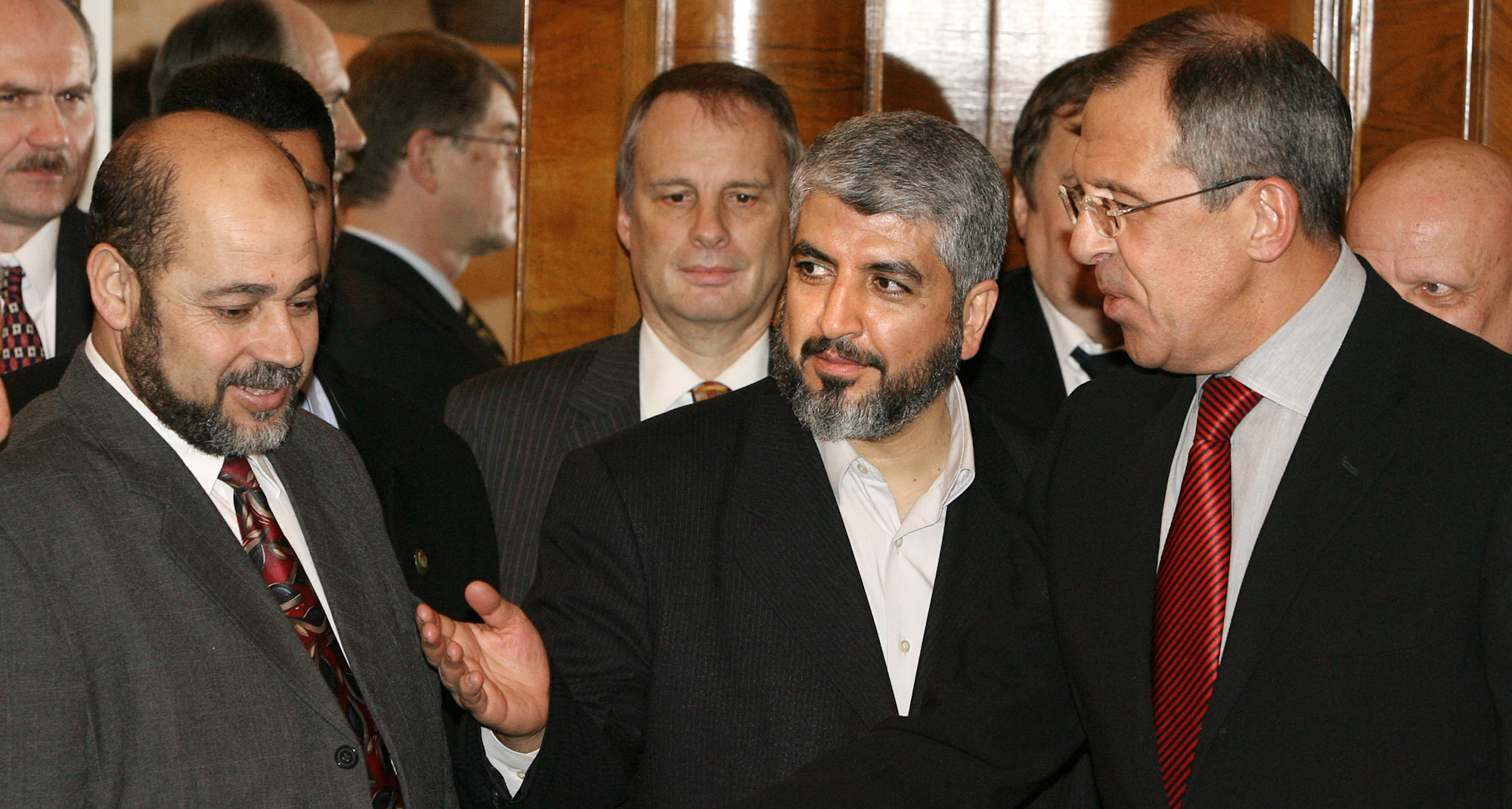
Essential questions about the Russia-Hamas link: The evidence and its implications
As the war in Gaza continues to unfold, essential questions about Russian and Iranian support for Hamas remain. They include whether Russia played any role in providing support to Hamas ahead of its Oct. 7 attack on Israel. Evidence available from foreign-language publications in Russian, Persian, Arabic, and Hebrew, as well as those in English, provides provocative leads, which, if accurate, have serious potential implications.