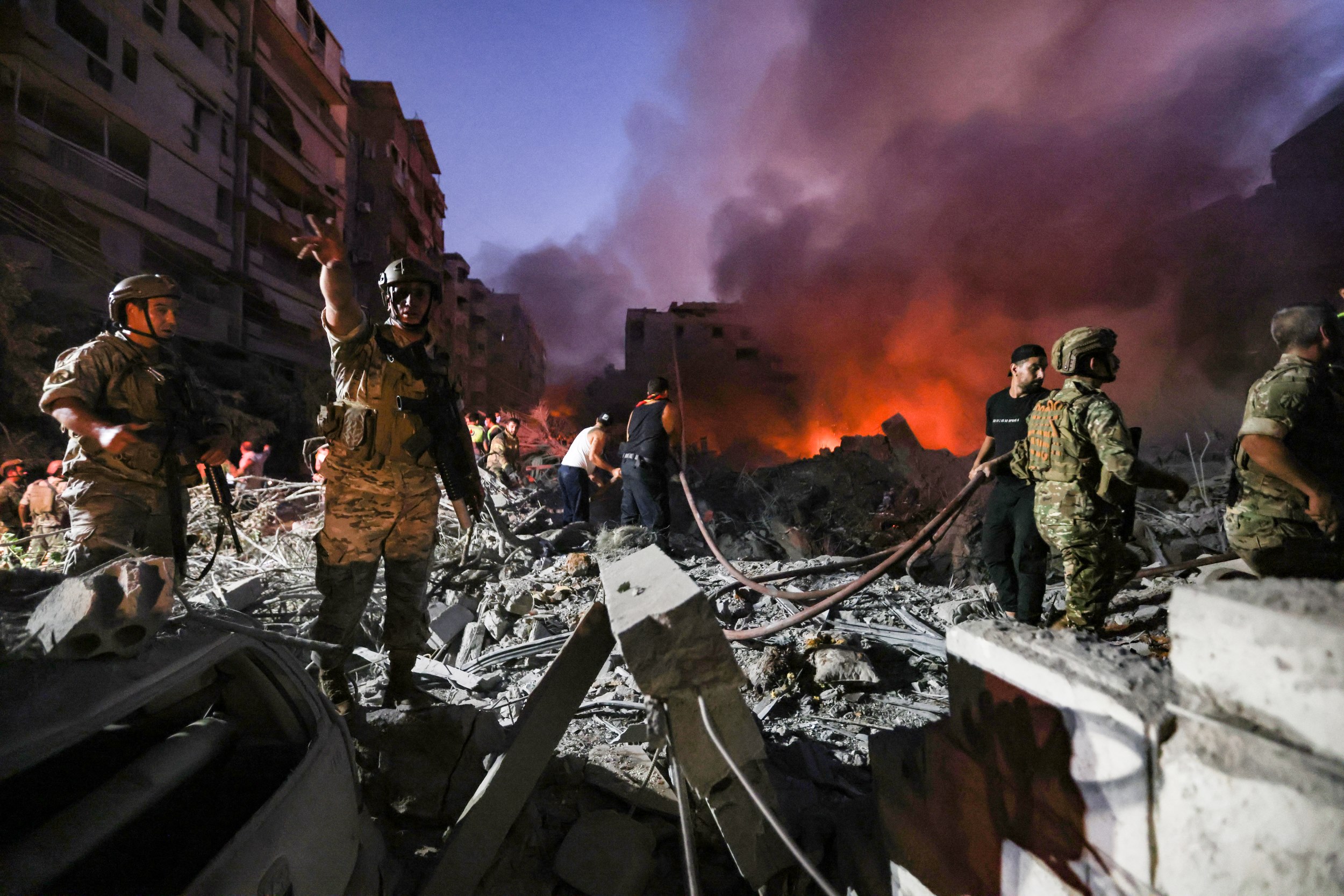
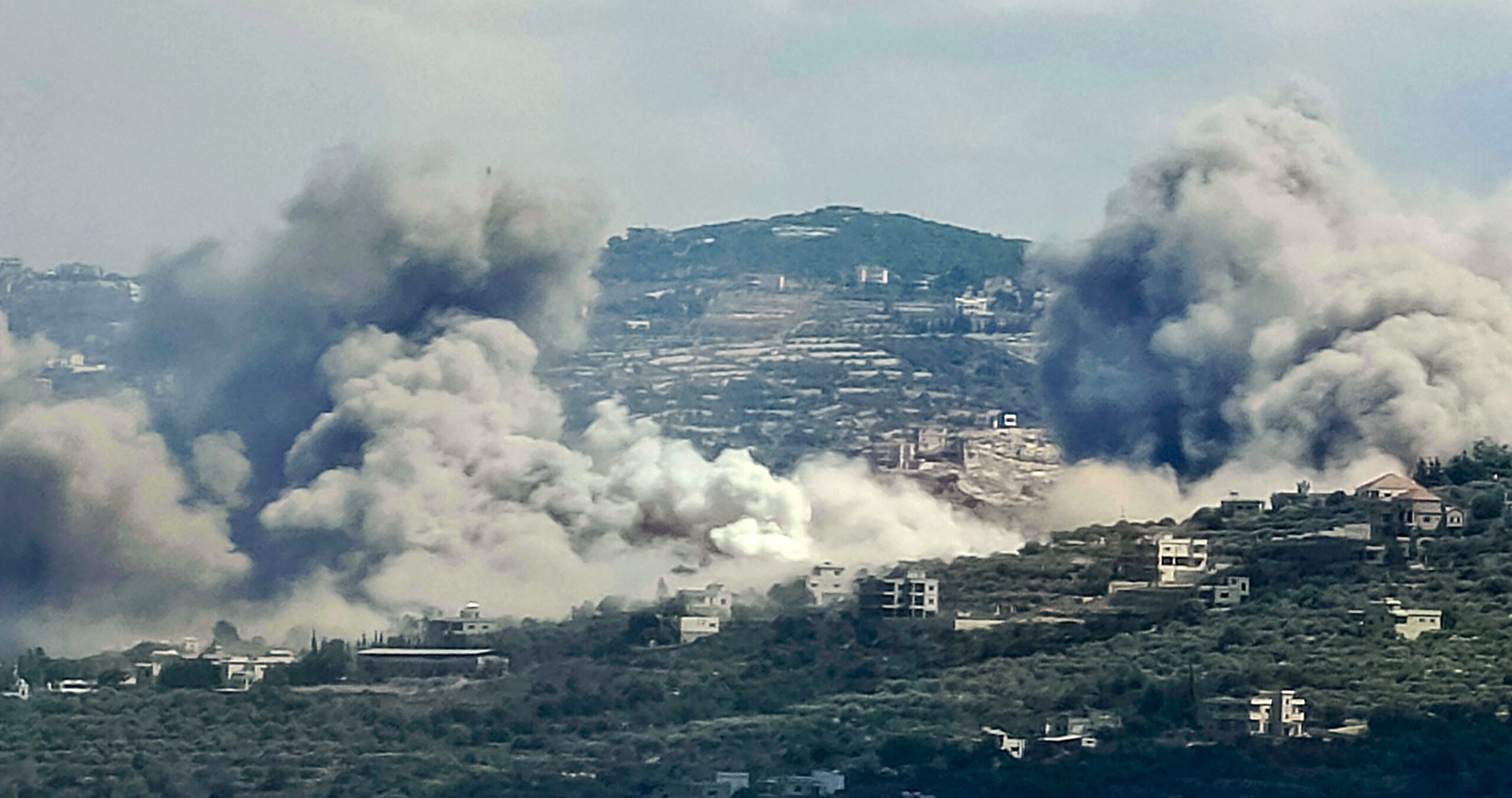
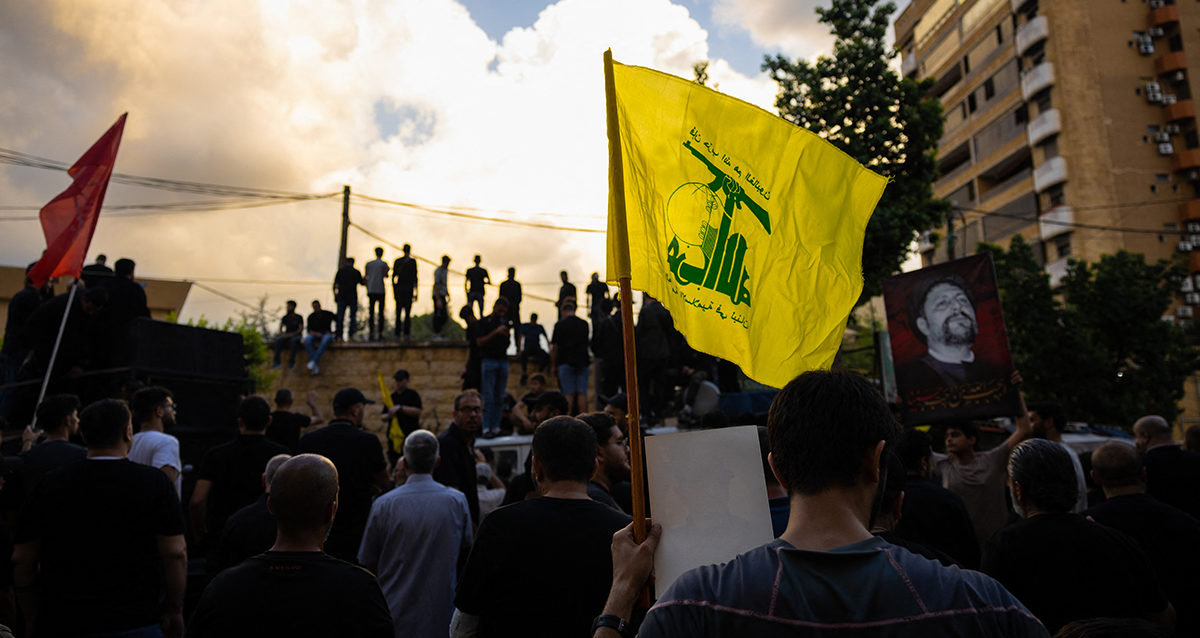
The killing of Hezbollah Secretary-General Hassan Nasrallah along with the rapid degradation of Hezbollah’s power over the past two weeks signals a tectonic shift in the Middle East.
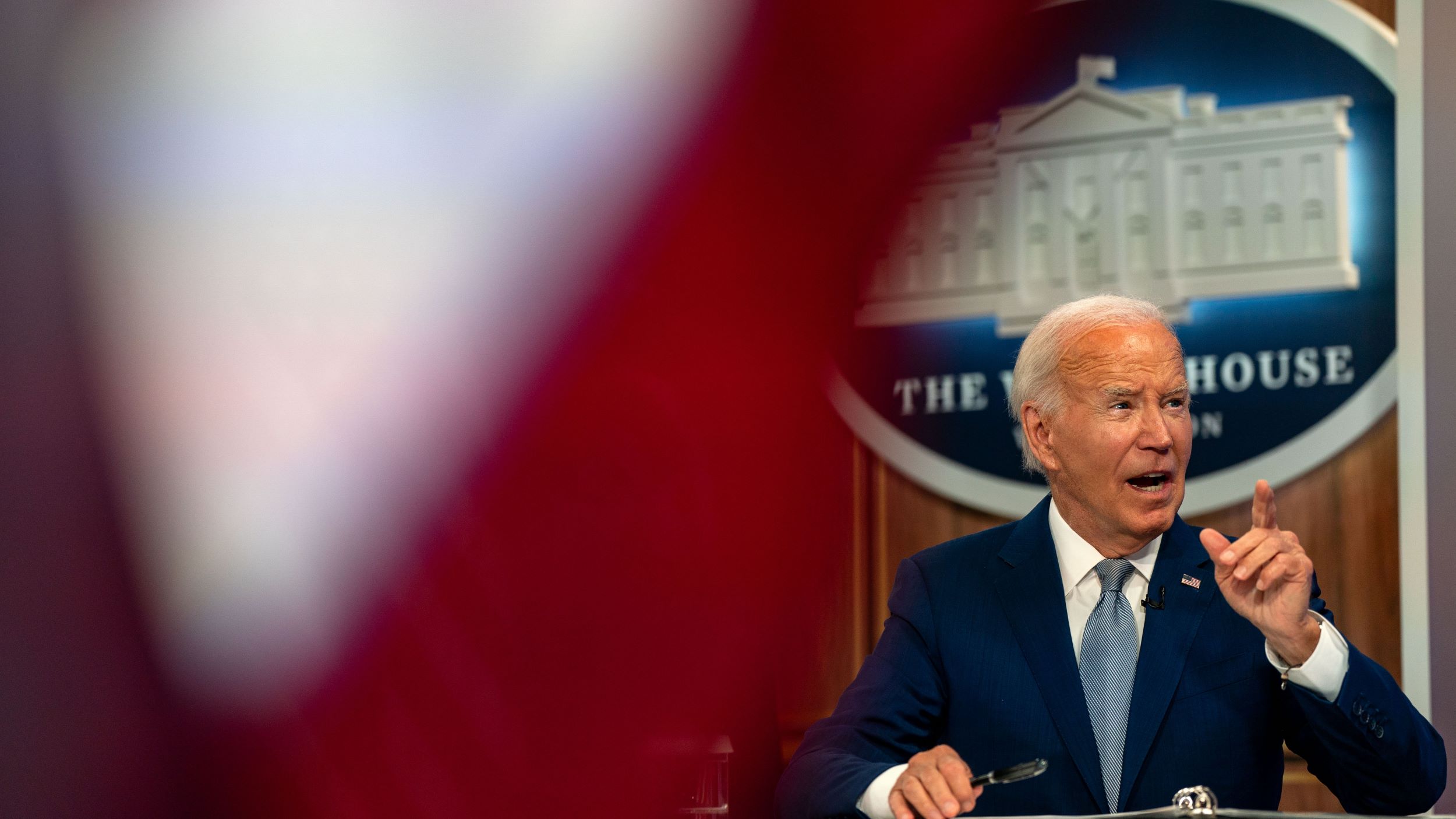
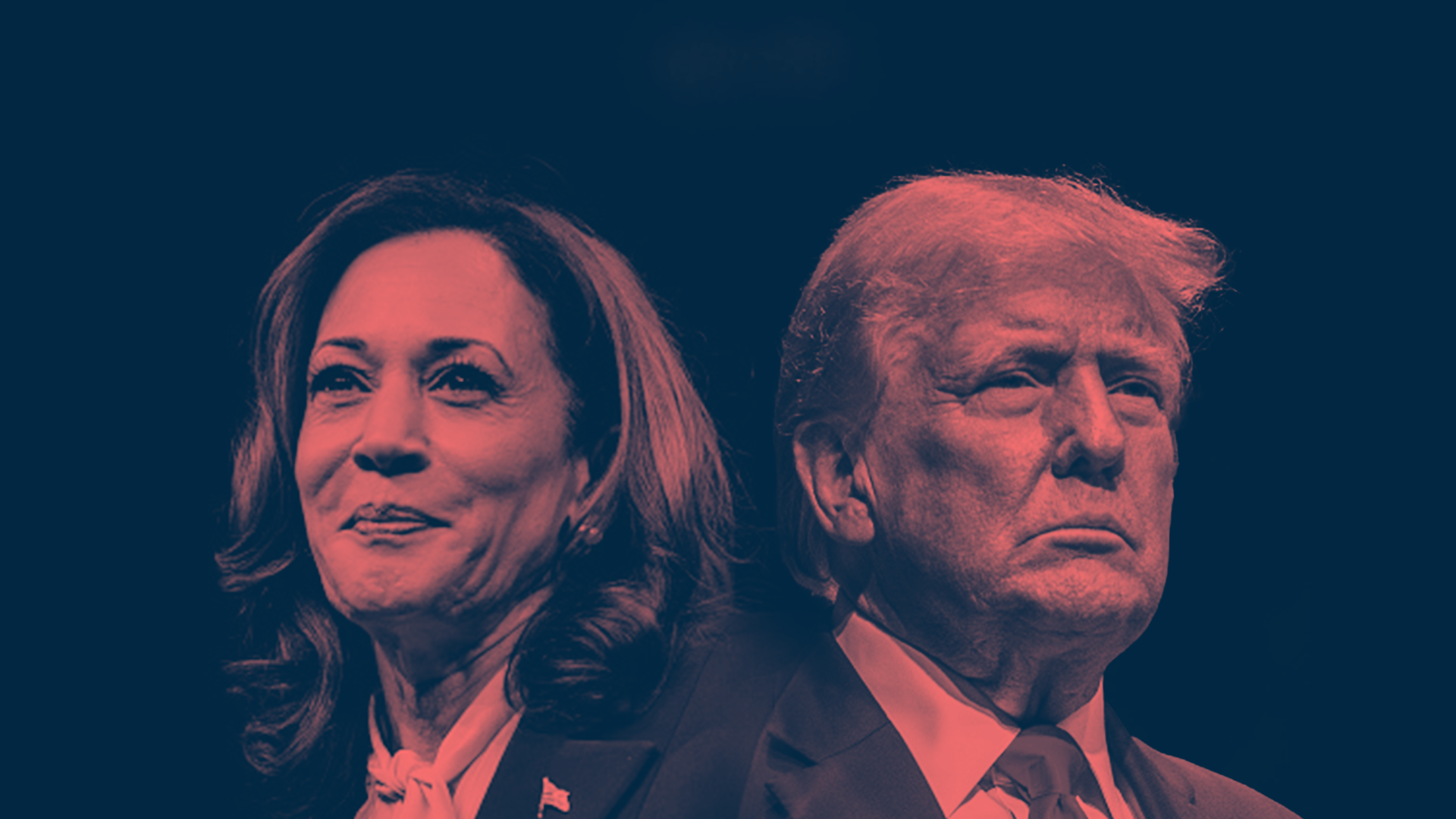
The two leading presidential candidates in America’s 2024 election have made statements and established track records on the Middle East based on their time in office. This document aims to highlight the most important and reliable positions staked out by former President Donald Trump and current Vice President Kamala Harris.
Defense Rapid Reaction: Israel expands its war aims to neutralize Hezbollah
In the latest installment of the Defense Rapid Reaction series, experts from MEI’s Defense & Security Program provide their views on the likely evolution of the Israeli-Hezbollah war, the potential for the conflict to draw in outside actors, as well as the impact of the war on global terrorist recruitment and appeal for extremist activities.
Hezbollah and Iran’s calculus as the conflict with Israel heats up
The deadly, back-to-back pager/two-way radio attacks against Hezbollah, which killed dozens and wounded thousands of its operatives, undoubtedly signaled a new phase in the intense cross-border exchanges between the group and Israel.
In a high-risk move, Israel ramps up escalation against Hezbollah
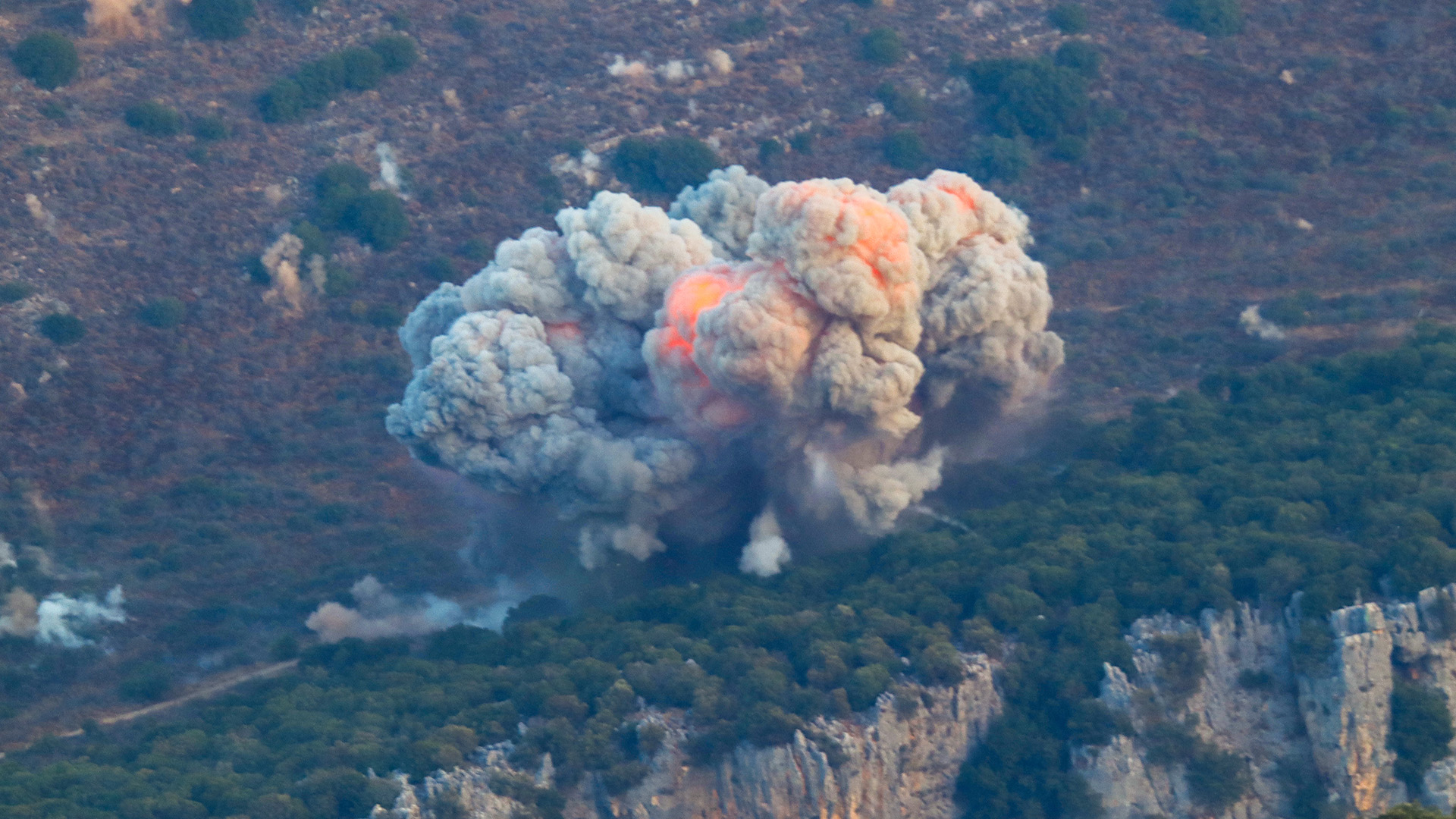
Over the past few days, the conflict between Israel and Hezbollah has entered a precarious new phase, with Israel carrying out both unconventional attacks and heavy airstrikes against the Iran-backed Lebanese militant group, while Hezbollah has responded with an increase in retaliatory fire.
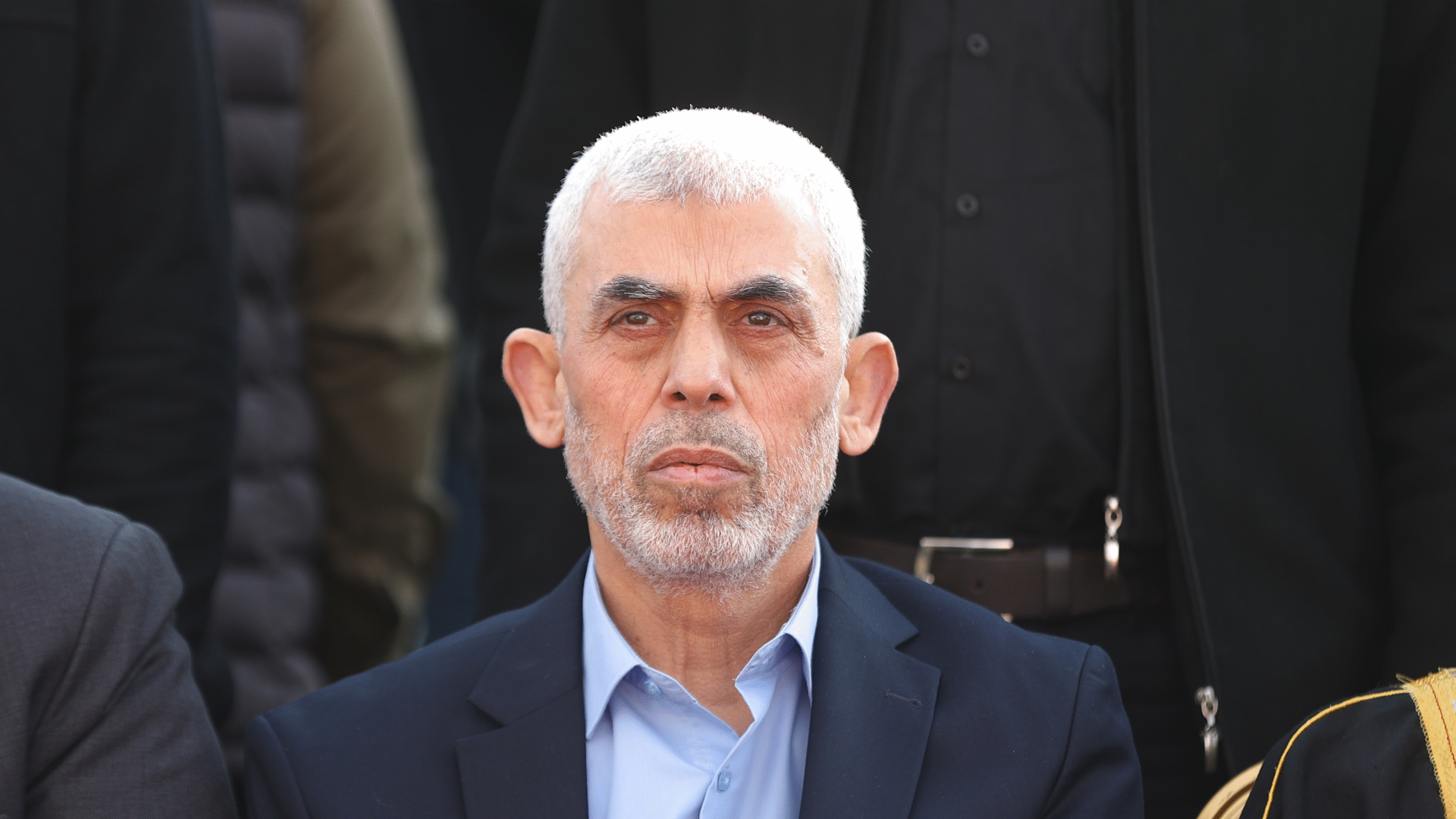
For nearly two decades, Palestinian leadership has been fractured. Along with a basic division between Hamas in Gaza and the Palestinian Authority in the West Bank, numerous other groups have competed for influence. In late July, leaders of all 14 Palestinian political factions, including Fatah and Hamas, met in Beijing to issue a call for national unity.
Brokering a solution to the Libyan Central Bank crisis
The ongoing effort by various factions in Libya to gain control of the Central Bank of Libya (CBL) poses a clear and present danger for the entire country, threatening its safety and security as well as its economy.