Mirette Mabrouk, Joey Shea, and guest host Eliza Campbell discuss current political disputes over the Grand Ethiopian Renaissance Dam (GERD), cyber diplomacy, and the effects of climate change on the Horn of Africa.
The "Mediterranean Worlds Forum”: France’s continued pursuit of leadership in the Mediterranean
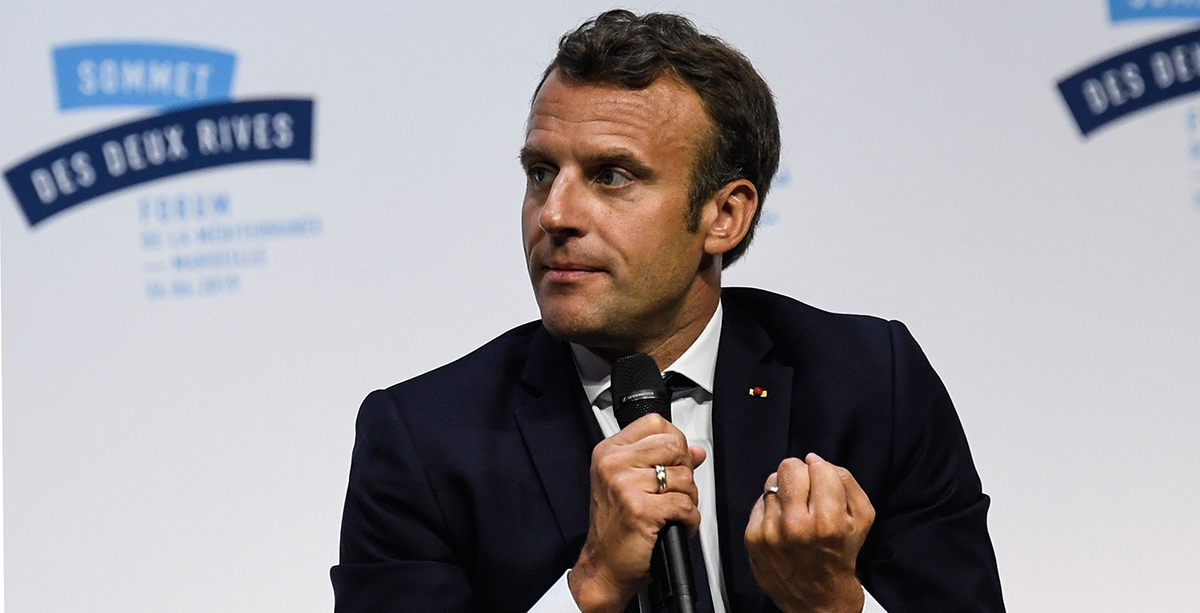
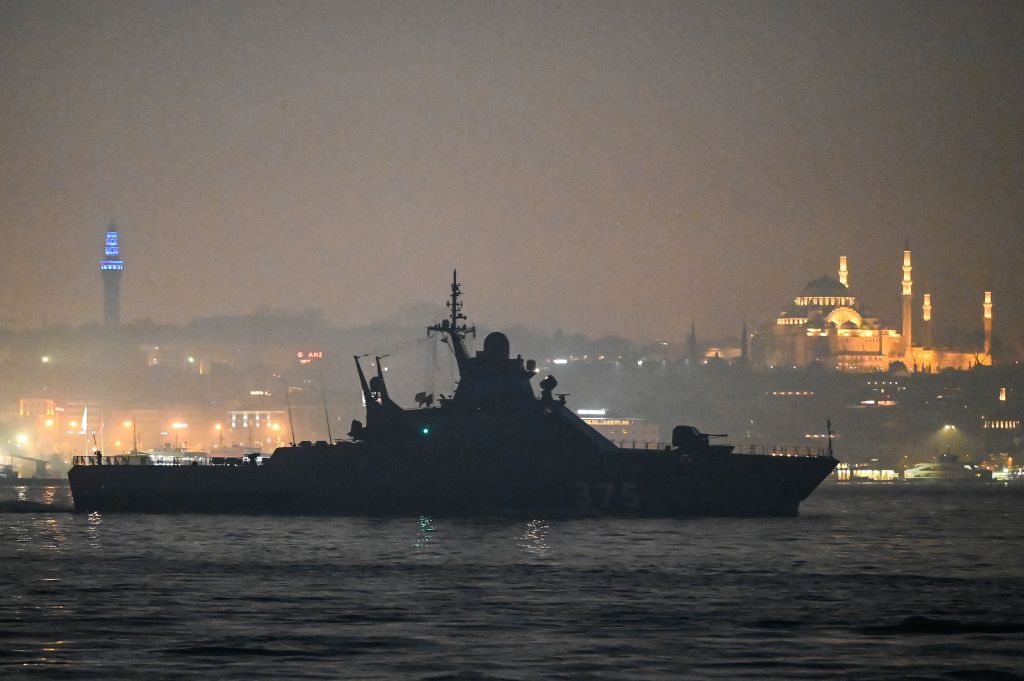
On Feb. 7 and 8, France hosted the “Mediterranean Worlds Forum” in Marseille, following on the heels of the 2019 “Summit of the Two Shores, Mediterranean Forum.” These meetings have the stated goal of “giving new momentum” to relations in the western Mediterranean and illustrate Paris’s push to renew its leadership role in the region.
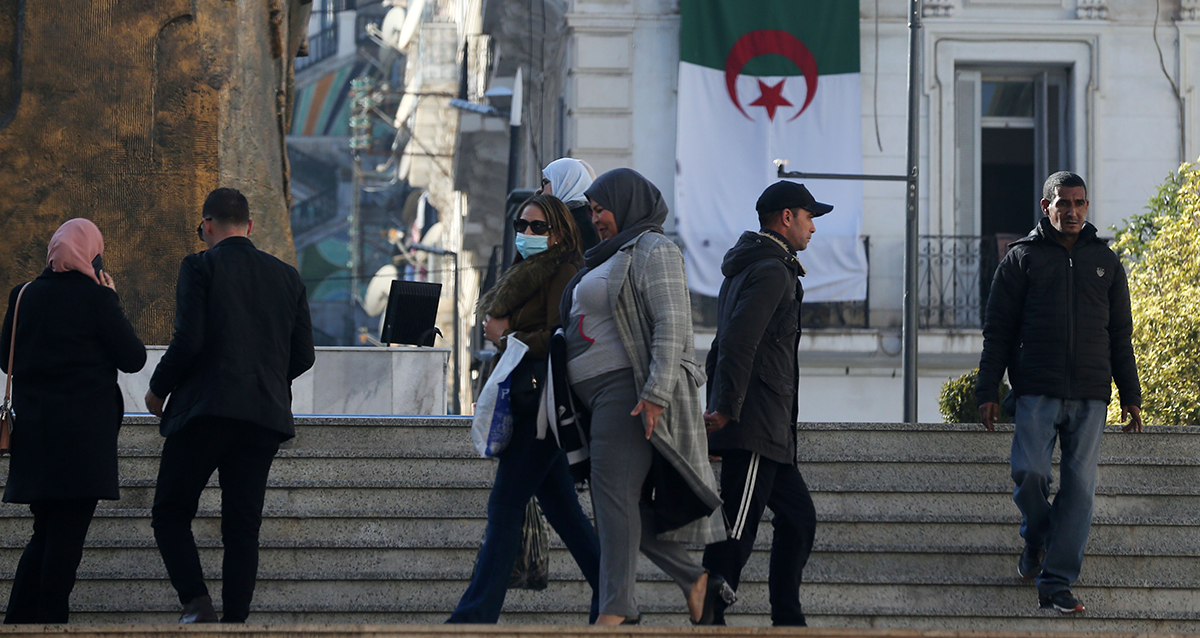
Given capacity constraints, Algeria is no quick fix for Europe’s Russian gas concerns
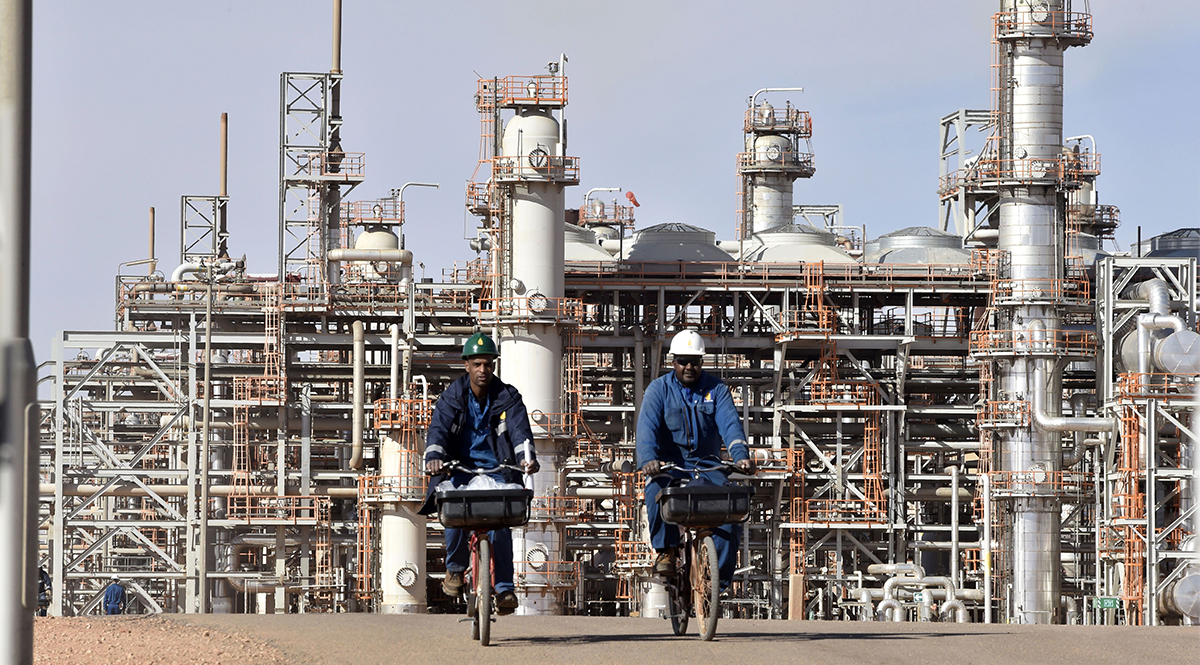
While Europe might be ready for more Algerian gas as it looks to diversify its suppliers, Algeria’s current production capacity limits its ability to substantially increase export volumes to Europe. As of now, any meaningful increases in Algerian production will require years of exploration and development and more crucially, further energy industry reforms to attract new investment.
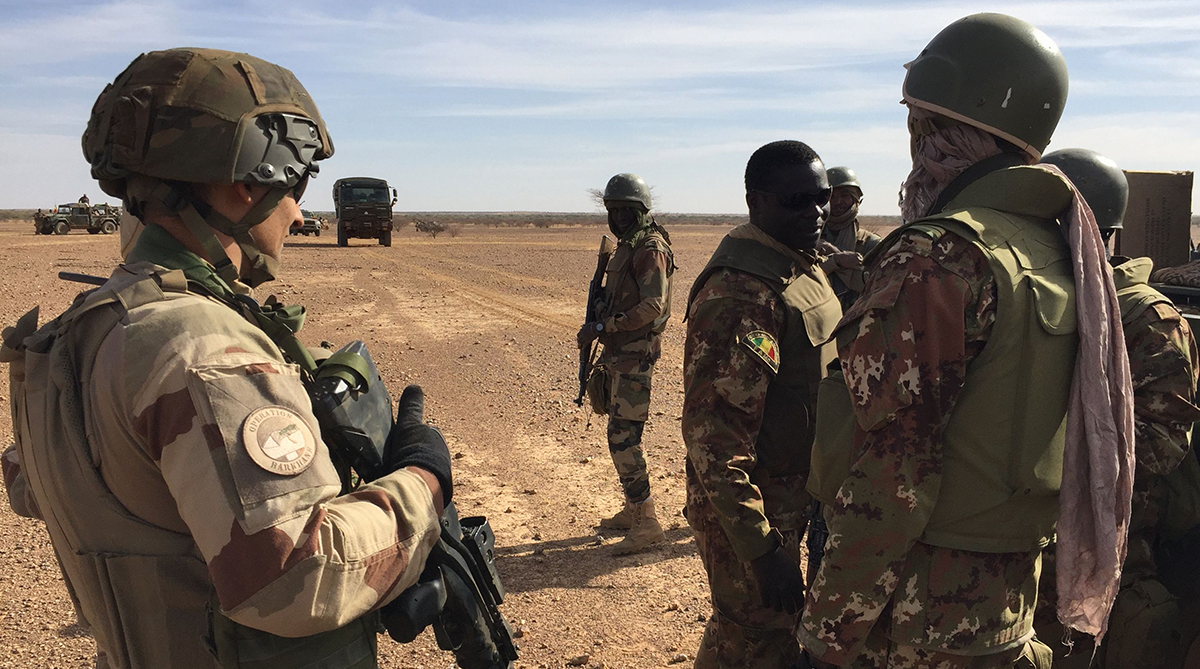
On Feb. 17, French President Emmanuel Macron announced the coming withdrawal of French armed forces from Mali. The decision put an end to nine years of French military intervention in the West African country.
Algeria rings in the old: Civil society under assault
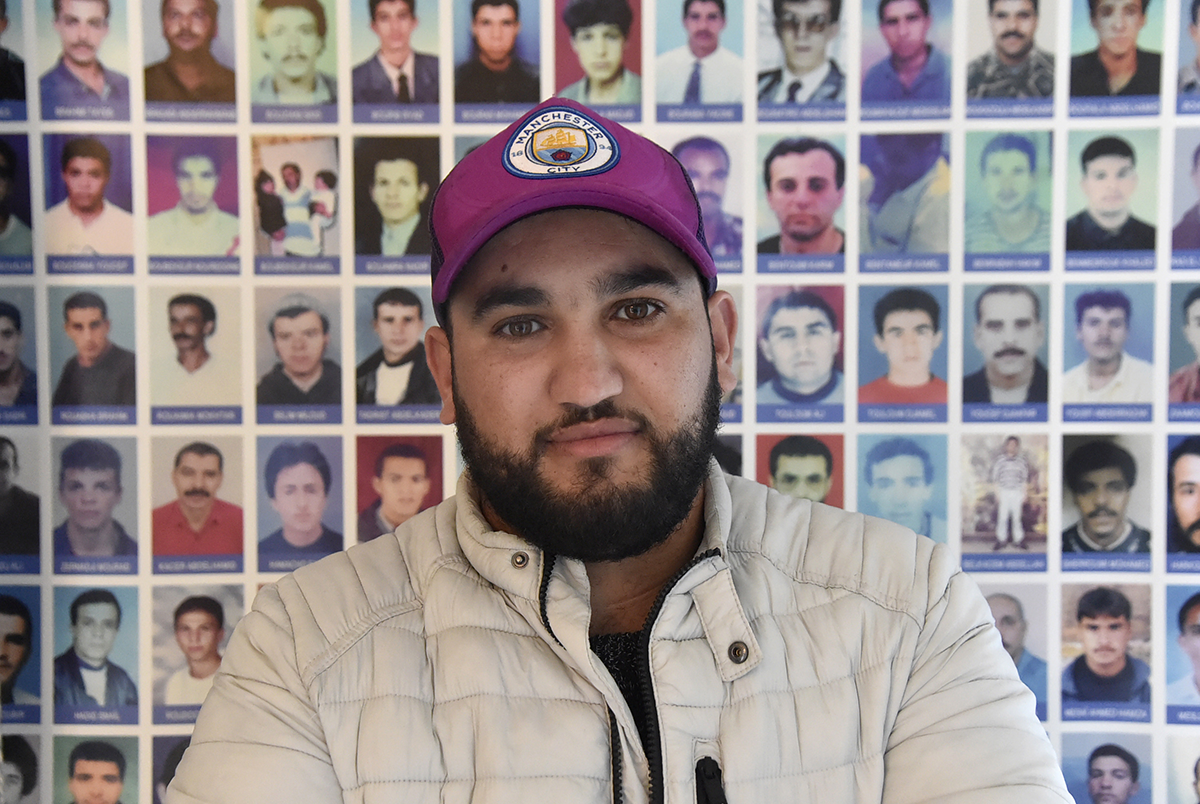
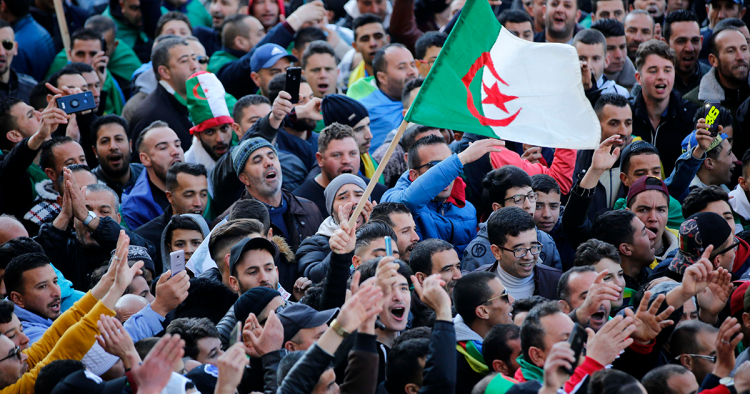
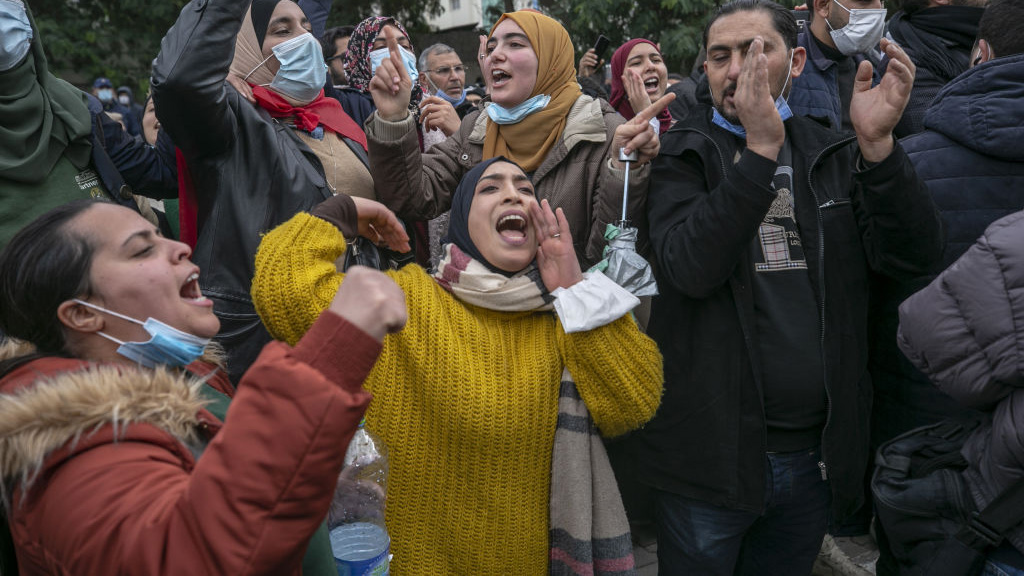
The Algerian authorities are intensifying repression against the last voices of dissent, hoping to put an end to the Hirak once and for all. Human rights in Algeria are under serious threat; the pattern toward a more authoritarian, less competitive regime is clear.
Algeria’s opposition after the Hirak: Limitations and divisions
The gradual fading out of protests in 2020 amid the surge of the pandemic was the result of both the system’s political maneuvers and the opposition’s own organizational and political weaknesses.
Struggle over legitimacy in Libya begins third period of dueling governments
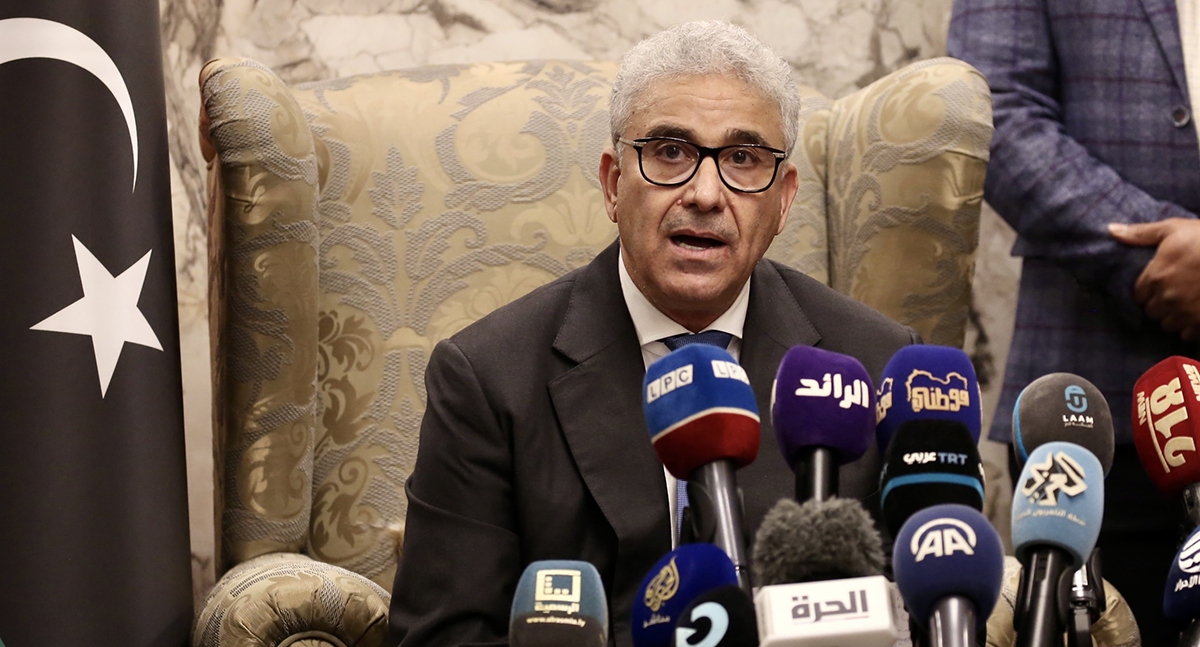
With the election on Feb. 10, 2022 by the Libyan House of Representatives of Misratan Fathi Bashagha as its choice to become the country’s new prime minister, Libya has entered a new, third round of two governments contesting each other’s legitimacy.
Algeria’s recurring food crises: The sign of an ailing economy
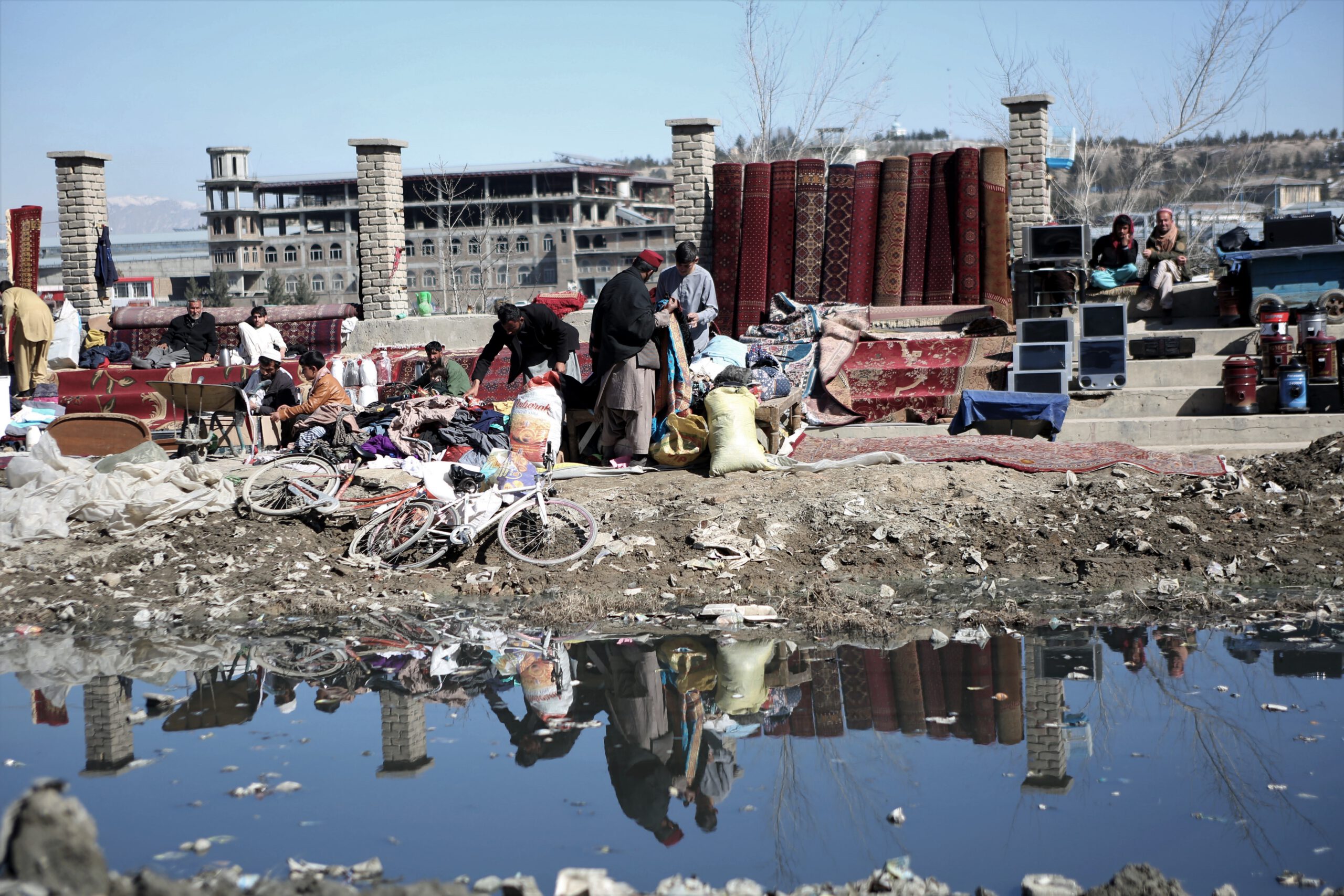
Beset by severe socioeconomic grievances, Algeria is now facing the most challenging economic situation since the 1988 October Riots, when thousands of young people took to the streets to protest an economic crisis caused by the decline in oil prices, austerity measures, and a youth bulge that led to mass unemployment. The latest food shortages are not the first, however, and given the administration’s current approach, they are unlikely to be the last. While the authorities have blamed business owners and even consumer behavior for the crisis, the underlying drivers are more systemic and structural.
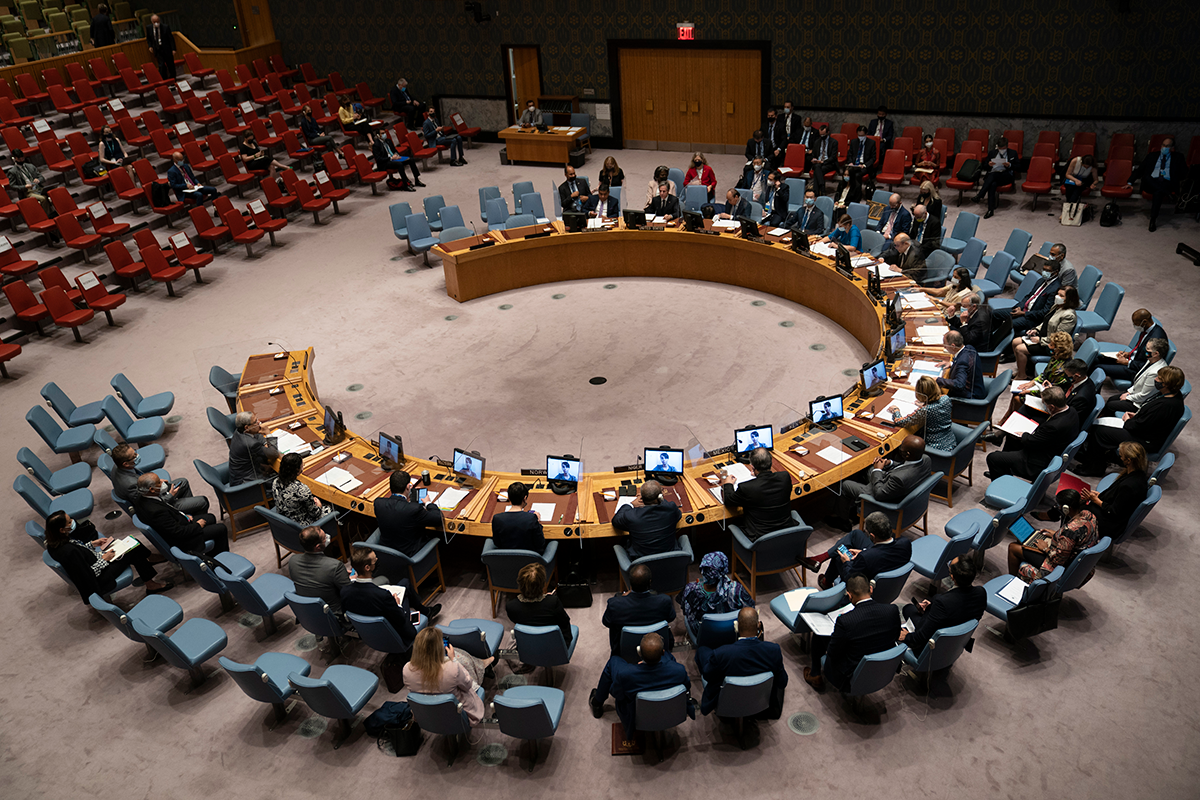
On Dec. 13, 2021, at a United Nations Security Council (UNSC) meeting, a draft resolution that would have recognized climate change as a security threat was rejected. The resolution, co-sponsored by Niger and Ireland, would have incorporated climate change as a security risk within the U.N. framework of conflict prevention strategies. What are the potential implications of this and what comes next? We asked seven experts to weigh in with their thoughts.
Iran to remain a key partner for Ethiopia in the Tigray conflict
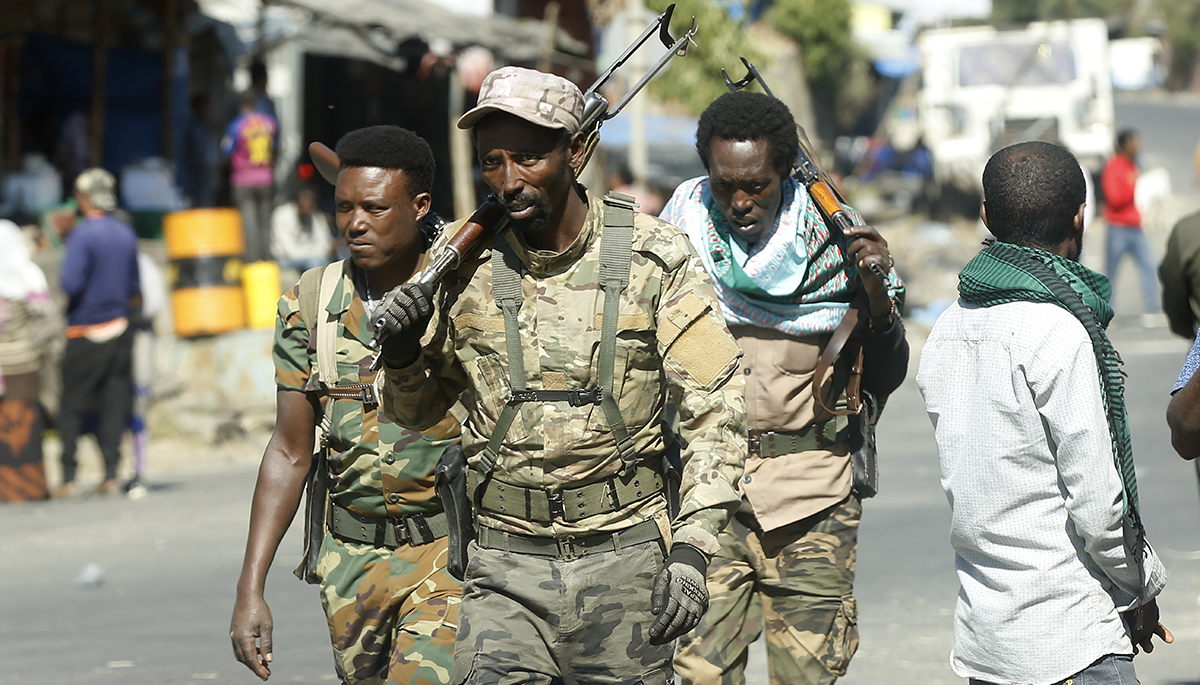
Ethiopia is Iran’s gateway to the Horn of Africa and the broader East Africa region. By helping Ethiopia in its ongoing conflict with the rebel Tigray Defense Forces, which represent the Tigray ethnic minority, Iran is preserving its so-called strategic depth in the region to bolster its influence.
President Saied’s campaign of arrests raises troubling questions about Tunisia’s trajectory
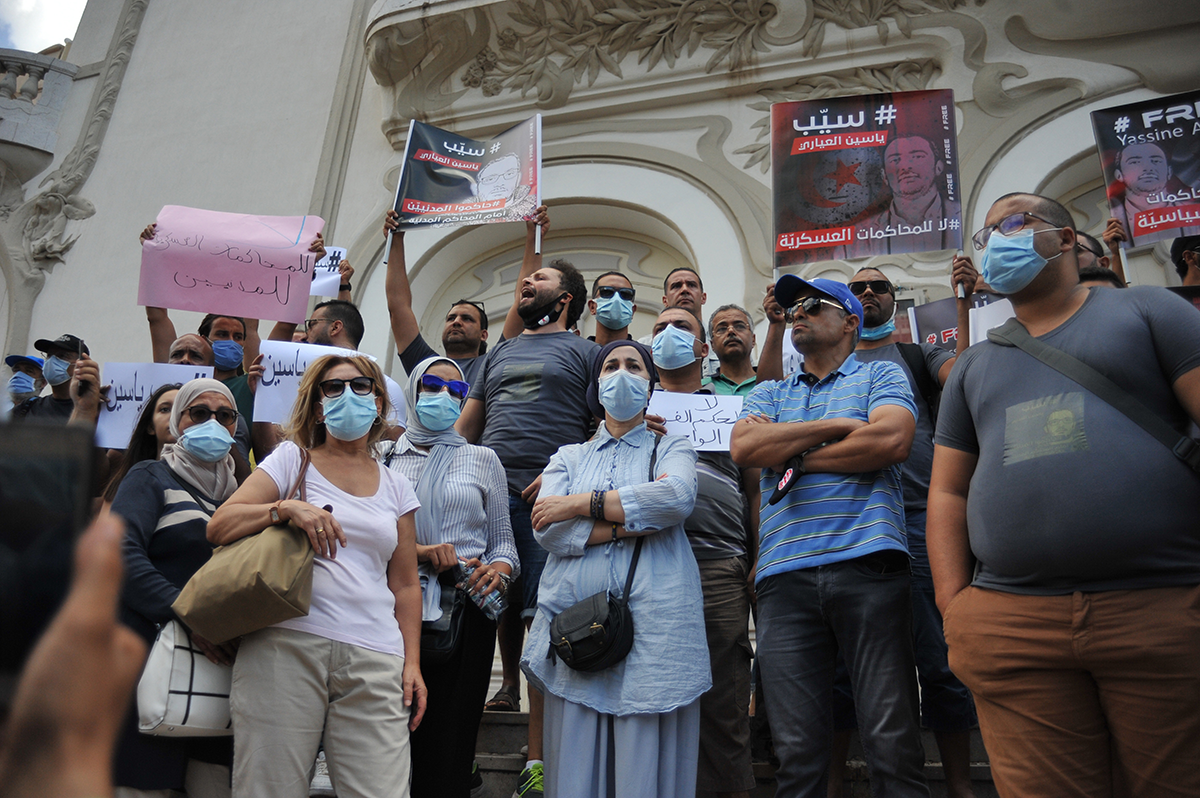
Tunisian President Kais Saied’s campaign of arrests evolves from high-profile house arrests of leading figures to convictions of ordinary people on defamation charges.