Understanding Gaza: Lessons for the "day after" and beyond
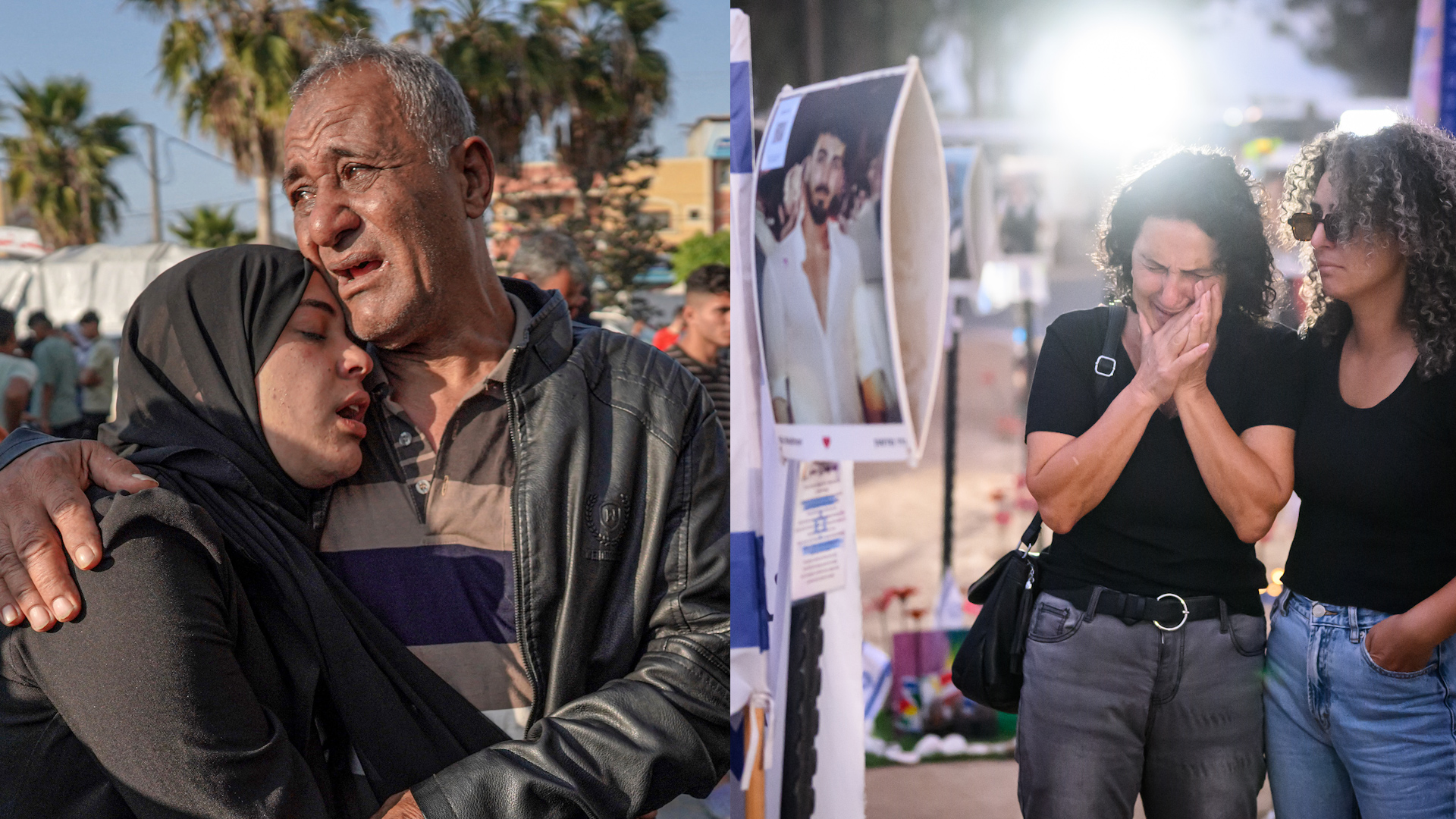
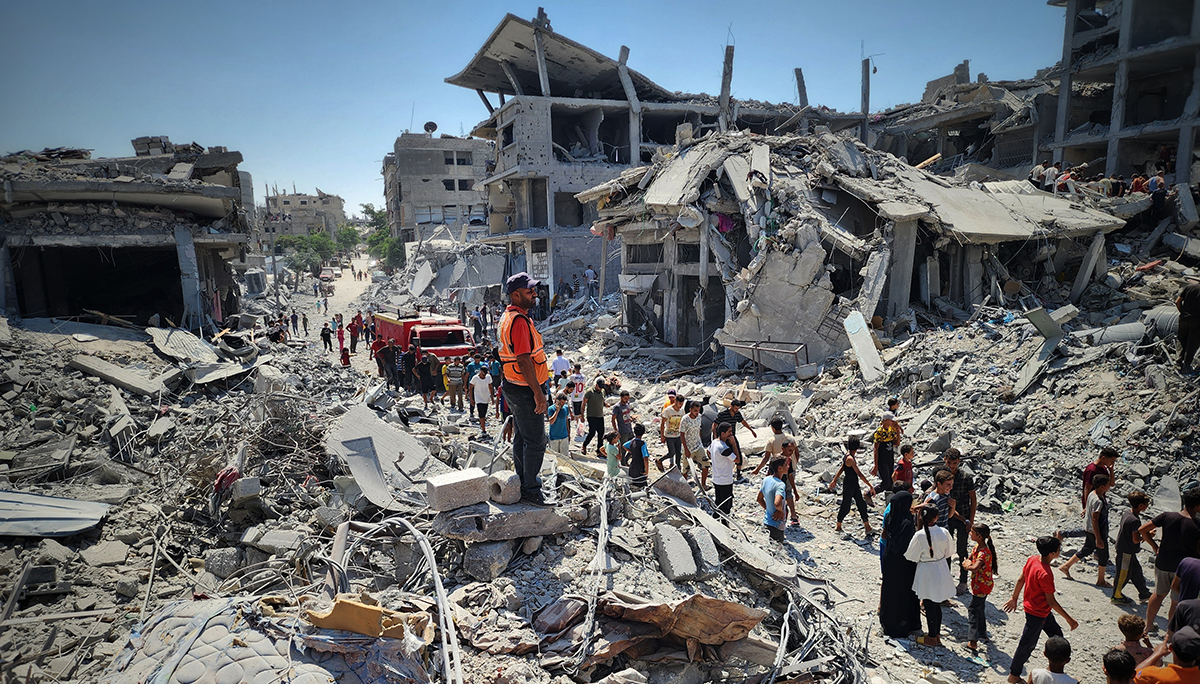
The devastating details of what has happened in Gaza since the war started have been widely covered. Absent from the discussion, however, are questions about what led to the war, what went wrong on the policy front, and, more importantly, whether this man-made tragedy could have been averted. Without understanding Gaza, plans for the “day after” may very well result in the further mismanagement of the already devastated enclave.
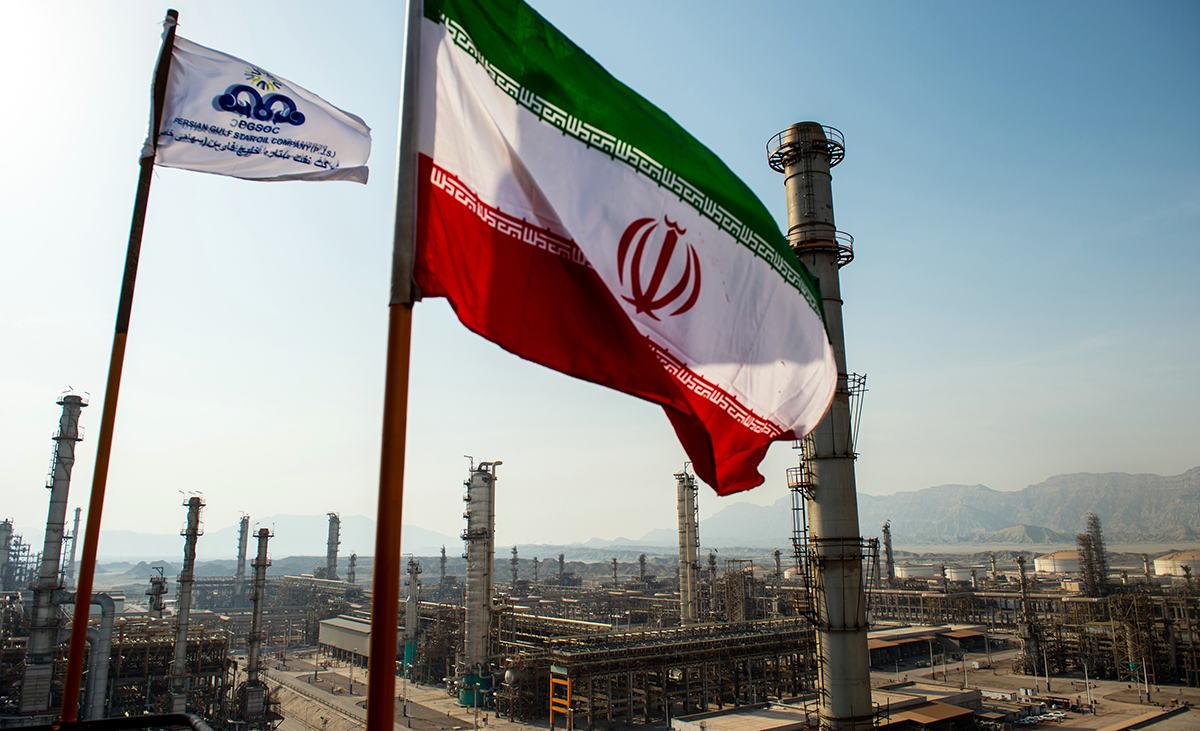
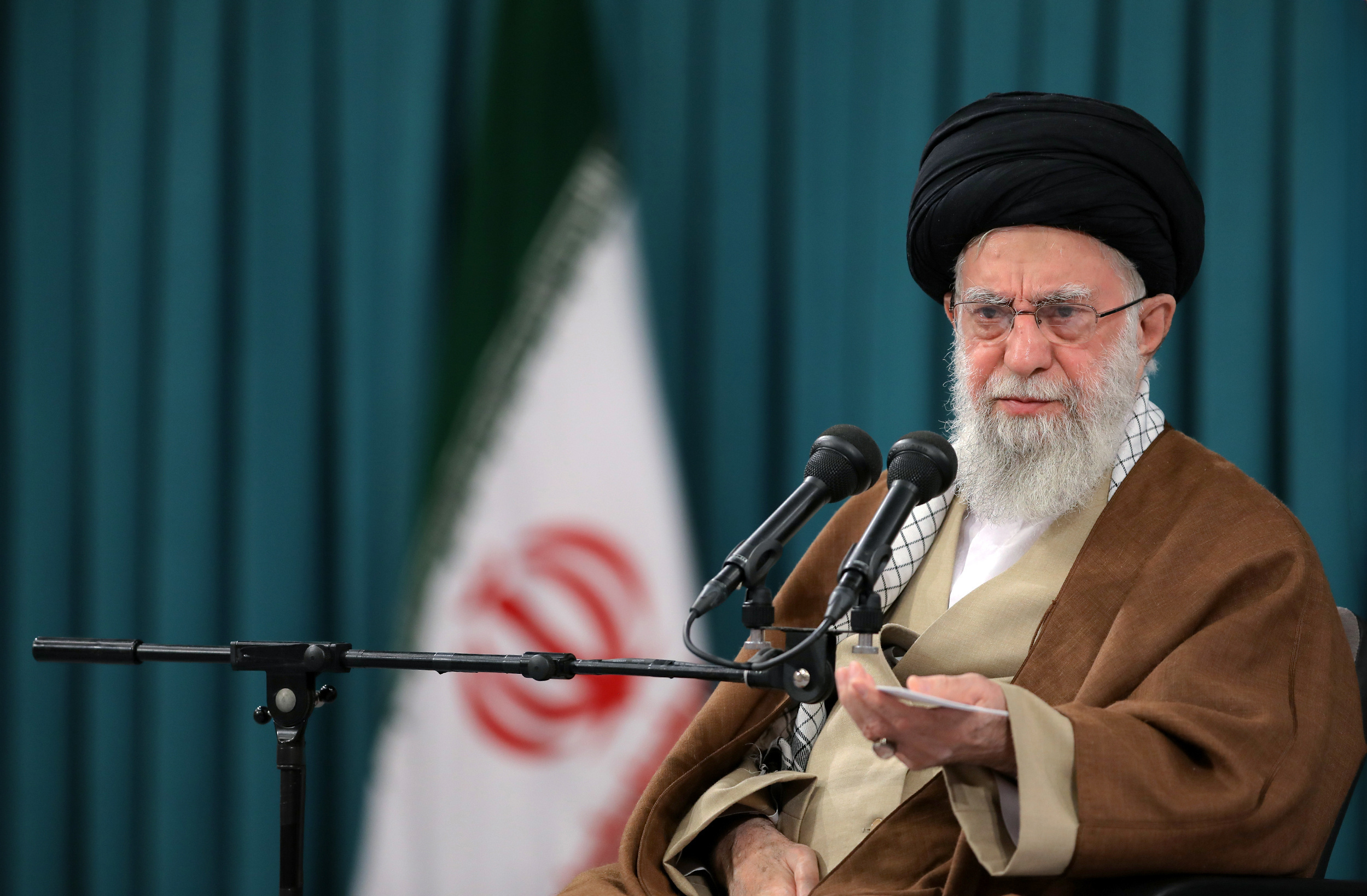
After Iran’s second direct missile attack on Israel in less than six months, all eyes are on Israel’s next move. Reports suggest that Jerusalem plans a massive revenge that might include striking Iran’s oil and nuclear facilities and other strategic sites.
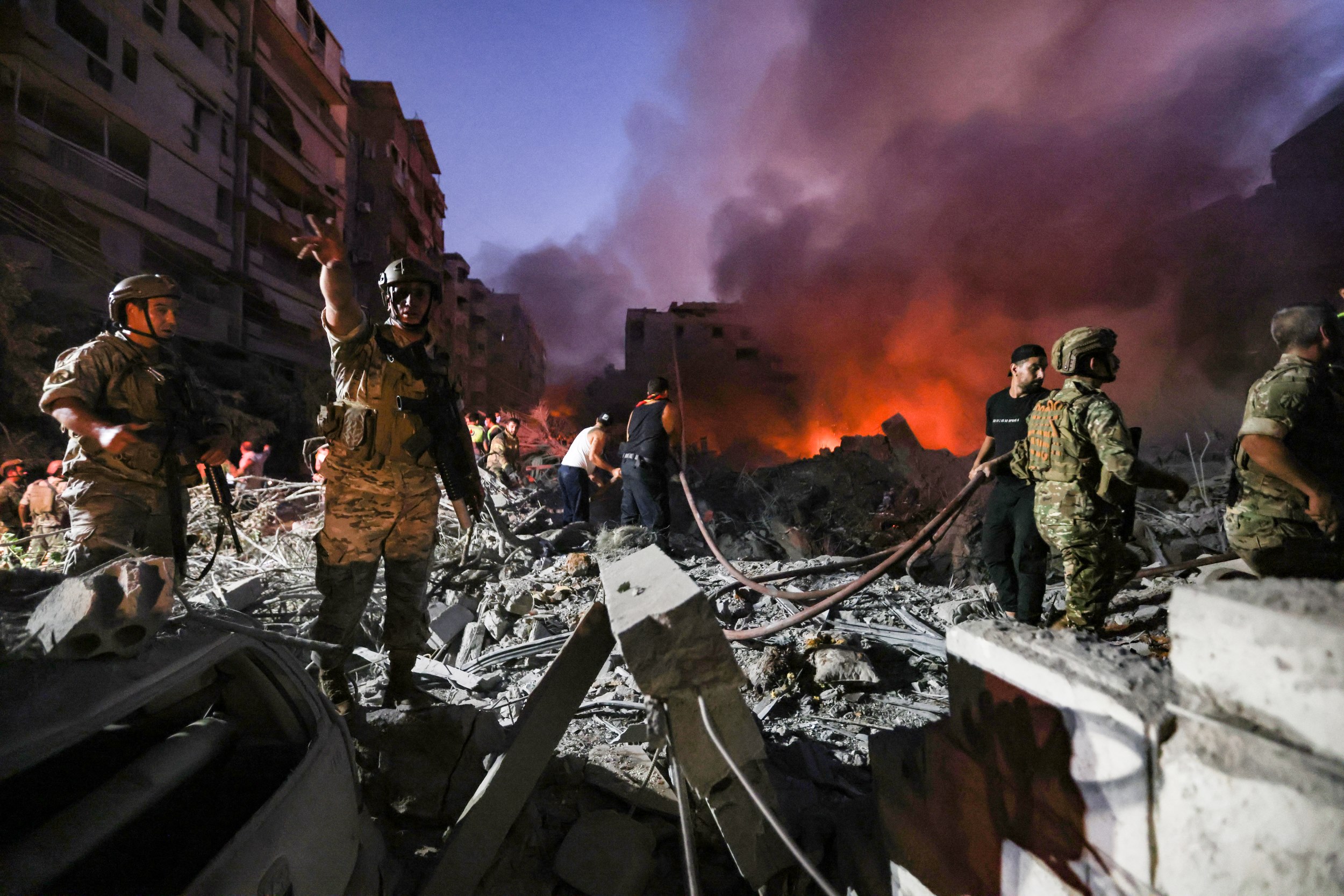
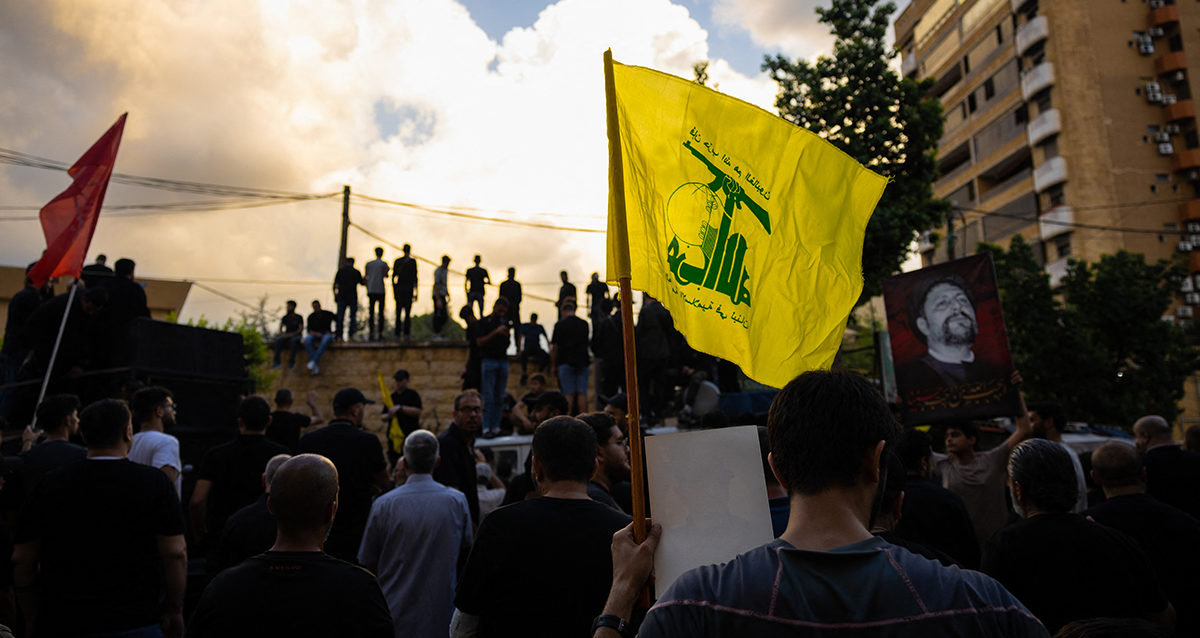
The killing of Hezbollah Secretary-General Hassan Nasrallah along with the rapid degradation of Hezbollah’s power over the past two weeks signals a tectonic shift in the Middle East.
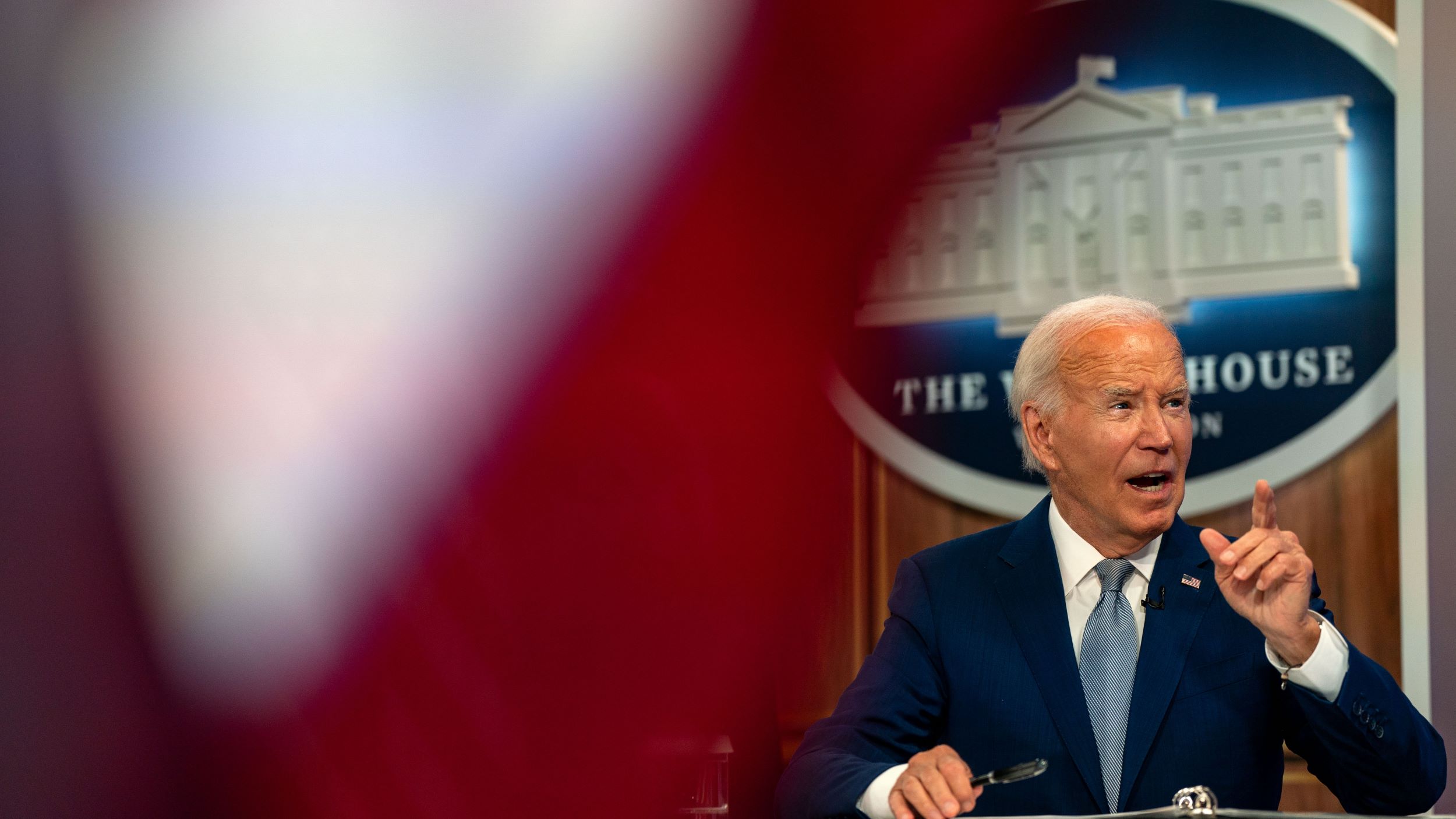
The two leading presidential candidates in America’s 2024 election have made statements and established track records on the Middle East based on their time in office. This document aims to highlight the most important and reliable positions staked out by former President Donald Trump and current Vice President Kamala Harris.
Defense Rapid Reaction: Israel expands its war aims to neutralize Hezbollah
In the latest installment of the Defense Rapid Reaction series, experts from MEI’s Defense & Security Program provide their views on the likely evolution of the Israeli-Hezbollah war, the potential for the conflict to draw in outside actors, as well as the impact of the war on global terrorist recruitment and appeal for extremist activities.
Hezbollah and Iran’s calculus as the conflict with Israel heats up
The deadly, back-to-back pager/two-way radio attacks against Hezbollah, which killed dozens and wounded thousands of its operatives, undoubtedly signaled a new phase in the intense cross-border exchanges between the group and Israel.
In a high-risk move, Israel ramps up escalation against Hezbollah
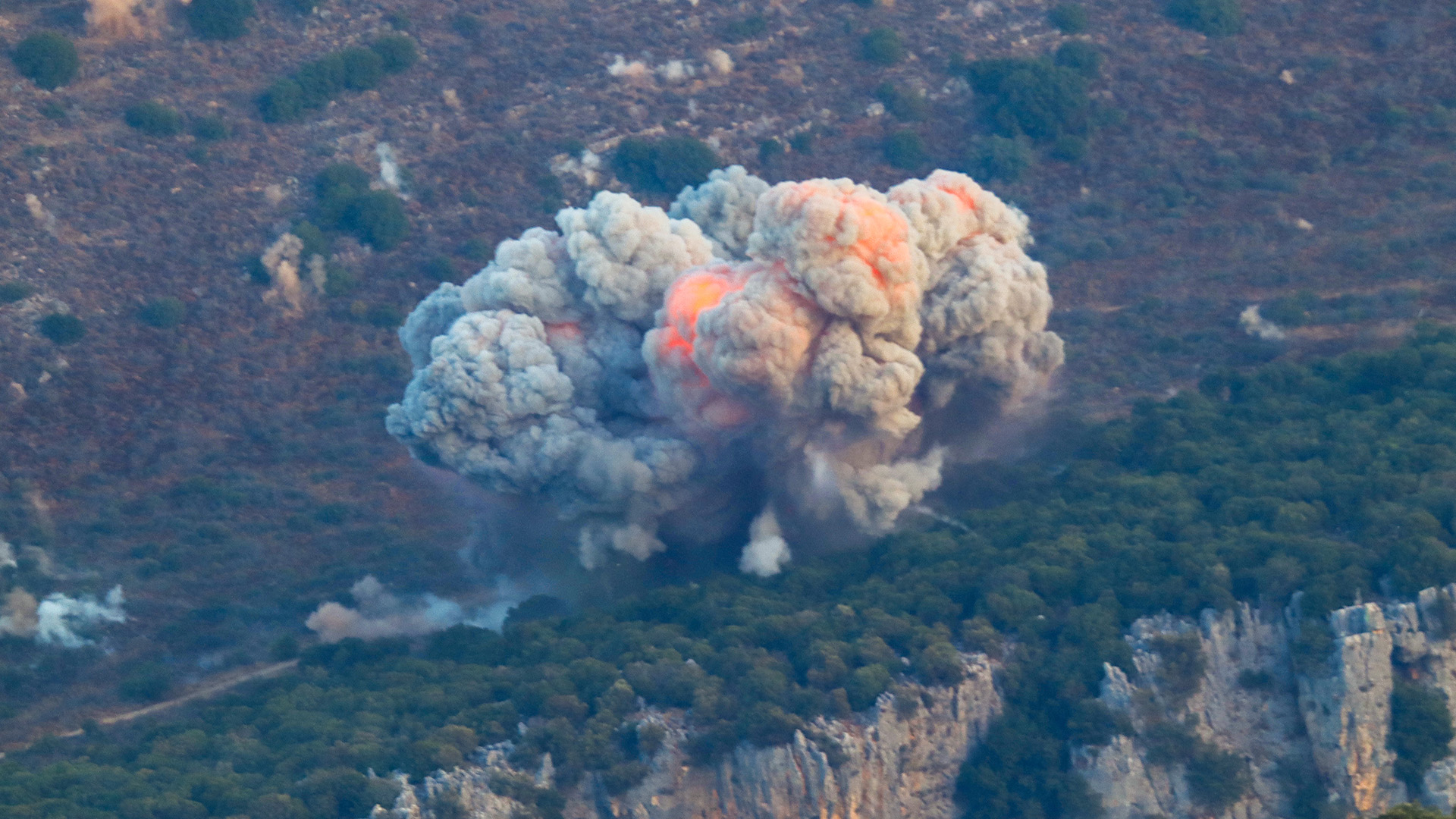
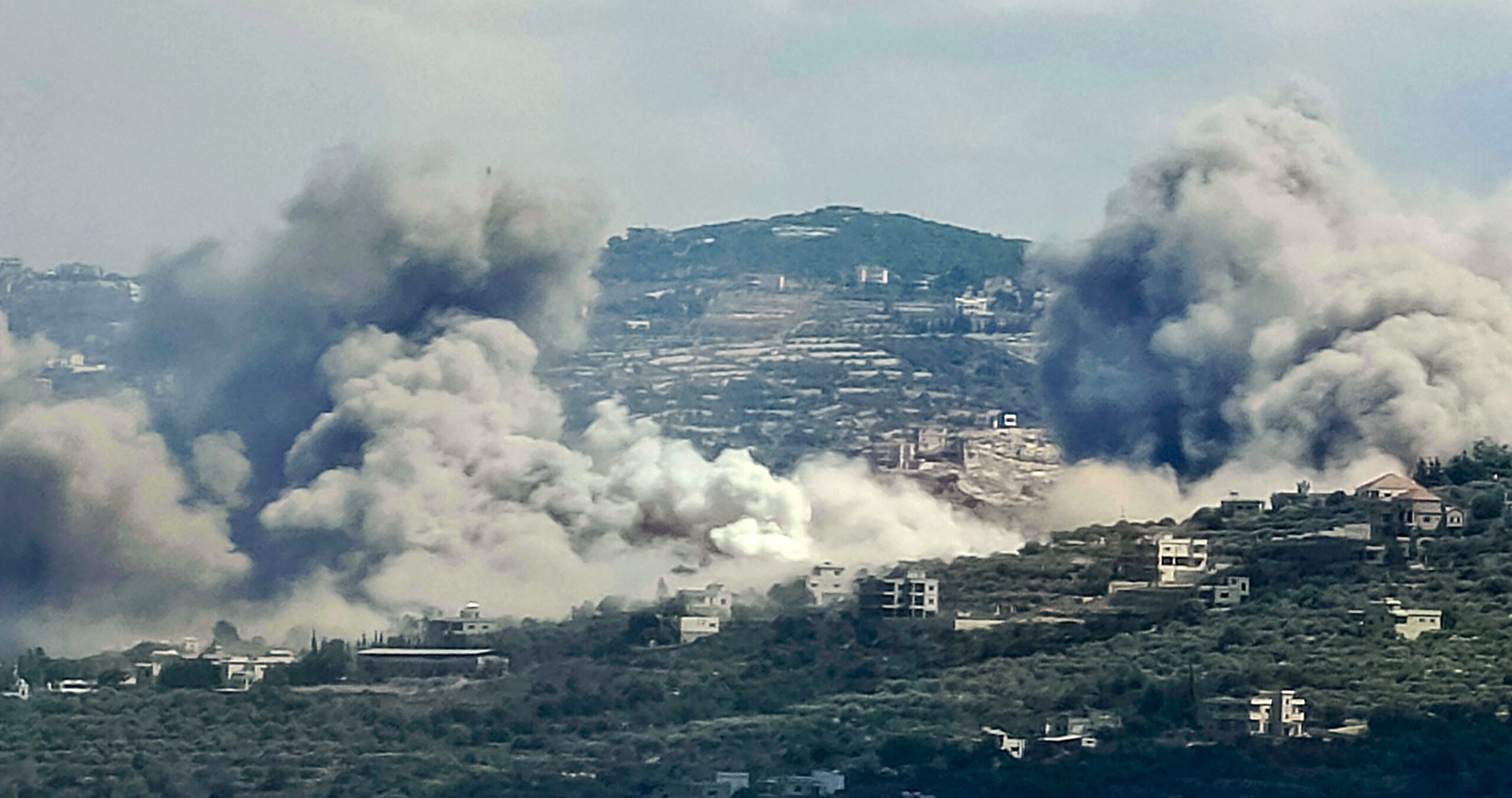
Over the past few days, the conflict between Israel and Hezbollah has entered a precarious new phase, with Israel carrying out both unconventional attacks and heavy airstrikes against the Iran-backed Lebanese militant group, while Hezbollah has responded with an increase in retaliatory fire.
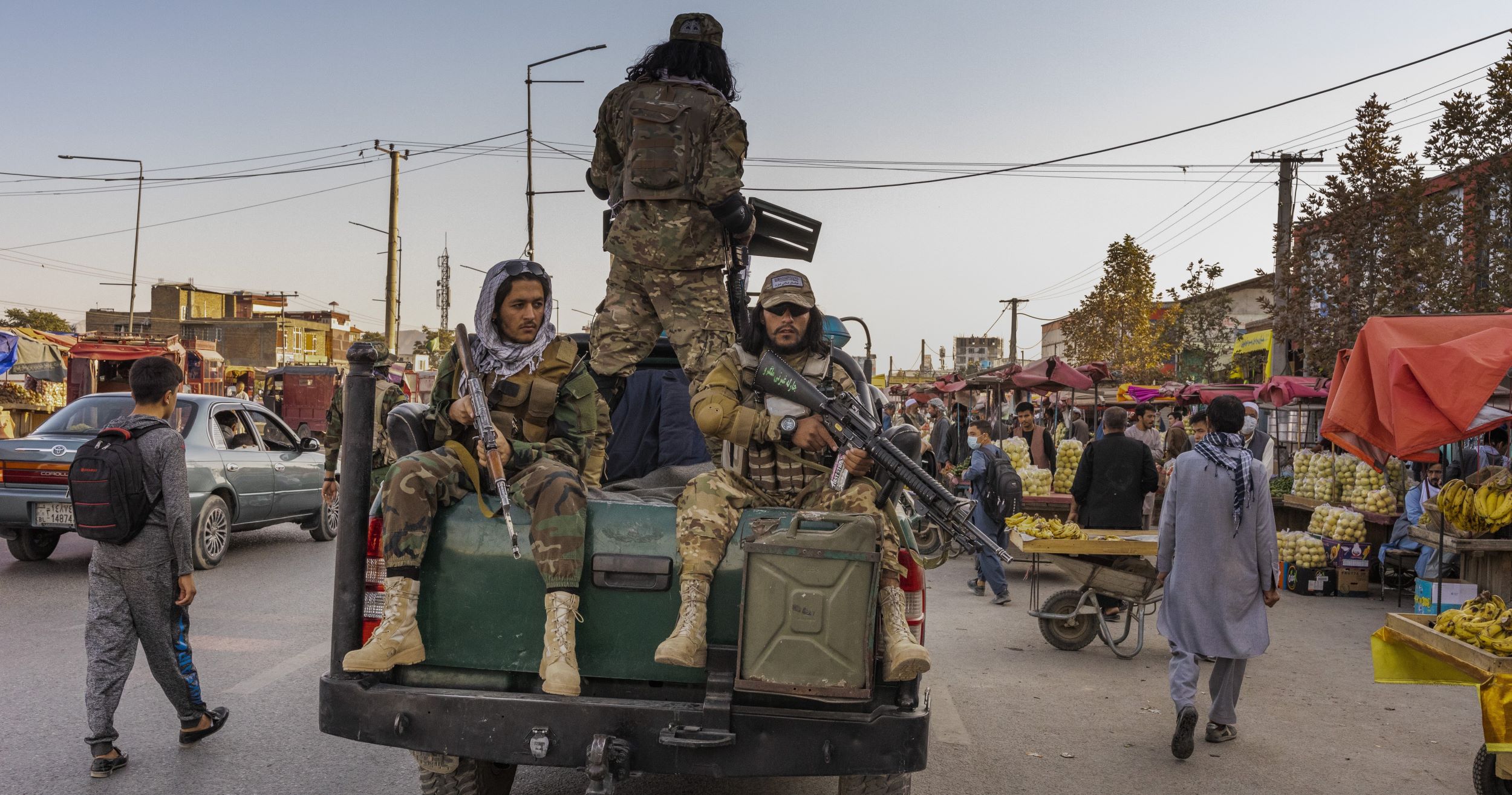
Navigating the shadows: Afghanistan’s terrorism landscape three years after the US withdrawal and its international implications
Three years since the US and allied withdrawal from Afghanistan, the facts on the ground challenge some more optimistic depictions of the Taliban’s counterterrorism cooperation with the US, al-Qaeda’s reemergence, or the capacity of ISKP to direct external attacks that could threaten American interests.