This Opinion was first published on Reuters.com on October 11, 2012
Assertions and opinions in this policy paper are solely those of the above-mentioned author(s) and do not necessarily reflect the views of the Middle East Institute, which expressly does not take positions on Middle East policy.
Turkey and the Regional Dynamics of the Syrian Crisis
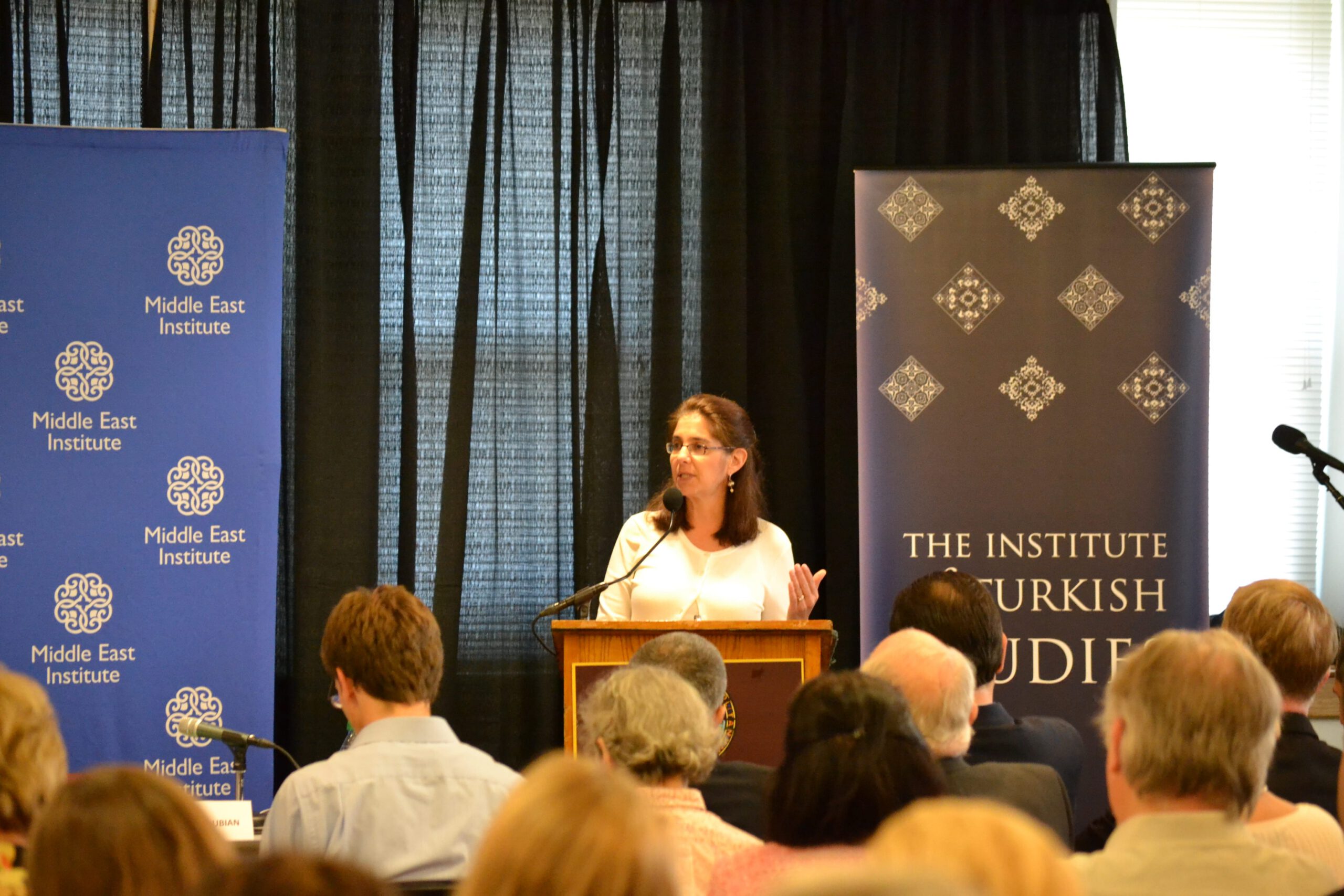
Turkey and the Regional Dynamics of the Syrian Crisis Denise Natali, Omer Taspinar, Mona Yacoubian, Gonul Tol 27 September, 2012 Podcast 31This is the second of four events in a joint lecture series by Middle East Institute’s Center for Turkish Studies and the Institute of Turkish Studies at Georgetown University.
Turkey and the Regional Dynamics of the Syrian Crisis
Turkey and the Regional Dynamics of the Syrian Crisis Denise Natali, Omer Taspinar, Mona Yacoubian, Gonul Tol 27 September, 2012 Podcast 31This is the second of four events in a joint lecture series by Middle East Institute’s Center for Turkish Studies and the Institute of Turkish Studies at Georgetown University.
Turkey and the Regional Dynamics of the Syrian Crisis
Turkey and the Regional Dynamics of the Syrian Crisis Denise Natali, Omer Taspinar, Mona Yacoubian, Gonul Tol 27 September, 2012 Podcast 31This is the second of four events in a joint lecture series by Middle East Institute’s Center for Turkish Studies and the Institute of Turkish Studies at Georgetown University.
Turkey and the Regional Dynamics of the Syrian Crisis
Turkey and the Regional Dynamics of the Syrian Crisis Denise Natali, Omer Taspinar, Mona Yacoubian, Gonul Tol 27 September, 2012 Podcast 31This is the second of four events in a joint lecture series by Middle East Institute’s Center for Turkish Studies and the Institute of Turkish Studies at Georgetown University.
Turkey and the Regional Dynamics of the Syrian Crisis
Turkey and the Regional Dynamics of the Syrian Crisis Denise Natali, Omer Taspinar, Mona Yacoubian, Gonul Tol 27 September, 2012 Podcast 31This is the second of four events in a joint lecture series by Middle East Institute’s Center for Turkish Studies and the Institute of Turkish Studies at Georgetown University.
The first volume of the migration and the Arab World series dealt primarily with the trends in, consequences of, and policy responses to labor migration in the Gulf Cooperation Council (GCC) states since the “oil boom” period of the 1970s. This volume focuses on the countries of the Mashreq (i.e., Egypt and the Levant) as source and destination countries for various migrant groups, dating from the late 19th century up to the present day.
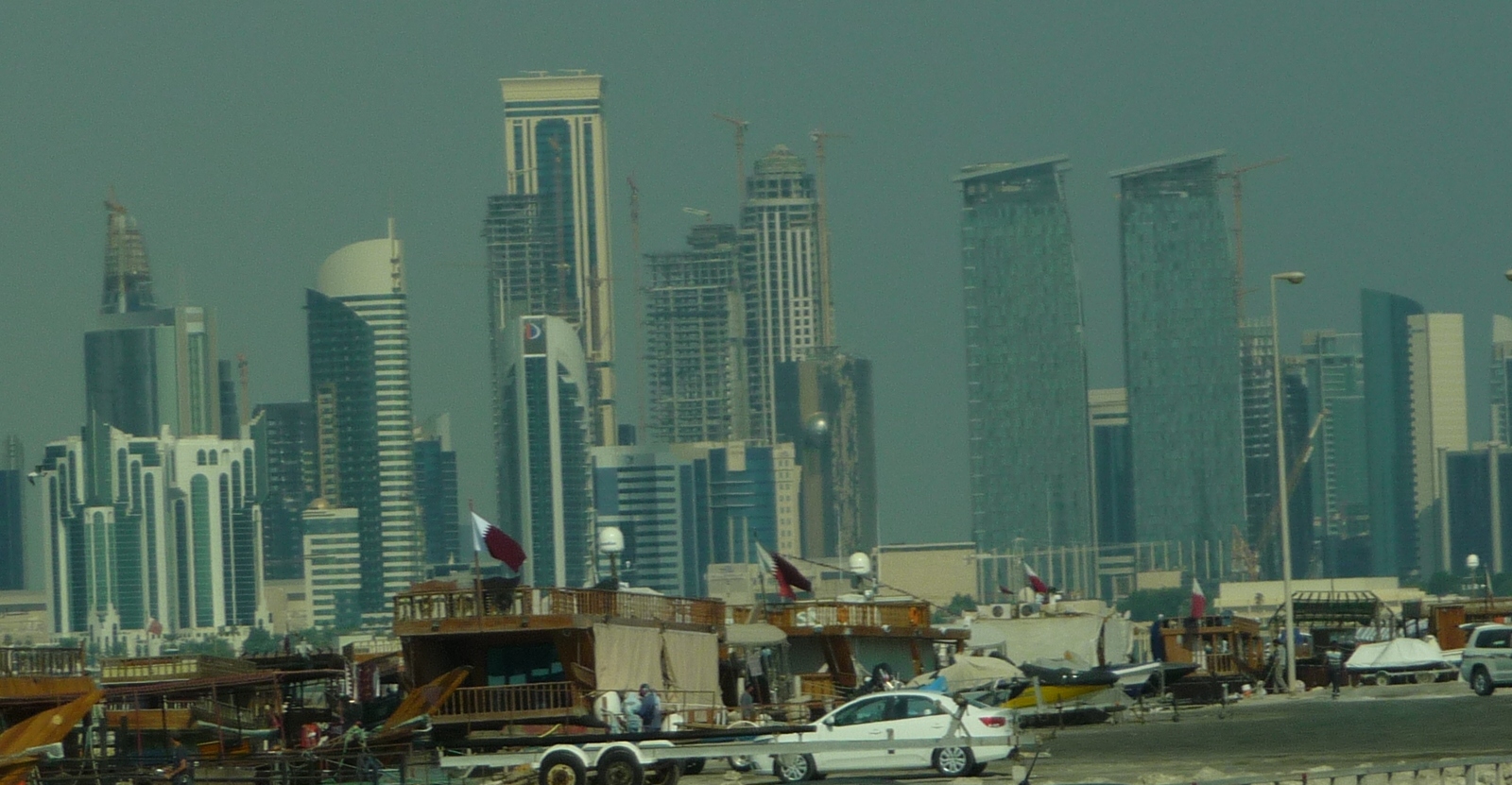
Higher Education Reform in the Arab World: The Model of Qatar
Higher education—and its successful reform—is essential to the long term stability and prosperity of the Arab world. The youth uprisings which triggered the Arab Spring in Tunisia and Egypt have highlighted the urgency of defusing the region’s ticking demographic time bomb: young, growing populations facing uncertain futures. To combat high unemployment and sluggish private sector growth, the Arab world must focus on building a knowledge society quickly in order to create three million more jobs annually than it currently generates, according to World Bank estimates.
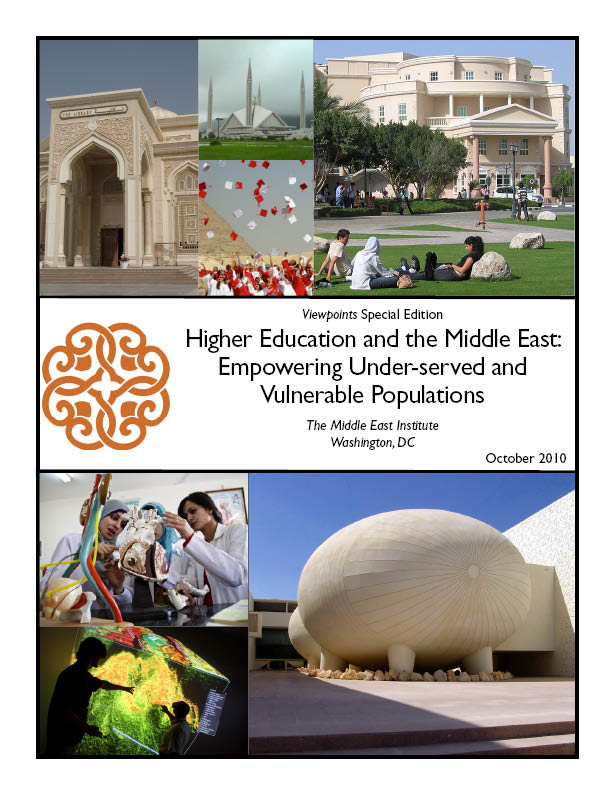
Introduction to Higher Education and the Middle East: Empowering Under-served and Vulnerable Populations
Originally posted October 2010
This second edition of the MEI Viewpoints series on Higher Education and the Middle East focuses on Empowering Under-served and Vulnerable Populations.