As the US Plans Its Exit, the Iraqis Find Reason to Worry
This Commentary was originally published as an op-ed in The National May 31, 2010.
‘What does the US want from Iraq?” This was the question of a university educator during a large gathering of Iraqi politicians, students, journalists and activists we met during a 10-day trip to Baghdad and Kurdistan sponsored by Washington’s Stimson Center earlier this month.
Brazil’s Embrace of the Iranian Government Will Only Embolden the Regime Internationally
This Commentary first appeared as an op-ed in the America's Quarterly Policy Journal, Spring 2010
Can Brazil play a significant role in containing Iran's nuclear ambitions? No.
Brazil’s self-perceptions and aspirations as an emerging global power are a key to understanding why the government of President Luiz Inácio Lula da Silva has chosen this particular moment in time to deepen ties with an Iranian regime that is facing crisis, both at home and abroad.
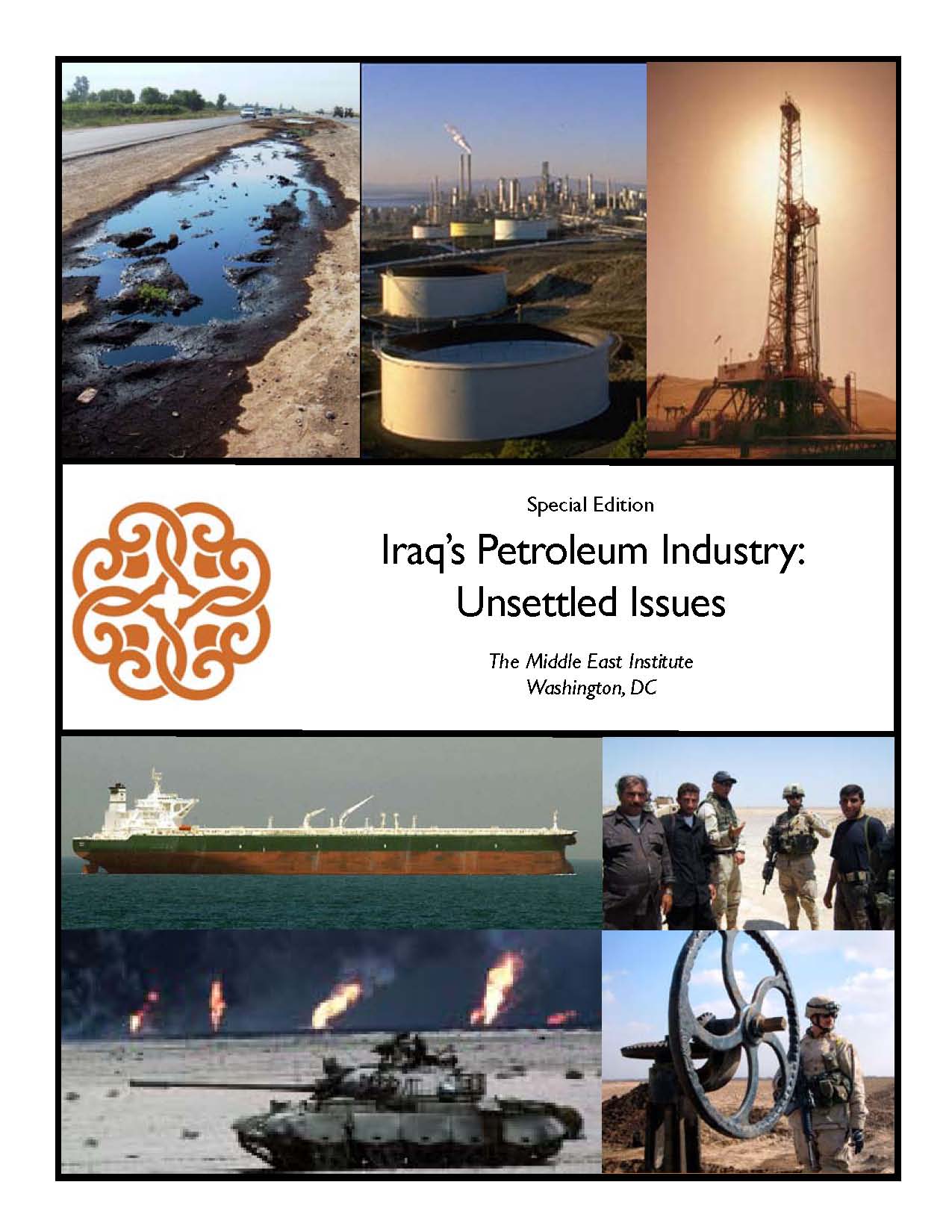
Iraq has the world’s third-largest oil reserves. However, the development of Iraq’s petroleum sector has been severely hampered by decades of war, sanctions, underinvestment, the exodus of scores of technocrats, and sabotage. Repairing Iraq’s oil infrastructure and expanding exploration, development, and production is of paramount importance to the country’s future. In June 2009, the Iraqi Oil Ministry embarked on an effort to help meet this challenge by offering service contracts to international oil companies (IOCs) in two rounds of tenders.
This Commentary first appeared as an op-ed in the The National, March 14, 2010.
Iraq’s parliamentary elections have just concluded, but the major political battles are about to begin. At stake is what kind of country Iraq will become. Will Iraq’s progress toward greater stability continue? Will it look east towards Tehran for support and encouragement, or to the United States and its fellow Arabs? The stakes are high, and no one can afford to remain uninterested while Iraq continues its dramatic political evolution.
Beyond Iraq’s National Elections: Planning a New Phase in American Policy
This Commentary is an adaptation of a longer piece published by the Institute for the Theory and Practice of International Relations at the College of William and Mary on February 25, 2010.
This Op/Ed was published first on February 3, 2010 by McClatchy Tribune.
The bipartisan Kerry Lugar Bill provides a multi-year, super-sized economic aid program to the people of Pakistan. This is the right approach to improved US-Pakistan relations. The majority of Pakistanis distrust the US because they believe we favor military dictators over civilian democrats and are quick to abandon promised economic aid programs once we have achieved our security goals.
Migrant Workers in Kuwait: The Role of State Institutions
The treatment of migrant domestic workers is one of the defining stories told about the Arab Gulf states. Every year hundreds of news media and human rights reports detailing migrant domestic workers’ experiences of exploitation and abuse circulate globally. The narratives of these accounts are remarkably consistent. They often begin with the story of an impoverished woman from the global South, who, in order to improve the situation of her family, migrates to the oil-rich Gulf states in search of work and a more prosperous future.
Omanization Policy and International Migration in Oman
The six states of the Gulf Cooperation Council (GCC)[1]have over five million migrant workers — one of the highest concentrations of migrant workers in the world. According to the World Migration Report (2003), 25% of the workers in Saudi Arabia, 65% in Kuwait, 67% in the UAE, and as much as 70% in Qatar are immigrants or non-nationals.
Secretary Clinton’s visit to Pakistan has been a serious attempt to use public diplomacy to help the troubled US Pakistan relations. Her reaching out to people with a mix of soft power and hard talk was refreshing. It is time to ‘clear the air’ she said. But a lot more work needs to be done in the realm of policy to bring about a meaningful change in the relationship. The problems between Pakistan and the United States, referred to as the “trust deficit” for want of a better word, are many and mask much complexity at the heart of policy and systemic issues on both sides.
Kuwait Looks towards the East: Relations with China
Originally posted September 2009
There is a growing tendency among the Gulf Cooperation Council (GCC) states to benefit from the favorable conditions in the rapidly growing economies of the East. As was amply demonstrated at a symposium organized by the Centre for Gulf and Arabian Peninsula Studies at Kuwait University in May 2009 on the “Reality of GCC-Asian Relationship — opportunities and challenges,” Kuwait exemplifies this trend.