Skip to Content

Research & Commentary Results

Filter by
758 Results
The dangers of empowering the Taliban
Photo by HOSHANG HASHIMI/AFP via Getty Images
  • Analysis
  • The dangers of empowering the Taliban

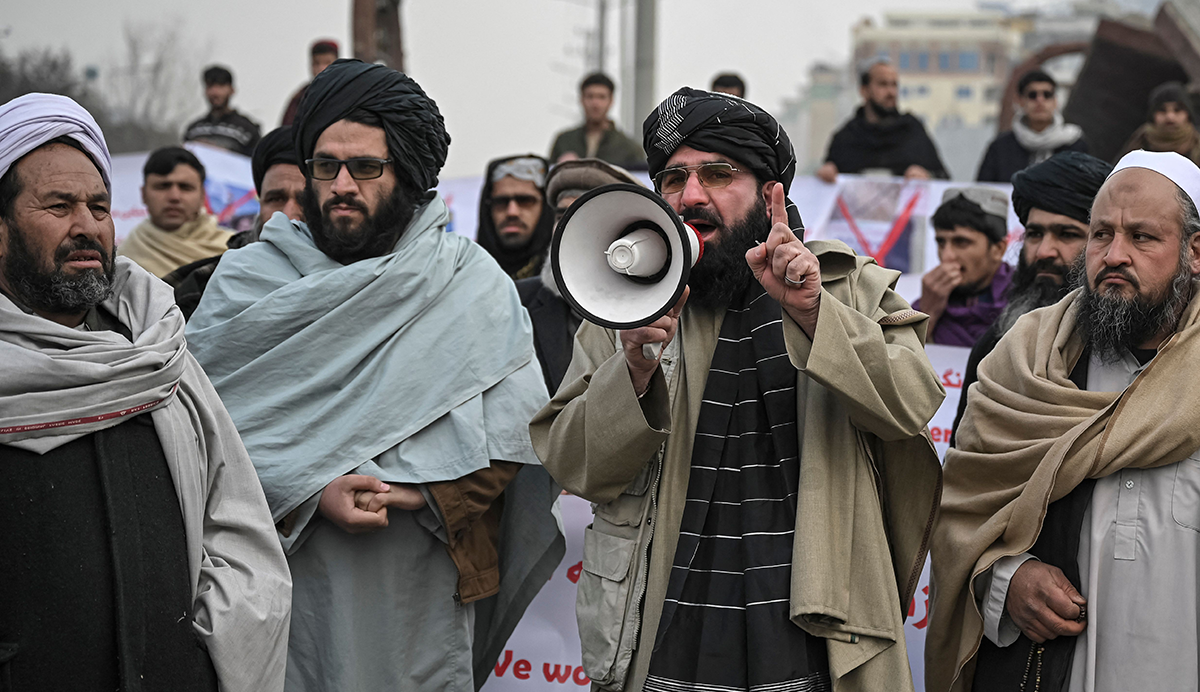
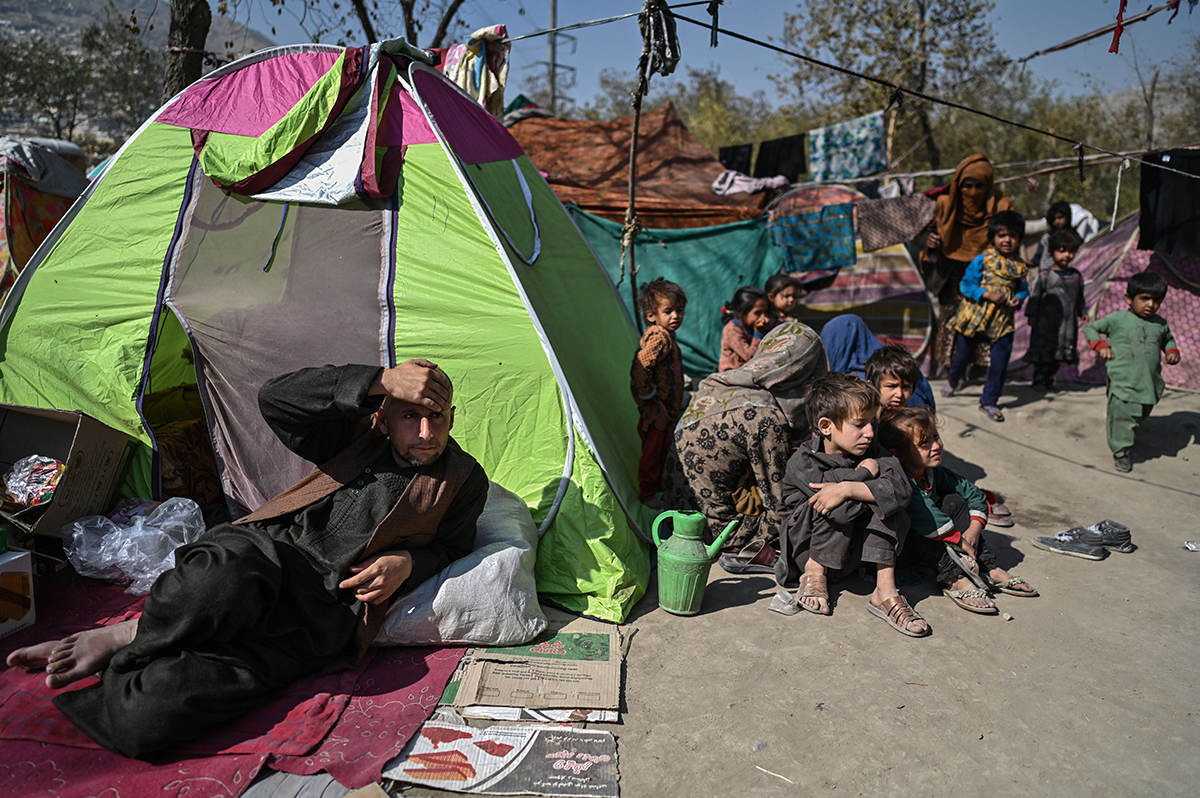
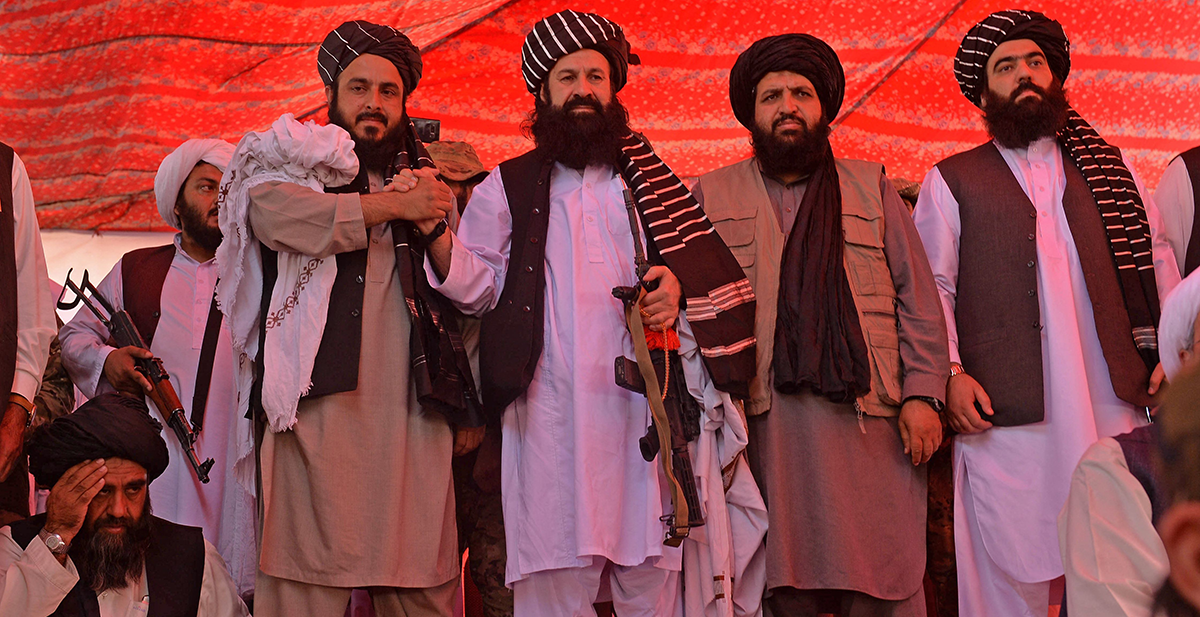
    For years, the world tried to soften the Taliban’s extremist ideology by exposing them to modernity. As an insurgency they learned diplomacy and negotiation tactics, but their medieval thinking remained just as rigid. Now that the Taliban rule over Afghanistan, the international community continues to appease them, assuming it can convince them to form an inclusive government and ease their regressive policies while alleviating the country’s worsening humanitarian disaster. That is a naïve assumption that overlooks the root causes of the current crisis. Not only will the international community not get what it wants, but it also risks creating a much greater crisis: a Taliban theocracy that institutionalizes its repressive rule at a steep human and economic cost.

    February 14, 2022

    Renewable power policies in the Arab Gulf states
    Photo by MARWAN NAAMANI/AFP via Getty Images
  • Analysis
  • Renewable power policies in the Arab Gulf states

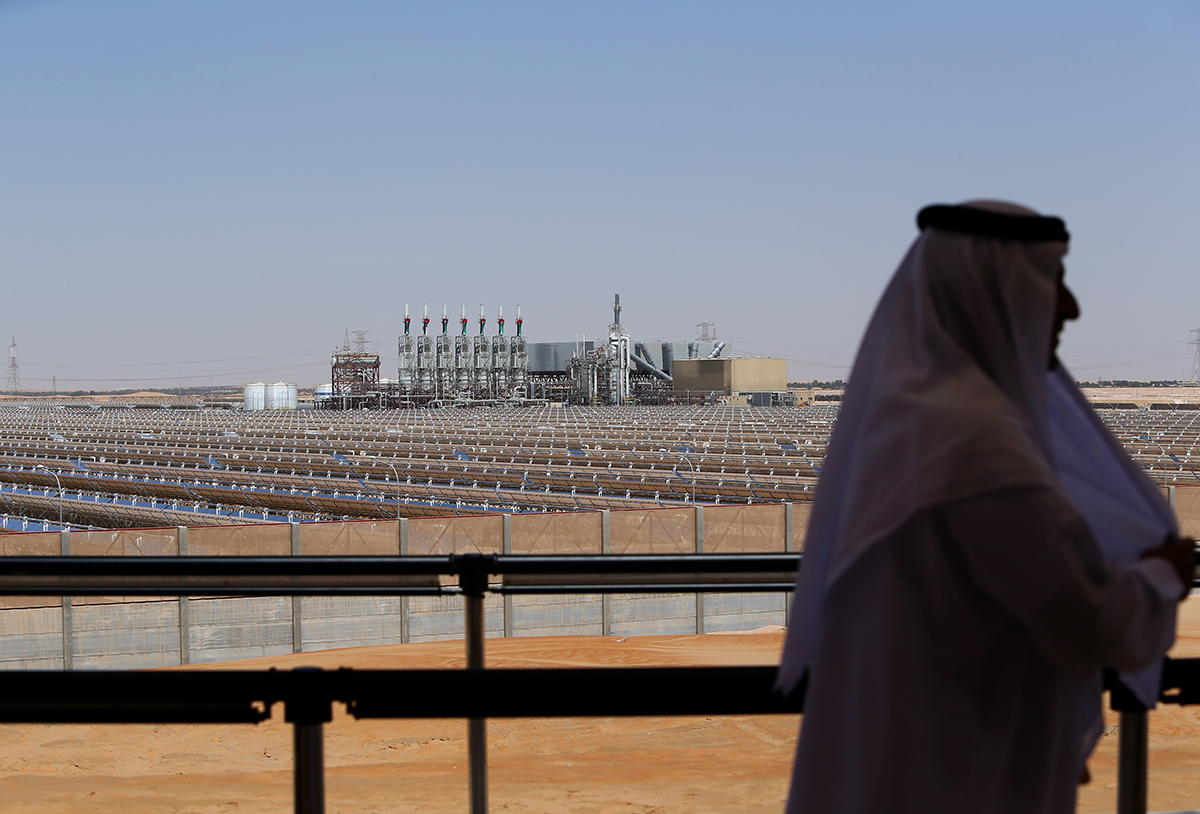
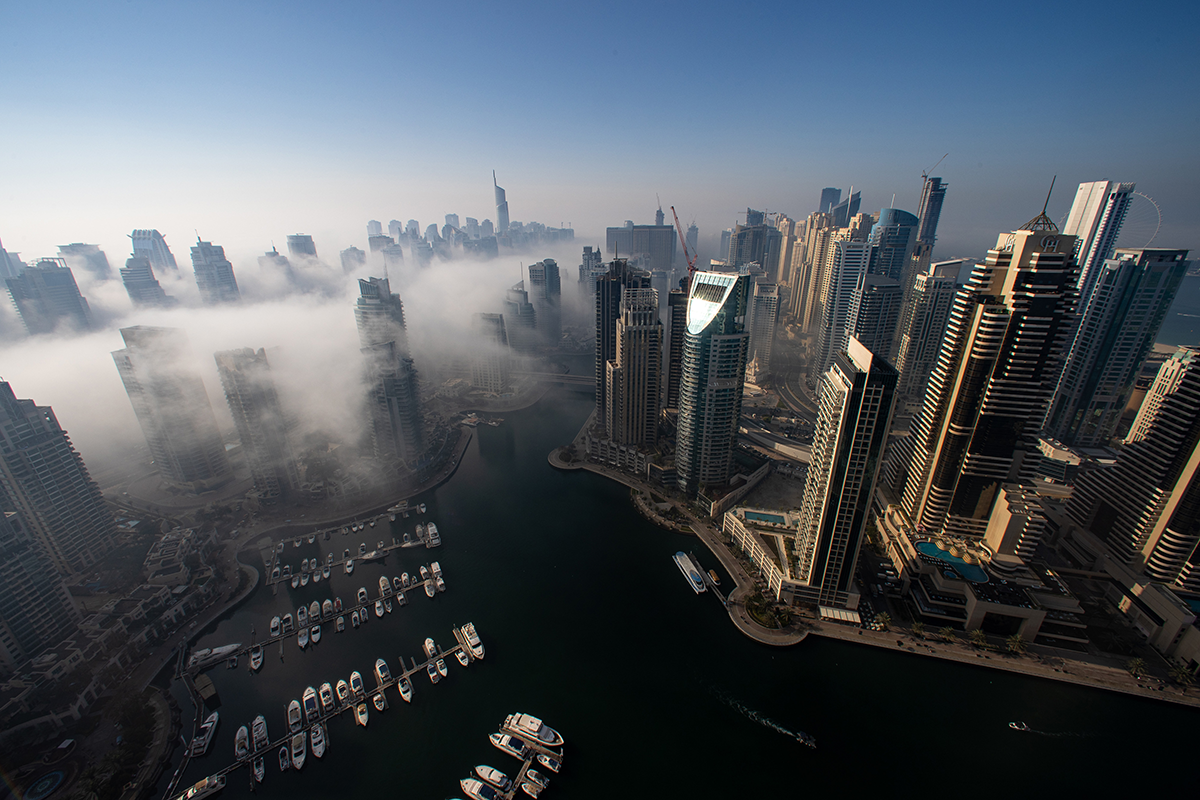
    The Arab Gulf states appear to be following a common template in responding to the global transition toward an energy system in which renewables play an increasingly central role. They are publicizing renewable energy targets, decarbonizing upstream and downstream oil and gas operations, commissioning renewable energy projects, and improving energy efficiency, among other strategies. A closer look, however, reveals differences in how they have deployed solar and wind power capacity.

    The Taliban’s religious roadmap for Afghanistan
    Photo by MOHD RASFAN/AFP via Getty Images
  • Analysis
  • The Taliban’s religious roadmap for Afghanistan

    After a grueling 20-year campaign, America concluded its war in Afghanistan where it started: with the Taliban in charge. But this isn’t your father’s Taliban. In recognition of their need for a firmer ideological base and their desire to establish a purely Islamic system, the Taliban rulers are gradually putting together the framework for their new ideological state. They are enacting three closely intertwined ideological initiatives in order to solidify their rule: fleshing out a state religious ideology, burnishing their “originalist” religious credentials, and channeling Afghan nationalism into religious nationalism. These ongoing efforts, which revolve around the Taliban’s Islamism, provide a preview of how the new rulers intend to interact with temporal political realities by provoking religious reform in order to rule Afghanistan.

    Afghanistan’s economy: Collapse and chaos
    Photo by Scott Peterson/Getty Images
  • Analysis
  • Afghanistan’s economy: Collapse and chaos

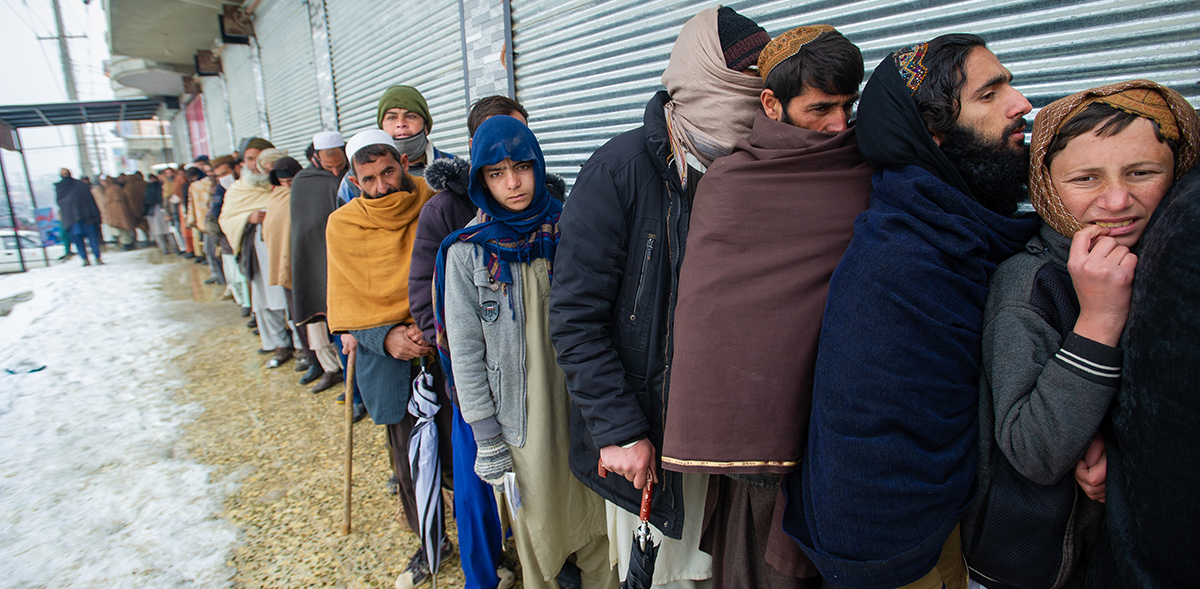
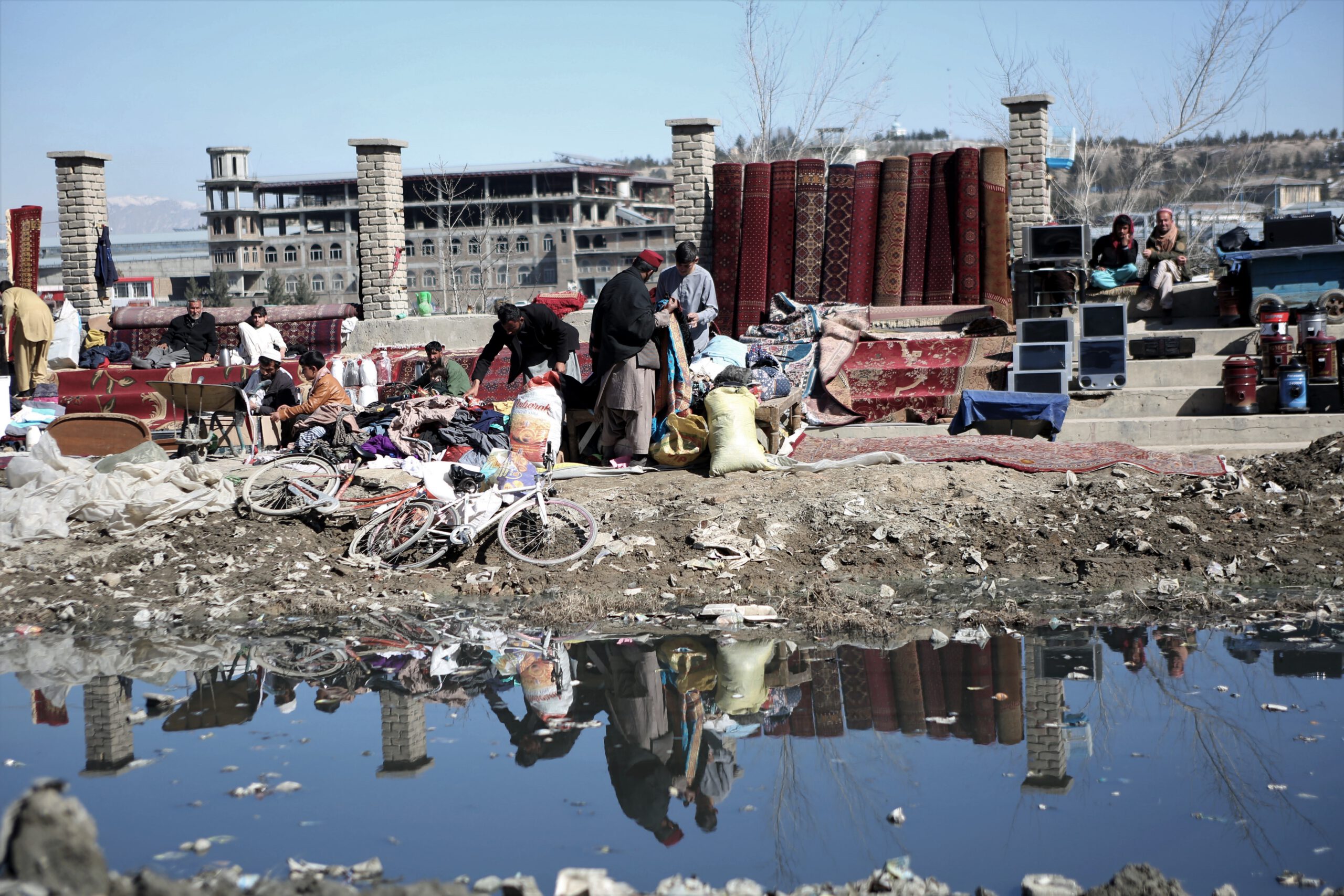
    On Jan. 13, U.N. Secretary-General Antonio Guterres expressed alarm that millions of Afghans are on the “verge of death” thanks to a lethal brew of “freezing temperatures and frozen assets.” This was no idle warning. Notwithstanding the decline in fighting following the Taliban’s victory in August 2021, Afghanistan’s economy is in a deepening spiral of impoverishment and destitution.

    January 21, 2022

    India’s search for a new role in Afghanistan
    Photo by Arvind Yadav/Hindustan Times via Getty Images
  • Analysis
  • India’s search for a new role in Afghanistan

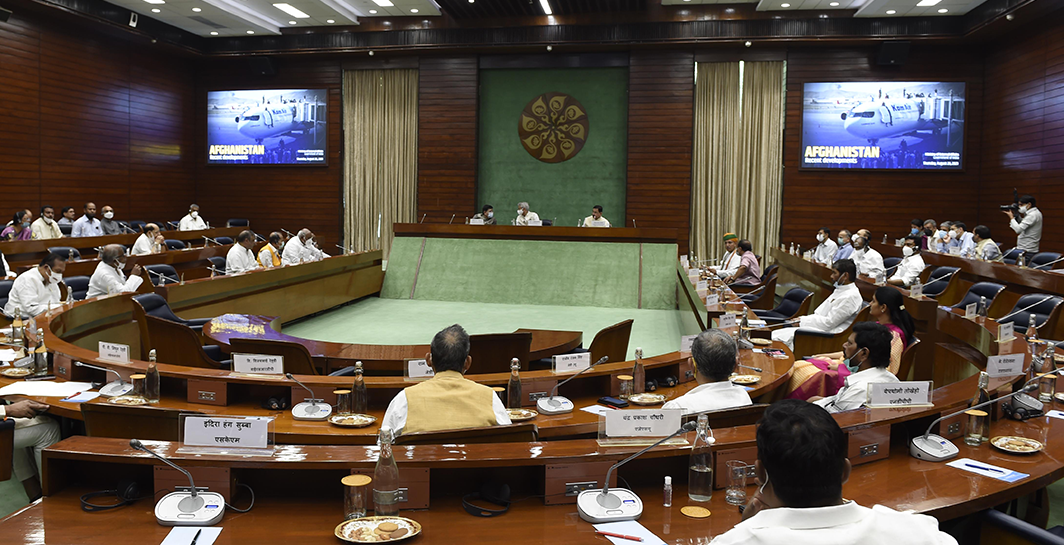
    As the humanitarian situation in Afghanistan grows increasingly dire, Pakistan has informed India that it will allow the transportation of wheat and life-saving medicines from India to Afghanistan through its territory, on the condition that only Afghan trucks are used to carry it. The Taliban regime has praised Pakistan for the move, but will it arrest the decline in India’s fortunes in Afghanistan?

    December 8, 2021

    Dust in the Cloud: The Future of Data Governance in the GCC
    Photo by Christopher Pike/Bloomberg/via Getty Images.
  • Analysis
  • Dust in the Cloud: The Future of Data Governance in the GCC

    As the countries of the Gulf Cooperation Council (GCC) work to transform from hydrocarbons-driven to data-driven economies, they will need to make significant and well-planned invest-ments in digital infrastructure, particularly when it comes to the complex issue of data govern-ance. They must take the lead in establishing regulatory and legal frameworks aligned with international standards in terms of data gathering, processing, and storing procedures. This report highlights the existing laws and regulations that govern data protection in the GCC while addressing their potential and limitations, along with the similarities and differences between the GCC’s legislative frameworks and the EU’s General Data Protection Regulation, and the impact of the GCC’s current data protection laws on individuals, the private sector, regulators, and governments.
    December 6, 2021

    Energy Prospects in the Gulf: The Oil Price Ascent, in Brief
    Photo by Simon Dawson/Bloomberg via Getty Images
  • Commentary
  • Energy Prospects in the Gulf: The Oil Price Ascent, in Brief

    While oil prices have rebounded before soaring since the depths of collapse in the spring of 2020 — with Brent crude prices skyrocketing from $19 per barrel in April 2020 to a three-year high of $86 per barrel in October 2021 — the prospects for a sustained high oil price for Gulf producers is unlikely.

    Tajikistan’s evolving relations with the Taliban 2.0
    Photo by Russian Foreign MinistryTASS via Getty Images.
  • Analysis
  • Tajikistan’s evolving relations with the Taliban 2.0

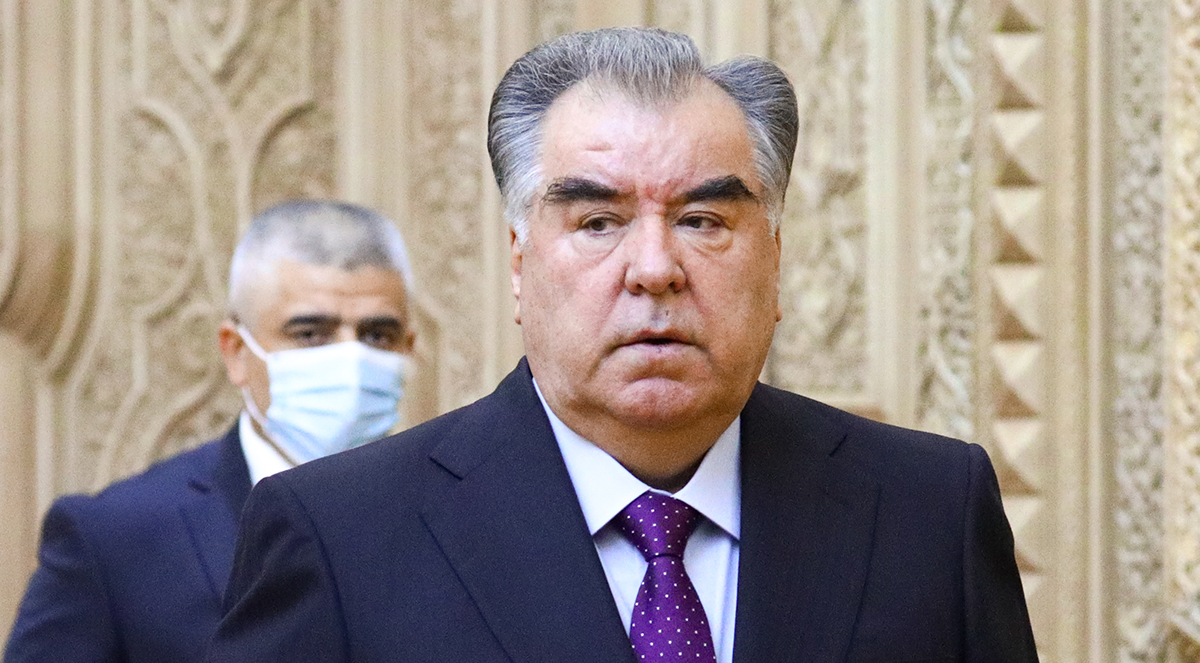
    While the international community has adopted a “wait-and-see” attitude toward the Afghan Taliban, Tajikistan has taken a sharply critical view. Rhetoric between Tajikistan and the Taliban is increasingly bitter, a symptom of a broader problem in their bilateral ties. Tajikistan’s President Emomali Rahmon has condemned the Taliban regime in Kabul for failing to form an inclusive government and for violating human rights in the Panjshir Valley. The Taliban have responded by warning Tajikistan not to interfere in Afghanistan’s internal affairs.

    December 1, 2021

    The superpowers and the future of Afghanistan
    Photo by HECTOR RETAMAL/AFP via Getty Images
  • Analysis
  • The superpowers and the future of Afghanistan

    Since the hasty American withdrawal from Afghanistan in August, refugees have flowed out of the country and its domestic problems have grown increasingly dire due to the lack of effective governance and much-needed funding. Neighboring countries Iran, Pakistan, and China, along with other regional states and the U.S., now all face a dilemma as to how to stabilize the rapidly deteriorating internal situation. Further efforts must be made to address the growing economic and humanitarian crisis, especially before the onset of winter, although the nature and scope of these efforts are likely to be shaped by the broader competition between Washington and Beijing.

    November 30, 2021