After Aramco: Will halting Houthi attacks on Saudi Arabia end Yemen’s war?
After five years of indecisive war, there is a clear desire on the part of the international community to bring the conflict in Yemen to an end, and the recent UN-endorsed Houthi initiative seems predicated on the assumption that ending the fighting between Riyadh and the Houthis would achieve this. A closer look at the situation, however, suggests this assumption is flawed.
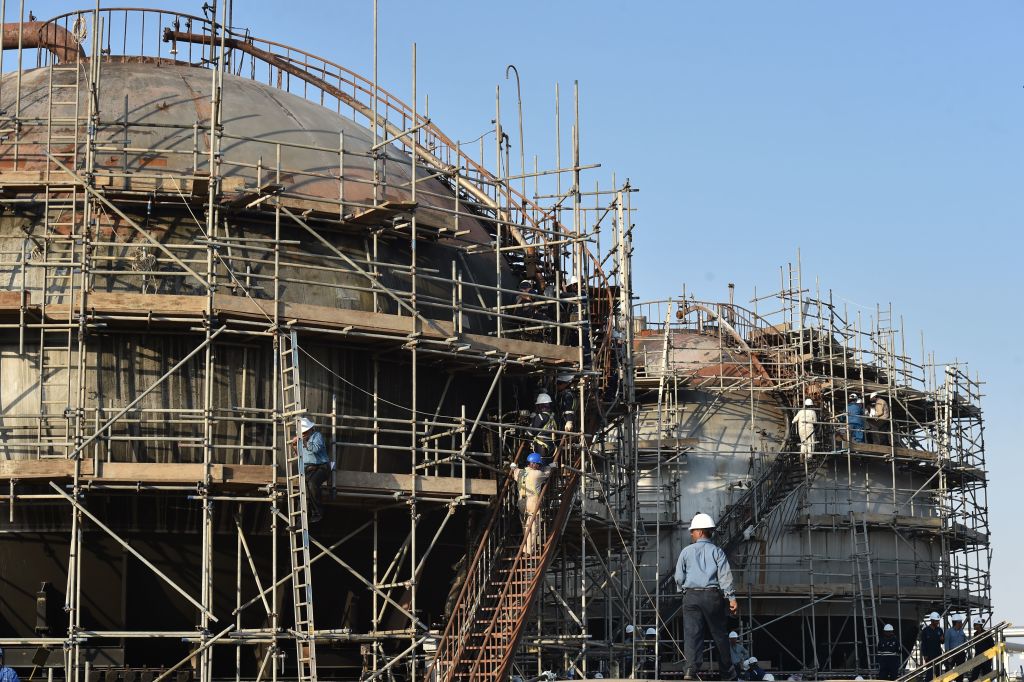
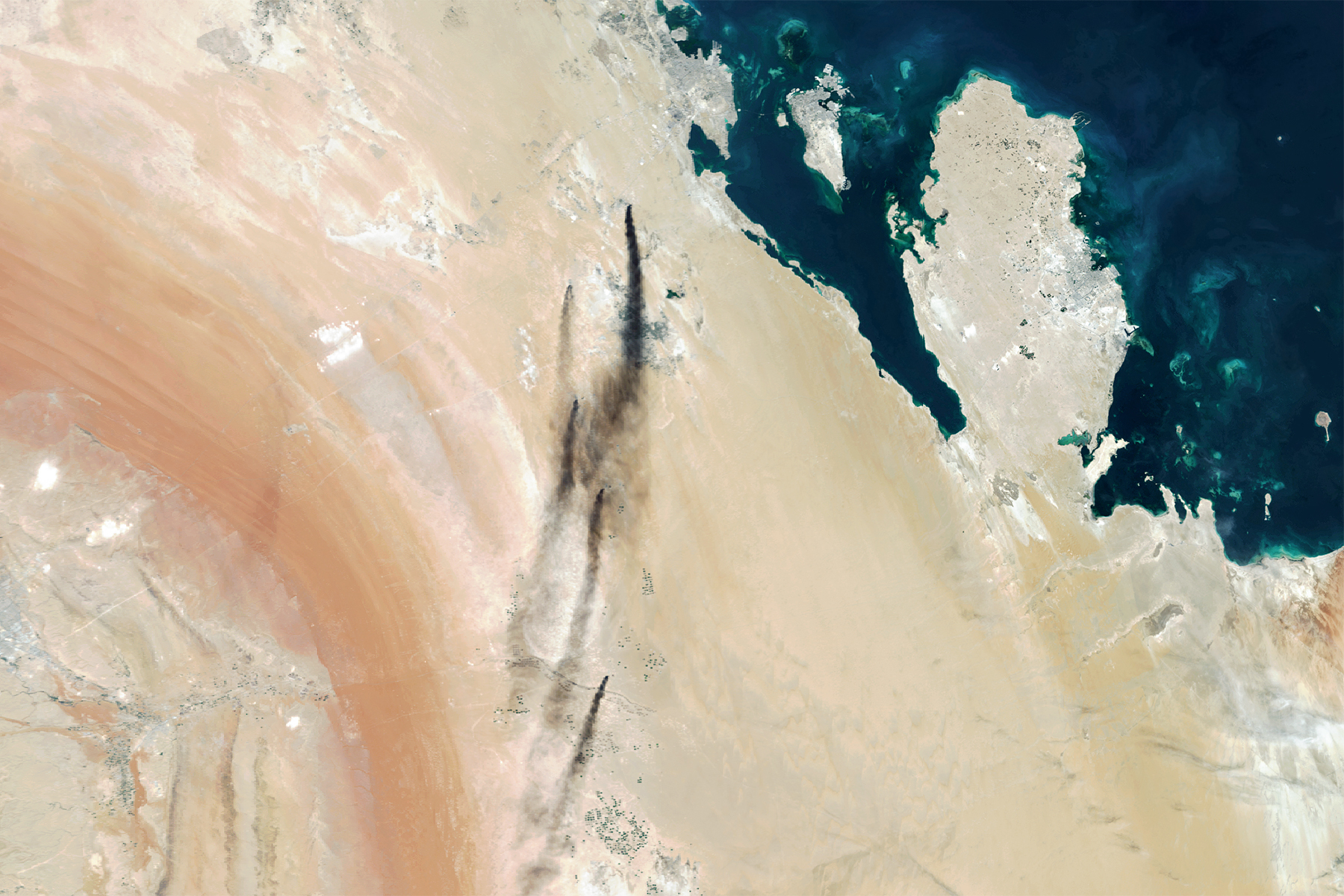
Although the Houthi militia claimed the attacks on Saudi Aramco oil facilities in Saudi Arabia on September 14, experts doubt that the drones were launched from Yemen. Despite the Houthis’ affirmations and Iranian denials, investigations by the US and the Arab Coalition have demonstrated the weapons used were Iranian, and the location of the oil installations in northeastern Saudi Arabia makes them almost certainly out of range from Yemen.
Saudi makes cautious moves in Yemen, but remains far from a settlement
The Saudis made their first cautious moves to disentangle themselves from Yemen but remain far from any settlement. In response to an earlier announcement of a unilateral ceasefire by the Houthis on the fifth anniversary of their entrance into Sanaa, Saudi Crown Prince Mohammad bin Salman said that a settlement in Yemen would be far easier if the Houthis abandoned their Iranian backers. His comments come after the Saudis announced a partial ceasefire covering some areas in Yemen, but Saudi planes attacked Houthi positions in northern Yemen along the border as if to emphasize that it is only a partial ceasefire.
What does the Saudi oil facility attack mean for Russia?
The Sept. 14 attack on key Saudi oil facilities, which knocked out over half of the kingdom’s oil production, has signaled a significant change in approach toward regional and global security. It’s clear that things won’t be the same again. But what does it mean for Russia?
The attack reduced Saudi oil production by 5.7 million barrels per day (bpd), leading to a sharp rise in global oil prices of nearly 20%. Although this was a very important development from an energy and economic perspective, we should not underestimate the political and security ramifications either. The entire paradigm of a secure Gulf under the protection of the U.S. military umbrella has been undermined.
Yemen’s peace process: The Hodeida Agreement that never was?
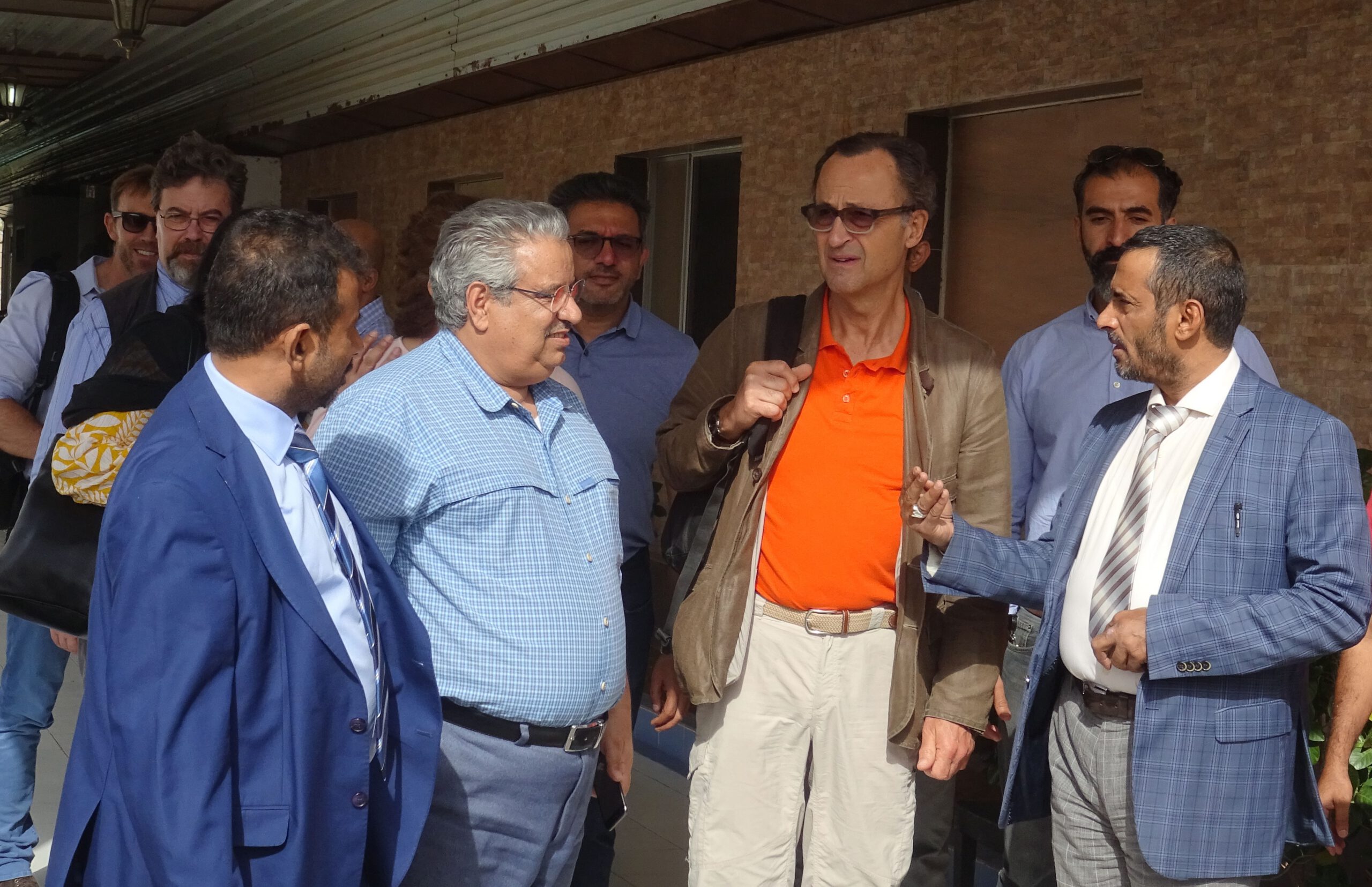
In late July, Lt. Gen. Michael Anker Lollesgaard left Yemen after his six-month term as the second head of the UN Mission in support of the Hodeida Agreement (UNMHA) came to an end. Unlike his predecessor, Maj. Gen. Patrick Cammaert, who departed quietly, Lollesgaard was given a proper sendoff from Sana’a. A senior Houthi commander, Maj. Gen. Ali al-Musheki, even went so far as to describe Lollesgaard as “a conscientious military commander.”
Monday Briefing: Attack on Saudi oil facilities has an impact far beyond the kingdom
This week’s briefing on recent news and upcoming events in the region featuring Ruba Husari, Paul Salem, Gerald Feierstein, Amal Kandeel, Grace Wermenbol, Robert S. Ford, Charles Lister, and Gonul Tol.
This week’s briefing on recent news and upcoming events in the region featuring Marvin G. Weinbaum, Robert S. Ford, Fatima Abo Alasrar, Jean-François Seznec, Michael Sexton and Eliza Campbell.
Monday Briefing: A mixed record for PM Khan’s first year in office
This week’s briefing on recent news and upcoming events in the region featuring Arif Rafiq, Ibrahim Jalal, Michael Sexton and Eliza Campbell, and Alex Vatanka.
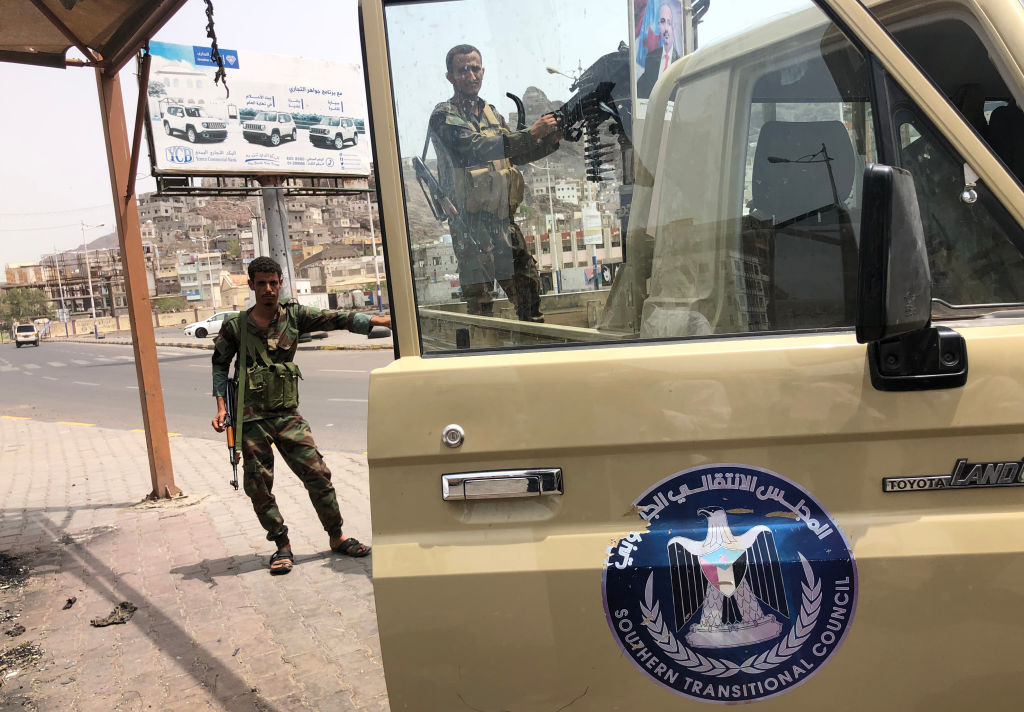
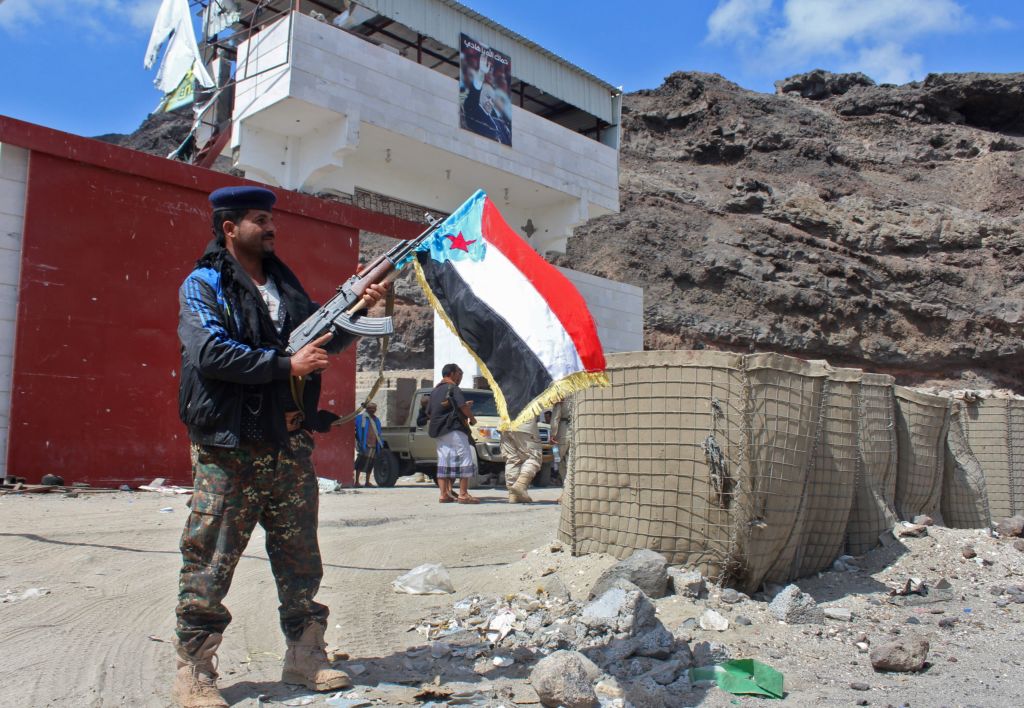
After more than four years of fighting, the war in Yemen continues to drag on. Although the rival parties came to a deal at the end of 2018 in Stockholm, they have failed to fully abide by its terms due to ambiguity about the future Yemeni state. Currently, there are multiple, rival authorities in different regions of the country, and the individuals in power disagree whether there should be one state, two states, or multiple states. They also disagree whether the future states of Yemen should be independent or linked through a federal or confederal system of government. Profound questions about the country’s future remain unanswered, and before negotiations can move forward the parties will likely need to address the elephant in the room: the future structure of Yemen as a state.
Monday Briefing: Fighting flares up in southern Yemen
This week’s briefing on recent news and upcoming events in the region featuring Fatima Abo Alasrar, Gonul Tol, Marvin G. Weinbaum, Randa Slim, and Michael Sexton and Eliza Campbell.
Can Russia play a role in ending the Yemeni civil war?
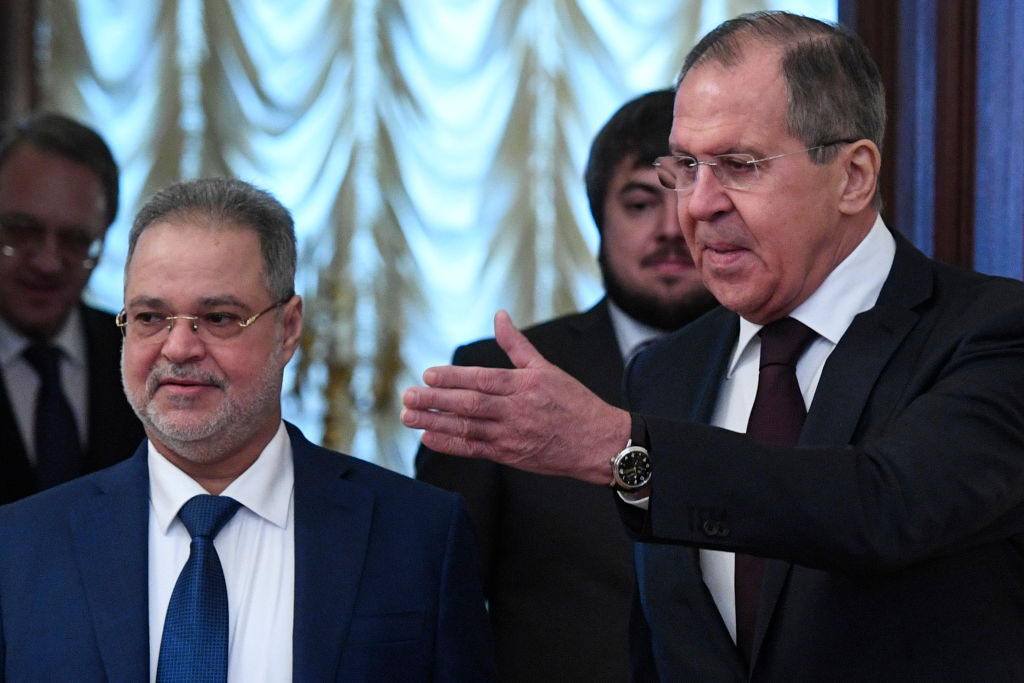
In late July, Russian officials met with Yemen’s Prime Minister Maeen Abdulmalik and representatives of the Houthi Supreme Political Council to discuss the resolution of the Yemeni civil war. These meetings underscored Russia’s ability to balance favorable relations with Yemen’s internationally recognized government and the Houthis: Moscow supported Abdulmalik’s vision for a political solution to the Yemeni civil war and concurred five days later with Houthi criticisms of U.S. military deployments to the Persian Gulf.
The UAE is reducing its military presence in Yemen and redeploying its forces. This news has spread rapidly, prompting many questions about what it could mean for the continuation or possible conclusion of the war in Yemen. However, the move will not affect the whole country equally.
The United Arab Emirates’ decision to draw down its troops in Yemen has led to cautious hope in the war-torn country. Fatima Abo Alasrar, senior analyst at the Arabia Foundation; Katherine Zimmerman, AEI research fellow and research manager for AEI’s Critical Threats Project; and Jerry Feierstein, MEI senior vice president and former U.S. ambassador to Yemen, join host Alistair Taylor to discuss what the drawdown means on the ground and what ramifications the move might have.
Divided over narratives: The new fault line in the Arab World
Many of the divisions in the Arab World today are ideological and revolve around narratives — carefully constructed ontological representations of both how the world works and how it is supposed to work conforming to clearly set out interests and values. While the old sectarian narratives might still play an underlying role, what divides Arabs from Morocco to Oman are different grand-strategic visions of the region’s future after the Arab Spring.
The UAE drawdown in Yemen is a welcome step, but it needs to be reciprocated
Reports that the UAE, a key member of the Saudi-led coalition fighting in Yemen, has decided to draw down and reposition its troops should be welcomed and taken seriously. It is not a small or symbolic move, but rather a serious, strategic, and thoughtful military and political decision. If reciprocated by the Iranian-backed Houthi militia, it could serve as the long-awaited breakthrough in the five-year-old Yemen war.