Urban pollution across the Middle East and Black Sea regions: Causes and mitigation measures
The latest IPCC reports clearly indicate that cities — responsible for up to 72% of global emissions — need to be redesigned to stand a chance against the climate crisis. The urban communities of the Middle East and Black Sea regions face some of the most difficult climate change effects. To properly address their challenges, a comprehensive analysis of drivers and strategies to follow is needed.
King Abdullah sends subliminal messages about a “Middle East NATO” alliance
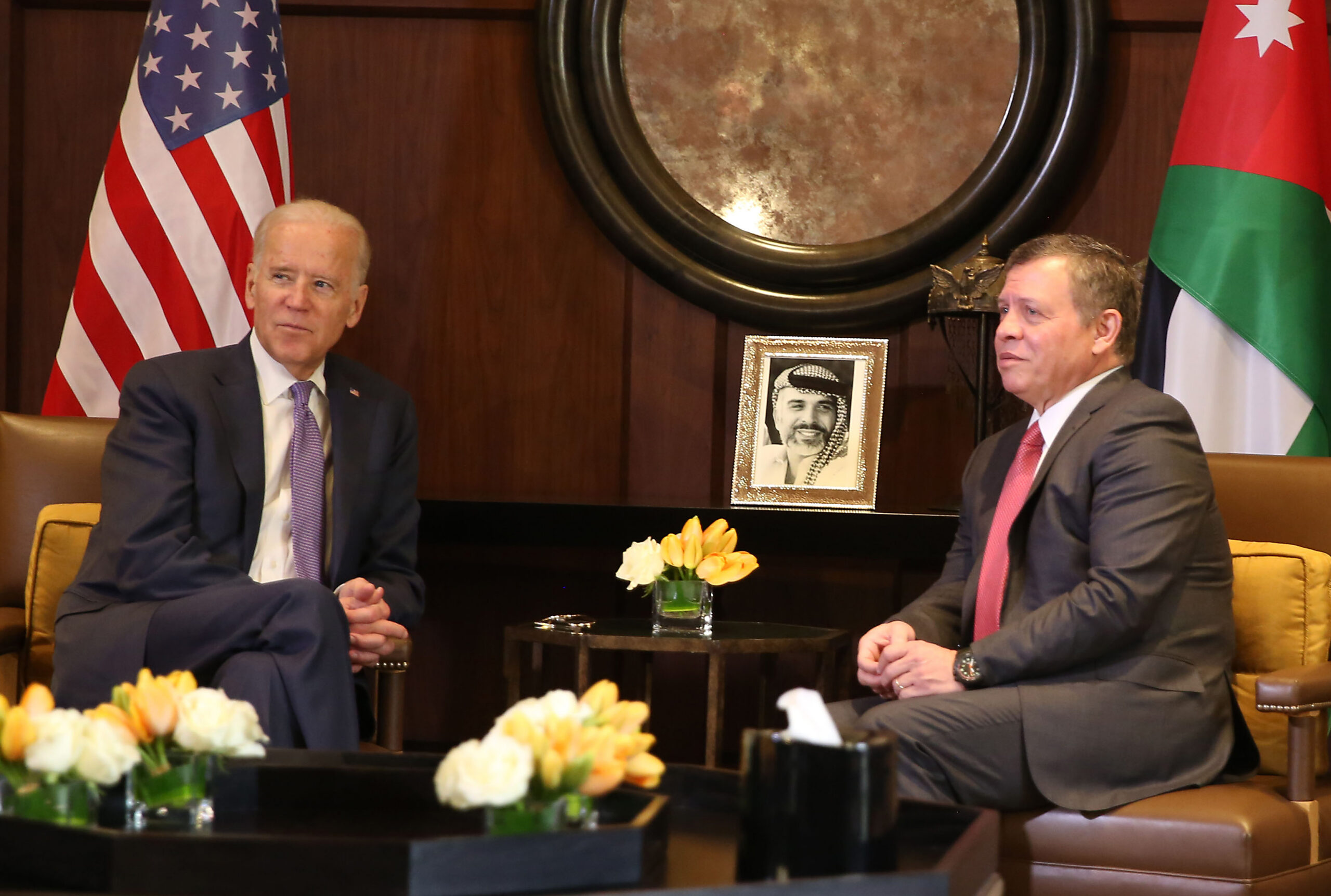
Given Jordan’s often cautious diplomatic demeanor, the best way to respond to media reports that the U.S. was about to launch a “Middle East NATO” regional alliance on the eve of President Joe Biden’s visit to the region was to step in and take a stand. And it seems that King Abdullah thought that saying “yes” to the idea when he meant “yes but” would be the best response at this stage.
We cannot ignore Syria’s emergence as a narco-state
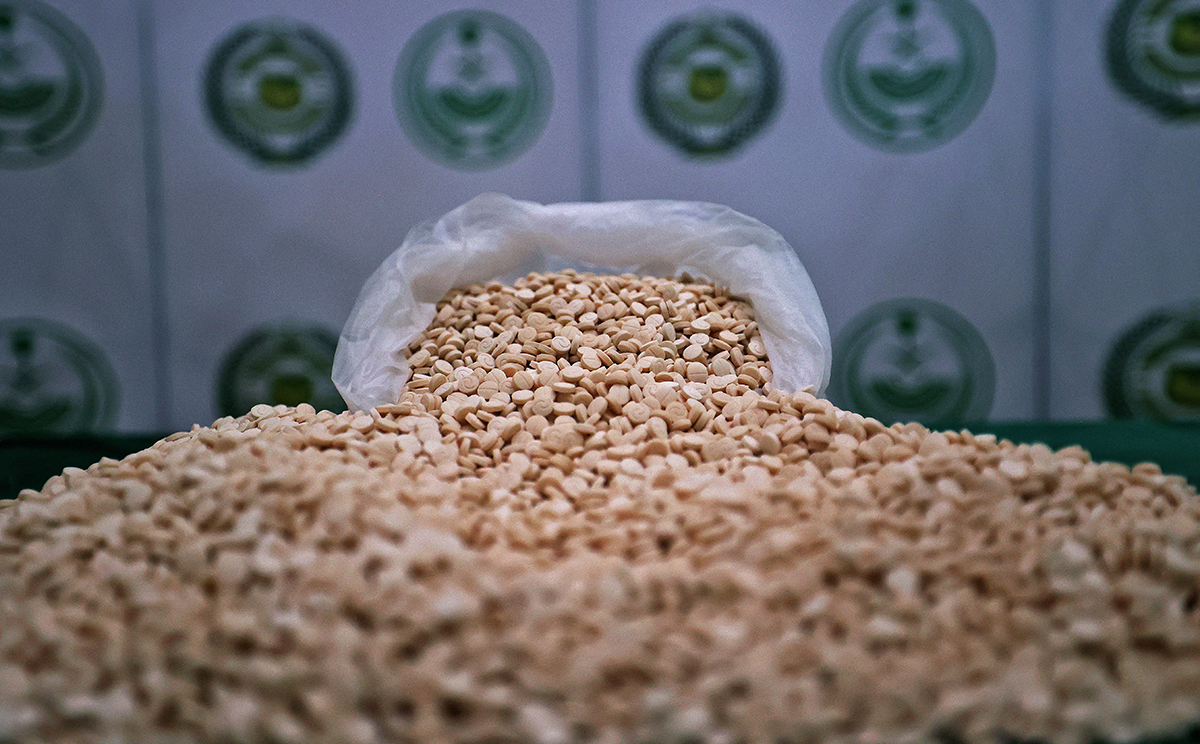
Syria has emerged in recent years as a narco-state of regional and possibly global significance. Having destroyed much of the country, crippled the national economy, and reduced itself to pariah status, Syria’s regime and core components of its security apparatus have fronted a secretive industrial complex for the manufacture of a popular amphetamine known as Captagon.
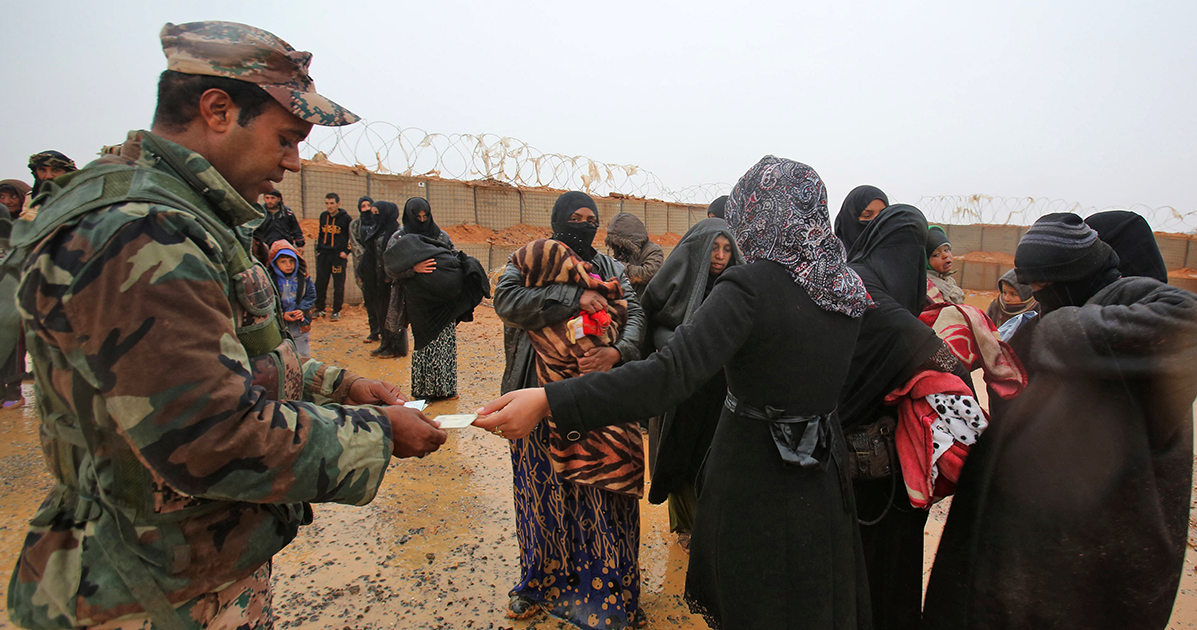
Last month, members of Congress called on the Biden administration to address the eight-year-long humanitarian crisis at Rukban, a desolate informal displacement camp in the eastern Syria desert, just miles from the U.S.-led coalition base at the al-Tanf garrison (ATG). Since 2015, Syria, Jordan, Russia, and the United States have refrained from claiming responsibility for the camp, resulting in a protracted period of inaction with severe humanitarian consequences.
Jordan is walking a diplomatic tightrope on Russia’s invasion of Ukraine
In spite of Jordan’s close ties to the United States and Europe, Amman has found itself walking a diplomatic tightrope in the wake of Russia’s invasion of neighboring Ukraine in late February.
Amid efforts to normalize Assad’s regime, the need for a new US Syria policy is clear
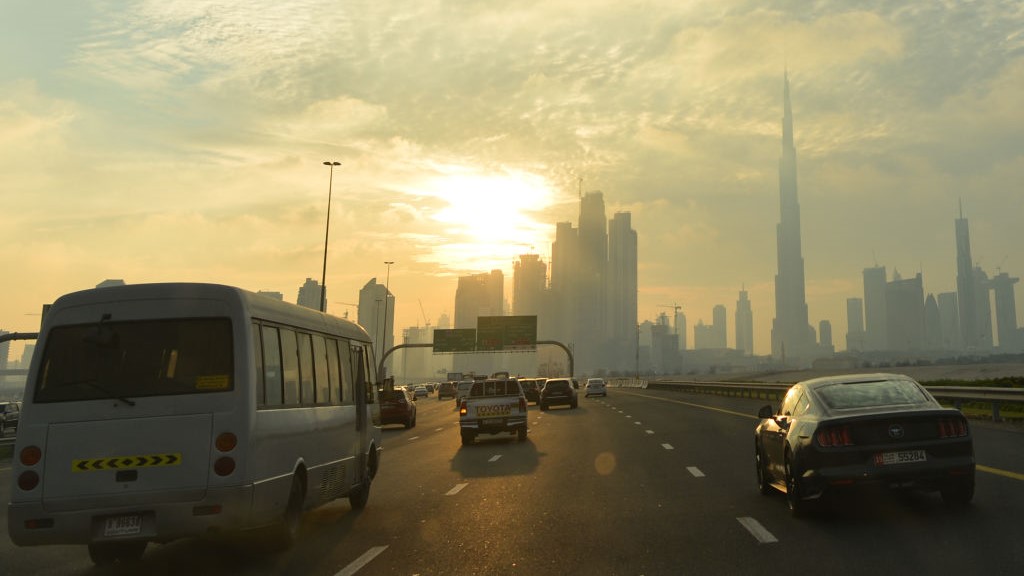
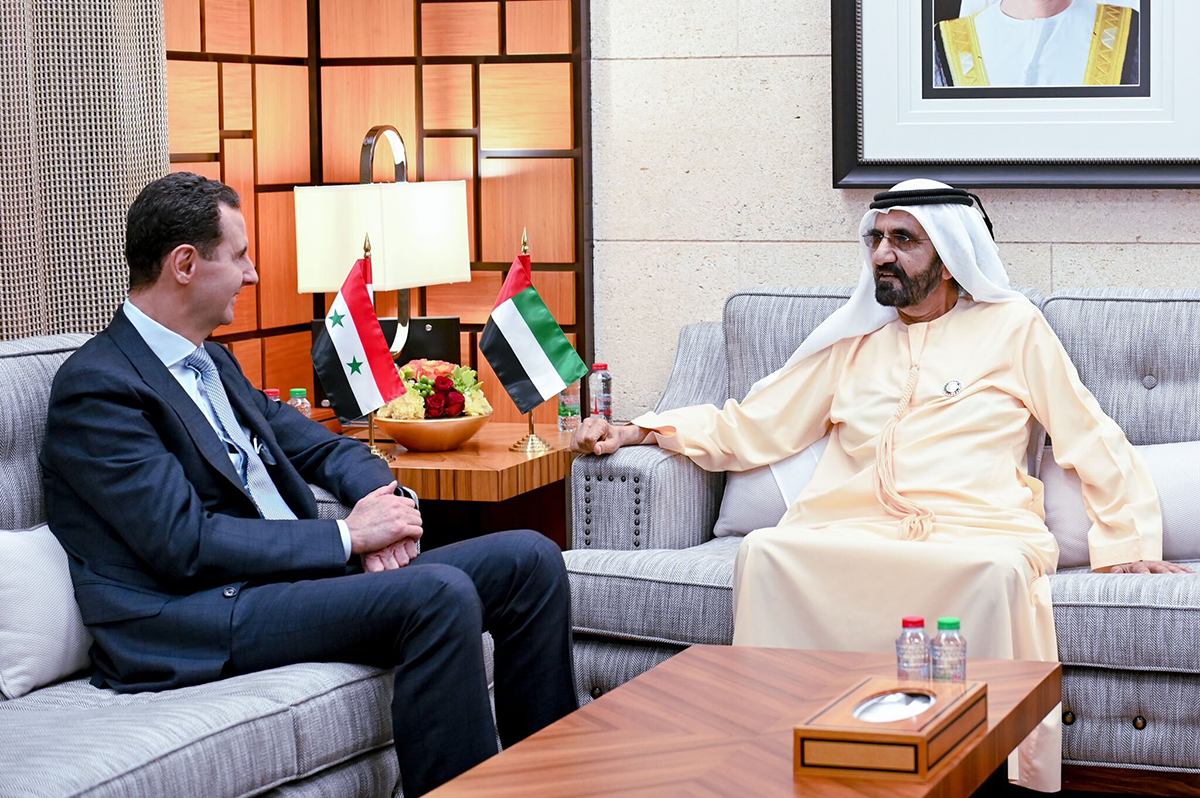
The decision by the UAE to host Syria’s President Bashar al-Assad in Dubai on March 18 has drawn deep consternation across the U.S. government and Congress, as well as in allied capitals in Europe and some in the Middle East.
In two months, Lebanon is scheduled to hold parliamentary elections in the midst of a continuing economic meltdown and total failure of governance. The outcome of the vote is likely to be disappointing for anyone expecting to elect new leaders capable of reforming Lebanon.
Women’s labor force participation and COVID-19 in Jordan
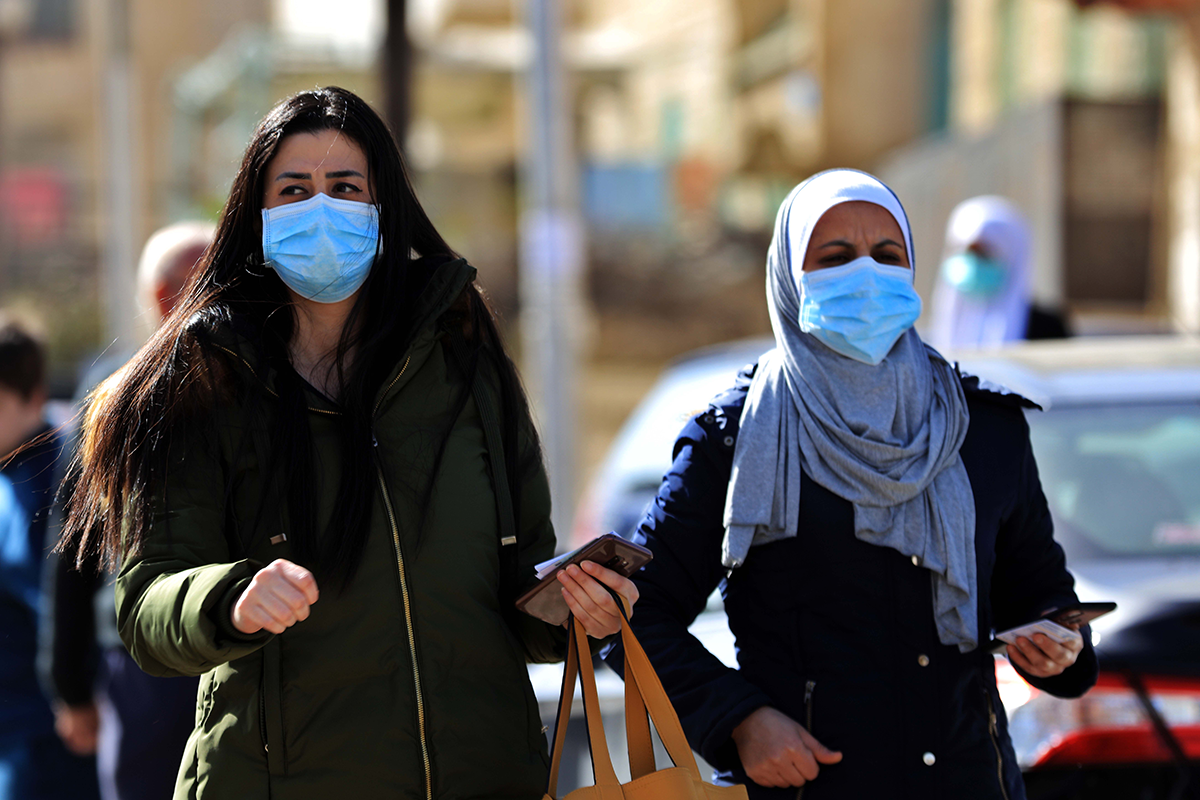
Jordan has the lowest rate of women’s economic participation of any country not at war. According to the ILO, the kingdom’s female labor force participation rate is below 15%, while that of men is about 60%. This is lower than rates of female labor force participation in neighboring Lebanon (23%), Saudi Arabia (22%), and the West Bank and Gaza (18%). As the COVID-19 pandemic stretches on, the government of Jordan should take the opportunity to expand the accessibility of remote work and corresponding opportunities for Jordanian women who aim to play a role in their nation’s economy.
Helping the Lebanese People Move Toward Recovery: Recommendations for US Policy
Lebanon is currently at a crossroads as the government faces the daunting tasks of rebuilding the economy, restoring public trust, and clearing the way for free and fair parliamentary elections in May of 2022. The country finds itself spiraling downward — an agreement with the IMF is yet to be realized, poverty and emigration are increasing, and there are growing threats to stability due to a failing economy and widespread corruption. Given this critical situation, it is worthwhile to review U.S. interests in Lebanon’s survival and consider key recommendations for U.S. policy to help Lebanon avoid complete collapse and help the Lebanese people move toward economic recovery, political legitimacy, and a more capable, transparent, and sovereign state.
On Dec. 23, Jordanian Minister of Industry, Trade, and Supply Yousef Shamali and Russia’s Ambassador to Jordan Gleb Desyatnikov attended a ceremony to finalize a bilateral cooperation agreement on science, culture, and education. This agreement highlights Jordan’s delicate foreign policy balancing act. The government, led by King Abdullah II, will continue to work with a diverse group of countries, even those with tense relations with the West, to bolster its security and economic opportunities. Mitigating security threats and increasing business opportunities is key to political stability and the continuation of the king’s rule amid Jordan’s persistent socio-economic problems. However, the king will need to be careful not to undermine his closest allies by working with their adversaries.
Exploring the feasibility of the Jordan-Israel energy and water deal
On Nov. 22, the Dubai Expo hosted an event where the United Arab Emirates (UAE), Jordan, and Israel signed a cooperation agreement that would broker an exchange of renewable energy and water between Jordan and Israel. The signing of the agreement between the respective minsters of the three countries took place in the presence of Abu Dhabi Crown Prince Mohammed bin Zayed and U.S. Climate Envoy John Kerry, who played a role in getting the deal done.
The existential challenge of Jordan’s unquenchable thirst
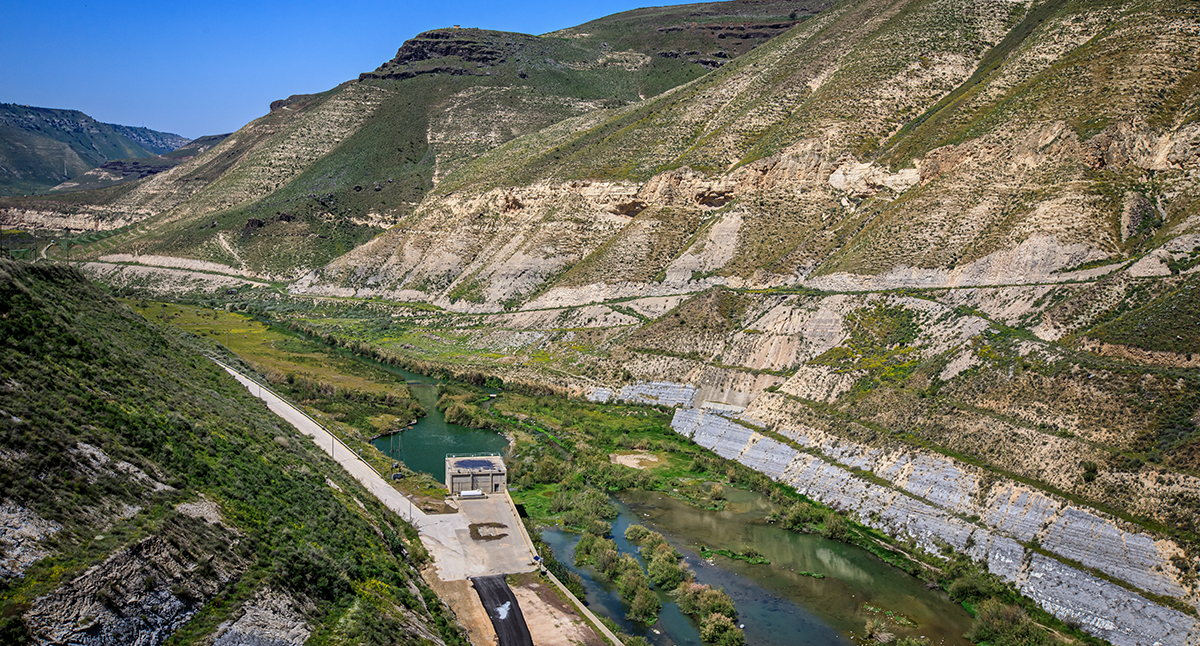
Jordan is facing an existential challenge and it has nothing to do with the deadlocked Israeli-Palestinian peace process, the war in neighboring Syria, or the threat of militant Islamists. The challenge is climate change, which is responsible for poor rainy seasons over the past few years. The situation has become so bad that in the past few weeks the government admitted that six of the kingdom’s 14 active dams have now completely dried up, exacerbating endemic shortages of water used for drinking, irrigation, and industry.
Why Washington has provided King Abdullah with political cover to engage the Assad regime
Jordan is going full speed ahead in normalizing relations with the Syrian regime, 10 years after it suspended political and economic ties with its northern neighbor in the wake of the eruption of the Syrian uprising. On Oct. 3, and in the first public contact between Abdullah and Syrian President Bashar al-Assad since 2011, Amman announced that the king had received a call from Assad. Talks focused on bilateral relations and ways to strengthen cooperation. The king stressed Jordan’s support for efforts to back Syrian territorial integrity, sovereignty, and unity. Jordan had allowed the Syrian embassy to remain open in Amman and kept a skeleton staff at its embassy in Damascus.